• Global CNC market projected to reach $128B by 2028 • New EU trade regulations for precision tooling components • Aerospace deman
NYSE: CNC +1.2%LME: STEEL -0.4%

Is a Compact Machine Tool Right for Small Workshops
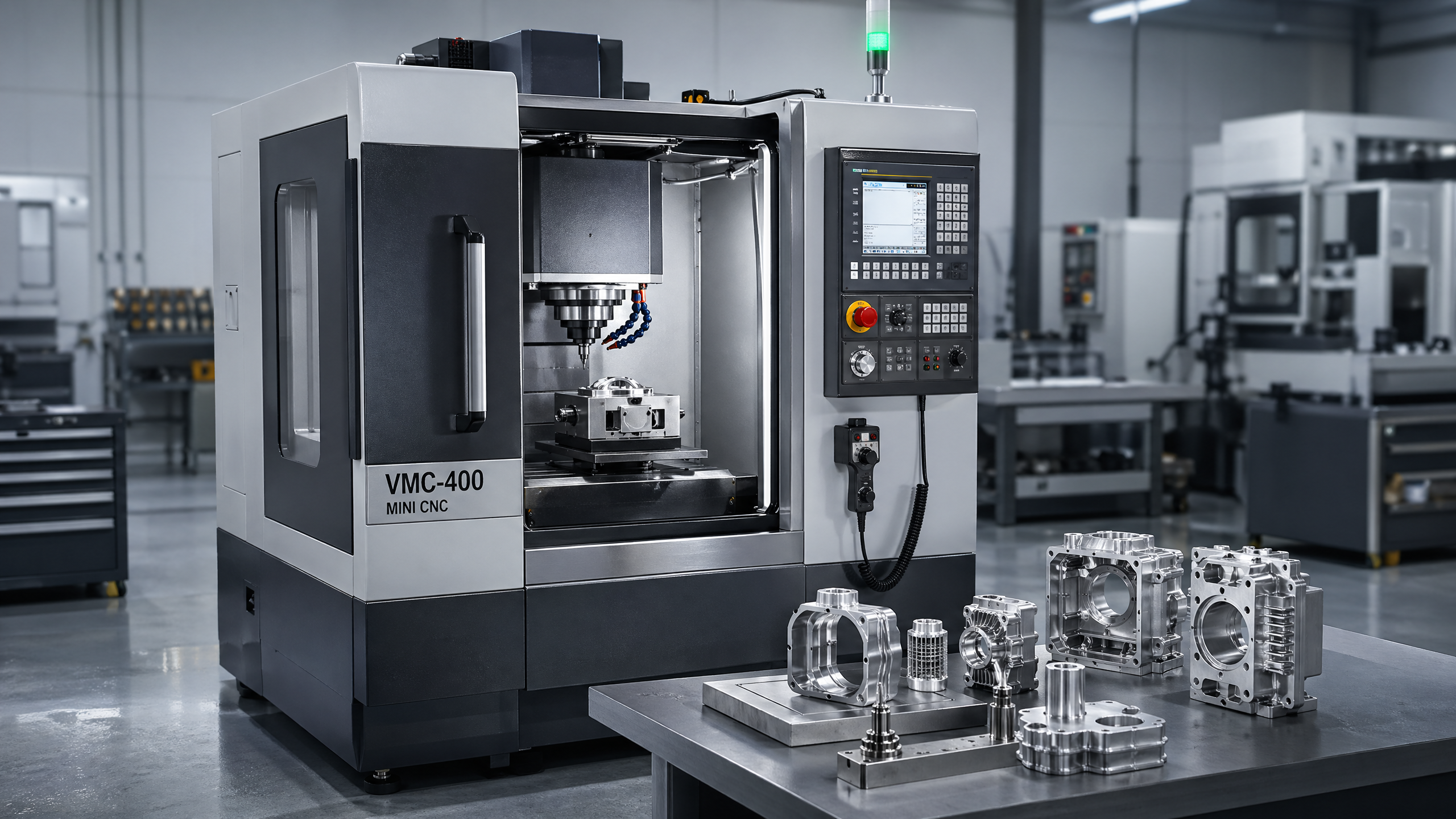
For small workshops balancing floor space, budget, and output, a compact machine tool can be a smart path to precision CNC manufacturing. From quick setup CNC manufacturing to energy-saving machine tool solutions, the right system helps improve efficiency, reduce maintenance, and support flexible production for automotive, electronics, medical devices, and mold making. This article explores whether a compact machine tool truly fits your workflow, cost targets, and long-term manufacturing goals.
When does a compact machine tool make sense for a small workshop?
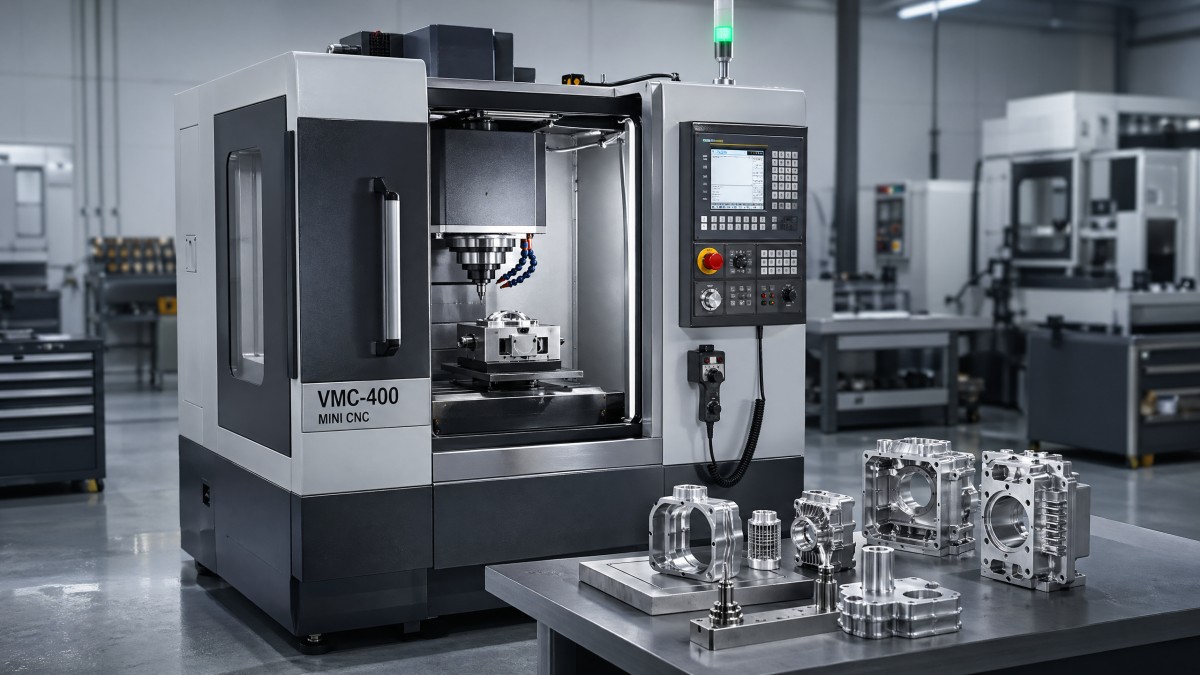
A compact machine tool is not simply a smaller version of a standard CNC system. In practical workshop planning, it is a machine platform designed to deliver stable machining performance within tighter space, power, and handling limits. For small manufacturers, prototype shops, maintenance departments, and contract machining teams, this matters when every square meter must support output.
In many workshops, the decision starts with three constraints: available footprint, target part size, and budget range. If your facility operates within 50–200 square meters, handles small to medium components, and requires flexible changeovers within 15–60 minutes, a compact CNC machine tool often becomes a realistic option rather than a compromise.
This is especially relevant in sectors where precision and responsiveness matter more than heavy material removal. Electronics housings, medical instrument parts, mold inserts, automotive small-batch components, and precision fixtures often fit the operating window of compact machining centers or CNC lathes. In these cases, faster setup and lower support infrastructure can outweigh raw size advantages.
At the same time, compact machine tools are closely aligned with the broader shift toward automated, digital, and energy-aware manufacturing. As global CNC machining moves toward smarter production lines and higher integration, even small workshops are expected to manage tighter tolerances, traceability, and shorter lead times without scaling floor space at the same pace.
Typical signs your workshop may benefit
- You produce small or medium parts and rarely use the full travel of a large machining center.
- You need to reduce walking distance, material movement, and setup time between operations.
- Your incoming power, cooling capacity, or foundation conditions are limited compared with larger industrial plants.
- You are trying to add 1–2 machines without moving to a larger building or expanding production area.
If two or more of these conditions apply, a compact machine tool deserves serious evaluation. The main question is not whether smaller is better. It is whether the machine capacity matches the real production mix over the next 12–36 months.
Which applications fit compact CNC manufacturing best?
Application fit is the first filter in any machine tool decision. A compact CNC machine tool works best where part geometry, lot size, and takt expectations stay within its structural and travel limits. For small workshops, this often means balancing mixed production rather than chasing maximum spindle power alone.
In automotive support manufacturing, compact machines are often used for brackets, bushings, connector components, sensor housings, and maintenance parts. In electronics production, they serve aluminum cases, heat sinks, test fixtures, and precision panels. In mold making, they fit electrode preparation, insert machining, and small cavity work where repeatability matters over bulk removal.
Medical device suppliers and laboratory equipment manufacturers also use compact machine tools for stainless steel, aluminum, and engineering plastic parts. These jobs typically involve short runs, multiple revisions, and strict dimensional consistency. In this setting, a compact machine with stable thermal behavior and clean chip control can support daily production more effectively than a larger underutilized system.
The following table helps compare common scenarios. It is not a fixed rulebook, but it gives procurement teams and operators a practical way to judge whether compact CNC manufacturing aligns with the production mix.
The key takeaway is simple: compact machine tools are strongest in agile production environments. If your workshop depends on high-mix, low-to-medium volume work, or if lead time pressure is measured in days rather than months, compact CNC manufacturing can deliver strong practical value.
Where compact systems may not be the best fit
They may be less suitable for heavy castings, oversized plate work, or deep roughing on hard materials where machine mass, spindle torque, and long travel are non-negotiable. Workshops serving aerospace structures, large energy equipment, or heavy-duty industrial frames should verify travel, table load, and chip evacuation very carefully before choosing a compact platform.
Another weak-fit scenario is when output demand is rising toward continuous multi-shift production. A compact machine can still perform well, but duty cycle, automation compatibility, and maintenance intervals must be reviewed in detail. The real issue is not machine size but whether the platform supports your future utilization level.
Compact machine tool vs standard machine: what should buyers compare?
Buyers often compare price first, but the more useful comparison starts with production reality. A standard machine tool may offer larger travels and stronger roughing capacity, yet those advantages only matter if the workshop actually uses them. If 70%–80% of your jobs are below the size and load limit of a compact machine, paying for unused capacity can slow return on investment.
Operators also view the comparison differently from procurement teams. For them, access, tool change convenience, loading height, chip cleaning, and control familiarity can determine whether the machine saves time every day. A compact system that reduces non-cutting time by even 10–20 minutes per shift may create meaningful annual productivity gains in a small workshop.
For business evaluators, the better question is whether the machine improves output per square meter and output per kilowatt. Those two indicators often reveal more than headline spindle numbers. In constrained sites, a machine with moderate cutting capacity but efficient layout integration may produce better commercial results than a larger unit with lower utilization.
The table below highlights practical comparison points that matter during machine tool procurement and workshop planning.
This comparison shows why a compact machine tool is not universally better or worse. It is a fit decision. For workshops under pressure to improve layout efficiency, reduce idle capacity, and respond faster to custom orders, compact equipment often supports the stronger business case.
Three metrics worth checking before approval
- Actual part envelope usage over the last 6–12 months, not just one future project assumption.
- Average setup and changeover time per batch, especially if daily job switching is common.
- Utility and layout cost, including movement paths, chip handling, and operator access around the machine.
These factors often decide the result more accurately than brochure-level spindle speed or machine mass alone.
What technical points and costs should procurement teams review?
A compact CNC machine should be selected with the same discipline used for larger production equipment. Procurement teams should review travel range, spindle interface, tooling compatibility, coolant method, chip evacuation, control system support, and maintenance access. For many small workshops, a mismatch in tooling or workholding creates more hidden cost than the machine purchase itself.
It is also wise to think in phases. Phase 1 is installation readiness. Phase 2 is stable pilot production. Phase 3 is longer-term utilization and support. A machine that installs in 7–15 days but requires repeated manual adjustment during the first 3 months may not be the most economical option. Smooth ramp-up matters.
When discussing cost, buyers should separate capital price from operating cost. Energy use, tool life, preventive maintenance frequency, control training time, and downtime response all affect the real ownership picture. In small workshops with limited staffing, one unscheduled stoppage can disrupt an entire weekly delivery plan.
The table below outlines a practical procurement checklist for compact machine tool selection. It is useful for technical teams, purchasing managers, and business reviewers who need a common decision framework.
A good procurement decision usually includes 5 key checks: part compatibility, utility readiness, tooling continuity, service response, and realistic ramp-up time. For workshops with budget pressure, this approach supports a better balance between acquisition cost and production reliability.
Standards, compliance, and practical documentation
Even when the machine is compact, compliance expectations are not small. Buyers should review machine documentation, electrical conformity, guarding design, operating manuals, and installation requirements. Depending on the export or operating market, general references such as CE-related documentation, electrical safety requirements, and local factory regulations may influence approval and deployment timelines.
For regulated industries such as medical devices or high-traceability electronics, it is also useful to confirm how the machine supports process consistency, maintenance records, and inspection workflows. The machine tool itself may not carry product certification, but it still affects audit readiness and process discipline.
What mistakes do small workshops make, and how can you avoid them?
One common mistake is choosing a compact machine tool only because it is cheaper or smaller. That shortcut often ignores fixture height, tool magazine capacity, material removal needs, and future order mix. A machine that fits the floor but not the process quickly becomes a bottleneck. Good selection starts with production mapping, not brochure size.
Another mistake is underestimating implementation details. Many workshops focus on delivery date but overlook chip disposal, coolant maintenance, spare tool strategy, and programming workflow. In practice, stable operation depends on a complete system. The machine, tooling, fixtures, software, and operator training must work together from day one through the first 4–8 weeks of use.
A third issue is overestimating automation readiness. Some buyers assume every compact CNC machine can be easily integrated into smart manufacturing. In reality, interface options, loading methods, and process repeatability must be checked carefully. If future automation is likely within 12–24 months, discuss integration paths before purchase rather than after installation.
The best prevention method is a structured review across technical, operational, and commercial dimensions. Small workshops rarely have room for trial-and-error investment, so early clarification saves far more than last-minute correction.
FAQ for research, purchasing, and daily operation
How do I know whether a compact machine tool is too small for my work?
Review your most frequent 20 part numbers, including fixture dimensions, tool length, and loading access. If many jobs approach the machine’s travel or load limits, the risk increases. A safe selection usually keeps reasonable process margin rather than running near maximum capacity every day.
What delivery and ramp-up timeline is typical?
That depends on configuration, tooling scope, and site readiness. In many industrial purchasing situations, installation preparation may take 1–3 weeks, while operator training and stable first-batch production may need another 1–4 weeks. The most accurate schedule should include utilities, foundation, programming, and sample validation.
Can a compact CNC machine support multiple industries in one workshop?
Yes, if the shop runs mixed production with compatible material ranges and part sizes. This is common in subcontract machining environments serving automotive support parts, electronics components, fixtures, and medical device accessories. The main requirement is disciplined changeover and tooling management.
What should operators pay attention to after installation?
Focus on daily cleaning, lubrication checks, coolant condition, reference point stability, chip accumulation, and repeatability during the first several production cycles. Early records collected each shift help identify whether variation comes from setup, tooling, programming, or machine condition.
Why choose us for compact CNC machine tool evaluation and sourcing support?
We focus on the global CNC machining and precision manufacturing industry, with close attention to machine tool technology, production trends, application needs, and international sourcing decisions. That means we can support not only product discovery, but also the decision process behind selecting a compact machine tool for real workshop conditions.
For information researchers, we help clarify machine categories, application fit, and technology direction. For operators and users, we help identify practical issues such as setup convenience, maintenance access, and process stability. For procurement teams and business evaluators, we support structured comparison around configuration, delivery cycle, operating cost, and supplier communication points.
If you are reviewing whether a compact machine tool is right for your small workshop, you can contact us to discuss 6 specific topics: part size and process match, recommended machine configuration, expected delivery cycle, utility and layout readiness, compliance documentation, and quotation comparison. If needed, you can also share your target materials, batch range, and tolerance expectations for a more focused discussion.
This approach is especially useful when you are comparing several CNC machine tool options across different suppliers or manufacturing regions. A clearer evaluation path reduces selection risk, speeds internal approval, and improves the chance that the final machine supports both immediate output and future production flexibility.
PREVIOUS ARTICLE
NEXT ARTICLE
Recommended for You
 How to Choose a Space-Saving CNC Manufacturing SetupCNC Machining Technology Center
![]() What to Check Before Using a CNC Manufacturing WholesalerGlobal Machine Tool Trade Research Center
What to Check Before Using a CNC Manufacturing WholesalerGlobal Machine Tool Trade Research Center Why Precision CNC Manufacturing Fails Tolerance GoalsCNC Machining Technology Center
 Is CNC Manufacturing for Energy Equipment Worth the CostManufacturing Market Research Center
![]() How Low Maintenance CNC Manufacturing Cuts DowntimeMachine Tool Industry Editorial Team
How Low Maintenance CNC Manufacturing Cuts DowntimeMachine Tool Industry Editorial Team How to Compare One CNC Manufacturing Factory to AnotherManufacturing Market Research Center


Aris Katos
Future of Carbide Coatings
15+ years in precision manufacturing systems. Specialized in high-speed milling and aerospace grade alloy processing.
▶
Is a Compact Machine Tool Right for Small WorkshopsMachine Tool Industry Editorial Team▶
What to Know Before Buying a Machine Tool for Mold MakingMachine Tool Industry Editorial Team▶
Which Machine Tool Fits Medical Device Manufacturing BestMachine Tool Industry Editorial Team▶
Why Multi-Axis Machine Tools Are Gaining AttentionMachine Tool Industry Editorial Team▶
What High Precision Machine Tools Change in Final QualityMachine Tool Industry Editorial Team
Mastering 5-Axis Workholding Strategies
Join our technical panel on Nov 15th to learn about reducing vibrations in thin-wall components.

Providing you with integrated sanding solutions
Before-sales and after-sales services
Comprehensive technical support