• Global CNC market projected to reach $128B by 2028 • New EU trade regulations for precision tooling components • Aerospace deman
NYSE: CNC +1.2%LME: STEEL -0.4%

What High Precision Machine Tools Change in Final Quality
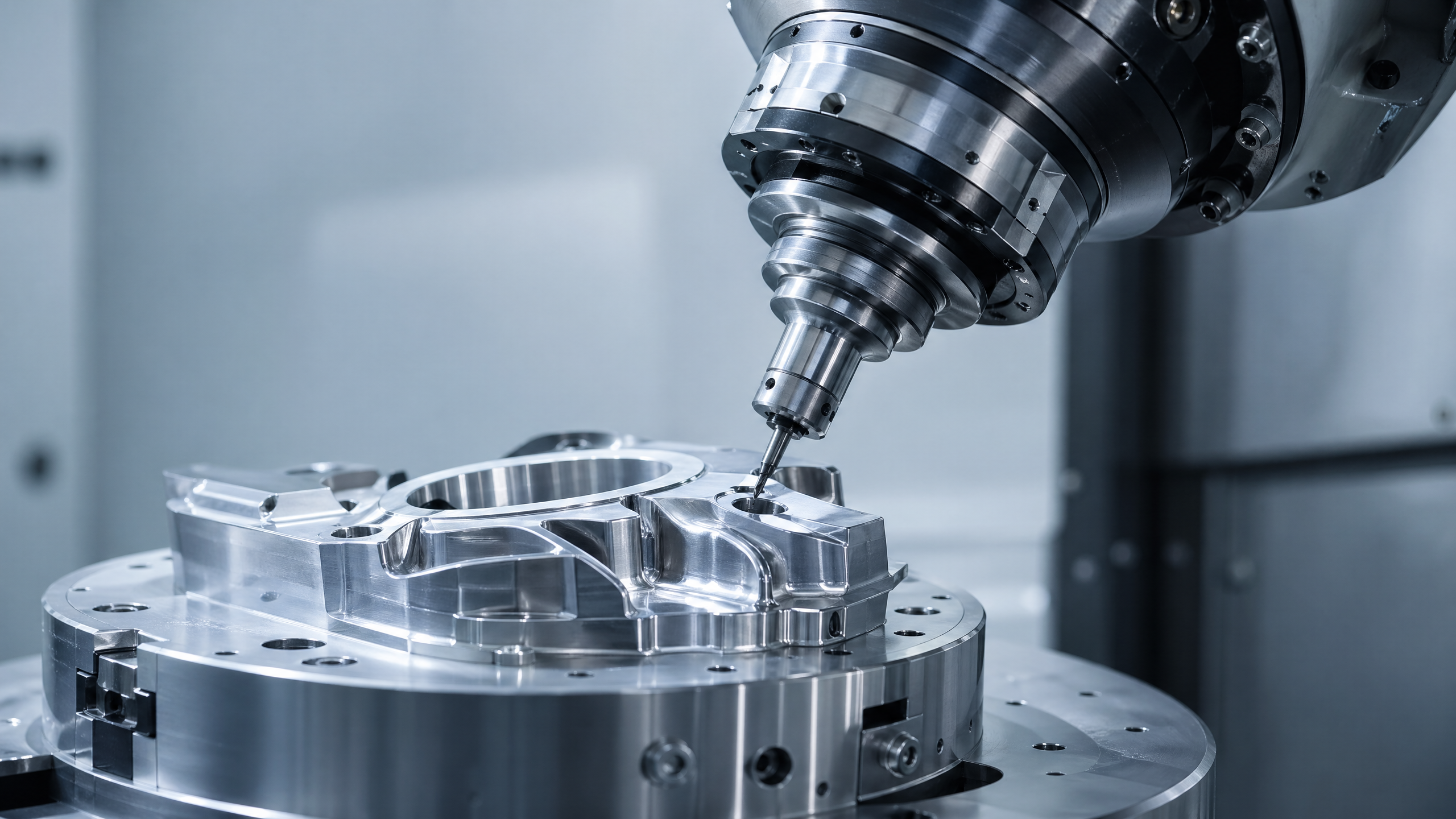
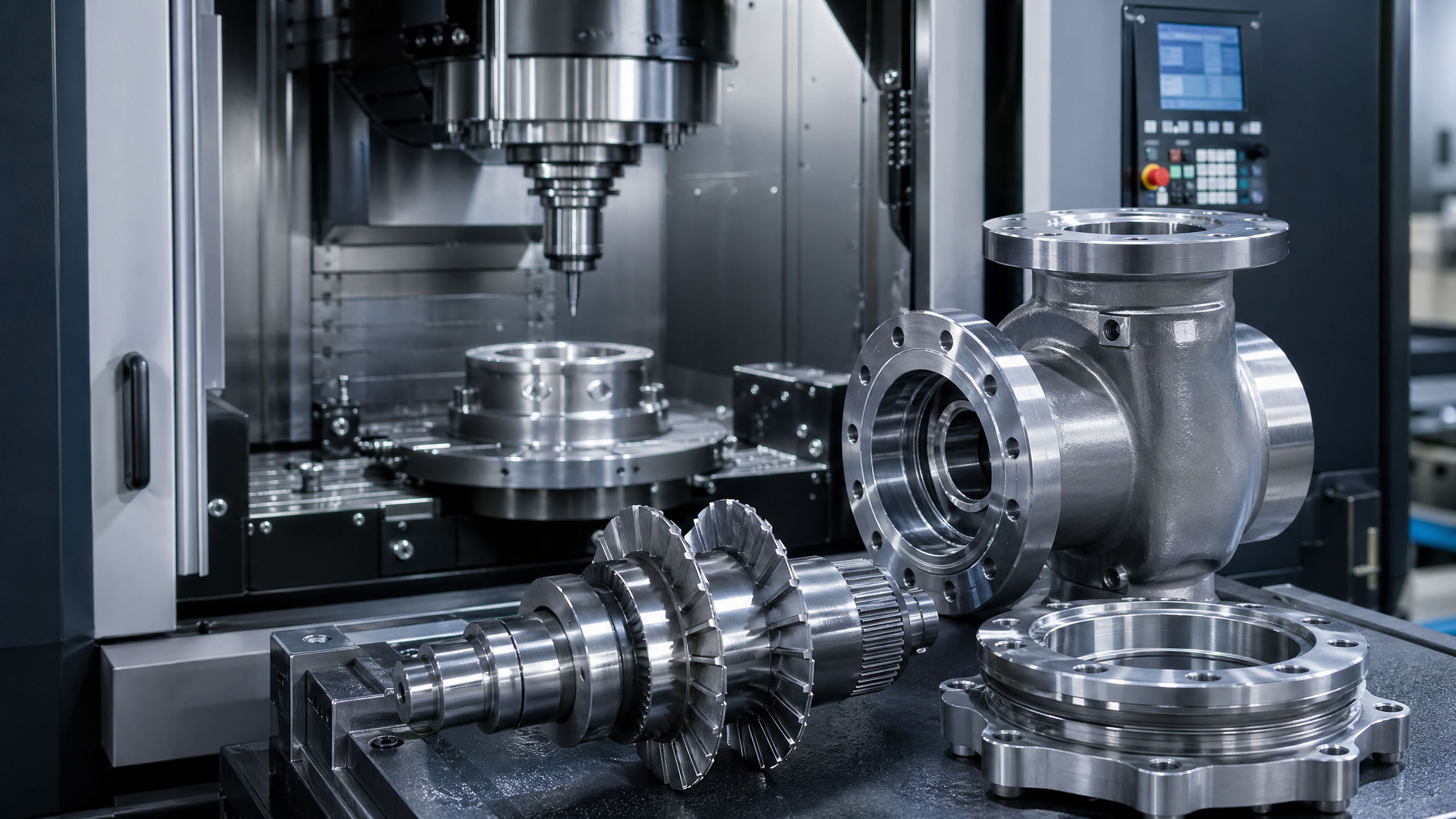
From aerospace to automotive, a high precision machine tool can redefine final quality through tighter tolerances, cleaner finishes, and more stable output. This article explores how precision CNC manufacturing, multi-axis machine tool systems, and automated CNC manufacturing improve consistency, reduce waste, and support demanding applications in electronics, energy equipment, and medical device manufacturing.
For researchers, operators, buyers, and commercial evaluators, the question is no longer whether precision matters. The real issue is how much high precision machine tools change final part quality, production stability, inspection workload, and total manufacturing cost over a 12- to 36-month period.
In modern CNC machining, final quality is shaped by more than spindle speed or brochure accuracy. It depends on machine structure, thermal control, axis repeatability, fixture stability, tooling strategy, process automation, and how well the machine performs across long production runs of 100, 1,000, or 10,000 parts.
When tolerances narrow to ±0.01 mm, ±0.005 mm, or even finer in selected operations, small machine errors become expensive quality risks. That is why high precision machine tools have become critical assets in industries where surface integrity, dimensional consistency, and low defect rates directly affect product value and downstream assembly performance.
How High Precision Machine Tools Directly Influence Final Quality
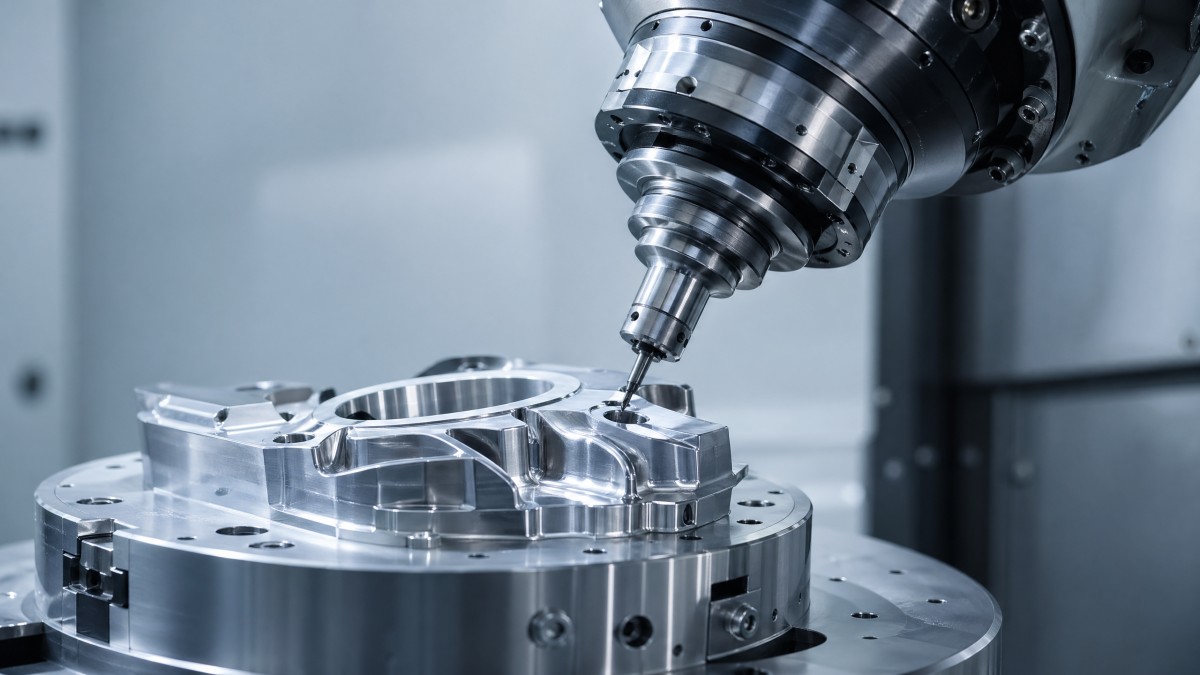
A high precision machine tool changes final quality first through dimensional control. In practical terms, better positioning accuracy and repeatability reduce variation from part to part. A component produced in the first hour of a shift should match one produced after 6 or 8 hours, even as ambient temperature, spindle load, and tool wear begin to change.
The second effect is surface finish. A more rigid machine structure, stable spindle system, and reduced vibration help produce cleaner surfaces with less chatter. In many metalworking applications, this can mean reducing secondary polishing, grinding, or manual deburring steps by 1 to 3 process stages, which lowers labor input and shortens total cycle time.
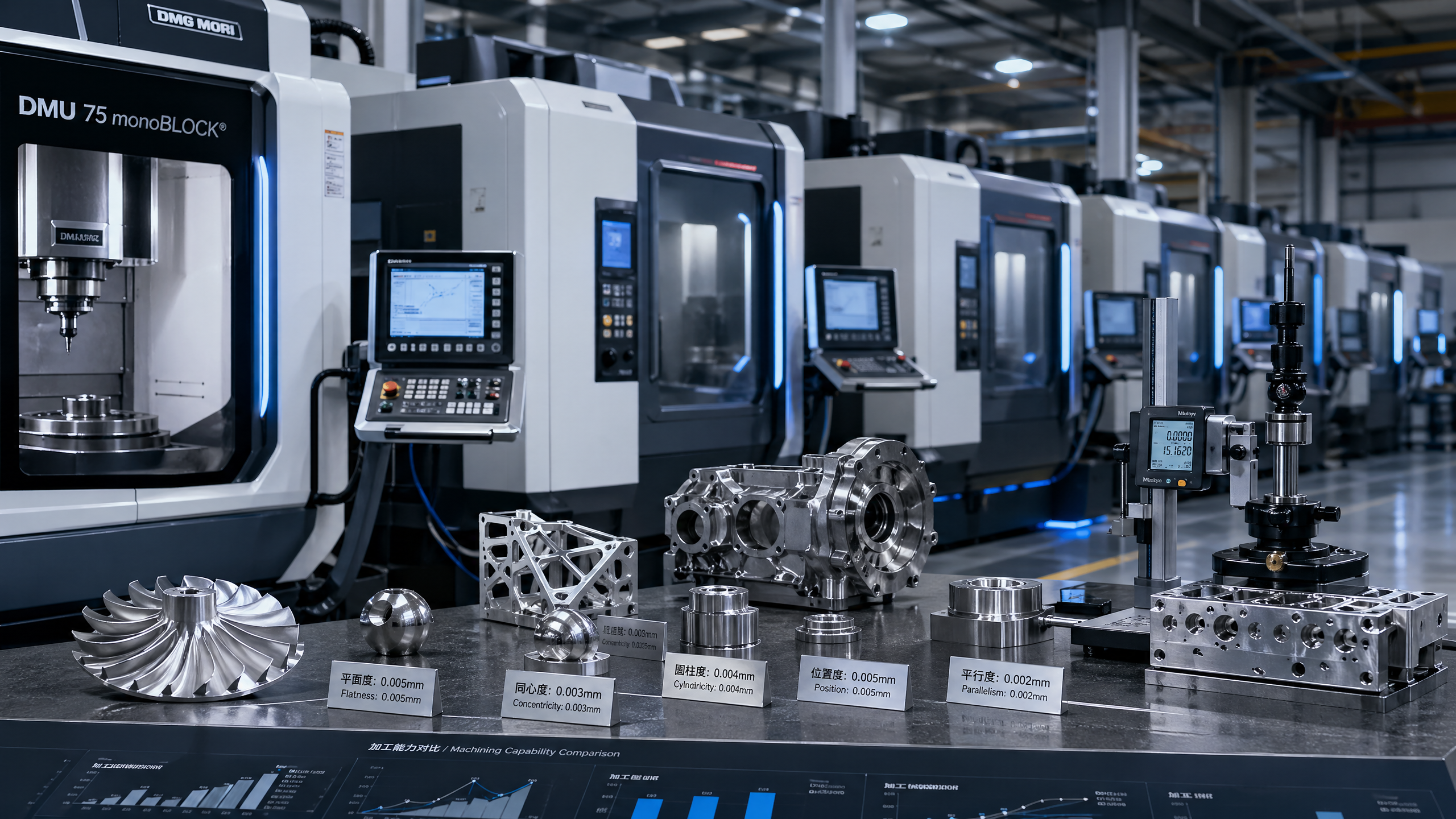
The third effect is geometric consistency. Precision machine tools improve flatness, roundness, concentricity, and perpendicularity, especially on complex parts made on 4-axis or 5-axis systems. This is essential in aerospace housings, automotive shafts, precision discs, connector parts, and medical components where multiple surfaces must align within narrow tolerance bands.
Final quality also includes what cannot be seen immediately. Better machines reduce the risk of hidden process problems such as heat distortion, unstable tool engagement, and poor edge condition. These issues may not cause immediate scrap, but they often lead to premature wear, assembly mismatch, or field failure after the component enters service.
For procurement and business review teams, the impact becomes clearer when quality is linked to cost. A machine that improves yield from 94% to 98% may appear only slightly better on paper, yet over a batch of 20,000 parts, that 4-point gain can represent significant savings in materials, machine hours, inspection resources, and delivery risk.
Three Quality Metrics That Change Most
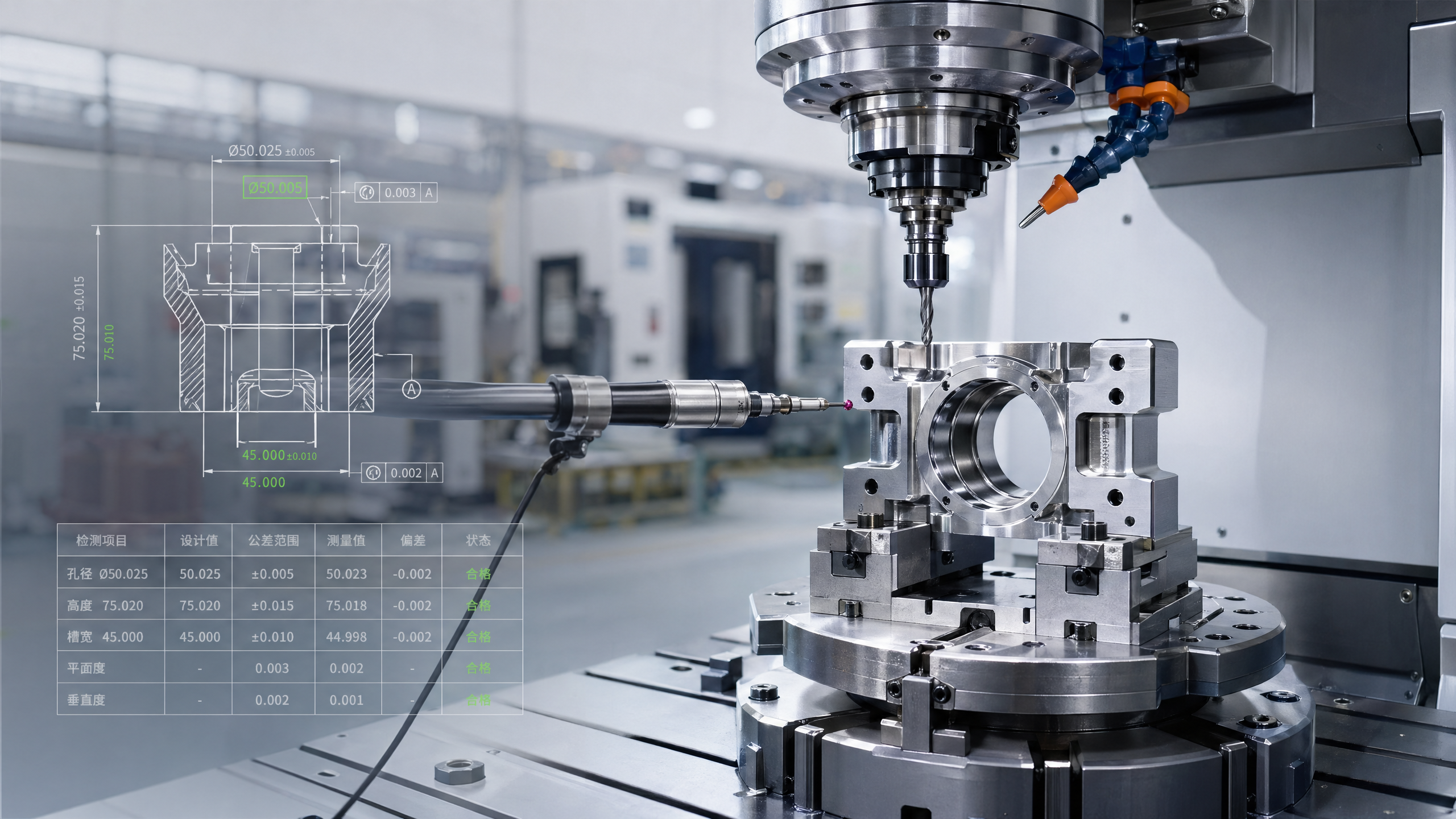
- Dimensional accuracy: tighter control over critical sizes such as bore diameter, shaft diameter, slot width, and hole position, often within ±0.01 mm to ±0.002 mm depending on process and material.
- Surface quality: lower roughness and fewer vibration marks, improving sealing performance, coating adhesion, and visual acceptance in high-value components.
- Process stability: reduced drift over long runs, making it easier to hold quality across 2 shifts, 3 shifts, or unattended automated production windows.
Where Precision Creates Measurable Value Across Industries
Not every application needs the same level of machine precision, but many sectors now require stable, repeatable output rather than occasional high accuracy. In automotive manufacturing, for example, large-volume production places pressure on both cycle time and consistency. A machine that holds tolerance on 5 parts but drifts on the next 50 creates a quality bottleneck rather than a production advantage.
In aerospace, the value of precision often appears in complex structural parts, turbine-related components, and housings with multiple datums. Multi-axis machine tool systems reduce repositioning steps and improve relational accuracy between surfaces. Cutting a part in 1 or 2 setups instead of 4 or 5 lowers cumulative error and reduces fixture-related variation.
Electronics production depends on precision at a smaller scale. Connector parts, heat sinks, miniature housings, and precision cavities often require sharp edge definition and stable micro-features. In these cases, thermal stability and fine feed control are just as important as nominal spindle accuracy, especially when wall thicknesses are thin and burr control is critical.
Energy equipment and medical device manufacturing present another layer of quality demand. Parts may involve hard materials, demanding sealing surfaces, or traceable production records. Here, automated CNC manufacturing supports both quality and compliance by reducing operator-dependent variation and making it easier to standardize process windows across repeated orders.
Typical Quality Priorities by Application
The table below shows how final quality expectations vary by sector and why the role of a high precision machine tool changes from one application to another.
The pattern is clear: final quality is not only about tighter tolerance values. It is also about maintaining those values under real manufacturing conditions, including long cycle durations, mixed material batches, and different operator shifts.
Common Pain Points Solved by Better Precision
- Part variation after 4 to 6 hours of continuous cutting due to thermal growth.
- Surface inconsistency caused by machine vibration, especially on thin-wall or long-shaft parts.
- Stack-up error from repeated repositioning in 3-axis setups.
- High inspection burden because operators do not trust in-process stability.
The Machine Factors Behind Better Tolerances and Surface Finish
When buyers compare machine tools, advertised accuracy figures are only the starting point. Real production quality depends on how the machine performs over time. Structural rigidity, spindle balance, guideway quality, ball screw precision, thermal compensation, and control system response all influence whether a machine can sustain precision after hundreds of cycles rather than only during a short acceptance test.
Thermal stability is one of the most underestimated factors. Even a small temperature rise in spindle or axis systems can shift dimensional results by several microns. In shops where the environment varies from 18°C to 28°C across the day, machines with compensation systems and better heat management usually deliver more reliable final quality than machines that only offer strong nominal specifications.
Tooling and fixturing also matter. A high precision machine tool cannot produce high precision parts with weak clamping, poor runout, or unstable tool holders. For many machining centers and CNC lathes, the combination of machine, tool, holder, fixture, and cutting parameters defines the real capability window. In practice, quality failures often come from the system, not from one component alone.
Control software increasingly contributes to final quality as well. Functions such as look-ahead, smoothing, in-process probing, tool life monitoring, and offset compensation help reduce variation. In automated CNC manufacturing, these functions become even more important because unattended operation can extend for 2 to 6 hours, leaving less room for manual correction.
Key Selection Factors for Buyers and Engineers
The table below can help procurement teams and technical evaluators compare machines beyond headline accuracy claims.
A practical lesson for buyers is that a cheaper machine with weaker thermal control can become more expensive over 18 to 24 months if it drives up scrap, inspection hours, tool waste, and delivery delays. Final quality should therefore be evaluated as a production capability, not as a single static specification.
Minimum Questions to Ask Before Purchase
- Can the machine hold target tolerance after 4 hours of continuous cutting?
- What is the typical warm-up requirement: 15 minutes, 30 minutes, or longer?
- How many setups are needed for the part family you plan to run?
- Is in-process measurement available for automated correction?
- What support is offered for installation, trial cutting, and operator training during the first 2 to 8 weeks?
How Automated CNC Manufacturing Improves Consistency and Reduces Waste
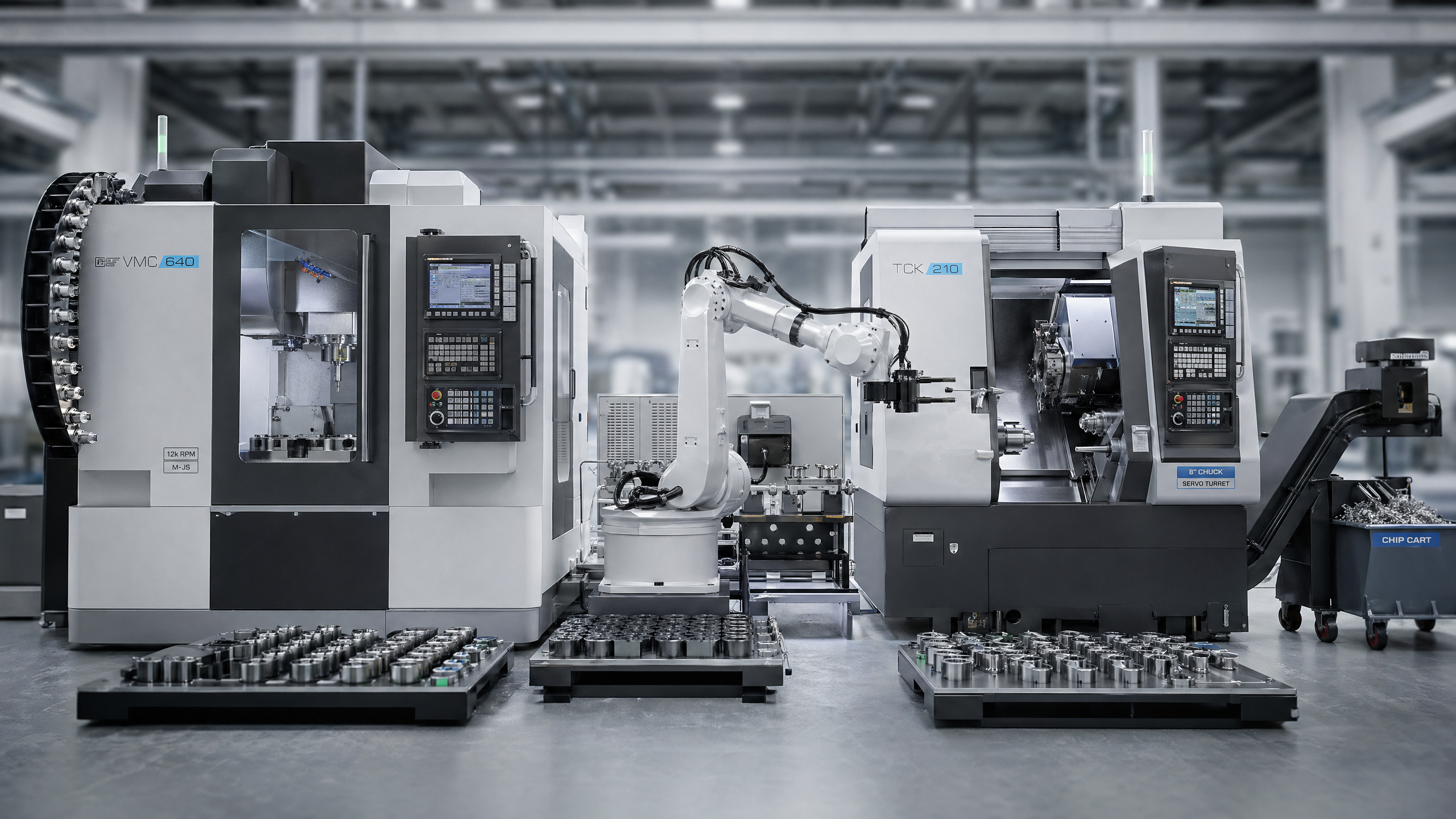
Precision alone does not guarantee profitable final quality. The next step is repeatable execution, and this is where automated CNC manufacturing creates measurable advantage. Automation reduces variation caused by manual loading, inconsistent clamping force, tool change delays, and operator-dependent offset corrections. For plants running medium to high volumes, that consistency is often worth as much as the machine’s base accuracy.
A well-integrated automated cell can shorten non-cutting time by 10% to 30%, depending on the part and loading method. More importantly, it standardizes routine actions. Every load position, clamp sequence, probe cycle, and part unload step follows the same logic. That reduces the chance of one bad setup turning into a batch defect affecting 20, 200, or 2,000 parts.
Automation also helps control material waste. Better repeatability means fewer scrap starts, fewer mismatch issues during assembly, and less over-machining to compensate for uncertainty. In precision machining operations where raw material costs are high, especially with aluminum alloys, stainless steel, titanium, or specialty metals, a 2% to 5% reduction in scrap can have a meaningful financial impact.
For operators, automation does not remove skill requirements. Instead, it shifts the role from repetitive handling to process supervision. Teams focus more on tool life strategy, fixture validation, alarm response, and first-piece verification. This improves labor efficiency while supporting stable final quality over longer production windows.
Typical Waste Reduction Path
- Standardize loading and clamping to reduce setup variation.
- Use probe-based checks to correct offsets before drift becomes scrap.
- Track tool life in real time to avoid late-change defects.
- Connect machine, robot, and inspection data to identify repeat failures within 1 shift instead of after a full batch.
In high-mix environments, flexible automation matters as much as speed. A line that can switch between 3 to 8 part types with limited fixture changeover offers stronger business value than a rigid system optimized for only one part. For procurement teams, this is a key point when evaluating return on investment in changing markets.
Implementation Risks to Watch
- Automating an unstable process only makes defects happen faster.
- Overlooking fixture repeatability can cancel out machine precision gains.
- Ignoring maintenance intervals, such as weekly cleaning and monthly calibration checks, can degrade quality over time.
- Running unattended without reliable alarm and recovery logic increases the cost of a single failure event.
Practical Buying, Validation, and Maintenance Guidance
A successful purchase decision should connect technical capability to production reality. Start with the part family, not the machine catalog. Review your most demanding dimensions, material range, annual volume, target cycle time, and quality loss points. In many projects, the right choice is not the highest available precision level, but the machine that reliably meets process needs with room for future automation and tighter control.
Validation should include more than a sample cut. A sound approach often involves 3 stages: pre-purchase technical review, trial machining with real part geometry, and production ramp verification over several hours or shifts. This method reveals warm-up behavior, batch variation, surface stability, and whether the machine can support actual process capability requirements instead of ideal demonstration conditions.
Maintenance is equally tied to final quality. Even a strong precision machine tool will drift if lubrication, spindle health, alignment, coolant condition, and probe calibration are neglected. Preventive checks every day, every week, and every month help preserve both dimensional performance and surface consistency. For plants operating 16 to 24 hours per day, maintenance planning should be part of the quality strategy, not treated as a separate service issue.
Commercial evaluators should also look at support capability. Installation time may range from 3 to 10 days, while process tuning and operator training can take an additional 1 to 4 weeks depending on complexity. The supplier’s ability to support application engineering, spare parts response, and troubleshooting often has a direct effect on how quickly the machine reaches stable quality output.
Buyer Checklist for Final Quality Protection
- Define 4 to 6 critical part characteristics before supplier comparison.
- Verify repeatability under continuous cutting, not only first-piece results.
- Assess automation compatibility if labor reduction or lights-out production is a target.
- Review fixture, tool holder, and measurement strategy as part of the total solution.
- Confirm training, spare parts lead time, and after-sales support coverage.
FAQ for Researchers, Operators, and Procurement Teams
How precise does a machine tool need to be for most industrial parts?
It depends on the part function and process chain. Many industrial components work well with tolerances around ±0.02 mm to ±0.01 mm, while precision assemblies, aerospace features, and medical parts may require ±0.005 mm or tighter on selected dimensions. The more important question is whether the machine can hold that level repeatedly over long runs.
Are multi-axis machine tool systems always better for final quality?
Not always, but they are often better for complex geometries. If a part can be completed in 1 or 2 setups instead of 4, relational accuracy usually improves and cumulative handling error decreases. For simple prismatic parts, a high-quality 3-axis machine may still be the more cost-effective option.
What is the most common mistake during procurement?
The most common mistake is focusing only on purchase price or peak specification while ignoring process stability, support capability, and integration cost. A machine that appears less expensive at acquisition can become more costly if it increases scrap, inspection time, or downtime over the first 12 months.
How often should a precision machine be checked to protect quality?
Basic checks such as cleaning, lubrication review, and coolant condition should be performed daily or per shift. Weekly checks often include clamping condition and tool holder inspection. Monthly or scheduled checks may include alignment verification, probe calibration, and trend review of dimensional drift.
High precision machine tools change final quality by improving dimensional consistency, surface finish, geometric accuracy, and long-run stability. When matched with the right tooling, fixtures, automation, and maintenance plan, they also reduce waste, lower rework, and strengthen production reliability across automotive, aerospace, electronics, energy equipment, and medical manufacturing.
If you are evaluating CNC lathes, machining centers, multi-axis machine tool systems, or automated CNC manufacturing solutions, a careful technical and commercial review can prevent costly mismatches. Contact us today to discuss your application, get a tailored solution, and learn more about precision manufacturing options that fit your quality and production goals.
PREVIOUS ARTICLE
NEXT ARTICLE
Recommended for You
 How to Choose a Space-Saving CNC Manufacturing SetupCNC Machining Technology Center
![]() What to Check Before Using a CNC Manufacturing WholesalerGlobal Machine Tool Trade Research Center
What to Check Before Using a CNC Manufacturing WholesalerGlobal Machine Tool Trade Research Center Why Precision CNC Manufacturing Fails Tolerance GoalsCNC Machining Technology Center
 Is CNC Manufacturing for Energy Equipment Worth the CostManufacturing Market Research Center
![]() How Low Maintenance CNC Manufacturing Cuts DowntimeMachine Tool Industry Editorial Team
How Low Maintenance CNC Manufacturing Cuts DowntimeMachine Tool Industry Editorial Team How to Compare One CNC Manufacturing Factory to AnotherManufacturing Market Research Center


Aris Katos
Future of Carbide Coatings
15+ years in precision manufacturing systems. Specialized in high-speed milling and aerospace grade alloy processing.
▶
Is a Compact Machine Tool Right for Small WorkshopsMachine Tool Industry Editorial Team▶
What to Know Before Buying a Machine Tool for Mold MakingMachine Tool Industry Editorial Team▶
Which Machine Tool Fits Medical Device Manufacturing BestMachine Tool Industry Editorial Team▶
Why Multi-Axis Machine Tools Are Gaining AttentionMachine Tool Industry Editorial Team▶
What High Precision Machine Tools Change in Final QualityMachine Tool Industry Editorial Team
Mastering 5-Axis Workholding Strategies
Join our technical panel on Nov 15th to learn about reducing vibrations in thin-wall components.

Providing you with integrated sanding solutions
Before-sales and after-sales services
Comprehensive technical support