• Global CNC market projected to reach $128B by 2028 • New EU trade regulations for precision tooling components • Aerospace deman
NYSE: CNC +1.2%LME: STEEL -0.4%

Why Multi-Axis Machine Tools Are Gaining Attention
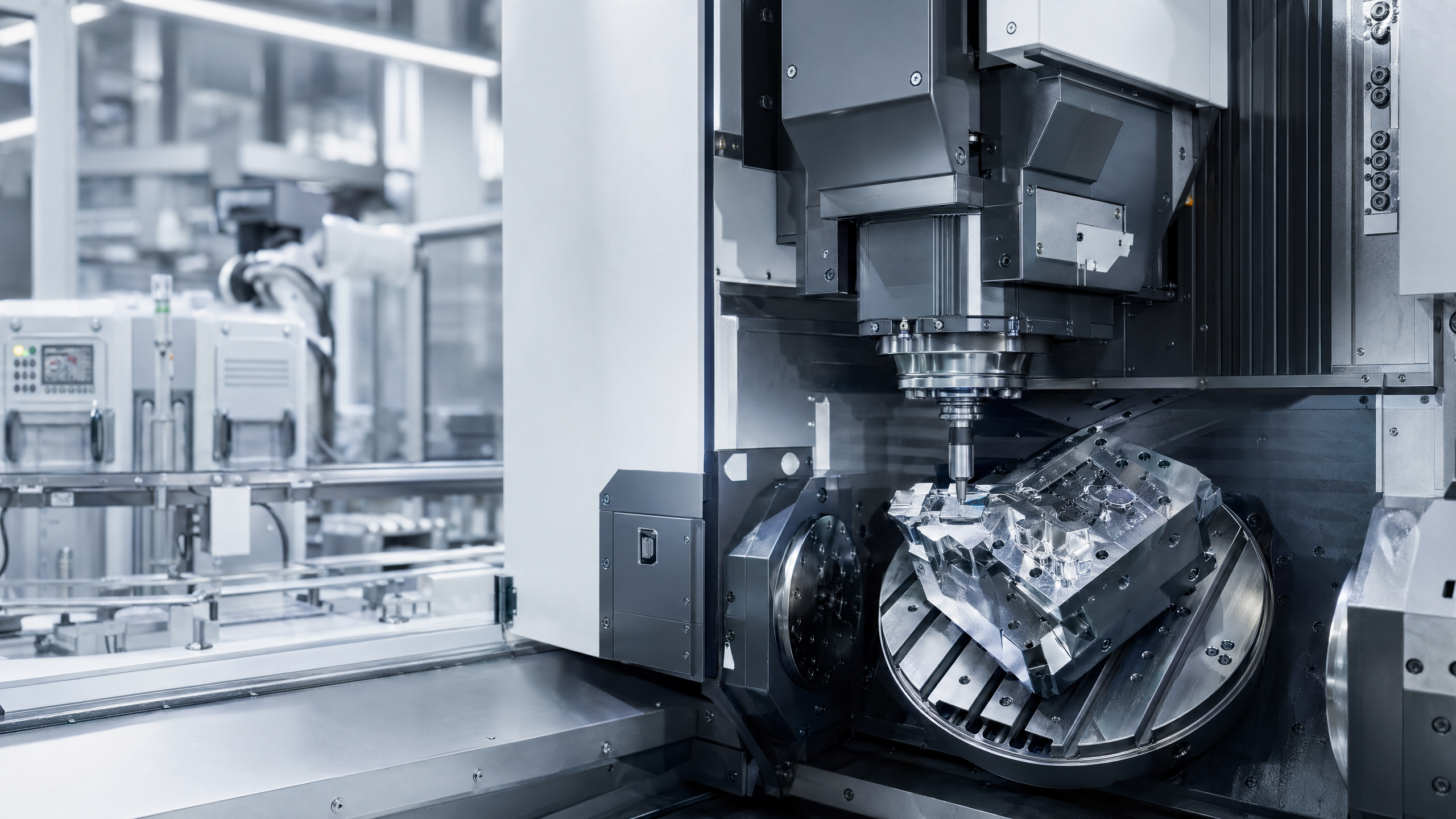
Why are more manufacturers investing in the multi-axis machine tool? As precision CNC manufacturing, automated CNC manufacturing, and Digital Manufacturing Technology for smart factory advance, businesses in aerospace, automotive, electronics, and energy equipment need faster, high precision machine tool solutions. This shift is making multi-axis CNC manufacturing and compact machine tool systems a key focus for buyers, operators, and industrial decision-makers worldwide.
For market researchers, the topic is not only about equipment design but also about how production capacity, process flexibility, and digital integration are reshaping global machining strategy. For operators, the attraction is improved part access, fewer setups, and more stable repeatability. For procurement teams and business evaluators, the main questions are practical: where does a multi-axis machine tool create measurable value, what risks come with adoption, and how should it be selected for long-term manufacturing performance?
In today’s CNC machine tool industry, manufacturers are under pressure to shorten lead times, control labor dependency, and machine more complex parts in a single cycle. Multi-axis platforms answer these needs by combining precision machining, motion coordination, and automated process control in one system. The result is stronger competitiveness in industries where tolerance, speed, and part complexity increasingly define supplier qualification.
Why Multi-Axis Machine Tools Are Moving Into the Mainstream
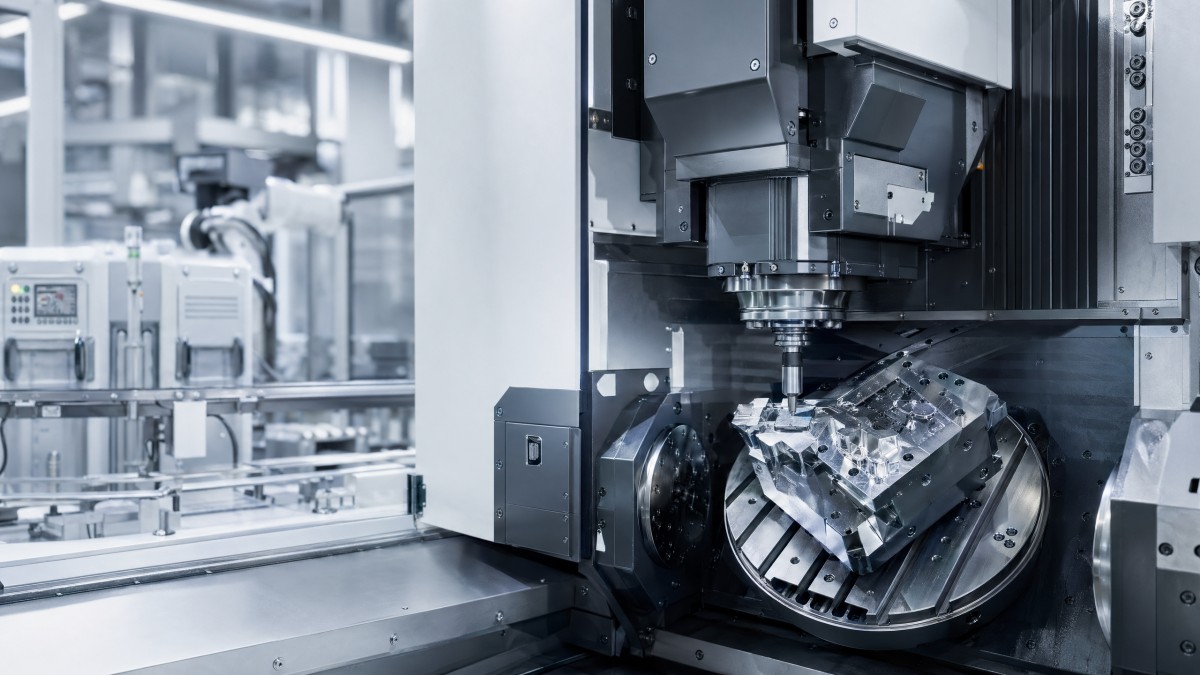
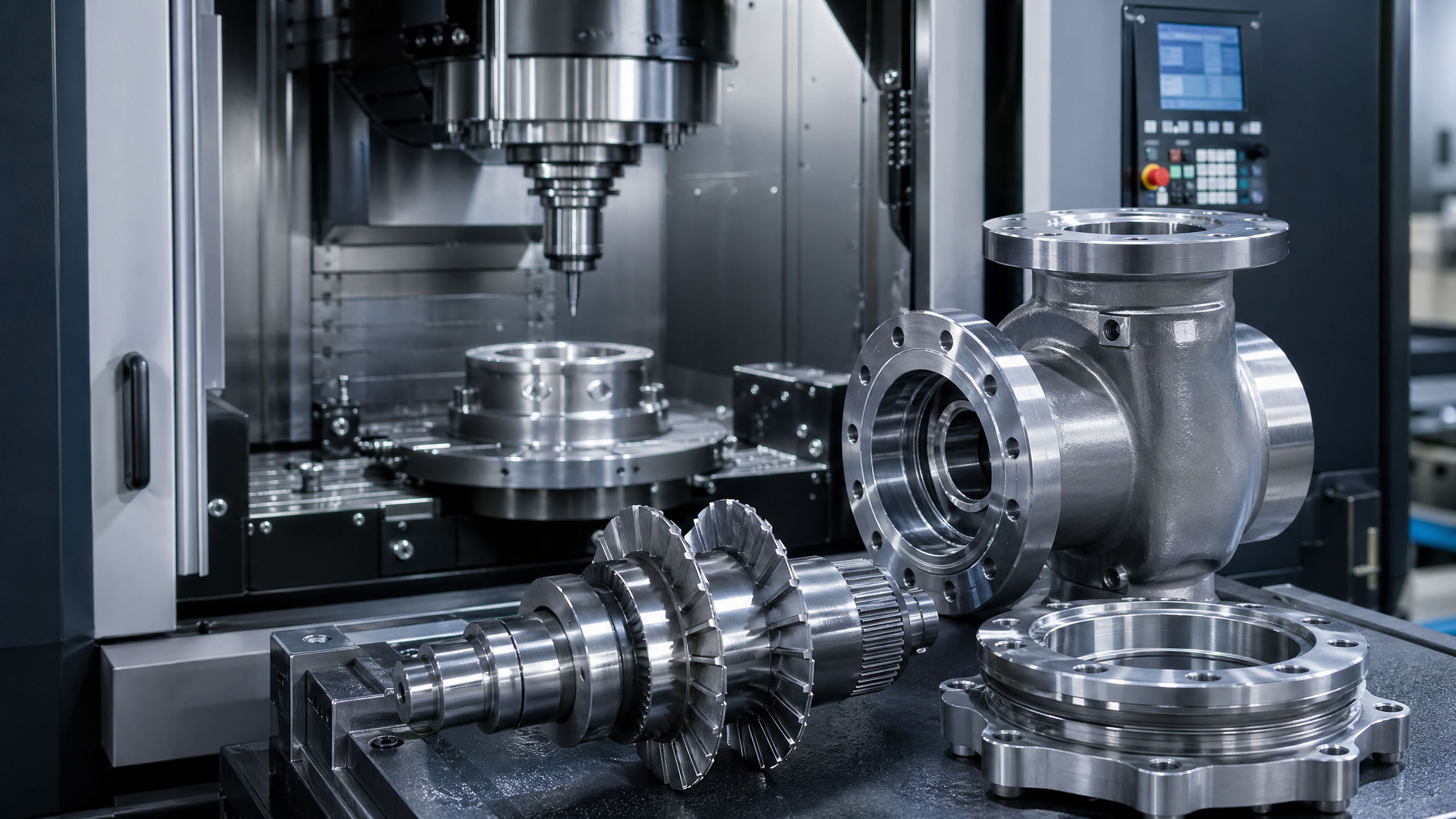
A multi-axis machine tool is no longer limited to advanced aerospace shops or specialized mold manufacturers. In practical terms, it refers to CNC equipment that can move a tool or workpiece along 4, 5, or more coordinated axes, allowing a part to be machined from multiple angles in one clamping. This matters because each additional setup in traditional 3-axis machining can add alignment error, non-cutting time, and labor cost.
The strongest driver behind growing attention is part complexity. In sectors such as aerospace, EV components, medical electronics housings, and energy equipment, geometries now often include deep cavities, compound curves, angled holes, and tight positional tolerances. A multi-axis CNC manufacturing setup can reduce 3 to 5 separate operations into 1 or 2, which directly supports faster throughput and more consistent dimensional control.
Another reason is efficiency. A conventional process may require 20 to 40 minutes of total setup adjustment for each fixture change, especially when a part needs to be repositioned several times. By contrast, a properly programmed 5-axis machining center can complete most surfaces in one cycle, reducing idle handling time and improving spindle utilization. In batch production, even a 10% to 20% reduction in non-cutting time can make a large difference in total cost per part.
The third factor is digital manufacturing readiness. Modern machine tools are no longer judged only by spindle speed or travel range. Buyers increasingly look at data interfaces, simulation capability, tool monitoring, and compatibility with automated loading systems. Multi-axis systems often enter the purchasing discussion because they are better aligned with smart factory planning, where machine status, cycle data, and preventive maintenance signals must connect with MES, ERP, or production dashboards.
What industries are pushing demand fastest?
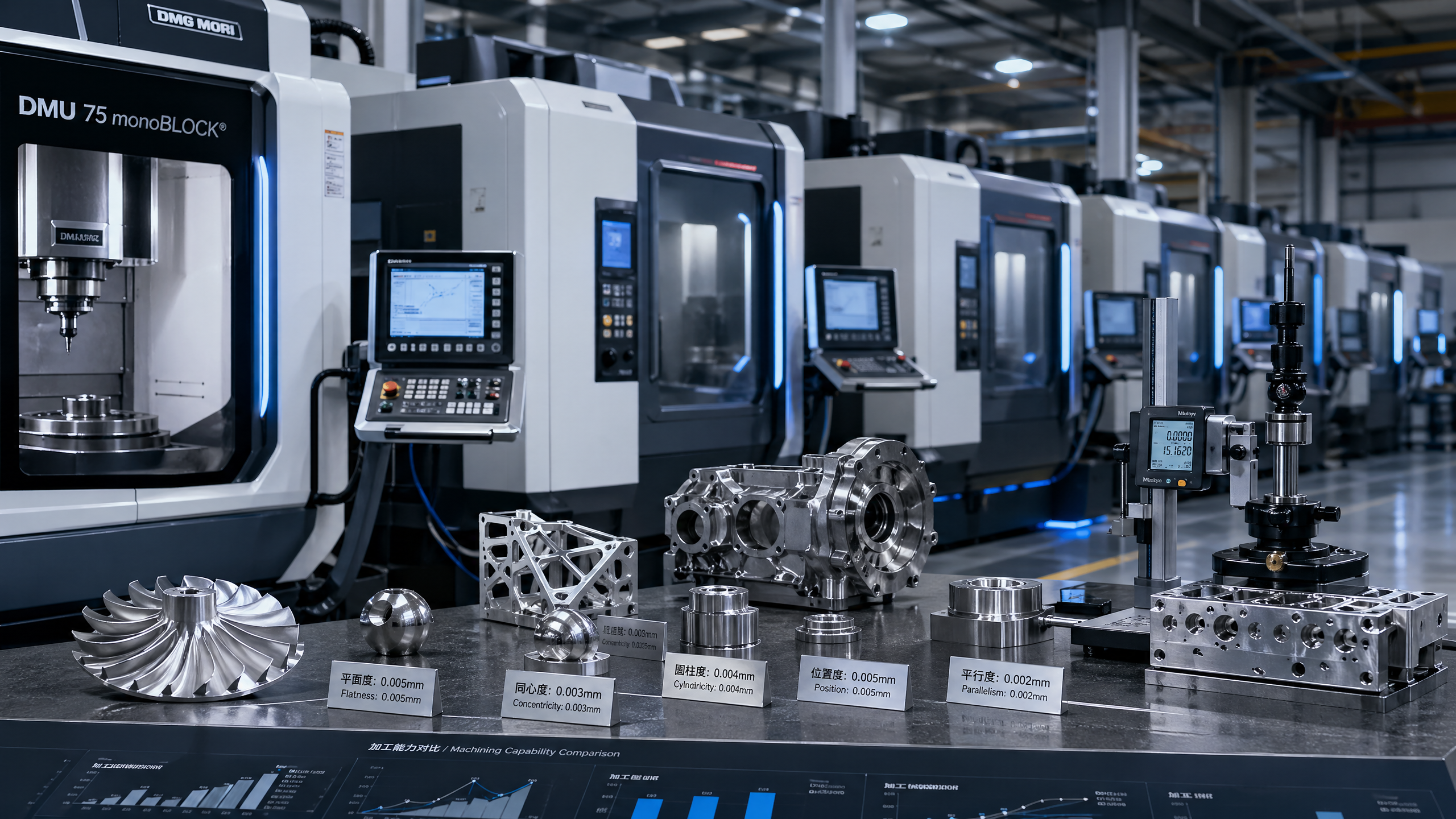
Demand is growing most visibly in industries where both geometry and quality assurance are strict. Aerospace structures, turbine-related parts, transmission components, electronic enclosures, and precision energy equipment all benefit from fewer setups and better surface continuity. In these sectors, tolerance expectations commonly fall within ±0.01 mm to ±0.02 mm for critical features, making repeated manual repositioning a clear process risk.
- Aerospace: complex aluminum and titanium parts, angled features, and lightweight structural components.
- Automotive and EV: housings, precision shafts, and batch-oriented production with tighter cycle-time targets.
- Electronics: small-part machining, compact fixture design, and high repeatability for precision metal components.
- Energy equipment: impellers, valve bodies, and irregular parts that benefit from full-surface access.
This trend is also reinforced by the global supply chain. Manufacturers in China, Germany, Japan, and South Korea continue to strengthen machine tool ecosystems, while buyers in emerging markets seek compact machine tool systems that fit limited floor space but still support advanced machining. As a result, multi-axis solutions are becoming more visible not only in top-tier factories but also in growing contract manufacturing operations.
Core Business Value: Precision, Throughput, and Process Consolidation
For B2B buyers, the real question is not whether multi-axis technology is advanced, but whether it improves output economics. The answer often lies in process consolidation. When one machine replaces multiple setups, the production line becomes less dependent on operator repositioning, fixture changes, and intermediate inspection steps. This can reduce total process variation and improve scheduling stability across 2-shift or 3-shift operations.
Precision improvement is one of the clearest advantages. Every time a part is unclamped and re-clamped, there is a chance of cumulative error. In high precision machine tool applications, this can affect hole position, surface matching, or concentricity. A multi-axis system helps maintain datum consistency across multiple faces, especially for parts that require simultaneous contouring or complex angular features.
Cycle-time reduction is equally important. Faster does not only mean a higher spindle speed of 12,000 rpm, 15,000 rpm, or 20,000 rpm. It also means fewer manual steps between cuts. Shops running mid-volume batches of 50 to 500 parts often find that the biggest savings come from eliminating setup duplication rather than from cutting speed alone. This is why multi-axis CNC manufacturing is increasingly discussed in relation to total equipment effectiveness, not just machining capability.
There is also a quality and labor dimension. Skilled machinists remain essential, but many regions face talent shortages. A more integrated machining process can reduce dependence on repeated manual adjustments and simplify in-process control. Combined with offline simulation and tool path verification, multi-axis equipment supports more predictable production, which is especially valuable when delivery windows are tight at 2 to 4 weeks.
Comparison of production outcomes
The table below compares typical differences between conventional 3-axis production logic and multi-axis machine tool deployment in common precision manufacturing environments. Actual outcomes depend on part geometry, tooling, programming level, and operator skill, but these ranges reflect common industrial evaluation criteria.
The key takeaway is that multi-axis equipment does not replace every machining method, but it creates strong value when part geometry, tolerance risk, and setup burden are high. For procurement and business planning teams, this means evaluating process consolidation potential before comparing machine price alone.
Where ROI usually appears first
- High-mix, medium-volume production where repeated fixturing creates bottlenecks.
- Parts requiring 4 or more machined faces with angular or curved geometry.
- Projects with strict lead times, such as 7 to 15 day pilot runs or sample validation lots.
- Factories moving toward automated CNC manufacturing and digital traceability.
How Buyers and Operators Should Evaluate a Multi-Axis Machine Tool
Selection should begin with the application, not the machine brochure. A buyer should first define part material, size range, annual output, tolerance target, surface finish expectations, and automation goals. For example, the right configuration for aluminum electronic housings is different from the right solution for stainless steel valve components or titanium aerospace brackets. Without this process profile, it is easy to overbuy features or underbuy rigidity.
Machine travel, spindle specification, and axis structure are basic checkpoints. In many workshops, common spindle power ranges from 7.5 kW to 22 kW, while spindle speeds can range from 8,000 rpm to 20,000 rpm depending on material and part type. Travel should reflect not only current part size but also fixture clearance, tool access, and future production flexibility. A machine that technically fits the workpiece but leaves little room for stable fixturing can create daily operating problems.
Operators should also focus on usability. Programming environment, simulation software, collision avoidance support, and tool management can determine whether the machine achieves its expected value. A machine with advanced axis capability but weak post-processing support may slow down real production. In practical terms, the control system, CAM compatibility, and on-site training package often matter as much as the mechanical structure.
From a procurement perspective, service capacity is critical. Spare parts response, installation lead time, preventive maintenance intervals, and local technical support can influence total ownership cost over 3 to 7 years. Evaluators should ask not only for quotation details, but also for acceptance standards, training duration, and after-sales escalation procedures.
Practical evaluation checklist
The following table summarizes key selection points that purchasing teams, workshop managers, and operators can use when comparing compact machine tool systems or larger multi-axis machining centers.
This checklist shows why a low purchase price alone can be misleading. If a machine lacks tooling capacity, programming support, or digital integration, the production team may spend more time solving daily issues than gaining machining efficiency.
Common buying mistakes
- Choosing based only on axis count without checking real part geometry and tool reach.
- Ignoring fixture strategy, which can limit access even on a 5-axis platform.
- Underestimating operator training and CAM programming requirements.
- Focusing on initial machine cost while overlooking maintenance and uptime risk.
A sound purchasing decision should combine technical fit, operational readiness, and supply chain support. In many cases, the best solution is the one that balances 4 factors at once: part quality, cycle stability, service access, and future automation compatibility.
Implementation, Integration, and Risk Control in Real Production
Investing in a multi-axis machine tool is only the first step. The larger business challenge is implementation. A shop that moves from conventional machining to multi-axis production must prepare programming workflow, tooling strategy, fixture design, and in-process inspection. Without this preparation, the machine may be technically capable but operationally underused for the first 3 to 6 months.
A practical rollout often follows 5 stages: part review, process simulation, tooling and fixture validation, pilot batch production, and stable production release. During pilot runs, manufacturers typically start with 5 to 20 test pieces to confirm cycle time, surface finish, axis synchronization, and measurement repeatability. This phase is especially important for sectors such as aerospace and energy equipment, where rework cost can be high.
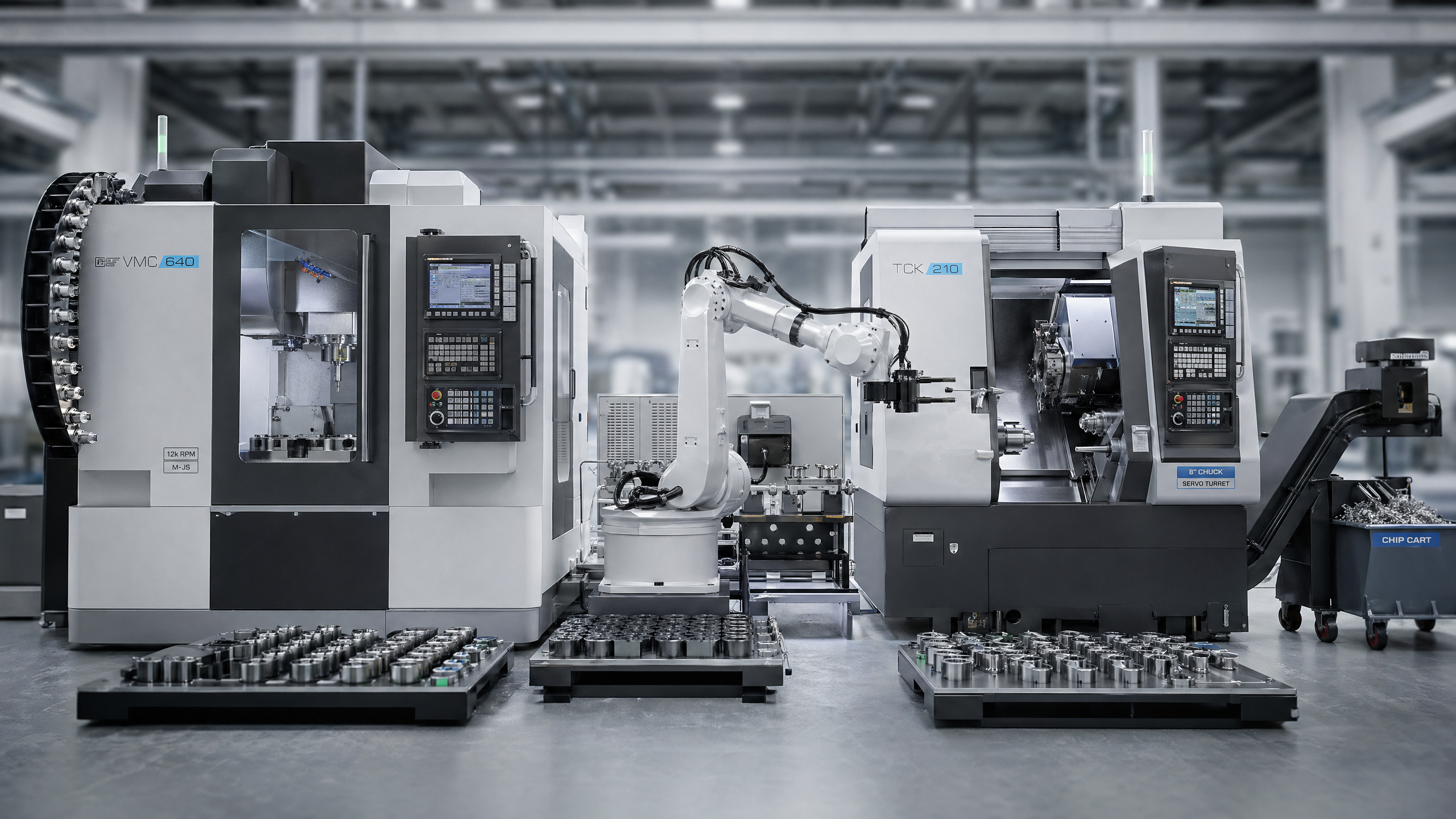
Integration with automated CNC manufacturing also requires planning. If the machine is expected to work with robot loading, pallet changing, or smart factory dashboards, teams should confirm communication protocol, alarm logic, and material flow design in advance. A machine that runs well in stand-alone mode may still face bottlenecks if upstream blank preparation or downstream inspection is not synchronized.
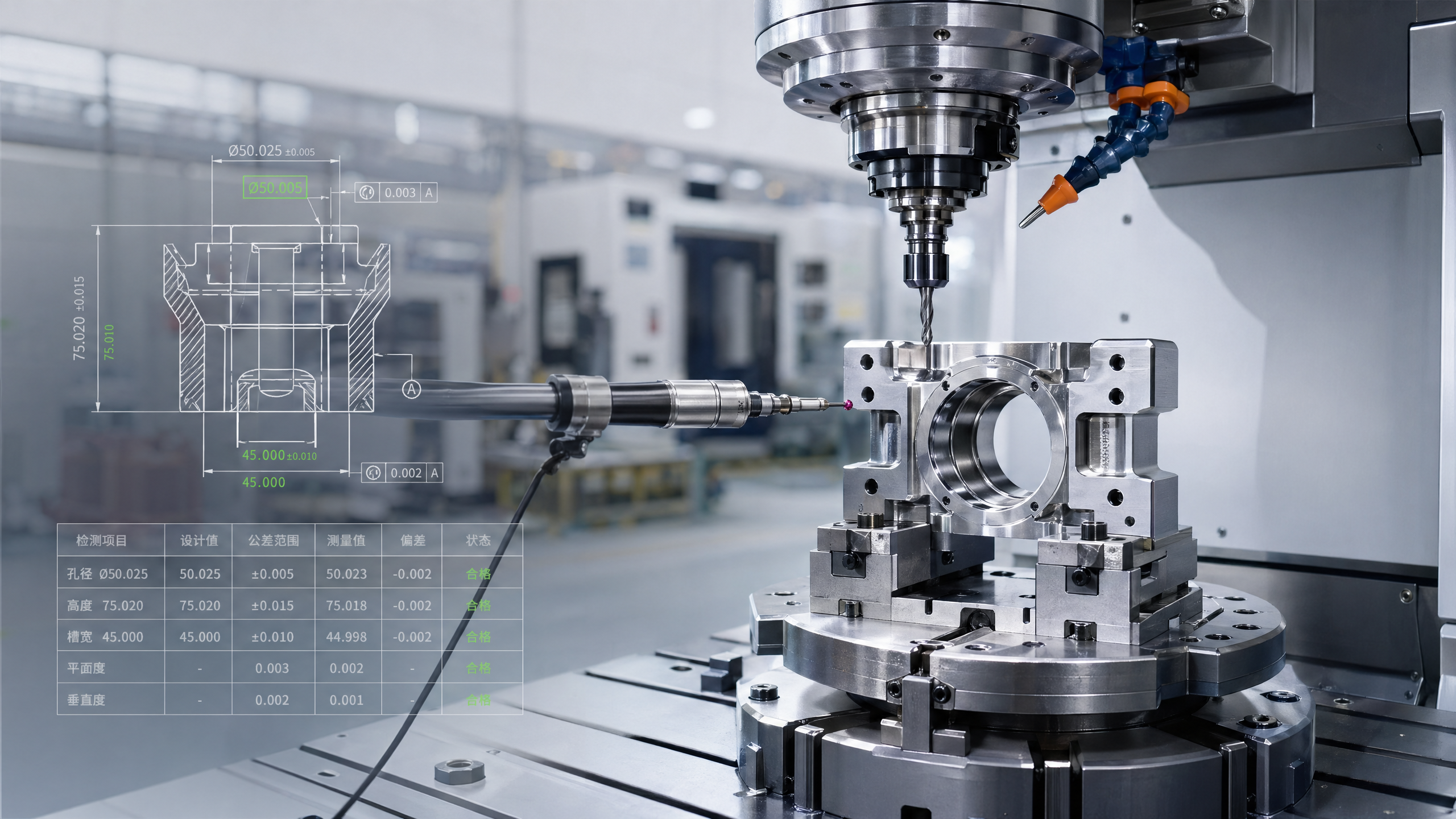
Risk control should include thermal stability, tool wear tracking, coolant management, and collision prevention. In longer cycles of 30 to 90 minutes, minor thermal drift or cutter wear can gradually affect tolerance. For this reason, many manufacturers combine in-machine probing, scheduled tool life checks, and preventive maintenance intervals every 250 to 500 operating hours, depending on workload and material type.
Recommended implementation flow
- Review 10 to 20 representative parts and identify which ones benefit most from setup reduction.
- Build CAM simulation and verify tool path safety before machine release.
- Confirm fixture access, tool length, and probing strategy for each critical feature.
- Run pilot production with measurement records and compare target versus actual cycle time.
- Standardize work instructions, maintenance intervals, and operator training materials.
Operational risks that deserve attention
One common mistake is assuming that a higher-axis machine automatically guarantees better output. In reality, unstable tooling, weak post-processor tuning, or poor workholding can cancel the theoretical advantage. Another issue is overloading a compact machine tool system with parts that require more rigidity or torque than the platform can reliably handle.
Companies should also define acceptance criteria clearly. Typical benchmarks may include dimensional capability over 20 consecutive parts, surface finish confirmation on key faces, and repeatability checks after tool change cycles. These measurable targets help ensure the machine is evaluated as a production asset rather than only as a demonstration unit.
FAQ for Researchers, Operators, and Procurement Teams
Because multi-axis machine tools serve different decision-makers across the manufacturing chain, the same equipment is often evaluated from different angles. The following questions reflect common search intent and practical concerns in CNC machining and precision manufacturing projects.
How do I know whether a 5-axis machine is necessary?
A 5-axis solution becomes attractive when a part requires machining on 4 or more faces, includes compound angles, or demands tight positional tolerance after multiple setup steps. If your current process uses 3 to 6 fixtures or repeated manual alignment, a multi-axis machine tool may offer a meaningful quality and efficiency improvement. For simpler prismatic parts, a 3-axis or 4-axis setup may remain more economical.
What delivery and ramp-up timeline is typical?
Delivery varies by configuration and region, but a practical range for standard equipment can be 6 to 16 weeks. Installation and basic commissioning may take several days, while operator and programmer ramp-up often requires 1 to 4 weeks depending on experience level. If automation integration, custom fixturing, or special tooling is involved, the project window should include additional validation time.
Which metrics matter most during procurement?
Procurement should focus on at least 6 points: part fit, tolerance capability, spindle and tooling configuration, control and CAM compatibility, service response, and future automation support. Looking only at machine price can hide later costs related to downtime, programming inefficiency, or limited flexibility for new product introductions.
Are compact machine tool systems a good option?
Yes, especially for suppliers with limited floor space, growing prototype demand, or small-to-medium precision parts. A compact machine tool system can support multi-axis CNC manufacturing without requiring a large installation footprint. However, buyers should check travel range, tool capacity, thermal behavior, and rigidity carefully to make sure compactness does not limit actual production goals.
What maintenance practices help protect accuracy?
Good practice includes daily cleaning, scheduled lubrication checks, coolant concentration monitoring, spindle warm-up routines, and periodic axis calibration review. Many shops set preventive inspection intervals at weekly, monthly, and quarterly levels, while more heavily loaded equipment may require additional checks every 250 operating hours. Consistency in maintenance is especially important when machining high-value components with narrow tolerance windows.
Multi-axis machine tools are gaining attention because they address several manufacturing priorities at the same time: fewer setups, stronger dimensional consistency, better automation readiness, and improved response to complex part demand. For information researchers, they signal a broader shift in global CNC machine tool strategy. For operators, they offer more stable and integrated machining workflows. For procurement and business evaluators, they represent a practical path toward higher-value production when selected with the right technical and service criteria.
If your business is reviewing CNC machines, precision machining systems, or smart factory upgrades, now is the right time to compare application requirements, process bottlenecks, and long-term capacity goals. Contact us to discuss your machining scenario, get a tailored equipment recommendation, or learn more about multi-axis solutions for precision manufacturing and automated production.
PREVIOUS ARTICLE
Recommended for You
 How to Choose a Space-Saving CNC Manufacturing SetupCNC Machining Technology Center
![]() What to Check Before Using a CNC Manufacturing WholesalerGlobal Machine Tool Trade Research Center
What to Check Before Using a CNC Manufacturing WholesalerGlobal Machine Tool Trade Research Center Why Precision CNC Manufacturing Fails Tolerance GoalsCNC Machining Technology Center
 Is CNC Manufacturing for Energy Equipment Worth the CostManufacturing Market Research Center
![]() How Low Maintenance CNC Manufacturing Cuts DowntimeMachine Tool Industry Editorial Team
How Low Maintenance CNC Manufacturing Cuts DowntimeMachine Tool Industry Editorial Team How to Compare One CNC Manufacturing Factory to AnotherManufacturing Market Research Center


Aris Katos
Future of Carbide Coatings
15+ years in precision manufacturing systems. Specialized in high-speed milling and aerospace grade alloy processing.
▶
Is a Compact Machine Tool Right for Small WorkshopsMachine Tool Industry Editorial Team▶
What to Know Before Buying a Machine Tool for Mold MakingMachine Tool Industry Editorial Team▶
Which Machine Tool Fits Medical Device Manufacturing BestMachine Tool Industry Editorial Team▶
Why Multi-Axis Machine Tools Are Gaining AttentionMachine Tool Industry Editorial Team▶
What High Precision Machine Tools Change in Final QualityMachine Tool Industry Editorial Team
Mastering 5-Axis Workholding Strategies
Join our technical panel on Nov 15th to learn about reducing vibrations in thin-wall components.

Providing you with integrated sanding solutions
Before-sales and after-sales services
Comprehensive technical support