• Global CNC market projected to reach $128B by 2028 • New EU trade regulations for precision tooling components • Aerospace deman
NYSE: CNC +1.2%LME: STEEL -0.4%

Which Machine Tool Fits Medical Device Manufacturing Best
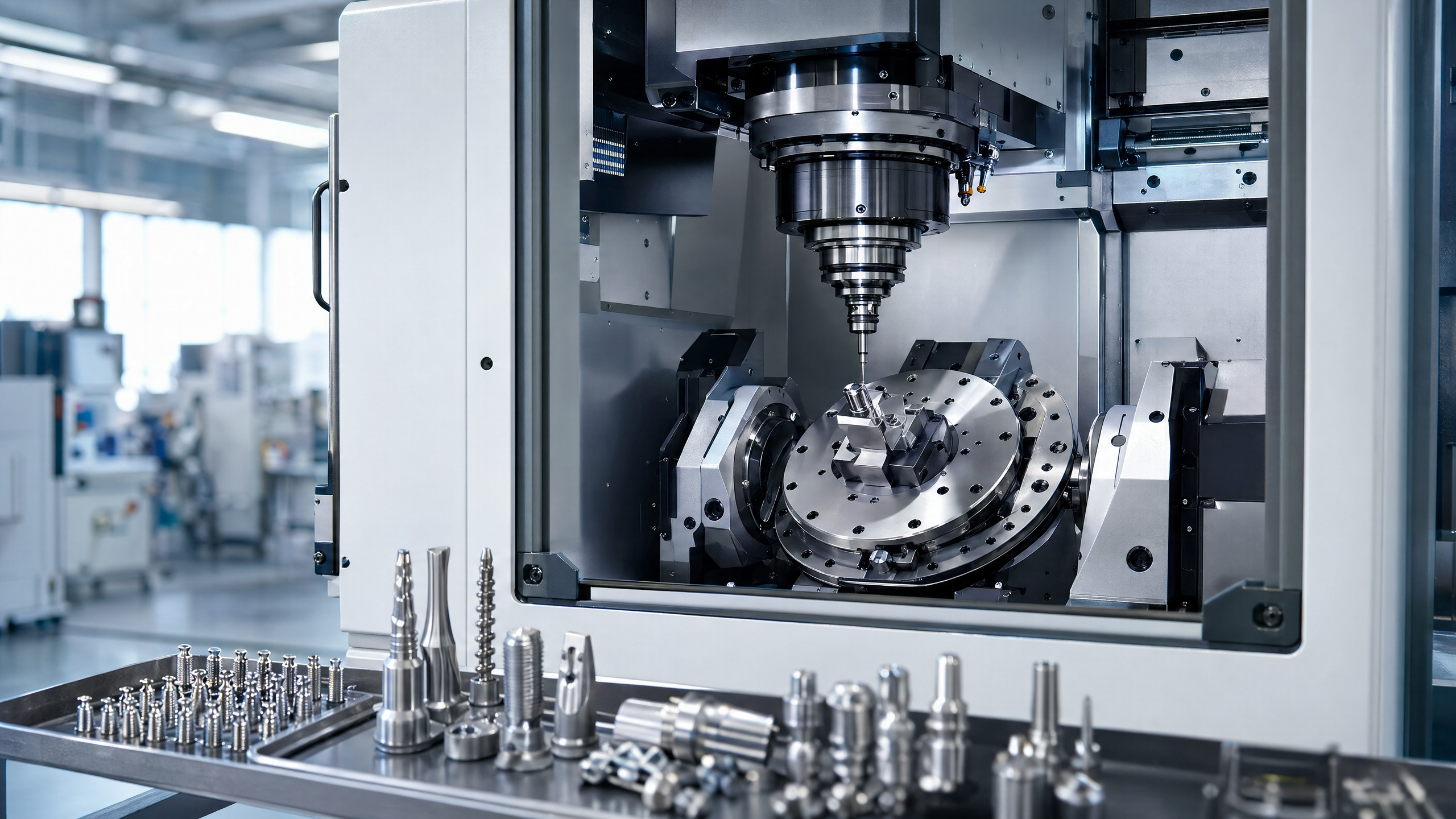
Choosing the right machine tool for medical device manufacturing means balancing high precision machine tool performance, multi-axis machine tool flexibility, and cost-effective CNC manufacturing. From compact machine tool options for clean production spaces to automated CNC manufacturing that supports quick setup and low maintenance, the best solution depends on accuracy, compliance, and production scale. This guide explores how CNC manufacturing for medical devices can improve quality, efficiency, and long-term value.
What matters most when selecting a machine tool for medical device manufacturing?
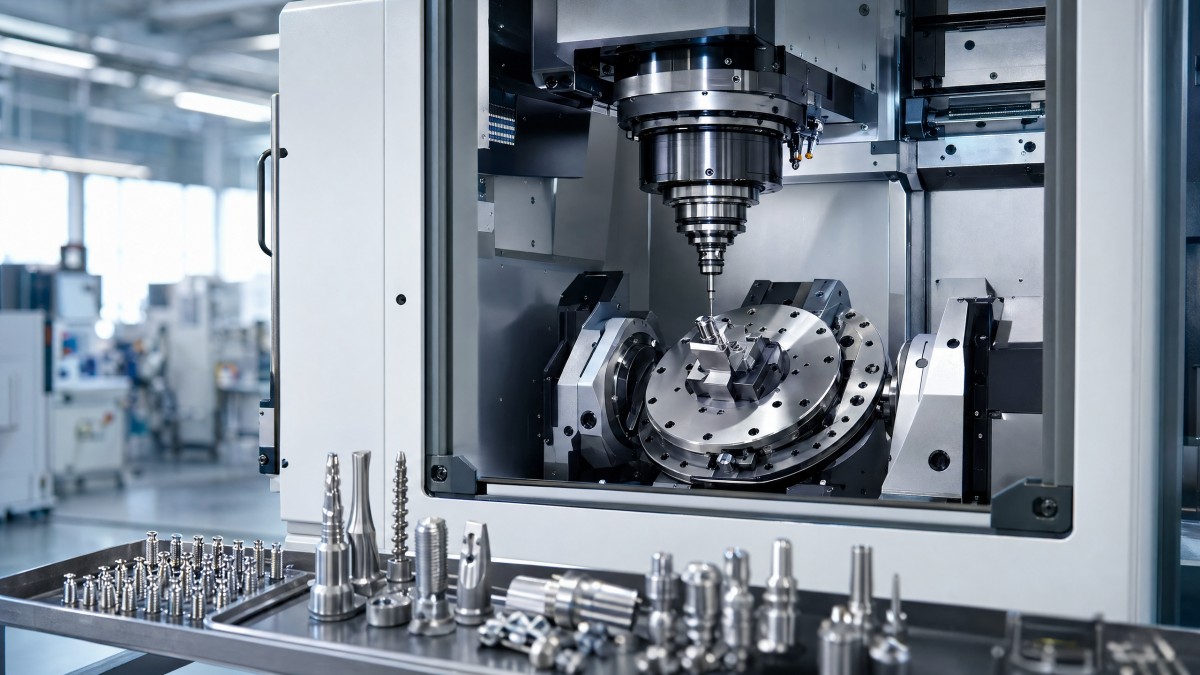
Medical device production is not a typical metalworking job. It combines tight dimensional control, demanding surface quality, traceability, and material consistency across stainless steel, titanium, cobalt-chrome, PEEK, and engineering plastics. For many parts, the right machine tool is the one that can hold micron-level stability over long runs while also supporting frequent product changes in batches that may range from prototype quantities to medium-volume production.
For information researchers and business evaluators, the first decision is not brand-first but process-first. A bone screw, surgical drill guide, orthopedic plate, dental abutment, catheter mold insert, and diagnostic housing all require different machining behavior. In practice, buyers usually compare 3 core dimensions: achievable accuracy, process flexibility, and total operating cost over a 3–7 year equipment horizon.
Operators and process engineers care about another layer: setup time, tool life, chip control, coolant strategy, and ease of cleaning. In medical manufacturing, even a compact machine tool must fit into a controlled workflow where contamination risk, documentation discipline, and repeatability matter as much as spindle speed or travel range. That is why machine tool selection should connect production, quality, and compliance teams from the start.
In global CNC manufacturing, machine tools for medical devices are increasingly expected to support digital integration, automated loading, and process monitoring. This aligns with the broader shift in the machine tool industry toward high precision machine tool platforms, multi-axis machine tool architectures, and automated CNC manufacturing that reduces manual variation while improving throughput.
Three filters that narrow the right machine class quickly
- Part geometry: rotational parts such as screws and abutments usually favor Swiss-type lathes or precision turning centers, while prismatic implants and instrument handles often fit 3-axis to 5-axis machining centers.
- Production scale: prototypes and validation lots may prioritize flexibility and quick changeover, while repeat orders above weekly or monthly thresholds often justify automation, pallet systems, or bar feeders.
- Quality requirement: if the process calls for complex contours, fewer reclamping steps, or better positional accuracy, a multi-axis machine tool usually delivers stronger process security than multiple simpler machines.
Which machine tool types are commonly used for medical parts?
Different machine categories serve different medical device manufacturing needs. Precision CNC lathes are widely used for shafts, pins, connectors, and threaded components. Machining centers support housings, trays, and shaped structural parts. A 5-axis machine tool is often preferred for orthopedic and dental parts with angled features, sculpted surfaces, or multi-face machining requirements. For micro parts, some manufacturers also evaluate specialized high-speed systems with fine toolholding and thermal control.
The comparison below helps procurement teams and users match machine type to typical medical machining tasks. It is especially useful when a project includes both metal and plastic parts, or when one supplier needs to support prototype work and later move into more stable production volumes.
The strongest takeaway is that there is no single best machine tool for every medical device. The better question is which machine platform fits the dominant geometry, material, batch pattern, and validation burden of your production plan. In many facilities, the best solution is a combination of 1 primary high precision machine tool and 1 support platform for secondary operations, inspection fixtures, or pilot runs.
When a multi-axis machine tool makes more sense
A multi-axis machine tool becomes especially valuable when parts need 4–6 sides machined, when angular features must stay aligned in one datum system, or when part handling itself creates quality risk. In medical device manufacturing, reducing two or three reclamping steps can lower cumulative error and support more stable documentation during process qualification.
That said, if the part mix is mostly straightforward and the production volume is still uncertain, a well-configured 3-axis or 4-axis machine can remain the more cost-effective CNC manufacturing choice. The deciding factor is usually not machine complexity alone, but whether the extra flexibility directly cuts cycle time, scrap exposure, or inspection burden.
What technical performance should buyers and operators evaluate first?
In medical machining, machine tool specifications should be read in context rather than as isolated headline numbers. Accuracy, repeatability, spindle behavior, thermal stability, axis interpolation, and tool management all affect whether a process remains stable across a full shift or a 2–4 week production campaign. For precision parts, fixture design and machine structure matter just as much as advertised travel range.
Buyers often focus on speed first, but operators know that stable cutting is more valuable than a high spindle rating without control over vibration, coolant delivery, or chip evacuation. Titanium and cobalt-chrome can punish weak setups. Engineering plastics bring their own problems, including burr control, heat sensitivity, and dimensional movement. A high precision machine tool should therefore be evaluated as a process system, not just a piece of hardware.
The table below summarizes practical technical checkpoints that are commonly used during machine tool selection, trial cutting, and cross-functional review. These are not fixed acceptance numbers, but they help teams compare equipment on a consistent basis before moving into detailed quoting and validation planning.
A disciplined review of these 4 dimensions usually reveals whether a machine is suited to prototype agility, regulated repeat production, or a hybrid path between the two. For purchasing teams, this creates a more reliable basis than comparing only initial price. For operators, it also clarifies what support equipment, tooling, and training will be needed during ramp-up.
A practical 5-point inspection checklist before approval
- Confirm the machine can process target materials without unstable chatter or thermal drift during a representative cycle.
- Review whether one setup can replace 2 or more secondary operations for the key part family.
- Check if probing, offset control, and documentation functions support inspection and traceability workflows.
- Estimate tool accessibility, fixture change time, and cleaning effort between batches.
- Validate local service response expectations, spare parts planning, and training lead time before production launch.
How should procurement teams compare cost, compliance, and implementation risk?
For procurement and commercial decision-makers, the best machine tool is rarely the cheapest machine on the quote list. Medical device manufacturing puts cost pressure and compliance pressure on the same project. The real question is whether the selected CNC manufacturing platform reduces downstream cost in validation, scrap, inspection, rework, and delayed delivery over a realistic operating window such as 12–36 months.
Compliance is also part of machine selection, even though the machine itself is not the finished medical device. Teams often need process documentation discipline, calibration compatibility, stable inspection interfaces, and production practices that can support regulated quality systems. Depending on the product category and market, manufacturers may align their workflows with standards and quality expectations commonly associated with ISO 13485, risk management practices, and controlled change procedures.
Before final approval, it helps to compare machine tool options through a wider business lens. The matrix below can be used during supplier review, internal scoring, or CAPEX discussion when multiple machine architectures appear technically acceptable.
This comparison shows why cost-effective CNC manufacturing does not always mean buying the lowest-priced asset. If a higher-spec machine shortens qualification, reduces two secondary operations, and lowers scrap across monthly production, it can become the lower-risk commercial choice. In contrast, if demand is still unclear and the part family is simple, a standard platform may protect capital while preserving flexibility.
Common procurement mistakes to avoid
- Approving a machine based only on catalog specifications without representative test parts or process review.
- Ignoring cleanability, chip management, or coolant strategy in applications that require controlled production conditions.
- Underestimating the 2–6 week impact of tooling preparation, fixture design, post-processing, and operator training.
- Selecting high complexity equipment without confirming whether local support and spare parts response are realistic.
How do implementation, validation, and daily operation affect machine choice?
The machine tool that looks ideal on paper can still underperform if implementation is weak. In medical device manufacturing, launch planning should include at least 4 connected stages: process review, trial cutting, fixture and tooling confirmation, and controlled production release. This sequence helps both users and purchasing teams reduce surprises once the machine arrives on the floor.
Operators should assess daily realities early: how long tool offsets take to verify, how often chip evacuation needs intervention, whether fine features remain stable after warm-up, and how easily the machine can be cleaned between materials or product families. A compact machine tool may save space, but if it limits access for setup or maintenance, that benefit can disappear within the first few weeks of production.
Validation teams also need predictable process windows. A machine with probing, stable axis behavior, and clear alarm history can simplify first-article workflows and routine checks. Even when exact protocols vary by manufacturer, most medical production environments benefit from defined verification intervals, such as shift-start checks, weekly spindle condition review, and scheduled preventive maintenance every month or quarter.
A practical 4-step implementation path
- Define the target part family, material list, tolerance priorities, and expected batch size before final machine configuration.
- Run a representative sample process, ideally including one difficult feature such as a thin wall, thread, contour, or small-radius toolpath.
- Confirm fixture logic, tool inventory, inspection points, and estimated cycle time under realistic production conditions.
- Release the process in stages, starting with pilot quantity, then controlled repeat lots, then broader production if capability remains stable.
This phased approach is especially useful when a business is moving from outsourced machining into internal production, or when a supplier wants to support both development-stage and repeat-order medical parts. It gives decision-makers a structured way to balance precision, delivery, and risk rather than relying on machine price alone.
FAQ: common questions about CNC manufacturing for medical devices
Is a 5-axis machine always the best option for medical parts?
No. A 5-axis machine tool is often the best fit for complex implants, angled features, and one-setup machining, but it is not automatically the most economical solution for every part. Straightforward shafts, pins, and small turned parts may be produced more efficiently on Swiss-type lathes or simpler turning centers. The best choice depends on geometry, batch frequency, and the value of setup reduction.
What level of precision should buyers ask for?
Buyers should ask for process capability aligned with the actual part requirement rather than a generic “highest precision” promise. In many medical applications, teams review repeatability, profile quality, and dimensional stability across sample runs, not just single-part results. It is better to match machine capability to the tolerance band, surface target, and inspection plan than to overbuy without a clear process return.
How long does machine tool implementation usually take?
For a well-prepared project, basic installation and setup may move quickly, but full production readiness often depends on tooling, fixtures, sample approval, and operator training. A practical planning window is often several days for installation and several weeks for process stabilization, especially if the project includes new materials, regulated documentation, or multi-axis programming.
What should procurement request from suppliers before placing an order?
Procurement should request a clear machine configuration, supported material range, tooling concept, automation options, expected delivery window, training scope, and after-sales support path. It is also useful to discuss trial part feasibility, clean production considerations, spare parts availability, and whether the machine can scale from prototype to repeat production without major reconfiguration.
Why choose us for machine tool selection and sourcing support?
We focus on the global CNC machining and precision manufacturing industry, with practical attention to high precision machine tool trends, multi-axis machine tool selection, automated CNC manufacturing, and cross-border supply dynamics. That industry perspective helps buyers compare not only machine categories, but also the wider production ecosystem including tooling, fixtures, automation readiness, and application fit.
If you are evaluating machine tools for medical device manufacturing, we can help structure the decision around part geometry, material, tolerance priorities, batch size, and compliance expectations. This is useful for information researchers building a shortlist, operators clarifying process needs, procurement teams comparing quotations, and business evaluators reviewing long-term capacity plans.
You can contact us to discuss:
- Machine tool type selection for screws, implants, housings, instruments, and mixed medical part families.
- Parameter confirmation, including axis configuration, spindle needs, automation options, and compact machine tool layouts.
- Lead time planning, sample support, quotation comparison, and phased implementation ideas for prototype to volume transition.
- Discussion of certification-related production expectations, documentation coordination, and risk points before equipment purchase.
A better machine decision starts with clearer inputs. If you share your part drawings, material range, annual volume estimate, and target delivery schedule, we can help you narrow the most suitable CNC manufacturing route and identify where a high precision or multi-axis machine tool will create real value.
PREVIOUS ARTICLE
Recommended for You
 How to Choose a Space-Saving CNC Manufacturing SetupCNC Machining Technology Center
![]() What to Check Before Using a CNC Manufacturing WholesalerGlobal Machine Tool Trade Research Center
What to Check Before Using a CNC Manufacturing WholesalerGlobal Machine Tool Trade Research Center Why Precision CNC Manufacturing Fails Tolerance GoalsCNC Machining Technology Center
 Is CNC Manufacturing for Energy Equipment Worth the CostManufacturing Market Research Center
![]() How Low Maintenance CNC Manufacturing Cuts DowntimeMachine Tool Industry Editorial Team
How Low Maintenance CNC Manufacturing Cuts DowntimeMachine Tool Industry Editorial Team How to Compare One CNC Manufacturing Factory to AnotherManufacturing Market Research Center


Aris Katos
Future of Carbide Coatings
15+ years in precision manufacturing systems. Specialized in high-speed milling and aerospace grade alloy processing.
▶
Is a Compact Machine Tool Right for Small WorkshopsMachine Tool Industry Editorial Team▶
What to Know Before Buying a Machine Tool for Mold MakingMachine Tool Industry Editorial Team▶
Which Machine Tool Fits Medical Device Manufacturing BestMachine Tool Industry Editorial Team▶
Why Multi-Axis Machine Tools Are Gaining AttentionMachine Tool Industry Editorial Team▶
What High Precision Machine Tools Change in Final QualityMachine Tool Industry Editorial Team
Mastering 5-Axis Workholding Strategies
Join our technical panel on Nov 15th to learn about reducing vibrations in thin-wall components.

Providing you with integrated sanding solutions
Before-sales and after-sales services
Comprehensive technical support