• Global CNC market projected to reach $128B by 2028 • New EU trade regulations for precision tooling components • Aerospace deman
NYSE: CNC +1.2%LME: STEEL -0.4%

Is a High-speed Machining Center Worth It for Aluminum Parts?
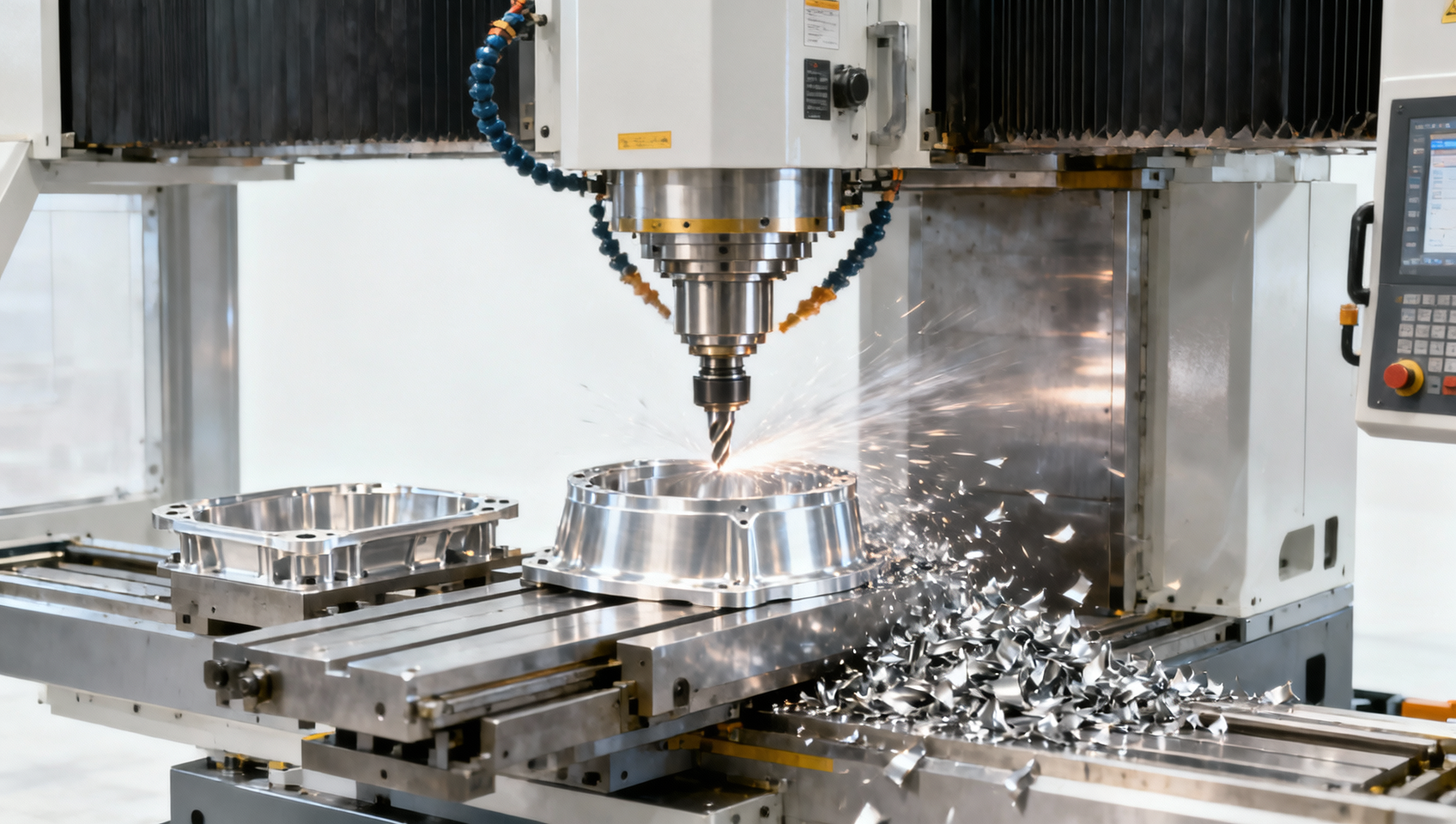
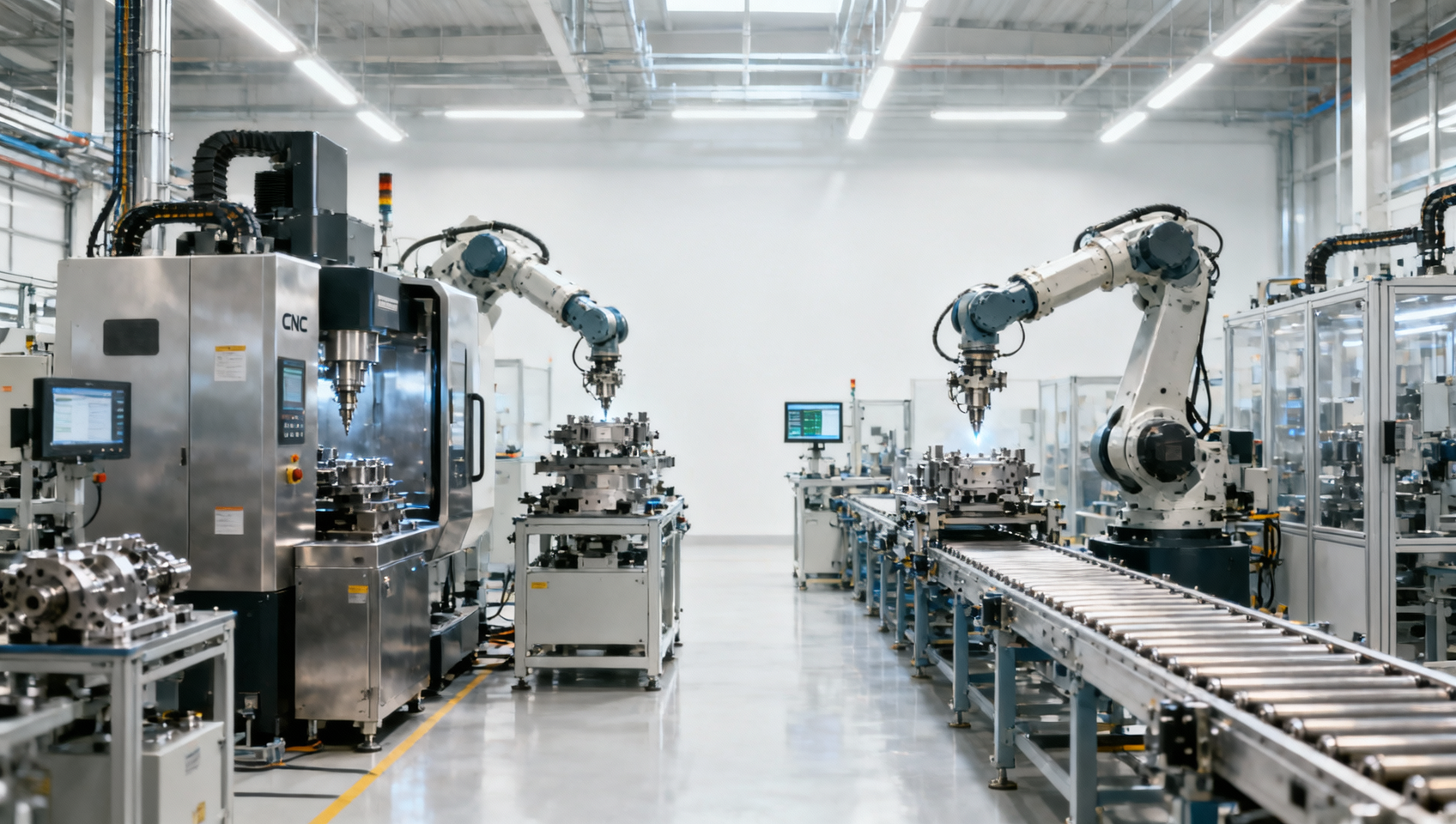
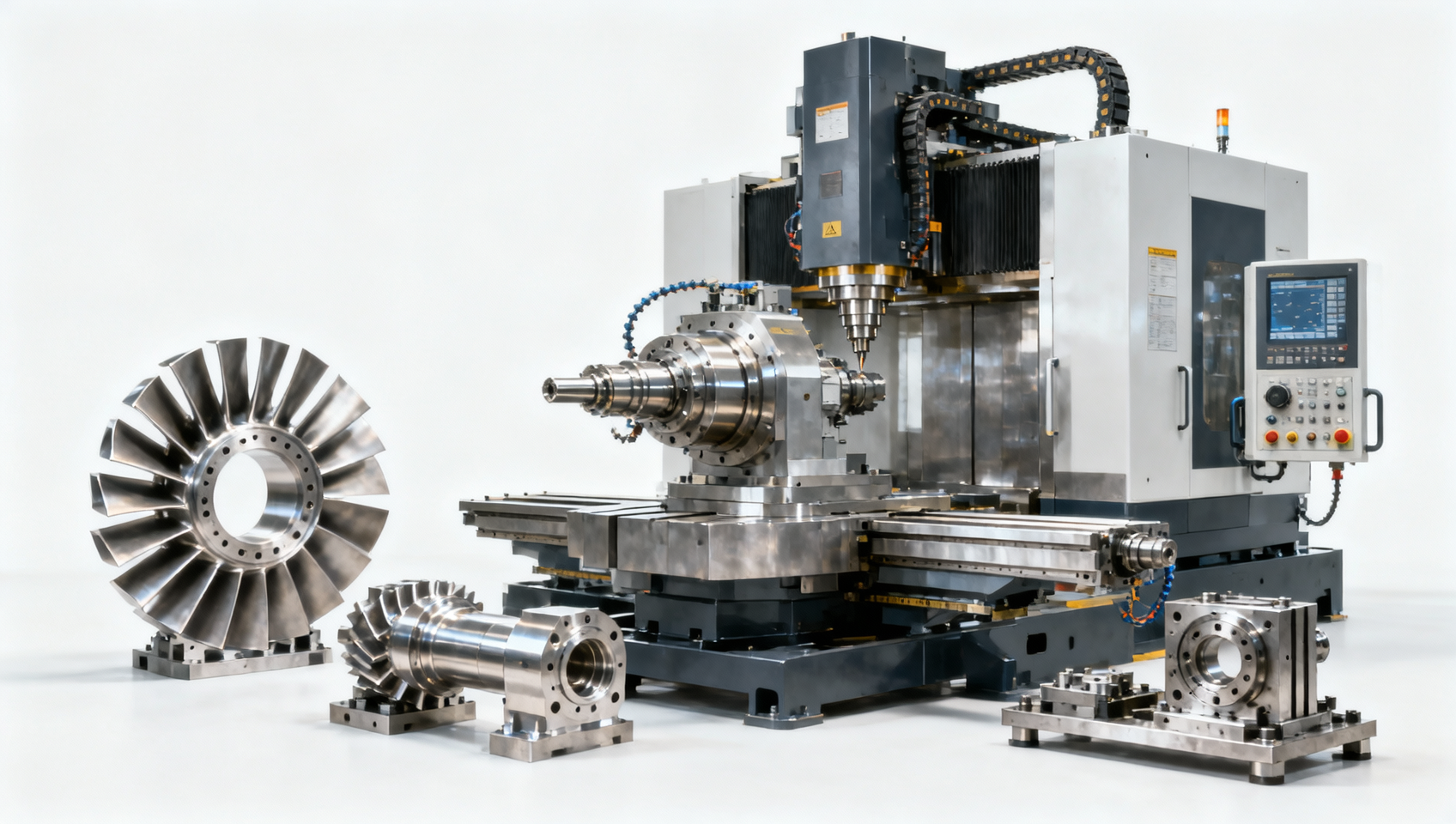
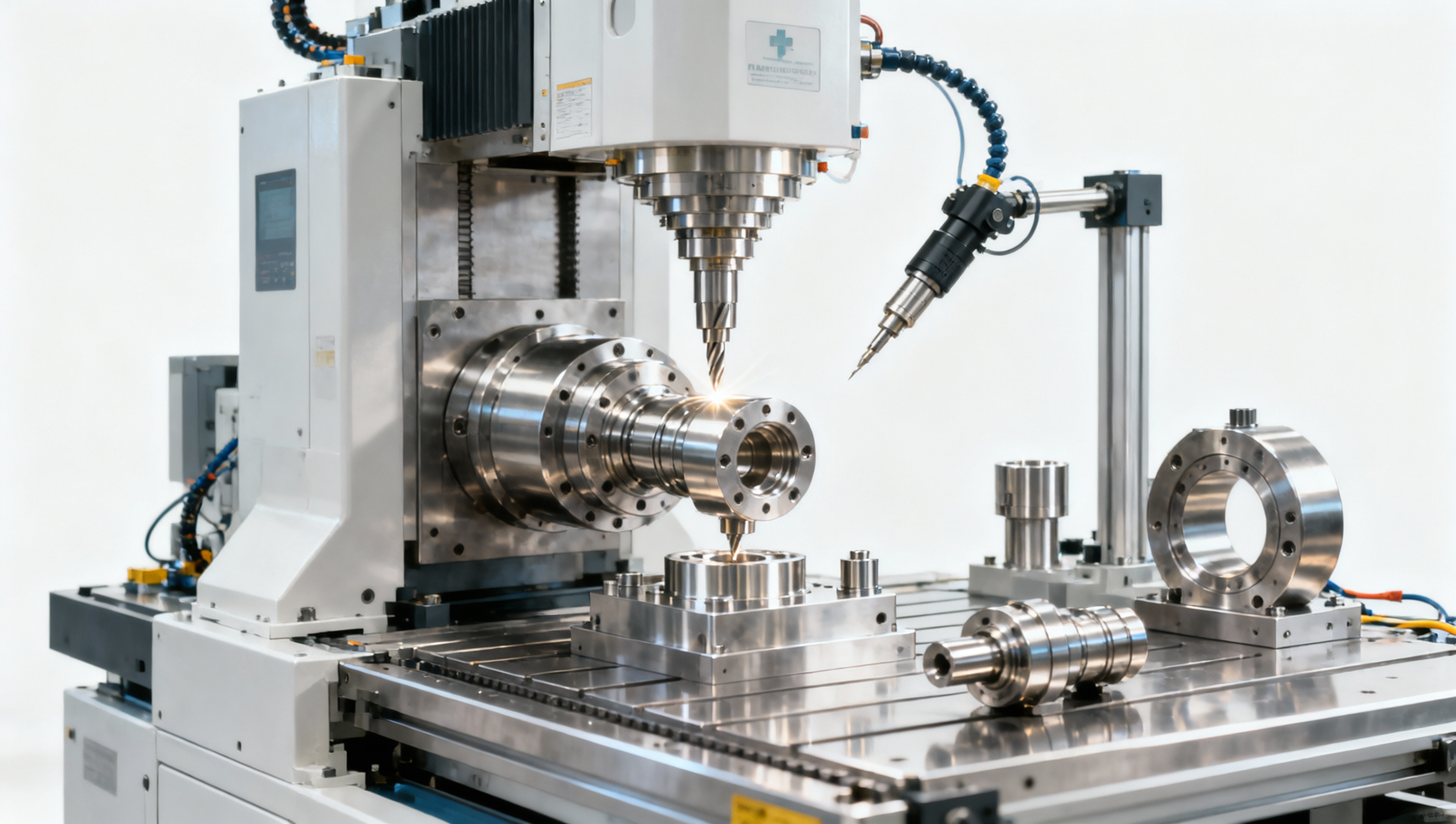
For manufacturers evaluating a High-speed Machining Center for aluminum parts, the key question is whether faster spindle speeds truly deliver better ROI, surface finish, and cycle-time reduction. In today’s competitive market, combining an Optimized Machining Process for stainless steel, smart CNC Tooling System selection, and Industrial Automation integration for production line planning can reshape productivity across diverse applications.
That question matters because aluminum behaves very differently from steel, cast iron, or titanium. Its machinability allows aggressive feed rates and higher spindle speeds, but those advantages only translate into profit when the machine structure, tooling, chip evacuation, workholding, and production strategy are aligned. A high-speed machining center can be a strong asset, yet it is not automatically the right answer for every shop, every part family, or every volume level.
For operators, the priority is stable cutting, manageable programming, and consistent quality. For procurement teams, the focus is total cost of ownership over 3–5 years rather than only the initial purchase price. For business decision-makers, the central issue is whether the investment can reduce cycle times by 20%–50%, improve throughput, and support future automation without creating unnecessary complexity.
This article examines when a high-speed machining center is worth it for aluminum parts, what technical and commercial factors should be evaluated, and how buyers can compare machine configurations in a practical B2B context.
What a High-speed Machining Center Changes in Aluminum Production
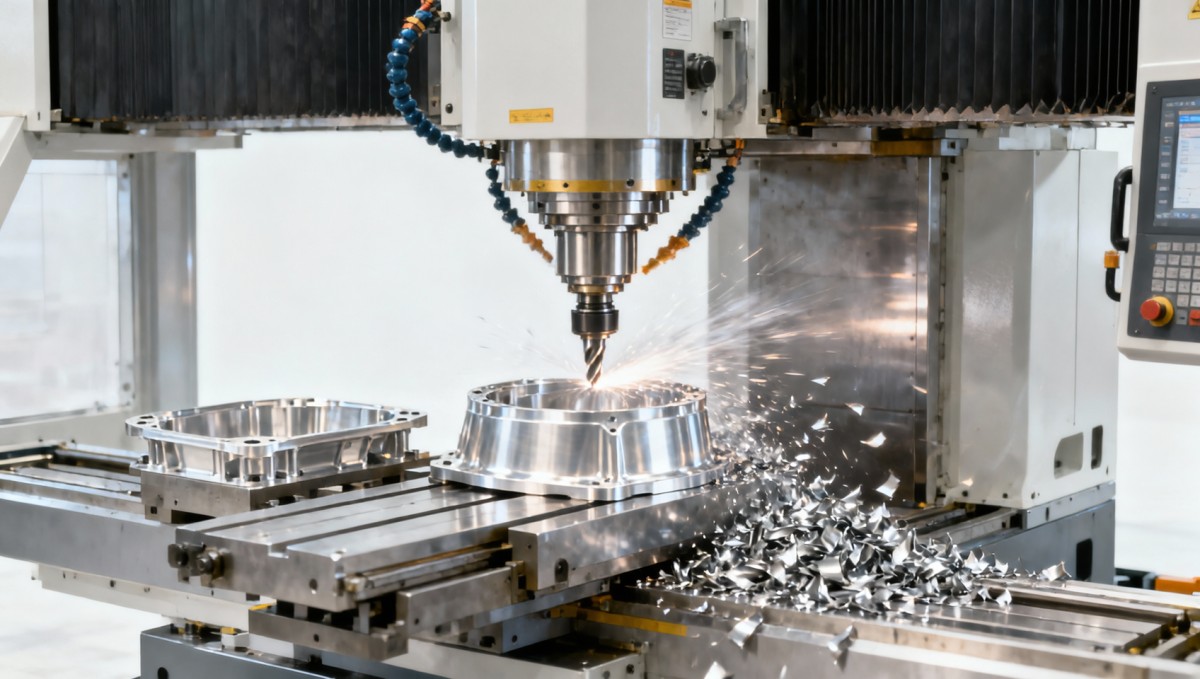
A high-speed machining center is typically defined less by marketing language and more by its usable cutting dynamics. In aluminum applications, buyers often look at spindle ranges from 12,000 rpm to 24,000 rpm, rapid traverse rates above 30 m/min, and acceleration levels that shorten non-cutting time. These features matter because many aluminum parts involve pocketing, contouring, thin walls, and frequent tool changes rather than heavy torque at low speed.
Compared with a conventional vertical machining center running at 8,000–10,000 rpm, a high-speed machine can remove material faster on suitable parts. This is especially true for housings, electronics enclosures, automotive structural components, and aerospace brackets where light cuts, high feed rates, and fine surface finish are required. In those cases, the gain is not only spindle speed. It also comes from lower chip-to-chip time, better interpolation, and reduced idle movement.
However, faster is not always better. If your aluminum parts are large, heavily fixtured, or dominated by drilling, tapping, and deep cavity work, the productivity difference may be smaller than expected. Shops producing mixed materials also need to think carefully. A machine optimized for aluminum at 20,000 rpm may not be the best fit for stainless steel jobs that demand higher rigidity, stronger torque at low rpm, and a different tooling strategy.
This is why many manufacturers evaluate the machine in terms of part mix, annual volume, and takt time. If 60% or more of the production schedule is aluminum and the batch pattern is repetitive, high-speed capability often creates measurable value. If aluminum is only 10%–20% of the workload, a balanced general-purpose machining center may offer better utilization.
Typical production improvements to expect
In well-matched applications, users often target 15%–40% shorter cycle times, 10%–25% lower tool wear per finished part, and surface roughness improvements that reduce or eliminate secondary finishing. These are not universal numbers, but they are realistic planning ranges when the process is optimized rather than judged by spindle speed alone.
Key enablers behind those gains
- Higher spindle speed that matches aluminum cutting characteristics and modern carbide tooling.
- Faster tool change times, often in the 1.5–3.5 second range, which matter in multi-operation parts.
- Better chip evacuation and coolant strategy, reducing recutting and edge buildup.
- More responsive control systems that improve contour accuracy on thin-wall or freeform parts.
The table below compares a conventional machining center and a high-speed machining center in common aluminum production scenarios.
The key takeaway is that a high-speed machining center creates the most value when aluminum is a major part of the production mix and when machine dynamics, tooling, and programming are tuned as a system instead of being treated as separate decisions.
When the Investment Makes Financial Sense
The purchase decision should be based on return over time, not headline speed. In many B2B environments, the added capital cost of a high-speed machining center must be recovered through lower cost per part, higher output per shift, reduced overtime, and better delivery performance. For this reason, ROI analysis should include at least 4 categories: cycle time, labor efficiency, tooling cost, and downstream quality cost.
A practical rule is to calculate annual spindle hours used on aluminum work. If the machine can save even 4 minutes on a part and the part runs 12,000 pieces per year, that equals 48,000 minutes, or 800 hours, of recovered capacity. In a plant with 2 shifts and high machine utilization, 800 hours can be more valuable than the difference in acquisition cost because it may delay the need for another machine purchase or additional labor.
Shops should also consider scrap and rework. High-speed machining of aluminum often improves dimensional repeatability on thin-wall parts because the process can use lighter cuts, sharper tools, and more stable chip evacuation. If a production line currently loses 2%–3% to rework on cosmetic or dimensional issues, even a 1 percentage point improvement can materially affect margin.
That said, the machine is less likely to justify itself if annual volumes are low, changeovers are frequent, and the product mix is unstable. In prototype-heavy environments with 20–50 different setups per month, setup discipline and CAM strategy may deliver better returns than paying for a higher speed platform.
A simple ROI screening framework
Before requesting quotations, decision-makers can score their use case using a 5-point method. The higher the score, the stronger the business case for high-speed investment.
- Aluminum accounts for more than 50% of total machining hours.
- Annual production volume is stable for at least 12–24 months.
- Parts require high cosmetic quality or fine surface finish.
- Current bottleneck is cycle time rather than programming capacity.
- There is a plan for automation, pallet handling, or lights-out production.
The table below helps purchasing teams compare cost-impact factors beyond the sticker price.
In most factories, the machine is worth serious consideration when expected payback is under 24 months and the productivity gain is supported by stable demand, trained programmers, and compatible tooling infrastructure.
Technical Selection Criteria Buyers Should Not Overlook
Machine selection for aluminum should go beyond spindle rpm. A well-bought high-speed machining center is a combination of spindle, machine frame, control, thermal stability, chip management, tool magazine capacity, and automation readiness. If one of these elements is weak, the theoretical speed advantage can disappear in daily operation.
For aluminum parts, spindle taper and power curve matter as much as top speed. A 15,000–18,000 rpm spindle can outperform a 24,000 rpm spindle in real production if it maintains usable power in the cutting range and supports better rigidity. Buyers should also examine runout, toolholder compatibility, and balancing requirements. At higher rpm, poor balance can quickly affect finish quality and bearing life.
Machine rigidity still matters even with a soft material. Thin-wall aerospace components and precision electronics housings need dynamic stability to prevent chatter, burr formation, and dimensional drift. Linear guide configuration, casting design, thermal compensation, and the control system’s look-ahead capability all influence final part quality.
Chip evacuation is another common blind spot. Aluminum machining produces large volumes of chips, and recutting can ruin finish quality in seconds. Conveyor design, washdown flow, enclosure slope, and coolant pressure should all be reviewed. In production environments running 8–16 hours per day, inadequate chip handling becomes a major source of stoppage.
Core specifications to review during machine comparison
- Spindle range and usable power band, such as 12,000–18,000 rpm for stable aluminum cutting.
- Rapid traverse and acceleration, especially where short toolpaths dominate cycle time.
- Tool magazine size, commonly 24, 30, or 40 tools depending on part family and unmanned run plans.
- Coolant configuration, including flood, through-spindle, or air blast based on chip evacuation needs.
- Control system functions for high-speed look-ahead, smoothing, and contour precision.
Tooling and process compatibility
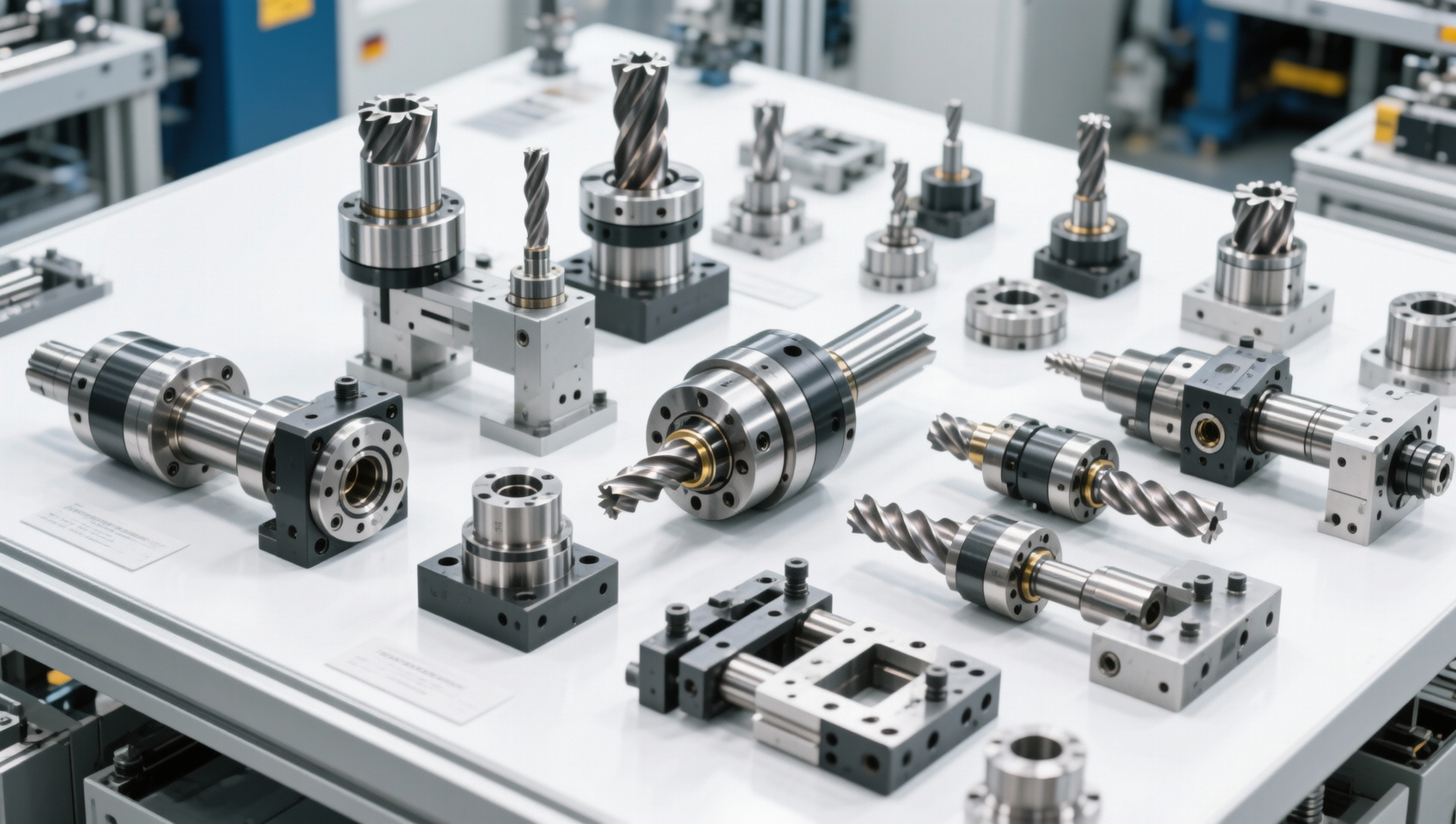
The CNC tooling system is often the hidden driver of success. Aluminum usually benefits from polished flute tools, high-helix geometries, sharp edges, and optimized coatings or uncoated grades depending on the alloy. If the shop continues using tooling intended for stainless steel, the machine may not deliver the expected output. Process engineering should therefore be budgeted as part of the investment, not treated as an afterthought.
It is also wise to ask how the machine fits into broader manufacturing strategy. If the plant is planning robotic loading, pallet pools, or flexible production lines within 12–24 months, interface compatibility and automation integration should be part of the quotation stage rather than a retrofit later.
Best-fit Applications, Common Risks, and Operational Missteps
High-speed machining centers perform best where the part geometry and business model reward speed and finish quality. Common best-fit applications include automotive lightweight components, EV battery housings, aerospace brackets, telecom heat sinks, consumer electronics frames, and precision plates with many shallow features. These part types often involve repeatable programs, tight cosmetic standards, and strong pressure to lower cycle time by seconds or minutes per unit.
The main risk is buying the machine for the wrong job profile. If a shop mainly runs castings with interrupted cuts, frequent tapping, and heavy stock removal in multiple materials, then the premium for high-speed capability may be underused. Another mistake is underestimating process discipline. Toolholder quality, presetting accuracy, coolant cleanliness, and fixture repeatability become more important as speed increases.
Operational teams should also be realistic about training. A high-speed machining center is not difficult to run, but it is less forgiving. Feed optimization, chip load control, warm-up routines, and spindle health monitoring should be standardized. In many plants, the difference between excellent and disappointing results is not the machine itself but whether operators and programmers adopt a repeatable process within the first 30–90 days.
Another frequent issue is applying aluminum-focused settings to stainless steel or other harder materials. The introductory reference to an optimized machining process for stainless steel is relevant here: mixed-material factories must build separate cutting libraries and tooling logic. One machine can process different materials, but the process windows, toolpaths, and wear expectations are very different.
Common mistakes during implementation
- Using standard toolholders at very high rpm without balancing verification.
- Focusing on maximum spindle speed while ignoring tool change time and control responsiveness.
- Running poor chip evacuation, which causes recutting and unstable surface finish.
- Skipping preventive maintenance during the first 6 months of ramp-up.
- Assuming all aluminum alloys respond equally; 6061, 7075, and cast aluminum can behave differently.
Application suitability checklist
If a plant runs medium to high volume aluminum parts, needs repeatable surface quality, and plans to integrate automation, a high-speed machining center is usually worth deeper evaluation. If the work is low-volume, highly mixed, and constrained more by setup time than cutting time, buyers should proceed carefully and test with representative parts before committing.
Implementation, Automation Integration, and Supplier Questions
The real return from a high-speed machining center is realized during implementation. A structured rollout usually takes 3 stages: process planning, production validation, and ramp-up optimization. In many factories, the first 2–4 weeks are used to qualify tooling, fixturing, and machining programs. The next 4–8 weeks are then focused on stability, tool life, and output consistency across shifts.
Automation should be considered early, especially for companies facing labor constraints or aiming for higher equipment utilization. Even a single-machine cell with automatic door control, probing, tool monitoring, and robotic loading can extend productive time significantly. For some aluminum part families, lights-out windows of 2–6 hours are realistic once fixturing, chip management, and tool life are validated.
Buyers should ask suppliers practical questions rather than broad promises. How does the spindle handle continuous aluminum duty? What maintenance intervals are recommended at 12,000 rpm versus 20,000 rpm? What toolholder standards are supported? What is the expected lead time for key service parts? Clear answers on these points reduce procurement risk far more than general claims about productivity.
It is also important to request test cuts using representative parts or at least closely matched geometry. A quotation based only on specification sheets is not enough. Production managers should compare cycle time, burr control, finish quality, and machine behavior over multiple operations, not a single demo pass.
Questions procurement teams should include in RFQs
The following comparison structure helps ensure suppliers are evaluated on long-term production value rather than headline speed alone.
When procurement, engineering, and operations review these points together, the buying process becomes more reliable and the machine is more likely to meet both technical and commercial expectations.
FAQ
Is a high-speed machining center only useful for aerospace aluminum parts?
No. Aerospace is a strong fit, but many automotive, electronics, energy equipment, and general precision manufacturing applications also benefit. The key requirement is not industry label but part characteristics: repeat volume, finish requirements, and cycle-time sensitivity.
How much spindle speed is enough for most aluminum work?
For many shops, 12,000–18,000 rpm is already a very practical range. More than 20,000 rpm can be valuable for smaller tools and fine finishing, but only if tooling balance, machine dynamics, and process control are equally strong.
Can one machine handle both aluminum and stainless steel efficiently?
It can, but efficiency depends on compromise. Shops with heavy stainless steel content should review low-end torque, rigidity, and separate tooling strategies carefully. Mixed-material environments often benefit from dedicated process libraries and, in some cases, separate machine roles.
A high-speed machining center is worth it for aluminum parts when the investment is tied to the right application profile: stable aluminum demand, meaningful cycle-time pressure, quality-sensitive parts, and a clear path to process optimization or automation. The strongest results come from treating the machine, CNC tooling system, fixturing, coolant strategy, and production planning as one integrated manufacturing solution rather than isolated purchases.
If your team is assessing new aluminum machining capacity, comparing high-speed platforms, or planning automation-ready production lines, now is the right time to review your part mix, output targets, and implementation requirements in detail. Contact us to discuss your machining goals, get a tailored equipment evaluation, and explore more solutions for CNC machining and precision manufacturing.
Recommended for You
 What Slows Down an Automation Line in Textile Production?Machine Tool Industry Editorial Team
 High Temperature Alloy Cutting Tools Wear Out for Hidden ReasonsCNC Machining Technology Center
 Automated Production Lines in Auto Manufacturing: Key BottlenecksMachine Tool Industry Editorial Team
 What Makes a 5 Axis Machining Center Fit Aerospace Parts?Machine Tool Industry Editorial Team
 Medical Equipment Machining Centers Need Accuracy Beyond SpecsMachine Tool Industry Editorial Team
 How to Compare CNC Tooling System Suppliers in GermanyGlobal Machine Tool Trade Research Center

Aris Katos
Future of Carbide Coatings
15+ years in precision manufacturing systems. Specialized in high-speed milling and aerospace grade alloy processing.
▶
Medical Equipment Machining Centers Need Accuracy Beyond SpecsMachine Tool Industry Editorial Team▶
Is a High-speed Machining Center Worth It for Aluminum Parts?Machine Tool Industry Editorial Team▶
Heavy-duty Machining Center for mold making: Why coolant filtration standards evolve faster than OEM manualsMachine Tool Industry Editorial Team▶
High precision machine tool: Why air-bearing spindles demand more than just clean airMachine Tool Industry Editorial Team▶
Machine tool for automotive industry: Why dynamic rigidity matters more than static specsMachine Tool Industry Editorial Team
Mastering 5-Axis Workholding Strategies
Join our technical panel on Nov 15th to learn about reducing vibrations in thin-wall components.

Providing you with integrated sanding solutions
Before-sales and after-sales services
Comprehensive technical support