• Global CNC market projected to reach $128B by 2028 • New EU trade regulations for precision tooling components • Aerospace deman
NYSE: CNC +1.2%LME: STEEL -0.4%

Is an industrial lathe upgrade worth it for aging workshops?
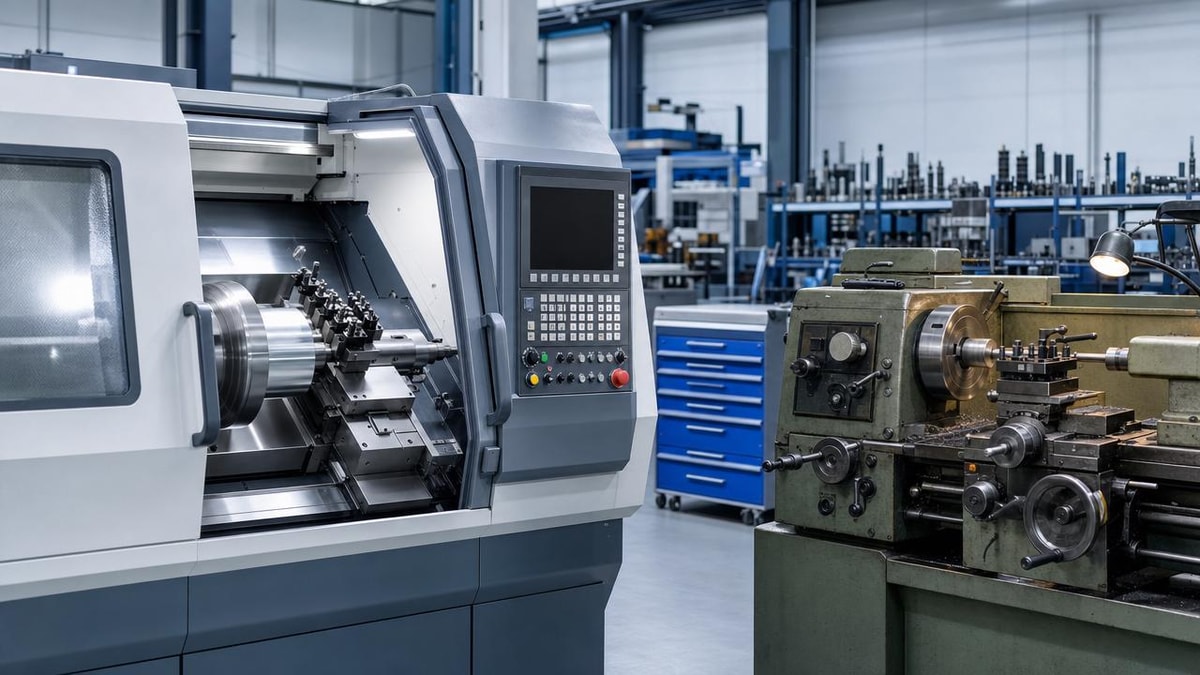
For aging workshops, deciding whether to upgrade an industrial lathe is often less about machinery alone and more about cost control, output stability, and long-term competitiveness. As labor, maintenance, and precision demands continue to rise, an outdated industrial lathe can quietly reduce profitability. This article examines whether the investment delivers measurable financial and operational returns for budget-conscious decision makers.
For finance approvers, the real question is not whether newer equipment looks better on the shop floor. It is whether an industrial lathe upgrade can reduce unplanned downtime, improve yield, shorten cycle times, and support customer requirements that older machines struggle to meet. In sectors tied to CNC machining, precision manufacturing, and automated production, even a 2% to 5% loss in throughput or scrap control can materially affect annual margins.
Aging workshops often run legacy machines that are mechanically durable but digitally disconnected, slower to set up, and more expensive to maintain. That creates hidden cost layers: overtime, higher tool wear, more operator intervention, inconsistent dimensional accuracy, and delayed delivery. When buyers in automotive, energy equipment, electronics, or subcontract machining demand tighter tolerances and faster response, an old industrial lathe may become a financial bottleneck rather than a productive asset.
Why an industrial lathe upgrade becomes a financial issue before it becomes a technical one
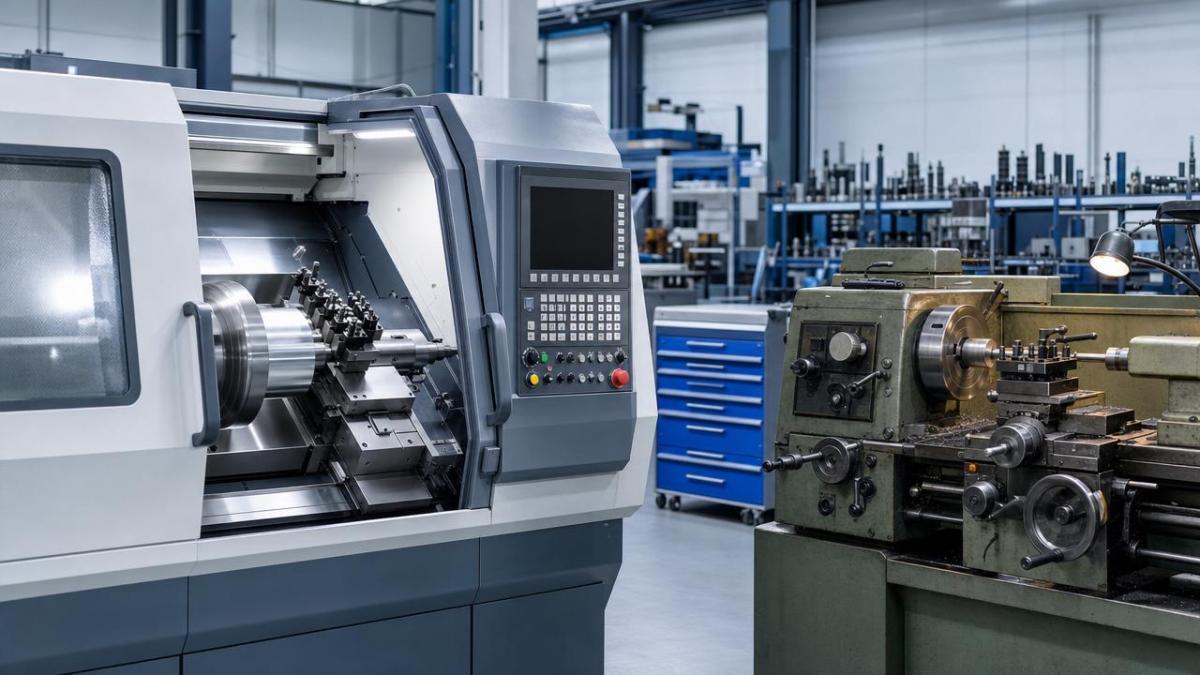
In many workshops, the decision to replace or retrofit an industrial lathe is delayed because the machine is still operating. However, “still running” is not the same as “still cost-effective.” A machine that requires 2 to 4 maintenance interventions per month, takes 30 to 60 minutes longer for setup, or produces more frequent rework can erode contribution margin without triggering a clear alarm in monthly reporting.
From a finance perspective, the main cost categories usually fall into 4 groups: direct maintenance expense, production loss from downtime, quality-related cost, and labor inefficiency. Older manual or early-generation CNC equipment may also increase risk exposure if spare parts lead times stretch to 2 to 8 weeks or if service support becomes less available.
Common hidden costs in an aging workshop
- Higher scrap or rework rates when tolerances drift beyond typical targets such as ±0.01 mm to ±0.05 mm
- Longer changeover times, especially for low-volume, mixed-part production
- More dependence on highly experienced operators for manual correction and compensation
- Energy inefficiency from outdated drives, hydraulic systems, or cooling units
- Lost orders when customers request traceability, automation compatibility, or stable unattended running
When older equipment starts affecting order quality
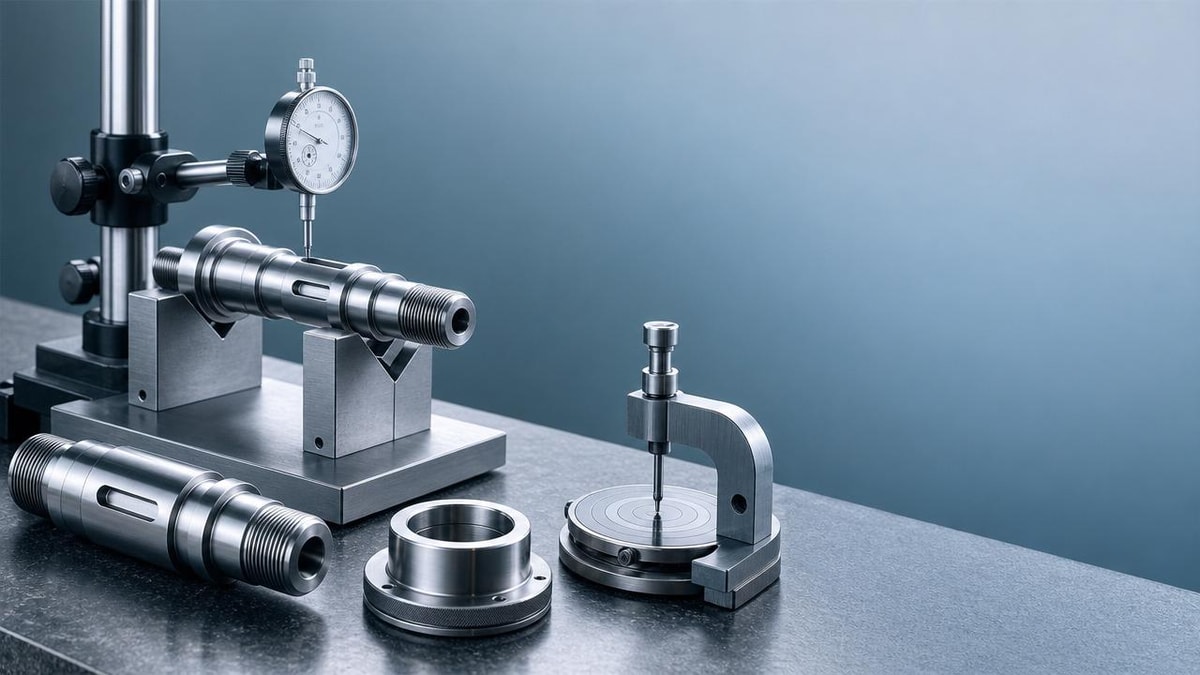
In CNC turning and precision machining, small deviations can trigger large downstream costs. If an industrial lathe produces shafts, discs, or threaded parts with inconsistent surface finish or concentricity, the financial effect may show up in customer claims, assembly issues, or delayed inspection release. Workshops serving aerospace, automotive, and electronics suppliers are especially sensitive to repeatability over 8-hour, 16-hour, or 24-hour production windows.
The table below outlines how aging equipment typically changes the cost profile compared with an upgraded industrial lathe or retrofit program.
The key takeaway is that the business case for an industrial lathe upgrade usually comes from reducing invisible waste rather than from headline speed alone. For finance teams, that means the best justification often combines 3 metrics: lower downtime hours, lower rejection cost, and higher usable machine capacity.
How to evaluate whether the investment is worth it
A practical evaluation should compare upgrade cost against the annual financial leakage caused by the current machine. In many workshops, a useful review period is 12 to 36 months. That is long enough to capture maintenance cycles, order variation, and seasonal production loads, while still supporting capital approval decisions.
Four metrics finance approvers should calculate
- Downtime cost per month, including lost spindle hours and delayed shipments
- Scrap and rework cost as a percentage of output value
- Labor intensity, especially extra setup, manual inspection, and intervention time
- Revenue risk from jobs the current industrial lathe cannot quote competitively
A simple threshold approach
If an older industrial lathe loses 20 to 40 productive hours per month and the machine supports medium- to high-value turning work, the annual cost impact can be substantial even before including scrap. Likewise, if setup reduction can free 10% to 15% more capacity, an upgrade may postpone the need for a second machine or additional overtime. That changes the payback calculation significantly.
For budget planning, many workshops assess whether the payback period falls within 18 to 36 months. If the expected return is longer than that, a retrofit or staged upgrade may be more realistic than full replacement. If the workshop serves high-precision or export-oriented customers, the strategic value of capability retention may justify a shorter approval horizon.
The comparison below can help structure approval discussions between production, maintenance, and finance teams.
This table shows why not every old machine should be replaced immediately. A structurally healthy lathe with outdated controls may justify retrofit. A machine with worn guideways, unstable spindle behavior, or persistent accuracy drift often requires a more comprehensive investment decision.
Operational signs that an industrial lathe upgrade is overdue
Some workshops wait for catastrophic failure before acting, but that usually leads to emergency procurement and unfavorable budgeting. A better approach is to identify operational signs early. If 3 or more of the signals below are recurring for over 6 months, the industrial lathe is probably costing more than it appears.
Five warning signs
- Repeated dimensional variation during medium or long production runs
- Frequent machine stoppages linked to electrical, lubrication, or control system issues
- Growing use of manual intervention to maintain part quality
- Inability to integrate with bar feeders, robots, probes, or digital job tracking
- Rising rejection from customers requesting tighter documentation or process stability
Capacity loss is often more expensive than repair invoices
Repair spending is visible, but underused production capacity is often hidden. If a workshop loses 1 shift per month to stoppages or extended setup, that can represent 8 to 24 hours of lost contribution opportunity. In a subcontract environment, those lost hours may also weaken quotation responsiveness, reducing win rates on new jobs.
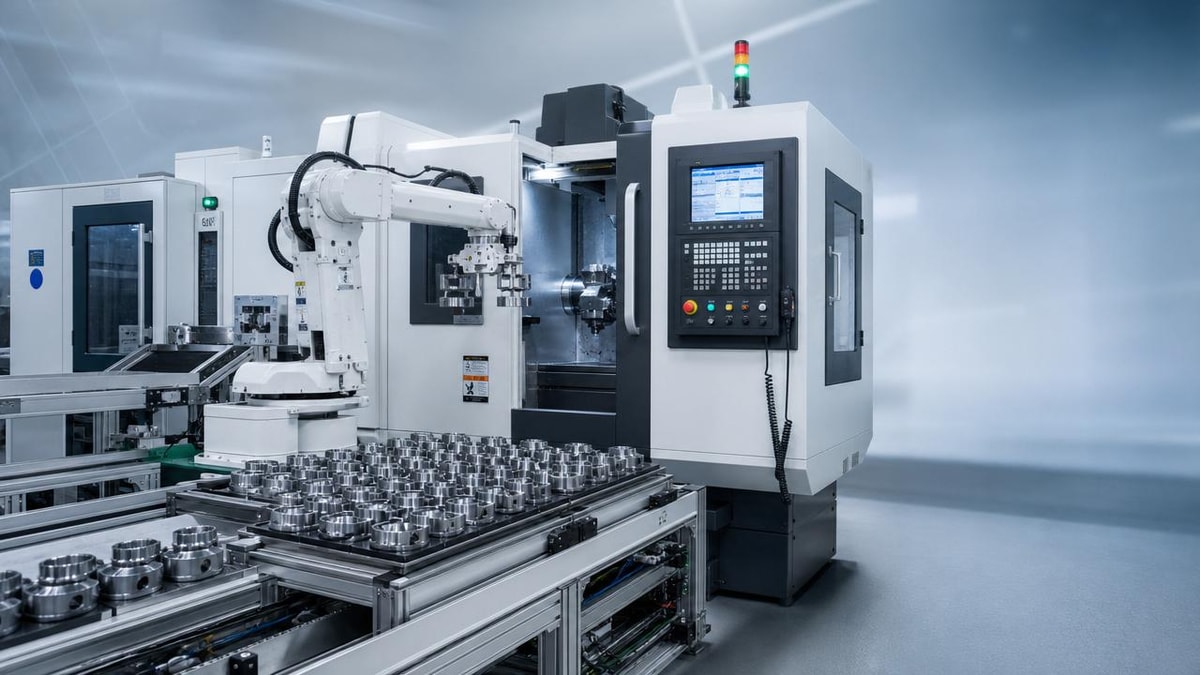
An upgraded industrial lathe can also improve labor allocation. A newer control interface, more reliable repeatability, and easier tooling management may allow one operator to supervise more than one process area. For workshops facing skilled labor shortages, that workforce flexibility can be as valuable as direct cycle-time reduction.
What finance approvers should ask before approving capital
Strong approval decisions usually come from structured questions rather than vendor promises. Whether the workshop is considering a CNC turning center, a rebuilt machine, or a control retrofit, finance teams should pressure-test both the technical assumptions and the operational plan.
A practical approval checklist
- What is the current downtime in hours per quarter for the existing industrial lathe?
- How much scrap, rework, and delayed delivery is directly linked to this machine?
- Will the upgrade support target tolerances, part sizes, and material types for the next 3 to 5 years?
- What installation and training time is required, and how will production continue during the transition?
- Are spare parts, service response, and control support realistically available?
- Can the machine connect to future automation or digital production systems?
Do not assess price in isolation
The lowest acquisition cost may create the highest operating cost over 24 to 60 months. Finance approvers should compare total ownership impact: purchase price, installation, tooling adaptation, training, energy use, maintenance frequency, and residual production risk. This is especially important in workshops serving diverse sectors where part complexity may increase over time.
It is also useful to request a phased implementation plan with 3 milestones: pre-installation review, acceptance run, and post-startup performance validation. This reduces the risk that a new industrial lathe is approved on expected productivity gains that are never actually measured after commissioning.
A balanced conclusion for aging workshops
An industrial lathe upgrade is worth it when the current machine is no longer economically stable, even if it still operates. For aging workshops, the strongest justification usually comes from measurable reductions in downtime, labor intensity, quality losses, and delivery risk. In higher-precision or mixed-batch environments, the ability to maintain repeatability and support future automation can be just as important as short-term cost savings.
For finance approvers, the best decision framework is straightforward: quantify the current loss, compare retrofit versus replacement, and match the investment to the workshop’s 2- to 5-year production plan. When done properly, a modernized industrial lathe can protect margins, improve output stability, and strengthen customer confidence without relying on unrealistic promises.
If you are reviewing machine tool investments for an aging workshop, now is the right time to evaluate actual operating cost, precision requirements, and upgrade options. Contact us to discuss your application, get a tailored assessment, and explore more practical solutions for CNC turning, precision machining, and long-term production efficiency.
Recommended for You
 Industrial Robotics payback depends on more than labor savingsManufacturing Market Research Center
 Shaft Parts machining problems that show up after final inspectionCNC Machining Technology Center
 Which Production Process changes bring the fastest output gains?CNC Machining Technology Center
 Industrial Automation projects fail when integration is underestimatedCNC Machining Technology Center
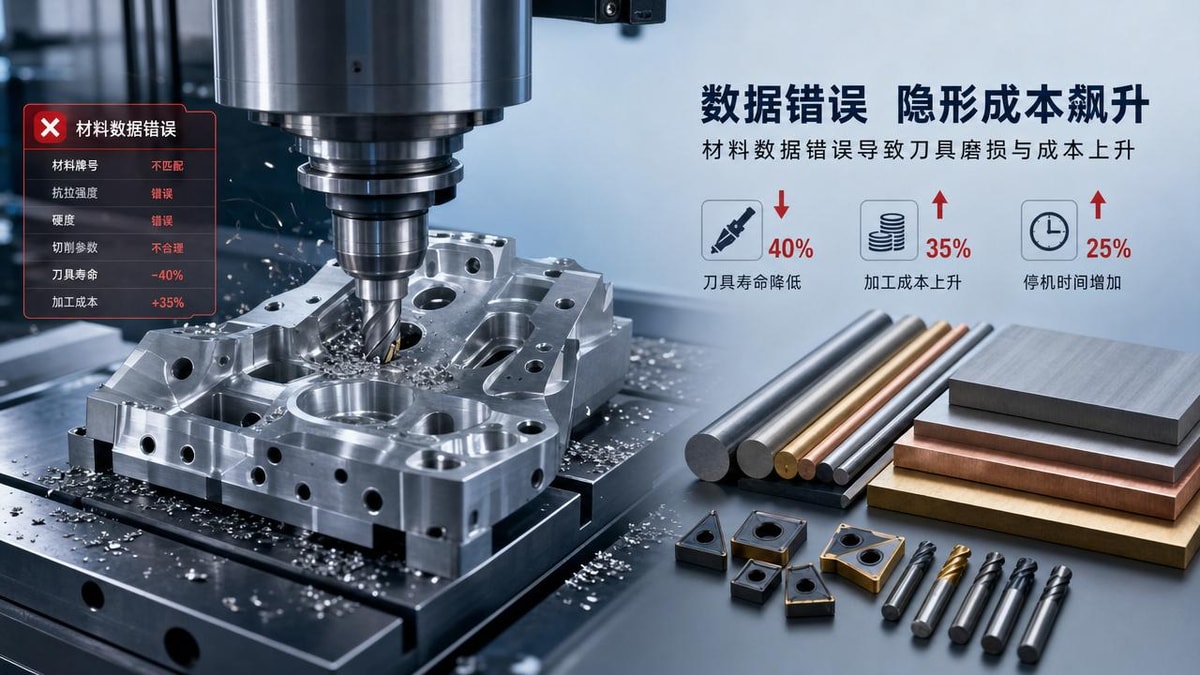
 CNC metal cutting costs rise fast when material data is wrongCNC Machining Technology Center
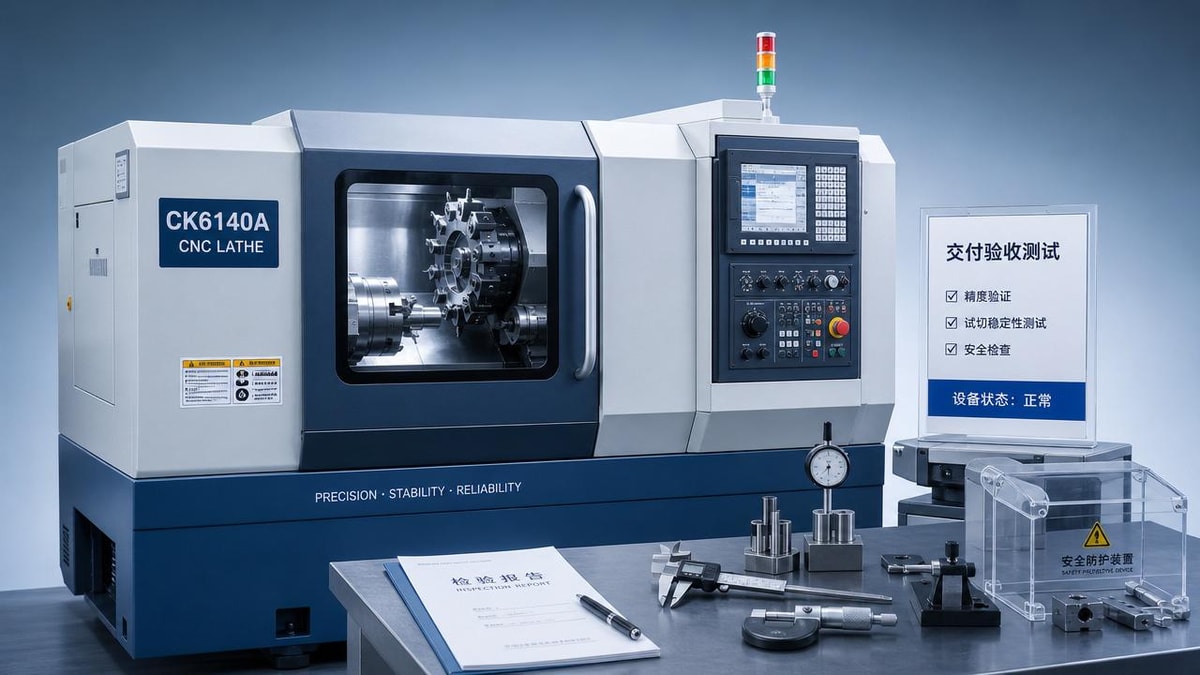
 High precision lathe claims to verify before accepting deliveryMachine Tool Industry Editorial Team

Aris Katos
Future of Carbide Coatings
15+ years in precision manufacturing systems. Specialized in high-speed milling and aerospace grade alloy processing.
▶
Industrial Robotics payback depends on more than labor savingsManufacturing Market Research Center▶
Where the Manufacturing Industry is cutting equipment budgets firstManufacturing Market Research Center▶
Is an industrial lathe upgrade worth it for aging workshops?Manufacturing Market Research Center▶
Where the Manufacturing Industry Is Seeing Faster Automation PaybackManufacturing Market Research Center▶
Precision Equipment ROI Depends on More Than ToleranceManufacturing Market Research Center
Mastering 5-Axis Workholding Strategies
Join our technical panel on Nov 15th to learn about reducing vibrations in thin-wall components.

Providing you with integrated sanding solutions
Before-sales and after-sales services
Comprehensive technical support