• Global CNC market projected to reach $128B by 2028 • New EU trade regulations for precision tooling components • Aerospace deman
NYSE: CNC +1.2%LME: STEEL -0.4%

Where the Manufacturing Industry is cutting equipment budgets first
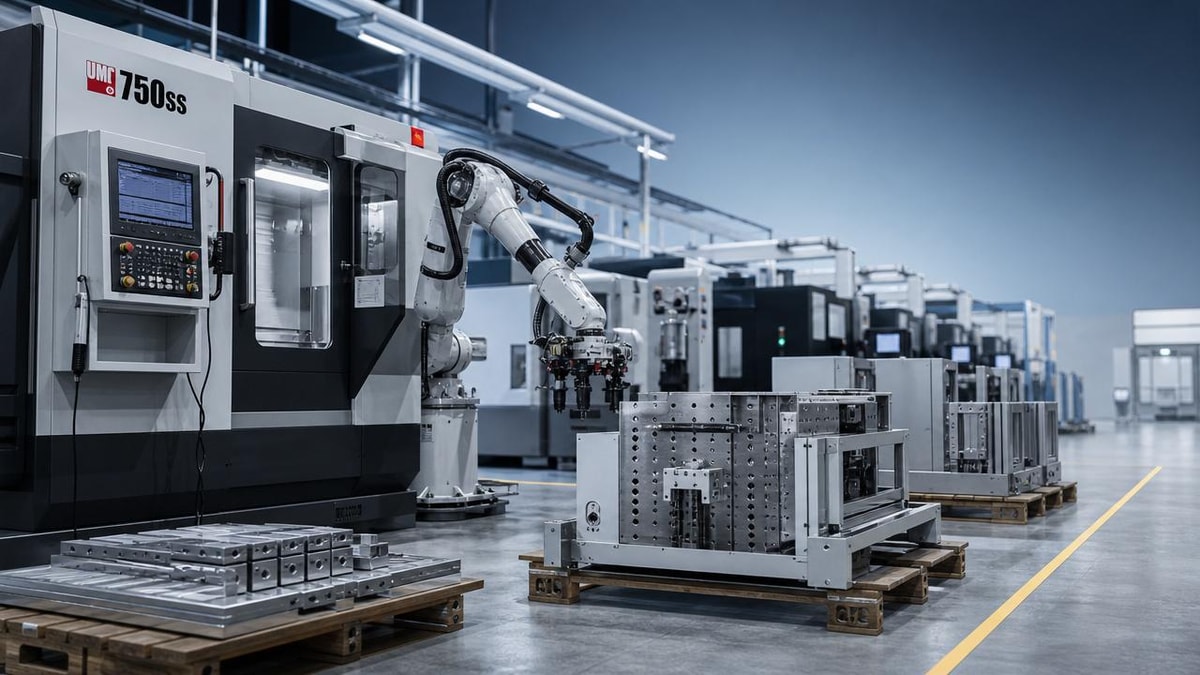
As cost pressure rises across the Manufacturing Industry, equipment budgets are often the first place finance teams look for immediate savings. But which assets are being cut first, and what does that reveal about production priorities, risk tolerance, and long-term competitiveness? For financial decision-makers, understanding these spending patterns is essential to balancing short-term control with operational resilience.
Why budget cuts look different across Manufacturing Industry scenarios
In the Manufacturing Industry, equipment spending is never reduced evenly. Finance leaders may announce a broad efficiency target, but cuts usually land first on assets that appear deferrable, underutilized, difficult to justify with short-term payback, or disconnected from immediate customer demand. That means the first budget reductions in an automotive supplier will not always match the first cuts inside an aerospace machine shop, an energy equipment plant, or an electronics component producer.
For financial approvers, the key issue is not simply whether capital expenditure is rising or falling. The more useful question is: in which operating scenario does a certain machine, tooling package, retrofit, or automation cell become “optional” in the eyes of management? The answer reveals how a business evaluates throughput, cash protection, quality risk, labor dependence, and strategic flexibility.
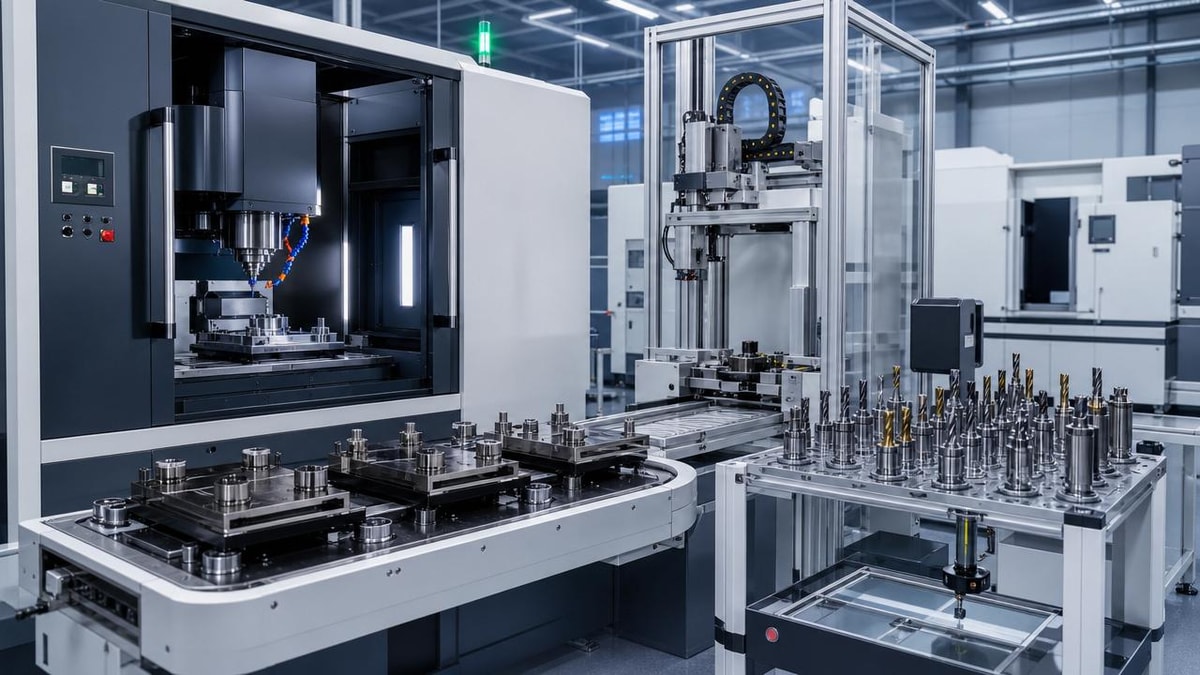
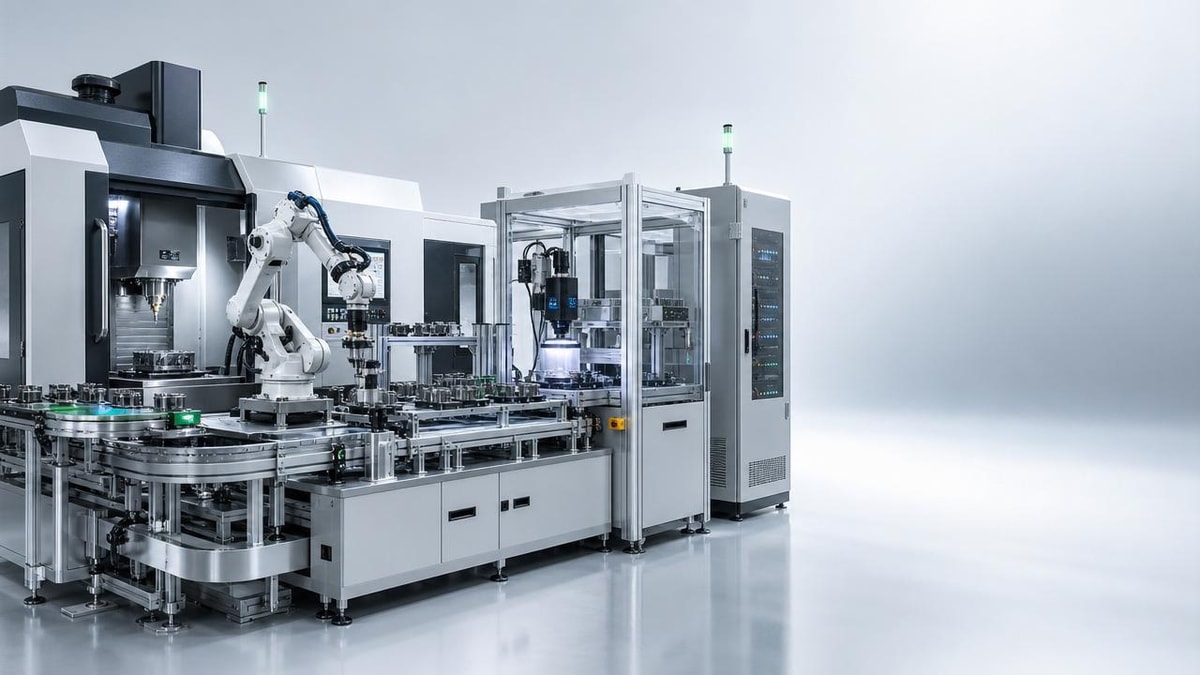
In CNC machining and precision manufacturing, this pattern is especially visible. Core production assets such as CNC lathes, machining centers, multi-axis systems, fixtures, cutting tools, industrial robots, and digital production software do not carry the same urgency in every environment. Some are viewed as revenue-critical, while others are categorized as upgrades that can wait one or two quarters. Understanding this distinction helps the Manufacturing Industry avoid cutting into future delivery capacity while trying to protect present cash flow.
The first budgets typically cut: a scenario-based view
Across the Manufacturing Industry, finance teams usually cut equipment budgets in layers. Expansion projects tend to be delayed before replacement projects. Nice-to-have automation often gets reduced before bottleneck relief. Experimental digital tools can be paused before compliance-driven upgrades. However, the exact order changes by production model, customer expectations, and margin pressure.
This pattern matters because the Manufacturing Industry rarely suffers from a single dramatic cut. More often, competitiveness is weakened by repeated postponement of smaller investments that support process stability, cycle-time reduction, and quality consistency. Finance teams should therefore judge not only what is easiest to cut, but also what becomes expensive to postpone.
Scenario 1: High-volume plants usually cut expansion before core replacement
In high-volume environments such as automotive machining, appliance parts, or standardized industrial components, budget reductions often hit new capacity first. If current utilization is below peak, the argument for another machining center, transfer line module, or robotic loading cell becomes harder to defend. Finance teams can reasonably ask whether the existing asset base can be pushed harder through scheduling, overtime, preventive maintenance, or fixture optimization.
This is one of the most common patterns in the Manufacturing Industry: freeze greenfield or expansion-style purchases, but keep selective spending on bottleneck machines that directly protect shipment volume. The difference is subtle but important. A new line designed for future growth may be cut quickly, while replacement of a failing spindle-heavy machining center may still be approved because downtime risk is measurable and immediate.
For financial approvers, the practical test in this scenario is whether deferred investment creates hidden variable costs. If cutting the equipment budget leads to increased scrap, rising subcontracting, premium freight, or labor overtime, the savings are often less real than they appear on the capital plan.
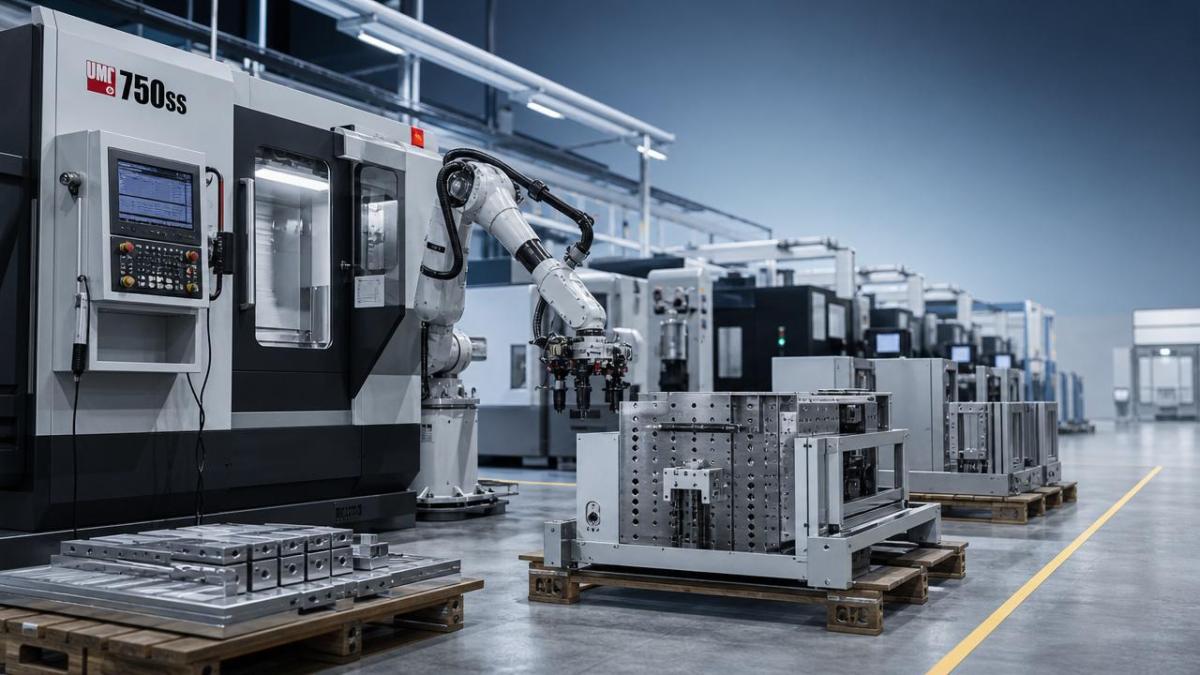
Scenario 2: High-mix, precision-focused shops cut redundancy and experimentation first
Aerospace, medical-adjacent precision work, and complex subcontract machining operate differently. Here, utilization data alone can mislead decision-makers. A five-axis machine with moderate utilization may still be mission-critical if it handles specialized geometries, certified processes, or demanding customer programs. In these settings, the first cuts in the Manufacturing Industry are often backup equipment, digital pilot systems, or process-development cells that do not appear tied to this month’s invoice output.
The danger is that finance may classify redundancy as excess capacity when it is actually schedule insurance. A secondary machine, offline probing solution, or advanced tool management system may not raise daily throughput dramatically, but it can prevent major revenue disruption when a critical asset fails or a customer engineering revision arrives suddenly.
In this scenario, good approval discipline requires a different lens. Instead of asking only, “What is the payback period?” finance teams should also ask, “What customer, certification, or delivery risk does this budget line remove?” In the precision side of the Manufacturing Industry, risk-adjusted value can outweigh simple utilization percentages.
Scenario 3: Heavy equipment and energy manufacturing often delay replacement too long
Manufacturers serving energy equipment, large castings, structural parts, and industrial systems often work with expensive machine tools that are hard to replace quickly. Because order cycles are long and machines are capital intensive, budget cuts frequently target large replacement programs first. A horizontal boring mill retrofit, gantry machining center upgrade, or automated handling integration can be deferred for a year with little immediate visibility on the income statement.
This is understandable, but risky. In these Manufacturing Industry settings, old equipment does not usually fail in a clean and predictable way. It degrades through tolerance drift, maintenance complexity, slower setup, and reduced operator confidence. By the time a replacement becomes obviously necessary, the plant may already be absorbing hidden costs through extended lead times, lower first-pass yield, and difficulty winning high-spec orders.
Financial approvers should be cautious when a replacement project is repeatedly delayed simply because the existing machine still “runs.” In heavy manufacturing, running is not the same as performing. The better question is whether the current asset can still support target margins, quality standards, and bid competitiveness over the next planning cycle.
Scenario 4: Electronics and fast-change environments cut system upgrades first
In electronics production and small precision component manufacturing, demand volatility and product turnover push managers to focus on flexible output. Here, the first budget cuts in the Manufacturing Industry often affect inspection automation, software integration, robotic expansion, and quick-change fixture programs. These items may appear secondary because the line can continue operating without them in the short term.
Yet this scenario punishes delayed modernization faster than many others. If a plant faces frequent changeovers, small lot sizes, and labor churn, system upgrades are not merely technical improvements. They are tools for protecting yield, reducing dependence on scarce skilled labor, and shortening response time to customer design changes. Cutting these budgets may preserve cash this quarter while weakening agility next quarter.
For finance teams in this segment of the Manufacturing Industry, the most useful metric is not only machine uptime, but conversion efficiency: how quickly the plant can switch jobs, validate quality, and stabilize output after a product change. Budgets that support that flexibility deserve stronger protection than they often receive.
How different buyer types should judge the same equipment request
The same equipment proposal can look very different depending on company size, cash position, and operational maturity. This is why broad rules rarely work well in the Manufacturing Industry. Financial decision-makers need scenario-specific approval logic.
For financial approvers, the lesson is simple: do not assess every CNC machine, robot, fixture package, or software layer with the same capital filter. In the Manufacturing Industry, the right decision depends on whether the asset protects revenue, lowers recurring operating cost, preserves quality, or supports strategic customer access.
Common misjudgments when cutting Manufacturing Industry equipment budgets
Several mistakes appear repeatedly when budgets tighten. First, companies confuse low utilization with low importance. Specialized machines may sit idle between programs but remain essential to maintaining a profitable customer mix. Second, they treat maintenance-heavy legacy assets as “free” because they are already depreciated, ignoring the operational drag they create. Third, they underestimate the business value of automation that reduces labor dependence, setup variability, or inspection delay.
Another common error in the Manufacturing Industry is cutting tooling, workholding, and process-support budgets before cutting headline machine purchases. On paper, this feels conservative. In practice, underinvestment in cutting tools, fixtures, probing, and setup systems can limit the productivity of machines the company already owns. A lower capital outlay then becomes a higher cost per part.
Finance leaders should also challenge any proposal that defines value only by acquisition price. The more relevant comparison is total business impact: downtime risk, quality exposure, labor intensity, energy consumption, throughput constraint, and customer responsiveness. That framework produces better decisions than simple top-line capex reduction targets.
A practical approval framework for financial decision-makers
When reviewing equipment budgets in the Manufacturing Industry, start with four questions. Is the asset tied to an existing revenue stream? Does it remove a proven bottleneck or quality failure point? Can the investment be phased without damaging performance? And what hidden operating costs rise if the purchase is delayed? These questions help separate genuinely deferrable spending from cuts that merely postpone a larger problem.
A strong approval process should also rank requests into three groups: protect, phase, and pause. Protect projects that secure delivery, quality, safety, compliance, or labor continuity. Phase projects that support growth but can be modularized. Pause projects that are exploratory, poorly quantified, or disconnected from clear production scenarios. This scenario-based method is far more effective than across-the-board cuts.
In CNC machining and precision manufacturing, where customer specifications are strict and downtime can be expensive, this disciplined approach is especially valuable. It allows the Manufacturing Industry to control capital without hollowing out the production system that generates future cash flow.
What these spending patterns reveal about the future
Where the Manufacturing Industry cuts first says a great deal about confidence, pressure, and maturity. Companies that delay speculative expansion while protecting quality, uptime, and labor-saving automation are usually managing risk intelligently. Companies that repeatedly cut replacement, tooling support, and process control may improve short-term cash metrics while weakening long-term competitiveness.
For finance teams, the objective is not to defend every budget request. It is to distinguish between spending that can wait and spending that silently protects margin, customer trust, and factory resilience. In a market shaped by automation, precision demands, and international competition, that distinction is increasingly important.
If your organization is reviewing equipment plans, the next step is to map each request to a real operating scenario: volume growth, quality protection, labor reduction, replacement urgency, or strategic capability building. That is the most reliable way to decide where cuts are safe, where caution is needed, and where investment should remain a priority in the Manufacturing Industry.
PREVIOUS ARTICLE
Recommended for You
 Industrial Robotics payback depends on more than labor savingsManufacturing Market Research Center
 Shaft Parts machining problems that show up after final inspectionCNC Machining Technology Center
 Which Production Process changes bring the fastest output gains?CNC Machining Technology Center
 Industrial Automation projects fail when integration is underestimatedCNC Machining Technology Center
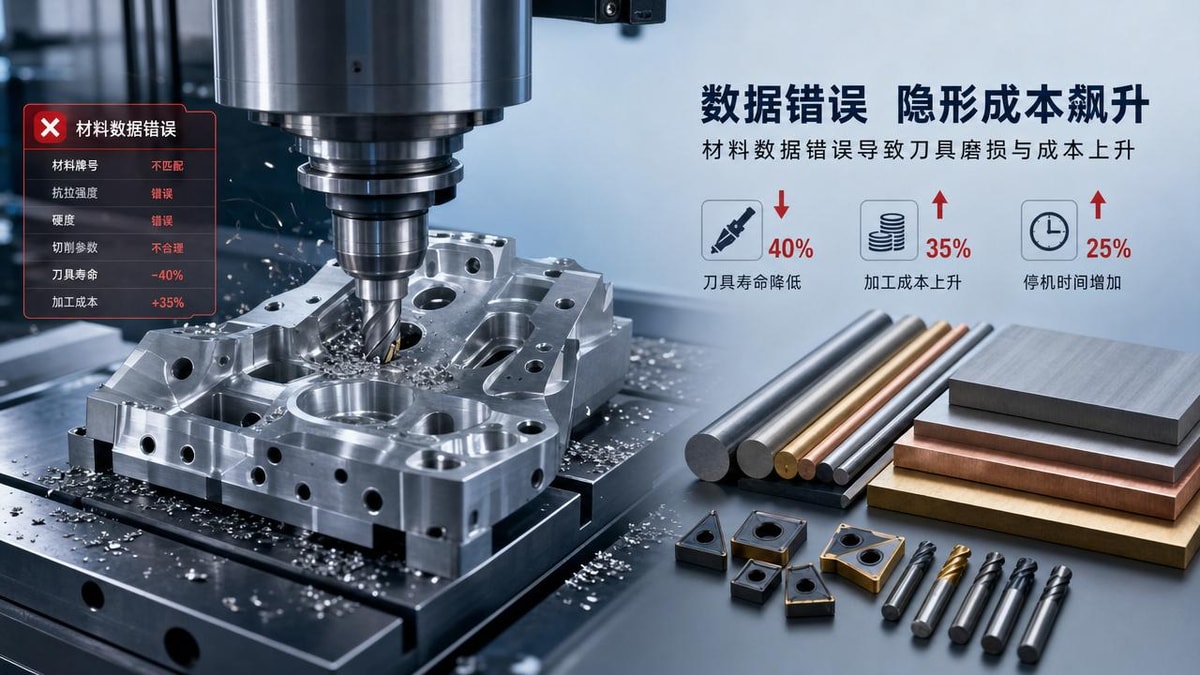
 CNC metal cutting costs rise fast when material data is wrongCNC Machining Technology Center
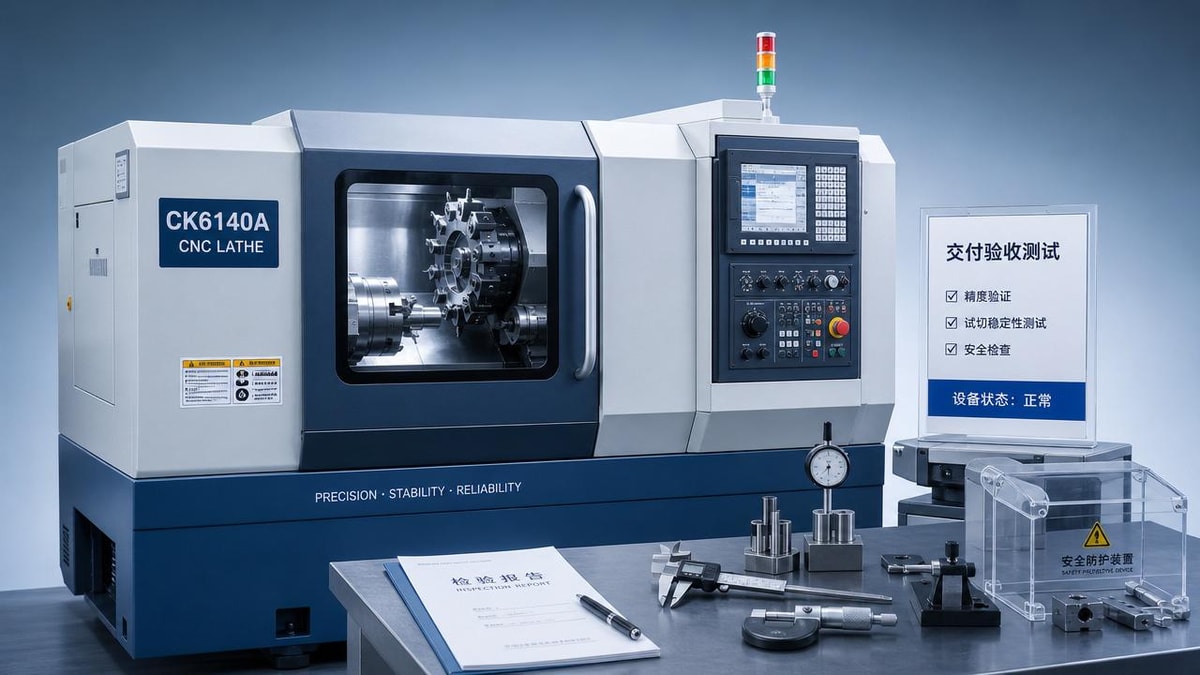
 High precision lathe claims to verify before accepting deliveryMachine Tool Industry Editorial Team

Aris Katos
Future of Carbide Coatings
15+ years in precision manufacturing systems. Specialized in high-speed milling and aerospace grade alloy processing.
▶
Industrial Robotics payback depends on more than labor savingsManufacturing Market Research Center▶
Where the Manufacturing Industry is cutting equipment budgets firstManufacturing Market Research Center▶
Is an industrial lathe upgrade worth it for aging workshops?Manufacturing Market Research Center▶
Where the Manufacturing Industry Is Seeing Faster Automation PaybackManufacturing Market Research Center▶
Precision Equipment ROI Depends on More Than ToleranceManufacturing Market Research Center
Mastering 5-Axis Workholding Strategies
Join our technical panel on Nov 15th to learn about reducing vibrations in thin-wall components.

Providing you with integrated sanding solutions
Before-sales and after-sales services
Comprehensive technical support