• Global CNC market projected to reach $128B by 2028 • New EU trade regulations for precision tooling components • Aerospace deman
NYSE: CNC +1.2%LME: STEEL -0.4%

Is industrial CNC worth upgrading for short production runs?
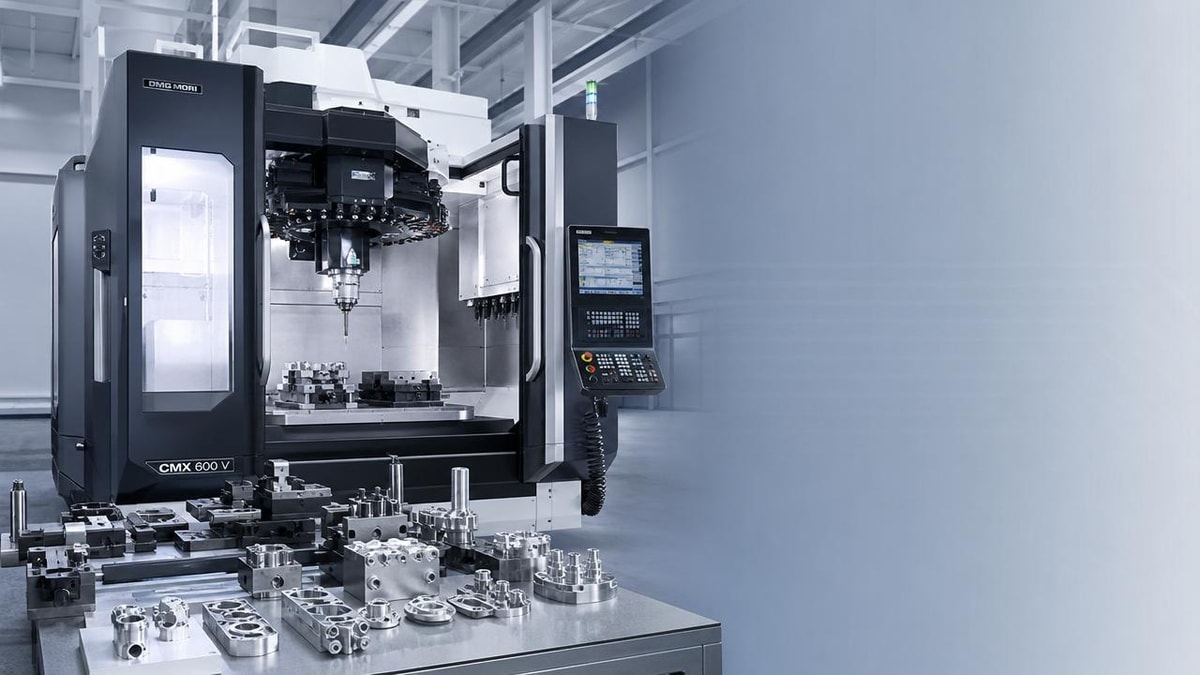
For finance decision-makers, the short answer is yes: an industrial CNC upgrade can be worth it for short production runs, but only when it directly improves setup efficiency, machine availability, part consistency, or quoting flexibility faster than it increases capital burden. In low-volume, high-mix manufacturing, the financial case is rarely about maximum spindle speed alone. It is about whether the upgrade helps the business protect margins on frequent changeovers, reduce hidden labor costs, and avoid buying a completely new machine too early.
That distinction matters. Short production runs create a very different economics model from long-run manufacturing. When a shop changes programs often, handles more part variants, or works under tighter delivery windows, the biggest losses usually come from downtime between jobs, operator dependence, scrap during first-article approval, and inefficient use of existing assets. An industrial CNC upgrade can address those pain points, but not every upgrade produces an acceptable return.
For financial approvers, the practical question is not “Is newer technology better?” It is “Which upgrade creates measurable payback in our production reality?” The best decisions come from linking upgrade cost to setup time savings, labor leverage, quality stability, utilization improvement, and the ability to win more profitable short-run work.
What finance teams should ask before approving an industrial CNC upgrade
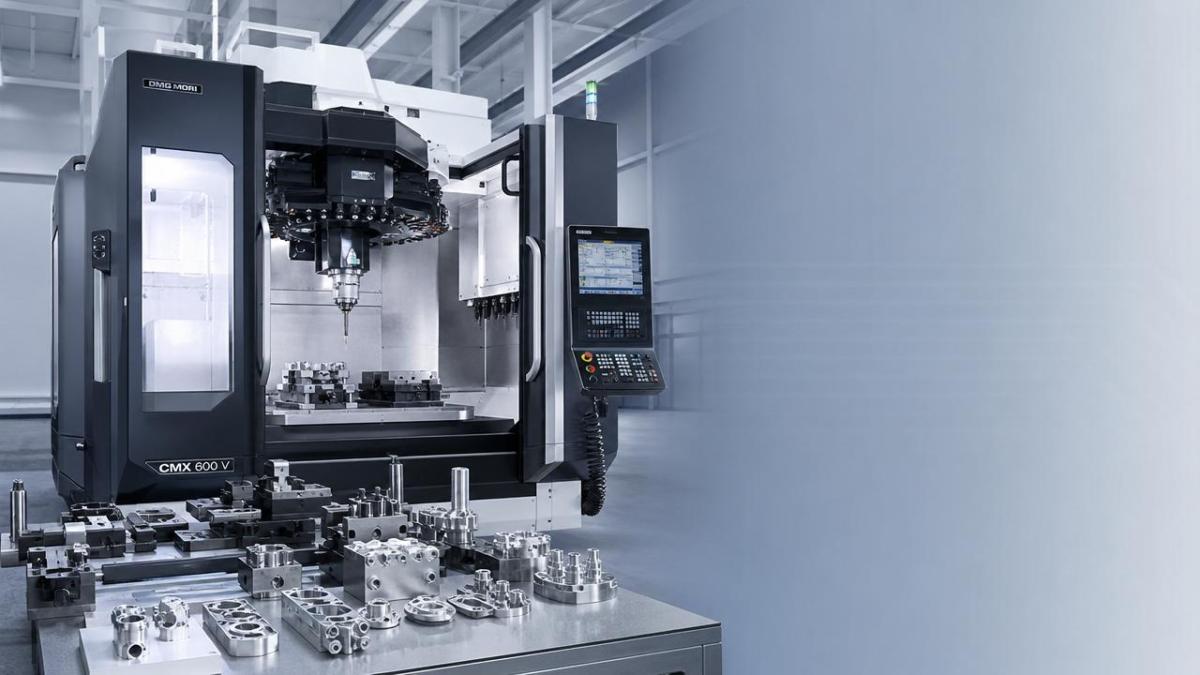
Finance leaders usually do not need a technical deep dive into every control feature or machine specification. They need a decision framework. The first step is identifying the real bottleneck in short production runs. If the current machine loses time mainly during setup, then a control, probing, tooling, or automation upgrade may offer strong returns. If the real issue is poor quoting discipline, weak scheduling, or undertrained operators, capital spending may not solve the problem.
Before approving any industrial CNC investment, ask five questions. First, what cost problem are we solving: labor, scrap, missed delivery, maintenance, or throughput? Second, how often does that problem occur? Third, can the improvement be measured in hours, yield, or revenue? Fourth, is a full machine replacement truly necessary, or can a targeted upgrade capture most of the value? Fifth, how quickly can the operation absorb and use the upgraded capability?
For short production runs, these questions matter more than headline specifications. A shop producing 20 to 200 pieces per order does not always benefit most from raw cutting speed. It often benefits more from shorter setup time, simpler program transfer, faster tool presetting, in-process measurement, and reduced reliance on one highly experienced operator. Those are operational improvements with financial impact.
Why short production runs change the ROI calculation
In long production runs, machine performance is often judged by cycle time. In short runs, setup time can consume a much larger share of total production hours. A machine that cuts a part 8% faster may not change overall economics much if the job still requires long manual setup, multiple offsets, trial cuts, or repeated quality checks. On the other hand, an upgrade that cuts setup time by 30% can transform profitability across many small jobs.
That is why the ROI logic for industrial CNC upgrades must be different in high-mix environments. The value comes from how often the machine switches jobs, how quickly it reaches first good part, how consistently it holds tolerance, and how much labor is tied up in each transition. For finance teams, this means evaluating throughput in terms of completed, shippable jobs per week rather than just theoretical machining hours.
Another key factor is quoting accuracy. Shops handling short runs often underestimate the cost of setup and quality verification. When an upgrade standardizes setup or reduces variability, it can improve quoting confidence and reduce the risk of low-margin work. This is especially important when customers demand fast turnaround for customized or engineering-driven parts.
In other words, the value of upgrading industrial CNC assets for short runs is usually found in operational flexibility and margin protection, not just in higher production capacity.
Which industrial CNC upgrades usually make sense for short-run work
Not all upgrades offer the same financial return. The most attractive options for short production environments are typically those that reduce non-cutting time, improve repeatability, or extend the productive life of a machine already suited to the work envelope and part family.
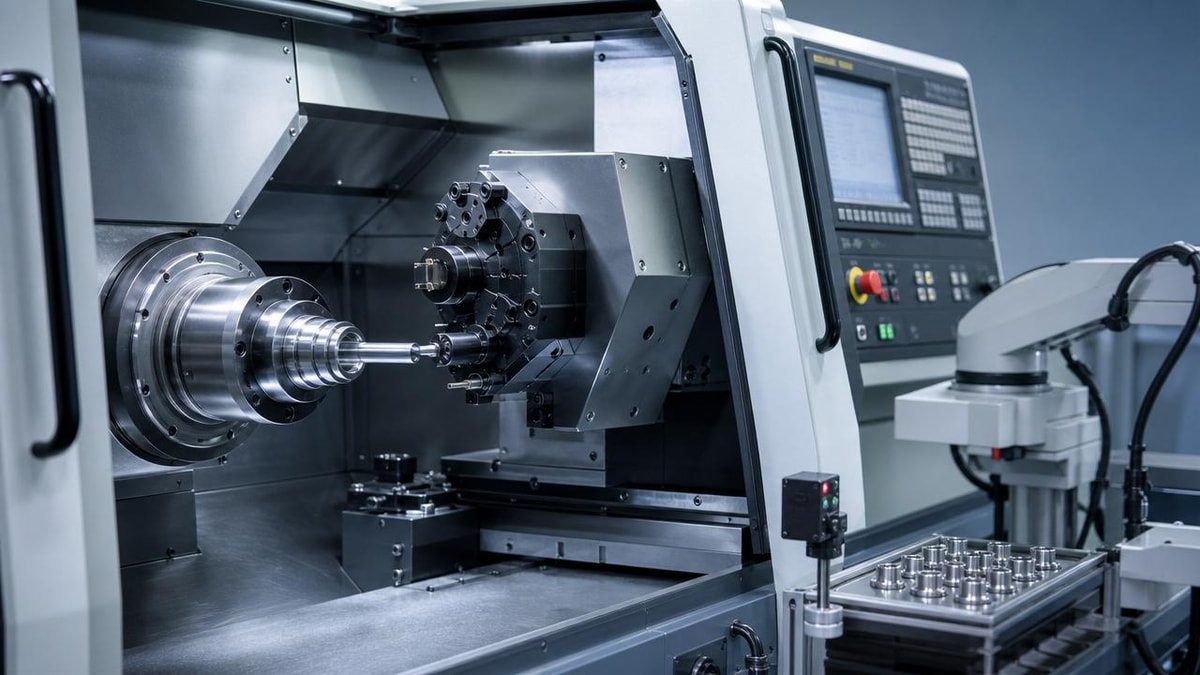
Modern CNC controls are one common example. A newer control can simplify programming, reduce setup steps, support better user interfaces, improve diagnostics, and make it easier to manage multiple part programs. If operators currently lose time navigating outdated controls or manually entering offsets, this upgrade can generate real labor savings without replacing the full machine.
Tool management improvements often produce strong returns as well. Upgrading tool changers, adding tool life monitoring, integrating presetting practices, or improving fixture repeatability can cut setup delays significantly. In short-run work, every saved minute between jobs compounds across the week.
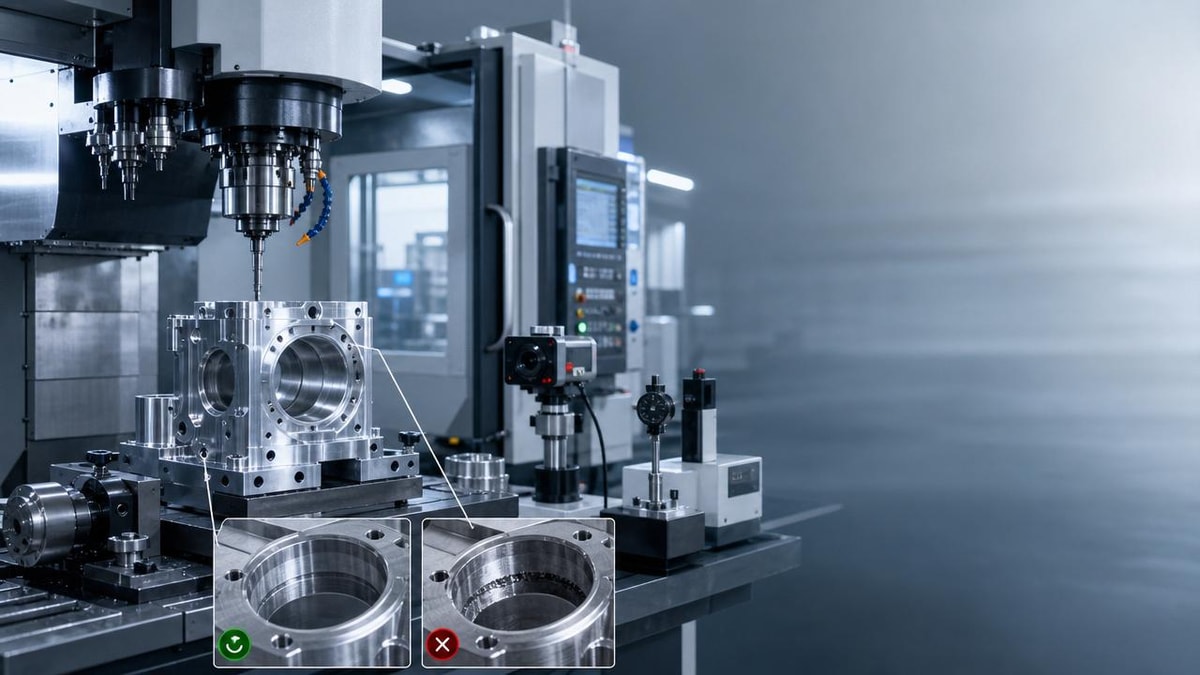
Probing systems are another high-value upgrade category. On-machine probing reduces manual measurement time, helps establish work offsets faster, and lowers first-piece rejection risk. For finance teams, this translates into fewer quality interruptions and less skilled labor tied up in repetitive inspection tasks.
Servo, spindle, and drive retrofits may also make sense if machine reliability is becoming a problem. In that case, the investment case is not just productivity; it is risk avoidance. A machine that breaks down unpredictably creates lost delivery performance, rescheduling costs, overtime, and customer dissatisfaction. If the machine base is mechanically sound, a retrofit can restore performance at a lower cost than replacement.
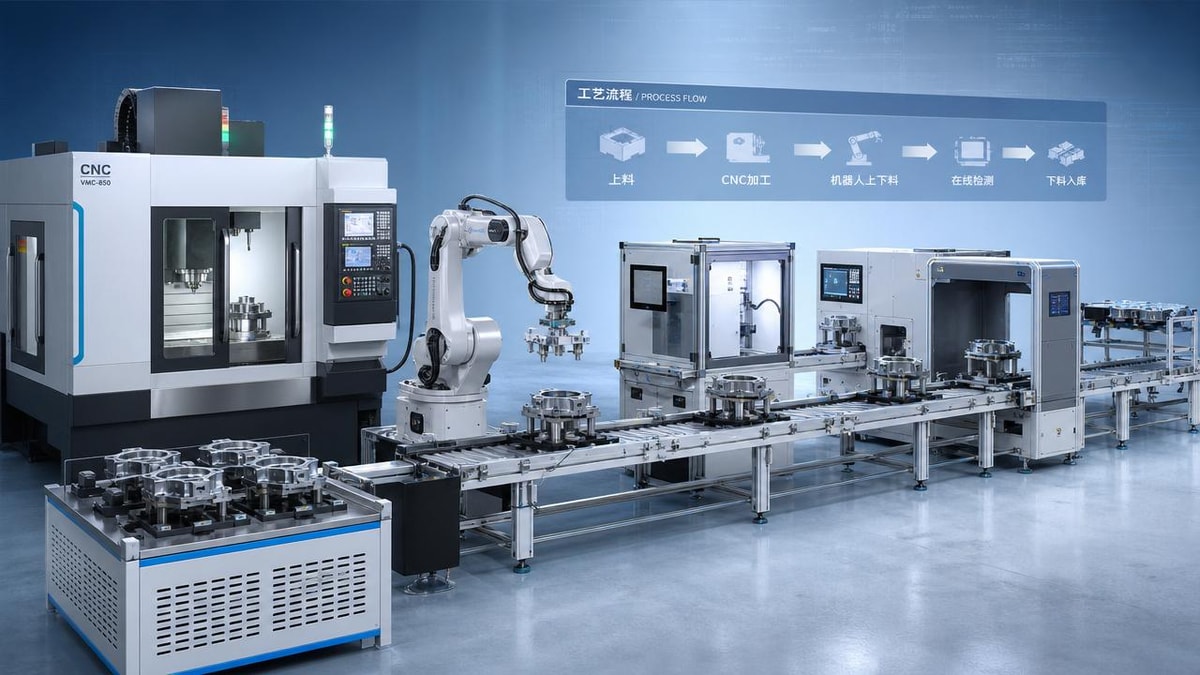
In some cases, light automation can be justified even for shorter runs. Automatic pallet systems, bar feeders, or robotic part handling are not only for mass production. If the shop runs repeated short batches across similar part families, selective automation can reduce labor intensity and increase unattended machine time. The key is standardization. Without repeatable fixtures and process discipline, automation may add cost without enough utilization.
When upgrading is not worth it
An industrial CNC upgrade is not automatically justified just because production has become more complex. There are several situations where the business case is weak. If the machine frame is worn, accuracy is unstable, and maintenance costs are already escalating, layering new controls or peripherals onto an aging platform may only postpone a larger replacement decision.
Upgrading is also less attractive when production volume is too low or too irregular to capture the savings consistently. If a machine runs only occasional short jobs, and setup delays are not a major commercial problem, the payback period may stretch too far. Finance teams should be cautious when the expected return depends on future work that is not yet contracted or historically proven.
Another warning sign is poor implementation readiness. If operators are not trained, setup processes are undocumented, or job data is scattered across spreadsheets and individual workarounds, a technology upgrade may underperform. Better equipment does not automatically create a better process. Financially, this leads to disappointing utilization and slower-than-promised payback.
Finally, an upgrade may not be the right answer when the root issue is commercial rather than operational. If margins are weak because the company accepts unprofitable jobs, poor scheduling causes excessive interruptions, or engineering changes are unmanaged, equipment spending alone will not fix the economics.
How financial approvers should calculate the real return
For short production runs, the most useful ROI model combines direct savings, avoided losses, and revenue opportunity. Start with setup time reduction. If the current process takes two hours to prepare a small batch and an upgrade can reduce that to one hour, calculate how many setups occur per week and what labor and machine-hour cost that difference represents over a year.
Next, quantify scrap and first-article loss. Even a small number of rejected precision parts can consume margin quickly, especially in aerospace, automotive, electronics, or complex subcontract manufacturing. If probing, improved controls, or better repeatability lowers first-pass failures, that quality benefit belongs in the business case.
Then consider maintenance and downtime. An industrial CNC asset that suffers recurring control issues, spindle faults, or unstable servo performance creates hidden costs beyond repair invoices. It can delay shipments, force overtime, or push work onto less suitable machines. Finance teams should estimate the cost of unplanned downtime using actual historical disruption, not just maintenance department estimates.
Labor leverage is another major input. In many regions, skilled machinists and setup technicians are expensive and difficult to recruit. If an upgrade helps less-experienced operators handle setup more reliably, or allows one experienced employee to supervise more than one machine, that labor flexibility has real value. This is especially important when labor scarcity limits revenue growth.
Finally, include commercial upside carefully. If improved capability allows the company to quote faster-turnaround work, handle tighter tolerances, or accept more customized short-run orders, that may support growth. But use conservative assumptions. The strongest approval cases are built first on cost reduction and risk reduction, then on upside potential.
A practical payback threshold often depends on company policy, but for many manufacturers, an upgrade case becomes attractive when payback falls within 12 to 24 months and the technical risk is manageable. Longer payback may still be acceptable if the upgrade prevents a much larger capital expenditure or protects a strategic customer relationship.
What data should be collected before making the decision
One reason upgrade decisions become contentious is that too many are based on general opinions rather than shop-floor evidence. Finance teams can improve decision quality by asking for a focused baseline. At minimum, collect average setup time per job, number of setups per week, first-pass yield, machine downtime history, maintenance cost trend, and operator hours required per part family.
It is also useful to segment jobs by run size and complexity. An industrial CNC upgrade may have excellent ROI for recurring short batches of complex parts but weak value for simple, infrequent work. If possible, identify the 20% of jobs causing 80% of setup disruption, quality intervention, or schedule instability. Those jobs often reveal whether the proposed upgrade targets a real operational constraint.
Ask engineering and production leaders to compare current-state and future-state workflow. What exactly changes after the upgrade? How many setup steps disappear? How are offsets created? Who verifies first article? What manual tasks are reduced? If the proposal cannot explain process changes in concrete terms, the financial case is probably too vague.
Vendor input matters too, but it should be tested. Request application examples, expected installation downtime, training scope, warranty terms, post-upgrade service support, and references from similar manufacturers. For short-run environments, implementation quality often matters as much as hardware capability.
Upgrade versus replacement: the capital allocation question
For finance decision-makers, the central capital question is whether to extend the useful life of an existing industrial CNC asset or redirect funds toward a new machine. The answer depends on both technical fit and balance-sheet logic. If the machine structure remains accurate, the work envelope still matches demand, and the bottleneck is mainly control speed, setup inefficiency, or reliability, upgrading can be a disciplined use of capital.
Replacement becomes more compelling when several problems stack together: limited axis capability, insufficient precision, poor reliability, weak connectivity, rising maintenance expense, and inability to meet future part requirements. In that case, multiple upgrades can begin to approach the cost of replacement without delivering the full productivity or lifecycle benefit of a new platform.
There is also an opportunity-cost issue. If an upgrade costs less, installs faster, and returns the machine to productive use with minimal disruption, it may produce better near-term economics than a long procurement and commissioning cycle for new equipment. That can be especially valuable when customer demand is present now and the business needs a quick operational improvement.
However, finance teams should avoid “cheap capital” thinking. A smaller investment is not automatically the better one. The right comparison is value per dollar spent over the decision horizon, including maintenance, productivity, training, downtime, and future flexibility.
A practical approval framework for finance leaders
If you are evaluating whether industrial CNC upgrades are worth approving for short production runs, a simple framework can help. Approve when the upgrade solves a frequent, measurable bottleneck; protects or improves margin in repeatable short-run work; fits the remaining useful life of the machine; and has a realistic payback supported by baseline data.
Delay or reject when the proposal depends mainly on optimistic growth assumptions, does not clearly change workflow, or attempts to rescue a mechanically obsolete asset. Also be cautious if the organization lacks the training, process discipline, or production planning maturity needed to use the upgraded capability fully.
In many modern manufacturing environments, the best-performing companies are not the ones that replace every machine aggressively. They are the ones that deploy capital selectively, upgrade where bottlenecks are real, and measure return through throughput, quality, and responsiveness. That is especially true in high-mix, short-run production, where flexibility often matters more than headline machine speed.
So, is industrial CNC worth upgrading for short production runs? Often yes, but only when the upgrade is tied to setup reduction, labor efficiency, quality stability, and asset reliability in a way that finance can verify. For short runs, the winning investment is not the most advanced technology on paper. It is the one that converts operational friction into measurable financial improvement.
PREVIOUS ARTICLE
Recommended for You
 Industrial Robotics payback depends on one hidden variableManufacturing Market Research Center
 Shaft Parts machining problems linked to concentricity lossCNC Machining Technology Center
 Production Process changes that quietly raise defect ratesCNC Machining Technology Center
 Industrial Automation projects stall without process mappingCNC Machining Technology Center
 CNC metal cutting heat issues behind poor surface finishCNC Machining Technology Center
 High precision lathe claims that deserve a closer lookMachine Tool Industry Editorial Team

Aris Katos
Future of Carbide Coatings
15+ years in precision manufacturing systems. Specialized in high-speed milling and aerospace grade alloy processing.
▶
Industrial Robotics payback depends on one hidden variableManufacturing Market Research Center▶
Manufacturing Industry recovery signs worth tracking nowManufacturing Market Research Center▶
Is industrial CNC worth upgrading for short production runs?Manufacturing Market Research Center▶
Industrial Robotics Payback Looks Different After Labor ShiftsManufacturing Market Research Center▶
Industrial CNC vs Conventional Systems in 2026 Cost PlanningManufacturing Market Research Center
Mastering 5-Axis Workholding Strategies
Join our technical panel on Nov 15th to learn about reducing vibrations in thin-wall components.

Providing you with integrated sanding solutions
Before-sales and after-sales services
Comprehensive technical support