• Global CNC market projected to reach $128B by 2028 • New EU trade regulations for precision tooling components • Aerospace deman
NYSE: CNC +1.2%LME: STEEL -0.4%

Manufacturing Industry recovery signs worth tracking now
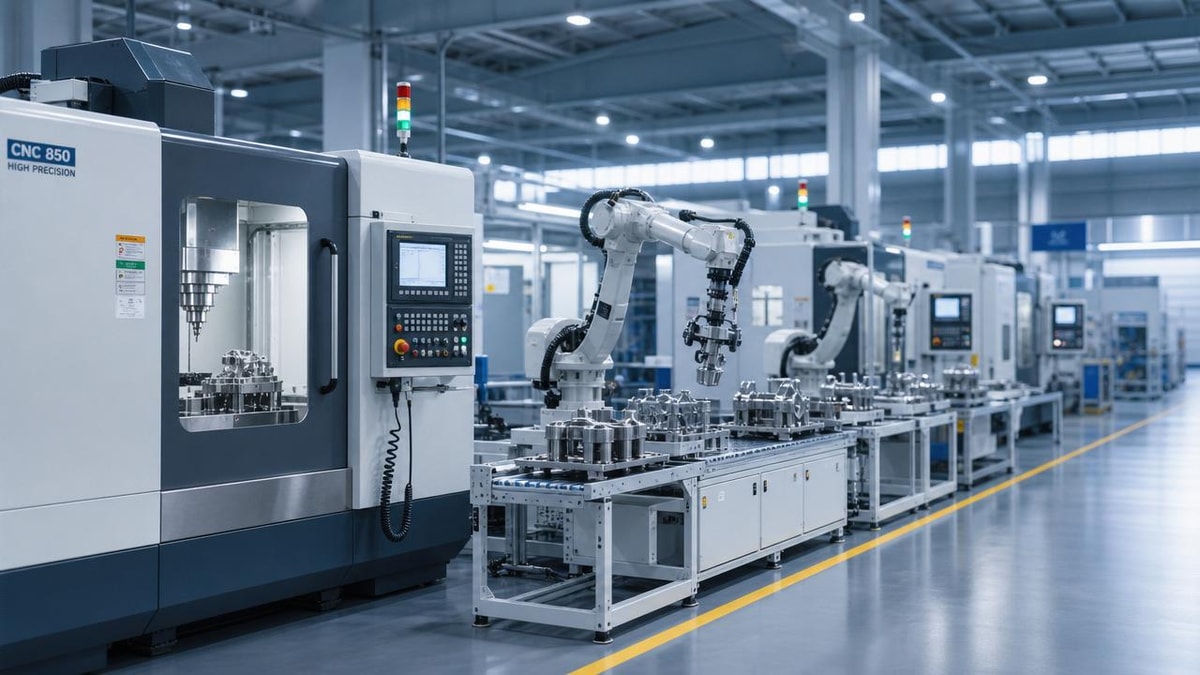
The Manufacturing Industry is showing early recovery signals worth watching, from rising equipment demand and automation investment to stronger order activity in precision machining and smart production. For researchers tracking market shifts, these signs can reveal where growth may return first and how CNC machine tools, industrial robots, and digital manufacturing technologies are shaping the next phase of global industrial momentum.
What recovery signs mean in the Manufacturing Industry
In practical terms, recovery in the Manufacturing Industry does not begin with headlines alone. It usually appears first in measurable operating signals: better machine utilization, stronger quotation activity, rising lead times for core components, renewed capital spending, and more stable export demand. For sectors linked to CNC machine tools and precision manufacturing, these signals can be especially important because they often reflect confidence in future production rather than short-term inventory movement.
Researchers and market observers should view recovery as a layered process. A factory may not return immediately to full output, but it may increase orders for cutting tools, fixtures, automation modules, software upgrades, or multi-axis machining systems. These changes suggest that manufacturers are preparing for broader output growth. In this sense, the Manufacturing Industry often recovers through capability investment before it fully recovers through shipment volume.
Why the current phase deserves attention
The current environment matters because the Manufacturing Industry is being shaped by several forces at once: industrial automation, digital integration, supply chain adjustment, energy transition, and the need for higher precision across automotive, aerospace, electronics, and equipment production. When these forces align with improving demand, they create a more meaningful recovery than a simple cyclical rebound.
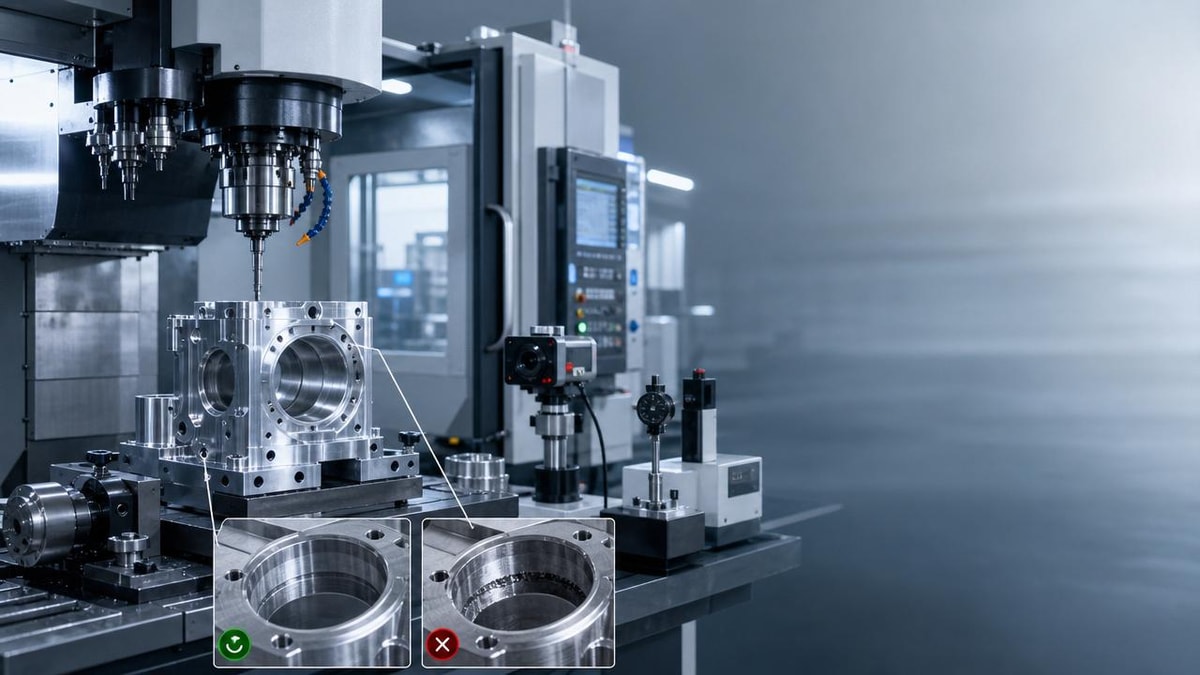
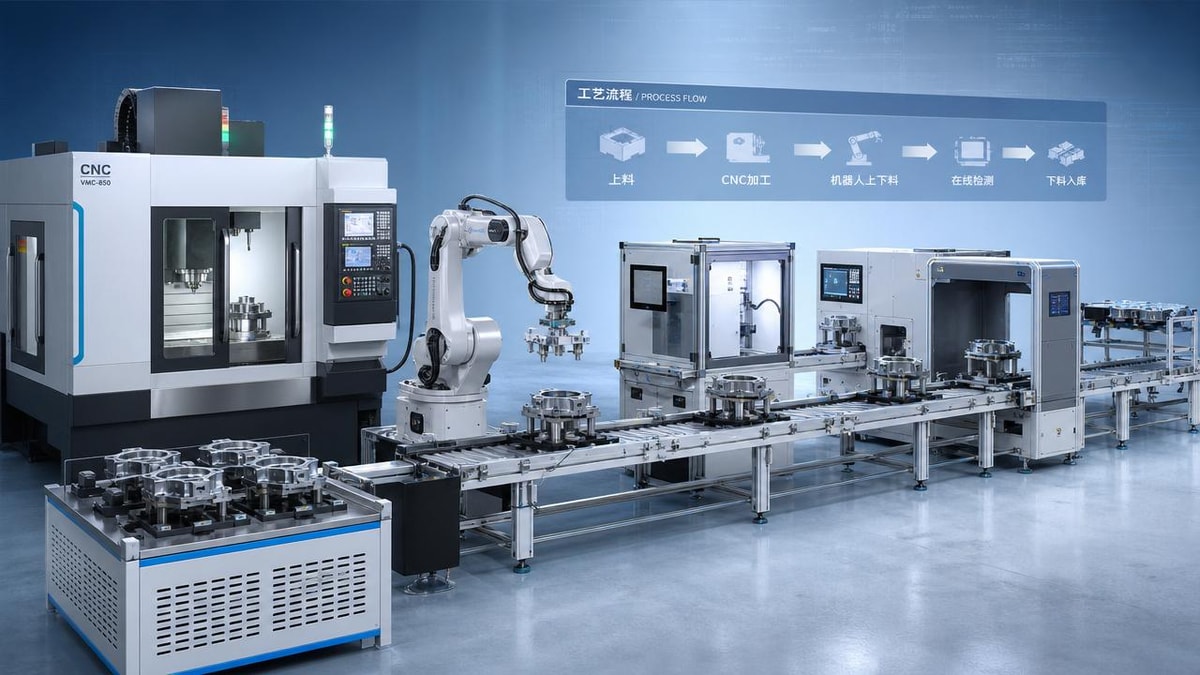
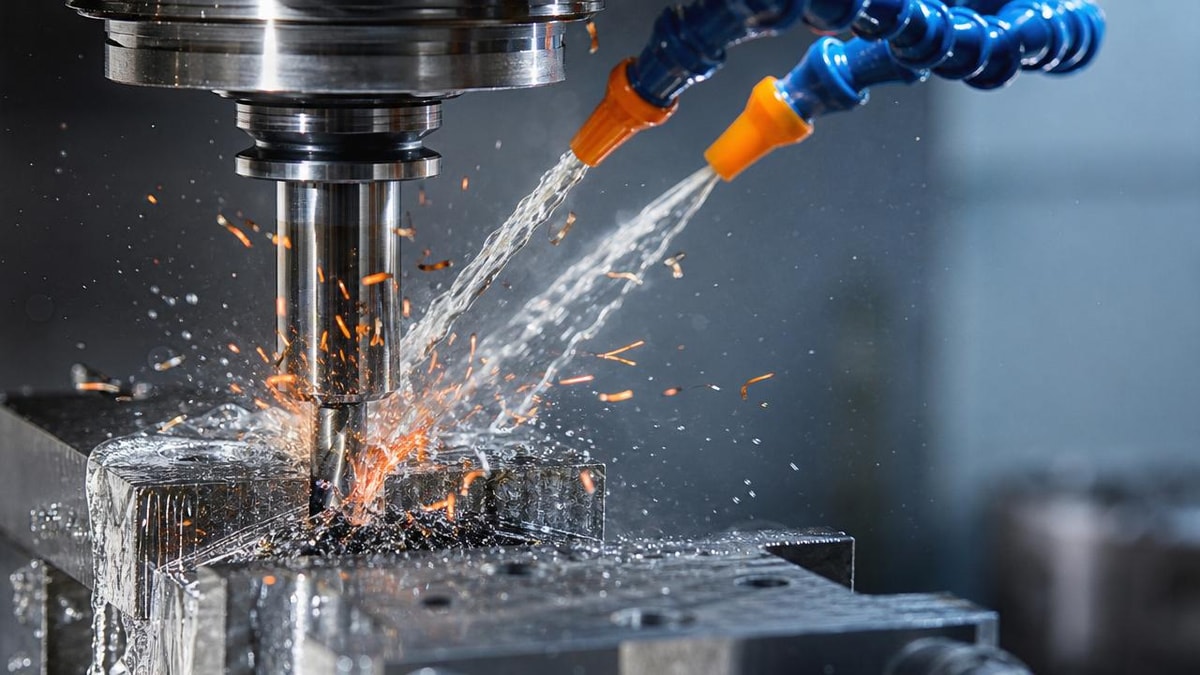
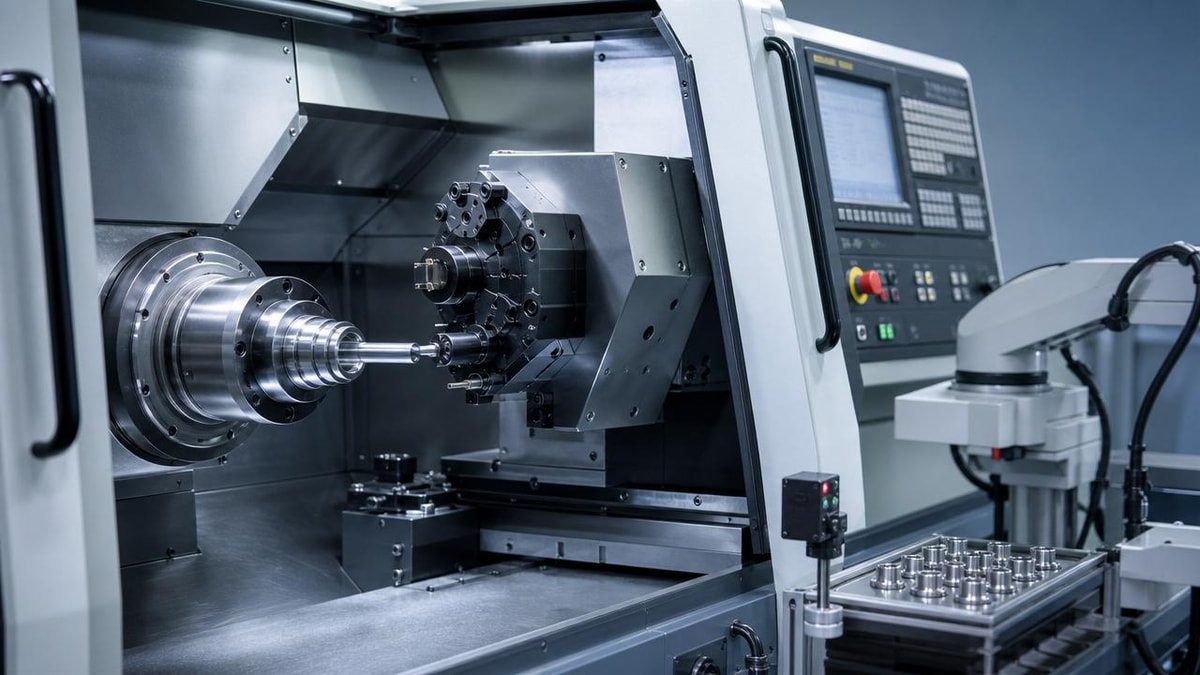
CNC machine tools are central to this story. Modern manufacturing depends on CNC lathes, machining centers, and automated production lines to deliver consistency, speed, and part complexity. If businesses begin increasing spending on these assets, that often indicates expectations of sustained demand, tighter tolerance requirements, and pressure to improve productivity. For information researchers, this makes the machine tool ecosystem a useful lens for reading the wider Manufacturing Industry.
Key signals worth tracking now
Several early indicators can help explain whether the Manufacturing Industry is stabilizing or entering a stronger growth phase. None should be read in isolation, but together they provide a clearer picture of industrial momentum.
- Higher order activity for CNC machines, machining centers, and precision tooling.
- Expanding investment in industrial robots, flexible production lines, and smart factory systems.
- Improved utilization rates in sectors with complex part demand, such as aerospace and energy equipment.
- Longer supplier lead times for control systems, spindles, servo components, and automation modules.
- More active cross-border sourcing and technology partnerships among global manufacturers.
- Stronger demand for retrofit services, predictive maintenance, and digital monitoring platforms.
These signs are valuable because they show both demand recovery and structural upgrading. A rebound in low-value output alone may not tell much about long-term competitiveness. By contrast, a rebound tied to precision machining, automation, and digital manufacturing suggests that the Manufacturing Industry is improving its productive base.
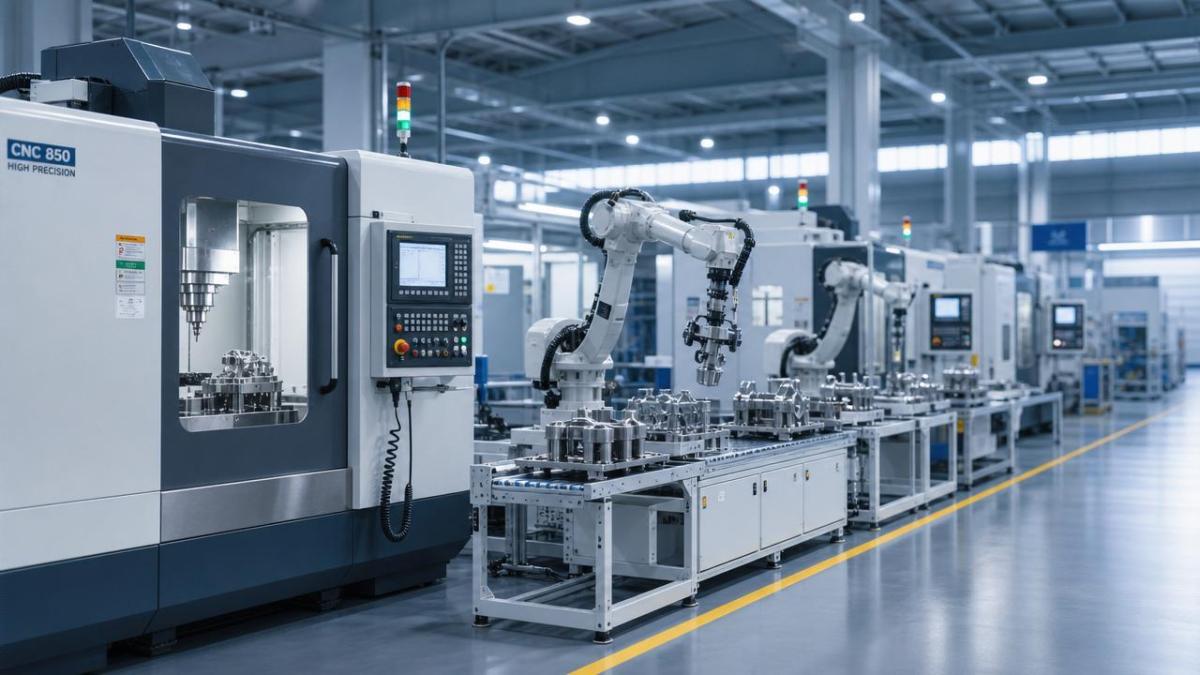
Industry background shaping the recovery outlook
The global machine tool market has been evolving toward greater precision, higher automation, and tighter software-hardware integration. This trend has continued across major manufacturing regions, including China, Germany, Japan, and South Korea, where strong industrial clusters support machine builders, component suppliers, software providers, and export channels. Recovery signs in these regions often ripple outward through the broader Manufacturing Industry.
Another important background factor is the increasing complexity of customer requirements. Automotive electrification, aerospace lightweighting, electronics miniaturization, and energy infrastructure upgrades all require more accurate machining, repeatable quality, and better production data. As a result, manufacturers are not only buying equipment; they are investing in production systems that combine CNC capability, automated handling, process control, and inspection.
This means that recovery today may look different from recovery in previous cycles. Instead of focusing only on volume, the Manufacturing Industry is also prioritizing flexibility, resilience, and digital visibility. That shift favors businesses able to deliver integrated machining and automation solutions.
A practical overview of recovery indicators
Where recovery tends to appear first
Not all segments of the Manufacturing Industry recover at the same speed. In many cases, improvement appears first in areas where precision, reliability, and output efficiency have direct commercial value. This is why CNC-intensive sectors often provide early evidence of change.
Automotive and mobility
Automotive manufacturing often drives demand for CNC lathes, machining centers, robotic handling, and automated inspection. As vehicle platforms evolve, especially in electrification and lightweight components, manufacturers need flexible machining capacity for new housings, shafts, structural parts, and transmission-related systems. Rising order activity here can indicate broader confidence across the Manufacturing Industry.
Aerospace and high-spec components
Aerospace typically demands multi-axis machining, advanced materials capability, and strict quality control. Even small improvements in this segment can be meaningful because they signal demand for high-value production rather than only commodity output. For researchers, aerospace-related equipment orders often point to strong long-term manufacturing confidence.
Energy equipment and industrial infrastructure
Energy equipment, including components for power generation, grid systems, and industrial process infrastructure, supports demand for large, durable, high-precision parts. As public and private investment resumes, these projects can strengthen the Manufacturing Industry through both direct equipment demand and supplier network activity.
Electronics and precision assemblies
Electronics production depends on miniaturization, repeatability, and speed. Recovery in this area may be visible in demand for compact machining systems, precision tooling, automated assembly, and vision-enabled process control. Because electronics cycles can move quickly, they are worth tracking alongside heavier industrial sectors.
Why these trends matter for different research goals
For information researchers, the value of these recovery signs depends on the question being asked. If the goal is market sizing, machine tool orders and shipment data may be most important. If the goal is competitive analysis, then automation adoption, digital retrofit rates, and regional supplier expansion may reveal more. If the goal is strategic forecasting, researchers should watch where high-precision and smart manufacturing investments are concentrating.
The Manufacturing Industry is broad, but its strongest signals often come from connected ecosystems. CNC builders, cutting tool makers, software vendors, robotics suppliers, and component specialists each reflect a different stage of industrial confidence. Tracking them together helps reduce the risk of misreading a temporary bounce as a durable recovery.
Practical ways to assess the quality of recovery
A useful research approach is to separate volume signals from capability signals. Volume signals include order counts, output levels, and shipment data. Capability signals include automation spending, process digitization, machine upgrades, and moves toward flexible production. In the Manufacturing Industry, the healthiest recoveries usually show both.
- Compare order growth with actual installation timelines to avoid overestimating immediate output gains.
- Track whether growth is concentrated in replacement demand or in expansion projects.
- Examine whether digital systems, robotics, and machine tools are being purchased together.
- Watch regional clusters, since recovery may be strong in one country or industry while weak elsewhere.
- Use supplier commentary and trade activity to validate official production trends.
This balanced method is especially helpful in the Manufacturing Industry because short-term inventory adjustments can distort the picture. By focusing on both production demand and modernization activity, researchers can identify which segments are merely stabilizing and which are building long-term momentum.
Common risks when interpreting market improvement
It is easy to overread isolated improvements. A single quarter of stronger export inquiries or a temporary rise in spare parts demand does not guarantee a broad Manufacturing Industry recovery. Cost pressure, labor constraints, financing conditions, and geopolitical trade shifts can still limit follow-through. In addition, some industries may invest in automation to offset labor shortages rather than because end-market demand is fully restored.
Another common risk is treating all equipment demand as equal. Orders for basic replacement machines do not carry the same strategic meaning as orders for integrated machining cells, robotic systems, and digitally connected production lines. The latter often show that manufacturers are preparing for a more competitive environment in which precision, speed, and traceability matter more.
What to watch next in the Manufacturing Industry
Over the coming period, the most useful signals may come from the overlap between equipment demand and smart production investment. If manufacturers continue ordering CNC machines while also expanding software integration, industrial robotics, and data-driven maintenance, the recovery story becomes stronger. This would suggest not just a return of spending, but a reconfiguration of how factories operate.
For those studying the Manufacturing Industry, the best next step is to monitor machine tool demand, automation projects, and activity in high-precision sectors as a connected set of indicators. Recovery is rarely uniform, but early momentum often becomes visible first where technology, production complexity, and strategic investment meet. Following those areas closely can provide a clearer view of where industrial growth is likely to return first and how the next phase of manufacturing competitiveness is being built.
PREVIOUS ARTICLE
Recommended for You
 Industrial Robotics payback depends on one hidden variableManufacturing Market Research Center
 Shaft Parts machining problems linked to concentricity lossCNC Machining Technology Center
 Production Process changes that quietly raise defect ratesCNC Machining Technology Center
 Industrial Automation projects stall without process mappingCNC Machining Technology Center
 CNC metal cutting heat issues behind poor surface finishCNC Machining Technology Center
 High precision lathe claims that deserve a closer lookMachine Tool Industry Editorial Team

Aris Katos
Future of Carbide Coatings
15+ years in precision manufacturing systems. Specialized in high-speed milling and aerospace grade alloy processing.
▶
Industrial Robotics payback depends on one hidden variableManufacturing Market Research Center▶
Manufacturing Industry recovery signs worth tracking nowManufacturing Market Research Center▶
Is industrial CNC worth upgrading for short production runs?Manufacturing Market Research Center▶
Industrial Robotics Payback Looks Different After Labor ShiftsManufacturing Market Research Center▶
Industrial CNC vs Conventional Systems in 2026 Cost PlanningManufacturing Market Research Center
Mastering 5-Axis Workholding Strategies
Join our technical panel on Nov 15th to learn about reducing vibrations in thin-wall components.

Providing you with integrated sanding solutions
Before-sales and after-sales services
Comprehensive technical support