• Global CNC market projected to reach $128B by 2028 • New EU trade regulations for precision tooling components • Aerospace deman
NYSE: CNC +1.2%LME: STEEL -0.4%

Machine Tool Market signals that point to slower replacement cycles
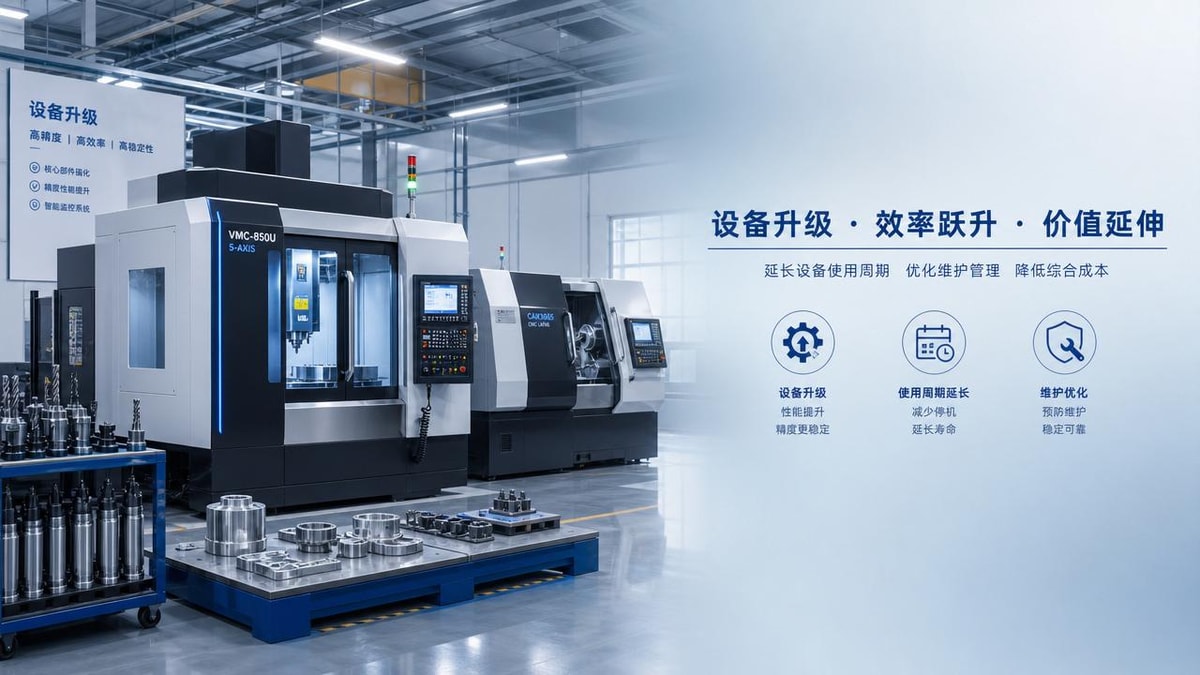
The Machine Tool Market is showing clear signs of slower replacement cycles, creating new challenges and opportunities for distributors, agents, and channel partners. As manufacturers extend equipment lifespans and prioritize upgrades over full replacements, understanding demand shifts, investment timing, and regional buying behavior becomes essential for staying competitive in the global CNC and precision manufacturing landscape.
For distributors and agents, the most important takeaway is straightforward: demand is not disappearing, but it is changing shape. Buyers are taking longer to replace CNC lathes, machining centers, and multi-axis systems. They are asking harder questions about return on investment, maintenance costs, retrofit options, software compatibility, and automation upgrades before approving capital purchases.
This means channel partners can no longer rely only on traditional replacement timing or broad assumptions about equipment turnover. To grow in the current Machine Tool Market, they need a better read on customer intent, stronger after-sales capabilities, and a sales strategy that aligns with extended machine life cycles rather than just new machine deliveries.
Why slower replacement cycles matter more than headline demand numbers
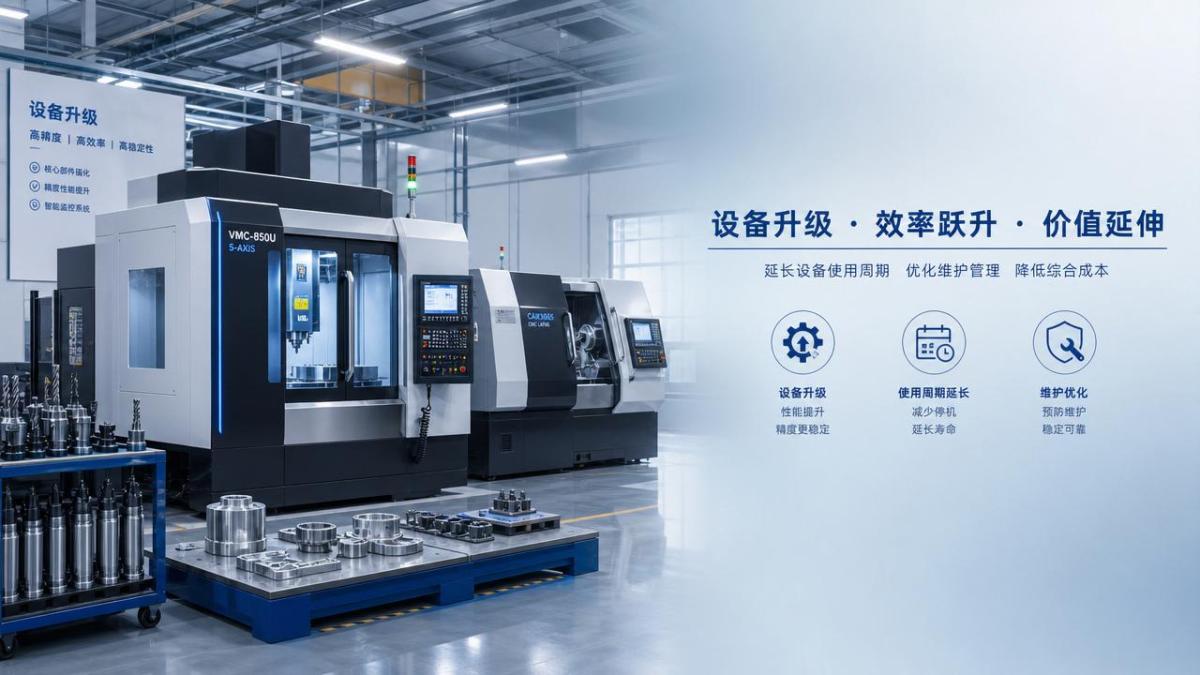
At first glance, a slower replacement cycle may seem like a simple delay in new machine purchases. In reality, it changes the entire commercial rhythm of the Machine Tool Market. When end users keep machines longer, distributors face fewer routine replacement orders, longer sales cycles, more competitive quoting, and greater pressure to prove business value.
For channel partners, this shift affects inventory planning, revenue forecasting, service capacity, and customer retention. A machine that might once have been replaced after a standard number of years may now remain in operation longer if it can still meet tolerance requirements, uptime targets, and production volumes with reasonable maintenance support.
That is especially true in industries such as automotive components, aerospace machining, electronics, general industrial production, and energy equipment manufacturing. Buyers in these sectors are not only comparing machine specifications. They are comparing the economics of replacement versus refurbishment, spindle overhaul, controller upgrades, tool path optimization, and partial automation retrofits.
As a result, the Machine Tool Market is increasingly shaped by decision timing rather than simple equipment need. A factory may still need higher efficiency, but it may choose to postpone a full machine purchase if software upgrades, tooling changes, predictive maintenance, or robotic loading can extend the productive life of existing assets.
What signals suggest replacement cycles are getting longer
Distributors and agents should watch for a specific set of market signals instead of relying on general sentiment. One major sign is the rise in inquiries about retrofits and modernization. If customers are asking more often about controller replacement, spindle rebuilding, axis calibration, automation add-ons, and digital monitoring, they may be preparing to delay full replacement.
Another signal is tighter capital expenditure approval. In many manufacturing businesses, machine tool purchases now face more internal review from finance, operations, and plant management. Buyers want a clearer productivity case, faster payback, and lower implementation risk. When approvals take longer, replacement cycles naturally extend.
An increase in service-driven procurement behavior is also important. Customers may allocate more budget toward preventive maintenance contracts, critical spare parts, tooling optimization, and machine accuracy restoration. That behavior often indicates they are trying to preserve asset value and maintain production continuity rather than commit immediately to new equipment.
Used machinery demand is another telling indicator in the Machine Tool Market. When buyers become more active in certified used machines, refurbished machining centers, or lower-cost imported alternatives, it often reflects caution in capital investment. This does not always mean weak demand; it often means delayed premium replacement decisions.
Longer machine qualification periods can also point to slower cycles. End users may test more parts, compare more suppliers, or ask for extended trial cutting and application engineering support. Such caution suggests they are replacing only when there is a compelling operational reason, not simply because equipment has reached a certain age.
Why manufacturers are extending machine life instead of replacing sooner
Several structural factors are driving this trend across the global Machine Tool Market. First, machine quality has improved. Many modern CNC machine tools are built with stronger mechanical stability, better thermal control, improved controllers, and more reliable servo systems. With good maintenance, they can remain productive much longer than older generations.
Second, maintenance and diagnostic tools are better than before. Predictive maintenance systems, condition monitoring, remote service support, and smarter spare parts management help factories avoid catastrophic failure. If uptime can be protected, the urgency to replace a machine decreases.
Third, buyers are under pressure to manage cash flow more carefully. Even profitable manufacturers may delay equipment replacement if interest rates are high, export demand is uncertain, or input costs remain volatile. In that context, extending machine life becomes a financial strategy, not just a technical one.
Fourth, many factories are choosing targeted upgrades over total replacement. A customer may improve performance through new tooling systems, pallet automation, probing, software integration, chip handling improvements, or robot tending. These upgrades can unlock productivity gains without the full cost and disruption of buying a new machine.
Fifth, installation risk matters. Replacing a machine is not just a purchase decision. It can require factory layout changes, operator retraining, process revalidation, ERP or MES integration, and production downtime. If an existing machine can still support output requirements, some manufacturers will avoid that complexity for as long as possible.
What distributors, agents, and dealers are most worried about
For channel partners, slower replacement cycles raise immediate business concerns. The first is pipeline visibility. If customers buy less frequently, revenue becomes less predictable. A sales team may have many active accounts yet still struggle to forecast when real orders will close.
The second concern is margin pressure. When replacements happen less often, each new machine order becomes more contested. Buyers compare multiple brands, negotiate harder, and demand more support in areas like financing, training, and commissioning. This can compress margins unless the distributor provides differentiated value.
The third issue is the risk of being disintermediated. If a distributor only acts as a quoting channel for new equipment, customers may bypass them when buying is delayed. By contrast, partners with strong technical service, applications engineering, and lifecycle support remain relevant even when capital purchases slow down.
There is also a portfolio challenge. Some distributors are overexposed to one type of machine or one customer segment that is especially sensitive to delayed replacement. If they do not diversify into service, automation, tooling, spare parts, or retrofit solutions, a longer replacement cycle can translate directly into weaker growth.
Finally, there is the customer relationship risk. When buyers postpone new machine purchases, less engaged distributors may interpret that as lost demand and reduce contact. That is often a mistake. During longer replacement windows, customers are still making decisions about maintenance budgets, upgrade priorities, supplier trust, and future equipment road maps.
How to read buying intent when customers are not ready for a full machine purchase
In a slower-cycle Machine Tool Market, the most valuable skill is identifying where a customer sits on the path from extending life to replacing equipment. Not every delayed buyer is a lost buyer. Some are early-stage replacement candidates who need stronger justification and timing support.
Start with operational pain points. If a plant is dealing with rising scrap rates, unstable accuracy, increasing downtime, labor shortages, or inability to process more complex parts, replacement may still be likely even if management appears cautious. These issues create pressure that short-term maintenance cannot always solve.
Next, evaluate whether current machines limit growth. A manufacturer may keep older machines longer for stable legacy parts, but when new contracts require tighter tolerances, shorter lead times, or unmanned operation, the economics can shift quickly in favor of replacement.
Pay attention to the language used by the customer. Questions about financing, delivery lead time, floor space, operator training, digital connectivity, and automation compatibility usually signal more serious intent than general price inquiries alone. These are planning questions, not casual browsing questions.
Account behavior also matters. If a customer increases spending on spare parts, service visits, and process optimization while simultaneously requesting machine comparisons, they may be trying to bridge current operations until the right replacement window opens. That is a strong opportunity for proactive account management.
Where the best opportunities are when replacement cycles slow down
Although extended replacement intervals can reduce short-term machine turnover, they also create new revenue opportunities. The first is lifecycle service. Maintenance contracts, calibration, geometry checks, spindle repair coordination, coolant system upgrades, and preventive inspections become more valuable when customers want to preserve machine performance.
The second is retrofit and modernization support. Many end users are willing to invest in control upgrades, probing systems, automation modules, safety improvements, software integration, and energy efficiency enhancements if those investments delay the need for a full machine purchase while raising output.
Third, application engineering becomes a major differentiator. Customers extending machine life often need help improving cycle time, tool life, workholding efficiency, and process consistency. Distributors that can connect machine capability with tooling, fixturing, and part-process optimization are far more useful than those focused only on catalog sales.
Fourth, used and certified pre-owned equipment can become a strategic growth area. In some regions, buyers are not rejecting investment entirely; they are shifting to lower-risk, lower-cost options. Distributors that can evaluate, refurbish, certify, and support these machines can capture demand that would otherwise go elsewhere.
Fifth, automation attachments and flexible production solutions are increasingly attractive. A customer may not replace a machining center immediately, but they may invest in bar feeders, robotic loading, pallet changers, in-process measurement, or digital production monitoring to improve labor efficiency and machine utilization.
Regional and segment differences distributors should not ignore
The Machine Tool Market does not slow evenly across all regions or customer groups. In mature industrial markets, replacement cycles may lengthen because installed machine bases are already broad and maintenance ecosystems are strong. In developing manufacturing regions, some buyers may still be expanding capacity even if others are delaying premium upgrades.
Product segment matters as well. High-precision aerospace and medical manufacturing often cannot delay replacement forever if capability gaps affect quality and certification requirements. By contrast, job shops serving mixed industrial demand may extend machine life longer if part tolerances remain manageable and margins are under pressure.
Large manufacturers and smaller subcontractors also behave differently. Large OEMs may delay broad fleet renewal but continue selective replacement for strategic lines. Smaller firms may hold back completely on new machines unless customer orders are secured. Dealers should avoid applying a single replacement-cycle assumption across their entire account base.
Country-level factors such as financing access, energy costs, labor availability, import policy, and local service infrastructure also influence replacement timing. A machine that is economical to maintain in one region may become a replacement candidate sooner in another because spare parts, skills, or uptime support are harder to secure.
How channel partners should adjust sales and inventory strategy
To respond effectively, distributors need to shift from product-led selling to decision-led selling. The sales conversation should focus less on machine features in isolation and more on the customer’s operational threshold for replacement. What level of downtime, inaccuracy, labor inefficiency, or lost opportunity will finally trigger investment?
That requires better account segmentation. Some customers should be managed as immediate replacement prospects. Others should be cultivated through service, retrofit proposals, and periodic ROI reviews. A third group may be best suited for certified used equipment or phased automation investment before full machine replacement.
Inventory strategy should also be reviewed. If the market shows slower turnover in large capital machines, it may make sense to carry more fast-moving spares, tooling-adjacent products, retrofit kits, and service-related components. This improves cash conversion while keeping the distributor relevant in day-to-day plant operations.
Commercial offerings need to expand as well. Financing support, trade-in programs, buyback structures, upgrade packages, and productivity audits can help unlock hesitant buyers. In a slower-cycle Machine Tool Market, sales success often comes from reducing perceived risk rather than simply lowering quoted price.
Internal capabilities matter just as much as market positioning. Technical sales teams should be trained to diagnose lifecycle economics, not just machine specifications. Service teams should feed account intelligence back into sales. Management should track leading indicators such as aging installed base, rising maintenance spend, and frequent process bottlenecks.
What a practical decision framework looks like for distributors
A useful framework starts with three questions. First, can the customer’s existing machine still meet part quality and throughput targets? Second, what is the true annual cost of keeping that machine in service, including downtime risk and labor inefficiency? Third, what upgrade or replacement path offers the best payback over the next three to five years?
If the current machine remains technically capable and maintenance costs are under control, the right move may be service retention and selective upgrades. If performance is declining but the customer lacks budget confidence, a phased solution with retrofit plus financing may be more realistic than pushing a full replacement too early.
If the machine is becoming a bottleneck to growth, replacement should be positioned not as a cost but as a capacity, quality, and competitiveness decision. In those cases, the distributor’s job is to translate production pain into measurable economic terms the customer’s management team can approve.
This practical, consultative approach is becoming essential in the Machine Tool Market. When replacement cycles slow, the winning channel partner is not necessarily the one with the lowest machine price. It is the one that helps customers decide with less uncertainty and act at the right moment.
Conclusion: slower replacement cycles do not mean weaker opportunity
The Machine Tool Market is clearly entering a phase where replacement timing is more cautious, more selective, and more dependent on demonstrated value. For distributors, agents, and dealers, this creates pressure on traditional new-machine sales models, but it also opens the door to stronger lifecycle revenue, deeper customer relationships, and smarter account strategy.
The key is to recognize that customers are still investing, just not always in the same way or on the same schedule. They are extending machine life, buying more carefully, and demanding clearer financial logic. Channel partners who understand those behaviors can position themselves earlier, serve more needs between replacement cycles, and protect long-term market share.
In practical terms, success now depends on reading demand signals accurately, building service and retrofit capabilities, adjusting inventory and sales priorities, and guiding customers through replacement decisions with evidence rather than assumptions. Those who do this well will not simply survive a slower-cycle Machine Tool Market. They will become more valuable within it.
PREVIOUS ARTICLE
NEXT ARTICLE
Recommended for You
 Industrial Robotics payback depends on more than labor savingsManufacturing Market Research Center
 Shaft Parts machining problems that show up after final inspectionCNC Machining Technology Center
 Which Production Process changes bring the fastest output gains?CNC Machining Technology Center
 Industrial Automation projects fail when integration is underestimatedCNC Machining Technology Center
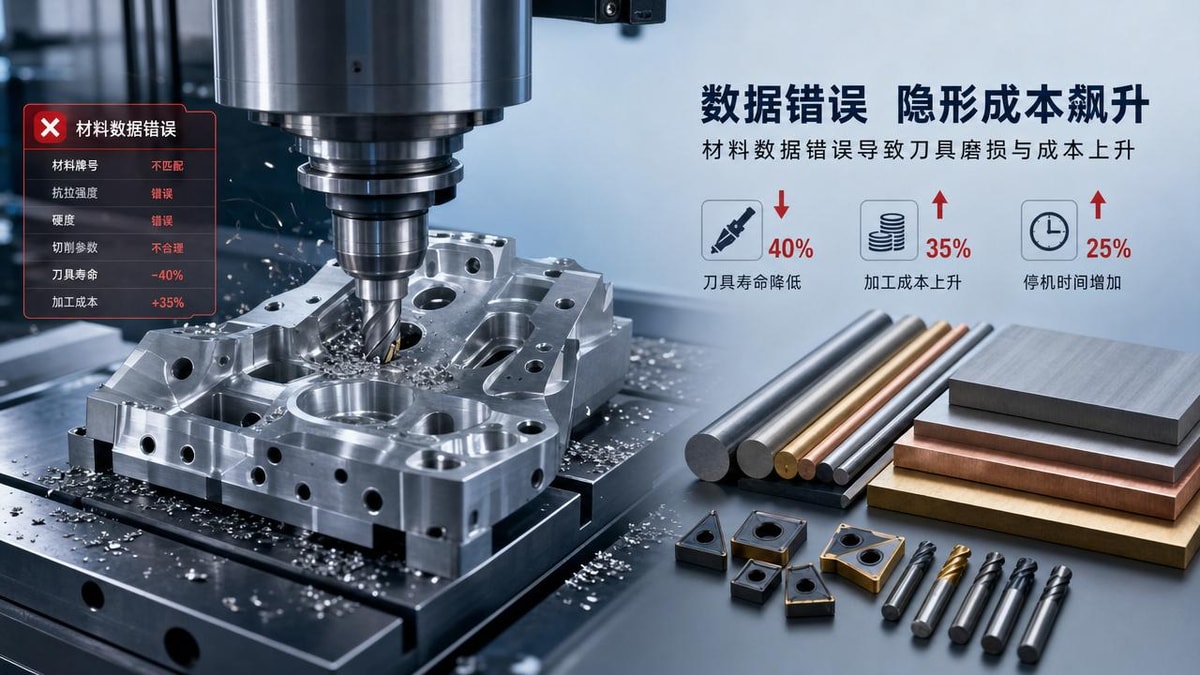
 CNC metal cutting costs rise fast when material data is wrongCNC Machining Technology Center
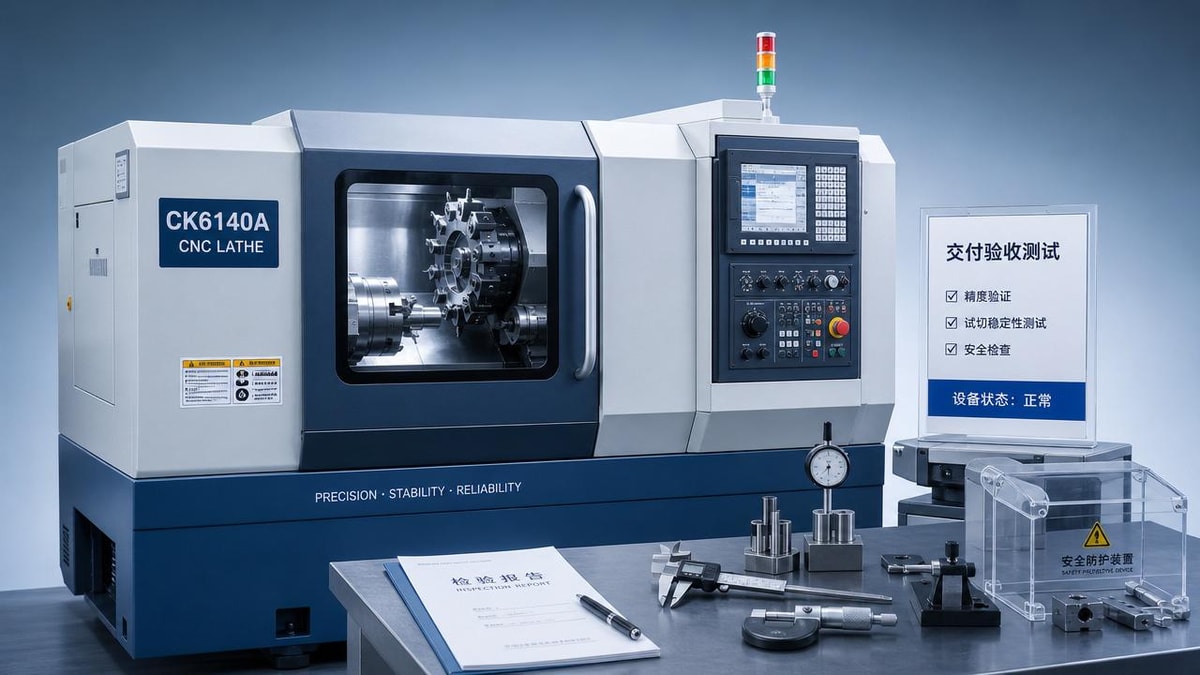
 High precision lathe claims to verify before accepting deliveryMachine Tool Industry Editorial Team


Aris Katos
Future of Carbide Coatings
15+ years in precision manufacturing systems. Specialized in high-speed milling and aerospace grade alloy processing.
▶
Machine Tool Market signals that point to slower replacement cyclesManufacturing Market Research Center▶
Machine Tool Market Signals Worth Watching Before New InvestmentManufacturing Market Research Center▶
Machine Tool Market signals to watch before expanding capacityManufacturing Market Research Center▶
Where the Machine Tool Market is slowing in 2026Manufacturing Market Research Center▶
Machine Tool Market Signals Worth Watching This YearManufacturing Market Research Center
Mastering 5-Axis Workholding Strategies
Join our technical panel on Nov 15th to learn about reducing vibrations in thin-wall components.

Providing you with integrated sanding solutions
Before-sales and after-sales services
Comprehensive technical support