• Global CNC market projected to reach $128B by 2028 • New EU trade regulations for precision tooling components • Aerospace deman
NYSE: CNC +1.2%LME: STEEL -0.4%

2026 Beijing Auto Show Opens: Dual-Venue Format, 1451 Vehicles, Smart Production Lines as New Industry Imperative

The 19th Beijing International Automotive Exhibition opened on April 24, 2026, marking the first dual-venue operation across Shunyi Exhibition Center and Capital International Convention & Exhibition Center. With a total exhibition area of 380,000 square meters and 1,451 vehicles on display, the event spotlighted smart manufacturing solutions — particularly AI-powered quality inspection, flexible body-in-white welding lines, and five-axis machining centers for battery housings — signaling a structural shift in procurement priorities among new-energy vehicle (NEV) makers toward domestic high-precision CNC equipment and integrated automation systems. This development warrants close attention from manufacturers of industrial automation components, precision machine tool suppliers, system integrators, and Tier 2–3 automotive parts producers.
Event Overview
The 19th Beijing International Automotive Exhibition commenced on April 24, 2026. For the first time, it adopted a dual-venue format, utilizing both the Shunyi Exhibition Center and the newly operational Capital International Convention & Exhibition Center. Total exhibition space reached 380,000 square meters. On opening day, approximately 180 press conferences and technical briefings were held, with a concentrated focus on intelligent production line technologies — including AI-based quality inspection systems, flexible weld assembly lines, and five-axis machining centers dedicated to battery housing fabrication. A total of 1,451 vehicles were exhibited.
Industries Affected
Industrial Automation Component Manufacturers
These firms supply sensors, controllers, vision systems, and motion control modules used in AI-driven inspection and adaptive welding stations. The surge in live demonstrations and procurement discussions around AI QC and flexible weld lines indicates rising demand for interoperable, automotive-grade automation hardware — especially components certified for functional safety (e.g., ISO 13849) and real-time data integration (e.g., OPC UA compatibility).
Precision CNC Machine Tool Suppliers
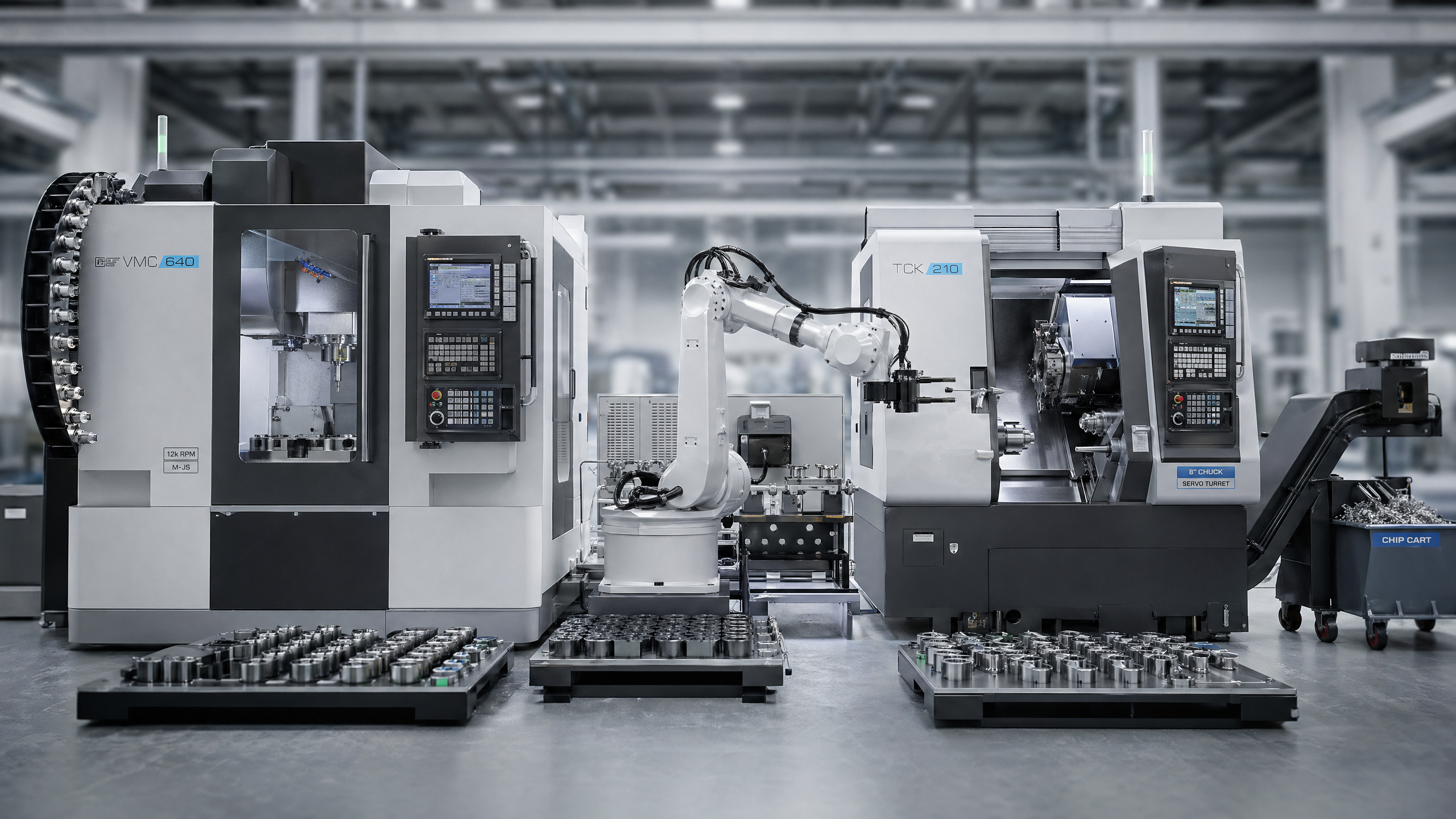
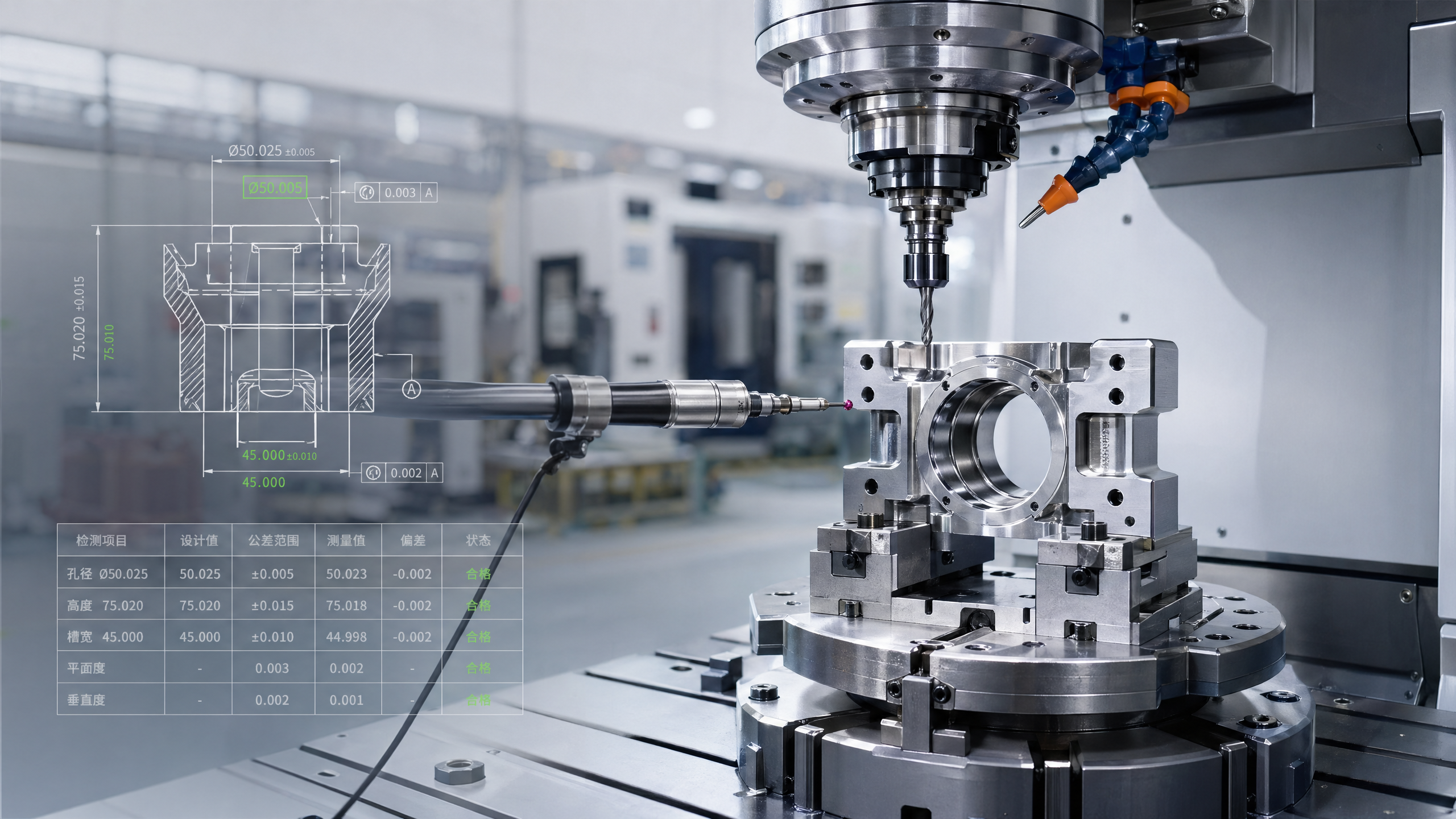
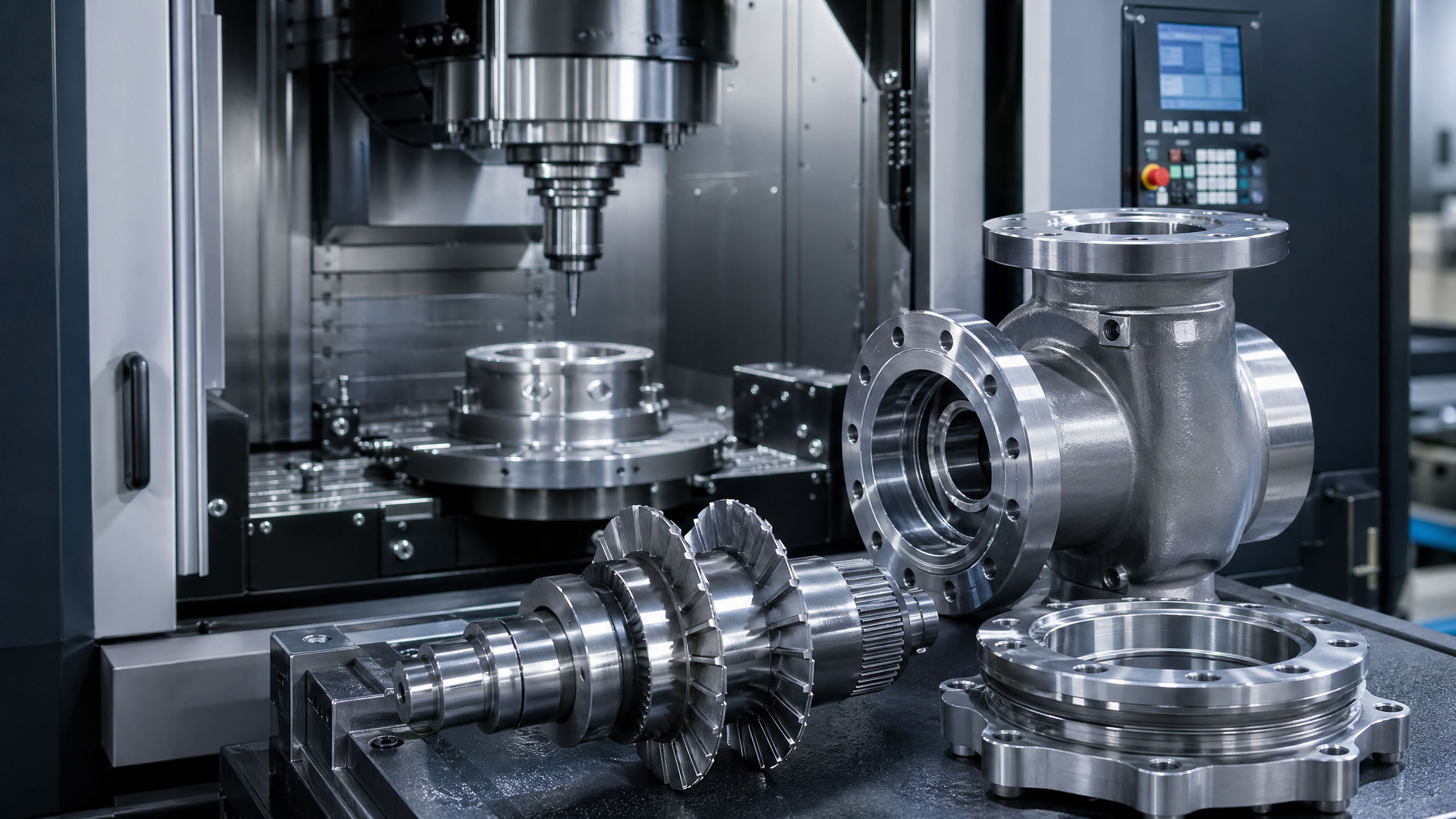
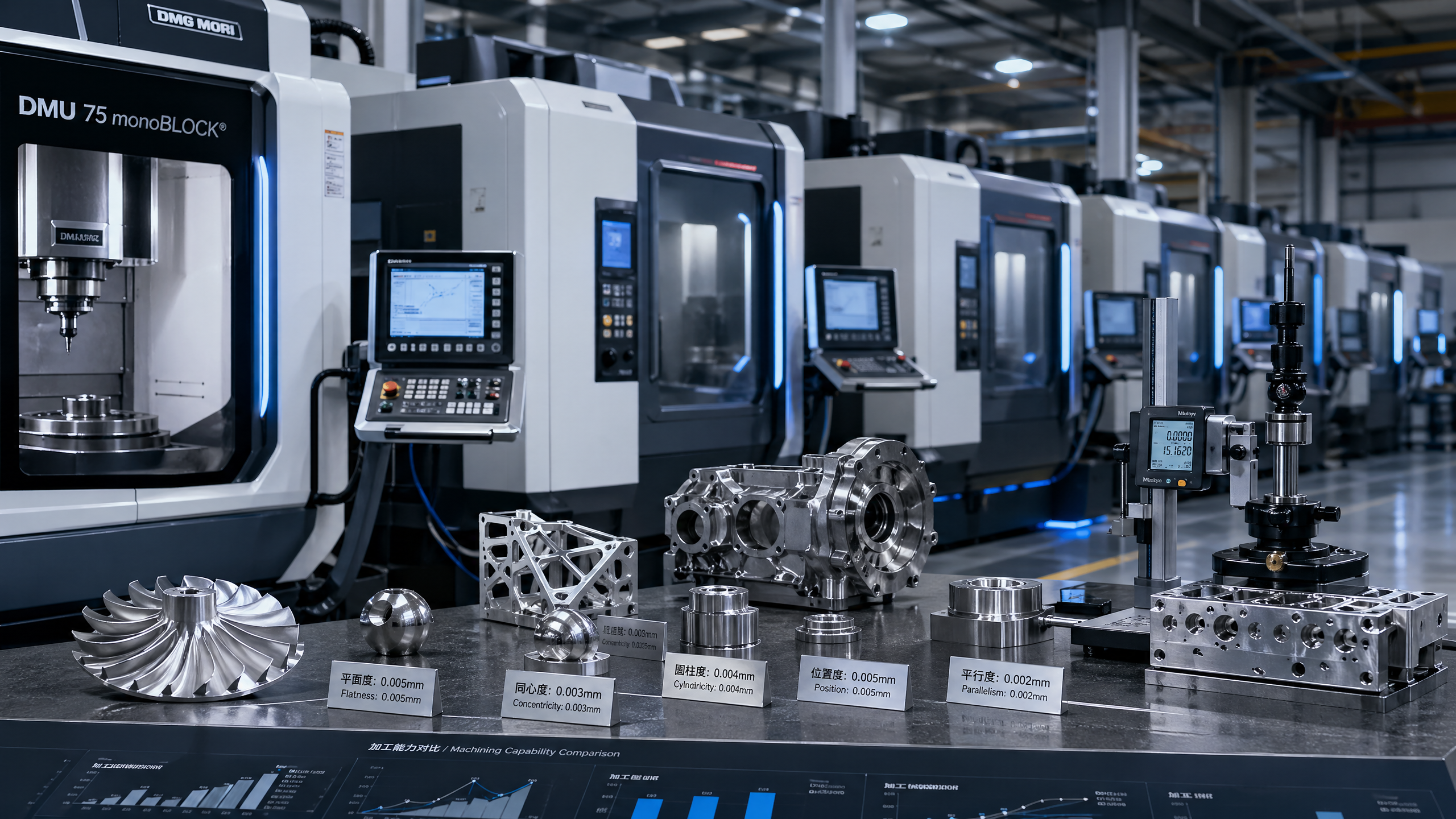
Domestic manufacturers of high-accuracy multi-axis machining centers — particularly those targeting battery structural parts — are seeing accelerated validation cycles. The emphasis on five-axis machining for battery housings reflects tightening tolerances (< ±0.02 mm) and material-specific requirements (e.g., aluminum alloys with high thermal conductivity), driving demand for machines with enhanced thermal stability and dynamic rigidity.
System Integrators Specializing in Automotive Assembly Lines
Integrators delivering turnkey solutions for body shops and battery module lines face growing expectations for modular, reconfigurable architectures. The repeated mention of “flexible” weld assembly lines suggests OEMs now prioritize rapid changeover capability (e.g., <15-minute model switch) and digital twin-enabled commissioning — shifting value from hardware delivery to lifecycle software support and process validation services.
Tier 2–3 Automotive Parts Producers (Especially Battery Structural Component Makers)
Suppliers of battery enclosures, cooling plates, and structural brackets must align production capabilities with OEMs’ evolving line requirements. Increased adoption of in-line AI inspection implies stricter incoming material traceability (e.g., lot-level alloy composition logs) and tighter process control documentation (e.g., spindle load histories, tool wear compensation records) — raising compliance thresholds beyond traditional PPAP submissions.
What Enterprises and Practitioners Should Focus On Now
Monitor OEM technical specification updates tied to production line tenders
Several NEV OEMs disclosed preliminary technical requirements during their April 24 briefings — notably referencing ISO/IEC 62443 for OT security in connected assembly lines and GB/T 37353–2019 for battery housing dimensional inspection. Companies should track formal tender documents issued over Q2 2026 for alignment with these emerging benchmarks.
Assess readiness for modular automation architecture integration
Flexible weld lines showcased at the show relied on standardized mechanical interfaces (e.g., VDI 2790-compliant robot flanges) and plug-and-play I/O modules. Firms supplying ancillary equipment (e.g., laser seam trackers, clamping systems) should verify mechanical and communication protocol compatibility with major robotics platforms (e.g., ABB RobotStudio, FANUC ROBOGUIDE) before Q3 2026.
Validate CNC machine performance under battery-part-specific conditions
Five-axis machining center evaluations observed at the show emphasized sustained accuracy during extended aluminum milling cycles (>8 hours) and coolant management for thin-wall structures. Suppliers should confirm thermal error compensation capabilities and documented volumetric accuracy (per ISO 10791-6) — not just positional repeatability — before engaging in joint feasibility studies.
Prepare documentation packages aligned with OEM digital thread requirements
Multiple OEM presentations referenced ‘digital twin-ready’ equipment, requiring machine manufacturers to supply structured metadata (e.g., MTConnect-compliant device descriptions, PLC tag lists, calibration certificates in PDF/A-3 format). Documentation workflows should be reviewed for compliance with such structured data deliverables ahead of RFP responses.
Editorial Perspective / Industry Observation
From an industry perspective, the 2026 Beijing Auto Show functions less as a product launch platform and more as a de facto benchmarking exercise for smart manufacturing maturity. The density of technical sessions focused on production infrastructure — rather than vehicles alone — signals that NEV competitiveness is increasingly determined by factory-level agility and process intelligence. Analysis来看, this is not yet a fully realized shift: most announced deployments remain pilot-scale or vendor-demonstrated. However, the scale of coordinated messaging across 180+ briefings suggests a synchronized strategic pivot within major Chinese NEV OEMs. Current procurement activity remains selective, but the convergence of technical specifications, validation timelines, and supplier qualification criteria points toward formalized sourcing frameworks emerging by late 2026. It is better understood as a strong directional signal — not yet an operational mandate — but one with accelerating implementation momentum.
In summary, the 2026 Beijing Auto Show underscores a structural recalibration in automotive supply chain priorities: from component delivery to production-system enablement. For industrial equipment providers, this means success hinges less on standalone machine performance and more on verifiable integration readiness, compliance transparency, and lifecycle service capability. The event does not represent a completed transition, but rather the visible inflection point where smart production line capability shifts from competitive differentiator to baseline operational requirement.
Source: Official announcements and press briefing summaries released by the Beijing International Automotive Exhibition Organizing Committee on April 24, 2026. Note: Tender timelines, OEM-specific technical specifications, and volume procurement commitments remain pending formal publication and are subject to ongoing observation.
PREVIOUS ARTICLE
NEXT ARTICLE
Recommended for You
 How to Choose a Space-Saving CNC Manufacturing SetupCNC Machining Technology Center
![]() What to Check Before Using a CNC Manufacturing WholesalerGlobal Machine Tool Trade Research Center
What to Check Before Using a CNC Manufacturing WholesalerGlobal Machine Tool Trade Research Center Why Precision CNC Manufacturing Fails Tolerance GoalsCNC Machining Technology Center
 Is CNC Manufacturing for Energy Equipment Worth the CostManufacturing Market Research Center
![]() How Low Maintenance CNC Manufacturing Cuts DowntimeMachine Tool Industry Editorial Team
How Low Maintenance CNC Manufacturing Cuts DowntimeMachine Tool Industry Editorial Team How to Compare One CNC Manufacturing Factory to AnotherManufacturing Market Research Center

Aris Katos
Future of Carbide Coatings
15+ years in precision manufacturing systems. Specialized in high-speed milling and aerospace grade alloy processing.
▶
2026 Beijing Auto Show Opens: Dual-Venue Format, 1451 Vehicles, Smart Production Lines as New Industry ImperativeManufacturing Market Research Center▶
What Global Manufacturing Means for CNC BuyersManufacturing Market Research Center▶
Global Manufacturing Shifts to Watch in 2026Manufacturing Market Research Center▶
How the Manufacturing Industry Is Cutting CostsManufacturing Market Research Center▶
What Is Changing Fast in the Manufacturing IndustryManufacturing Market Research Center
Mastering 5-Axis Workholding Strategies
Join our technical panel on Nov 15th to learn about reducing vibrations in thin-wall components.

Providing you with integrated sanding solutions
Before-sales and after-sales services
Comprehensive technical support