• Global CNC market projected to reach $128B by 2028 • New EU trade regulations for precision tooling components • Aerospace deman
NYSE: CNC +1.2%LME: STEEL -0.4%

What Is Changing Fast in the Manufacturing Industry
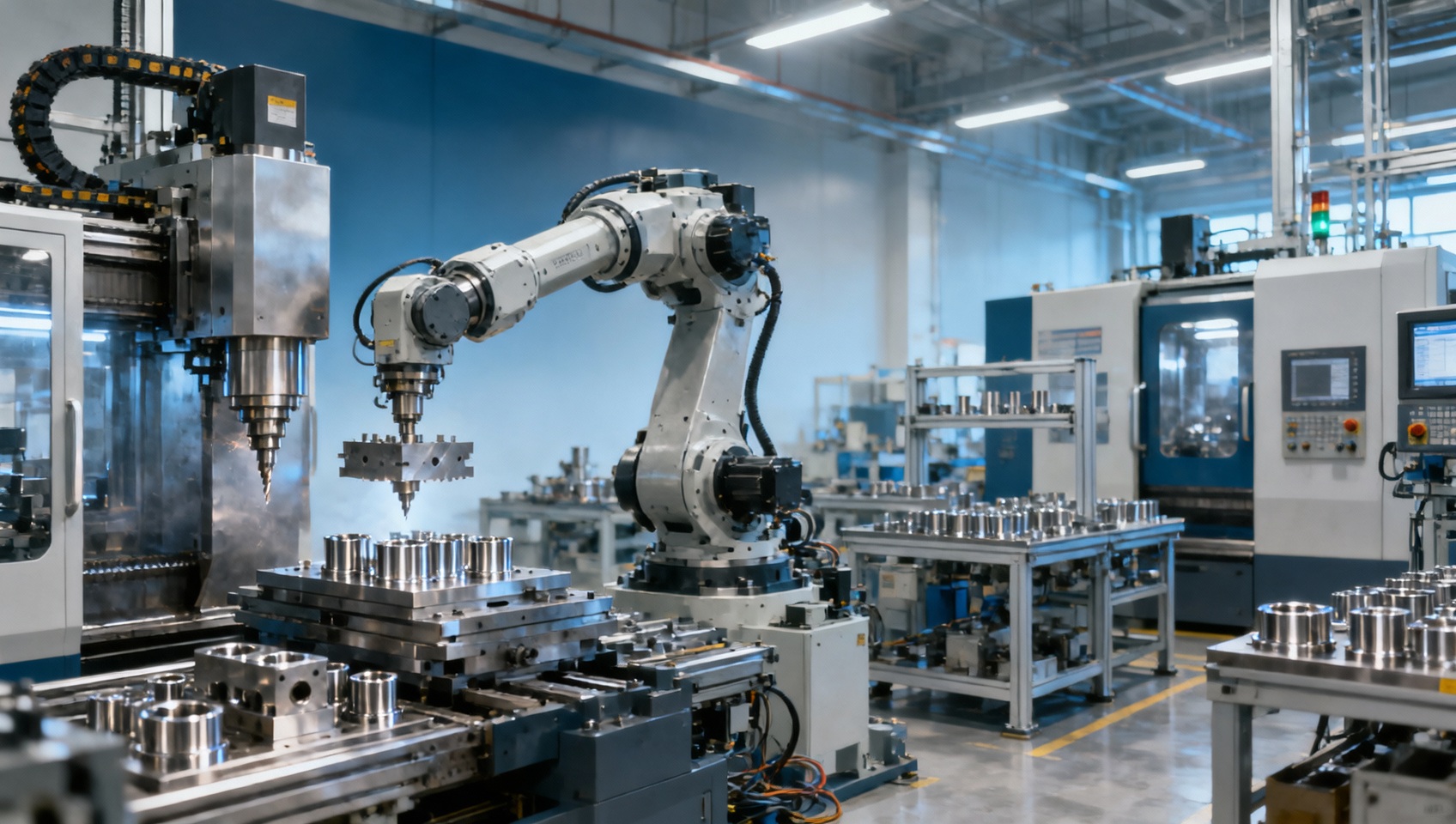
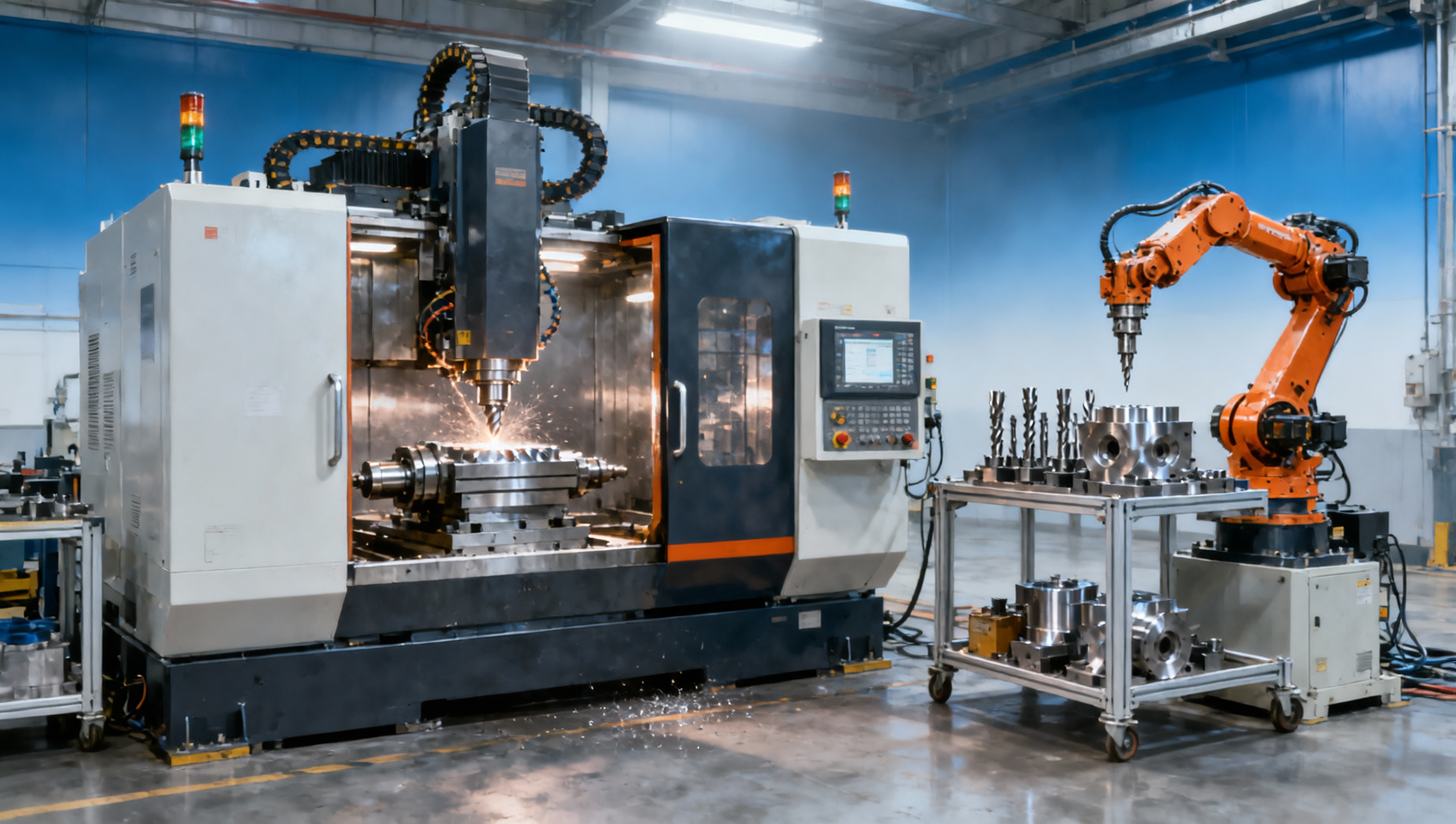
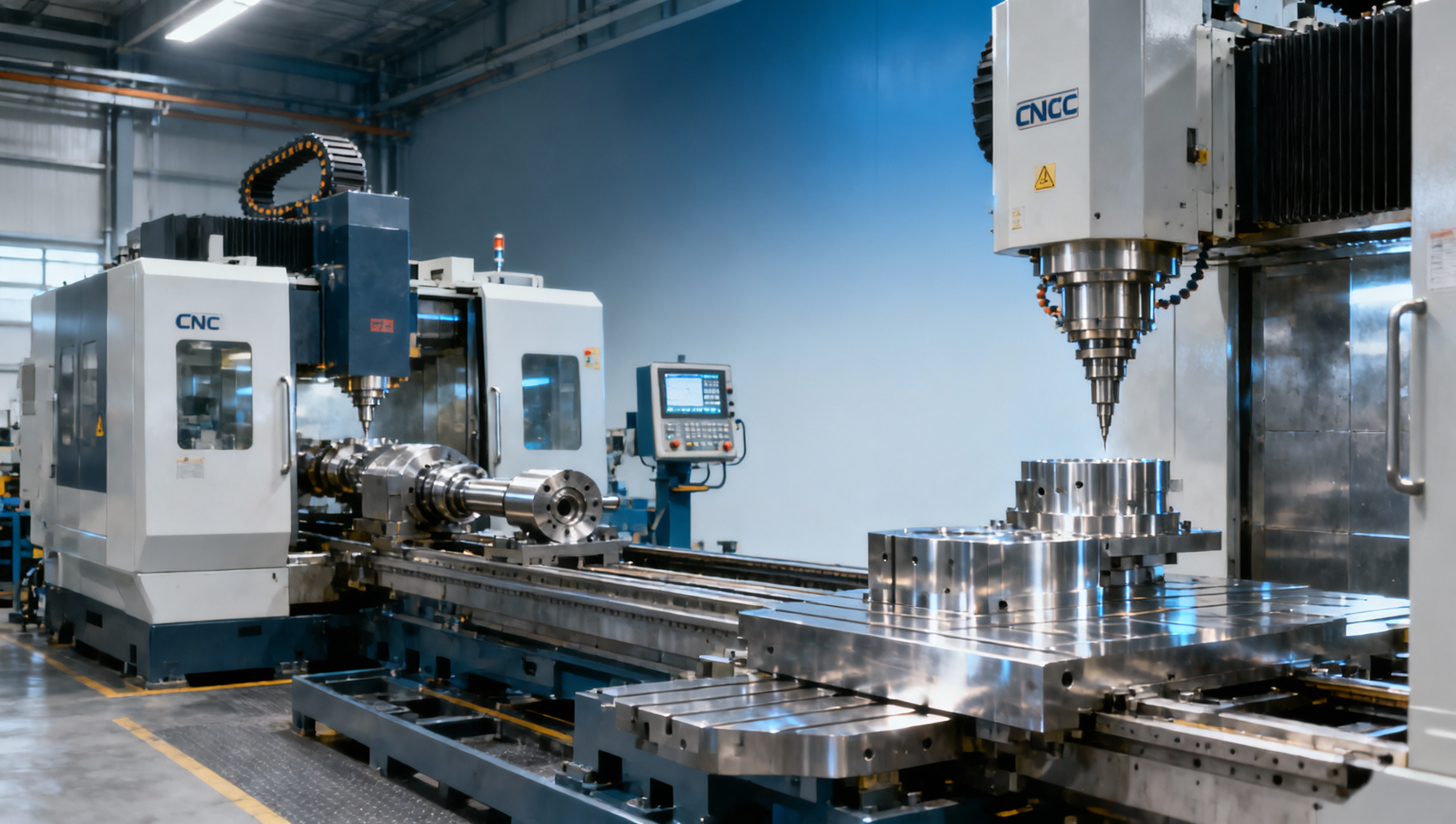
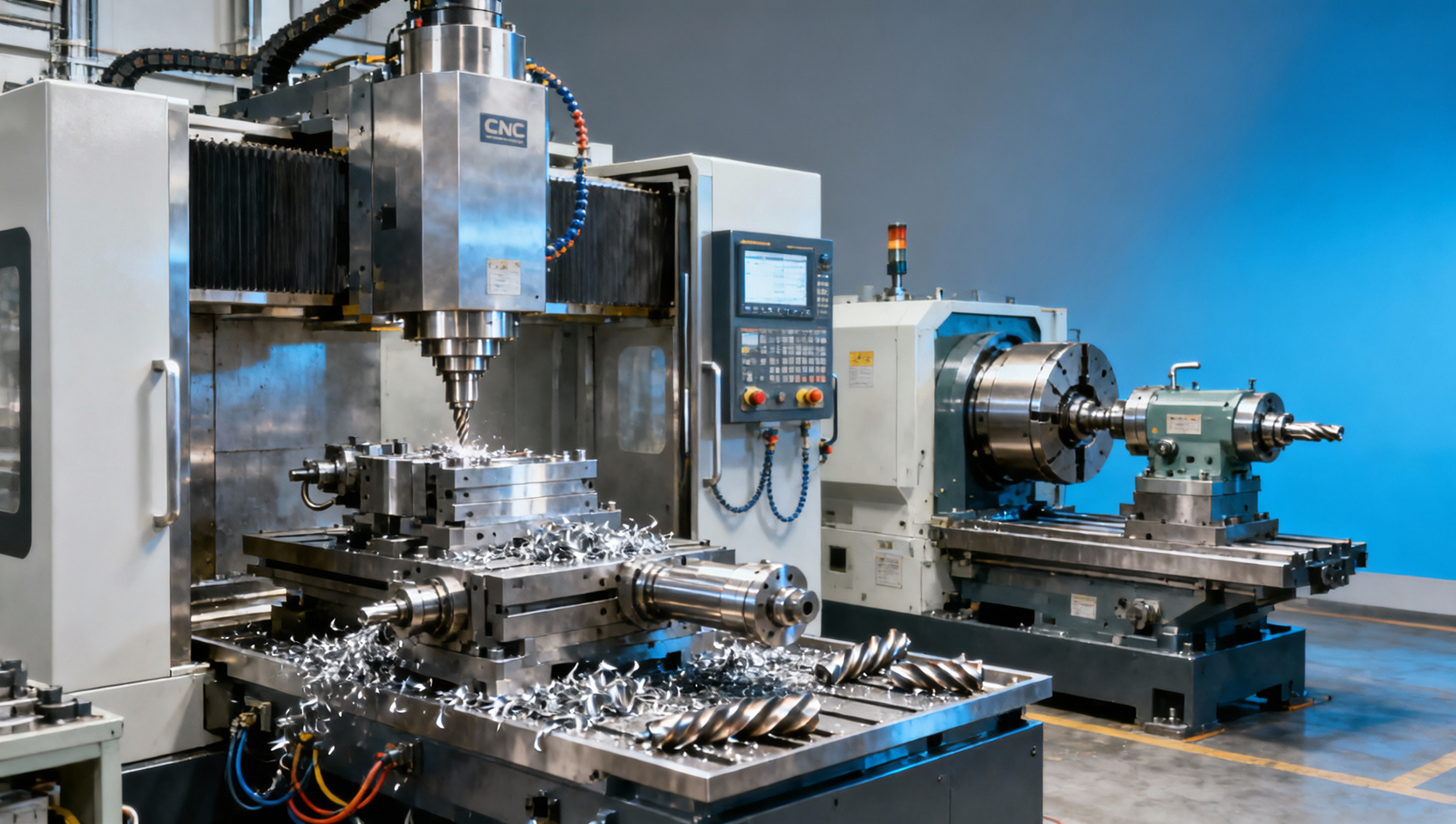
The Manufacturing Industry is changing fast as industrial CNC, CNC milling, and automated production reshape how parts are designed, machined, and delivered. From metal machining and CNC cutting to Industrial Automation and Industrial Robotics, companies across Global Manufacturing are upgrading the production process to improve precision, speed, and competitiveness in a rapidly evolving Machine Tool Market.
For researchers, machine operators, procurement teams, and business evaluators, the pace of change is no longer an abstract market story. It affects machine selection, production planning, supplier qualification, workforce skills, and investment timing. In CNC machining and precision manufacturing, even a 5% gain in spindle utilization or a 10% reduction in setup time can change the economics of an entire production line.
Today’s manufacturing industry is being reshaped by higher precision requirements, shorter delivery cycles, digital connectivity, and stronger pressure to control total cost. Whether a company is producing automotive shafts, aerospace structural parts, energy equipment, or electronics housings, the same question is becoming more urgent: how can production stay flexible, accurate, and profitable at the same time?
The answer increasingly lies in the integration of CNC machine tools, industrial automation, smart process control, and data-driven purchasing decisions. The sections below explain what is changing fast, why it matters, and how buyers and users can respond with practical criteria.
The Shift From Standalone Machines to Connected Manufacturing Systems
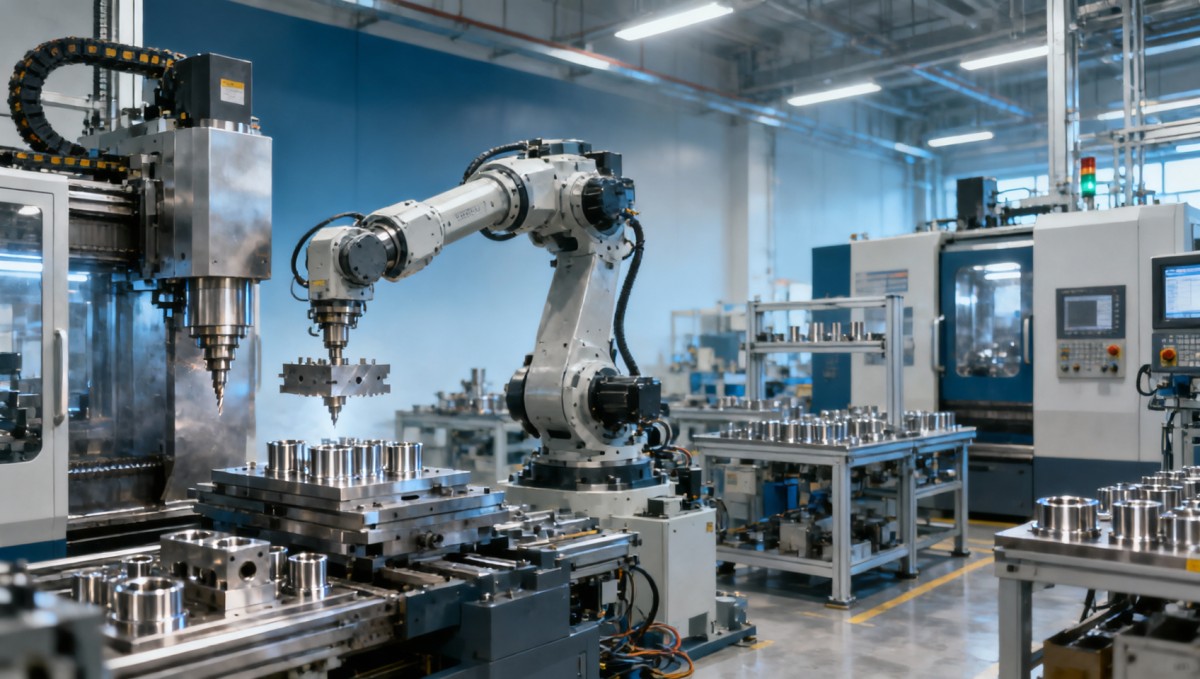
One of the clearest changes in the manufacturing industry is the move from isolated machine tools to connected production systems. In the past, a CNC lathe or machining center could operate as a high-performance but largely independent asset. Now, many factories expect each machine to exchange data with tool management, quality inspection, scheduling, and maintenance systems in near real time.
This matters because production no longer depends only on cutting speed or spindle power. It also depends on how quickly a plant can reduce setup time, react to quality drift, and balance orders across multiple cells. In a typical medium-volume environment, reducing changeover from 45 minutes to 20 minutes can create meaningful capacity without adding a new machine.
For operators, connected manufacturing means more screen-based monitoring, alarm traceability, and process visibility. For procurement teams, it means evaluating not only machine structure and accuracy, but also communication compatibility, software openness, and service response. A machine with strong mechanical performance but weak connectivity may become harder to integrate within 2 to 3 years.
In global manufacturing, this transition is especially visible in facilities serving automotive, aerospace, and electronics sectors. These industries often require tighter process consistency, lot traceability, and faster engineering changes. As a result, equipment decisions are increasingly made at the system level rather than only at the machine level.
Why system integration is becoming a purchasing priority
A CNC machine tool is now judged on more than travel range, spindle speed, and controller brand. Buyers also examine whether the equipment can support automated loading, tool life tracking, in-process probing, and stable data output. In many projects, these features influence return on investment as much as pure cutting performance.
- Production visibility: managers want alarm history, cycle time records, and OEE-related data available within 1 shift rather than after weekly review.
- Faster troubleshooting: maintenance teams prefer machines that support remote diagnostics and structured fault codes, reducing downtime from several hours to less than 60 minutes in common cases.
- Scalable automation: companies increasingly want machines that can connect to robots, pallet systems, or flexible lines without heavy custom rebuilding.
Typical comparison factors in modern machine evaluation
The table below outlines how the evaluation focus has changed as manufacturing becomes more digital and integrated.
The main takeaway is that connected manufacturing does not replace machine fundamentals. Instead, it adds a second layer of value. Mechanical accuracy still matters, but digital compatibility and production visibility now play a direct role in competitiveness.
Higher Precision, More Complex Parts, and Tighter Process Control
Another fast-moving change in the manufacturing industry is the rising demand for complex parts with tighter tolerances. Across sectors such as aerospace, energy equipment, and electronics production, manufacturers are being asked to machine more intricate geometries while maintaining repeatability across larger volumes. For many operations, acceptable tolerance windows are moving from general machining levels toward ranges such as ±0.01 mm or even tighter on key features.
This shift puts pressure on the full process chain. A multi-axis machining system may be capable of producing a difficult contour, but the final result also depends on tool condition, fixture rigidity, thermal control, programming strategy, and inspection discipline. If just one of these variables is unstable, scrap rates can rise quickly, especially during long cycles above 20 minutes per part.
For operators and production engineers, this means more emphasis on process consistency than on peak cutting parameters alone. In many real workshops, a stable process at 85% of theoretical speed is more valuable than an aggressive process that causes rework every 30 to 50 parts. For buyers, it means machine selection should be linked to target materials, tolerance bands, and expected batch size from the beginning.
Precision demand is also increasing the importance of support equipment. Cutting tools, workholding systems, tool presetting, and in-machine probing are no longer optional in many product categories. When tolerances tighten, the supporting ecosystem around the CNC machine tool becomes part of the core production capability.
Common pressure points in precision manufacturing
- Thermal stability over long runs: even minor temperature variation during a 6 to 8 hour shift can affect repeatability on high-accuracy parts.
- Tool wear management: in difficult materials, tool life may vary sharply, making preset replacement intervals essential.
- Fixture repeatability: poor clamping consistency can produce dimensional drift even when the machine structure is sound.
- Inspection frequency: first-piece verification alone is often insufficient for medium-to-high precision batches.
Typical process factors by application type
The following table shows how process priorities often differ depending on the part category and production target.
The manufacturing trend is clear: as part complexity rises, precision is no longer just a machine specification. It becomes a managed process involving equipment, tooling, inspection, and operating discipline. Companies that treat precision as a system capability are generally better positioned for high-value contracts.
Automation Is Expanding From Labor Saving to Production Strategy
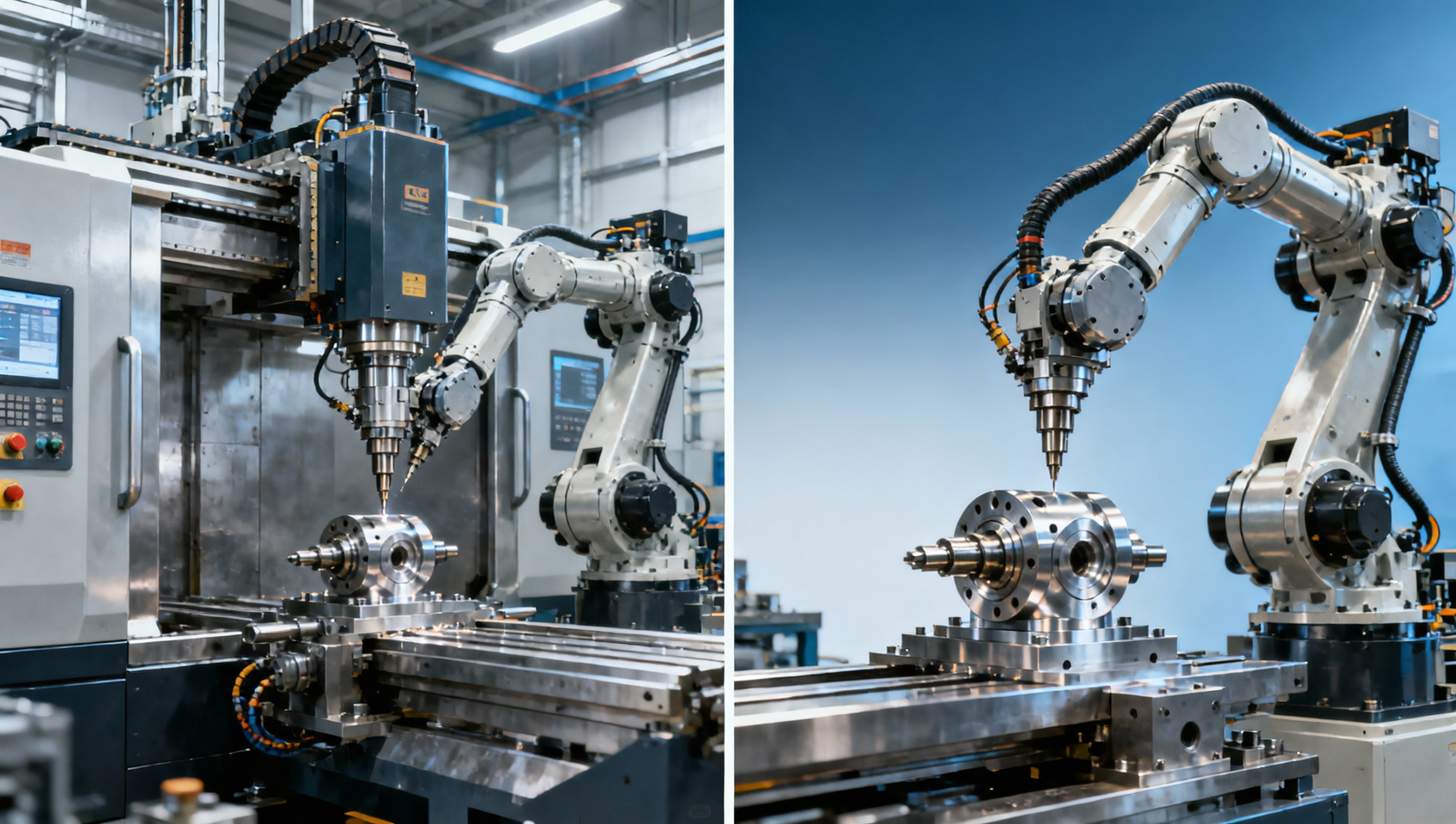
Industrial automation and industrial robotics are no longer added only to reduce manual handling. They are increasingly used to improve scheduling flexibility, extend unattended hours, and stabilize output quality. In many facilities, the goal is not to remove labor entirely, but to shift labor toward programming, setup verification, maintenance, and quality control.
This change is especially important where labor availability is tight or where order patterns are unpredictable. A plant with 2 shifts of labor but 24-hour order demand may use robotic loading, pallet exchange, or automated assembly systems to bridge the gap. Even 3 to 5 extra unattended production hours per day can significantly improve machine utilization.
However, automation only works well when the process is stable enough to automate. If tool breakage, chip evacuation, or part orientation remain inconsistent, robots may simply automate the interruption. This is why experienced buyers often review process maturity before deciding on an automation budget.
For procurement and business evaluation teams, the key question is no longer whether automation is valuable, but which level of automation fits the product mix. A high-mix, low-volume factory may need flexible automation with quick recipe change. A repetitive batch producer may benefit more from dedicated loading and transfer systems.
Practical automation paths in CNC production
- Single-machine assistance: bar feeders, part catchers, simple conveyors, or automatic door and chuck sequences for repeat jobs.
- Cell-level automation: one robot serving 2 to 4 CNC machines with part loading, unloading, and basic identification.
- Flexible line automation: pallet systems, queue management, inspection stations, and scheduling software linked across multiple processes.
- Smart factory integration: machine data, tool status, work orders, and quality records connected into one decision framework.
Choosing the right level of automation
Automation should match part flow, batch size, and process stability. The table below summarizes common fit scenarios.
The best automation projects usually begin with a measurable target: for example, reducing labor touches from 6 to 3 per part, cutting idle time by 15%, or extending unmanned running by 4 hours per night. Clear targets help prevent overinvestment and improve implementation success.
How Procurement Criteria Are Changing in the Machine Tool Market
The machine tool market is also changing fast on the buying side. Procurement teams are under pressure to compare suppliers across not just price, but lifecycle value, delivery certainty, service capability, and upgrade potential. A lower purchase price can become expensive if spare parts are slow, software support is limited, or the machine struggles with future automation needs.
In many B2B purchasing processes, evaluation now happens across at least 4 dimensions: technical fit, commercial terms, support response, and business risk. For capital equipment, lead times commonly range from 6 to 20 weeks depending on configuration and region, so project planning has to account for installation, training, trial production, and acceptance.
Business evaluators also pay closer attention to supplier stability and cross-border delivery capability. Since global manufacturing supply chains can shift quickly, buyers often prefer suppliers that can support documentation, remote service, and component continuity over multiple years. This is particularly important for export-oriented factories and multinational operations.
For machine users and engineering teams, the procurement process should include their operational input early. A technically acceptable machine may still be difficult to run if interface logic, maintenance access, or tooling compatibility do not fit the plant’s daily workflow. Early alignment can prevent costly changes after installation.
A practical supplier evaluation checklist
- Technical match: Does the machine suit target materials, part size, tolerance needs, and expected batch range?
- Delivery realism: Are lead time, commissioning, and training schedules clearly defined over 2 to 12 weeks?
- Service response: Is there a clear spare parts path and a response window such as 24 to 72 hours for common issues?
- Upgrade readiness: Can the machine support probing, automation, or software expansion later without major redesign?
- Operating cost: What are the likely tool, maintenance, energy, and downtime impacts across 3 to 5 years?
Procurement decision factors that deserve weighted scoring
The following scoring model can help companies compare machine tool suppliers more objectively during commercial and technical review.
A structured scorecard does not eliminate engineering judgment, but it helps align procurement, operations, and management. In a fast-changing machine tool market, disciplined comparison is often the best protection against short-term decisions that create long-term constraints.
Implementation Risks, Skill Gaps, and What Companies Should Do Next
Fast change in manufacturing creates opportunities, but it also creates risk. A new CNC machine, robot cell, or digital monitoring system may underperform if implementation is rushed. Common problems include poor part-process matching, weak operator training, unrealistic automation assumptions, and incomplete acceptance criteria. These problems are rarely caused by one factor alone.
Skill gaps are especially important. As equipment becomes more advanced, factories need fewer purely manual interventions and more cross-functional capability. Operators increasingly need to understand offsets, alarms, tool condition, and basic data interpretation. Maintenance teams need stronger electrical, control, and interface knowledge. In many plants, effective onboarding now requires 2 to 6 weeks rather than a few days.
Another risk is buying for current volume only. If a machine tool or production line cannot adapt to product changes over the next 24 to 36 months, the investment may age faster than expected. This is why many companies now favor modular fixturing, expandable automation, and software-driven flexibility over narrowly optimized but rigid systems.
The best next step is a structured roadmap that links business demand with process reality. Rather than trying to transform everything at once, many successful manufacturers prioritize 1 to 3 production bottlenecks, validate process stability, and then scale automation or digital integration step by step.
A practical 5-step modernization path
- Map the current process: document cycle time, downtime causes, scrap points, setup duration, and labor touches.
- Classify part families: separate stable repeat jobs from variable low-volume jobs before selecting automation or machine upgrades.
- Define measurable targets: for example, improve OEE by 8%–12%, reduce setup by 20 minutes, or lower scrap by 2 percentage points.
- Pilot before full rollout: test one cell, one line, or one product family before scaling plant-wide investment.
- Build service and training into the project: acceptance should include documentation, operator training, and maintenance readiness.
FAQ for decision makers and users
The following questions reflect common concerns in CNC machining, precision manufacturing, and industrial automation projects.
How do I know whether a CNC upgrade or a full automation project is the better choice?
If the main loss comes from low cutting capability, poor accuracy, or unstable cycle times, upgrading the CNC machine tool may deliver the fastest result. If the machine is capable but spends too much time waiting for loading, unloading, or transfer, automation may offer a better return. Start by measuring where more than 10% of total production time is being lost.
What lead time should buyers expect for new machine tools or integrated cells?
For standard configurations, lead times may fall in the 6 to 12 week range. More customized machining centers, multi-axis systems, or robot-integrated cells can extend to 12 to 20 weeks or longer depending on tooling, software, and acceptance requirements. Planning should also include installation, training, and trial production.
What are the most common mistakes in procurement?
Three mistakes are common: comparing price without lifecycle cost, evaluating the machine without the full process chain, and skipping user input during selection. A machine that looks competitive on paper may still create hidden cost through downtime, tool instability, or weak service support.
Which companies benefit most from smart factory and digital integration?
Companies with multiple CNC machines, recurring part families, high traceability needs, or cross-shift scheduling complexity usually gain the most. When a plant operates 8 to 20 machines and needs faster response to quality or downtime events, digital visibility often becomes operationally valuable very quickly.
The manufacturing industry is changing fast because market pressure, process complexity, and technology capability are all moving at the same time. CNC machining, industrial automation, machine tool integration, and smart factory practices are no longer separate topics. They are becoming part of one operating model for modern production.
For information researchers, users, procurement specialists, and business evaluators, the most effective response is to focus on measurable fit: process stability, precision requirement, automation readiness, service support, and long-term scalability. Companies that make these decisions with structured criteria are better prepared to improve output, manage risk, and stay competitive in global manufacturing.
If you are evaluating CNC machine tools, precision manufacturing solutions, or automation options for your next project, now is the right time to compare requirements in detail. Contact us to discuss your application, request a tailored solution, or learn more about practical equipment and market strategies for today’s manufacturing environment.
PREVIOUS ARTICLE
NEXT ARTICLE
Recommended for You
 How to Choose the Right Metal Machining ProcessCNC Machining Technology Center
 Metal Machining vs CNC Metalworking: What MattersCNC Machining Technology Center
 What Drives Cost in Industrial CNC ProjectsManufacturing Market Research Center
 Is Industrial CNC Worth Upgrading in 2026Machine Tool Industry Editorial Team
 How CNC Industrial Systems Improve Shop EfficiencyMachine Tool Industry Editorial Team
 CNC Industrial Setup Mistakes to Avoid FirstCNC Machining Technology Center

Aris Katos
Future of Carbide Coatings
15+ years in precision manufacturing systems. Specialized in high-speed milling and aerospace grade alloy processing.
▶
Global Manufacturing Shifts to Watch in 2026Manufacturing Market Research Center▶
How the Manufacturing Industry Is Cutting CostsManufacturing Market Research Center▶
What Is Changing Fast in the Manufacturing IndustryManufacturing Market Research Center▶
CIBF2026 Focuses on Zero-Carbon Supply ChainManufacturing Market Research Center▶
Advanced Manufacturing Technology Reshaping Energy EquipmentManufacturing Market Research Center
Mastering 5-Axis Workholding Strategies
Join our technical panel on Nov 15th to learn about reducing vibrations in thin-wall components.

Providing you with integrated sanding solutions
Before-sales and after-sales services
Comprehensive technical support