• Global CNC market projected to reach $128B by 2028 • New EU trade regulations for precision tooling components • Aerospace deman
NYSE: CNC +1.2%LME: STEEL -0.4%

How the Manufacturing Industry Is Cutting Costs
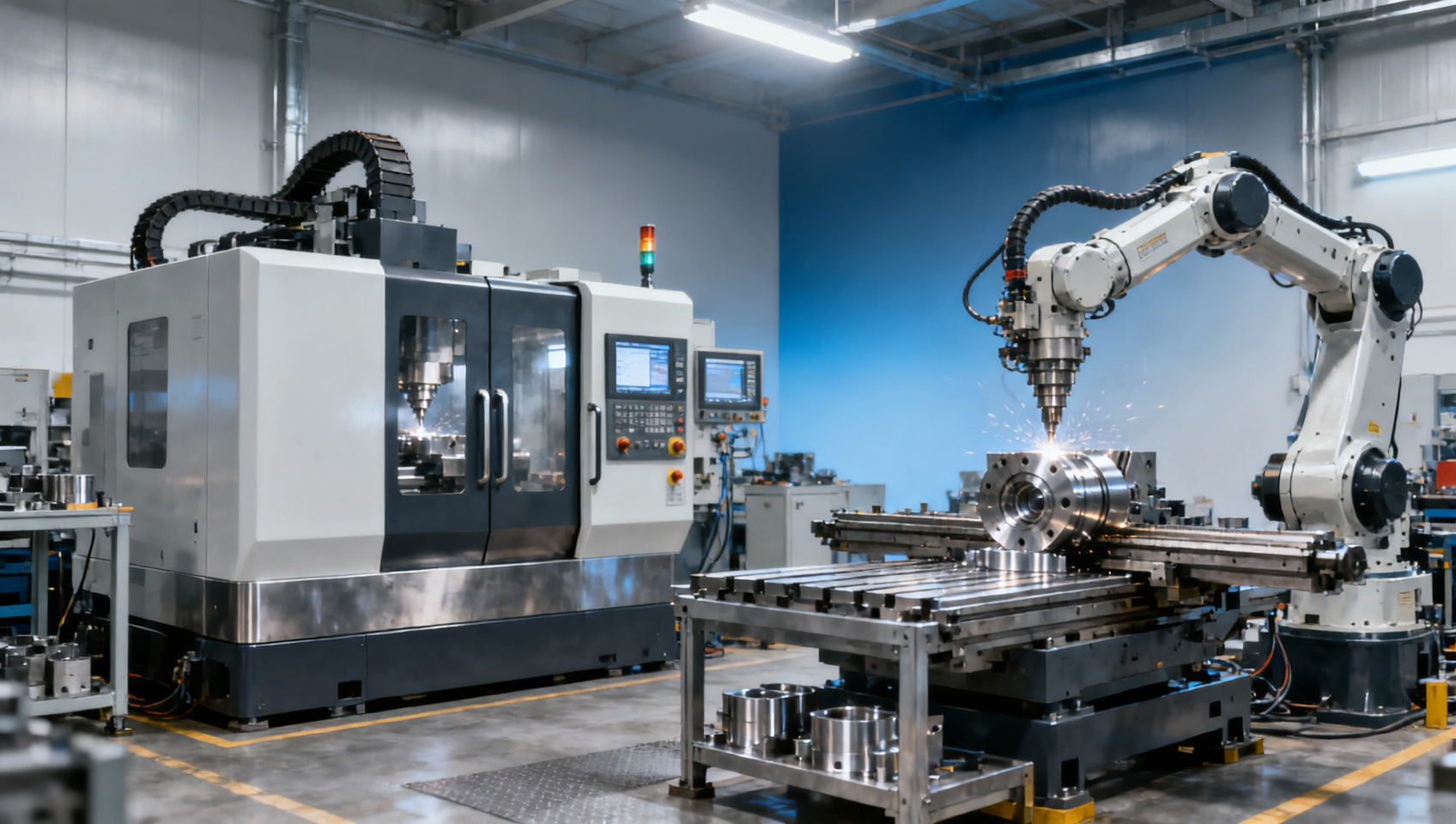
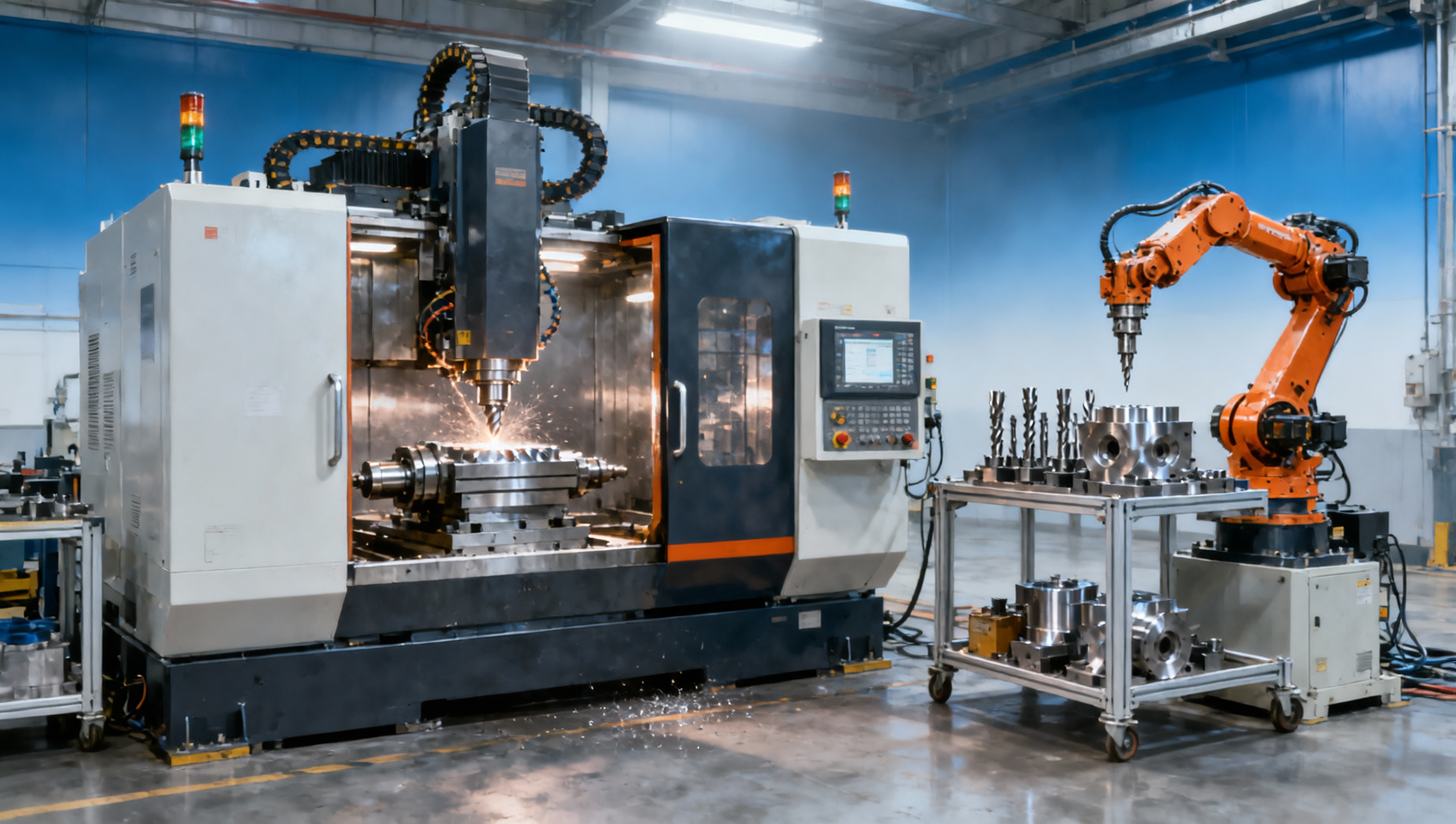
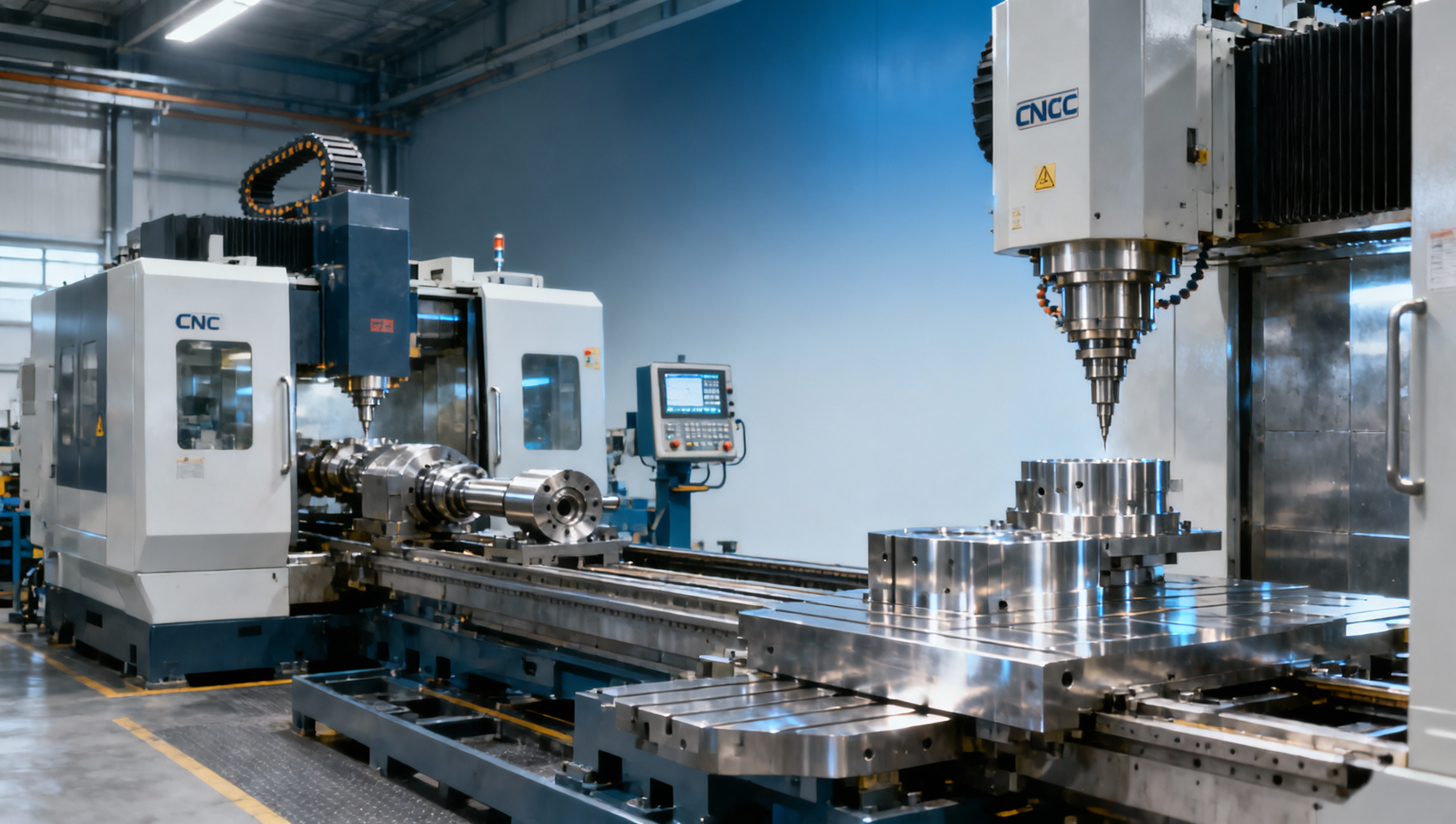
Across the Global Manufacturing landscape, the Manufacturing Industry is cutting costs through industrial CNC, automated production, and smarter Production Process strategies. From CNC milling and CNC cutting to automated lathe systems and Industrial Automation, manufacturers are improving efficiency, reducing waste, and strengthening competitiveness in the evolving Machine Tool Market.
Where Are Manufacturers Actually Cutting Costs Today?
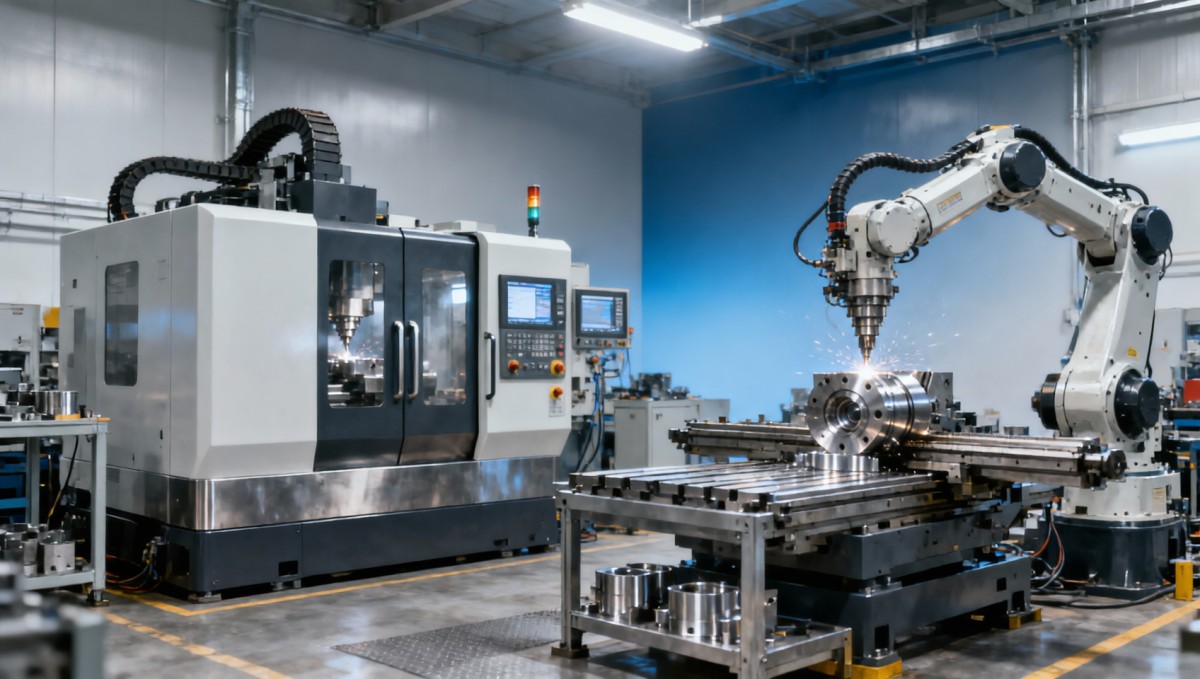
Cost reduction in modern manufacturing rarely comes from a single machine purchase. It usually comes from redesigning the full production chain: setup time, material use, labor allocation, tool life, inspection flow, and machine uptime. In CNC machining and precision manufacturing, even a 5-minute reduction in changeover or a 2% drop in scrap can influence annual operating cost in a visible way.
For information researchers and business evaluators, the key issue is not whether automation saves money in theory, but where the savings appear first. In most factories, the earliest impact is seen in three areas: fewer manual interventions per shift, more stable dimensional consistency, and shorter throughput cycles for repeat parts. These gains often matter more than headline spindle speed or machine size alone.
For operators and users, cost cutting also means reducing rework pressure and unpredictable stoppages. A machining center that runs with stable fixtures, matched tooling, and repeatable programs can lower process variation across 8-hour, 16-hour, or even 24-hour operating schedules. That helps teams maintain output without constantly compensating for process drift.
For procurement teams, cost control is increasingly tied to lifecycle thinking. The purchase price remains important, but so do spare parts access, training time, maintenance intervals, and integration with automated loading or inspection systems. A cheaper machine that causes 3–5 extra hours of downtime per month may cost more over 2–4 years than a better-matched solution.
The 4 cost centers that usually matter most
- Machine utilization: idle spindle hours, changeover losses, and bottlenecks between processes.
- Material efficiency: scrap, burr-related defects, overcutting, and unstable cutting parameters.
- Labor structure: repetitive loading, manual positioning, offline correction, and frequent supervision.
- Quality cost: rework, final inspection failures, inconsistent tolerances, and delayed shipment risk.
Why the machine tool sector is central to manufacturing cost control
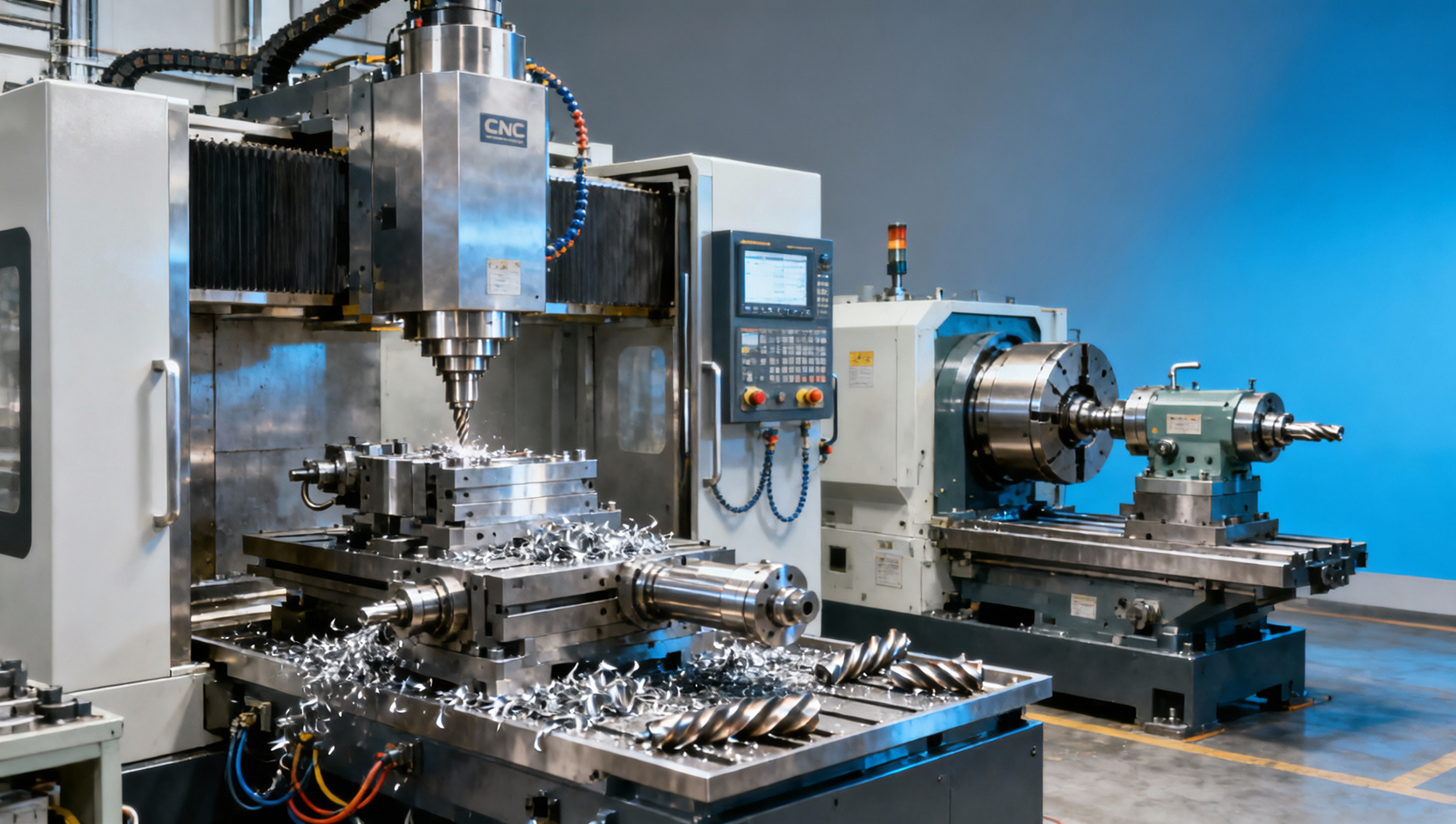
The CNC machine tool industry sits at the center of cost, quality, and delivery performance because it directly shapes precision, repeatability, and output speed. CNC lathes, machining centers, and multi-axis systems are not only production assets; they are decision points that affect tooling strategy, labor deployment, and the feasibility of lights-out or semi-automated production.
As industries such as automotive, aerospace, energy equipment, and electronics push toward tighter tolerances and higher output, the value of automated production lines and digital process control becomes clearer. In practice, manufacturers cut costs when machine tools, fixtures, tools, robots, and inspection logic are selected as one production system rather than as isolated purchases.
Which CNC and Automation Strategies Deliver the Fastest Cost Benefits?
Not every upgrade delivers the same payback speed. In many factories, the fastest improvements come from standardizing repeat work, automating handling, and reducing setup dependency on individual operator skill. This is why industrial CNC, automated lathe cells, and flexible production systems are often prioritized before more ambitious smart factory investments.
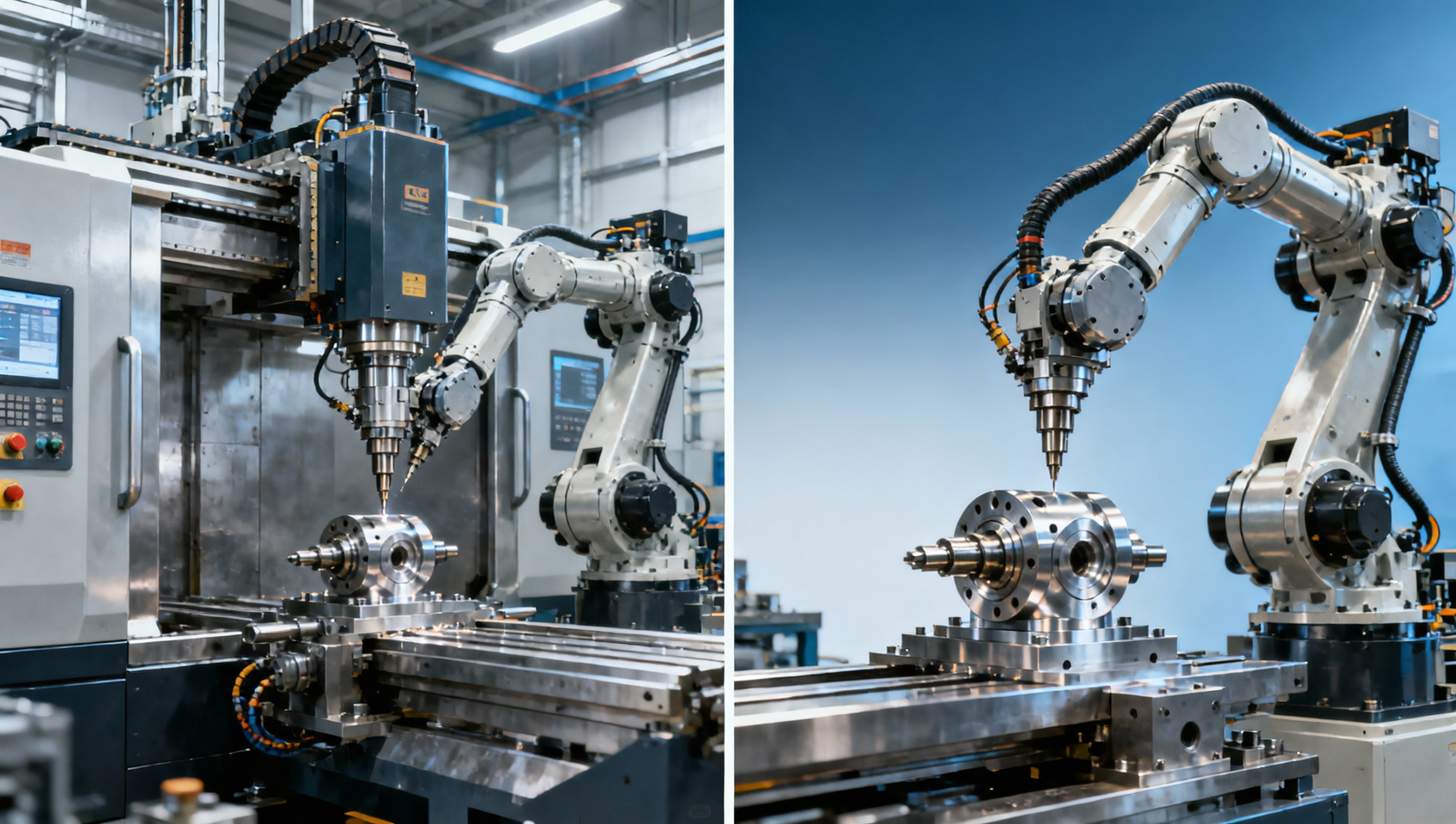
A practical way to evaluate cost reduction is to compare the savings mechanism. CNC milling can reduce secondary operations on complex surfaces. CNC cutting can improve nesting or process precision on repeat geometries. Automated loading and unloading can reduce non-cutting time between batches. Tool monitoring can prevent scrap propagation before it affects dozens of parts.
The right strategy also depends on production volume. Small-batch, high-mix work often benefits from quick-change fixtures and flexible programming. Medium-volume production may gain the most from pallet systems or robotic tending. Large-volume production usually justifies more integrated lines where cycle balance, inspection rhythm, and material flow are optimized together.
The table below shows how common cost-reduction approaches differ by application focus, implementation complexity, and the type of savings buyers should realistically expect to measure during the first 3–12 months of operation.
The comparison makes one point clear: the fastest cost benefits usually come from process bottlenecks, not from chasing the most advanced specification. If the real problem is long setup time, a fixture and tooling upgrade may outperform a full machine replacement in the near term. If the problem is labor availability across 2 shifts, robotic handling may create faster operational relief.
Application decisions by production type
Small-batch, high-mix manufacturing
In this scenario, cost reduction usually depends on programming efficiency, fixture flexibility, and setup simplification. Operators need interfaces that support quick transitions, while procurement teams should prioritize machines compatible with broad tooling options and common control systems. Reducing setup from 60 minutes to 30–40 minutes can have greater value than slightly faster cutting speed.
Medium-volume repeat production
This is where pallet changers, automatic tool changers, and robotic feeding often become financially reasonable. Once part families are stabilized, the savings from lower intervention frequency and more predictable cycle times become easier to measure. Many factories review this segment every quarter because it often shows the best balance between flexibility and automation ROI.
High-volume precision output
Large-scale production requires attention to line balance, preventive maintenance rhythm, and in-process quality control. Here, cost reduction depends on keeping the whole cell synchronized. A fast machine with poor material flow can still create expensive waiting time. In these cases, manufacturers often combine machine tools, conveyors, gauging, and data monitoring into one production framework.
How Should Buyers Compare Equipment, Process Design, and Total Cost?
Procurement decisions in the machine tool market are often slowed by one common mistake: comparing machines only by initial quotation. In B2B manufacturing, the real decision should combine equipment capability, production fit, supplier responsiveness, and operating cost over time. A good procurement process usually reviews at least 5 key checks before any contract stage begins.
Those checks typically include part size range, material type, tolerance target, cycle-time expectation, and expansion compatibility with automation. Buyers should also ask whether the machine supports the intended workload continuously. A system designed for intermittent use may not be suitable for 16–24 hour schedules, even if its purchase price looks competitive.
For business evaluators, supplier coordination matters as much as core hardware. Delivery planning, training scope, after-sales response, and spare-part lead time affect risk exposure. In international sourcing, common lead-time windows can range from 6–12 weeks for standard configurations to longer periods for customized automation cells, depending on controls, tooling, and integration level.
The table below provides a practical procurement framework that helps compare CNC machine tools and automation solutions from both an engineering and cost-control perspective.
This framework helps separate attractive quotations from workable production solutions. It is especially useful when buyers compare suppliers from industrial clusters in China, Germany, Japan, and South Korea, where machine strengths, support structures, and customization practices may differ. The most suitable option is the one that aligns with your process risk, labor structure, and delivery commitments.
A 5-point buyer checklist before final approval
- Verify whether the quoted configuration includes required tooling, fixtures, or only the base machine.
- Ask for cycle assumptions based on your part type, not only generic catalog values.
- Confirm operator training scope, especially if the team will transition from manual to semi-automated operation.
- Review spare-parts availability and expected service response for the first 12 months.
- Check whether future automation, data collection, or inspection integration is technically supported.
What Risks, Misconceptions, and Compliance Issues Should Be Considered?
Cost reduction projects fail when companies focus only on hardware output and overlook process discipline. One common misconception is that higher automation automatically means lower cost. In reality, automation works best when part flow, fixtures, tooling consistency, and operator procedures are already reasonably stable. Otherwise, problems simply move faster through the line.
Another frequent mistake is underestimating implementation time. Even standard CNC machine tool projects often involve 3 stages: configuration confirmation, installation and commissioning, and process validation. For more integrated cells, add training, robot coordination, and acceptance checks. Rushing this sequence can create hidden losses through scrap, idle time, and repeated adjustment cycles.
Compliance also matters, particularly in cross-border procurement or regulated sectors. While requirements vary by market and application, buyers commonly review electrical safety, documentation completeness, traceability of critical components, and operational manuals. In some projects, internal customer requirements can be just as important as formal external standards.
For users and operators, risk control should include maintenance rhythm and inspection planning. Machines running continuous or near-continuous production often need routine checks by shift, weekly maintenance points, and monthly review of accuracy-related indicators. Preventive discipline is one of the most reliable ways to protect cost savings after the equipment goes live.
Common misconceptions in manufacturing cost control
- “The lowest machine price gives the lowest production cost.” In many cases, downtime, scrap, and manual dependence decide the real cost position.
- “Full automation is always the next step.” For unstable product mixes, flexible CNC with good fixturing may be more cost-effective than a rigid automated line.
- “Any supplier can support future upgrades.” Interface readiness, documentation quality, and control compatibility should be checked in advance.
- “Commissioning ends when the machine starts moving.” Real implementation continues until trial parts, repeatability, and operator handover are verified.
FAQ for researchers, operators, and buyers
How do I know whether CNC automation is suitable for my factory?
Start with 3 checks: batch stability, labor pressure, and part repeatability. If you run repeat jobs every week or every month, face operator shortages, or lose time in loading and unloading, automation may be appropriate. If product variation is very high, begin with fixtures, tooling, and programming improvements before moving to a fully automated line.
What should procurement focus on first: price, accuracy, or delivery?
The best order is process fit first, delivery feasibility second, and price third. Accuracy matters only if it matches your actual tolerance requirement. Delivery matters because a delayed line can create opportunity cost. Price matters, but only after you confirm the machine can support your required output, tooling plan, and future automation path.
How long does implementation usually take?
For standard equipment, a practical timeline often includes 6–12 weeks for supply and preparation, then additional time for installation, trial production, and operator training. More customized cells may require a longer period, especially when robotic loading, special fixtures, or in-line inspection are included. Planning these phases early reduces pressure on delivery commitments.
What is the most overlooked source of manufacturing cost?
Many companies overlook non-cutting time and process inconsistency. A machine may have strong cutting capability, yet lose hours each week through setup delays, waiting on material, tool changes, or manual correction. These hidden losses are often more expensive over time than obvious items such as spindle power or nameplate capacity.
Why Work With a Platform Focused on CNC Machining and Precision Manufacturing?
In a global machine tool market shaped by precision demands, automation upgrades, and international sourcing decisions, access to focused industry insight has become a practical advantage. A specialized platform can help users compare machine tool trends, understand process options, and evaluate suppliers across different industrial regions without losing sight of actual production needs.
Our focus on global CNC machining and precision manufacturing supports multiple decision roles at once. Researchers can track industry news and technology direction. Operators can better understand equipment logic, tooling trends, and production process developments. Procurement teams can review market analysis, application differences, and trade-related considerations before formal sourcing begins.
If you are comparing CNC lathes, machining centers, multi-axis systems, cutting tools, fixtures, or automated production lines, we can support the discussion with practical information rather than broad generalities. That includes parameter confirmation, scenario-based product selection, typical delivery windows, and how to assess whether a solution fits small-batch, medium-volume, or large-scale manufacturing.
You can contact us to discuss key purchasing and implementation topics such as configuration matching, automation readiness, delivery cycle planning, sample or trial-production support, certification-related document needs, customization options, and quotation communication. For businesses trying to cut costs without increasing operational risk, a clearer technical and sourcing framework is often the most valuable first step.
PREVIOUS ARTICLE
NEXT ARTICLE
Recommended for You
 How to Choose the Right Metal Machining ProcessCNC Machining Technology Center
 Metal Machining vs CNC Metalworking: What MattersCNC Machining Technology Center
 What Drives Cost in Industrial CNC ProjectsManufacturing Market Research Center
 Is Industrial CNC Worth Upgrading in 2026Machine Tool Industry Editorial Team
 How CNC Industrial Systems Improve Shop EfficiencyMachine Tool Industry Editorial Team
 CNC Industrial Setup Mistakes to Avoid FirstCNC Machining Technology Center

Aris Katos
Future of Carbide Coatings
15+ years in precision manufacturing systems. Specialized in high-speed milling and aerospace grade alloy processing.
▶
Global Manufacturing Shifts to Watch in 2026Manufacturing Market Research Center▶
How the Manufacturing Industry Is Cutting CostsManufacturing Market Research Center▶
What Is Changing Fast in the Manufacturing IndustryManufacturing Market Research Center▶
CIBF2026 Focuses on Zero-Carbon Supply ChainManufacturing Market Research Center▶
Advanced Manufacturing Technology Reshaping Energy EquipmentManufacturing Market Research Center
Mastering 5-Axis Workholding Strategies
Join our technical panel on Nov 15th to learn about reducing vibrations in thin-wall components.

Providing you with integrated sanding solutions
Before-sales and after-sales services
Comprehensive technical support