• Global CNC market projected to reach $128B by 2028 • New EU trade regulations for precision tooling components • Aerospace deman
NYSE: CNC +1.2%LME: STEEL -0.4%

How CNC milling shops are adjusting to smaller order lots
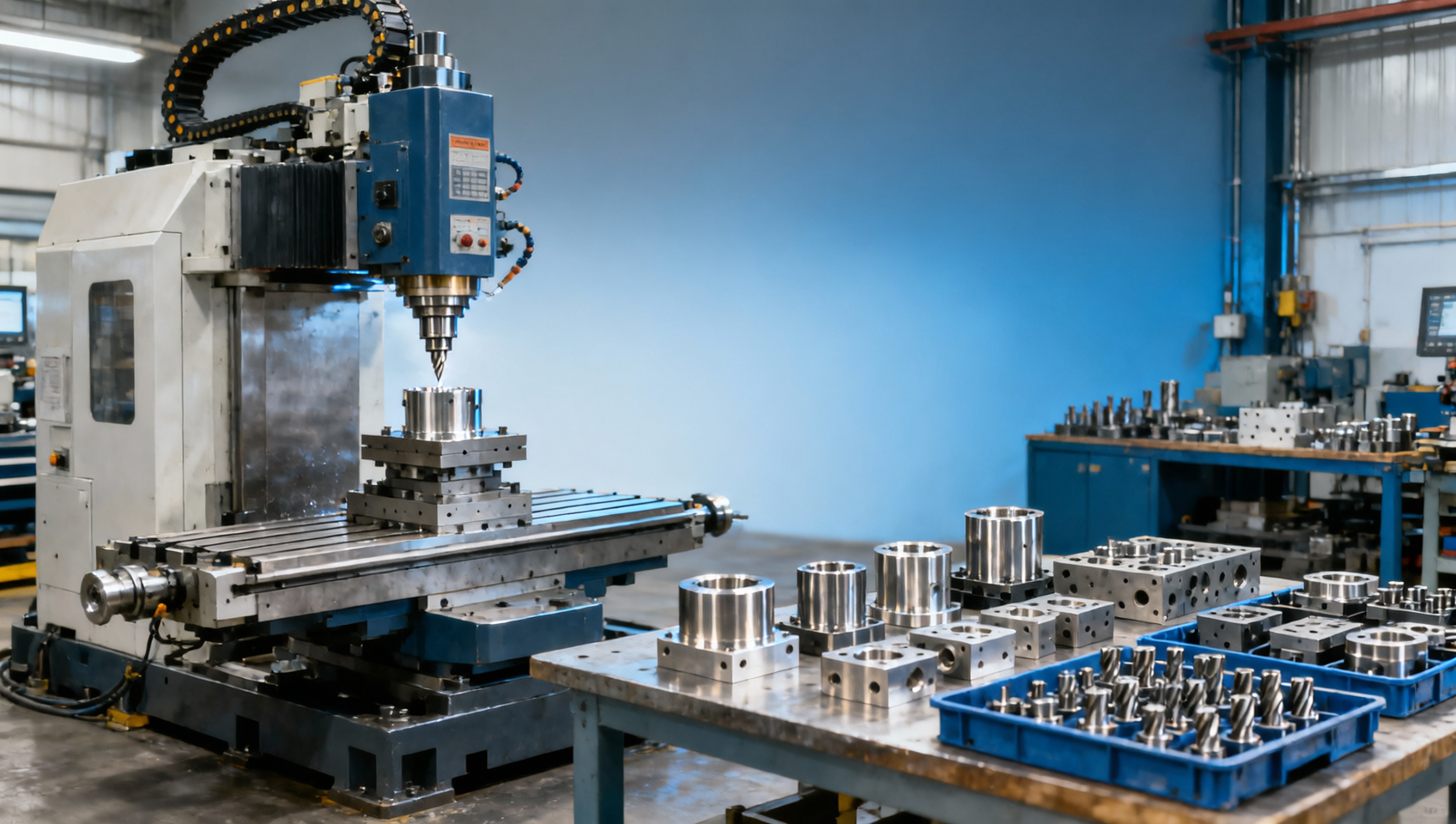
As customer demand shifts toward smaller order lots, CNC milling shops across the Global Manufacturing landscape are rethinking CNC production, production process design, and industrial automation strategies. From CNC milling and metal machining to automated production line upgrades, this article explores how the Manufacturing Industry is improving flexibility, controlling costs, and maintaining precision in an increasingly dynamic Machine Tool Market.
For buyers, operators, engineers, and plant managers, the move toward lower-volume, higher-mix production is no longer a niche issue. It affects quotation speed, fixture design, machine utilization, tool life, scheduling logic, quality control, and delivery promises. A shop that was optimized for runs of 500 pieces may struggle when customers now ask for 20, 50, or 100 parts across multiple revisions.
This shift is especially visible in automotive prototyping, aerospace spares, energy equipment upgrades, electronics housings, and customized industrial components. In many of these segments, shorter product cycles and more frequent engineering changes are forcing CNC milling shops to become more agile without sacrificing tolerances such as ±0.01 mm to ±0.05 mm on critical features.
The challenge is not simply producing fewer parts. It is building a production system that can absorb frequent setup changes, maintain stable quality over 1-piece to 200-piece batches, and protect margins even when setup time accounts for 20% to 40% of the total job time. The most competitive machine shops are responding with digital workflows, modular fixturing, smarter tooling strategies, and more disciplined job costing.
Why smaller order lots are reshaping CNC milling operations
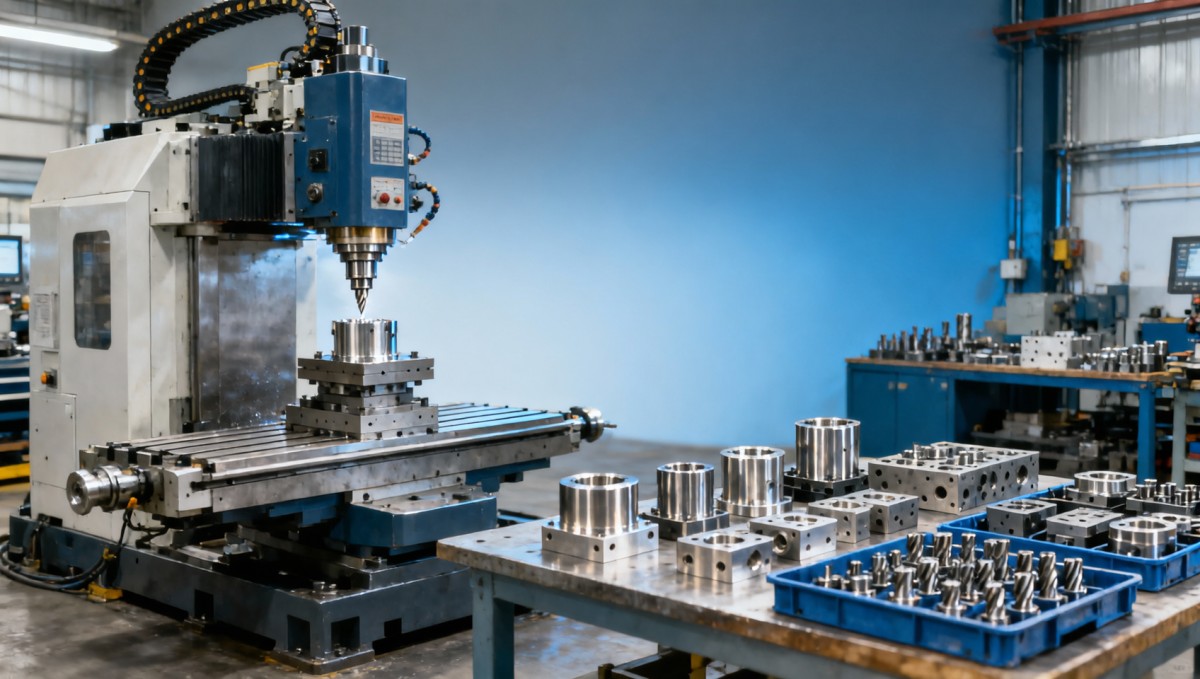
Smaller order lots are growing because manufacturers in many sectors are reducing inventory risk, launching more product variants, and shortening development cycles. Instead of placing one annual order for 2,000 parts, a customer may now issue 10 to 20 release orders across the year. This helps the customer manage cash flow and design updates, but it increases complexity for the CNC milling shop.
In traditional high-volume machining, the setup cost is spread over many pieces. In small-lot machining, each setup has a much higher cost impact per part. If a 2-hour setup supports 1,000 units, the setup burden is manageable. If the same setup supports only 25 units, pricing pressure becomes severe unless the shop reduces changeover time, standardizes workholding, and automates program preparation.
Another pressure point is planning. A shop running 15 to 30 active small-lot jobs per week must manage far more tool offsets, raw material types, revision controls, and first-article inspections than a shop focused on a few larger runs. Even a minor drawing revision or delayed material lot can disrupt machine loading plans for 2 to 3 shifts.
This is why flexibility is now a measurable production capability rather than a marketing phrase. In practical terms, flexibility means reducing setup time by 30% to 50%, shortening programming cycles from days to hours, and keeping on-time delivery above 95% even when demand fluctuates weekly. Shops that cannot adapt may still have good machines, but they lose competitiveness on lead time and responsiveness.
Main drivers behind the small-batch trend
- More customized products in sectors such as electronics, medical-related hardware, automation equipment, and aftermarket machinery parts.
- Procurement teams splitting annual demand into monthly or quarterly releases to reduce stock and obsolescence.
- Shorter design validation cycles, where prototype, pilot, and bridge production may happen within 6 to 12 months.
- Increased use of multi-axis machining for complex parts, which improves capability but raises setup and programming demands.
Where the operational pressure appears first
The first bottleneck is often quoting accuracy. Small-lot jobs require more precise estimation of setup time, tool consumption, fixturing effort, and inspection labor. If the estimate is off by even 30 minutes on a 20-piece job, the margin can disappear quickly. Buyers also compare suppliers more aggressively on low-volume lead times, often expecting quotations within 24 to 48 hours.
The second bottleneck is machine availability. A shop may own advanced 3-axis, 4-axis, or 5-axis equipment, but poor scheduling can leave machines idle between short jobs. Reducing non-cutting time becomes just as important as spindle speed or feed rate. In smaller lots, the hidden losses often come from waiting for tools, material, approvals, or inspection release rather than actual machining time.
How CNC milling shops are redesigning workflows for high-mix, low-volume production
The most effective response is workflow redesign rather than simply buying more equipment. Shops are mapping every stage from RFQ to shipment and identifying where short-run jobs lose time. In many cases, the biggest gains come from front-end engineering, digital job release, standardized setup sheets, and preset tooling rather than from cutting parameters alone.
A common improvement is grouping jobs by material family, fixture type, or spindle configuration. For example, several aluminum housing parts with similar vice setups can be processed in a planned sequence during the same 8-hour shift. This reduces setup repetition and improves tool continuity. Shops handling 20 to 80-piece lots often gain better throughput by batching similar setups than by running jobs strictly in due-date order.
Programming is also changing. CAM templates, postprocessor libraries, and repeatable machining strategies help shorten NC preparation by 25% to 40% for recurring part families. Operators benefit when tool lists, offsets, and probing routines are standardized. This lowers the risk of errors during changeovers and supports more stable first-pass yield.
Inspection workflows are being compressed as well. Instead of waiting until the end of a run, many shops now use in-process probing, first-off approval at the machine, and simplified inspection plans based on critical-to-quality features. This is particularly important when lot sizes are under 50 pieces, because a quality problem discovered after completion can destroy the economics of the entire order.
Typical workflow upgrades and their impact
The table below shows practical adjustments that CNC milling shops are making to handle smaller order lots more profitably.
The key lesson is that small-lot efficiency comes from system design. A shop with average spindle utilization but strong setup discipline can outperform a shop with newer machines but weak workflow control. For buyers and decision-makers, this means evaluating process maturity, not just installed machine count.
A 5-step implementation sequence
- Measure actual setup time on 10 to 20 representative jobs.
- Classify parts by material, tolerance level, and fixture family.
- Standardize tooling, offset sheets, and workholding interfaces.
- Digitize job packets, revision records, and inspection checkpoints.
- Review profitability by lot-size band, such as 1–10, 11–50, and 51–200 pieces.
Technology investments that make small-lot machining more viable
Not every CNC milling shop needs a fully automated smart factory to handle smaller orders, but targeted investments can make a significant difference. The most practical upgrades usually support faster setup, better repeatability, and improved data flow. These include tool presetters, pallet systems, quick-change workholding, machine probes, offline programming tools, and shop-floor scheduling software.
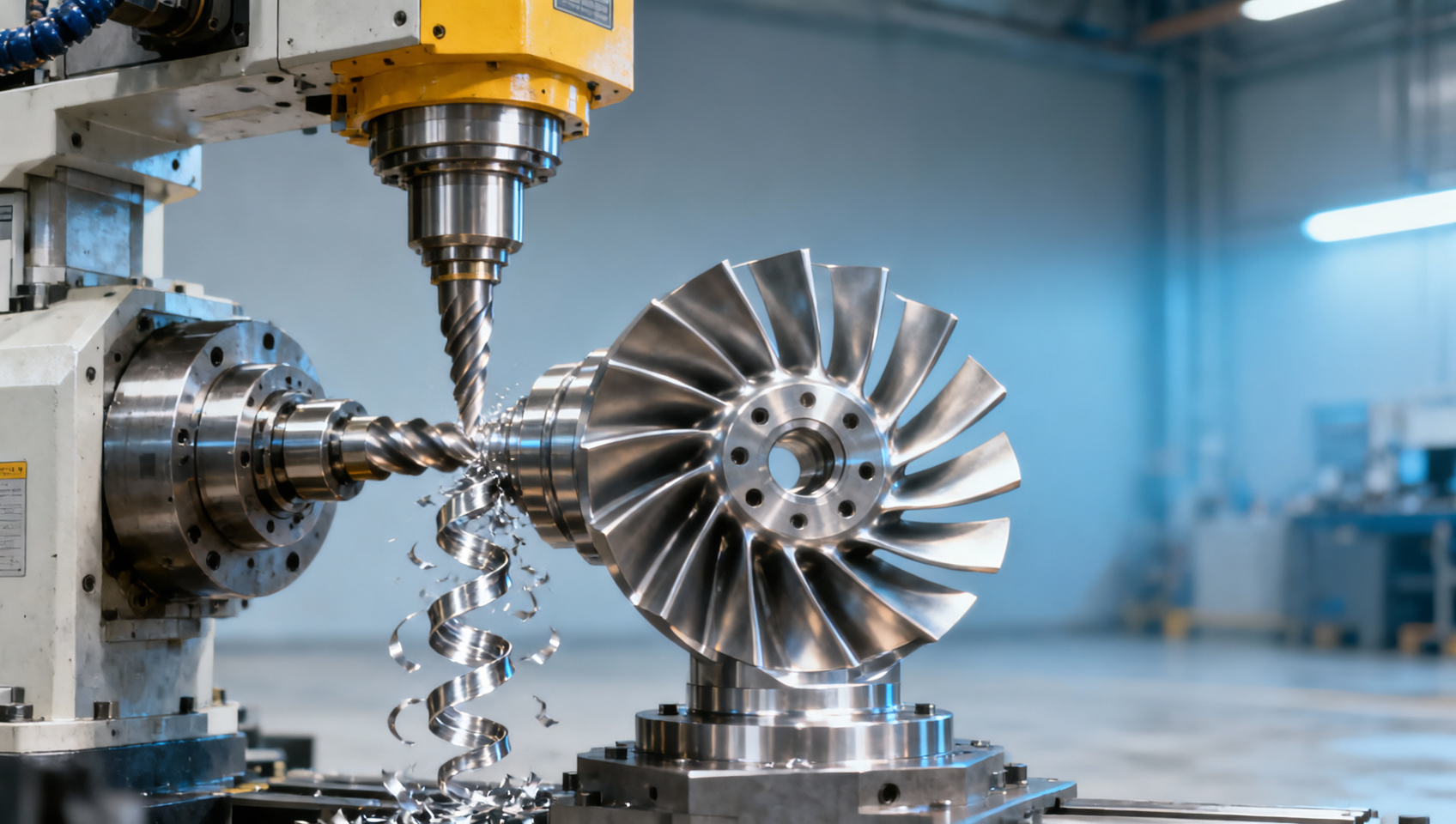
Multi-axis machining is also becoming more important. A 5-axis machining center can reduce the number of setups from 3 or 4 down to 1 or 2 for complex parts, which is especially valuable in batches of 5 to 50 pieces. Although the machine cost is higher, the reduction in handling, refixturing, and tolerance stack-up can improve both lead time and quality for aerospace brackets, impellers, manifolds, and precision structural parts.
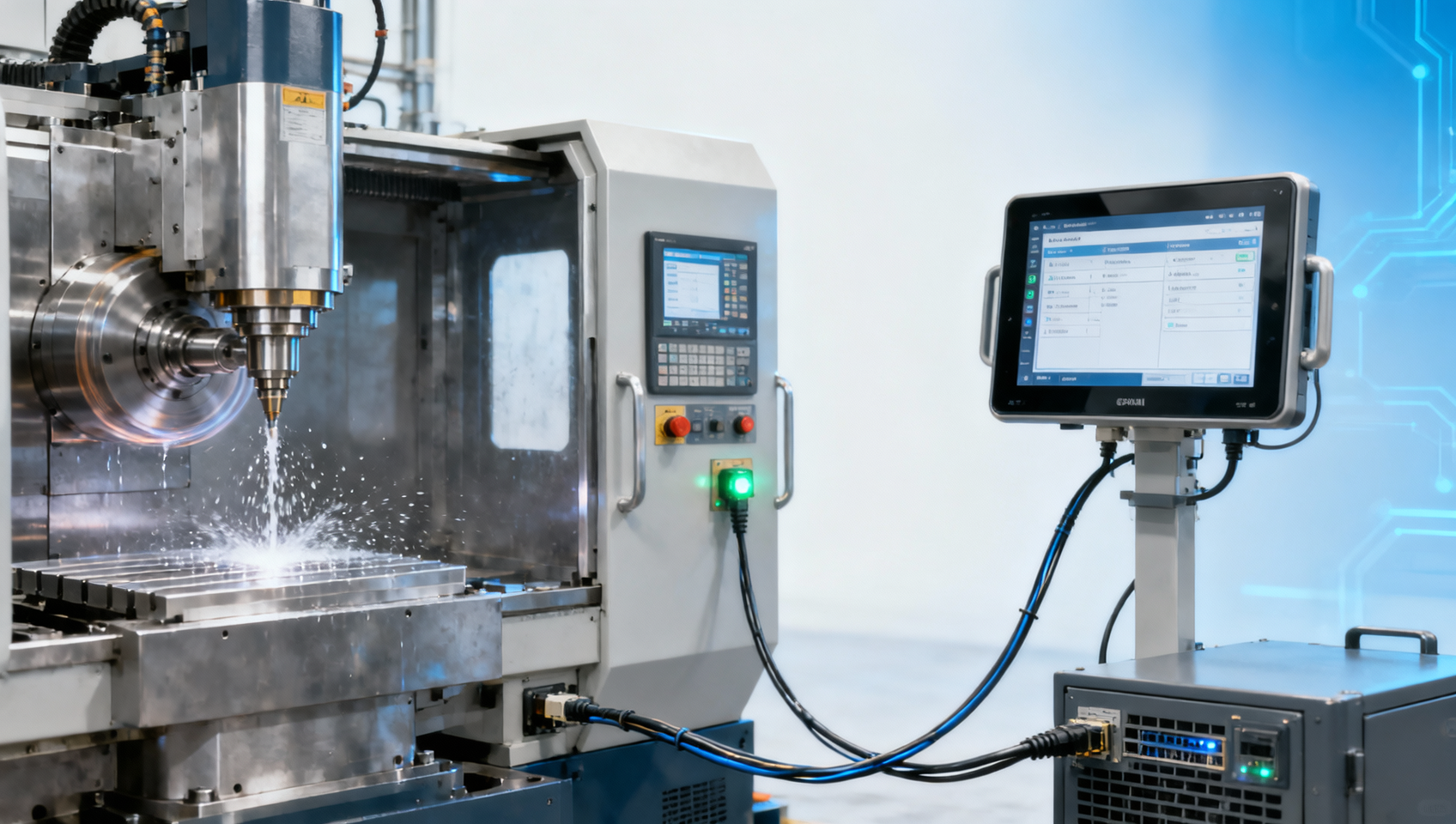
Automation is not only about robot loading. In smaller lots, digital automation often creates faster returns than physical automation. Examples include automatic tool life tracking, barcode-based job release, digital setup instructions, and ERP-MES integration that reduces administrative delays. Saving 10 minutes on setup documentation across 8 jobs per day can equal more productive spindle time than expected.
For operators, the most valuable technology is usually technology that prevents errors. Tool breakage detection, spindle probes, standardized offset management, and electronic revision control reduce the chance of scrap during frequent changeovers. When lot sizes are small, one rejected first article can delay shipment by 1 to 3 days and hurt customer confidence.
Comparing upgrade options for small-lot production
The following comparison helps buyers and plant managers prioritize investments based on application needs, budget level, and expected operational effect.
For many shops, the right path is incremental. A moderate investment in modular fixtures and digital setup control may generate faster operational benefit than a large automation project introduced before workflows are stable. Decision-makers should review return potential over 6 to 18 months, not only the initial capital cost.
Practical selection criteria
- How many setups per week exceed 45 minutes?
- What percentage of jobs require repeat fixturing within 3 months?
- How often do revision changes cause program or setup rework?
- Which jobs generate scrap during first-off approval or first 5 pieces?
Cost control, pricing strategy, and procurement considerations
Smaller order lots do not automatically mean higher total cost, but they do require a different pricing model. Suppliers need to separate one-time and recurring costs more clearly. Programming, fixture preparation, first-article inspection, and special tooling may be non-recurring charges, while machine time and material remain piece-based. This creates better transparency for buyers and helps prevent disputes when order quantities change from 200 pieces to 30 pieces.
Buyers should also understand that the lowest piece price is not always the best procurement decision. In small-lot CNC milling, lead time reliability, engineering responsiveness, and revision control can be just as important as unit price. A delayed 25-piece batch for an automation line or spare-parts program can cost more in downtime than the savings gained from choosing a cheaper but less agile supplier.
For enterprise decision-makers, supplier evaluation should include operational indicators. Examples include quotation turnaround within 24 to 72 hours, first-article approval process, lot traceability, tolerance capability, and realistic delivery windows such as 7 to 15 days for standard machined components and 2 to 4 weeks for complex multi-operation parts. These are stronger indicators of long-term value than simple catalog claims.
On the supplier side, profitability improves when shops define minimum charge thresholds, lot-size bands, and revision policies. For instance, a job under 10 pieces may require a setup fee floor, while repeat jobs within 90 days can receive reduced engineering charges if the process plan remains unchanged. This kind of commercial structure supports sustainable collaboration.
What procurement teams should compare
The table below summarizes practical procurement factors for low-volume CNC milling sourcing.
A strong procurement process should compare at least 4 dimensions: technical fit, delivery stability, commercial transparency, and change management. This approach helps both buyers and suppliers build realistic expectations for low-volume, high-mix production.
Common pricing mistakes to avoid
- Assuming the unit price from a 500-piece run should apply to a 30-piece repeat order.
- Ignoring inspection and documentation effort for tight-tolerance parts.
- Failing to define whether fixture preparation is amortized, reused, or charged per release.
- Overlooking the cost of expedited material sourcing for urgent low-volume jobs.
Implementation risks, operator realities, and what successful shops do differently
The transition to smaller order lots can fail if management focuses only on machine utilization and ignores human factors. Operators are central to small-lot success because they handle more setups, more offset changes, and more first-article decisions. If setup instructions are inconsistent or tooling is poorly organized, the workload becomes chaotic even in a technically advanced machine shop.
Training matters more in high-mix environments. An operator who can interpret setup sheets, verify probing routines, and identify fixture risks may save hours per week. Shops that cross-train machinists, setup technicians, and inspection staff often gain better resilience when demand changes suddenly. Even a 2-person improvement in setup capability can significantly raise output flexibility across a 3-shift operation.
Another risk is over-customization. Some shops create unique fixtures, tool lists, and program logic for every low-volume job, which destroys repeatability. The more sustainable strategy is controlled standardization: standard vise jaws where possible, repeatable datum structures, common tool assemblies, and stable setup documents. This reduces dependency on individual memory and makes repeat orders easier to launch.
Shops that perform well in the small-lot market usually manage three things consistently: fast engineering response, disciplined change control, and visible production status. They know which jobs are waiting on material, which are in setup, which have first-off approval pending, and which can be grouped by fixture family. That operational transparency is often the difference between a 7-day and a 14-day lead time.
FAQ for buyers, operators, and decision-makers
How small is a “small order lot” in CNC milling?
In practical machining terms, many shops treat 1 to 20 pieces as prototype or urgent low-volume work, 21 to 100 pieces as short-run production, and 101 to 300 pieces as medium-volume repeat work. The exact threshold depends on part complexity, setup time, and tolerance requirements rather than quantity alone.
Which parts benefit most from flexible small-lot machining?
Typical examples include aerospace brackets, automation machine components, custom enclosures, replacement mechanical parts, precision plates, and energy equipment components. These often involve frequent design updates, limited annual demand, or critical service requirements that make large inventory runs inefficient.
What lead time is realistic for small-batch CNC milled parts?
For standard materials and moderate geometries, many suppliers target 7 to 15 days. More complex parts with multiple setups, special material certification, or tight tolerances may require 2 to 4 weeks. Buyers should confirm whether the lead time includes first-article approval, finishing, and inspection reporting.
What should operators check first during frequent changeovers?
The first four checks should be fixture datum location, tool length and diameter verification, program revision status, and probing or offset routine confirmation. These checkpoints reduce the chance of scrapping the first 1 to 5 parts, which is especially important when the full lot may only be 20 pieces.
Smaller order lots are changing the economics and operating model of CNC milling shops across global manufacturing. Success now depends on faster setup, better digital control, modular tooling, clearer pricing, and stronger collaboration between engineering, operations, and procurement. Whether the goal is shorter lead times, more flexible sourcing, or better machine utilization, the most effective solutions are process-driven and measurable.
If you are evaluating CNC machining partners, upgrading an existing machine shop, or refining your procurement strategy for low-volume production, now is the right time to review your workflow and supplier criteria. Contact us to discuss your application, get a customized solution, or learn more about practical CNC production strategies for smaller order lots.
Recommended for You
 Heavy-duty Machining Center for mold making: Why coolant filtration standards evolve faster than OEM manualsMachine Tool Industry Editorial Team
 Quick-change Fixture Design for CNC turning: Why clamping force consistency drops after 200 cyclesCNC Machining Technology Center
 5 Axis Machining for impeller manufacturing: Why toolpath smoothing affects surface fatigue lifeCNC Machining Technology Center
 Lean Production Process implementation: Where value stream mapping fails to expose hidden machine downtimeManufacturing Market Research Center
 Modular Tooling System for flexible manufacturing: Why interface repeatability degrades faster than expectedMachine Tool Industry Editorial Team
 Industrial Automation control system for CNC machines: When cybersecurity updates disrupt scheduled maintenanceMachine Tool Industry Editorial Team

Aris Katos
Future of Carbide Coatings
15+ years in precision manufacturing systems. Specialized in high-speed milling and aerospace grade alloy processing.
▶
Digital Manufacturing Technology for smart factory: Where data latency breaks real-time control loopsManufacturing Market Research Center▶
Industrial Robotics Adoption Is Rising Beyond Automotive PlantsManufacturing Market Research Center▶
Automated Production Needs Flexibility More Than Speed NowManufacturing Market Research Center▶
Global Manufacturing in 2026 may favor regional over distant supplyManufacturing Market Research Center▶
What is pushing the Manufacturing Industry toward flexible output?Manufacturing Market Research Center
Mastering 5-Axis Workholding Strategies
Join our technical panel on Nov 15th to learn about reducing vibrations in thin-wall components.

Providing you with integrated sanding solutions
Before-sales and after-sales services
Comprehensive technical support