• Global CNC market projected to reach $128B by 2028 • New EU trade regulations for precision tooling components • Aerospace deman
NYSE: CNC +1.2%LME: STEEL -0.4%

Automated Lathe or Manual Setup: Where Downtime Really Hides
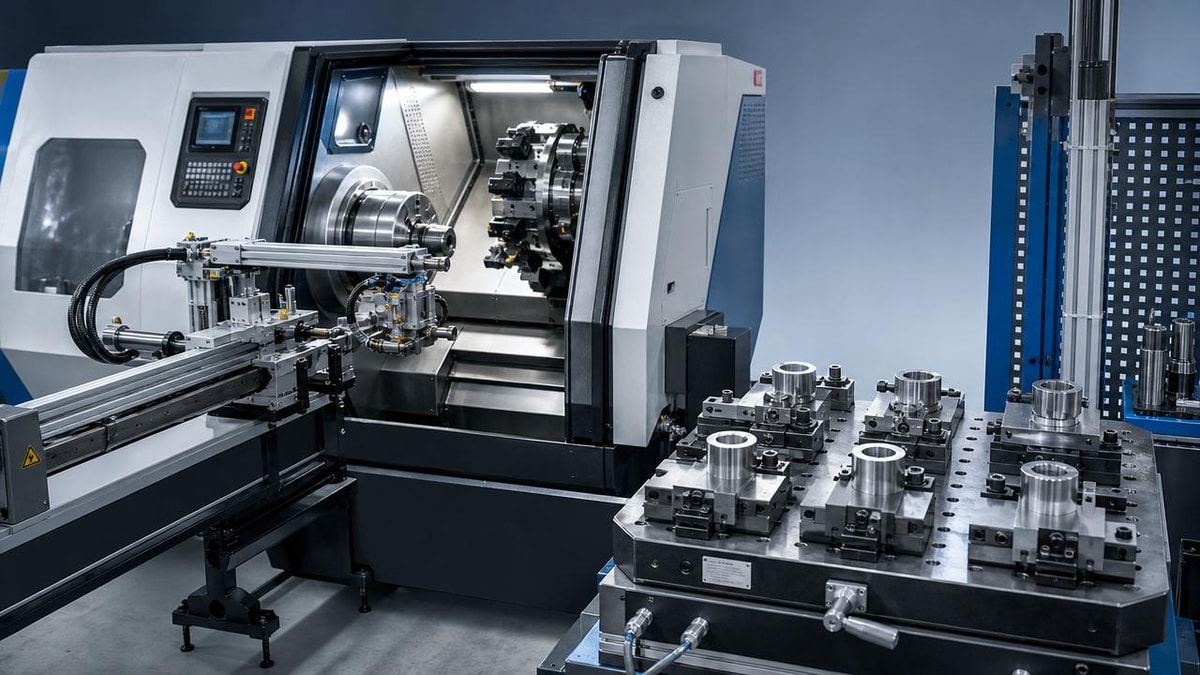
Choosing between an automated lathe and a manual setup is rarely a simple question of machine speed. For project managers and engineering leads, the bigger issue is where production time is actually lost. In many shops, downtime hides in changeovers, waiting for skilled operators, inconsistent setups, maintenance delays, and quality problems that only appear after parts have already moved downstream.
The practical answer is this: an automated lathe often reduces visible labor and improves repeatability, but it does not automatically remove downtime. In the wrong production environment, automation can simply shift downtime from the operator to programming, tooling, sensors, feeders, or maintenance. Manual setups, on the other hand, may appear flexible and lower-risk at first, yet they often depend heavily on specific people and create hidden instability that affects schedule reliability.
For project leaders responsible for delivery, cost, and capacity planning, the real decision is not “automated or manual” in theory. It is which setup creates less total interruption across the full production cycle. That includes setup time, recovery from errors, operator availability, maintenance response, quality consistency, and the ability to handle product mix without damaging throughput.
Where project managers usually misread downtime
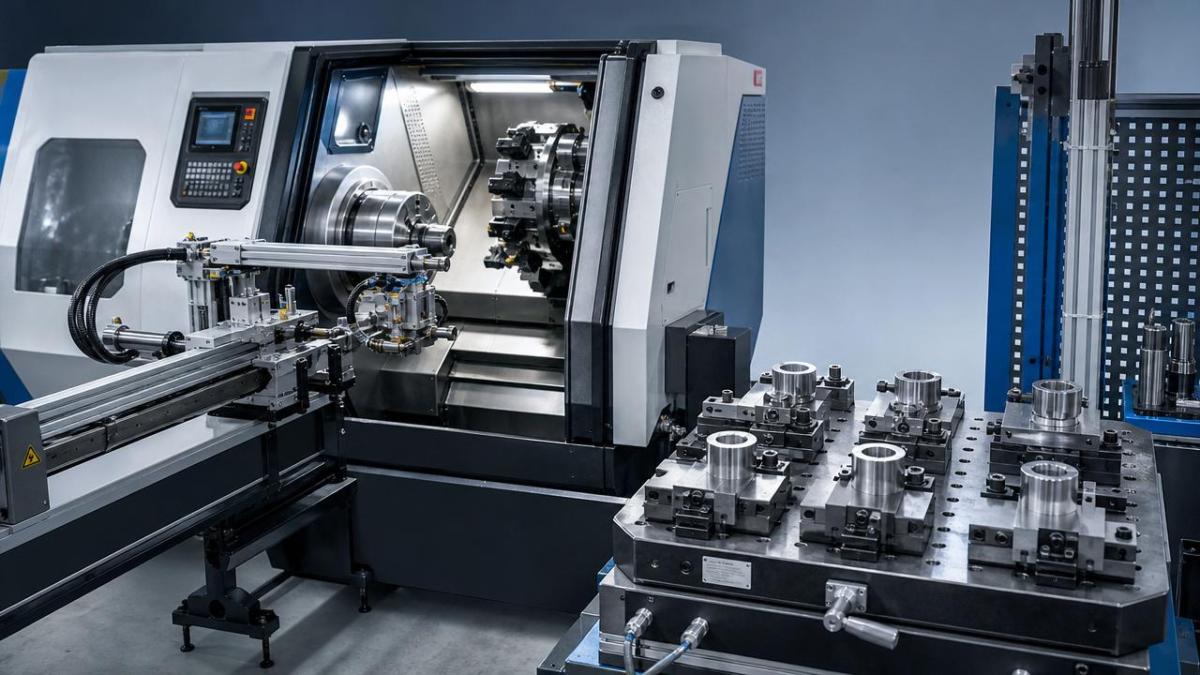
Many equipment decisions are still made using cycle time comparisons, hourly rates, or purchase cost alone. Those numbers matter, but they rarely capture the full operational picture. A faster machine can still become the bigger bottleneck if each job change requires complex fixture adjustments, program validation, or troubleshooting of automated handling components.
Project managers tend to encounter downtime in the form of missed milestones, delayed customer shipments, overtime costs, and unstable weekly output. By the time those problems appear on a dashboard, the root causes are often buried in small events that no one classifies as major stoppages. Ten minutes waiting for setup approval, twenty minutes replacing worn tooling, or repeated first-piece checks can add up to more lost production than the machining cycle itself.
This is why the comparison between an automated lathe and a manual setup should be framed around total productive time. The key question is not which machine can cut faster. It is which production method keeps parts flowing with fewer interruptions across a full shift, a full week, and a full mix of jobs.
The hidden downtime sources behind manual setups
Manual setups remain valuable in many operations, especially where product variety is high, batch sizes are small, and frequent engineering changes are expected. They offer flexibility, simpler troubleshooting, and lower initial investment. However, their hidden downtime is often underestimated because it is spread across labor-dependent activities rather than recorded as machine alarms.
One major source is operator dependency. If setup quality relies on the experience of one or two senior machinists, output becomes vulnerable to shift changes, absence, or inconsistent handoff. Even when the machine is available, production may pause because the right person is not. For project managers, this creates planning risk that does not appear in machine utilization reports.
Another common issue is setup variation. Manual touch-offs, clamp adjustments, and fixture alignment can produce small differences from one run to the next. Those differences increase the need for first-piece inspection, correction loops, and occasional scrap. Each event may seem manageable on its own, but together they slow line recovery and reduce confidence in schedule commitments.
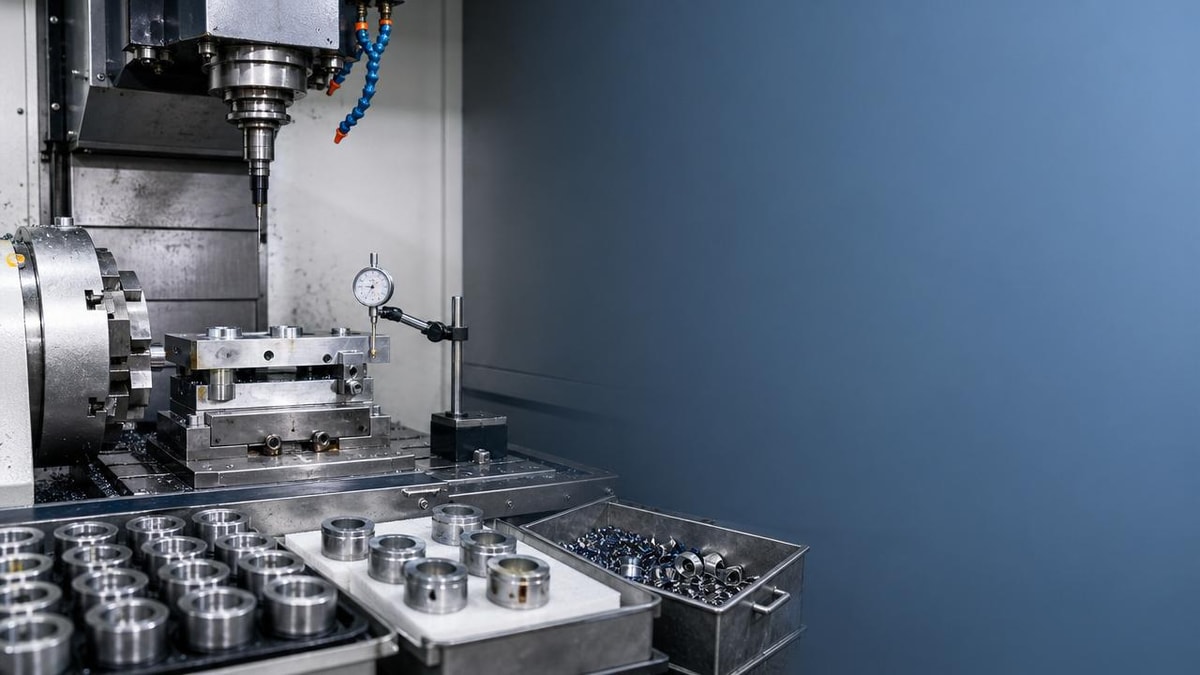
Manual setups also tend to hide downtime in preparation work. Tool gathering, offset verification, fixture swapping, and work instruction clarification often happen before the spindle starts. Because that time may not be logged directly as machine downtime, decision-makers can easily underestimate its impact when comparing against an automated lathe.
Automation reduces some delays but creates new ones
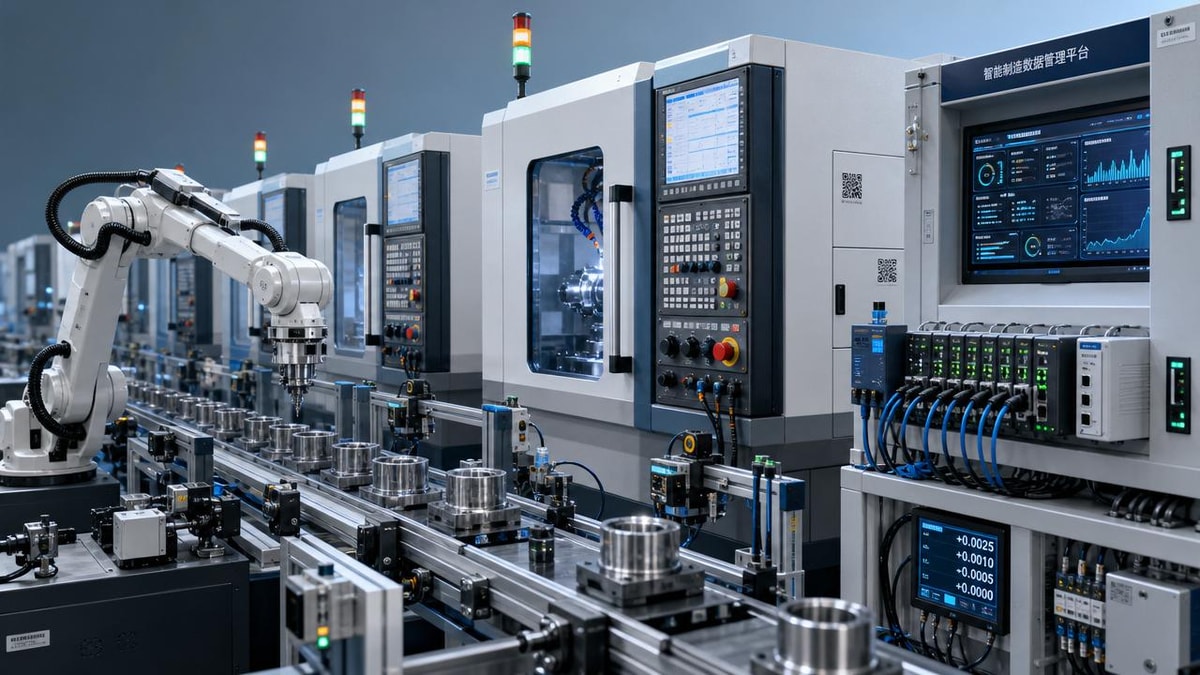
An automated lathe can significantly improve repeatability, unattended run time, and labor efficiency. For stable part families and predictable volumes, it often delivers strong gains in throughput and cost control. Once the process is proven, automatic loading, standardized tool paths, and integrated monitoring can reduce variability that manual setups struggle to control.
But automation changes the downtime profile rather than eliminating it. Instead of pausing for manual setup tasks, production may stop because of feeder misalignment, bar stock issues, robot pick failures, sensor faults, interlock errors, or program revision problems. These events can be less frequent than manual delays, but they may take longer to diagnose and recover from if technical support is limited.
This matters especially in mixed-production environments. An automated lathe performs best when process conditions are stable. If the shop handles frequent part changes, short runs, and ongoing design revisions, the time spent validating programs, resetting automation peripherals, and confirming collision-safe sequences can quickly eat into the expected productivity gains.
There is also a skills shift. Manual systems depend more on machining experience at the machine. Automated systems require stronger programming discipline, maintenance coordination, and process engineering support. If a company invests in automation without building those support functions, downtime may move upstream into planning and downstream into recovery.
Changeover time is often the real decision point
For project managers, changeover performance is usually the most useful lens for deciding between an automated lathe and a manual setup. In high-mix manufacturing, changeovers influence available capacity far more than nameplate machine speed. A machine that runs extremely fast on one part but requires long preparation for the next order may contribute less weekly output than a slower but more adaptable alternative.
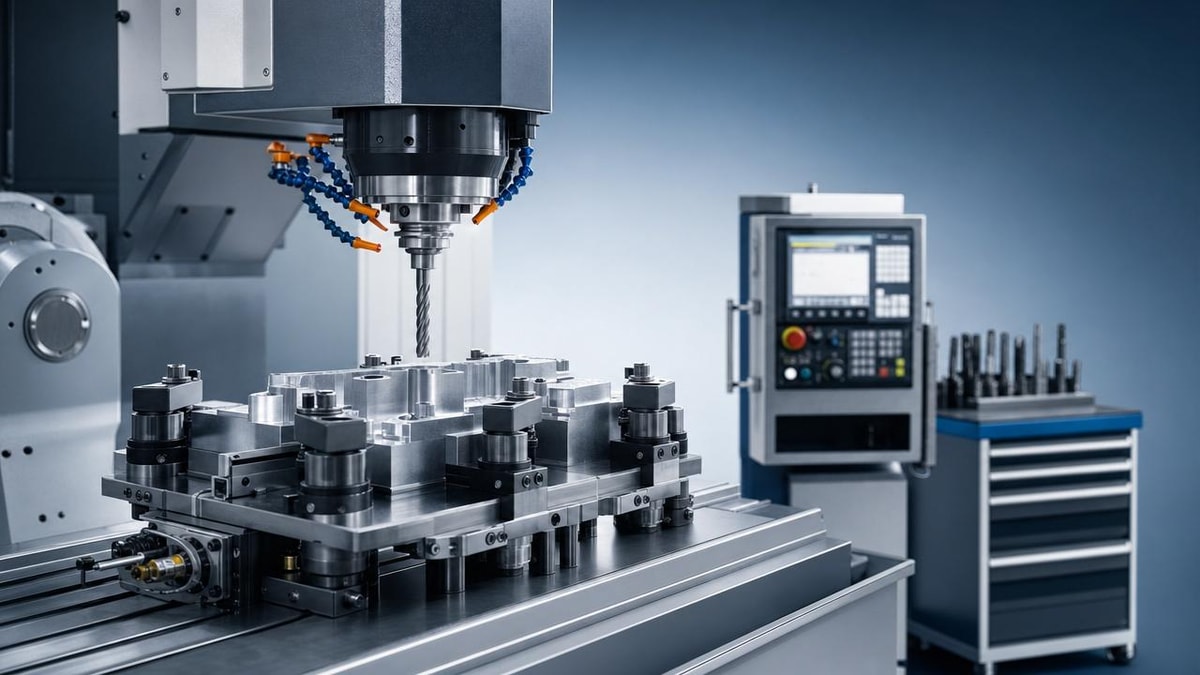
Automated lathes can shorten changeovers when the process is standardized. Tool libraries, preset offsets, modular fixtures, and repeatable automation sequences support fast switchover. However, these gains only happen if the organization has disciplined engineering control. Poor documentation, uncontrolled program edits, or inconsistent fixture strategies can make automated changeovers surprisingly slow.
Manual setups may still outperform automation when products are highly variable and setup decisions require human judgment. In prototype work, repair jobs, or small-batch specialty production, the flexibility of an experienced operator can reduce total elapsed time even if the actual machining cycle is longer.
The right comparison is not average setup time alone. Project leaders should evaluate total changeover burden, including offline preparation, approval steps, proving-out, quality verification, and the ease of returning to production after an interruption. Those are the areas where downtime hides most effectively.
How to evaluate the true business case
If the goal is better delivery reliability, the business case should include more than labor savings. Project managers should assess how each option affects schedule stability, staffing resilience, quality escapes, maintenance demand, and the ability to absorb changing order patterns. A lower-cost setup can become more expensive if it creates repeated micro-stoppages that force overtime or late shipments.
Start with four measurements. First, track actual setup-to-first-good-part time. Second, measure unplanned stops by cause, not just by duration. Third, calculate first-pass yield after every changeover. Fourth, compare planned output versus achieved output across a realistic production mix rather than a single ideal part.
It is also useful to separate downtime into visible and hidden categories. Visible downtime includes machine alarms, breakdowns, and major stoppages. Hidden downtime includes waiting for tools, searching for programs, quality rechecks, operator clarification, and restart delays after minor process deviations. Many investment decisions fail because only visible downtime is included in the model.
When evaluating an automated lathe, include support costs for training, preventive maintenance, spare parts, integration, and process engineering. When evaluating manual setups, include the cost of skill concentration, longer ramp-up for new staff, inconsistent output, and higher inspection involvement. This approach gives a much clearer picture of total operational risk.
When an automated lathe makes the most sense
An automated lathe is usually the stronger choice when part geometry is repeatable, annual volume is sufficient, tolerances require consistency, and labor availability is a constraint. It is also well suited to operations where customer commitments depend on predictable throughput and where management wants to reduce dependence on individual setup expertise.
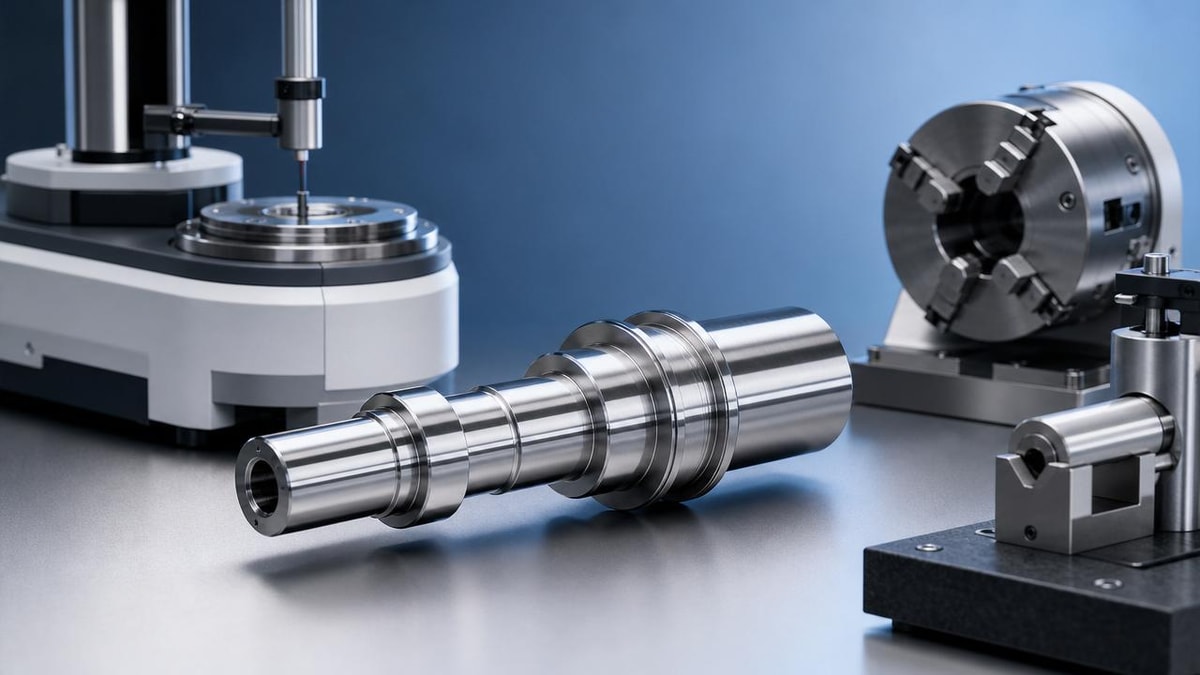
Shops producing shaft components, precision discs, and recurring turned parts for automotive, electronics, energy equipment, or industrial supply chains often benefit from automation once the process family is stable. In these settings, reduced variation, longer unattended running windows, and better integration with digital production control can create meaningful gains.
Automation is especially attractive when downtime today is caused by repeated manual intervention rather than fundamental process instability. If operators spend too much time loading material, resetting offsets, or making routine corrections, an automated lathe may remove a large share of those interruptions. The key is that the process must already be capable enough to automate successfully.
When manual setups are still the smarter choice
Manual setups remain strategically important in environments where flexibility is worth more than raw speed. If the business handles short runs, custom work, engineering prototypes, or frequent design updates, manual methods can protect responsiveness and reduce the overhead of reprogramming or revalidating automated sequences.
They are also practical when internal support capability for automation is still immature. A company may purchase advanced equipment, but if it lacks programming standards, maintenance readiness, spare part planning, or stable process documentation, the promised uptime may not materialize. In that case, a simpler setup can deliver more dependable output while the organization builds the foundations for automation later.
For project leaders, this is not a step backward. It is a risk-based decision. The most advanced machine is not always the best asset if the surrounding production system cannot sustain it. Capacity depends on the entire operating model, not only the machine specification.
A practical decision framework for project leaders
To make a sound decision, project managers should ask five practical questions. How often will jobs change? How much downtime currently comes from people versus process variation? How quickly can the team recover from a fault? What level of engineering and maintenance support is available? And how critical is delivery predictability compared with capital conservation?
If volume is stable, part families are repeatable, and the organization can support programming and maintenance discipline, an automated lathe will often provide the stronger long-term result. If demand is volatile, setups are highly variable, and response speed matters more than labor reduction, manual setups may preserve more usable capacity.
The best decision may also be hybrid rather than absolute. Many manufacturers gain the most by assigning recurring production to automation while keeping manual or semi-manual capacity for new product introduction, urgent change orders, and unstable work. This reduces risk and prevents one equipment strategy from carrying every type of demand.
Conclusion: downtime is rarely where the brochure says it is
When comparing an automated lathe with a manual setup, the real issue is not theoretical efficiency. It is where downtime hides inside your production system. Manual setups often lose time through operator dependency, inconsistency, and preparation gaps. Automated systems often lose time through changeover complexity, technical faults, and support weaknesses.
For project managers and engineering leaders, the smartest choice is the one that delivers the most stable output with the fewest recoveries, not simply the shortest cycle time. If you evaluate setup burden, fault recovery, quality stability, and organizational support with equal attention, the right answer becomes much clearer.
In other words, choose the production method that removes interruption from the whole workflow, not just from the spindle. That is where delivery performance, cost control, and real manufacturing capacity are won.
PREVIOUS ARTICLE
Recommended for You
 Industrial Machining Equipment Lead Times Are Changing AgainManufacturing Market Research Center
 Where Industrial Robotics Adds Value Beyond Simple Labor SavingsMachine Tool Industry Editorial Team
 Shaft Parts Machining Problems That Show Up After Final InspectionCNC Machining Technology Center
 Production Process Variations That Quietly Raise Scrap RatesCNC Machining Technology Center
 Industrial Automation Projects Fail When Data Is Added Too LateCNC Machining Technology Center
 CNC Metal Cutting Quality Drops Often Start With ClampingMachine Tool Industry Editorial Team

Aris Katos
Future of Carbide Coatings
15+ years in precision manufacturing systems. Specialized in high-speed milling and aerospace grade alloy processing.
▶
Industrial Turning Jobs That Need Process Review Before QuotingCNC Machining Technology Center▶
Industrial Lathe Accuracy Problems That Look Like Tool WearCNC Machining Technology Center▶
Automated Lathe or Manual Setup: Where Downtime Really HidesCNC Machining Technology Center▶
Vertical lathe or horizontal setup for heavy parts?CNC Machining Technology Center▶
How to tell when a metal lathe no longer meets tolerance needsCNC Machining Technology Center
Mastering 5-Axis Workholding Strategies
Join our technical panel on Nov 15th to learn about reducing vibrations in thin-wall components.

Providing you with integrated sanding solutions
Before-sales and after-sales services
Comprehensive technical support