• Global CNC market projected to reach $128B by 2028 • New EU trade regulations for precision tooling components • Aerospace deman
NYSE: CNC +1.2%LME: STEEL -0.4%

CNC Milling Setup Errors That Keep Repeating Across Shifts
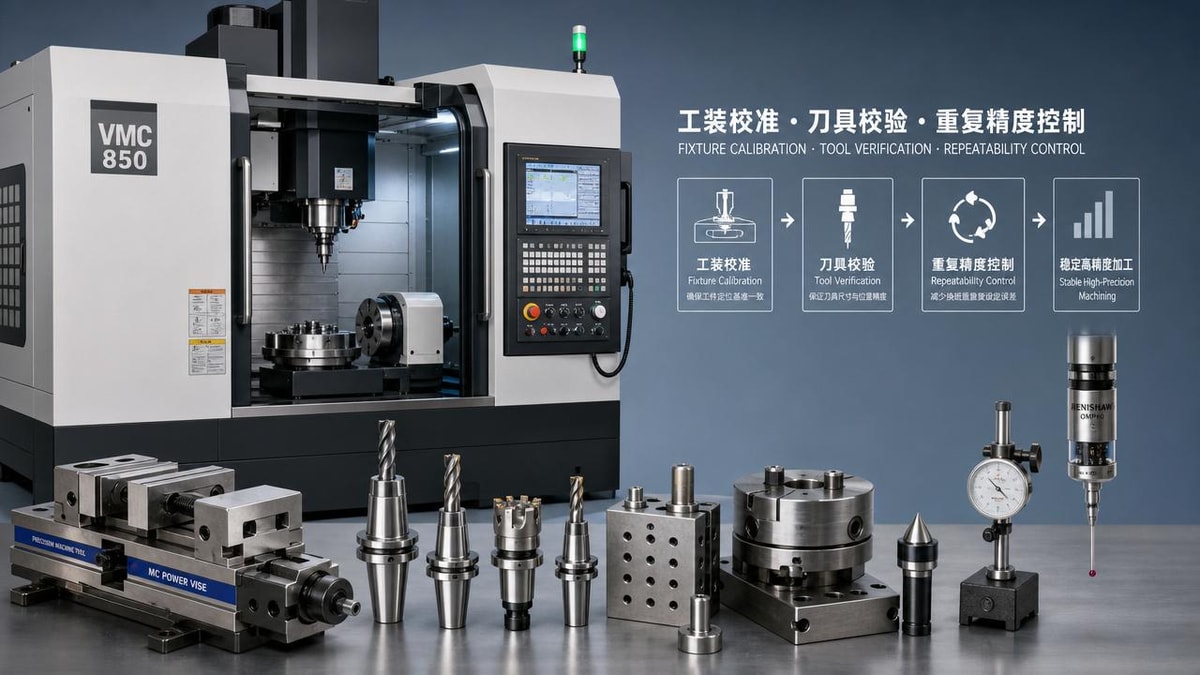
Recurring setup mistakes in CNC milling rarely come from one operator alone—they often reflect gaps in shift handovers, tool verification, fixture checks, and process discipline. For machine users and operators, understanding why these errors keep repeating is the first step to reducing scrap, improving consistency, and keeping production on target across every shift.
Why repeated setup errors in CNC milling deserve attention
In modern manufacturing, CNC milling supports the production of precision housings, structural parts, plates, slots, pockets, and complex surfaces across automotive, aerospace, electronics, energy equipment, and general industrial applications. Because the process depends on accurate zero setting, stable workholding, verified tools, and consistent machine offsets, even a small setup deviation can spread into many defective parts before anyone reacts. That is why recurring errors across shifts are not simply operator mistakes; they are often system-level weaknesses inside the production environment.
For operators, this issue matters in practical terms. Repeated setup problems in CNC milling increase scrap, rework, machine downtime, tool breakage, and stress on the shop floor. They also weaken trust between shifts. Day shift may blame night shift, while night shift may inherit incomplete notes, unclear offset records, or worn fixtures that were never reported. In high-precision manufacturing, this cycle can quietly damage delivery performance and overall equipment efficiency.
The wider machine tool industry is moving toward higher automation, digital integration, and smarter process control. Yet many production losses still begin with basic setup discipline. Even advanced machining centers and multi-axis systems cannot protect a job if the wrong tool length offset is loaded, the clamping force is inconsistent, or the work coordinate is carried over from the previous part family. That makes setup reliability one of the most important foundations of stable CNC milling results.
What repeated setup errors usually mean
A setup error is any mistake made before or during preparation that affects machining accuracy, repeatability, or safety. In CNC milling, these errors often involve work offsets, tool data, fixture positioning, raw material orientation, clamping pressure, probing routines, and program selection. When they repeat across shifts, the real problem is usually not one individual. It is a process that allows the same weakness to pass from one team to the next.
Repeated errors usually point to one or more of the following conditions: setup instructions are incomplete, shift handover is informal, inspection feedback does not return to the machine in time, fixture wear is not tracked, tool life management is weak, or no one owns the final verification step. In other words, the machine may be capable, but the setup system is not yet controlled.
Common setup mistakes that keep returning in CNC milling
Most repeating problems in CNC milling fall into a limited number of categories. Operators who can recognize these patterns early are far more likely to stop scrap before it grows.
- Incorrect work offset entry or failure to confirm the active coordinate system.
- Tool length or diameter offsets entered from an outdated tool list.
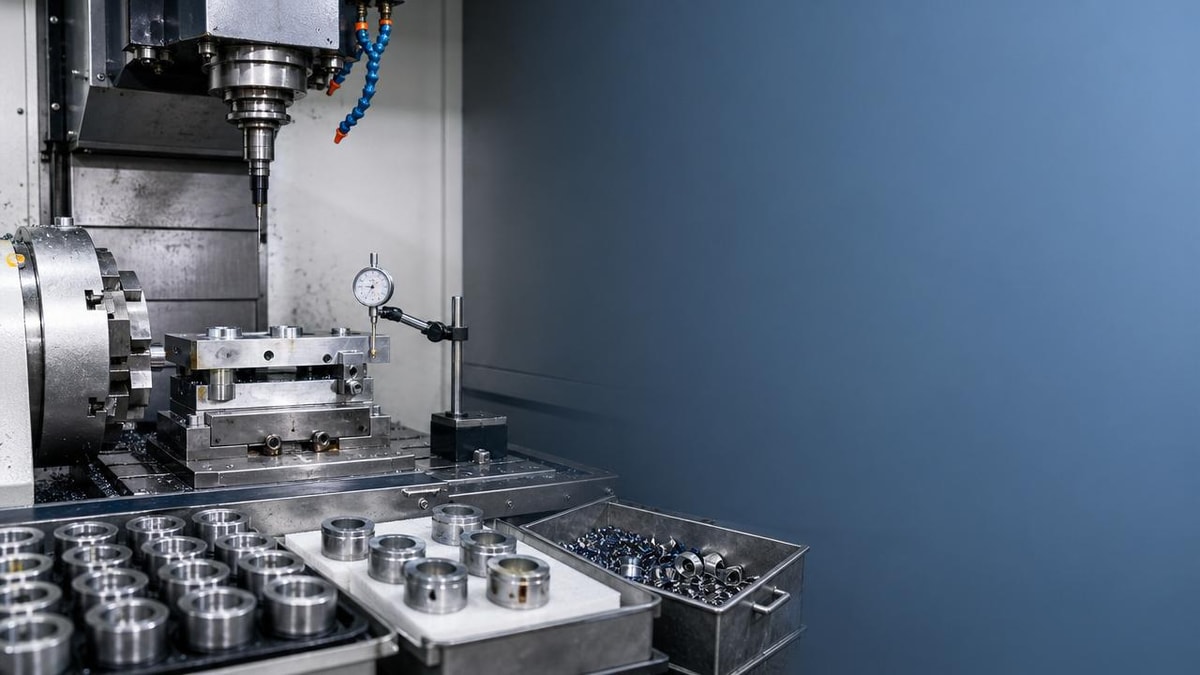
- Fixture not fully seated because chips remain under locating surfaces.
- Part loaded in the wrong orientation, especially on similar-looking workpieces.
- Clamp force too high or too low, causing distortion or part movement.
- Wrong revision of the NC program called after a changeover.
- Probe routine skipped, interrupted, or accepted without reviewing the result.
- Wear compensation carried over from the previous shift without explanation.
These are basic items, but they repeat because they sit at the intersection of people, machines, tooling, and communication. In many shops, the process depends too much on memory and not enough on a visible, standard method.
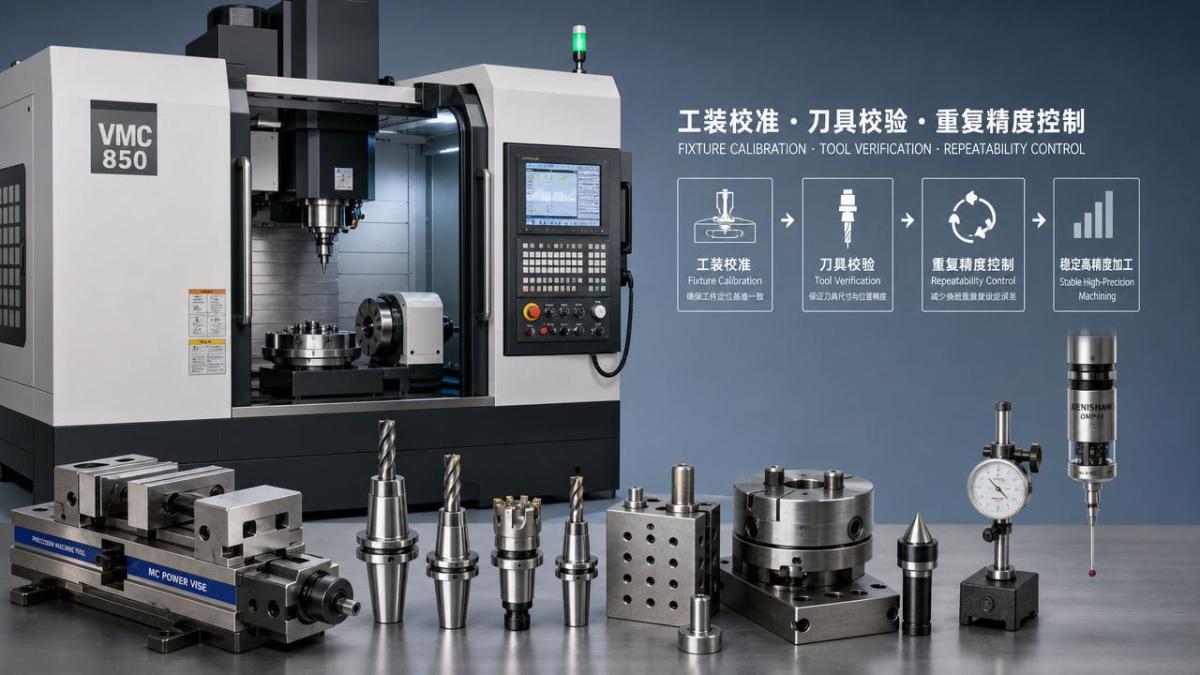
Industry context: why the problem persists even in advanced shops
The global precision manufacturing sector has become more demanding. Tighter tolerances, shorter lead times, smaller lot sizes, more frequent job changes, and mixed-model production all increase setup pressure in CNC milling. In addition, many facilities now operate around the clock to improve spindle utilization. That means more shift transitions, more operator variation, and more opportunities for information loss.
At the same time, machine tools are becoming more capable. High-speed spindles, automatic tool measurement, pallet systems, and digital monitoring can reduce manual risk, but only when the underlying setup routine is disciplined. Technology helps, yet it does not replace a clear handover process, a fixture inspection standard, or a first-piece approval rule. This is why recurring CNC milling setup errors still appear in both small workshops and highly automated plants.
Where operators see the biggest impact
For machine users and operators, repeated setup issues are not abstract quality concerns. They directly affect daily production performance. The first impact is dimensional instability. A job that ran well in one shift may suddenly drift because offset logic changed without proper documentation. The second impact is wasted time. Operators stop production, search for causes, repeat setup checks, and wait for inspection, which reduces confidence and output.
There is also a safety dimension. In CNC milling, an incorrect tool or fixture condition can lead to crashes, broken cutters, or damaged workholding components. Even when no accident occurs, repeated setup mistakes create mental overload. Operators become hesitant, recheck everything, and lose rhythm. Over time, that lowers efficiency and increases the chance of missing another detail.
A practical overview of recurring causes
Typical scenarios across different production environments
The same CNC milling setup issue can look different depending on the production setting. In high-mix, low-volume work, operators switch jobs frequently, so program selection and setup sheet accuracy become critical. In medium-volume batch production, fixture seating and tool wear tracking often drive repeatability. In automated cells, the challenge may shift toward data accuracy, probe validation, and recovery procedures after alarms or tool changes.
Shops producing aerospace or energy components often face stricter traceability demands, so undocumented setup changes create major compliance risk. In electronics and small precision part manufacturing, even slight clamping distortion or thermal drift can push features out of tolerance. Across all of these environments, the message is consistent: recurring setup mistakes in CNC milling are process problems first and human problems second.
Practical ways to break the cycle
Operators do not need a complex transformation plan to reduce repeated setup errors. They need a stable routine that can survive shift changes. Start with a short but mandatory handover checklist. It should cover current part number, program revision, active work offset, tool replacements, wear compensation changes, fixture issues, inspection concerns, and any process alarms from the previous shift. If this information is not visible and standardized, important details will be lost.
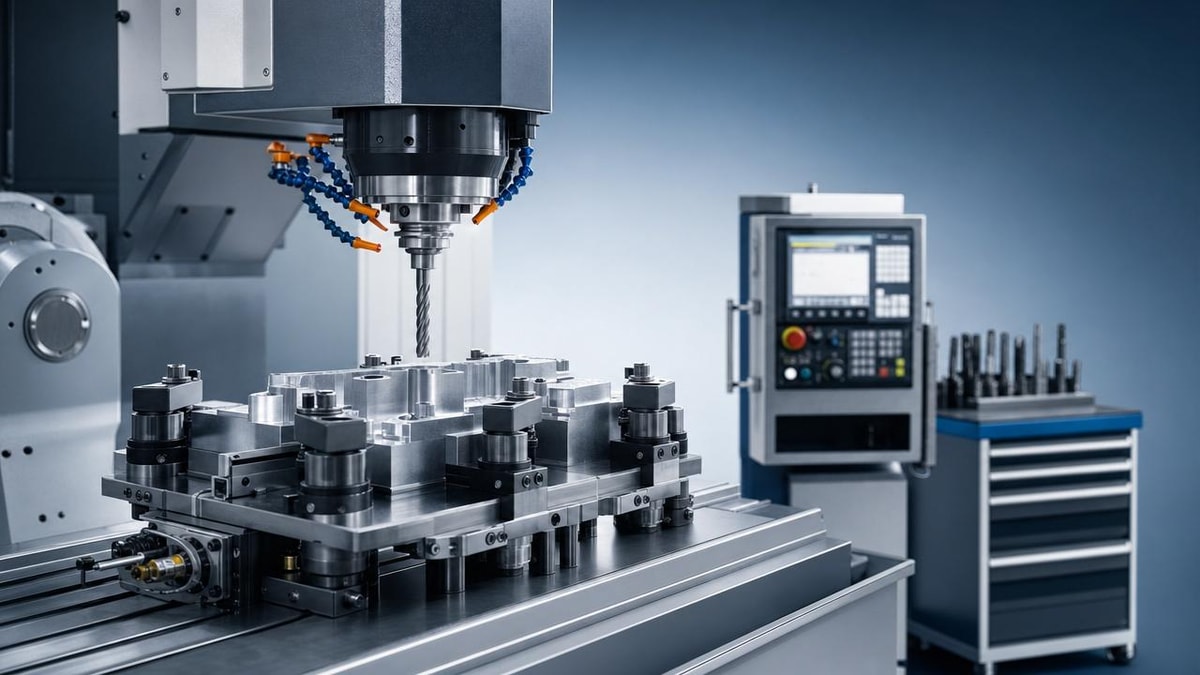
Next, strengthen verification at the machine. In CNC milling, the most reliable setups come from layered checks rather than a single final glance. Confirm the fixture is clean and seated, confirm part orientation, confirm tool numbers and offset values, confirm program revision, and confirm the first-cycle dry run or safe start method when required. For repeat jobs, avoid assuming that “nothing changed.” Repetition often hides drift.
It also helps to define ownership. One operator may install the setup, another may run first-piece inspection, and a supervisor may approve release. When responsibility is unclear, missed details remain invisible. When responsibility is clear, recurring CNC milling setup errors become easier to trace and prevent.
Recommended operator habits
- Record every nonstandard offset change before leaving the machine.
- Treat fixture cleanliness as a measurement issue, not just a housekeeping issue.
- Compare tool list, setup sheet, and machine tool magazine before cycle start.
- Use first-piece confirmation to verify both dimensions and process assumptions.
- Flag repeat problems by pattern, not only by the last defective part.
What supervisors and process teams should support
While operators play a central role, long-term improvement depends on broader shop support. Supervisors should make setup documentation easy to use, not overly complicated. Process engineers should ensure setup sheets match the real machine condition, fixture version, and current tooling plan. Quality teams should provide fast feedback loops so dimensional drift is corrected at the source. Maintenance teams should inspect fixture wear, spindle condition, and probing reliability before these become hidden contributors to repeat setup failure.
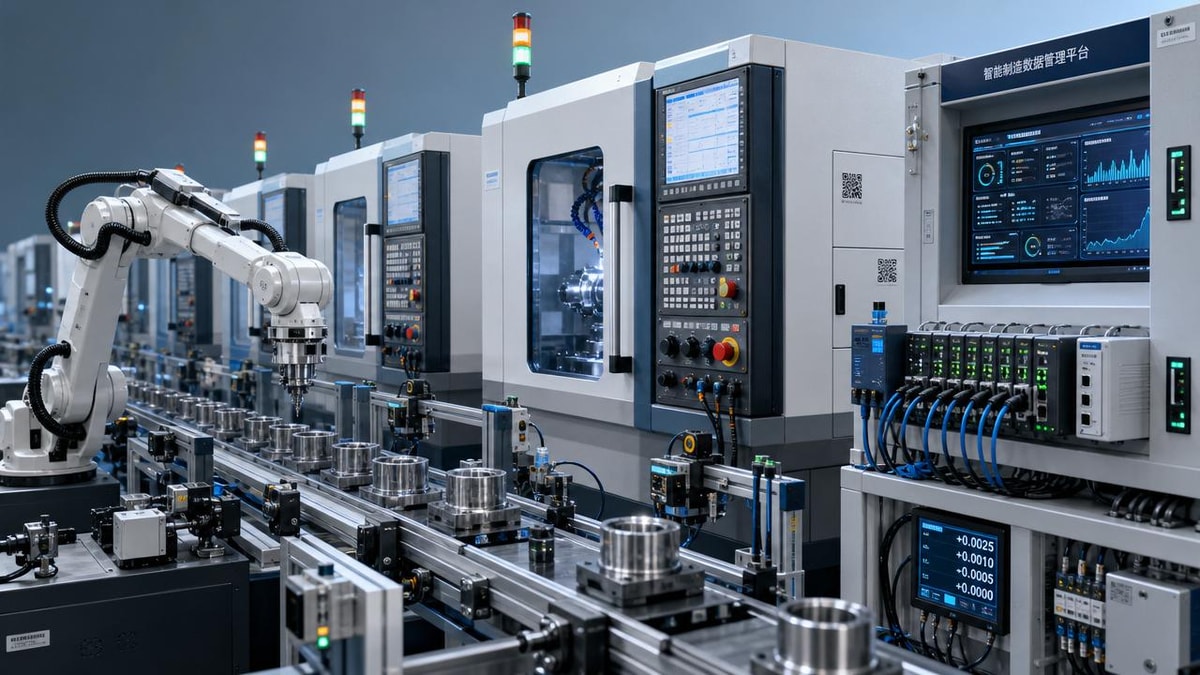
Digital tools can add value here. Offset history, tool life tracking, electronic setup checklists, and revision-controlled program access can significantly reduce recurring CNC milling mistakes. However, digital records only work when they are current, simple, and consistently used by every shift.
A steady path toward better CNC milling consistency
Repeated setup errors are rarely random. They are signals that the setup process is vulnerable to variation between people, shifts, or machine conditions. In CNC milling, the best results come from combining technical accuracy with disciplined communication. That means clear handovers, verified tools, stable fixtures, controlled offsets, and quick response to first-piece feedback.
For operators and machine users, the goal is not perfection in one shift but repeatability across all shifts. If a setup can only succeed when one experienced person is present, the system is still weak. Build routines that the next operator can follow with confidence, and recurring CNC milling errors will begin to fall. In a precision manufacturing environment where every part, minute, and machine hour matters, that consistency is what keeps production reliable and competitive.
PREVIOUS ARTICLE
Recommended for You
 Industrial Machining Equipment Lead Times Are Changing AgainManufacturing Market Research Center
 Where Industrial Robotics Adds Value Beyond Simple Labor SavingsMachine Tool Industry Editorial Team
 Shaft Parts Machining Problems That Show Up After Final InspectionCNC Machining Technology Center
 Production Process Variations That Quietly Raise Scrap RatesCNC Machining Technology Center
 Industrial Automation Projects Fail When Data Is Added Too LateCNC Machining Technology Center
 CNC Metal Cutting Quality Drops Often Start With ClampingMachine Tool Industry Editorial Team

Aris Katos
Future of Carbide Coatings
15+ years in precision manufacturing systems. Specialized in high-speed milling and aerospace grade alloy processing.
▶
CNC Programming Errors That Waste More Material Than ExpectedCNC Machining Technology Center▶
CNC Milling Setup Errors That Keep Repeating Across ShiftsCNC Machining Technology Center▶
When Does CNC Industrial Make Sense for Small Batch Work?CNC Machining Technology Center▶
Can space-saving CNC manufacturing still handle larger part volumes?CNC Machining Technology Center▶
CNC milling chatter problems that tooling changes alone cannot fixCNC Machining Technology Center
Mastering 5-Axis Workholding Strategies
Join our technical panel on Nov 15th to learn about reducing vibrations in thin-wall components.

Providing you with integrated sanding solutions
Before-sales and after-sales services
Comprehensive technical support