• Global CNC market projected to reach $128B by 2028 • New EU trade regulations for precision tooling components • Aerospace deman
NYSE: CNC +1.2%LME: STEEL -0.4%

When Does CNC Industrial Make Sense for Small Batch Work?
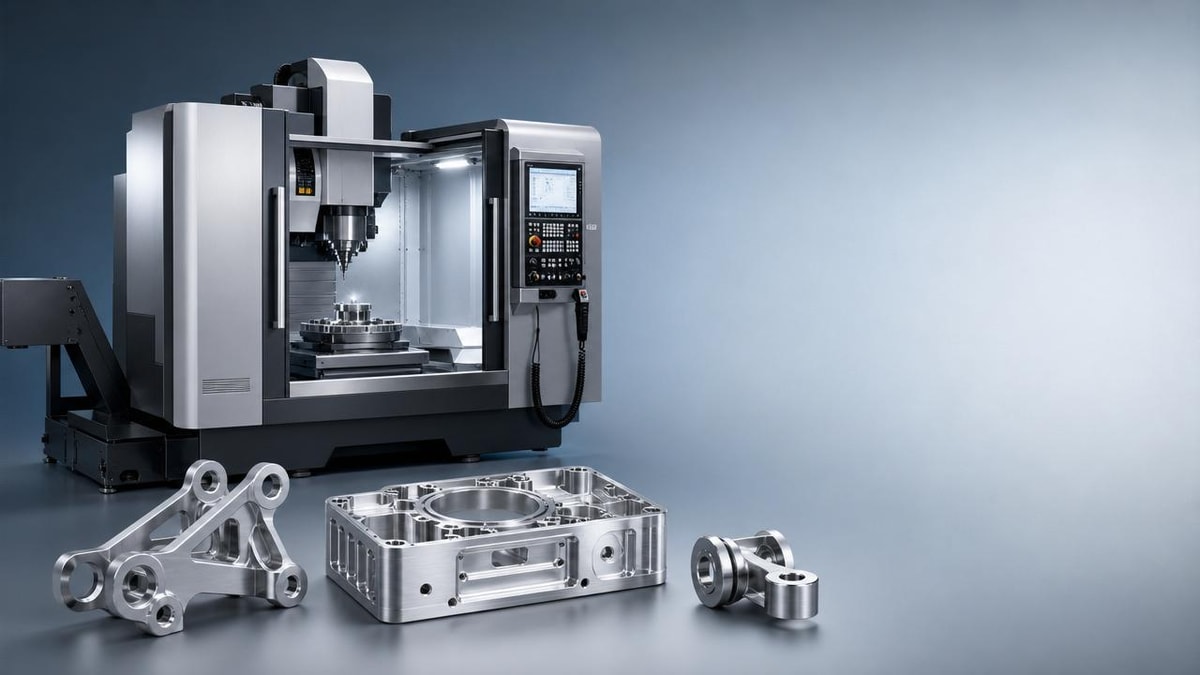
For technical evaluators assessing low-volume production, CNC industrial solutions make sense when precision, repeatability, and short lead times outweigh the cost advantages of mass production methods. From prototype validation to specialized components, CNC machining offers a practical balance of flexibility and accuracy, especially when part complexity, material performance, and engineering revisions demand a more responsive manufacturing approach.
Why scenario differences matter in small batch CNC industrial decisions
In low-volume manufacturing, the question is rarely whether CNC industrial capability is technically possible. The more important question is whether it is commercially and operationally appropriate for a specific scenario. A prototype for an aerospace bracket, a short run of customized medical housings, and a replacement part for an energy system may all involve small quantities, but the decision logic is very different in each case.
Technical evaluators usually work between engineering intent and production reality. They must assess tolerance requirements, process stability, material behavior, setup time, supplier responsiveness, and downstream risk. In some scenarios, CNC industrial machining is the best path because design changes are still frequent and tooling-free production preserves agility. In others, the part may be better suited to casting, molding, stamping, or additive manufacturing once the volume, geometry, and cost structure change.
That is why small batch work should not be treated as one category. Evaluating the business case for CNC industrial production requires a scenario-based view: what the part is for, how fast it is needed, how often it changes, what quality evidence is required, and what happens if the process underperforms.
The business background: when low-volume work becomes a strategic requirement
Across automotive, aerospace, electronics, industrial equipment, and energy applications, smaller production lots are increasingly common. Product life cycles are shorter, customer variants are more frequent, and development teams expect faster iteration. This shifts part of the manufacturing demand away from traditional high-volume logic and toward flexible precision production.
For many organizations, CNC industrial resources support three strategic needs. First, they reduce time from design release to physical parts. Second, they allow engineering teams to validate fit, function, and manufacturability before expensive production tooling is approved. Third, they make it easier to supply specialized or legacy components where annual demand is too low to justify dedicated mass-production infrastructure.
These pressures explain why technical evaluators often compare CNC industrial machining not only against unit price, but also against time risk, quality risk, and change-management risk. A low quoted cost from another process can become expensive if the part design is unstable or if nonconforming parts delay testing or field service.
Typical scenarios where CNC industrial solutions make sense
Prototype and engineering validation runs
This is one of the strongest use cases for CNC industrial machining. Early-stage components often need tight dimensional control, real production materials, and fast turnaround. Injection molds, dies, or dedicated fixtures may be premature at this stage. CNC allows technical teams to evaluate the actual geometry and material response before committing to a fixed production route.
Evaluators in this scenario should focus on revision speed, programming capability, fixture flexibility, and whether the supplier can document critical dimensions consistently across multiple iterations.
Bridge production before high-volume launch
A product may be commercially approved, but the final mass-production tooling is not ready. In this gap period, CNC industrial machining can support pilot lots, customer samples, pre-launch assemblies, or limited commercial shipments. The value here is continuity. The company can test market demand, qualify assembly processes, and train service teams without waiting for full-scale production assets.
However, bridge production must be evaluated carefully. If the expected ramp-up is very fast, setup time and machine utilization may create cost pressure. The process should be judged against the likely duration of the bridge phase.
Complex low-volume components for high-value sectors
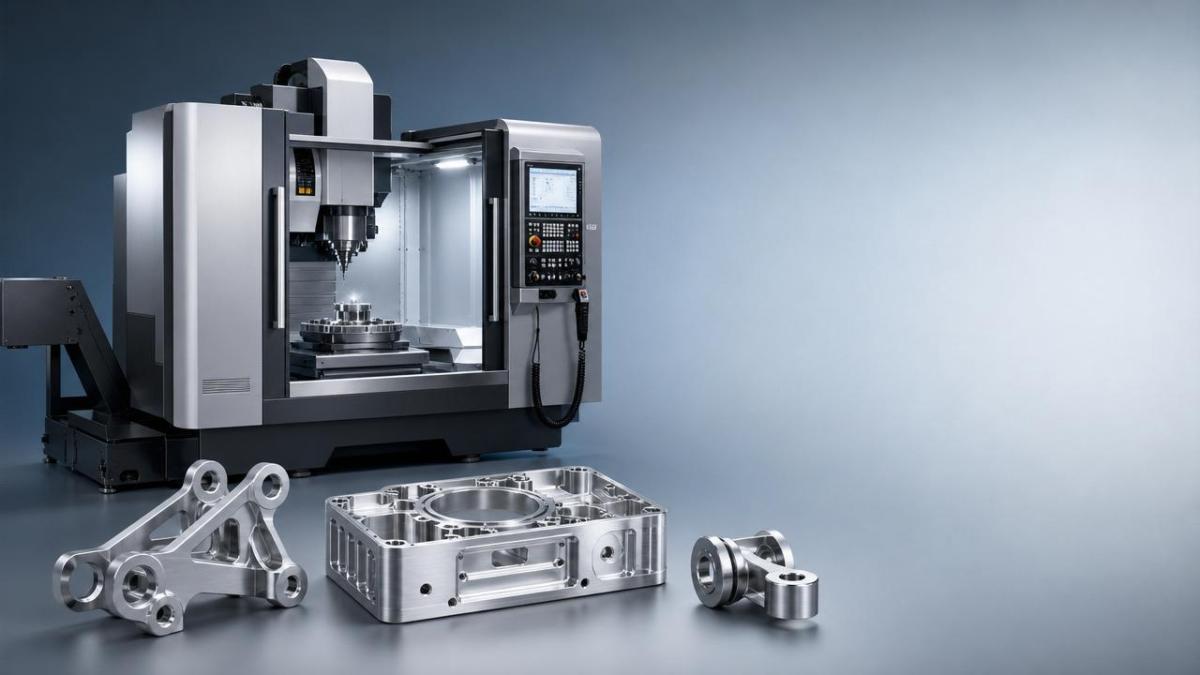
Industries such as aerospace, energy equipment, semiconductor systems, and advanced automation frequently require parts in low quantities but with demanding tolerances and material specifications. In these cases, CNC industrial capacity is often justified because the part value and application risk are high. The cost of poor precision, delayed qualification, or rework may greatly exceed the machine time itself.
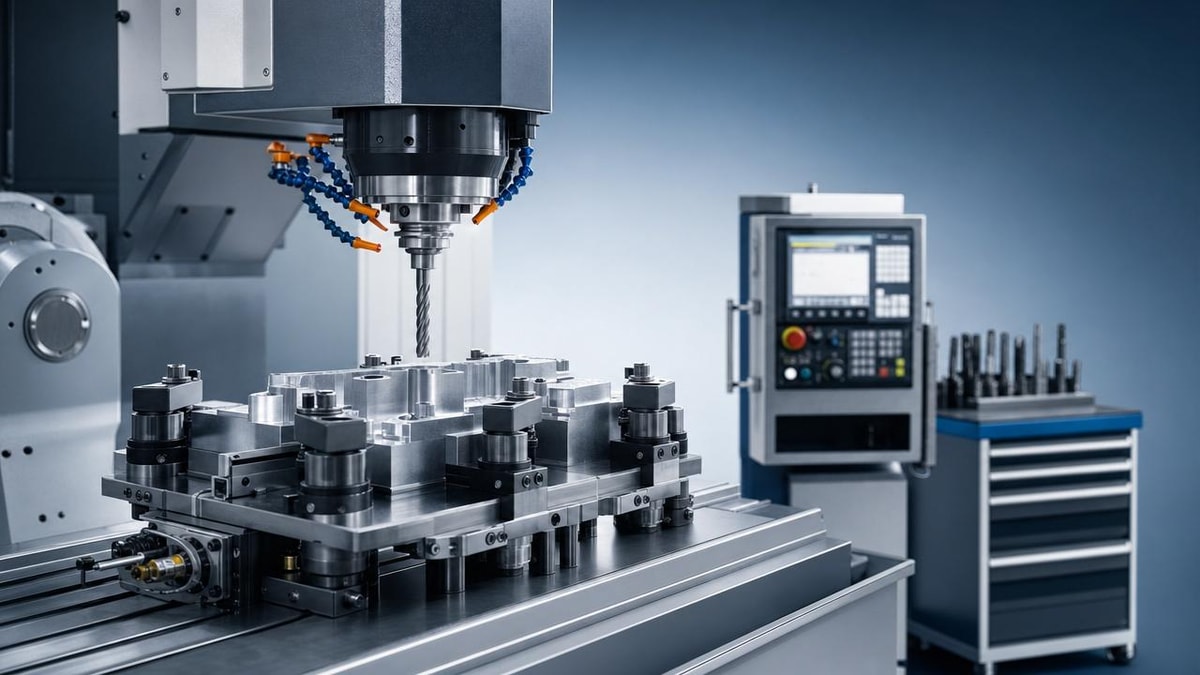
Here, evaluators should examine process capability, multi-axis access, inspection reports, traceability, and experience with engineering alloys such as stainless steel, titanium, Inconel, or hardened tool steels.
Spare parts, aftermarket support, and legacy systems
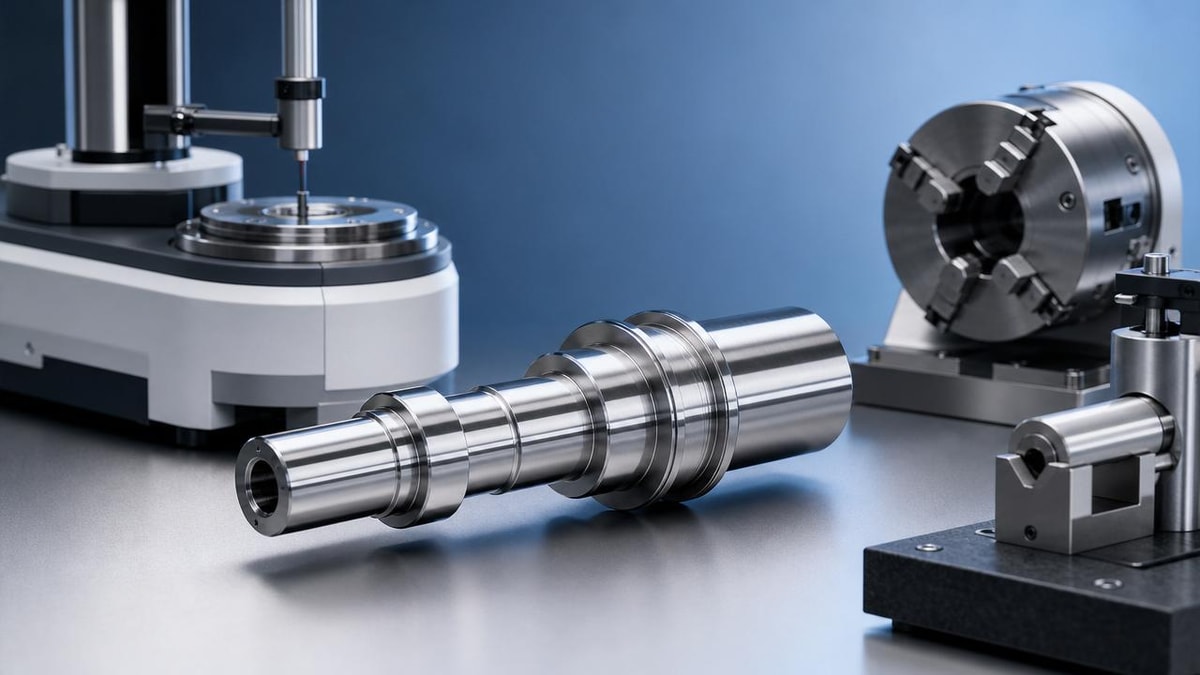
For maintenance, repair, and operations, small batch demand is common. A legacy machine may require ten shafts per year, not ten thousand. In this context, CNC industrial machining is attractive because it avoids the cost and storage burden of maintaining dedicated tooling for infrequent demand. It also supports reverse engineering and controlled redesign when original drawings are incomplete or outdated.
The key evaluation point is reliability. The supplier must reproduce functional dimensions and surface requirements accurately enough to avoid field failure or assembly mismatch.
Customized industrial products and regional variants
Some manufacturers offer optional features, market-specific variants, or customer-specific modifications. In such scenarios, CNC industrial manufacturing supports configurable production without forcing high inventory levels. This works especially well for housings, adapters, brackets, precision plates, fixtures, and integration components used in specialized systems.
Technical evaluators should confirm whether the design family shares enough common process features to make repeated CNC setup efficient across variants.
Scenario comparison: where CNC industrial fits best
The table below helps compare common small batch scenarios and the main decision factors behind CNC industrial adoption.
How requirements change by scenario
A technical evaluator should not use the same checklist for every low-volume project. In prototype work, speed and change responsiveness usually rank above optimized cycle cost. In bridge production, consistency across multiple batches becomes more important. In regulated or safety-critical sectors, documentation, inspection discipline, and supplier process maturity may be as important as machining capability itself.
Material choice also changes the answer. CNC industrial machining becomes more compelling when the part must be made from production-grade metal, heat-treated stock, or a material that additive methods cannot easily replicate. Likewise, geometry matters. Parts with multiple features, fine tolerance chains, or demanding surface finishes often benefit from CNC even at low volumes because alternative processes would need expensive tooling or secondary finishing.
Another major difference is downstream use. A part intended only for visual review may not need the same machining strategy as a component entering a test rig, customer assembly, or field installation. The closer the part is to real operational use, the more CNC industrial precision and repeatability tend to justify the spend.
Practical fit criteria for technical evaluators
When reviewing whether CNC industrial production is the right choice for small batch work, evaluators should verify a short set of practical conditions:
- The part requires tighter tolerances or better repeatability than simpler fabrication methods can provide.
- The expected volume is too low or too unstable to justify custom tooling investment.
- Engineering changes are still possible, and process flexibility has real value.
- The material, finish, or geometry would be difficult to validate through alternative low-volume processes.
- Lead time carries business value, such as speeding validation, launch readiness, or service recovery.
- The supplier can support quality evidence, inspection records, and communication speed appropriate to the project risk.
If most of these conditions are true, CNC industrial machining is usually a strong candidate. If few are true, a different process may deliver better economics.
Common misjudgments in small batch CNC industrial planning
One common error is comparing CNC industrial cost only to the lowest unit-price alternative without considering revision cost, launch delay, or quality escapes. Another is assuming that all low-volume parts are ideal for CNC. Some sheet metal parts, simple turned shapes, or near-net-shape castings may be more efficient through other routes, even in small quantities.
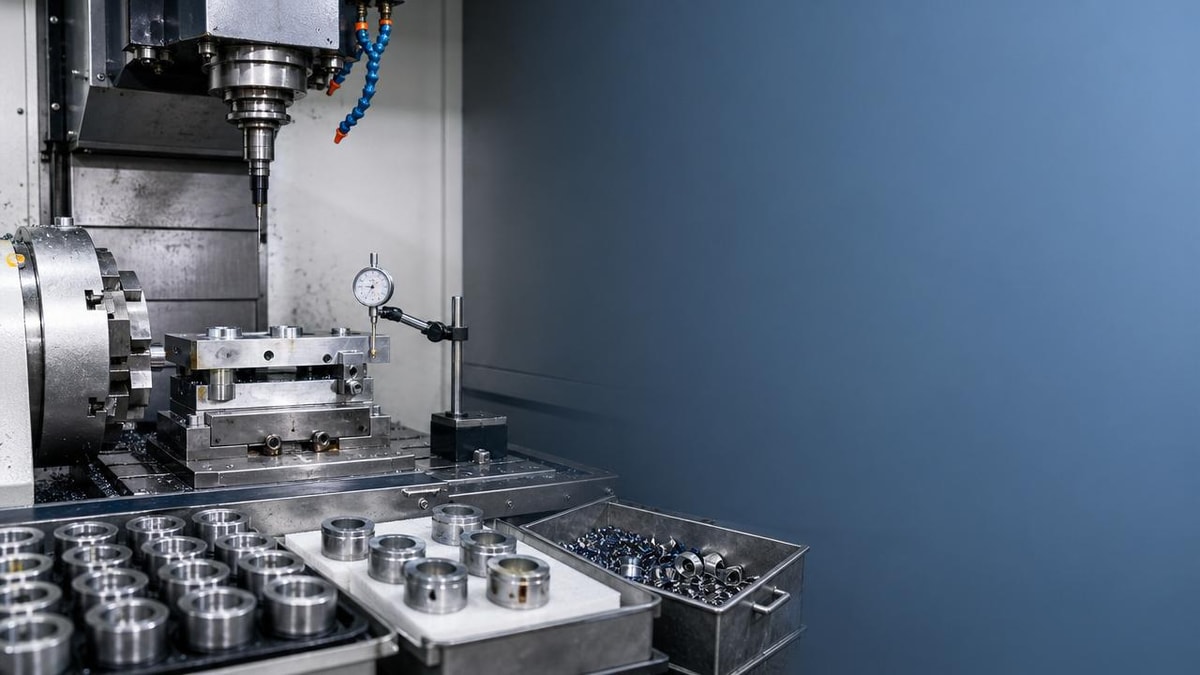
A third mistake is underestimating setup and fixturing impact. Small batch work is not automatically fast if the part requires complex workholding, multiple operations, or intensive inspection. Evaluators should ask whether the supplier has proven methods to reduce setup burden across similar parts.
Finally, some teams overlook the transition path. A process that works well for ten parts may not scale smoothly to five hundred. If volume growth is likely, the CNC industrial plan should include a decision point for switching to a more dedicated production method.
FAQ: scenario-based questions evaluators often ask
Is CNC industrial always the best choice for prototypes?
Not always. It is best when material realism, dimensional precision, and functional testing matter. If the goal is only early shape review, simpler prototype methods may be faster or cheaper.
At what volume does CNC industrial stop making sense?
There is no fixed number. The answer depends on geometry, material, tolerance, and tooling cost. Some complex metal parts remain suitable for CNC industrial production at moderate volumes, while simple parts should transition earlier.
How important is supplier specialization?
Very important. A supplier experienced in aerospace brackets, energy equipment housings, or precision automation parts will often reduce risk through better fixturing, inspection planning, and process judgment.
What should be reviewed before approving a small batch CNC industrial order?
Review tolerances, material grade, revision status, critical-to-function features, inspection expectations, surface finish, delivery milestones, and the likely path if volume increases after validation.
Final guidance for selecting the right scenario fit
CNC industrial solutions make the most sense for small batch work when the scenario rewards flexibility, precision, and speed more than pure scale economics. That typically includes prototype validation, bridge production, high-value complex components, aftermarket parts, and customized industrial variants. For technical evaluators, the best decision comes from matching the process to the real business context rather than treating all low-volume work as the same.
Before moving forward, define the scenario clearly: what the part must prove, how stable the design is, what quality evidence is required, and how demand may evolve. With those inputs, CNC industrial machining can be judged as a targeted manufacturing strategy rather than a default option. That approach leads to better supplier selection, more accurate cost expectations, and lower risk across the product lifecycle.
Recommended for You
 Industrial Machining Equipment Lead Times Are Changing AgainManufacturing Market Research Center
 Where Industrial Robotics Adds Value Beyond Simple Labor SavingsMachine Tool Industry Editorial Team
 Shaft Parts Machining Problems That Show Up After Final InspectionCNC Machining Technology Center
 Production Process Variations That Quietly Raise Scrap RatesCNC Machining Technology Center
 Industrial Automation Projects Fail When Data Is Added Too LateCNC Machining Technology Center
 CNC Metal Cutting Quality Drops Often Start With ClampingMachine Tool Industry Editorial Team

Aris Katos
Future of Carbide Coatings
15+ years in precision manufacturing systems. Specialized in high-speed milling and aerospace grade alloy processing.
▶
CNC Programming Errors That Waste More Material Than ExpectedCNC Machining Technology Center▶
CNC Milling Setup Errors That Keep Repeating Across ShiftsCNC Machining Technology Center▶
When Does CNC Industrial Make Sense for Small Batch Work?CNC Machining Technology Center▶
Can space-saving CNC manufacturing still handle larger part volumes?CNC Machining Technology Center▶
CNC milling chatter problems that tooling changes alone cannot fixCNC Machining Technology Center
Mastering 5-Axis Workholding Strategies
Join our technical panel on Nov 15th to learn about reducing vibrations in thin-wall components.

Providing you with integrated sanding solutions
Before-sales and after-sales services
Comprehensive technical support