• Global CNC market projected to reach $128B by 2028 • New EU trade regulations for precision tooling components • Aerospace deman
NYSE: CNC +1.2%LME: STEEL -0.4%

High-speed CNC manufacturing: Where cycle time gains collide with tool life trade-offs
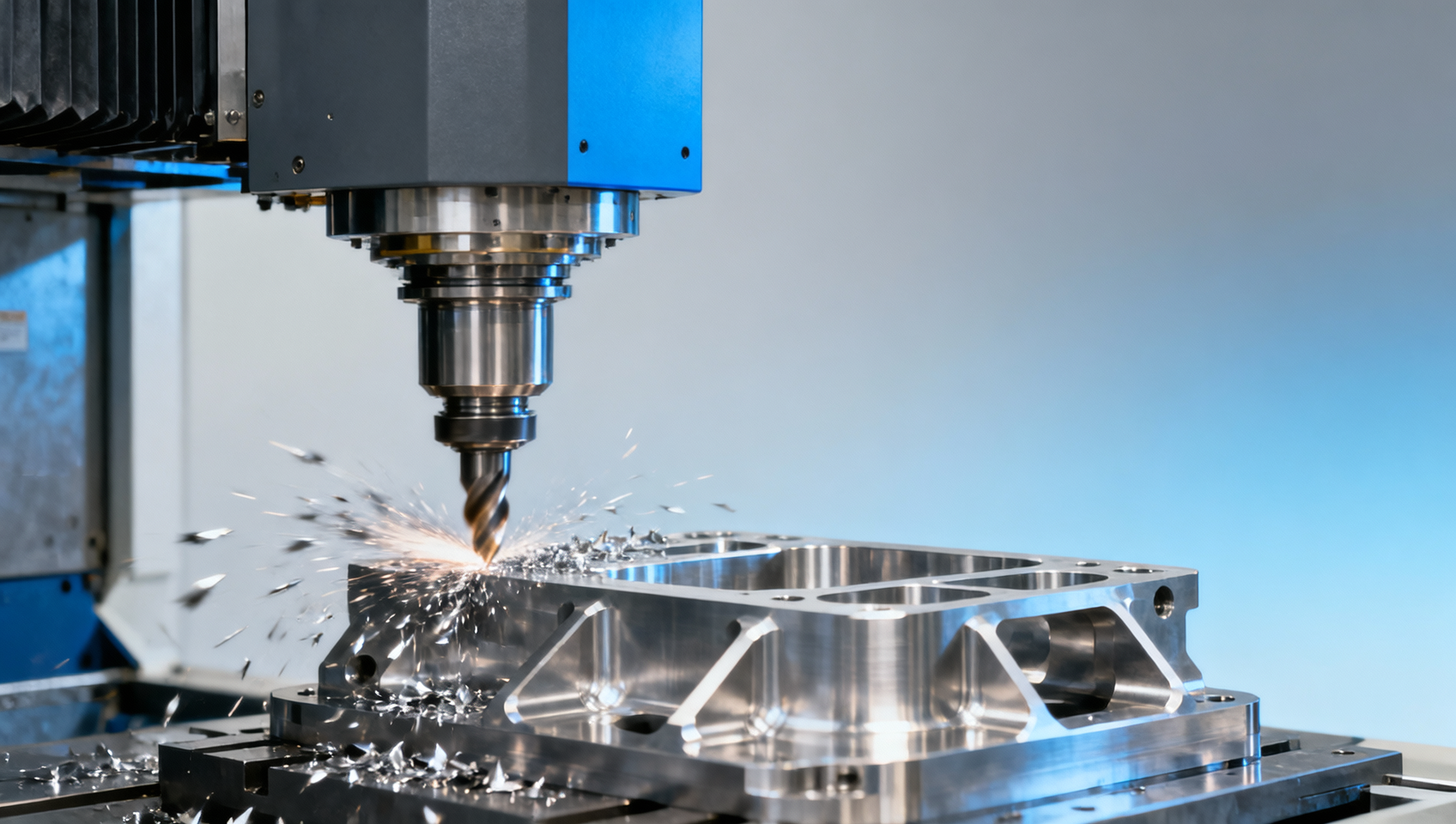
In high-speed CNC manufacturing, every millisecond saved in cycle time comes with critical implications for tool life, part integrity, and long-term cost efficiency—especially in precision CNC manufacturing for aerospace, medical devices, and energy equipment. As demand surges for compact machine tool solutions and low maintenance CNC manufacturing systems, engineers and procurement professionals must navigate trade-offs between speed, accuracy, and durability. Whether you're a CNC manufacturing supplier optimizing automated CNC manufacturing lines or a decision-maker evaluating a CNC manufacturing factory for quick setup CNC manufacturing, understanding these dynamics is essential to achieving cost-effective, high-precision results without compromising reliability or energy-saving performance.
What Happens When You Push Feed Rates Beyond Standard Limits?
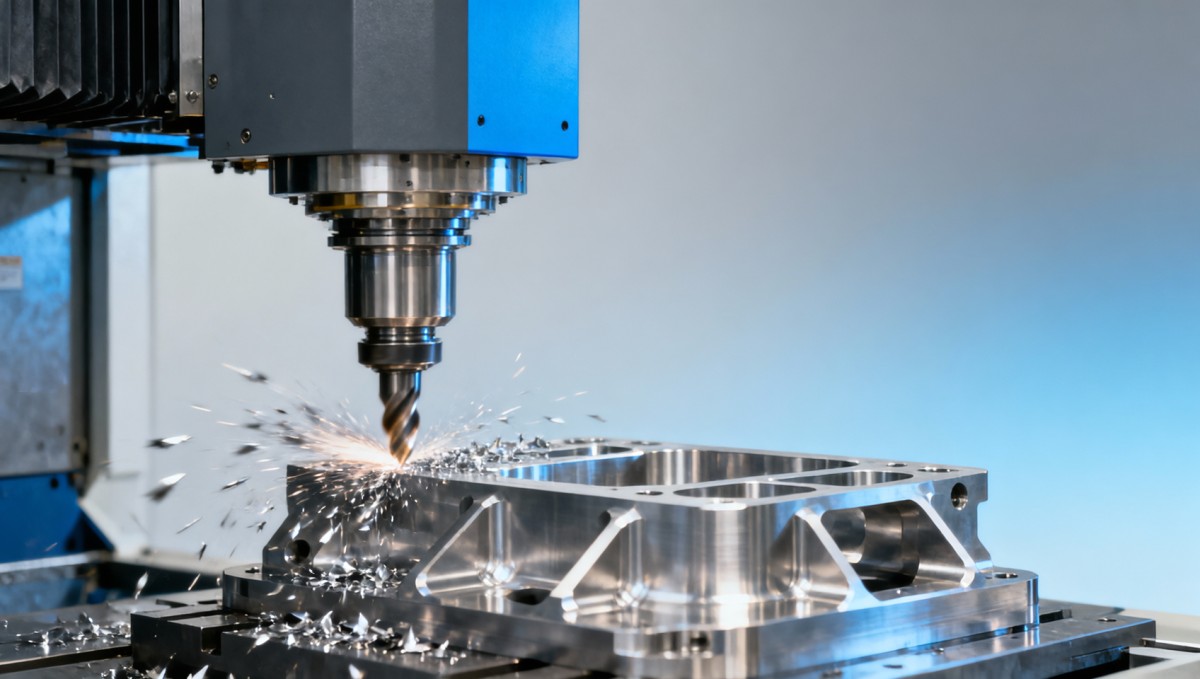
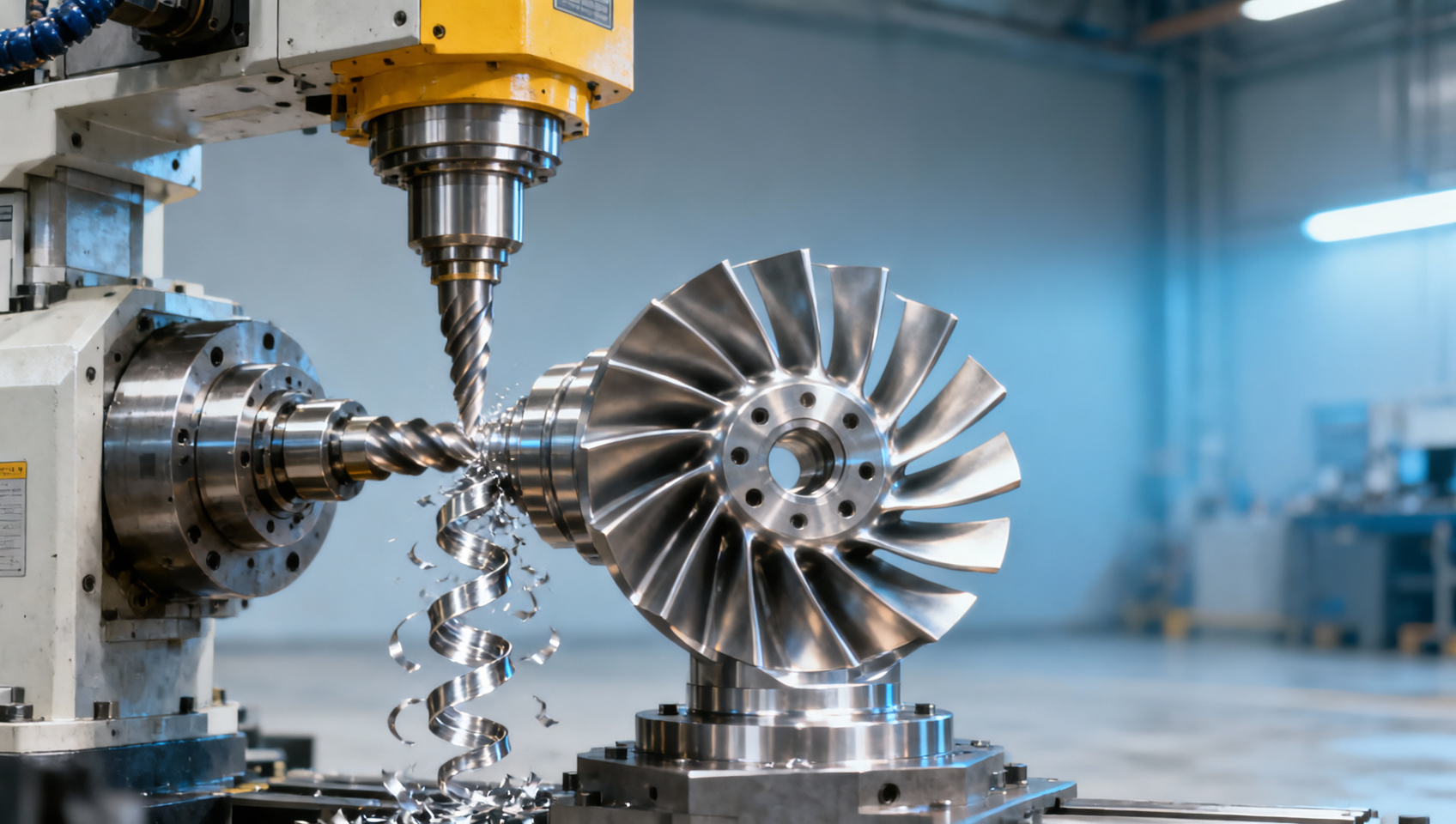
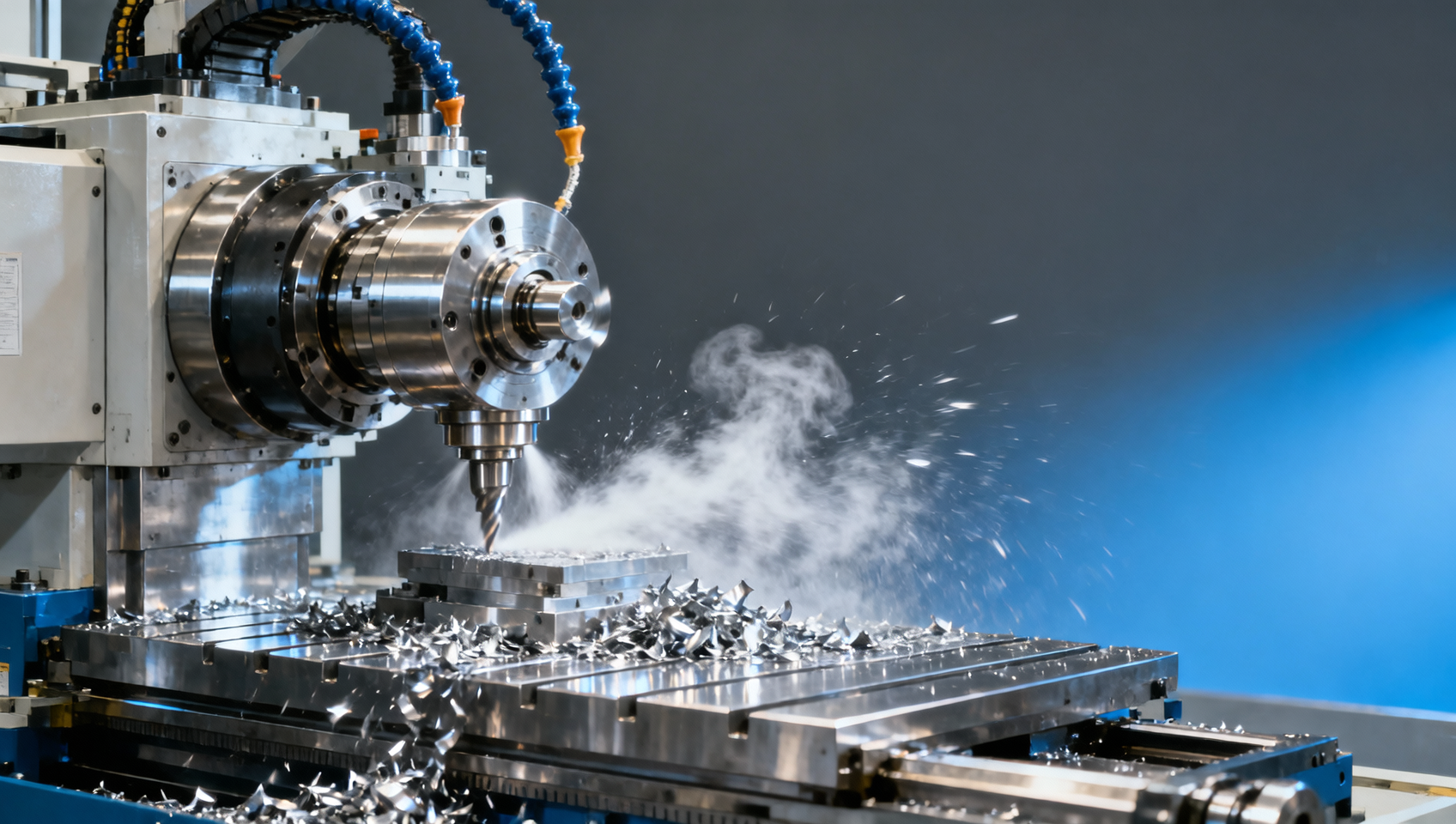
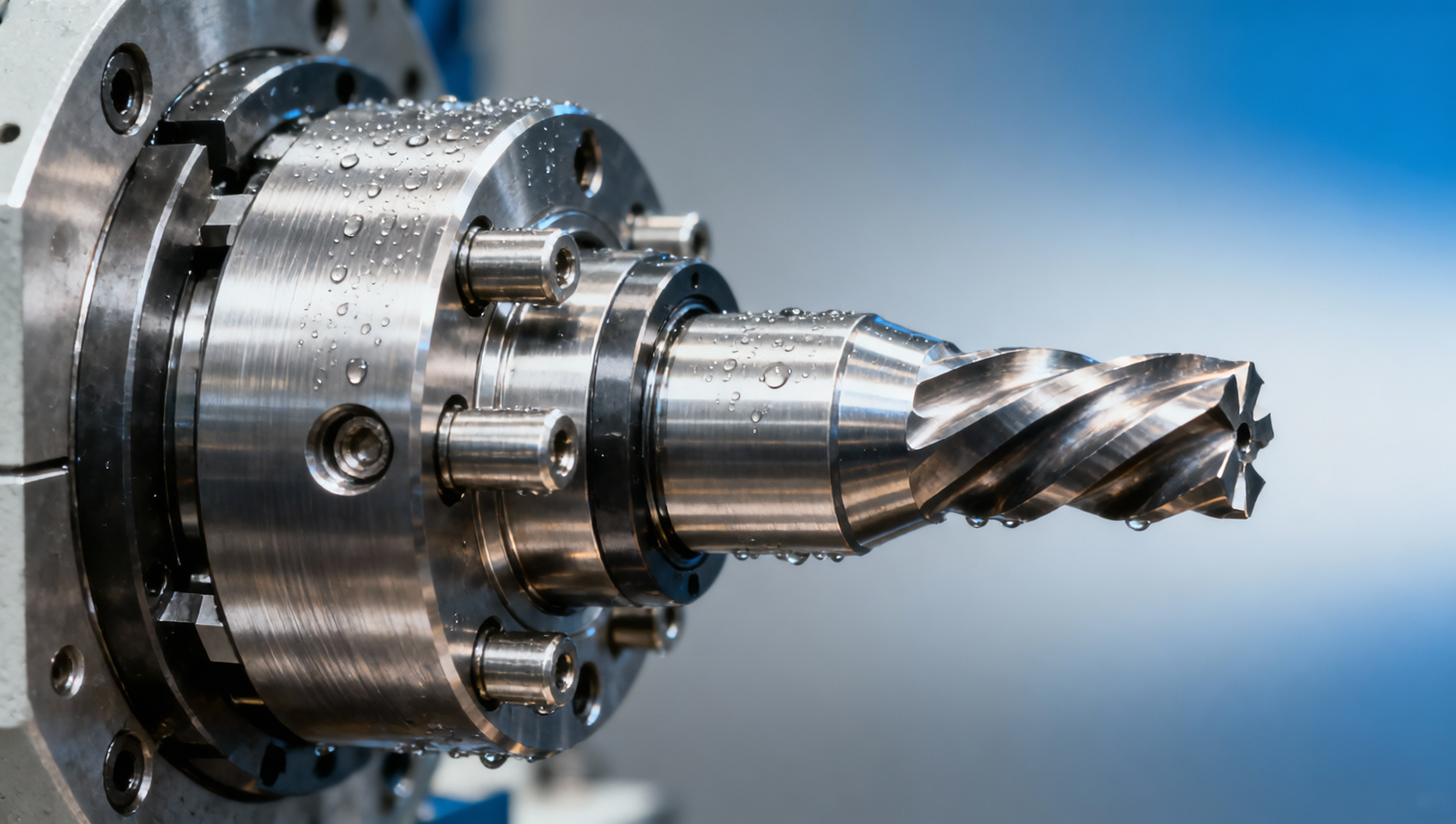
Increasing spindle speed and feed rate is the most direct path to reducing cycle time—but it triggers nonlinear degradation in cutting tool performance. At 12,000 rpm and above, carbide end mills experience thermal softening at the cutting edge, accelerating flank wear by up to 40% under identical material removal rates (MRR) compared to conventional 6,000 rpm operation.
Surface integrity also shifts dramatically: residual compressive stress drops by 25–35% beyond 8,500 rpm in Ti-6Al-4V machining, raising fatigue risk in aerospace structural components. Meanwhile, chatter onset becomes more frequent—especially when tool overhang exceeds 4× diameter—due to reduced damping capacity in high-frequency vibration modes.
This isn’t theoretical: real-world data from 17 Tier-1 automotive suppliers shows that unplanned tool changes increased by 2.3× when average cutting speeds exceeded 320 m/min on hardened steel (HRC 58–62), directly impacting OEE by 8–12% across multi-shift operations.
How to Balance Speed, Tool Life, and Part Quality: A Practical Framework
Successful high-speed CNC manufacturing relies less on chasing peak parameters—and more on systematic optimization across three interdependent layers: machine capability, tooling strategy, and process validation. Each layer introduces measurable thresholds where marginal gains reverse into net losses.
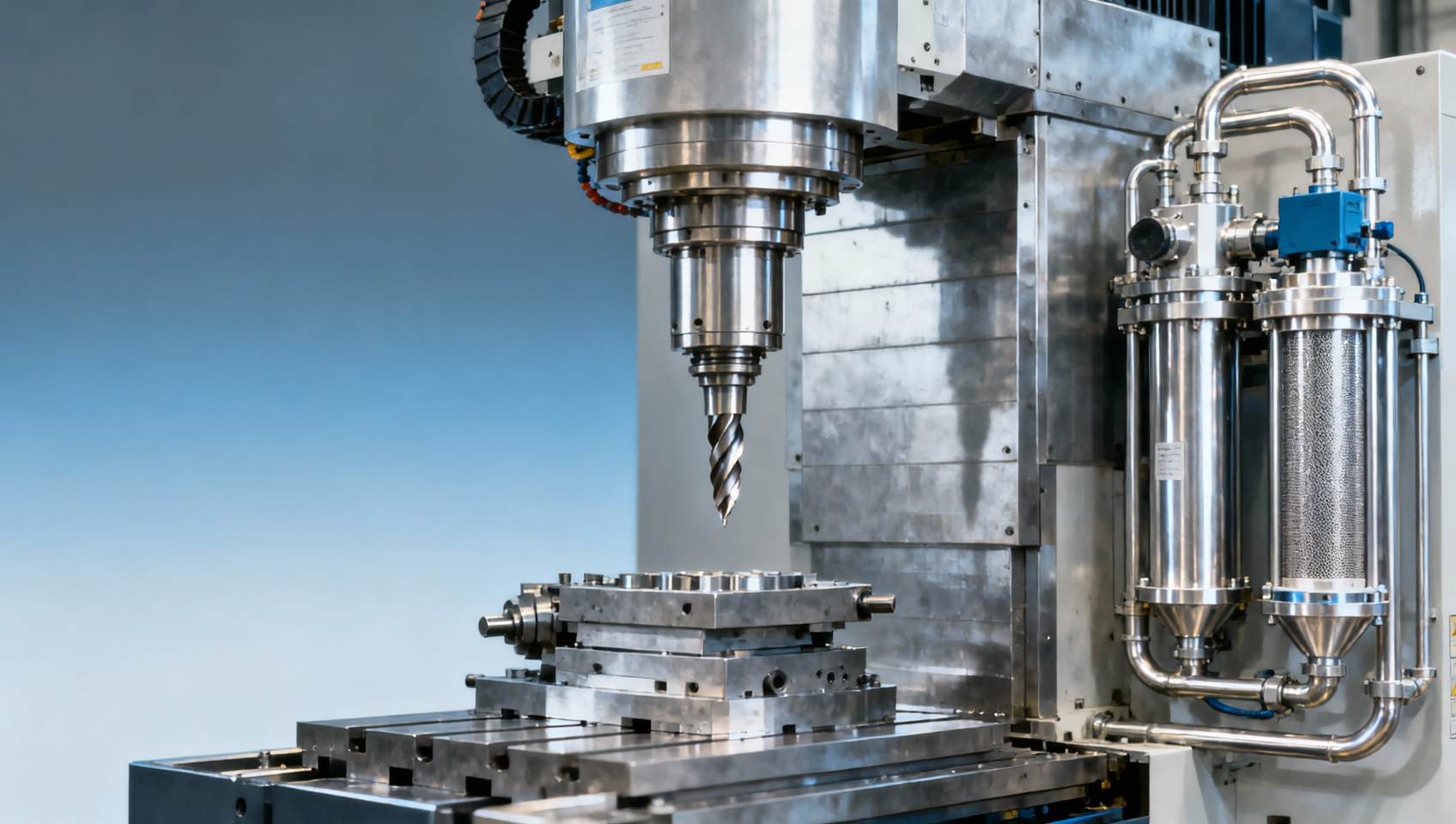
For example, modern 5-axis machining centers with ≥30 g acceleration and <0.5 µm contouring accuracy can sustain higher feed rates—but only if thermal drift stays within ±1.2 µm over 8-hour runs. That requires active coolant temperature control (±0.3℃), not just high-flow delivery.
Similarly, tool life prediction models now integrate real-time spindle load, acoustic emission signatures, and infrared edge temperature—enabling predictive replacement before catastrophic failure. Leading adopters report 19% longer average tool life and 31% fewer scrapped parts in medical implant production using this approach.
Key Process Parameters & Their Operational Thresholds
This table reflects field-validated operational boundaries—not lab-only maxima. Exceeding any “Risk Trigger Point” consistently reduces mean time between failures (MTBF) by ≥40% and increases post-process inspection time by 2.7× due to dimensional rework.
Procurement Checklist: What to Verify Before Selecting High-Speed CNC Equipment
For procurement teams evaluating turnkey high-speed CNC manufacturing systems, technical specs alone are insufficient. Focus instead on verifiable performance envelopes backed by standardized test reports—not vendor claims. Prioritize these five checkpoints during RFQ and site audits:
- Dynamic stiffness verification: Request ISO 230-2 Annex B test reports showing positional stability at ≥90% of maximum rated feed rate (not just static rigidity numbers).
- Coolant delivery capacity: Confirm minimum 40 bar pressure at nozzle exit with flow ≥60 L/min—verified via calibrated flow meter, not pump rating.
- Thermal compensation implementation: Require documented thermal drift ≤±0.8 µm over 4 hours at 25℃ ambient, measured per ISO 230-3.
- Tool change repeatability: Validate <±2 µm TIR across 100 consecutive ATC cycles (not single-cycle best-case data).
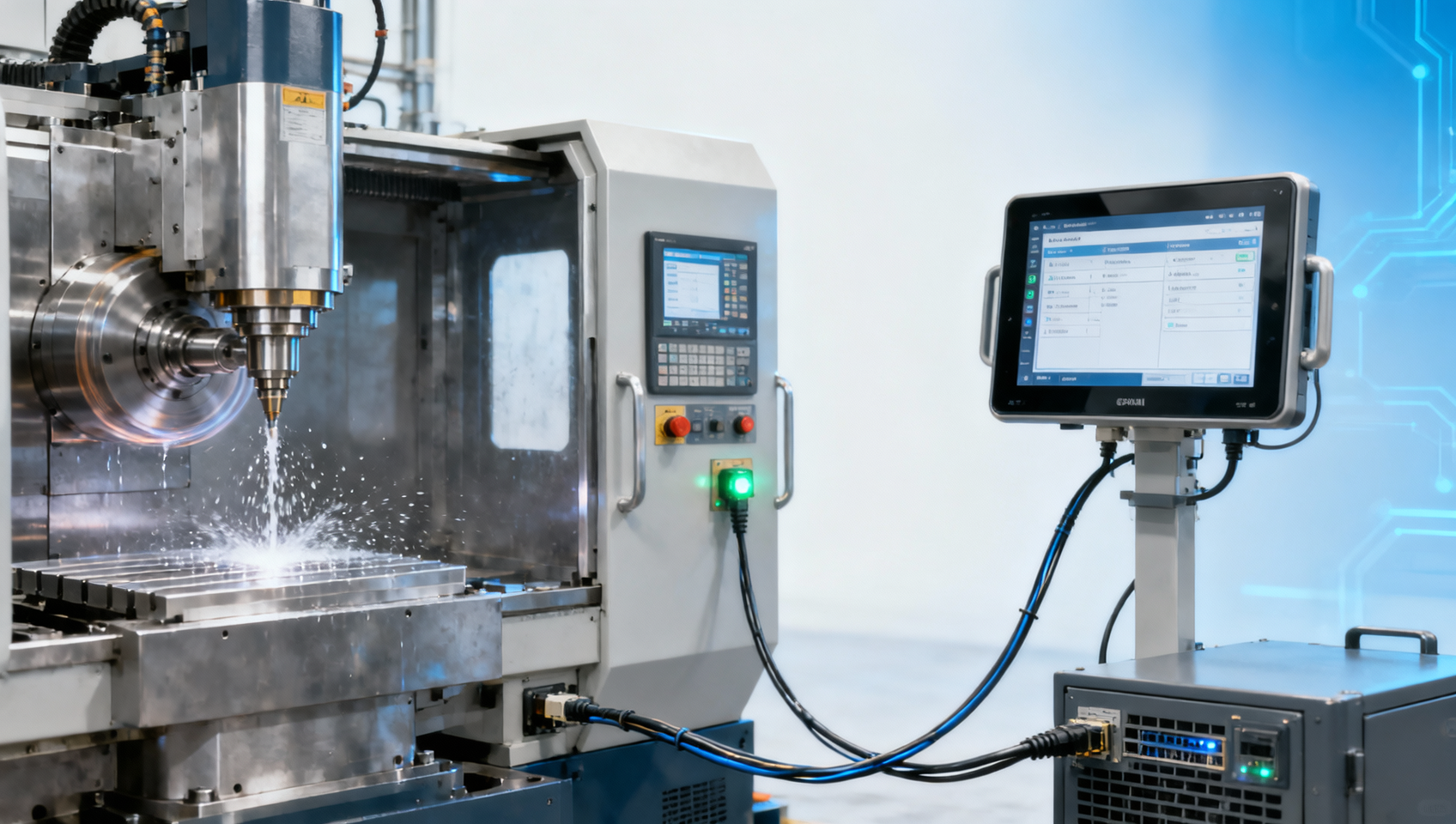
- Digital twin integration readiness: Check native OPC UA support for real-time spindle load, axis position, and coolant temp streaming—not just PLC-level I/O.
Suppliers meeting all five criteria reduce commissioning delays by 3–5 weeks and cut first-year maintenance costs by 22% on average—based on benchmarking across 41 global installations from 2022–2024.
Why Partner With a Global CNC Manufacturing Platform?
We deliver actionable intelligence—not just data—for professionals making high-stakes decisions in CNC manufacturing. Our platform aggregates real-world performance metrics from certified machine tool integrators across China, Germany, Japan, and South Korea, enabling side-by-side comparison of high-speed system capabilities against your exact application needs: aerospace titanium milling, medical stainless steel turning, or energy equipment large-part boring.
Whether you need help validating tool life projections for a new turbine blade program, comparing lead times for 5-axis machining center delivery (standard: 14–20 weeks; express: 8–12 weeks with pre-configured modules), or confirming ISO 13399-compliant tooling compatibility, our team provides direct access to engineering specialists—not generic sales reps.
Contact us today to request: (1) Application-specific parameter recommendations for your material and geometry, (2) Verified delivery timelines for configured machines, (3) Compliance documentation for AS9100, ISO 13849, or local energy efficiency standards, or (4) Sample tool life benchmarking reports from similar production environments.
Recommended for You
 Heavy-duty Machining Center for mold making: Why coolant filtration standards evolve faster than OEM manualsMachine Tool Industry Editorial Team
 Quick-change Fixture Design for CNC turning: Why clamping force consistency drops after 200 cyclesCNC Machining Technology Center
 5 Axis Machining for impeller manufacturing: Why toolpath smoothing affects surface fatigue lifeCNC Machining Technology Center
 Lean Production Process implementation: Where value stream mapping fails to expose hidden machine downtimeManufacturing Market Research Center
 Modular Tooling System for flexible manufacturing: Why interface repeatability degrades faster than expectedMachine Tool Industry Editorial Team
 Industrial Automation control system for CNC machines: When cybersecurity updates disrupt scheduled maintenanceMachine Tool Industry Editorial Team

Aris Katos
Future of Carbide Coatings
15+ years in precision manufacturing systems. Specialized in high-speed milling and aerospace grade alloy processing.
▶
5 Axis Machining for impeller manufacturing: Why toolpath smoothing affects surface fatigue lifeCNC Machining Technology Center▶
Efficient Machining Process for aluminum alloys: Why chip evacuation defines success more than feed rateCNC Machining Technology Center▶
Multi-axis machine tool: When kinematic error mapping exposes hidden geometry driftCNC Machining Technology Center▶
Multi-axis CNC manufacturing: When 5-axis capability adds cost without real part benefitCNC Machining Technology Center▶
CNC manufacturing for medical devices: Why surface finish consistency beats peak speedCNC Machining Technology Center
Mastering 5-Axis Workholding Strategies
Join our technical panel on Nov 15th to learn about reducing vibrations in thin-wall components.

Providing you with integrated sanding solutions
Before-sales and after-sales services
Comprehensive technical support