• Global CNC market projected to reach $128B by 2028 • New EU trade regulations for precision tooling components • Aerospace deman
NYSE: CNC +1.2%LME: STEEL -0.4%

Why CNC Cutting Costs Rise Faster Than Expected
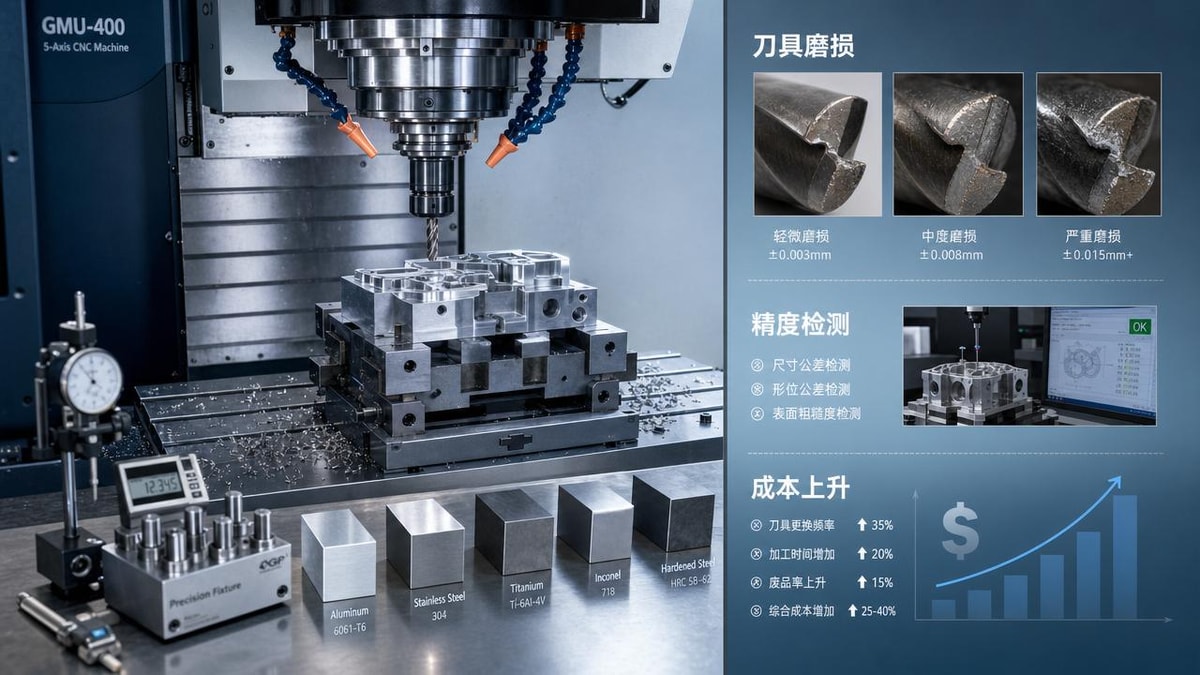
Why do CNC cutting costs often climb beyond initial estimates? For finance decision-makers, the short answer is that quoted prices usually reflect visible machining time, while actual spending is driven by a wider cost system: tooling consumption, setup losses, scrap risk, machine utilization, engineering changes, inspection requirements, and supplier overhead. In other words, CNC cutting becomes more expensive not because one factor suddenly spikes, but because several small cost drivers compound at once.
For budget owners and approvers, this matters because CNC cutting is often treated as a controllable line item when it is actually a variable operational risk. A part that looks affordable on a unit-price basis can become costly after tolerance revisions, material changes, rush delivery, low batch sizes, or poor manufacturability. If these factors are not recognized early, procurement teams may approve pricing that appears reasonable but performs poorly in total cost terms.
The most useful way to evaluate CNC cutting costs is not to ask, “What is the hourly rate?” but rather, “What conditions make the real cost rise faster than expected?” That shift helps financial decision-makers compare suppliers more accurately, challenge quotes more effectively, and identify where cost volatility is likely to emerge before it hits the budget.
Why CNC Cutting Quotes Often Miss the Real Cost Picture
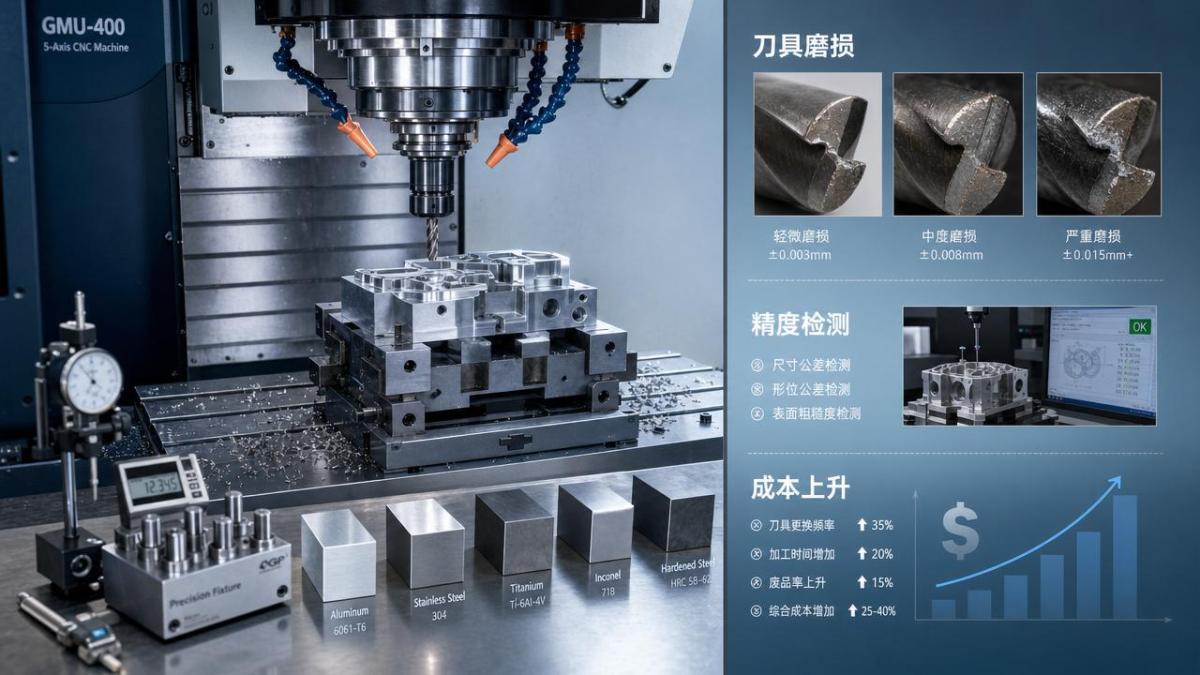
The biggest reason CNC cutting costs surprise buyers is that quotations are usually built around assumptions. A supplier may estimate based on stable material prices, standard tool life, predictable cycle times, and a low scrap rate. In practice, these assumptions often change once production starts. Even a small deviation in one area can affect several others, creating a cost increase that looks sudden but is actually structural.
For example, a more difficult material grade may cut slower, wear tools faster, and require extra inspection. A tighter tolerance may force additional finishing passes and increase rejection risk. A smaller batch may spread setup costs across fewer units. From a finance perspective, the danger is not only price inflation but the hidden shift from fixed expectations to variable execution.
This is why CNC cutting should be assessed through total production economics rather than quoted machining time alone. Unit price is important, but it is only one part of cost behavior. The deeper question is whether the production process is stable, repeatable, and matched to the part design.
Tool Wear Is a Silent but Major Cost Multiplier
Tooling is one of the most underestimated contributors to CNC cutting cost. End mills, inserts, drills, and specialty cutters do not fail only at the end of their useful life. Long before complete failure, they may gradually lose cutting performance, resulting in slower feed rates, poorer surface finish, dimensional drift, and greater machine load. This performance decline raises the cost per part even if the tool has not yet been formally replaced.
In difficult materials such as stainless steel, titanium, hardened alloys, or abrasive composites, tool life can vary significantly depending on coolant strategy, machine rigidity, spindle condition, and program path quality. What appears on paper as a manageable tooling budget can quickly escalate if wear rates are inconsistent or if the shop compensates conservatively by reducing cutting aggressiveness.
For finance approvers, the takeaway is simple: if a part requires expensive tooling or shows unstable tool life, the quote should be treated as risk-sensitive. In these cases, asking whether the supplier has validated tool life under production conditions can be more valuable than negotiating a small unit-price reduction.
Machine Downtime Costs More Than Idle Equipment
Downtime is often viewed as a production problem, but financially it is a margin problem. When a CNC machine stops due to setup delays, tool breakage, maintenance issues, programming errors, or fixture adjustments, the business loses more than machine hours. It loses throughput, scheduling reliability, labor efficiency, and on-time delivery performance.
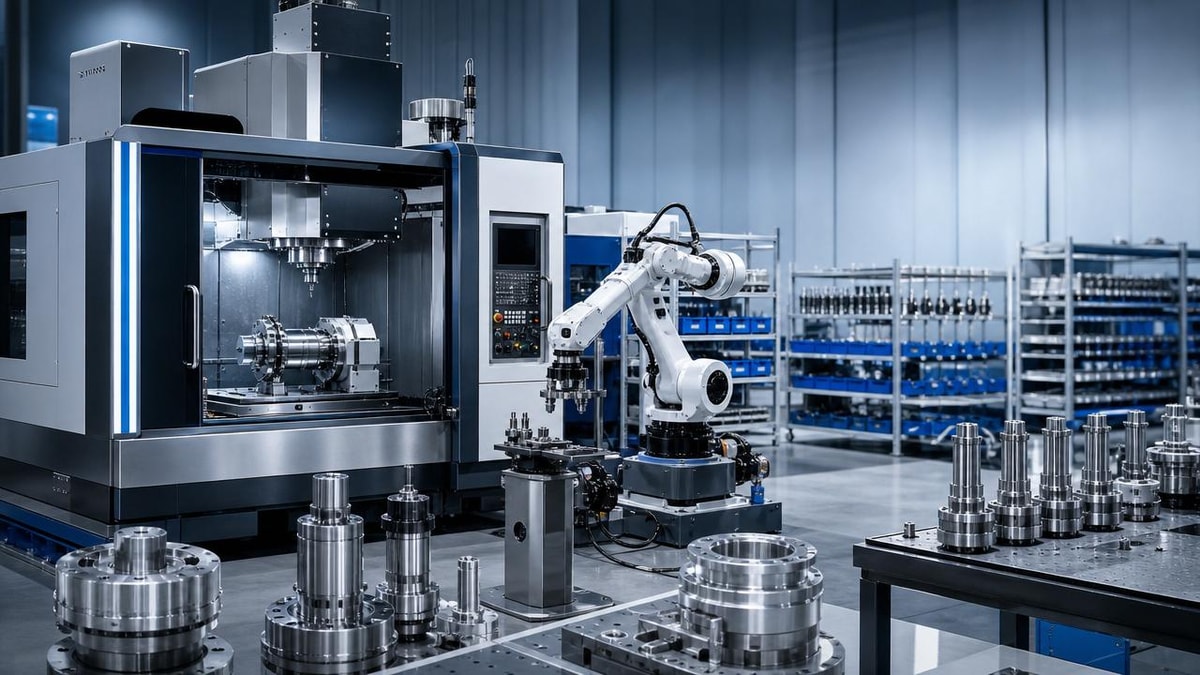
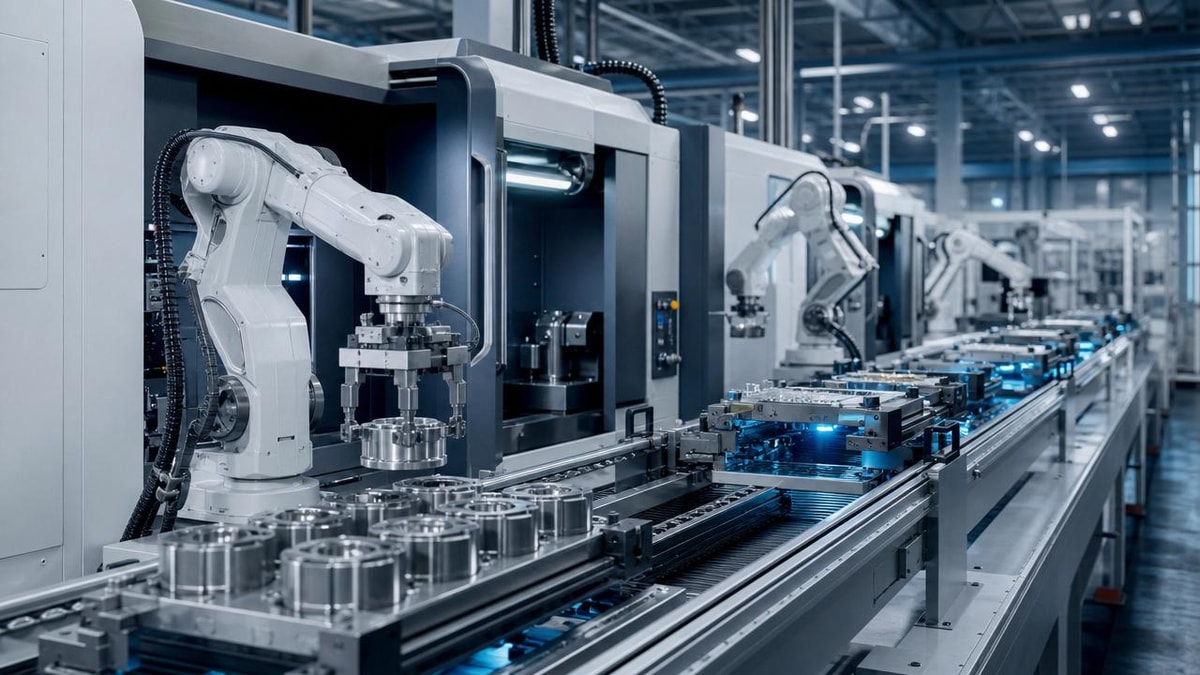
In CNC cutting, downtime is especially expensive because high-value machines are expected to generate output continuously. If a five-axis machining center or automated cutting cell is underutilized, the fixed investment remains unchanged while productive output falls. That means overhead absorption worsens, cost per part rises, and previously competitive jobs may no longer meet expected profitability.
Finance teams should pay attention to suppliers or internal operations with unstable utilization. A low quoted price from a shop with frequent interruptions can be misleading. Reliable flow often produces a better total financial result than nominally lower rates paired with operational disruption.
Programming Complexity Can Outweigh Machining Time
Many cost reviews still focus too heavily on spindle-on time. Yet in modern CNC cutting, engineering preparation can be a major cost driver, especially for complex geometries, multi-axis operations, tight tolerances, or low-volume custom parts. CAM programming, simulation, collision checking, post-processing, and test cuts all consume skilled labor and delay production readiness.
This matters most when parts are not standardized. A one-off aerospace bracket, prototype housing, or customized industrial component may require many hours of engineering work before the first acceptable part is even produced. If design revisions occur late, those engineering costs can multiply quickly. A quote that looked efficient for machining alone may become expensive once pre-production effort is included.
For budget decision-makers, the practical lesson is that programming cost behaves differently from material or direct labor. It is often front-loaded, less visible in basic quotes, and highly sensitive to design changes. That makes it crucial in low- to medium-volume work, where non-recurring engineering cost is spread across fewer parts.
Part Design Decisions Often Create Cost Inflation Before Cutting Begins
One of the most preventable reasons CNC cutting costs rise is poor manufacturability. Designers may specify internal corners that require tiny tools, unnecessary tight tolerances across non-critical features, deep cavities with poor tool access, or surface finish requirements beyond functional need. Each of these choices increases process difficulty and cost exposure.
From a financial viewpoint, design complexity should be treated as a purchasing risk factor. A part can look modest in size but still be expensive if it demands multiple setups, specialized fixtures, slow cutting parameters, or extensive secondary operations. The geometry itself may force a less efficient process route, and that decision is often locked in long before procurement reviews the quote.
Finance leaders do not need to become manufacturing engineers, but they should support design-for-manufacturing review before approving significant machining spend. Early review can reveal whether cost inflation is being built into the part through unnecessary complexity rather than market pricing.
Quality Control and Scrap Rates Change the Economics Fast
In high-precision manufacturing, the cost of CNC cutting does not end when the machine cycle finishes. Inspection, measurement documentation, first-article validation, and compliance records all add labor, equipment usage, and time. If the industry context involves aerospace, medical, energy, or safety-critical components, these quality activities may represent a meaningful share of total cost.
Scrap is even more damaging. When a part fails near the end of the process, the loss includes not only the raw material but all value added up to the point of rejection: machine time, tooling use, operator labor, inspection effort, and delivery capacity. A low-volume, high-value part with a small scrap rate can still produce significant financial leakage.
This is why low quoted prices deserve scrutiny when tolerance demands are high. The real issue is not whether the supplier can make the part once, but whether they can produce it repeatedly with stable yield. Consistency is what protects budgets.
Small Batches and Frequent Changeovers Push Unit Costs Up
CNC cutting is most cost-efficient when setup effort can be spread across enough parts. When order quantities are small, setup time becomes a much larger percentage of total cost. Machine alignment, fixture installation, tool loading, probing, first-piece inspection, and program verification all occur whether the batch contains 10 parts or 1,000 parts.
For companies sourcing customized components or ordering irregularly, this is a common reason why expected pricing fails to hold. Finance teams may compare unit prices across suppliers without recognizing that one quote assumes repeat production while another reflects frequent requalification and setup repetition.
If demand is fragmented, cost control may depend less on supplier negotiation and more on order planning. Consolidating batches, reducing unnecessary design variation, and improving forecast visibility can produce better savings than pressing for a discount on already inefficient production patterns.
Material Volatility Affects More Than Raw Stock Cost
Material is an obvious cost factor, but the financial effect goes beyond price per kilogram. Harder or less machinable materials increase spindle time, tool wear, coolant demand, and rejection risk. Material availability can also influence lead times, forcing premium procurement or schedule disruption.
For example, switching from standard aluminum to a tougher alloy may seem manageable from a raw material budget standpoint. However, if that change increases cutting difficulty, the real impact can include slower throughput and higher tooling cost. The same applies when a design change introduces heat-treated stock, cast variability, or imported specialty metals with unstable supply conditions.
Finance reviewers should therefore ask not only whether material prices have changed, but whether the selected material changes the machining process itself. In CNC cutting, processability often matters as much as purchase price.
Supplier Overhead, Capacity Pressure, and Expedite Risk Are Frequently Hidden
Another reason CNC cutting costs rise faster than expected is that suppliers build commercial risk into pricing, sometimes quietly. If machine capacity is tight, labor is difficult to schedule, or delivery requirements are compressed, the supplier may include premiums for overtime, prioritization, subcontracting, or buffer stock. These costs may not appear as separate line items, but they influence the final quote.
Shops serving multiple industries also respond differently to demand cycles. During periods of strong aerospace, automotive, or energy demand, available spindle capacity becomes more valuable. Even if direct production cost has not increased sharply, pricing may rise because the opportunity cost of taking the job is higher.
This is where finance and procurement alignment matters. A quote should be interpreted in relation to market conditions, supplier workload, and delivery urgency. A higher price may be commercially rational if it protects schedule-critical output. But it should not be mistaken for a pure reflection of machining cost.
How Finance Decision-Makers Can Evaluate CNC Cutting Costs More Accurately
For financial approvers, the goal is not to micromanage technical operations. The goal is to identify whether a quote is built on stable assumptions or vulnerable ones. That starts with better questions. Instead of focusing only on rate and unit price, ask what tolerance features drive cost, how tool life has been validated, what scrap rate is assumed, how much engineering time is included, and whether the quote depends on specific batch volumes.
It also helps to separate recurring and non-recurring cost. Setup, programming, fixturing, and first-article approval should not be blended blindly into unit pricing if the part may repeat. Breaking out these elements gives finance teams a clearer view of where future savings are possible and where current spending is unavoidable.
Supplier comparison should also include process maturity. A slightly higher quote from a supplier with proven repeatability, lower scrap, and stronger schedule control may create lower total cost than a cheaper but less stable option. For high-precision components, predictability is often worth more than nominal price advantage.
A Practical Cost-Control Checklist Before Approving a CNC Cutting Budget
Before approving significant CNC cutting spend, finance teams should confirm a few core points. First, is the part overengineered for its function? Second, is the batch size realistic for the quoted unit price? Third, are setup and programming costs clearly identified? Fourth, has the supplier priced in current material and capacity conditions? Fifth, are inspection and quality requirements proportional to actual business need?
It is also wise to check whether schedule pressure is driving hidden cost. Expedited production, fragmented orders, and repeated design changes often create budget leakage that appears later as manufacturing inflation. In reality, these are planning costs. When they are managed early, CNC cutting becomes much more predictable.
Finally, watch for quotes that seem competitive but provide little process transparency. Lack of detail may hide risk rather than efficiency. The best commercial decisions usually come from suppliers who can explain where the cost lies and what actions would reduce it.
Conclusion: CNC Cutting Costs Rise Fast When Process Risk Is Ignored
CNC cutting costs rise faster than expected because real manufacturing economics are more complex than visible machining time. Tool wear, downtime, programming effort, poor design choices, scrap, quality control, small batches, material machinability, and supplier capacity pressure all influence the final cost. For finance decision-makers, this means that budget control depends less on chasing the lowest quote and more on recognizing the conditions that make costs unstable.
The strongest approval decisions are based on total cost logic: repeatability, manufacturability, realistic batch assumptions, clear engineering scope, and supplier process maturity. When these factors are understood early, CNC cutting becomes easier to budget, compare, and optimize. When they are ignored, “unexpected” cost increases are usually not unexpected at all—they were simply hidden in the production model from the start.
PREVIOUS ARTICLE
NEXT ARTICLE
Recommended for You
 Industrial Machining Equipment Lead Times Are Changing AgainManufacturing Market Research Center
 Where Industrial Robotics Adds Value Beyond Simple Labor SavingsMachine Tool Industry Editorial Team
 Shaft Parts Machining Problems That Show Up After Final InspectionCNC Machining Technology Center
 Production Process Variations That Quietly Raise Scrap RatesCNC Machining Technology Center
 Industrial Automation Projects Fail When Data Is Added Too LateCNC Machining Technology Center
 CNC Metal Cutting Quality Drops Often Start With ClampingMachine Tool Industry Editorial Team



Aris Katos
Future of Carbide Coatings
15+ years in precision manufacturing systems. Specialized in high-speed milling and aerospace grade alloy processing.
▶
Why CNC Cutting Costs Rise Faster Than ExpectedCNC Machining Technology Center▶
CNC metal cutting defects that look minor but raise total costCNC Machining Technology Center▶
CNC cutting speed vs edge quality: where production losses startCNC Machining Technology Center▶
CNC metal cutting heat issues behind poor surface finishCNC Machining Technology Center▶
What affects edge quality in CNC cutting most?CNC Machining Technology Center
Mastering 5-Axis Workholding Strategies
Join our technical panel on Nov 15th to learn about reducing vibrations in thin-wall components.

Providing you with integrated sanding solutions
Before-sales and after-sales services
Comprehensive technical support