• Global CNC market projected to reach $128B by 2028 • New EU trade regulations for precision tooling components • Aerospace deman
NYSE: CNC +1.2%LME: STEEL -0.4%

Metal Machining Costs Rise Fast With Poor Chip Control
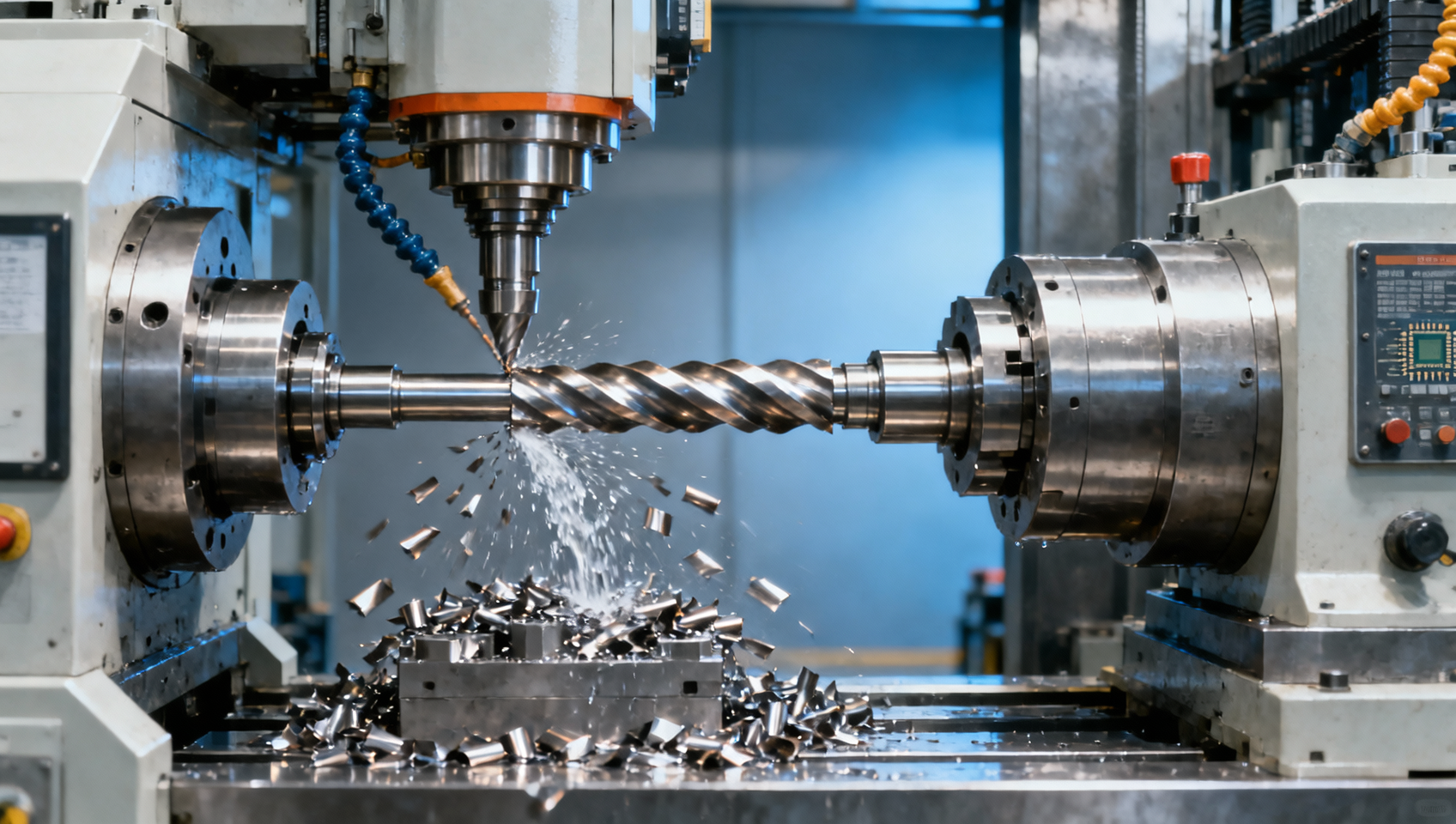
Poor chip control can quickly turn efficient metal machining into a costly bottleneck. In today’s Manufacturing Industry, whether using an industrial CNC system, automated lathe, or CNC milling setup, unstable chip evacuation affects CNC cutting quality, tool life, cycle time, and overall automated production efficiency. This article explores why chip control matters and how it impacts the Global Manufacturing production process.
Why chip control becomes a direct cost driver in CNC machining
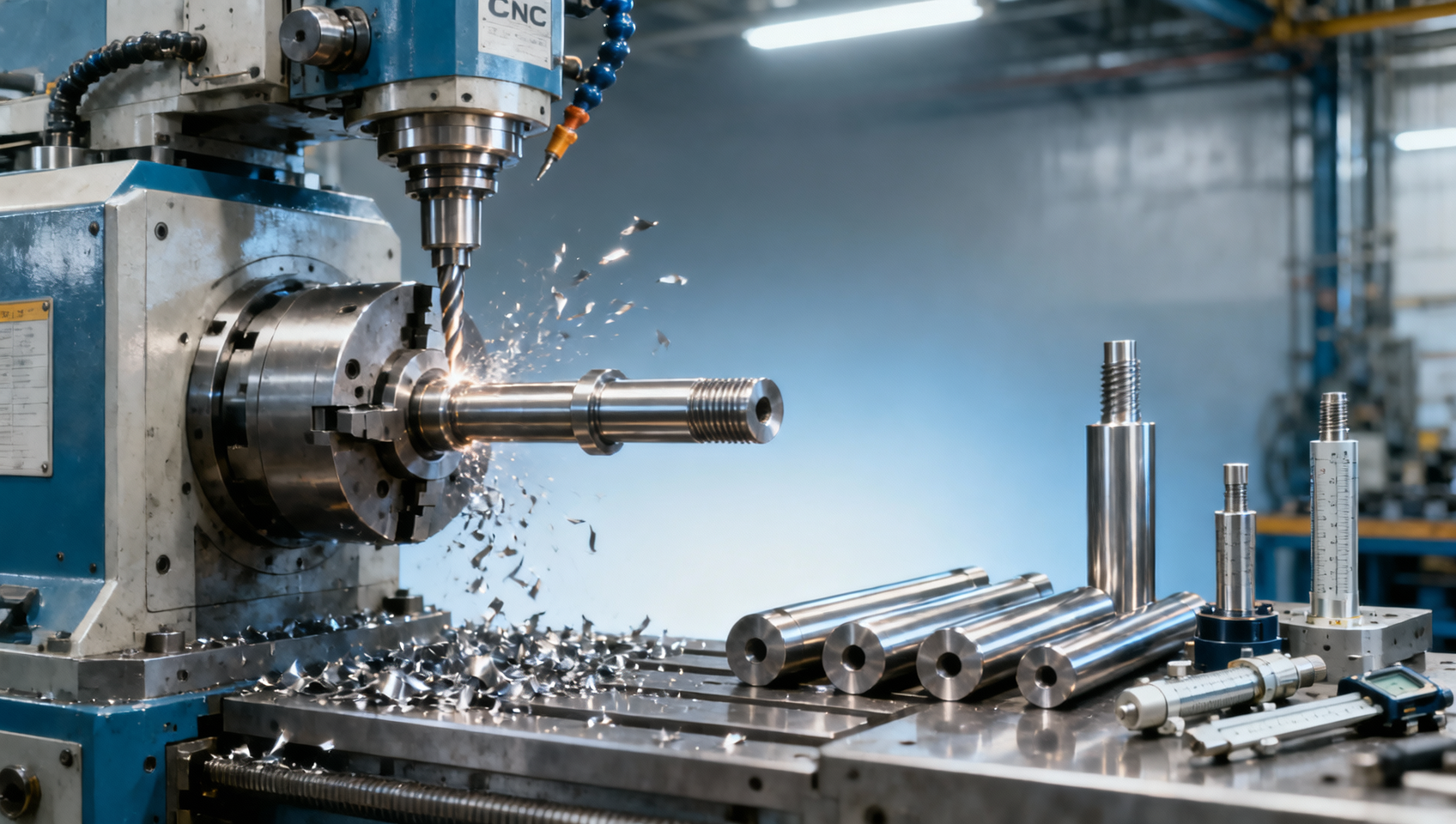
In metal machining, chips are not just waste. They are a process signal. When chips break consistently and leave the cutting zone in a controlled way, the machine runs with less interruption, better heat management, and more predictable dimensional stability. When chips become long, stringy, packed, or recut, costs rise across 3 core areas: tool consumption, machine utilization, and part quality.
For operators, poor chip control often shows up first as a practical shop-floor problem. The spindle may need to pause every 10–30 minutes for manual clearing. The turret or chuck area can accumulate nests of chips. Coolant flow becomes less effective. In automated production cells, the problem becomes even more serious because unattended running for 2–8 hours depends on stable evacuation.
For procurement teams and decision-makers, chip control affects total machining cost far beyond the insert price. A lower-cost tool that generates unstable chips may increase cycle time by several seconds per part, reduce tool life over a short production run, and raise inspection or scrap risk. In medium- to high-volume manufacturing, even a small loss repeated over hundreds or thousands of parts can become a major operating expense.
This matters across automotive, aerospace, energy equipment, and electronics production, where CNC lathes, machining centers, and multi-axis systems are expected to maintain both throughput and accuracy. In these environments, chip control is not a secondary detail. It is part of the process design, fixture strategy, coolant planning, and machine tool selection.
What poor chip control typically damages first
- Tool edge stability, because recutting and heat concentration accelerate wear, chipping, and built-up edge formation.
- Surface finish and dimensional repeatability, especially on shafts, bores, grooves, and thin-wall features.
- Automation reliability, because chip nests interfere with part transfer, probing, and in-cycle measurement.
- Operator safety and housekeeping, particularly when long chips wrap around rotating parts or require frequent manual intervention.
The key point is simple: chip control affects both visible costs and hidden costs. Visible costs include tool replacement and machine stoppage. Hidden costs include unstable scheduling, reduced confidence in lights-out machining, and higher quality variation between shifts or batches.
Where poor chip evacuation hurts most: common machining scenarios
Not every process suffers equally from poor chip control. Some applications are naturally more vulnerable because of material behavior, part geometry, or machine configuration. This is why a chip problem on one CNC lathe may be manageable, while the same issue in a multi-axis automated line can disrupt an entire production schedule within 1 shift.
Long-chipping materials are a frequent source of trouble. Stainless steel, low-carbon steel, aluminum alloys, and certain heat-resistant alloys can all produce chips that do not break easily under the wrong feed, depth of cut, or insert geometry. Internal turning, deep boring, pocket milling, and grooving also increase evacuation difficulty because chips have less room to escape.
Automation raises the requirement further. A manually supervised process may tolerate occasional chip buildup because an operator can intervene. A robotic cell or bar-fed turning center running for 4–6 hours unattended cannot. In those cases, chip control must be designed into tooling, coolant direction, machine layout, and program strategy from the start.
The table below shows where metal machining costs usually rise fastest when chip control is unstable. It also helps information researchers and buyers identify which production setups deserve earlier process review.
PREVIOUS ARTICLE
Recommended for You
 Global Manufacturing Lead Times Improve but Not EverywhereGlobal Machine Tool Trade Research Center
 Machine Tool Market Inventory Pressure Is Building AgainGlobal Machine Tool Trade Research Center
 Metal Lathe vs CNC Milling for Low Volume Round PartsCNC Machining Technology Center
 CNC Cutting Gas Choice Affects More Than Edge FinishCNC Machining Technology Center
 CNC Metalworking Shops Face New Pressure on TraceabilityManufacturing Policy Research Center
 Automated Lathe Cycle Time Gains Can Hide Quality LossesCNC Machining Technology Center

Aris Katos
Future of Carbide Coatings
15+ years in precision manufacturing systems. Specialized in high-speed milling and aerospace grade alloy processing.
▶
CNC Cutting Gas Choice Affects More Than Edge FinishCNC Machining Technology Center▶
CNC Cutting Edge Wear Patterns That Change Part AccuracyCNC Machining Technology Center▶
Metal Machining Costs Rise Fast With Poor Chip ControlCNC Machining Technology Center▶
CNC cutting quality drops fast when tool wear goes unnoticedCNC Machining Technology Center▶
CNC cutting speed or finish quality: where losses beginCNC Machining Technology Center
Mastering 5-Axis Workholding Strategies
Join our technical panel on Nov 15th to learn about reducing vibrations in thin-wall components.

Providing you with integrated sanding solutions
Before-sales and after-sales services
Comprehensive technical support