• Global CNC market projected to reach $128B by 2028 • New EU trade regulations for precision tooling components • Aerospace deman
NYSE: CNC +1.2%LME: STEEL -0.4%

What Changes the Price of an Automated Production Line Quote?
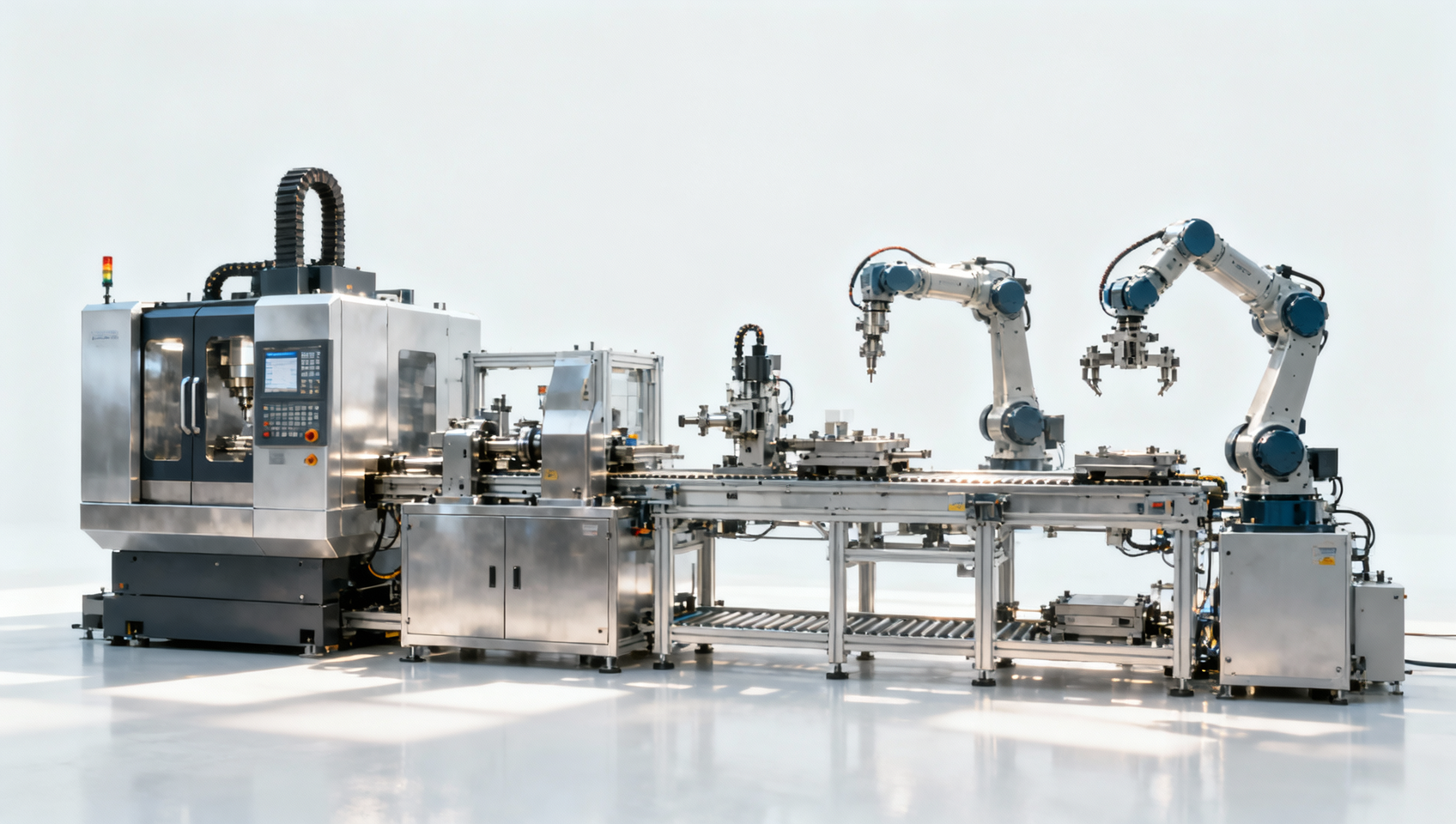
An Automated Production Line quotation can vary widely depending on line complexity, Industrial Automation integration for production line, equipment precision, and long-term operating needs. From CNC Tooling System selection to Custom Fixture Design for CNC milling and future maintenance planning, every detail affects cost. This guide explains the key pricing factors buyers, operators, and decision-makers should review before comparing suppliers.
Why do automated production line quotes vary so much?
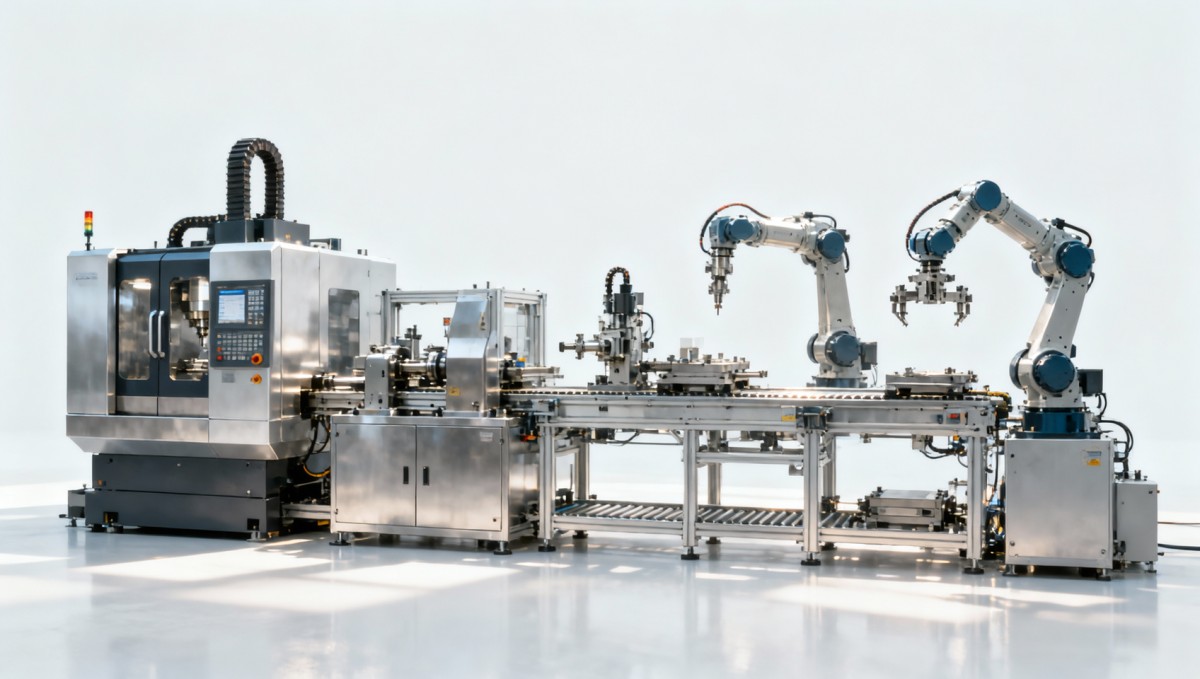
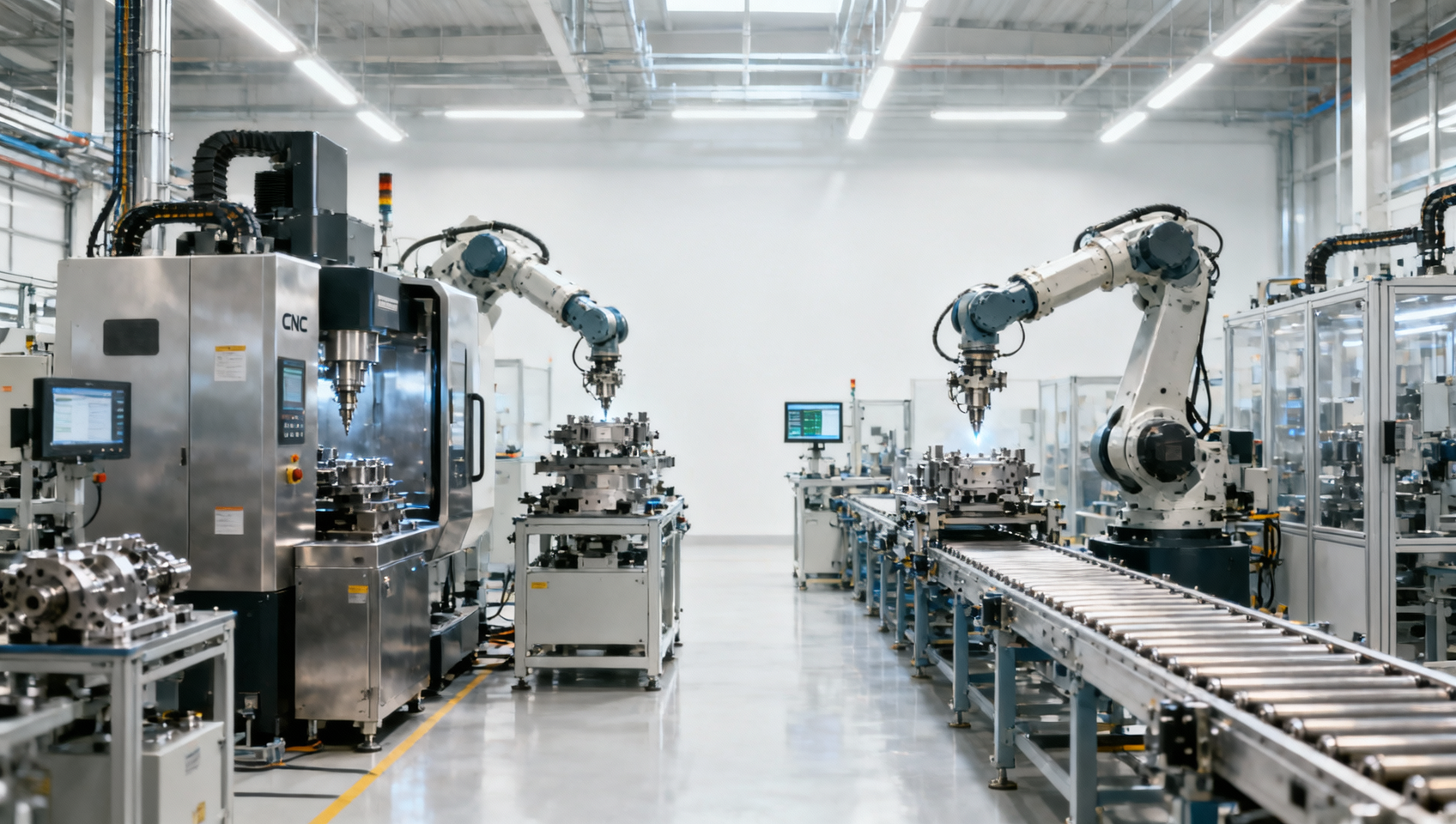
In the CNC machine tool and precision manufacturing sector, an automated production line quote is rarely a simple equipment total. It usually combines machine tools, robotics, conveyors, control systems, fixtures, safety devices, commissioning, and after-sales support into one commercial package. When two suppliers appear to offer a similar line, the quoted price can still differ because the scope, performance assumptions, and service boundaries are not identical.
For information researchers, the key issue is understanding what is included. For operators, the concern is whether the line can run stably for 8–24 hours per day with manageable setup and maintenance. For procurement teams, the challenge is comparing line items that are often described differently. For decision-makers, the real question is not only upfront capital cost, but total cost over 3–7 years of operation.
In practical terms, the price of an automated production line is shaped by at least 5 core dimensions: process complexity, equipment specification, automation level, digital integration, and service depth. A line designed for a single shaft family in medium-volume production is typically priced very differently from a flexible cell that can switch between 3–5 part variants with traceability and data collection functions.
This is especially true in industries such as automotive components, aerospace parts, energy equipment, and electronics manufacturing. Tolerance expectations, material behavior, spindle performance, tool life requirements, and inspection methods directly affect line design. A quote that looks lower at first glance may exclude metrology, spare parts, training, or integration tests that become necessary later.
- Base equipment cost: CNC lathes, machining centers, transfer modules, robots, feeders, and safety systems.
- Engineering cost: process planning, electrical design, PLC logic, HMI development, and fixture design.
- Lifecycle cost: tooling consumption, maintenance interval, software updates, and spare parts availability over 12–36 months.
Which technical factors most strongly change the quote?
The first major price driver is process complexity. A line handling only turning or only drilling is usually easier to quote than one combining turning, milling, tapping, deburring, washing, vision inspection, and automated unloading. Every added station raises integration difficulty, cycle balancing work, and fault diagnosis requirements. In many projects, moving from 4 stations to 7 stations changes both hardware cost and project risk level.
The second driver is precision and repeatability. If the process requires common industrial tolerances, standard machine platforms may be enough. If the line must repeatedly hold tighter ranges such as positional stability within typical fine-machining expectations, suppliers may need higher-rigidity bases, more advanced servo systems, better thermal control, and in-process measurement. Higher precision often means a higher quote not because of a single component, but because the whole system specification rises together.
Equipment specification and integration depth
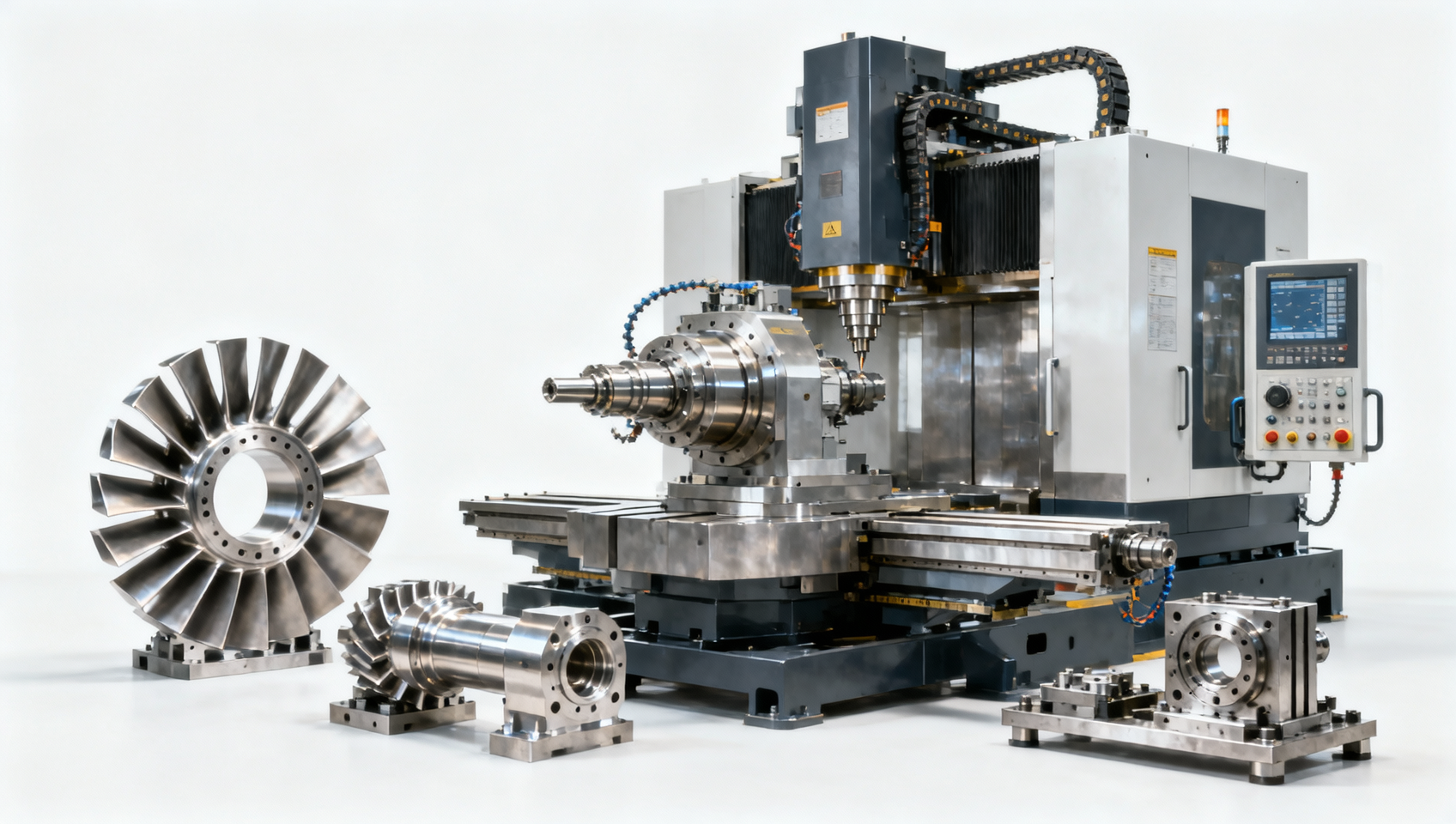
CNC machine model selection has a direct impact on pricing. A standard 3-axis machining center, a twin-spindle CNC lathe, and a 5-axis machining unit serve very different process needs. Spindle speed range, tool magazine capacity, rapid traverse rate, and coolant strategy affect both productivity and price. A line built for aluminum housings is generally configured differently from one intended for alloy steel shafts or heat-resistant aerospace parts.
Industrial Automation integration for production line also changes the quote substantially. A semi-automated arrangement with operator loading and basic signal exchange costs less than a fully linked system with robot loading, pallet circulation, part identification, interlocking, MES connectivity, and remote diagnostics. The more interfaces involved, the greater the electrical and software engineering workload. Integration can account for a meaningful share of total project value, especially in smart factory environments.
Tooling, fixtures, and changeover design
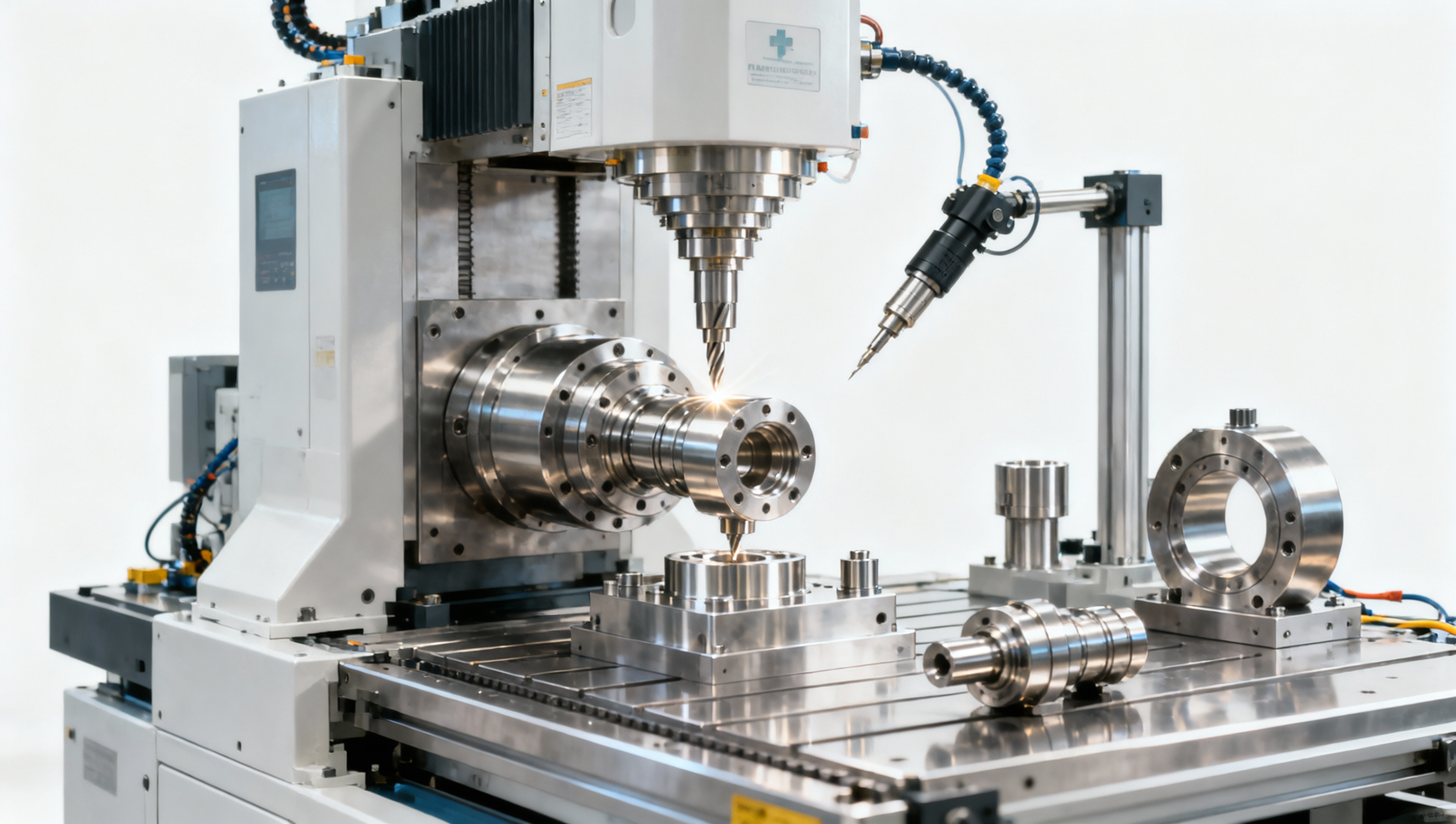
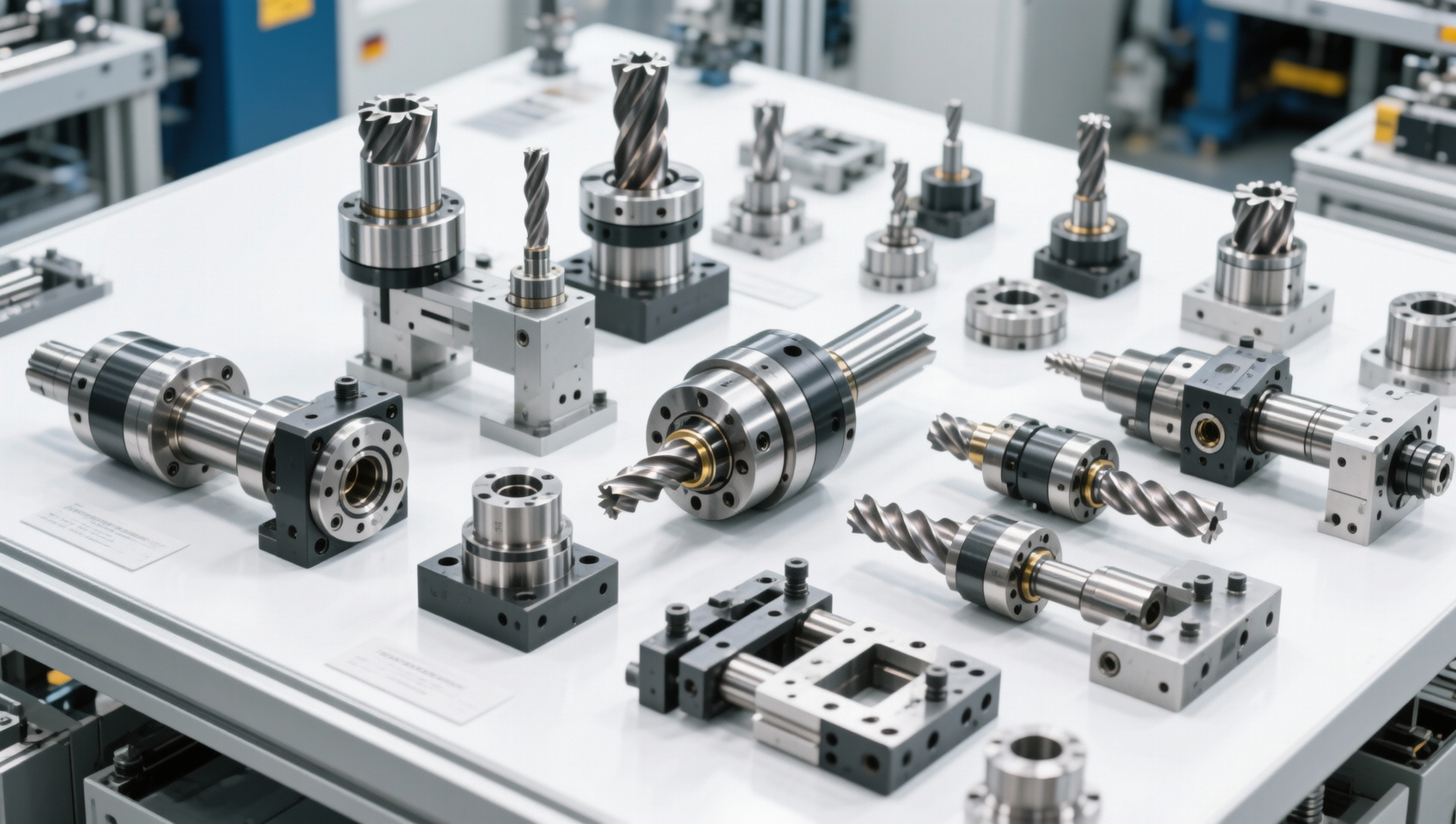
Many buyers underestimate the cost effect of CNC Tooling System selection and Custom Fixture Design for CNC milling. Tool holders, cutters, probes, and presetting strategy influence cycle time, surface finish, and tool life. Meanwhile, fixtures determine clamping stability, repeatability, and changeover speed. A manually adjusted fixture may reduce initial cost, but a quick-change or zero-point solution can save many minutes per shift in medium- or high-mix production.
If the line must support 2–6 product families, the fixture strategy becomes more expensive but often more economical in the long run. Buyers should ask whether the quotation includes initial fixtures only or future variant support. They should also confirm if spare jaws, sensors, wear plates, and reference masters are included. These details are small in appearance but significant in overall quote quality and operational readiness.
The table below helps compare how common technical choices influence an automated production line quote across typical manufacturing scenarios.
When reviewing this type of comparison, buyers should avoid asking only for the cheapest machine list. A more useful approach is to compare process capability, changeover method, software scope, and maintenance expectation together. That is usually where hidden cost differences appear.
What should procurement and management check before comparing suppliers?
A reliable automated production line quote should be evaluated through a structured procurement lens, not only by total price. In most B2B projects, 4 checkpoints matter more than headline cost: production target, process capability, delivery scope, and risk control. If one supplier quotes a lower amount but excludes commissioning, training, or spare tooling for the first 6–12 months, the commercial comparison is incomplete.
Procurement teams should start with takt time and output assumptions. For example, a line designed for one part every 45–90 seconds is different from a line targeting high-volume throughput with parallel stations. The supplier must clearly state cycle time basis, operator involvement, planned uptime assumptions, and whether time includes loading, gauging, and minor stoppages. Without these details, the quote cannot be properly benchmarked.
Decision-makers should also ask how much future expansion is built into the design. A line that supports one product today but cannot add a second fixture family or extra inspection station later may look affordable now and expensive later. In industries moving toward flexible production and digital integration, scalable architecture often delivers better value than the lowest first-stage quotation.
For operators and production managers, serviceability is equally important. Are common wear parts accessible? Is the HMI clear? Can routine maintenance be done within normal shift windows? In many factories, reducing unplanned stoppage by even a few hours per month is more valuable than saving a small percentage on initial purchase price.
A practical supplier comparison checklist
The table below summarizes a procurement-oriented method for comparing an automated production line quote across multiple vendors.
A good quote comparison should normalize these items before any commercial decision. If one offer includes FAT support, training for 2–3 operator groups, and digital maintenance manuals while another does not, the difference is not only price. It is a difference in project completeness.
5 questions procurement teams should ask
- What exact process steps are included in the quoted automated production line, and which steps remain manual?
- Does the quotation include CNC Tooling System, gauges, and Custom Fixture Design for CNC milling, or are these provisional items?
- What delivery stage is promised: mechanical completion, dry run, FAT completion, or site acceptance readiness?
- How are uptime, cycle time, and quality targets defined during acceptance?
- What recurring costs should be expected in the first 12 months, including consumables and maintenance?
How do hidden lifecycle costs affect the real price?
The quoted price of an automated production line is only one part of the financial picture. In actual factory operation, hidden or underestimated costs often appear in tooling wear, fixture maintenance, software modifications, spare sensors, lubrication systems, and unplanned downtime. A line with a modest purchase price can become expensive if it requires frequent intervention, difficult troubleshooting, or long stoppages waiting for imported parts.
This is why total cost of ownership should be reviewed over at least 3 categories: startup, operation, and support. Startup costs may include utilities preparation, foundation work, network integration, and operator training. Operating costs include cutters, inserts, coolant management, fixture wear surfaces, and energy use. Support costs include spare parts inventory, preventive maintenance, and process revalidation when a part changes.
For lines running multiple shifts, maintenance strategy can change the economics dramatically. If preventive service is planned every 1–3 months and critical spare parts are stocked locally, recovery from a fault is usually faster than relying on emergency sourcing. Buyers should therefore ask whether the quote includes a recommended spare parts list, service interval schedule, and remote diagnostic capability.
Another overlooked factor is change management. Many manufacturers expect product updates, fixture revisions, or throughput adjustments within 6–18 months. If the original supplier uses a highly closed architecture or undocumented custom logic, small changes can become costly. A slightly higher initial quote can be justified when it offers modular design, standard components, and easier long-term support.
Common cost layers beyond the initial quotation
The following list shows where many CNC and automated line budgets expand after contract signing.
- Process tuning after installation, especially when real material behavior differs from trial assumptions.
- Additional fixtures or jaws when part families increase from 1 model to 3–4 models.
- Inspection enhancement such as vision systems, probing routines, or traceability labels added after customer audits.
- Software optimization for bottlenecks discovered after continuous production over several weeks.
Understanding these cost layers helps managers see why two automated production line quotes should never be judged as if they were standard commodity purchases. In high-precision manufacturing, the cheapest line on paper is not always the lowest-cost line in operation.
What standards, implementation steps, and risks should buyers review?
In automated production line projects, compliance and implementation discipline matter as much as hardware selection. Depending on destination market and plant policy, buyers may need to review electrical safety, machine guarding, documentation, labeling, and operator training requirements. While exact obligations differ by region and industry, suppliers should be able to discuss common machine safety practices, control architecture transparency, and documentation completeness in a practical way.
Implementation is typically divided into 4 stages: requirement confirmation, engineering design, factory acceptance, and site acceptance. Each stage affects quote value. If the supplier is expected to provide process simulation, sample validation, and trial production support, engineering hours rise. If the buyer can supply stable drawings, part samples, utility data, and acceptance criteria early, project risk usually drops and quotation accuracy improves.
Risk also comes from unclear interfaces. For example, who supplies compressed air preparation, coolant filtration, floor bolts, chip disposal, or upstream and downstream signal handshakes? In many projects, these interface gaps create delay rather than equipment defects. A strong supplier will identify them during quotation instead of leaving them vague until installation week.
For buyers in automotive, aerospace, energy, and electronics manufacturing, documentation depth is especially important. Process sheets, electrical drawings, spare parts lists, maintenance manuals, and training records reduce dependence on a single engineer and help plants maintain performance over time.
Typical implementation flow
- Requirement review within 3–7 working days: define part drawings, output target, takt time, material, tolerance focus, and factory constraints.
- Technical proposal in 1–3 weeks: confirm line layout, machine configuration, automation scheme, tooling concept, and utility needs.
- Build and FAT over 6–16 weeks for many standard projects: verify motion logic, safety, dry cycle, and basic process performance.
- Shipment, installation, SAT, and training in 1–4 weeks depending on site readiness and complexity.
FAQ for quote review and supplier selection
How long does an automated production line quotation usually take?
A preliminary budgetary quote may be prepared in 3–7 working days if the part drawings, target output, and process expectations are clear. A detailed formal quotation often needs 1–3 weeks because suppliers must review machine configuration, Industrial Automation integration for production line, fixture concept, and commercial scope.
What information helps make a quote more accurate?
The most useful inputs are part drawings, material, annual or monthly volume, current bottlenecks, takt time target, utility conditions, and required automation level. If available, sharing sample parts, defect concerns, and planned product families can greatly improve quote precision and reduce later change orders.
Should buyers choose a dedicated line or a flexible line?
A dedicated line is often suitable when one part family will run steadily for years and changeover is minimal. A flexible line is more appropriate when product mix may shift across 2–5 variants, or when future expansion is likely. The flexible option may carry a higher initial automated production line quote, but it can lower reinvestment risk later.
What is the most common quoting mistake from the buyer side?
The most common mistake is comparing only total price without normalizing scope. Buyers often overlook whether CNC Tooling System, Custom Fixture Design for CNC milling, training, FAT support, spare parts, and software interfaces are included. This can make a low quote appear attractive even when key project elements are missing.
Why choose us for automated production line evaluation and quote support?
Our focus on global CNC machining, precision machine tools, and automated manufacturing gives buyers a practical bridge between technical detail and commercial judgment. We understand how CNC lathes, machining centers, multi-axis systems, fixtures, tooling, robotics, and smart factory integration interact in real production environments. That perspective helps reduce the gap between an attractive quote and an actually workable solution.
For information researchers, we can help clarify technical terms, scope boundaries, and quote logic. For operators and plant engineers, we can support discussions around maintainability, changeover, tooling strategy, and realistic production requirements. For procurement and management teams, we can assist with structured comparison across cost, capability, lead time, and lifecycle risk.
If you are comparing an automated production line quote, you can contact us to discuss 6 practical topics: parameter confirmation, process route review, product selection, delivery timeline, customization scope, and certification or compliance expectations. You can also request support on fixture strategy, CNC Tooling System planning, spare parts preparation, and supplier comparison logic before final negotiation.
To move the discussion forward efficiently, prepare your drawings, part materials, expected output, shift pattern, preferred automation level, and any known quality pain points. With those inputs, it becomes easier to assess whether a quoted line is basic, production-ready, or built for scalable smart manufacturing. That is the difference between buying equipment and building a dependable production asset.
PREVIOUS ARTICLE
NEXT ARTICLE
Recommended for You
 What Slows Down an Automation Line in Textile Production?Machine Tool Industry Editorial Team
 High Temperature Alloy Cutting Tools Wear Out for Hidden ReasonsCNC Machining Technology Center
 Automated Production Lines in Auto Manufacturing: Key BottlenecksMachine Tool Industry Editorial Team
 What Makes a 5 Axis Machining Center Fit Aerospace Parts?Machine Tool Industry Editorial Team
 Medical Equipment Machining Centers Need Accuracy Beyond SpecsMachine Tool Industry Editorial Team
 How to Compare CNC Tooling System Suppliers in GermanyGlobal Machine Tool Trade Research Center

Aris Katos
Future of Carbide Coatings
15+ years in precision manufacturing systems. Specialized in high-speed milling and aerospace grade alloy processing.
▶
What Changes the Price of an Automated Production Line Quote?CNC Machining Technology Center▶
Metal Lathe vs CNC Milling for Low Volume Round PartsCNC Machining Technology Center▶
Production Process Mapping Still Misses the Real Delay PointsCNC Machining Technology Center▶
Why CNC industrial projects miss deadlines after quotingCNC Machining Technology Center▶
What causes unstable output in CNC production scheduling?CNC Machining Technology Center
Mastering 5-Axis Workholding Strategies
Join our technical panel on Nov 15th to learn about reducing vibrations in thin-wall components.

Providing you with integrated sanding solutions
Before-sales and after-sales services
Comprehensive technical support