• Global CNC market projected to reach $128B by 2028 • New EU trade regulations for precision tooling components • Aerospace deman
NYSE: CNC +1.2%LME: STEEL -0.4%

Which Metal Lathe Is Best for Repair Work
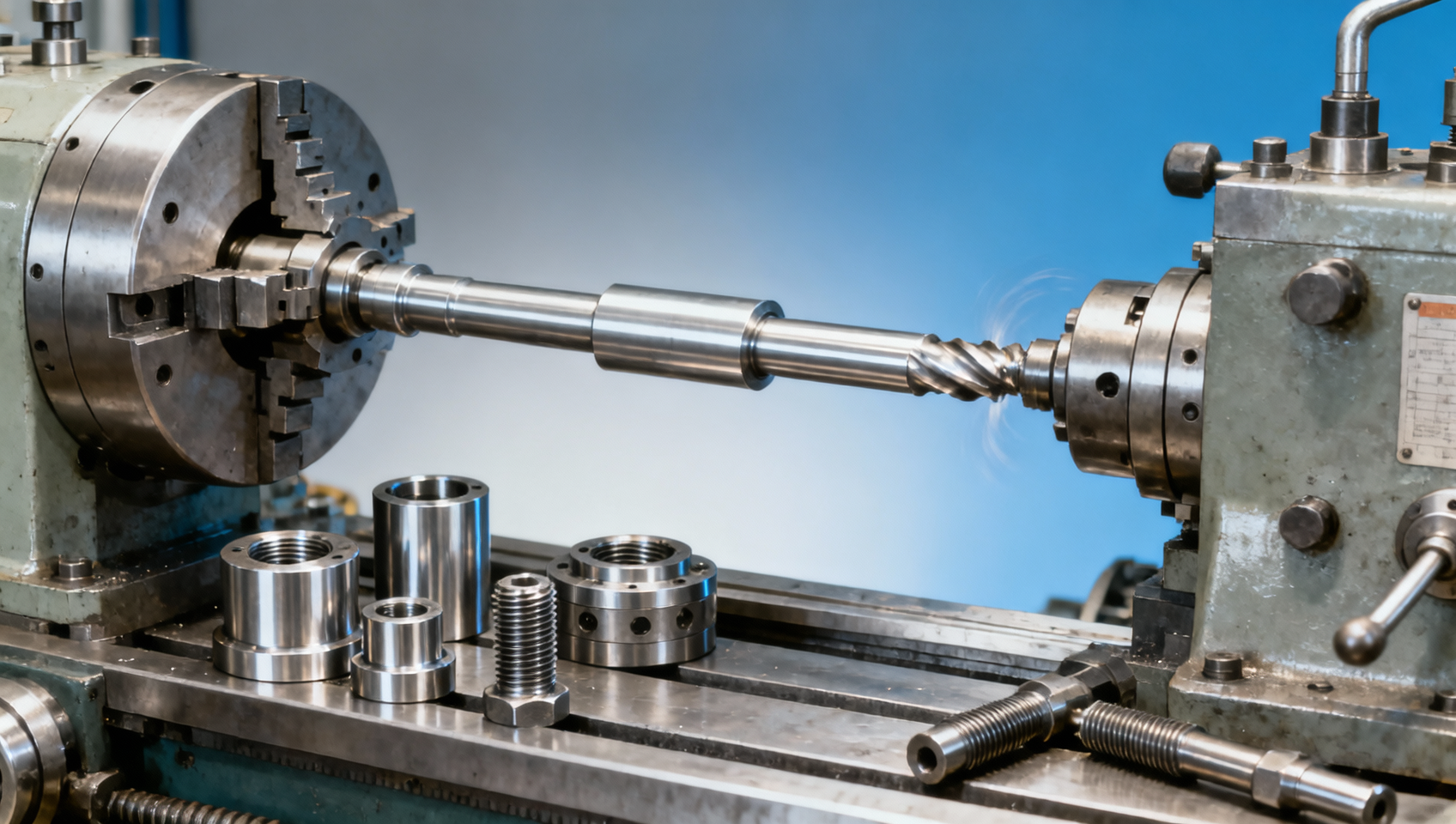
Choosing the best metal lathe for repair work depends on accuracy, flexibility, and production needs. From compact manual models to industrial CNC and automated lathe systems, the right solution can improve metal machining efficiency, support precision CNC metalworking, and reduce downtime. This guide explores how different metal lathe and industrial lathe options fit modern repair tasks across the Manufacturing Industry.
For repair shops, maintenance departments, plant engineers, buyers, and commercial evaluators, the question is rarely about buying the biggest machine. It is about matching spindle capacity, rigidity, control level, and operating cost to the actual mix of damaged shafts, worn bushings, threaded components, housings, and short-run replacement parts that must be restored quickly.
In modern manufacturing, repair work sits between urgency and precision. A machine may need to turn a one-off stainless shaft in the morning, rework a cast iron sleeve by noon, and finish a small batch of hardened alloy parts before the next shift. That is why the best lathe for repair work must be evaluated through application range, setup speed, repeatability, and service support rather than headline power alone.
What Makes a Metal Lathe Suitable for Repair Work
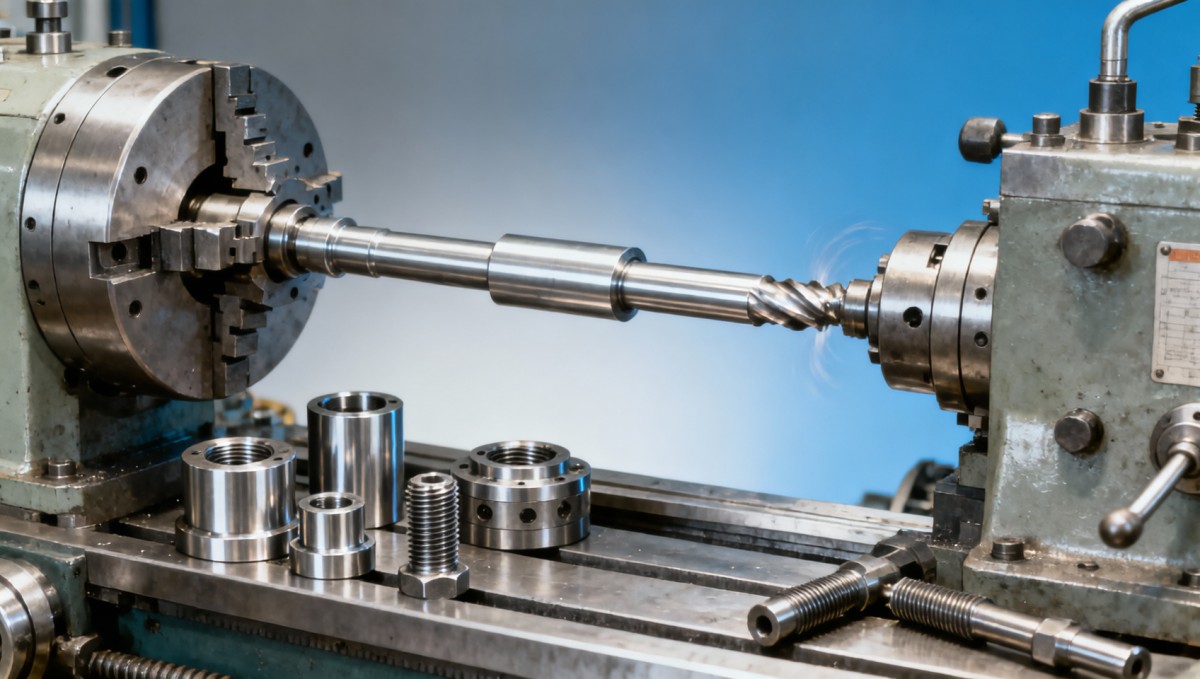
Repair machining is different from mass production. A production lathe may run the same part for 8 to 12 hours, while a repair lathe often changes jobs 5 to 20 times per day. That means the machine must balance versatility with dependable precision. Typical repair tolerances vary from ±0.05 mm for general shaft restoration to ±0.01 mm for bearing seats, seal journals, or mating surfaces in high-value equipment.
A good repair lathe also needs a practical working envelope. Swing over bed, distance between centers, spindle bore, and motor power determine whether the machine can handle common maintenance components. In many workshops, a swing range of 300 to 500 mm and center distance of 750 to 1500 mm covers a large share of day-to-day repair tasks without consuming excessive floor space.
Rigidity is often underestimated during procurement. Repair work frequently involves interrupted cuts, worn surfaces, eccentric parts, or reclaimed materials with inconsistent hardness. If the bed, carriage, and spindle assembly lack stiffness, chatter increases, tool life drops, and dimensional control becomes harder. This is especially important when reworking shafts for pumps, motors, gearboxes, compressors, or auxiliary equipment used across automated production lines.
Ease of setup matters just as much as cutting performance. Operators who handle repair jobs need accessible controls, readable dials or CNC interface screens, and quick tool changes. A reduction of even 10 to 15 minutes per setup can translate into meaningful uptime gains in maintenance-oriented environments where machine availability affects production recovery.
Core Performance Factors
- Accuracy and repeatability: General repair may accept ±0.03 to ±0.05 mm, while precision seats and concentric fits may require ±0.01 mm or better.
- Speed range: A spindle range such as 50 to 2000 rpm supports both large-diameter roughing and smaller precision finishing jobs.
- Spindle bore and chuck size: Larger bores reduce secondary setups on shaft work, especially for diameters above 40 mm.
- Tooling compatibility: Standard inserts, quick-change tool posts, and common chuck interfaces reduce consumable and maintenance cost.
Manual Versus CNC in a Repair Context
Manual lathes remain valuable for emergency maintenance, prototype rework, and low-volume tasks where skilled machinists can respond immediately. CNC lathes become more attractive when the workshop handles repeated repair geometries, tighter tolerances, or a mixed workload of repair and small-batch production. In many factories, the best answer is not either-or, but a layered setup where one manual lathe supports fast intervention and one CNC lathe handles precision and repeat work.
Comparing Lathe Types for Different Repair Scenarios
The best metal lathe for repair work depends on job frequency, part geometry, and required consistency. Manual engine lathes, toolroom lathes, CNC flat-bed lathes, and slant-bed CNC systems each serve a different repair profile. Shops supporting heavy industrial assets may prefer robust beds and larger spindle bores, while electronics, instrumentation, or light equipment service teams may prioritize compact precision and cleaner finishes.
The comparison below helps operators and buyers match machine type to real maintenance applications. It focuses on common repair conditions found in manufacturing plants, energy equipment servicing, and component refurbishment environments rather than purely theoretical specifications.
A manual engine lathe is often the most practical choice for plants with unpredictable maintenance demands and limited daily repair volume. However, when the same wear parts are rebuilt weekly or monthly, CNC equipment can reduce scrap risk and shorten cycle time by 20% to 40% through preset tooling and repeatable programs.
For buyers, the key insight is that repair work usually needs broad capability rather than maximum automation. The best industrial lathe is the one that meets at least 70% to 80% of actual repair jobs in-house while keeping outsourcing limited to highly specialized work such as large-diameter heavy turning or grinding-level finishing.
When a Compact Lathe Is Enough
A compact metal lathe can be a strong fit for maintenance cells, technical schools, small fabrication shops, and service teams focused on motors, pumps, valves, and instrument hardware. If most workpieces stay below 250 mm diameter and 800 mm length, a compact machine may deliver faster ROI than a larger unit with unused capacity.
When to Step Up to CNC Automation
- You rework similar parts more than 10 to 15 times per month.
- Your tolerance target is consistently tighter than ±0.02 mm.
- Setup errors or operator variation cause recurring scrap or rework.
- Repair work must be integrated with small-batch production in one cell.
Key Specifications Buyers and Operators Should Evaluate
A repair lathe should be specified from the workpiece backward, not from catalog headlines forward. Start with the largest and most common parts your team handles. Record diameter, length, weight, material, surface finish, thread types, and tolerance needs over the past 6 to 12 months. This gives a realistic basis for selecting swing, between-centers capacity, spindle torque, and control level.
Motor power should match the material mix. General steel, cast iron, aluminum, and stainless repair work often falls within 4 kW to 11 kW for standard shop lathes. Heavy interrupted cuts, larger chuck sizes, or more aggressive roughing may justify higher power. Still, excessive power without rigidity and operator control offers limited value in practical repair conditions.
Another critical factor is spindle bore. A larger bore allows bar or shaft stock to pass through the spindle, reducing extra clamping steps. For maintenance applications, bores in the 40 mm to 80 mm range are common. Shops serving heavy equipment may need more, but many general repair environments can work efficiently inside this band.
Control system and accessory choices also influence long-term usability. Digital readout systems, coolant delivery, work lights, taper attachments, steady rests, and quick-change tool posts can improve repair efficiency substantially. A lower-cost machine without these options may appear attractive initially but lose value when real shop demands increase.
Practical Specification Reference
The table below outlines common specification ranges for different repair environments. These are not fixed rules, but they provide a useful starting point for technical review, budget planning, and supplier discussion.
The main takeaway is to avoid overspecifying size and underspecifying usability. In repair operations, accessories, repeatability, and setup efficiency often influence productivity more than a small increase in horsepower. Procurement teams should also verify spare parts availability, training scope, and service response time before approving a supplier.
Checklist Before Purchase Approval
- Confirm the top 20 repair parts handled in the last year and map them against machine envelope.
- Review whether tolerance requirements are general, precision, or near-toolroom level.
- Estimate setup frequency per shift to determine manual versus CNC value.
- Check utility needs, floor load, coolant arrangement, and chip removal conditions.
- Request a sample machining plan or trial part if the project is commercially significant.
Operational Risks, Maintenance Needs, and Implementation Planning
Even a capable metal lathe can perform poorly if implementation is rushed. One common mistake is selecting a machine only by advertised precision while ignoring operator skill level. A workshop with limited CNC programming capacity may achieve better short-term results with a manual or teachable control platform than with a complex system that remains underused for 3 to 6 months after installation.
Preventive maintenance should be part of the purchase discussion. Repair departments often operate under urgent conditions, but skipping daily checks increases risk. Lubrication points, chuck inspection, coolant concentration, belt condition, way cleanliness, and backlash monitoring should follow a planned cycle. Basic daily inspection may take 10 to 15 minutes, while weekly and monthly checks help prevent accuracy drift and unplanned stoppage.
Implementation planning also affects time to value. A typical lathe acquisition process may include 4 stages: requirement definition, technical review, installation and alignment, then operator training and trial production. Depending on machine complexity and logistics, lead time can range from 2 to 8 weeks for standard configurations, with commissioning requiring another 2 to 5 days in normal plant conditions.
For commercial evaluators, the hidden cost factors are often more important than list price. Tooling packages, electrical preparation, training, consumables, and planned service support can materially change total ownership cost over the first 12 to 24 months. A lower initial quote may become less competitive if service delays extend equipment downtime during critical repair periods.
Common Implementation Risks
- Buying too much machine for a low-volume maintenance workload, increasing capital pressure without proportional gain.
- Buying too little spindle bore or center distance, forcing repeated outsourcing for larger repair parts.
- Ignoring service access and spare parts lead time, which can turn minor faults into week-long interruptions.
- Undertraining operators on threading, taper turning, offsets, and tooling selection for diverse materials.
Service and Support Questions to Ask Suppliers
Before signing, ask how quickly replacement parts are normally supplied, what installation support is included, and whether remote troubleshooting is available. In many B2B environments, a target response window of 24 to 72 hours for technical feedback is far more meaningful than a generic warranty statement. Ask for a clear boundary between standard service items and chargeable support.
How to Choose the Best Lathe by Use Case and Budget
The best lathe for repair work is the one that matches workload pattern, tolerance level, and staffing capability. Small maintenance rooms, central repair workshops, and component refurbishment cells do not need the same machine strategy. A practical selection model is to divide requirements into three filters: technical fit, operational fit, and commercial fit. If a candidate machine fails one of these three, it may not perform well in real production support.
Technical fit means the machine covers your actual part sizes, material range, and precision targets. Operational fit means the people using it can run it efficiently across multiple shifts or variable job types. Commercial fit means the investment, support cost, and expected utilization rate make sense within the wider manufacturing business. This is especially important when capital equipment must compete with other automation or machining investments.
As a simple rule, if your repair mix is highly variable and volume is under 50 jobs per month, a robust manual or hybrid setup is often the most efficient option. If recurring jobs exceed that level, tolerances are tighter, and downtime cost is high, CNC becomes easier to justify. In plants where a stopped line can create significant hourly losses, faster and more repeatable rework may outweigh the higher purchase price.
The selection process should involve operators, maintenance leaders, purchasing, and commercial reviewers together. Operators know setup pain points, buyers understand lifecycle cost, and evaluators can frame the business case. This cross-functional view usually leads to better decisions than relying on specifications alone.
Decision Matrix for Buyers
The matrix below helps convert technical and commercial factors into a structured buying decision. It is particularly useful for factories comparing a general-purpose metal lathe against a more advanced industrial CNC lathe for repair support.
This comparison shows that the right decision is rarely about trend following. A conventional lathe can remain the best choice in many maintenance-intensive sectors, while a CNC solution becomes compelling when repeatability, traceability, and throughput directly influence production continuity.
FAQ for Research and Procurement Teams
How large should a repair lathe be?
Size should be based on the largest regular part, not the rare emergency outlier. Many workshops can cover 70% to 85% of routine repair work with a mid-size lathe in the 300 to 500 mm swing class. Oversizing increases footprint, power use, and investment without always improving repair speed.
Is CNC always better for repair work?
No. CNC is better when jobs repeat, tolerance is tight, or documented process consistency matters. For low-volume emergency machining and highly variable parts, a manual lathe often gives faster response and lower operating complexity.
What is the typical delivery and startup window?
For standard machines, procurement to delivery often falls within 2 to 8 weeks depending on configuration and region. Installation, leveling, trial cutting, and operator familiarization may add 2 to 5 days. More complex CNC cells can require longer if custom tooling or automation is included.
Selecting the best metal lathe for repair work means understanding the real mix of precision, flexibility, job volume, and service expectations inside your manufacturing environment. A compact manual lathe, a precision toolroom machine, or an industrial CNC lathe can each be the right answer when matched to actual parts, staffing, and uptime goals.
If you are evaluating metal lathe options for maintenance workshops, refurbishment cells, or broader CNC machining support, a structured review of capacity, repeatability, accessories, and support terms will lead to a more reliable investment. Contact us to discuss your repair machining needs, request a tailored equipment recommendation, or learn more about practical lathe solutions for modern manufacturing operations.
PREVIOUS ARTICLE
NEXT ARTICLE
Recommended for You
 How to Choose the Right Metal Machining ProcessCNC Machining Technology Center
 Metal Machining vs CNC Metalworking: What MattersCNC Machining Technology Center
 What Drives Cost in Industrial CNC ProjectsManufacturing Market Research Center
 Is Industrial CNC Worth Upgrading in 2026Machine Tool Industry Editorial Team
 How CNC Industrial Systems Improve Shop EfficiencyMachine Tool Industry Editorial Team
 CNC Industrial Setup Mistakes to Avoid FirstCNC Machining Technology Center

Aris Katos
Future of Carbide Coatings
15+ years in precision manufacturing systems. Specialized in high-speed milling and aerospace grade alloy processing.
▶
CNC Industrial Setup Mistakes to Avoid FirstCNC Machining Technology Center▶
Which Metal Lathe Is Best for Repair WorkCNC Machining Technology Center▶
What Changes the Price of an Automated Production Line Quote?CNC Machining Technology Center▶
Metal Lathe vs CNC Milling for Low Volume Round PartsCNC Machining Technology Center▶
Production Process Mapping Still Misses the Real Delay PointsCNC Machining Technology Center
Mastering 5-Axis Workholding Strategies
Join our technical panel on Nov 15th to learn about reducing vibrations in thin-wall components.

Providing you with integrated sanding solutions
Before-sales and after-sales services
Comprehensive technical support