• Global CNC market projected to reach $128B by 2028 • New EU trade regulations for precision tooling components • Aerospace deman
NYSE: CNC +1.2%LME: STEEL -0.4%

How Cost-Effective CNC Manufacturing Avoids Hidden Costs
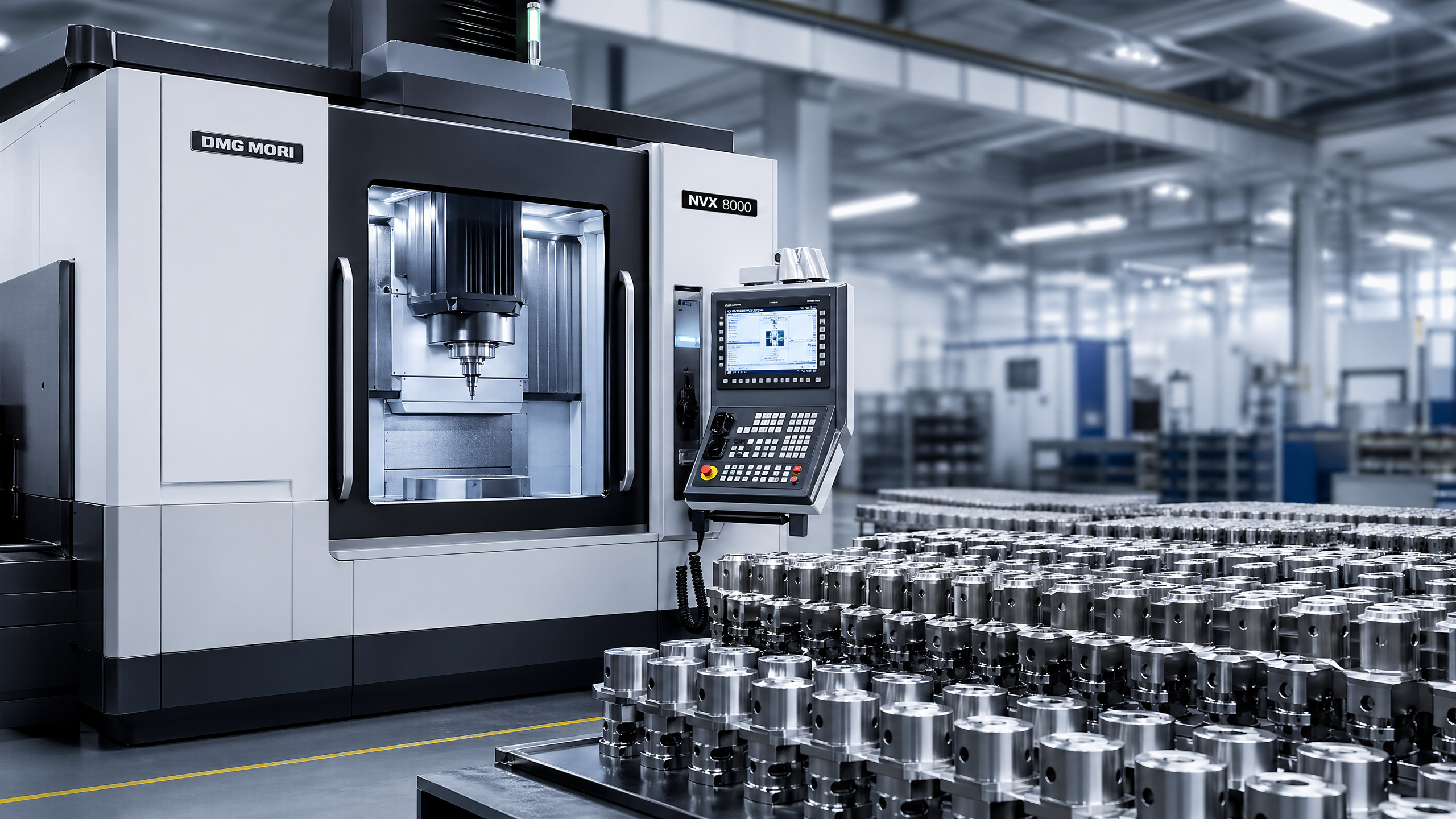
Cost-effective CNC manufacturing is not simply about buying the lowest-priced machine or choosing the cheapest quote. For most buyers, operators, and sourcing teams, the real financial risk comes from hidden costs: long setup times, inconsistent precision, scrap, tool wear, unexpected maintenance, high energy consumption, delivery delays, and poor process support. In practice, a supplier or production system that looks more expensive at the beginning can often deliver a much lower total cost over time.
That is why evaluating CNC manufacturing cost-effectiveness requires a broader view. You need to look at total production efficiency, machine stability, repeatability, automation capability, service response, and the ability to reduce quality problems before they happen. For companies in automotive, aerospace, electronics, energy equipment, and general precision manufacturing, these factors directly affect profitability, lead time, and customer satisfaction.
Why the cheapest CNC option often becomes the most expensive
The core search intent behind this topic is practical: readers want to know how to reduce CNC manufacturing costs without triggering hidden expenses later. They are not only comparing machine prices or part quotes. They are trying to understand how to avoid downstream losses that are harder to see during procurement.
In CNC manufacturing, hidden costs often appear in five areas:
- Setup inefficiency: long changeover times reduce machine utilization and delay output.
- Precision instability: dimensional variation leads to scrap, rework, and customer complaints.
- Maintenance disruption: unplanned downtime affects delivery schedules and labor efficiency.
- Energy and consumable waste: inefficient systems increase electricity, coolant, and tool costs.
- Poor process integration: weak automation or programming support creates bottlenecks across production.
For procurement teams, the hidden cost issue is especially important because an attractive unit price can mask weak long-term performance. For operators and production managers, the concern is different: they want equipment and machining processes that are easier to run, faster to adjust, and less likely to generate errors. For business evaluators, the question is whether a CNC investment improves ROI over the machine lifecycle, not just at purchase.
What cost-effective CNC manufacturing really means in practice
A truly cost-effective CNC manufacturing solution combines reasonable acquisition cost with dependable production performance. In other words, it helps manufacturers lower total cost per qualified part, not just the initial purchase price.
In practical terms, this usually means the following:
- High precision machine tool capability to reduce scrap and maintain part consistency
- Quick setup CNC manufacturing to shorten downtime between jobs
- Automated CNC manufacturing systems to improve repeatability and reduce labor dependence
- Stable spindle, guideway, and control system performance to prevent unexpected interruptions
- Strong application engineering support to optimize tooling, fixturing, and machining parameters
This is especially relevant in precision manufacturing environments where tolerance requirements are tight and delivery windows are short. A machine or supplier that helps avoid one major batch of scrap or one delayed shipment may save more money than a lower-priced alternative ever could.
Which hidden costs matter most to buyers and sourcing teams
For purchasing and sourcing professionals, cost control depends on asking the right questions before making a decision. The biggest hidden costs are often not visible in the initial quote.
1. Setup and changeover time
If production involves multiple part types, small batches, or frequent specification changes, setup time becomes a major cost driver. Quick setup CNC manufacturing solutions reduce idle machine time, improve scheduling flexibility, and allow faster response to customer demand.
Important evaluation points include fixture design, tool presetting efficiency, control system usability, and whether programs can be changed with minimal interruption.
2. Scrap and rework
Low precision or unstable machining performance creates direct material loss and indirect labor waste. In sectors such as aerospace, automotive components, and electronics, poor repeatability can quickly erase any savings from a lower supplier price.
Ask whether the CNC manufacturing supplier can demonstrate capability in holding required tolerances across volume production, not just on a sample part.
3. Maintenance and downtime
Unexpected machine stoppages can affect entire delivery schedules. This is particularly costly in integrated or automated production lines where one machine delay can impact upstream and downstream processes.
Buyers should review spare parts availability, after-sales support speed, preventive maintenance recommendations, and real-world equipment reliability.
4. Tooling and consumables
Some machining solutions appear affordable until tool wear, coolant usage, and fixture replacement are taken into account. Better machine rigidity, optimized cutting conditions, and process stability can significantly reduce consumable costs over time.
5. Energy consumption
As electricity costs rise globally, machine energy efficiency matters more than ever. Idle power draw, spindle efficiency, servo optimization, and automation design all influence operational cost, especially in high-volume or multi-shift production.
How operators and production teams reduce hidden CNC costs on the shop floor
For machine users and operators, cost-effectiveness is closely linked to process control. Even a high-quality CNC machine can become expensive if setup discipline, tooling strategy, or maintenance routines are weak.
Several practical actions help reduce hidden costs:
- Standardize setup procedures so different operators can achieve repeatable results faster.
- Use the right fixture and tool combination to improve accuracy and reduce vibration.
- Monitor tool wear proactively rather than waiting for defects to appear.
- Verify first-piece quality carefully to catch programming or offset issues early.
- Apply preventive maintenance routines to avoid breakdowns that interrupt production.
- Leverage machine data where available to track cycle time, alarms, and utilization trends.
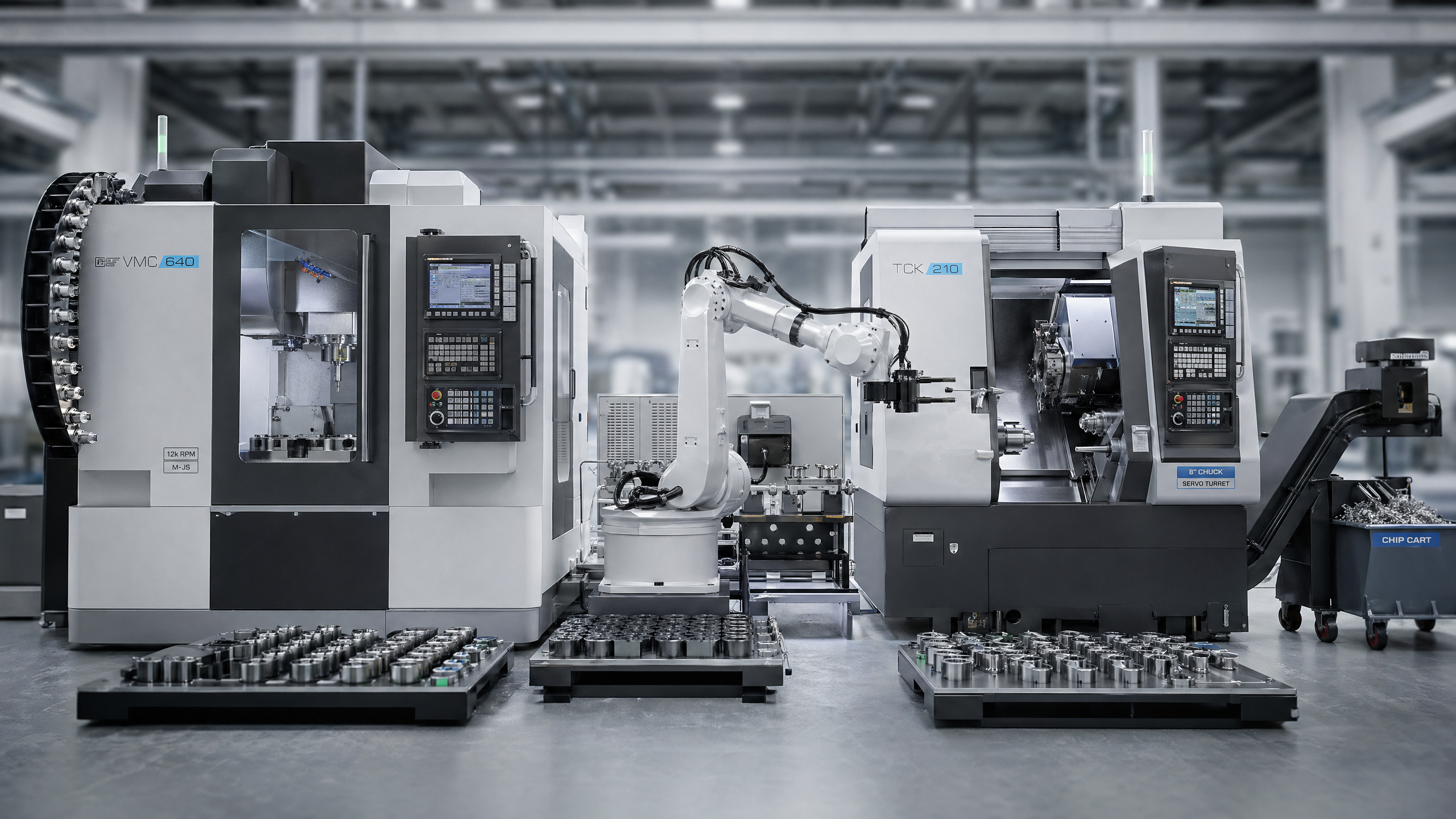
In automated CNC manufacturing environments, operators also play a key role in ensuring that robotic loading, tool management, and program transfer work smoothly. Small issues in automation logic or workholding alignment can create expensive ripple effects if not corrected quickly.
How to evaluate a precision CNC manufacturing supplier beyond the quote
If you are selecting an external CNC manufacturing supplier, price alone is not enough. The better question is whether the supplier can consistently deliver qualified parts on time, with minimal process risk and transparent cost control.
Key evaluation criteria include:
- Machining capability: Do they have the right CNC lathes, machining centers, or multi-axis systems for your part geometry and tolerance requirements?
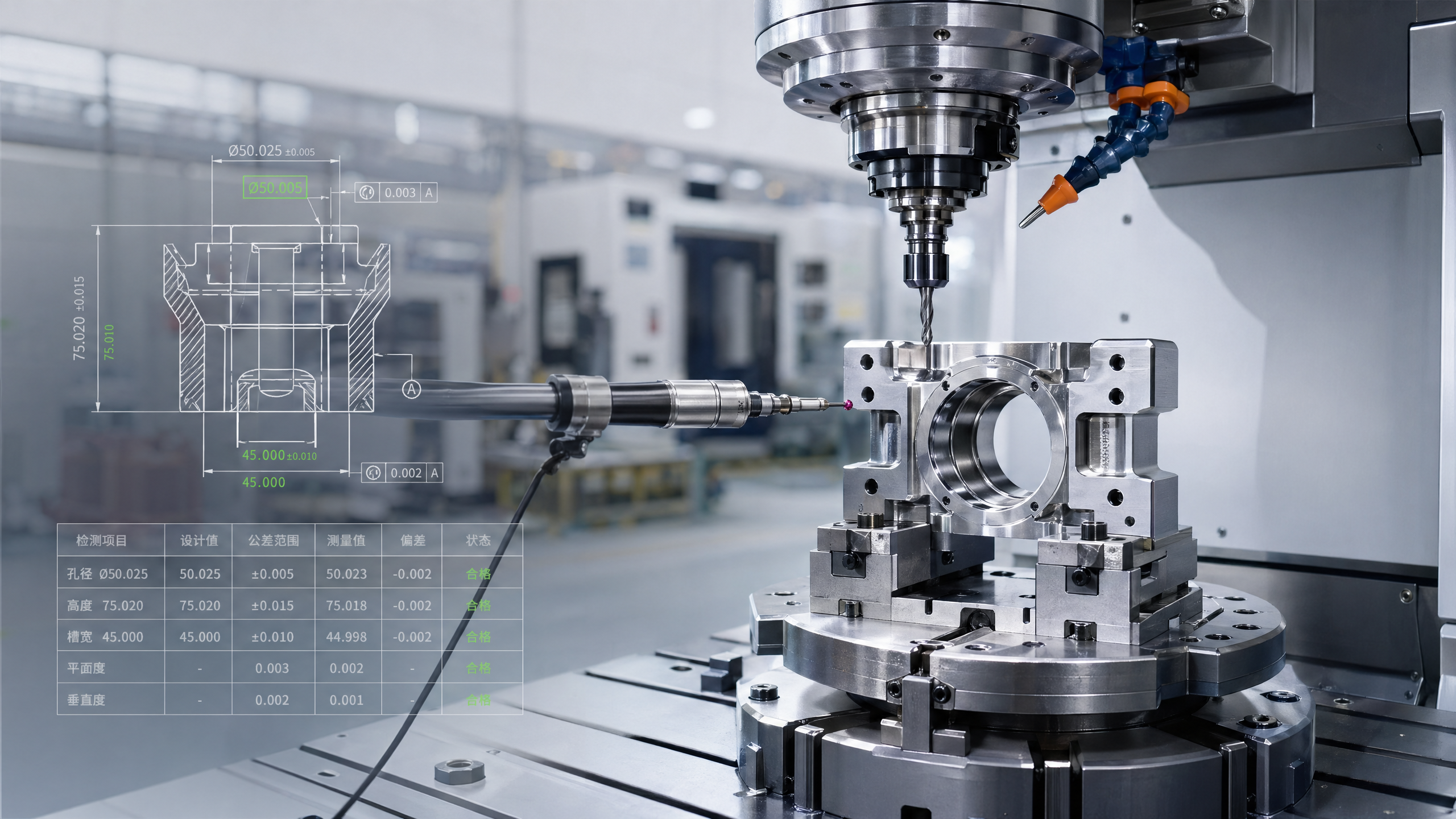
- Precision control: How do they manage inspection, calibration, thermal stability, and process consistency?
- Engineering support: Can they suggest design-for-manufacturability improvements that reduce machining time or simplify setups?
- Automation level: Do they use automated CNC manufacturing systems to improve efficiency and repeatability?
- Delivery reliability: Do they have a history of stable lead times and capacity planning?
- Quality records: Can they provide traceability, process documentation, and relevant certification where needed?
Suppliers with strong precision machine tool capabilities often help customers lower hidden costs by identifying problems early. For example, they may recommend a better material condition, a more stable clamping method, or a revised tolerance strategy that maintains function while reducing machining complexity.
Why automation and digital integration improve long-term CNC cost performance
One of the clearest trends in global manufacturing is the move toward higher automation and digital integration. This matters directly to hidden cost control.
Automated CNC manufacturing systems can reduce labor variability, improve cycle consistency, and support unattended or semi-attended production. Digital monitoring tools can also help manufacturers identify causes of downtime, excessive setup time, or abnormal tool consumption.
Long-term benefits of automation and integration include:
- More predictable output across shifts
- Lower risk of manual handling errors
- Faster response to process deviations
- Better machine utilization analysis
- Stronger support for flexible production lines
This does not mean every operation needs a fully automated smart factory. The practical takeaway is that cost-effective CNC manufacturing often comes from targeted automation: tool monitoring, pallet systems, robotic loading, digital scheduling, or process data tracking that removes specific sources of waste.
Questions to ask before choosing a CNC machine or manufacturing partner
To avoid hidden costs, decision-makers should ask structured questions early in the process:
- What is the expected total cost per finished part, not just the machine or quote price?
- How long are average setup and changeover times?
- What is the demonstrated repeatability under actual production conditions?
- How often does unplanned maintenance occur, and how quickly is support available?
- What are the expected tooling, coolant, and energy costs over time?
- Can the system or supplier support future automation or volume growth?
- How are quality risks identified and controlled before batch problems occur?
These questions help buyers, users, and evaluators compare options more realistically. They also shift the conversation from “Which option is cheaper today?” to “Which option will perform better over the full production cycle?”
Conclusion: the best CNC value comes from controlling total production risk
Cost-effective CNC manufacturing avoids hidden costs by improving precision, reducing setup time, lowering downtime, controlling consumables, and supporting stable output. For target readers such as researchers, machine users, purchasing teams, and business evaluators, the main lesson is clear: the lowest initial cost is rarely the best measure of value.
A better decision comes from evaluating total lifecycle performance. Whether you are sourcing a precision CNC manufacturing supplier, comparing machine tools, or upgrading toward automated CNC manufacturing systems, the right choice is the one that delivers reliable quality, efficient operation, and fewer costly surprises over time.
In modern manufacturing, real cost-effectiveness is not about spending less at the start. It is about building a CNC process that wastes less, stops less, and delivers more.
PREVIOUS ARTICLE
NEXT ARTICLE
Recommended for You
 How to Choose a Space-Saving CNC Manufacturing SetupCNC Machining Technology Center
![]() What to Check Before Using a CNC Manufacturing WholesalerGlobal Machine Tool Trade Research Center
What to Check Before Using a CNC Manufacturing WholesalerGlobal Machine Tool Trade Research Center Why Precision CNC Manufacturing Fails Tolerance GoalsCNC Machining Technology Center
 Is CNC Manufacturing for Energy Equipment Worth the CostManufacturing Market Research Center
![]() How Low Maintenance CNC Manufacturing Cuts DowntimeMachine Tool Industry Editorial Team
How Low Maintenance CNC Manufacturing Cuts DowntimeMachine Tool Industry Editorial Team How to Compare One CNC Manufacturing Factory to AnotherManufacturing Market Research Center


Aris Katos
Future of Carbide Coatings
15+ years in precision manufacturing systems. Specialized in high-speed milling and aerospace grade alloy processing.
▶
How Cost-Effective CNC Manufacturing Avoids Hidden CostsCNC Machining Technology Center▶
When a Portable Machine Tool Makes More SenseCNC Machining Technology Center▶
How to Read Machine Tool Price Quotes Without MistakesCNC Machining Technology Center▶
CNC Industrial Setup Mistakes to Avoid FirstCNC Machining Technology Center▶
Which Metal Lathe Is Best for Repair WorkCNC Machining Technology Center
Mastering 5-Axis Workholding Strategies
Join our technical panel on Nov 15th to learn about reducing vibrations in thin-wall components.

Providing you with integrated sanding solutions
Before-sales and after-sales services
Comprehensive technical support