• Global CNC market projected to reach $128B by 2028 • New EU trade regulations for precision tooling components • Aerospace deman
NYSE: CNC +1.2%LME: STEEL -0.4%

CNC Metalworking Costs That Often Get Missed Early On
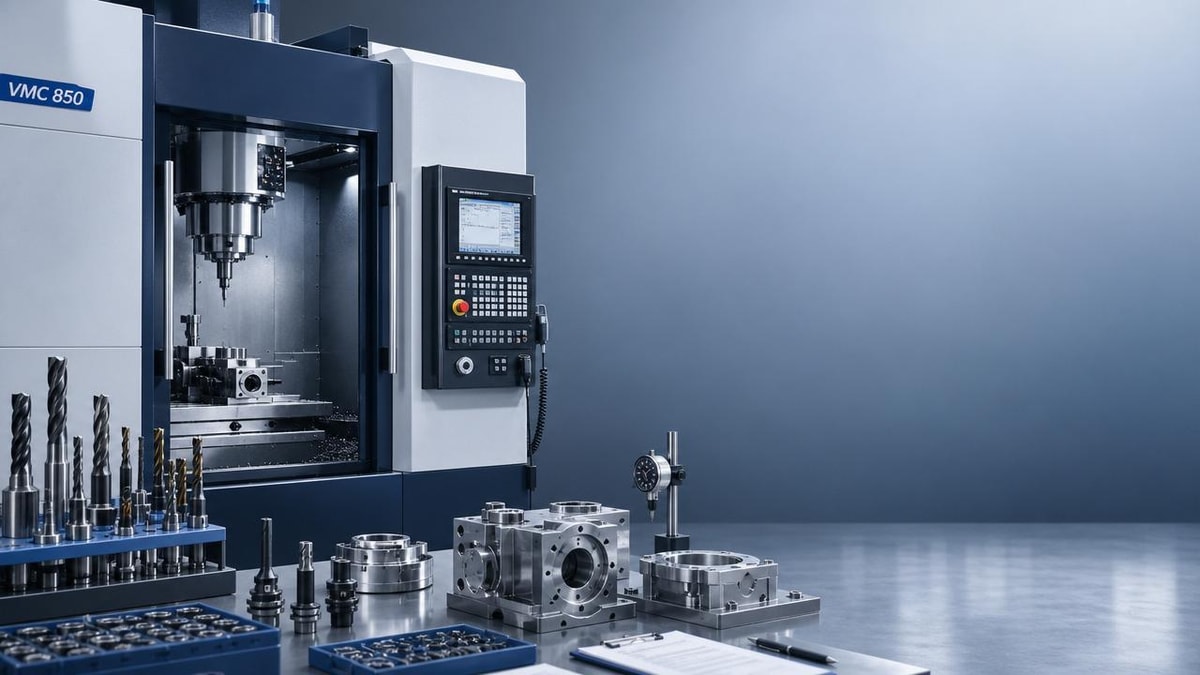
Early CNC metalworking budgets often look manageable—until hidden costs begin to surface. For financial approvers, overlooking tooling wear, setup time, scrap risk, software integration, and maintenance can distort ROI and delay decisions. This article highlights the CNC metalworking expenses that are frequently missed in early planning, helping you evaluate total cost more accurately and approve investments with greater confidence.
Why early CNC metalworking cost assumptions are changing
Across modern manufacturing, the way companies estimate CNC metalworking projects is shifting. In the past, many budget discussions centered on machine hourly rate, raw material price, and a simple labor estimate. That approach is becoming less reliable. Today, higher precision requirements, shorter lead times, more frequent design revisions, digital traceability demands, and pressure to reduce waste are exposing cost items that were once treated as secondary. For financial approvers, this means the old budgeting shortcuts can produce approval decisions that look efficient on paper but underperform in practice.
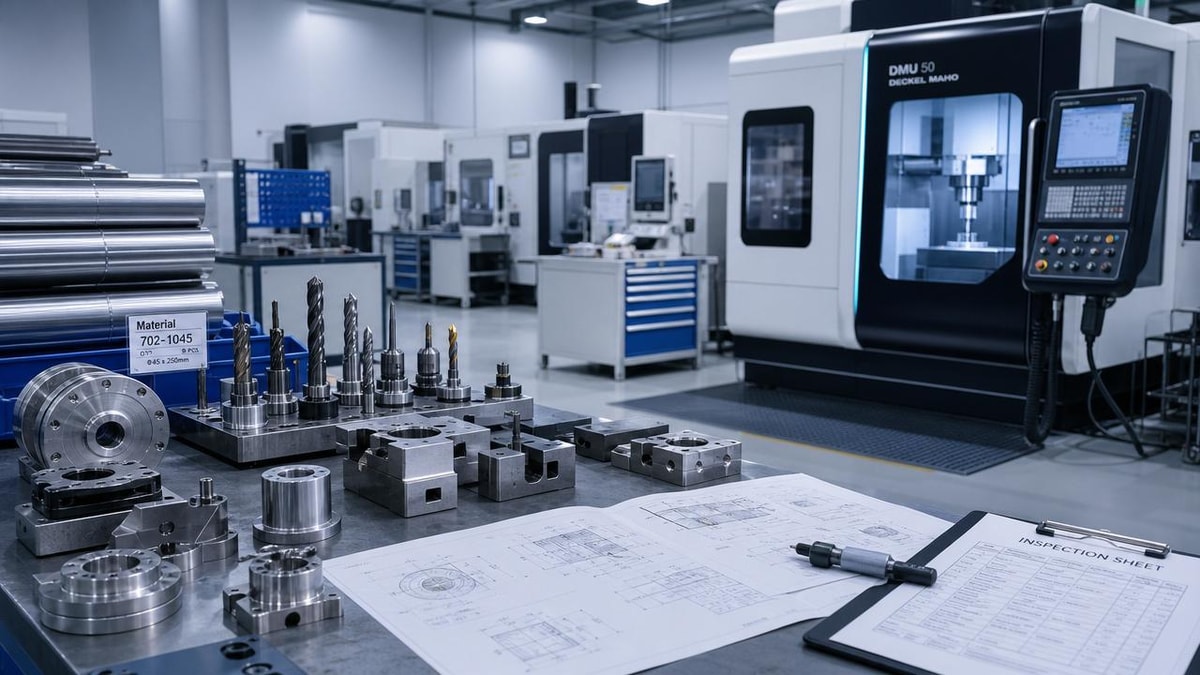
This change is especially relevant in sectors supported by CNC machine tools, including automotive, aerospace, electronics, energy equipment, and broader industrial production. As parts become more complex and production planning becomes more integrated, CNC metalworking no longer behaves like a simple “machine plus material” purchase. It increasingly behaves like a connected production system with technical, operational, and financial dependencies.
The trend matters because hidden costs do not usually appear all at once. They emerge across quoting, setup, trial runs, quality checks, maintenance, tooling replacement, software compatibility, and delivery recovery. By the time they become visible, the initial budget has already shaped expectations. Financial approval then turns into a reactive exercise instead of a strategic one.
The strongest market signals behind rising hidden CNC metalworking costs
Several industry signals explain why hidden CNC metalworking costs are receiving more attention. First, part geometry is becoming more demanding. Multi-axis machining, tighter tolerances, and more difficult materials all raise the likelihood of longer programming cycles, more tool changes, and higher scrap exposure. Second, labor structure is changing. Skilled machinists, programmers, and maintenance technicians remain essential, but their time is expensive and often limited. Third, digital production management is expanding. Shop floor connectivity, CAM software updates, post-processor adjustments, and machine data integration are now part of real operating cost.
Another signal is that customers increasingly expect stable quality from the first batch onward. That expectation pushes suppliers to invest more in inspection routines, process validation, fixturing discipline, and preventive maintenance. None of these items are optional if repeatability matters. Yet they are often underestimated in early approval documents because they sit outside the obvious machine purchase or quoted part price.
In addition, supply chain volatility has changed cost timing. Tooling lead times, spare parts availability, imported component pricing, and emergency outsourcing can all shift unexpectedly. A CNC metalworking budget that ignores these variables may appear conservative initially but become exposed when production starts.
A quick view of what is changing
The shift shown above explains why a narrow CNC metalworking estimate often becomes inaccurate. Financial approvers increasingly need to ask not only “What does the machine or job cost?” but also “What changes around the process once production is live?”
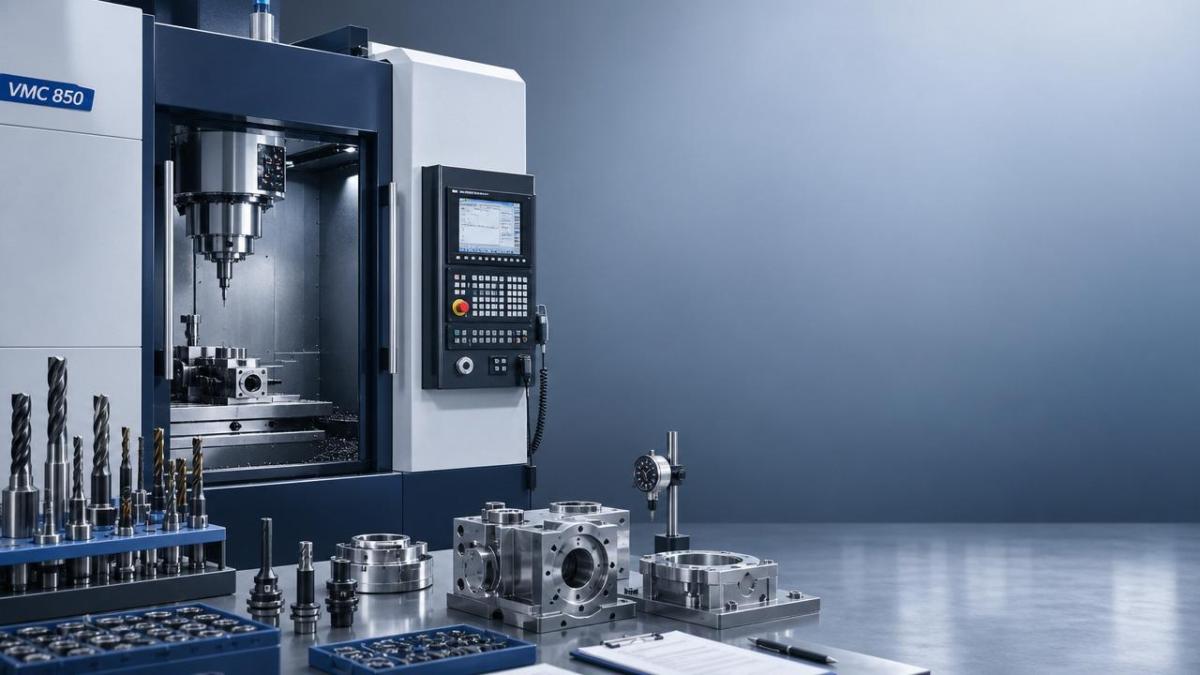
The hidden costs most likely to be missed in early CNC metalworking reviews
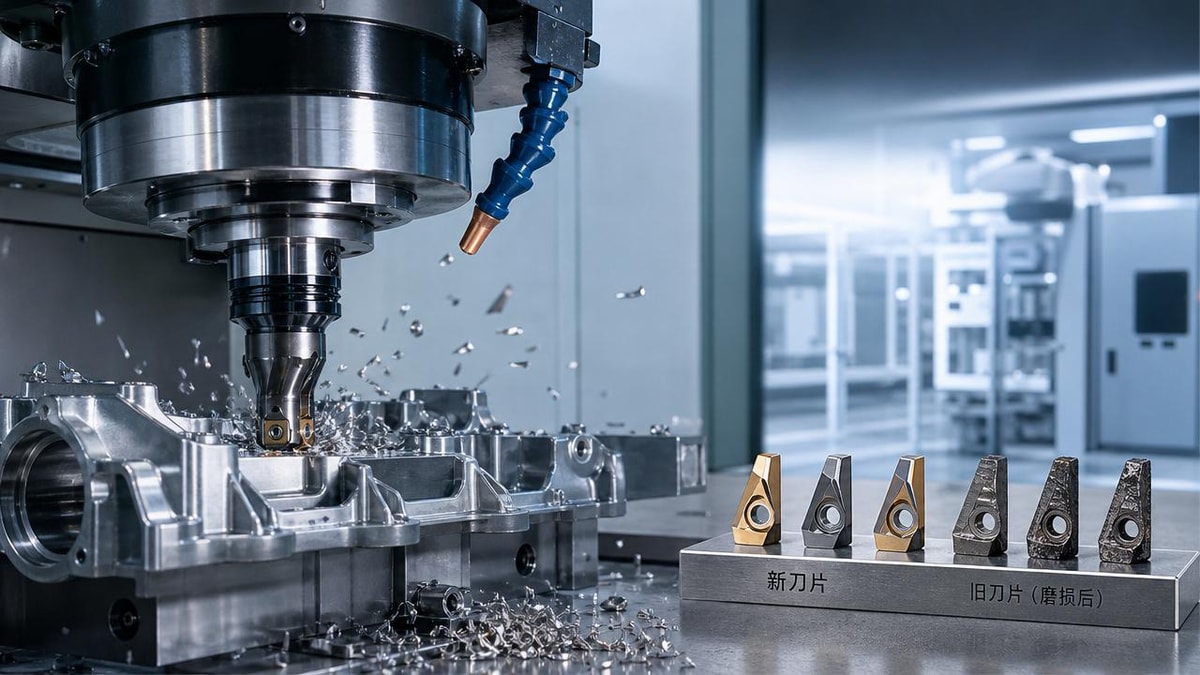
Among all overlooked items, tooling wear is one of the most common. Tool life rarely behaves in a perfectly predictable way, especially when materials vary, machine conditions differ, or tolerances are demanding. Inserts, end mills, drills, holders, and specialty cutters can affect cost more than expected, particularly in medium-volume or precision-heavy work. A quote may assume average tool life, while real production experiences accelerated wear, extra breakage, or more frequent rework.
Setup time is another major blind spot. In CNC metalworking, setup includes fixture adjustment, tool loading, probing, offset setting, first-article verification, and process stabilization. If product mix is broad or engineering changes are frequent, setup consumes a meaningful share of machine availability. A shop may own capable equipment, yet financial performance weakens because too many paid hours are spent preparing rather than cutting.
Scrap and rework risk also deserve closer attention. Tight-tolerance parts, thin-wall components, or difficult alloys can generate hidden quality losses even in well-managed operations. Scrap is not only lost material. It also includes machine time, tooling use, operator effort, inspection time, and often schedule disruption. When budgets treat quality losses as an exception rather than a probable operating factor, ROI calculations become overly optimistic.
Software and digital integration are now cost centers that many early reviews still understate. CAM programming licenses, post-processor customization, machine connectivity, ERP or MES data links, and cybersecurity practices all carry expense. These costs may not look large beside a capital machine purchase, but they strongly influence throughput, traceability, and repeatability. For organizations moving toward smart manufacturing, ignoring them can create delayed implementation and underused equipment.
Maintenance is often the final overlooked category. Preventive service, spindle monitoring, coolant management, way lubrication, sensor replacement, and calibration all protect output quality and uptime. When these are deferred to make a budget look lean, the result is usually more downtime, unstable process capability, and higher emergency repair cost later.
Who feels the impact first: financial approvers, production teams, or customers?
The impact of hidden CNC metalworking costs does not stay inside the machine shop. It spreads through multiple decision points. Financial approvers feel it first when expected payback periods lengthen or operating variance appears after approval. Production teams feel it through unstable schedules, overloaded setups, and tool-related interruptions. Procurement teams feel it when emergency tool purchases or subcontracting become necessary. Customers eventually feel it through delayed delivery, inconsistent quality, or repeated quotation revisions.
For financial leaders, the main issue is not simply cost inflation. It is decision visibility. If the approval process relies on simplified estimates, then comparing one CNC metalworking investment against another becomes difficult. Two projects may show similar machine rates but very different hidden exposure. One may require stable repeat production with modest tooling complexity; the other may involve frequent design changes, complex setups, and strict documentation needs. Without a fuller cost view, capital discipline weakens.
Impact by stakeholder
Why these hidden costs are becoming more important now
The importance of hidden CNC metalworking costs is rising because manufacturing systems are becoming more connected and less tolerant of inconsistency. In a lower-complexity environment, a shop could absorb occasional inefficiency without major financial damage. In a higher-precision, data-driven, faster-turnaround environment, those inefficiencies compound quickly. One setup delay can affect multiple orders. One tooling problem can trigger inspection backlog. One software issue can interrupt programming, machine communication, or revision control.
There is also a strategic factor. Companies are increasingly using CNC metalworking as part of broader automation and digitalization plans. That means an investment is no longer judged only on whether it can cut metal. It is judged on whether it supports stable scheduling, quality consistency, data visibility, and cross-functional planning. Hidden costs matter more in this context because they determine whether the investment scales well after launch.
In regions where machine tool clusters are strong and competition is intense, the cost advantage often comes from process control rather than headline equipment ownership. Suppliers that understand hidden cost drivers can price more accurately, protect margins better, and respond faster to customer changes. Those that do not may continue winning work but lose profitability after production begins.
What financial approvers should ask before approving a CNC metalworking budget
A stronger review process does not require excessive complexity. It requires better questions. Financial approvers should first ask whether the estimate separates direct machining time from non-cutting time. If setup, inspection, trial runs, and changeovers are blended into a generic rate, the quote may hide risk. Second, ask whether tooling assumptions are based on actual material and geometry conditions or on standard averages. Third, verify whether software, programming, and integration costs are included as startup overhead, recurring expense, or omitted entirely.
It is also important to ask how scrap and rework are modeled. Not every part family carries the same risk. Early-stage production, difficult alloys, or tight tolerance work usually need a more realistic loss allowance. Another useful question concerns maintenance readiness: Is preventive maintenance built into the plan, and is spare support available without long downtime? Finally, ask whether the project depends on key talent availability. In CNC metalworking, the hidden cost of skilled labor shortage can appear as delayed launch, unstable quality, or dependence on outside programming support.
Practical evaluation checklist
How businesses can respond to the new CNC metalworking cost reality
The most effective response is to move from price-based approval to total process cost approval. That means budgeting CNC metalworking as a production capability, not just a purchase line. Businesses should align finance, engineering, operations, and quality teams earlier in the review cycle so assumptions are challenged before commitment. A machine that seems affordable may require costly fixturing, complex validation, or specialized software support. A more expensive option may actually carry lower hidden cost because it reduces setup, improves tool life, or simplifies repeatability.
Companies should also build cost reviews by production stage. Prototype work, pilot batches, and stable series production do not share the same hidden cost profile. Early-stage runs typically need more programming iteration, setup adjustment, and inspection intensity. Mature production may shift emphasis toward preventive maintenance, cycle optimization, and tooling efficiency. Treating all stages as one cost model can mislead approvals.
Another useful response is to track a small set of leading indicators after approval. Tool consumption variance, setup hours per batch, first-pass yield, unplanned maintenance time, and programming revision frequency can reveal whether a CNC metalworking budget is holding up. These signals allow finance teams to intervene early rather than waiting for quarterly variance to expose the issue.
What to watch next in CNC metalworking cost planning
Going forward, the most important trend is not simply that CNC metalworking costs are rising. It is that cost visibility is becoming a competitive advantage. As machine tools become smarter and production lines more connected, companies that understand real process cost will make faster and better investment decisions. They will be better positioned to judge whether automation, multi-axis capability, digital monitoring, or supplier diversification truly improves economics.
Financial approvers should therefore look beyond the initial quote and focus on whether the organization has a reliable framework for hidden cost identification. The right question is no longer “Can we afford this CNC metalworking project?” but “Have we identified the operating realities that will determine its true return?” If businesses want to judge the impact on their own operations, they should confirm five points: where setup time is actually spent, how tooling risk is measured, whether quality loss is scenario-based, how software integration is funded, and what maintenance discipline protects uptime.
In a market shaped by precision, automation, and digital integration, those questions are no longer optional. They are the difference between approving a machine budget and approving a sustainable manufacturing capability.
PREVIOUS ARTICLE
Recommended for You
 CNC Milling Capacity Gaps Can Hurt Small Batch ProfitabilityManufacturing Market Research Center
 Industrial Robotics Payback Is Changing in Mid-Size PlantsManufacturing Market Research Center
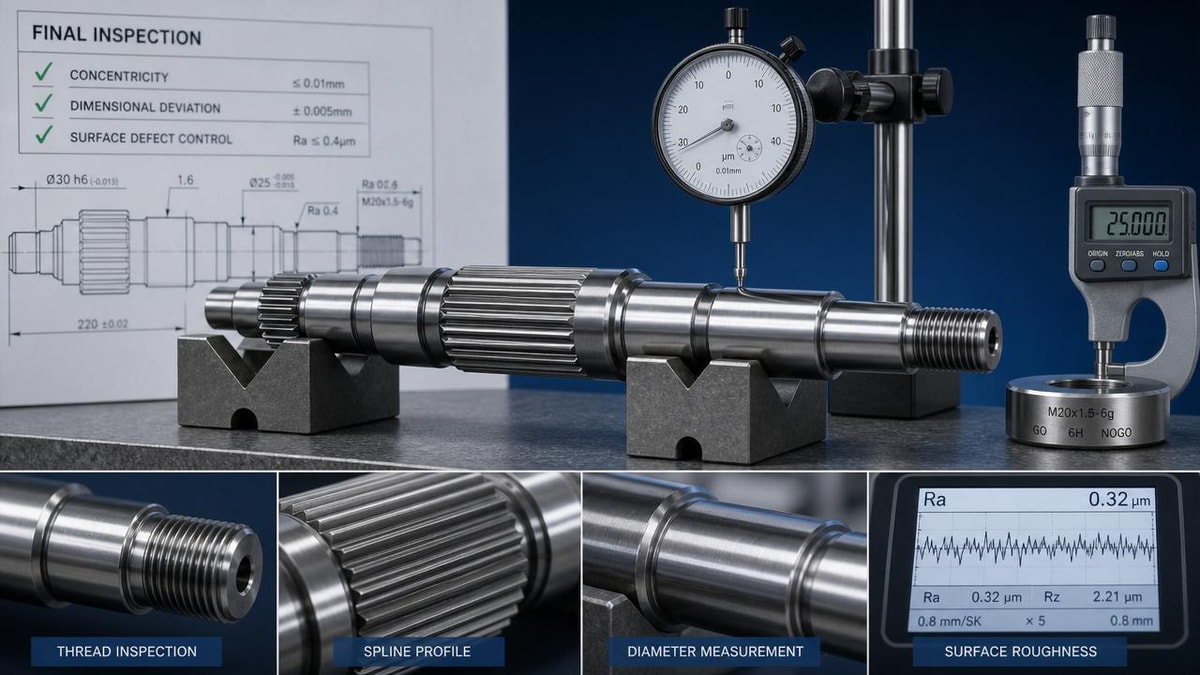
 Shaft Parts Machining Problems That Show Up at Final InspectionCNC Machining Technology Center
 Production Process Delays Usually Start Before Machining BeginsCNC Machining Technology Center
 Industrial Automation Projects Often Miss This Integration StepCNC Machining Technology Center
 CNC Metal Cutting Tool Wear Is Costing More Than You ThinkCNC Machining Technology Center



Aris Katos
Future of Carbide Coatings
15+ years in precision manufacturing systems. Specialized in high-speed milling and aerospace grade alloy processing.
▶
Shaft Parts Machining Problems That Show Up at Final InspectionCNC Machining Technology Center▶
Industrial Turning Accuracy Can Drift for Hidden ReasonsCNC Machining Technology Center▶
CNC Metalworking Costs That Often Get Missed Early OnCNC Machining Technology Center▶
Shaft Parts machining problems that show up after final inspectionCNC Machining Technology Center▶
Which Production Process changes bring the fastest output gains?CNC Machining Technology Center
Mastering 5-Axis Workholding Strategies
Join our technical panel on Nov 15th to learn about reducing vibrations in thin-wall components.

Providing you with integrated sanding solutions
Before-sales and after-sales services
Comprehensive technical support