• Global CNC market projected to reach $128B by 2028 • New EU trade regulations for precision tooling components • Aerospace deman
NYSE: CNC +1.2%LME: STEEL -0.4%

Production Process delays often come from approval steps
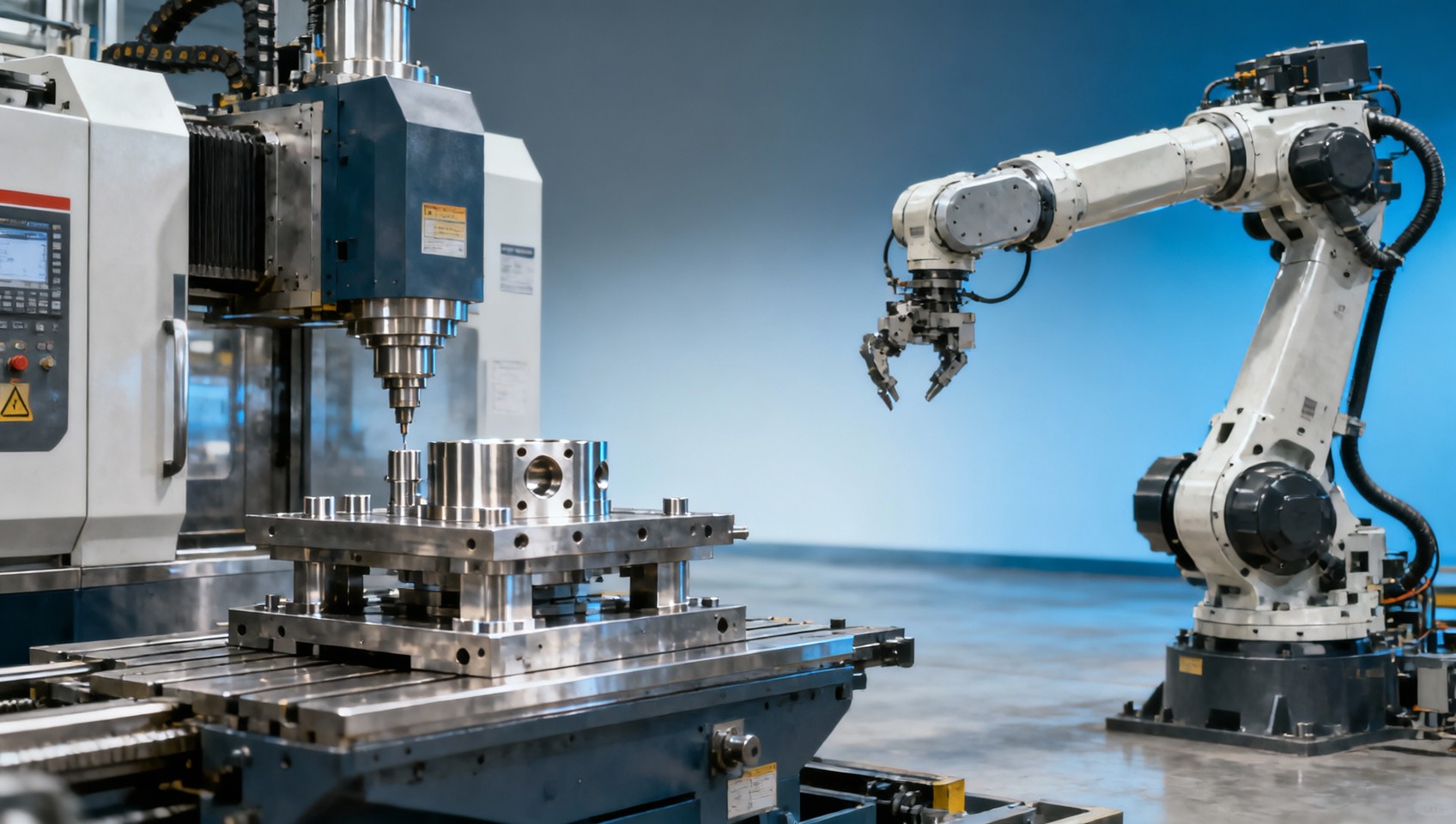
Production Process delays in Global Manufacturing often begin with slow approval steps that disrupt automated production, CNC production, and Industrial Automation workflows. For teams managing metal machining, industrial CNC systems, automated lathe operations, or CNC milling projects, these bottlenecks can raise costs and reduce delivery speed. This article explores why approval issues matter across the Manufacturing Industry and how to improve efficiency.
In CNC machining and precision manufacturing, approval is not a minor administrative checkpoint. It often determines when drawings are released, when tooling can be ordered, when first article inspection starts, and when batch production is allowed to move forward. A delay of 24 to 72 hours at one approval gate can ripple through a 2 to 6 week production schedule.
This matters to different stakeholders in different ways. Operators need stable work orders and confirmed process sheets. Procurement teams need fast sign-off for materials, fixtures, and outsourced processes. Decision-makers need predictable lead times, lower rework rates, and better machine utilization across CNC lathes, machining centers, and automated production lines.
When approval steps are poorly designed, even advanced manufacturing systems lose efficiency. High-speed spindles, multi-axis machining, industrial robots, and flexible lines cannot compensate for unclear responsibility, fragmented communication, or repeated document review. The real issue is not only speed, but control, accountability, and process visibility.
Why approval steps become a hidden source of production delay
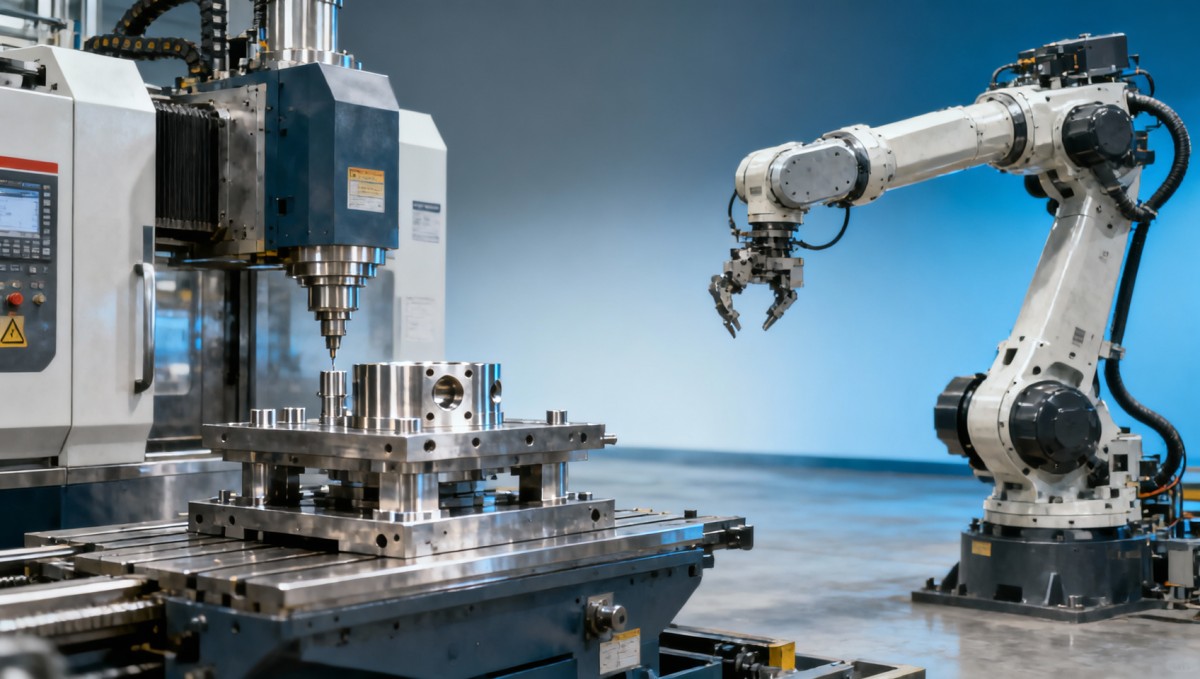
Approval delays are common because they sit between technical preparation and physical execution. In a typical manufacturing workflow, a part may require drawing confirmation, process route approval, material substitution review, fixture validation, quality plan release, and final production authorization. If each stage adds only 8 to 12 hours, the combined delay can exceed 2 working days before a machine starts cutting.
The problem becomes more serious in global manufacturing environments. Design may be in one country, sourcing in another, and machining in a third location. Time zone gaps of 6 to 12 hours make even a simple engineering approval slower. For buyers and plant managers, this creates uncertainty in delivery promises, especially for precision discs, shaft components, and structural parts with tight tolerance requirements such as ±0.01 mm to ±0.05 mm.
Approval steps also expand when documentation is inconsistent. A CNC milling project may have one revision in the ERP system, another in email, and a third marked-up version on the shop floor. In that situation, teams hesitate to proceed because the cost of machining the wrong revision is high. Scrap, rework, and missed shipment windows often cost more than the delay itself.
In highly automated environments, the damage is multiplied. A delayed sign-off can leave a machining center idle, hold back robot loading programs, and postpone in-process inspection planning. Machine utilization can drop by 5% to 15% over a month if approvals are repeatedly late, especially in mixed-model production where setups change frequently.
Typical approval points that slow CNC production
Many factories focus on cycle time and machine capability but overlook administrative friction. The most common delay points are not always technical failures. They are often simple handoff failures between engineering, quality, purchasing, and production control.
- Drawing and revision approval before programming begins
- Material approval for alloy changes, supplier substitution, or heat treatment routing
- Fixture and tool approval before first setup on CNC lathes or machining centers
- First article inspection release before batch production
- Quality deviation approval when dimensions trend close to tolerance limits
If even 1 of these 5 checkpoints lacks a clear owner or response deadline, the entire production process becomes exposed to avoidable waiting time.
Operational impact by production type
The table below shows how approval delays affect different manufacturing settings. The impact pattern varies depending on batch size, process complexity, and automation level.
The main conclusion is simple: the more integrated the production environment, the more expensive each approval delay becomes. In advanced manufacturing, waiting time is not isolated. It spreads across machines, people, materials, and delivery commitments.
The cost of slow approvals for operators, buyers, and decision-makers
For machine operators and production supervisors, slow approvals create unstable work sequencing. A scheduled order may suddenly stop while a missing signature or unresolved quality note blocks the next step. This leads to rushed schedule changes, unplanned setup switches, and lower output per shift. On a shop floor running 2 or 3 shifts, even one blocked order can disrupt several machines within the same day.
For procurement teams, approvals directly affect purchase timing. Materials such as alloy steel, aluminum billets, castings, cutting tools, and custom fixtures may have lead times of 7 to 30 days. If technical approval is delayed by 3 days, the purchasing window narrows and teams may be forced into higher-cost sourcing options, partial shipments, or substitute suppliers that need additional validation.
For business leaders, the biggest concern is not only extra labor cost. It is the compound effect on throughput, cash flow, and customer credibility. If first article approval slips, final delivery may move from week 3 to week 4. That may delay invoicing, increase work-in-process inventory, and reduce confidence in planning accuracy across the plant or supplier network.
Approval delays also affect quality performance. Teams under delivery pressure may start machining with partial information or verbal confirmation. That creates a higher risk of incorrect tool offsets, outdated process sheets, or incomplete inspection criteria. In precision manufacturing, one wrong assumption can result in scrap rates rising from a normal 1% to 3% range up to 5% or more on a problematic order.
Direct and indirect costs to monitor
Not all costs appear in the accounting system as approval-related losses. Many are hidden inside utilization gaps, overtime, premium freight, and engineering firefighting. A structured cost view helps decision-makers prioritize improvement.
These costs are especially important when comparing suppliers or internal plants. A manufacturer with slightly higher hourly rates may still deliver better total value if its approval process is controlled, visible, and fast enough to protect schedule stability.
Key warning signs inside a factory or supply chain
- More than 2 approval loops before first article release
- Repeated schedule changes within the same 48-hour period
- Manual document transfer through email, chat, and printed sheets at the same time
- No fixed response target such as 4 hours, 8 hours, or 1 business day for critical sign-offs
- Frequent disputes over revision control, inspection method, or material status
If 3 or more of these signals are present, approval process redesign is usually more urgent than adding capacity.
How to reduce approval bottlenecks in CNC and automated manufacturing
Reducing delays does not always require a major digital transformation project. In many cases, strong process design delivers results quickly. The first step is to map the approval chain from quotation release to final shipment. Most manufacturers find that 4 to 7 approval points matter most, and at least 1 or 2 of them can be simplified immediately.
A practical approach is to separate high-risk approvals from routine approvals. A material substitution for a critical aerospace part should receive deeper technical review than a repeat order for a stable automotive component. When every approval is treated the same way, engineers and quality staff become bottlenecks. A risk-based model helps reduce response time while maintaining control.
Standard response windows are also effective. For example, drawing clarification may require response within 8 working hours, first article review within 24 hours, and deviation approval within 4 hours when production is stopped. These simple targets create accountability and reduce waiting time that otherwise disappears into inboxes and informal messages.
Digital workflow tools can help, but only if the underlying process is already clear. A system that routes bad data faster still produces delay. Manufacturers should first define document ownership, revision hierarchy, escalation rules, and release criteria. Then software can support traceability, timestamps, and alerts across plants, suppliers, and customer teams.
A 5-step framework for faster approvals
- Identify all approval gates from RFQ handoff to shipment release, then remove duplicate reviews that do not change risk.
- Assign one owner and one backup owner for each gate to avoid waiting during shift gaps, travel, or time zone differences.
- Set response targets by priority, such as 4 hours for production stops, 8 hours for drawing clarifications, and 24 hours for first article review.
- Use a single controlled document source for drawing revision, process sheet, tool list, and inspection plan.
- Track approval lead time weekly and investigate any step exceeding the target more than 2 times per month.
This framework works well for CNC turning, CNC milling, multi-axis machining, and automated assembly environments because it improves both speed and traceability without weakening quality controls.
Recommended control points for different order types
Not every order needs the same level of review. The table below offers a practical reference for approval depth based on manufacturing complexity.
The key takeaway is that approval speed should be matched to risk. Fast is important, but structured fast is what protects both delivery and quality in industrial CNC systems.
What buyers and decision-makers should evaluate in suppliers and internal plants
When buyers compare CNC machining suppliers or assess internal production readiness, machine specifications alone are not enough. A supplier may have advanced equipment, yet still miss deadlines because its approval path is slow or unclear. Procurement and management teams should examine process responsiveness with the same seriousness as spindle speed, axis count, or tolerance capability.
One useful measure is approval turnaround visibility. Can the supplier show who approves drawings, how revisions are controlled, and what happens when a deviation appears mid-production? If the answer is vague, delivery risk is usually higher. In global projects involving automotive, aerospace, energy equipment, or electronics components, even a 1-day delay in technical confirmation can affect multiple downstream schedules.
Decision-makers should also ask how approval is handled across shifts and across countries. If all key sign-off depends on one engineer or one manager, the system is fragile. A stronger setup uses defined backups, documented escalation rules, and digital traceability. This is especially important for factories operating 16 to 24 hours per day or coordinating suppliers in Asia, Europe, and North America.
For internal plants, the same logic applies. If an enterprise invests in smart factory technology, industrial robots, and automated production lines, but approval still runs through scattered spreadsheets and email chains, the return on automation is reduced. Process discipline is what converts equipment capability into reliable output.
Supplier evaluation checklist for approval efficiency
- Is there one controlled source for drawings, process sheets, and inspection records?
- Are approval response targets defined, such as same-day review for urgent production issues?
- Can the supplier support first article approval within 24 hours when required?
- Is there a documented escalation process if a key approver is unavailable?
- Can the supplier separate routine orders from high-risk parts and adjust approval depth accordingly?
- Are procurement, engineering, quality, and production linked through one traceable workflow?
These six checks often reveal more about delivery reliability than a short machine list or generic capability presentation.
FAQ for common manufacturing approval concerns
How long should a normal approval step take?
For routine repeat production, many approvals should be completed within 4 to 8 working hours. First article review often fits within 24 hours if documentation is complete. More complex decisions involving supplier change, special processes, or deviation review may require 1 to 2 business days, but they should still follow a defined service target.
Which industries are most sensitive to approval delays?
Automotive, aerospace, electronics, and energy equipment are especially sensitive because they combine precision requirements, multi-stage production, and strict delivery coordination. In these sectors, approval delays often impact machining, inspection, assembly, and shipment at the same time.
Is software enough to solve the problem?
No. Software helps track and route approvals, but it does not fix unclear authority or weak document control. Factories usually see the best results when they first simplify approval logic, then digitize it. Without that sequence, digital tools can accelerate confusion instead of reducing it.
What is the fastest improvement a factory can make?
A practical first move is to define top 5 approval gates, assign owners and backups, and set response deadlines for each. Many plants can reduce waiting time within 2 to 4 weeks by doing this, even before investing in new systems or equipment.
Production process delays often look like a scheduling problem, but in many CNC and automated manufacturing environments they begin much earlier, inside approval logic, document release, and cross-functional coordination. The manufacturers that improve this area usually gain faster lead times, steadier utilization, and lower rework without compromising technical control.
For researchers, operators, buyers, and decision-makers, the practical lesson is clear: evaluate approval flow as a core part of production capability. Strong machining capacity, modern automation, and quality systems create more value when approvals are timely, visible, and risk-based.
If you are reviewing CNC production performance, comparing suppliers, or planning a more efficient precision manufacturing workflow, now is the right time to assess where approval steps are slowing output. Contact us to discuss your production challenges, request a tailored solution, or learn more about efficient manufacturing and global CNC industry insights.
PREVIOUS ARTICLE
Recommended for You
 Heavy-duty Machining Center for mold making: Why coolant filtration standards evolve faster than OEM manualsMachine Tool Industry Editorial Team
 Quick-change Fixture Design for CNC turning: Why clamping force consistency drops after 200 cyclesCNC Machining Technology Center
 5 Axis Machining for impeller manufacturing: Why toolpath smoothing affects surface fatigue lifeCNC Machining Technology Center
 Lean Production Process implementation: Where value stream mapping fails to expose hidden machine downtimeManufacturing Market Research Center
 Modular Tooling System for flexible manufacturing: Why interface repeatability degrades faster than expectedMachine Tool Industry Editorial Team
 Industrial Automation control system for CNC machines: When cybersecurity updates disrupt scheduled maintenanceMachine Tool Industry Editorial Team

Aris Katos
Future of Carbide Coatings
15+ years in precision manufacturing systems. Specialized in high-speed milling and aerospace grade alloy processing.
▶
High-tolerance Disc Parts for aerospace applications: Why runout control begins at blank handlingCNC Machining Technology Center▶
CNC Metalworking Tolerances That Raise Hidden CostsCNC Machining Technology Center▶
What slows metal machining even when machines look busy?CNC Machining Technology Center▶
CNC metalworking jobs fail tolerance checks for hidden reasonsCNC Machining Technology Center▶
Why CNC milling cycle time stays high after process changesCNC Machining Technology Center
Mastering 5-Axis Workholding Strategies
Join our technical panel on Nov 15th to learn about reducing vibrations in thin-wall components.

Providing you with integrated sanding solutions
Before-sales and after-sales services
Comprehensive technical support