• Global CNC market projected to reach $128B by 2028 • New EU trade regulations for precision tooling components • Aerospace deman
NYSE: CNC +1.2%LME: STEEL -0.4%

Shaft Parts runout problems are not always caused by the spindle
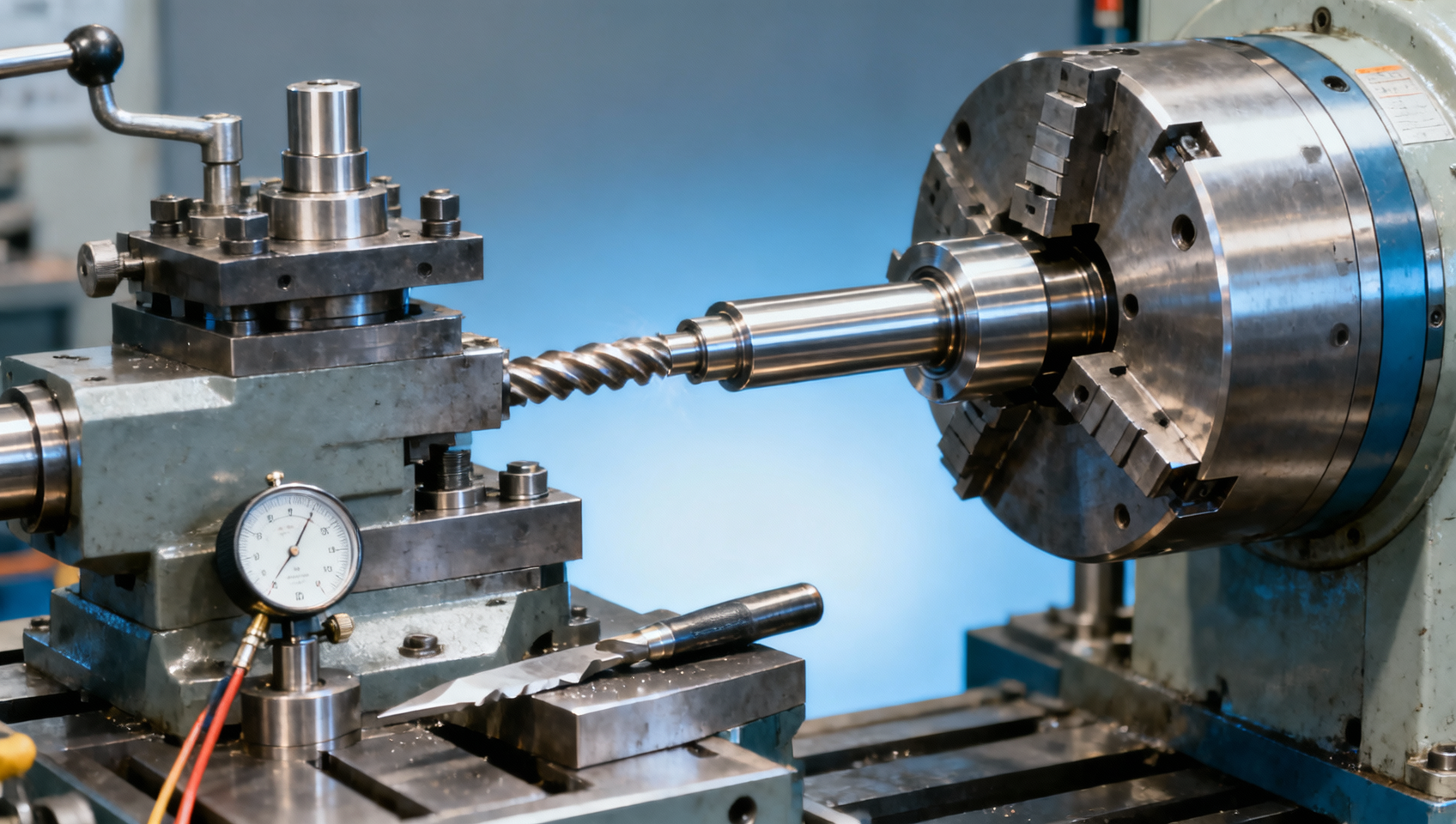
Runout in Shaft Parts is a common challenge in metal machining, but the spindle is not always the root cause. In today’s CNC industrial and automated production environment, factors such as fixtures, tooling, setup accuracy, and the production process can all affect results. This article explains where runout really comes from and how operators, buyers, and manufacturing decision-makers can improve CNC metalworking performance.
For production teams, excessive runout can mean scrap, unstable surface finish, vibration, bearing noise, or assembly failures. For procurement and management, it can also trigger hidden costs such as repeated setup, lower spindle utilization, delayed deliveries, and customer complaints. In high-precision sectors such as automotive, aerospace, energy equipment, and electronics, even a deviation of 0.01 mm to 0.05 mm can change the final performance of a shaft component.
The key point is simple: if a shaft shows runout, blaming the spindle too early can lead to wrong maintenance decisions and unnecessary replacement costs. A structured diagnosis usually delivers better results. In many CNC turning and multi-axis machining environments, the actual source is found in the chuck, collet, tailstock, tool wear, thermal drift, or the way the part is clamped and measured.
Why Shaft Runout Is Often Misdiagnosed in CNC Production
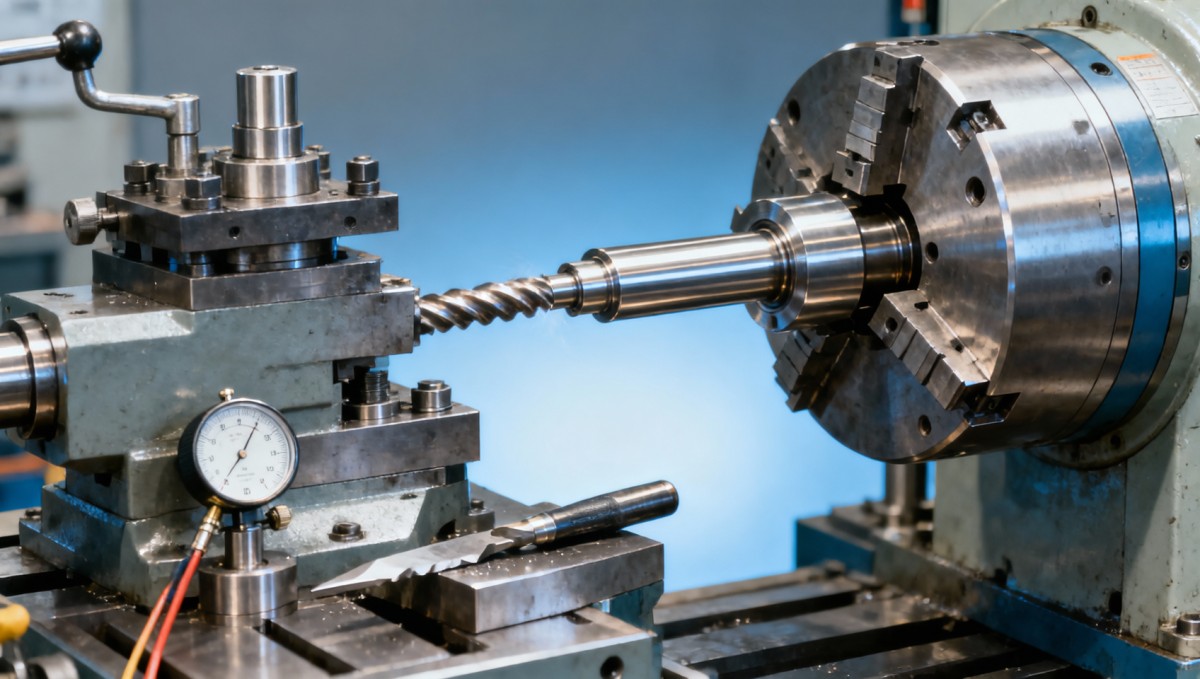
Runout is commonly defined as the radial deviation of a rotating part from its true axis. In practical machining, operators usually check total indicated runout with a dial indicator, often at 2 or 3 positions along the shaft. However, one reading alone does not identify the source. A shaft may show 0.02 mm at the chuck end and 0.08 mm at the free end, which suggests a clamping or support issue rather than a spindle bearing defect.
Misdiagnosis happens because the spindle is the most visible precision component in a CNC machine. When vibration, chatter, or dimensional drift appears, teams may assume spindle wear immediately. Yet a complete machine system includes workholding, toolholder, turret alignment, tailstock center condition, coolant temperature stability, and even raw material straightness. If just 1 of these elements is out of tolerance, the final shaft can fail roundness or concentricity requirements.
In many production workshops, the first inspection step is still too narrow. Some operators check the spindle nose but do not inspect the chuck jaws, collet taper, soft jaw boring quality, or bar stock deflection. On long and slender shafts with an L/D ratio above 8:1 or 10:1, unsupported cutting forces can bend the part during machining even when the spindle itself remains within acceptable runout limits.
Another issue is measurement timing. A machine may pass a cold-start test but drift after 30 to 90 minutes of continuous running. Thermal expansion from the spindle housing, hydraulic chuck, or coolant system can create small but relevant geometric changes. In precision shaft work, especially where bearing seats or seal diameters are involved, those small shifts can become a quality problem during final inspection.
Common sources of confusion on the shop floor
- The spindle is checked, but the chuck or collet is not cleaned before measurement.
- Runout is measured only at one point instead of along the full shaft length.
- The same shaft is re-clamped 2 to 3 times, introducing indexing error.
- Tool wear compensation is updated, but the fixture offset is ignored.
- Inspection is performed after machining but not during the first-piece setup stage.
A practical interpretation of runout readings
When radial deviation increases with distance from the clamping point, bending, center mismatch, or support instability is often involved. When high runout appears immediately at the spindle side, the source may be the chuck seating surface, jaws, collet, or spindle interface. A good troubleshooting process usually separates the system into 4 layers: spindle interface, workholding, cutting condition, and inspection method.
The Real Root Causes Beyond the Spindle
In shaft machining, workholding is one of the biggest contributors to runout. A 3-jaw chuck offers speed, but it may not provide the same repeatability as a precision collet or a bored soft-jaw setup for critical work. If jaw wear, jaw lift, or contamination exists on the gripping surface, repeat clamping error can reach 0.03 mm to 0.10 mm depending on part diameter and grip length. That level is enough to affect coaxial features and bearing fits.
Raw material condition also matters. Bright bar, cold-drawn stock, and heat-treated blanks may contain residual stress or initial straightness error. When a shaft blank is already bowed by 0.2 mm over 500 mm length, aggressive roughing passes can release internal stress and create a new axis after semi-finishing. In this case, the machine may be stable, but the process sequence is not controlling material movement.
Tooling and cutting parameters are another overlooked area. Excessive overhang, worn insert corners, or unstable chip evacuation can deflect a slender shaft under load. This is especially common on diameters below 20 mm with unsupported lengths above 150 mm. Feed rate, depth of cut, and spindle speed should be balanced with support methods such as tailstock, steady rest, or follow rest. A stable spindle cannot fully compensate for poor cutting dynamics.
Setup accuracy is equally important. Tailstock center offset, turret alignment deviation, sub-spindle synchronization error, or poor center-hole quality can create measurable runout in a finished part. In dual-spindle or mill-turn systems, alignment between transfer stages should be verified periodically, often every 1 to 4 weeks depending on machine utilization, shift pattern, and the tolerance class of the parts being produced.
Key non-spindle causes and their typical effects
The table below helps operators and decision-makers connect likely causes with visible symptoms and recommended checks. It is useful during first-piece approval, process audit, or machine troubleshooting.
The main conclusion is that shaft runout is often a system issue rather than a single-component failure. For buyers evaluating machine performance, this means acceptance criteria should include not only spindle accuracy, but also the quality of workholding, support options, thermal stability, and repeatable setup capability across several production cycles.
How to Diagnose Shaft Runout Step by Step
A structured diagnosis process reduces downtime and avoids unnecessary spindle service. In many workshops, a 5-step inspection routine can identify the cause within 30 to 60 minutes. The key is to isolate variables instead of changing multiple settings at the same time. This is especially important in automated production lines where one unstable station can affect dozens or even hundreds of parts per shift.
First, inspect the spindle interface without a workpiece. Use a certified test bar or an accurate mandrel. Check runout near the spindle nose and at a point farther out, for example 100 mm and 300 mm. If the values stay within the machine builder’s normal operating range, the spindle may not be the main problem. If readings change after chuck installation, the issue likely starts at the workholding layer.
Second, test repeatability by clamping the same shaft blank at least 3 times. If each reclamping creates a noticeably different reading, then jaw condition, collet wear, gripping force, or part seating should be reviewed. Third, measure the raw material before cutting. A shaft blank with initial bend or out-of-round condition can create false conclusions if the team only checks the finished geometry.
Fourth, compare roughing and finishing results separately. If the shaft runs true after roughing but not after finishing, cutting force, tool wear, coolant supply, or thermal expansion may be contributing. Fifth, verify the inspection method itself. A worn V-block, unstable indicator base, or inconsistent measuring location can add false variation of 0.01 mm to 0.02 mm in high-precision work.
Recommended shop-floor diagnostic sequence
- Check spindle taper or nose with a reference bar.
- Install chuck or collet system and repeat the measurement.
- Reclamp the same workpiece 3 times and record variation.
- Measure runout at 2 to 4 axial positions on the shaft.
- Review tool condition, support method, and cutting parameters.
- Confirm final readings with a stable inspection fixture.
Inspection priorities by symptom
If runout appears only after long continuous production, prioritize temperature, coolant, and hydraulic stability checks. If variation occurs part to part, prioritize chuck repeatability and material consistency. If the problem mainly affects long shafts, focus on support rigidity, tailstock alignment, and tool load. This symptom-based method helps maintenance teams reduce diagnosis time and protect machine availability.
Process Control and Correction Methods That Actually Work
Once the source of shaft runout is identified, the correction plan should focus on process stability rather than one-time adjustment. For example, replacing worn jaws may improve a current batch, but if chip contamination continues, the same problem may return within 1 to 2 shifts. Sustainable improvement usually combines cleaning standards, maintenance intervals, tool management, and process validation.
For slender shafts, support strategy is critical. Tailstocks, live centers, steady rests, and follow rests should be selected based on shaft diameter, material, and cut load. A practical rule is to evaluate extra support when the unsupported length exceeds 6 to 8 times the diameter, and to use lower radial cutting force in final finishing. Where required, roughing and finishing can be split into separate stages with a stress-relief pause between them.
Workholding selection should match the tolerance target. A standard 3-jaw chuck is efficient for general turning, but precision collets or bored soft jaws are more suitable when concentricity and repeatability are critical. For automated lines, repeatability across 50, 100, or 500 cycles matters more than a single perfect setup. That is why procurement teams should evaluate consumable life, cleaning access, and setup repeatability together.
Thermal control should not be ignored. In medium-to-high precision environments, operators often standardize warm-up routines of 15 to 30 minutes, monitor coolant temperature consistency, and recheck offsets after major load changes. This is especially valuable when machining shafts for bearing fits, motor rotors, pump components, or transmission parts where assembly performance depends on stable geometry over the whole batch.
Control methods and where they fit best
The following comparison supports both engineering and purchasing decisions when runout control must be improved across different production scenarios.
These methods are most effective when combined with routine verification. For example, checking clamping repeatability every shift, revalidating tailstock alignment every 2 to 4 weeks, and reviewing insert wear before critical finishing passes can significantly reduce recurring shaft runout problems without major capital spending.
What Buyers and Decision-Makers Should Evaluate Before Blaming the Machine
From a purchasing and management perspective, shaft runout should be assessed as a total manufacturing capability issue. A machine tool may have a strong spindle specification, but production performance depends on the full package: chucking system, tailstock design, thermal stability, automation compatibility, setup repeatability, and maintenance access. This is especially important when planning for 2-shift or 3-shift production with minimal operator intervention.
Buyers should ask whether the machine and process can achieve target tolerance consistently over a realistic batch size. A demonstration on 1 sample part is not enough. Request validation over at least 20 to 50 cycles if the intended application involves repeated shaft production. For automotive and electronics suppliers, process capability over volume is usually more valuable than a single low runout reading taken under ideal test conditions.
Decision-makers should also compare the cost of process improvement versus component replacement. In some cases, a complete spindle service is expensive and unnecessary, while a lower-cost package of new jaws, improved support tooling, setup training, and inspection fixtures solves the issue faster. The right choice depends on part tolerance, annual production volume, maintenance history, and downtime sensitivity.
For companies building flexible production lines or smart factory systems, runout control should be integrated into standard work. That includes digital inspection logs, alarm thresholds, changeover checklists, and preventive maintenance intervals. A data-based approach makes it easier to trace whether a runout issue began after a tool change, fixture replacement, material lot switch, or machine warm-up deviation.
Procurement checklist for shaft machining stability
- Confirm spindle accuracy, but also verify chuck or collet repeatability under production conditions.
- Check whether the machine supports tailstock, steady rest, or automation-ready workholding options.
- Review maintenance access for jaws, taper cleaning, center replacement, and routine alignment checks.
- Ask for sample validation over multiple cycles, not only one trial part.
- Evaluate service response time, spare parts availability, and operator training support.
FAQ: practical questions from production and sourcing teams
How much shaft runout is acceptable? It depends on the part function. General shafts may tolerate higher values, while bearing seats, motor shafts, and sealing surfaces often require much tighter control. The acceptable range is set by the drawing, fit class, and assembly requirement, not by one universal number.
When should the spindle be inspected by service technicians? If a certified test bar shows abnormal readings directly at the spindle interface, or if heat, noise, and vibration increase together during operation, professional inspection is justified. If the spindle reads stable but finished parts vary, start with workholding and process checks first.
Can automation reduce runout problems? It can improve consistency, but only if the fixture, loading position, and part seating are well controlled. Automation repeats a stable process very well, but it can also repeat a bad setup hundreds of times if the root cause is not corrected.
Shaft part runout problems should be approached as a complete machining system issue, not as an automatic spindle failure. By checking workholding, setup accuracy, material condition, cutting parameters, thermal behavior, and inspection methods in a logical sequence, manufacturers can reduce scrap, protect machine uptime, and improve batch consistency. For operators, this means faster troubleshooting. For buyers and managers, it means better investment decisions and more reliable production planning.
If you are evaluating CNC turning solutions, optimizing shaft machining processes, or comparing machine tool configurations for high-precision production, now is the right time to review your full runout control strategy. Contact us to discuss your application, get a tailored process recommendation, or learn more about practical solutions for CNC shaft part accuracy and production stability.
PREVIOUS ARTICLE
Recommended for You
 What causes chatter in metal machining and how to stop itCNC Machining Technology Center
 Industrial CNC lead times are shifting in 2026Manufacturing Market Research Center
 When CNC industrial upgrades cut output instead of raising itMachine Tool Industry Editorial Team
 Automated lathe errors that often start with bar feedingMachine Tool Industry Editorial Team
 Why CNC metalworking scrap rates rise on thin wall partsCNC Machining Technology Center
 CNC cutting speed or finish quality: where losses beginCNC Machining Technology Center

Aris Katos
Future of Carbide Coatings
15+ years in precision manufacturing systems. Specialized in high-speed milling and aerospace grade alloy processing.
▶
Why CNC metalworking scrap rates rise on thin wall partsCNC Machining Technology Center▶
CNC milling burrs at pocket edges usually point to this mismatchCNC Machining Technology Center▶
Shaft Parts runout problems are not always caused by the spindleCNC Machining Technology Center▶
CNC metalworking quality checks that catch warping earlierCNC Machining Technology Center▶
How CNC milling accuracy shifts when cutting hardened alloy steelsCNC Machining Technology Center
Mastering 5-Axis Workholding Strategies
Join our technical panel on Nov 15th to learn about reducing vibrations in thin-wall components.

Providing you with integrated sanding solutions
Before-sales and after-sales services
Comprehensive technical support