• Global CNC market projected to reach $128B by 2028 • New EU trade regulations for precision tooling components • Aerospace deman
NYSE: CNC +1.2%LME: STEEL -0.4%

5 Axis Machining Services in USA: How to Compare Tolerances, Lead Times, and Pricing
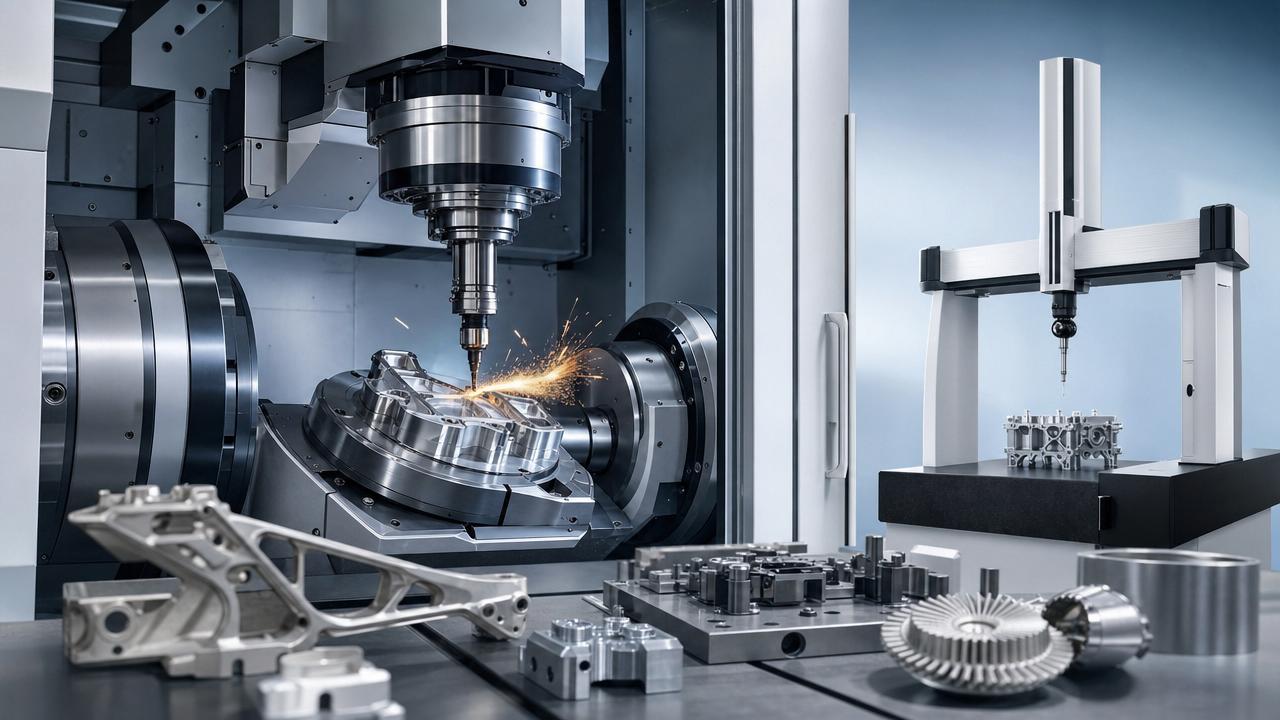
Why are 5 Axis Machining services in USA getting more attention?
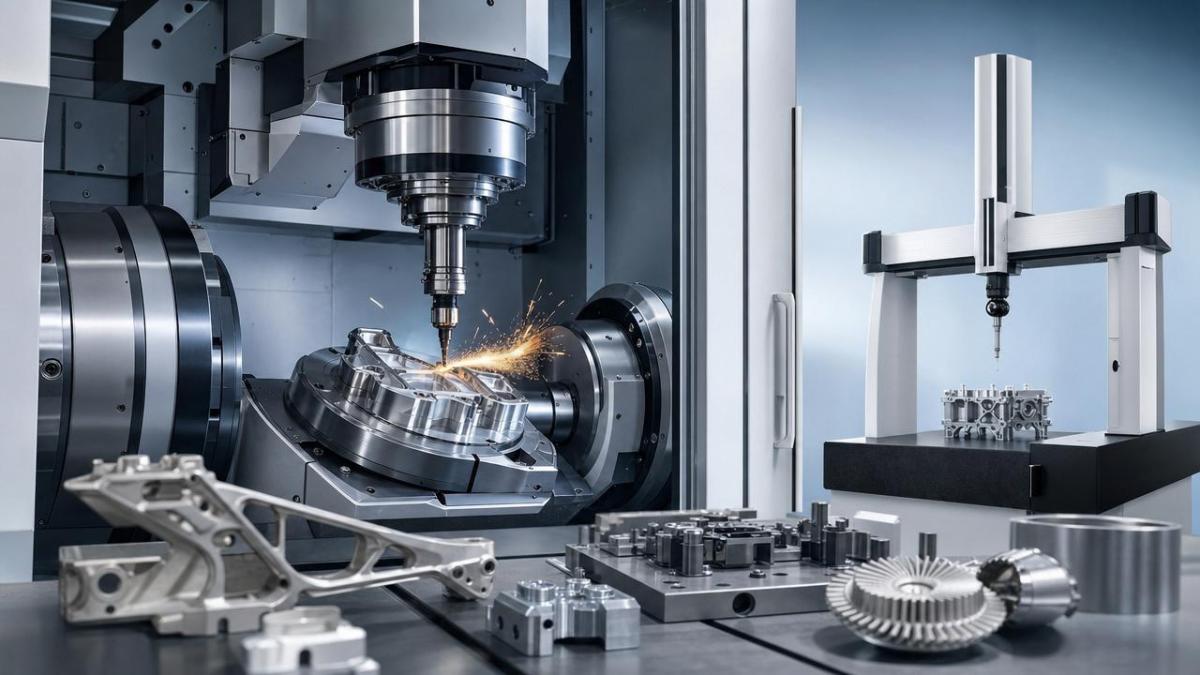
5 Axis Machining services in USA matter because part complexity is rising while delivery windows are shrinking.
In aerospace, electronics, energy equipment, and automotive programs, one setup can now replace several secondary operations.
That sounds simple, but sourcing is rarely simple.
A lower quoted price may hide longer setup time, tighter capacity, weaker inspection discipline, or unstable repeatability.
More common today is a broader evaluation.
Teams compare tolerance control, lead time reliability, material range, quality systems, and how well a shop handles production variation.
This matters even more as global CNC manufacturing moves toward smarter automation, digital inspection, and tighter process traceability.
When reviewing 5 Axis Machining services in USA, the goal is not only to buy machining hours.
The real goal is to reduce sourcing risk while keeping precision, timing, and total cost aligned.
What does a good tolerance claim actually mean?
Many suppliers advertise tight tolerances, but the important question is how consistently those tolerances are held in production.
A prototype part and a repeat order are not the same challenge.
In practical sourcing, tolerance capability depends on machine rigidity, toolpath strategy, fixture design, thermal control, and inspection method.
For complex geometries, surface location often matters as much as a simple linear dimension.
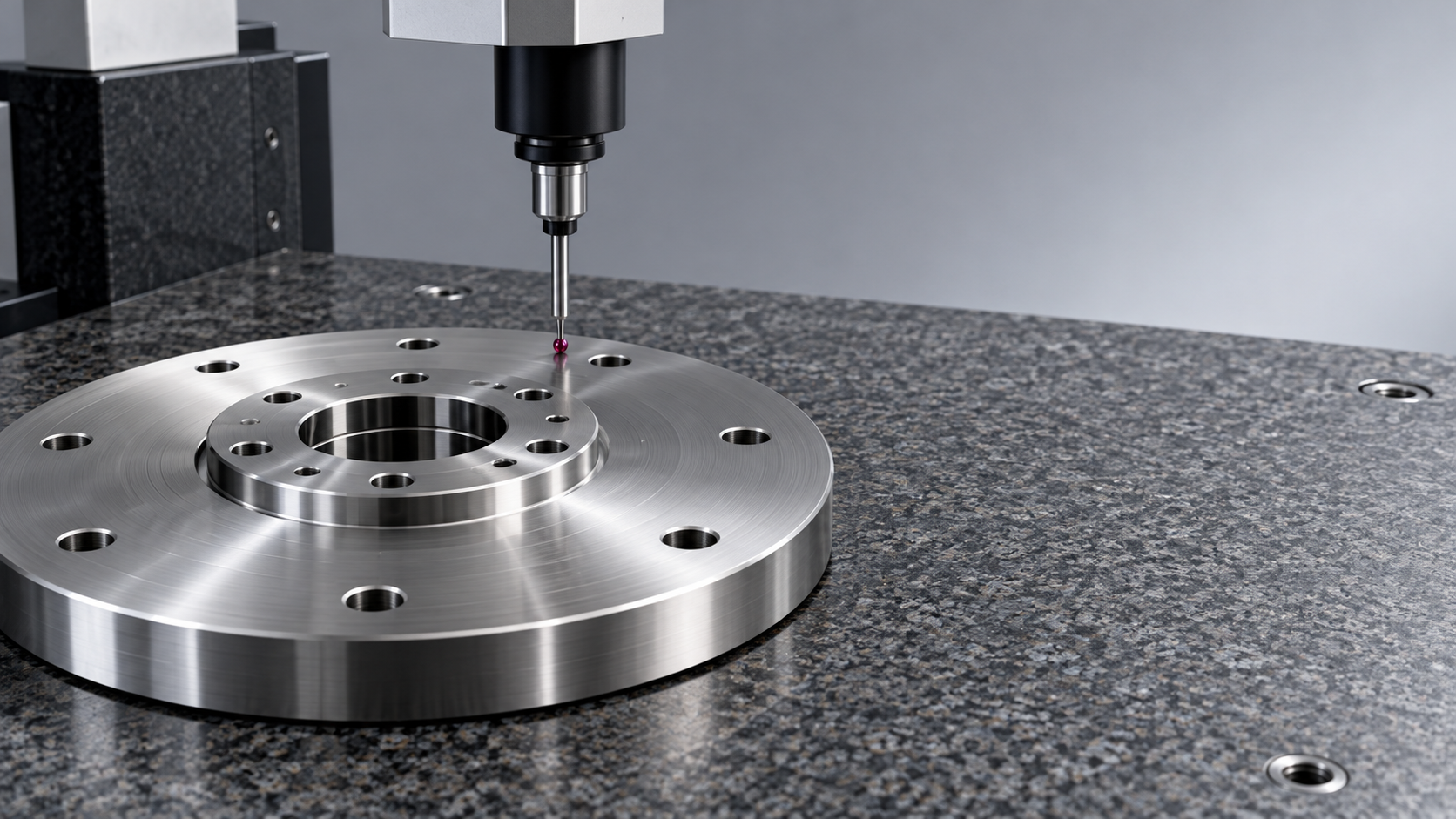
That is why it helps to ask whether the supplier uses CMM inspection, in-process probing, first article reporting, and documented revision control.
Another useful check is whether the quote separates standard tolerances from critical features.
If every dimension is treated as critical, cost rises fast and lead time often slips.
A more disciplined shop usually flags only the dimensions that drive fit, function, sealing, vibration, or downstream assembly.
For 5 Axis Machining services in USA, the best tolerance conversation is not “How tight can you go?”
It is “Which features are critical, how will you measure them, and how repeatable is that process?”
A quick comparison table helps expose the difference
The table below shows what to verify before accepting a tolerance claim at face value.
How should lead times be compared without guessing?
Quoted lead time is only useful when it reflects actual shop conditions.
Some shops quote aggressively to win the order, then adjust once fixtures, tooling, or outside processes are reviewed.
A better approach is to break lead time into stages.
Ask about programming, raw material readiness, setup queue, machining hours, inspection, finishing, and shipping release.
This is especially important for 5 Axis Machining services in USA because complex parts often rely on special fixtures, long-reach tools, or outside treatments.
Lead time also changes by order type.
A one-off development part may move quickly, while a repeat batch can slow down if machine capacity is committed to larger contracts.
Need to watch on-time delivery history as closely as quoted days.
In actual projects, a stable twelve-day delivery can be more valuable than an optimistic seven-day promise that misses inspection release.
- Confirm whether material is stocked or purchased after order release.
- Check if weekends, heat treatment, coating, or passivation are included.
- Ask whether first article approval pauses final shipment.
- Review capacity for urgent reruns and engineering changes.
These details turn a basic quote into a usable delivery forecast.
Why can pricing vary so much for similar 5 axis parts?
Price differences usually come from hidden process assumptions, not just hourly machine rates.
One shop may include fixture design, inspection programming, and finish protection in the base quote.
Another may quote the cut time only.
For 5 Axis Machining services in USA, pricing also changes with material cost, scrap risk, surface complexity, tool wear, and batch size.
Titanium and nickel alloys usually increase both machining time and tool consumption.
Thin-wall aluminum parts may machine faster, but they often demand tighter process control to prevent distortion.
That is why the lowest quote is not always the lowest total cost.
If a cheap quote creates delays, nonconformance, or extra finishing work, the savings disappear quickly.
What should be included in a pricing review?
- Programming and setup charges for complex toolpaths.
- Fixture cost, especially for unstable or multi-face parts.
- Inspection reports, certification, and traceability needs.
- Secondary operations such as deburring, anodizing, plating, or marking.
- Packaging standards for cosmetic or high-value machined components.
More useful than asking for a discount is asking where cost is concentrated.
That often reveals design adjustments or tolerance changes that reduce cost without hurting function.
Which supplier signals matter beyond machines and brochures?
A modern machine list looks impressive, but equipment alone does not guarantee execution quality.
What matters more is how the shop manages process control around that equipment.
In the broader CNC machine tool industry, digital integration, automation, and inspection data are becoming core indicators of reliability.
That trend is visible in stronger 5 Axis Machining services in USA as well.
Good suppliers usually communicate clearly about revision handling, tool management, inspection checkpoints, and nonconformance response.
They also understand application context.
A shop serving aerospace structural parts may manage documentation differently from one focused on industrial automation brackets or electronic housings.
Need to confirm whether their quality system fits the part, not just the marketing message.
- Review sample inspection records, not only certificates.
- Check how engineering changes are documented and released.
- Ask about backup capacity when key machines are down.
- Look for consistent communication on manufacturability risks.
These signals often predict performance better than a polished capability sheet.
What are the most common sourcing mistakes with 5 Axis Machining services in USA?
One common mistake is comparing quotes that are not built on the same assumptions.
If one supplier includes inspection reporting and another does not, the price gap is misleading.
Another mistake is over-specifying the drawing.
Tightening every dimension increases machining cost, inspection time, and rejection risk without always improving performance.
There is also a frequent timing error.
Teams may focus on first shipment speed and overlook repeat-order stability, engineering change responsiveness, or material traceability.
For high-mix manufacturing, those factors can become more expensive than the original unit price.
The safer route is to create a short evaluation checklist before RFQ release.
That keeps tolerance expectations, documentation scope, outside processing, and delivery assumptions aligned from the start.
A practical shortlist before placing the order
So how do you make the final comparison with confidence?
The best comparison of 5 Axis Machining services in USA brings three things together: tolerance realism, delivery reliability, and full-cost transparency.
Not every project needs the same balance.
A prototype may favor speed and engineering feedback.
A production part may depend more on repeatability, inspection discipline, and stable process control.
In real sourcing work, the most reliable decision usually comes from matching the supplier’s process strengths to the actual application.
That includes material behavior, geometry complexity, certification needs, and downstream assembly risk.
Before moving forward, it helps to standardize the RFQ package, define critical features, and ask each supplier for the same cost and lead-time breakdown.
With that structure in place, comparing 5 Axis Machining services in USA becomes less about guesswork and more about evidence.
That is usually where smarter decisions begin.
Recommended for You
![]() FANUC Links FIELD System Data with Copilot to Advance Shop-Floor Data UseCNC Machining Technology Center
FANUC Links FIELD System Data with Copilot to Advance Shop-Floor Data UseCNC Machining Technology Center Smart Manufacturing for Aerospace: Building Traceability Across CNC OperationsCNC Machining Technology Center
![]() Mitsubishi Electric Announces Physical AI System Linking Humanoid Robots and CNC MachinesMachine Tool Industry Editorial Team
Mitsubishi Electric Announces Physical AI System Linking Humanoid Robots and CNC MachinesMachine Tool Industry Editorial Team Precision Machining for Defense: Supplier Quality and Traceability ChecksManufacturing Market Research Center
![]() Nidec Machine Tool Launches MVR-5X Five-Axis Gantry MachineMachine Tool Industry Editorial Team
Nidec Machine Tool Launches MVR-5X Five-Axis Gantry MachineMachine Tool Industry Editorial Team Choosing a Precision Disc Parts Manufacturer in China: Tolerances and Quality ChecksManufacturing Market Research Center


Aris Katos
Future of Carbide Coatings
15+ years in precision manufacturing systems. Specialized in high-speed milling and aerospace grade alloy processing.
▶
What proves a precision tool factory in China can hold tolerances?Global Machine Tool Trade Research Center▶
How to Evaluate a Machine Tool Factory Before Sourcing CNC EquipmentGlobal Machine Tool Trade Research Center▶
How to Evaluate a CNC Machine Tool Manufacturer for Precision and Service SupportGlobal Machine Tool Trade Research Center▶
What Affects Cost-Effective CNC Manufacturing? Key Drivers Behind Part Price and Lead TimeGlobal Machine Tool Trade Research Center▶
How to Evaluate a CNC Tooling System Supplier in Germany for Quality, Lead Time, and CostGlobal Machine Tool Trade Research Center
▶
Mastering 5-Axis Workholding Strategies
Join our technical panel on Nov 15th to learn about reducing vibrations in thin-wall components.

Providing you with integrated sanding solutions
Before-sales and after-sales services
Comprehensive technical support