• Global CNC market projected to reach $128B by 2028 • New EU trade regulations for precision tooling components • Aerospace deman
NYSE: CNC +1.2%LME: STEEL -0.4%

Automated CNC vs Conventional CNC: How to Choose for High-Mix Production
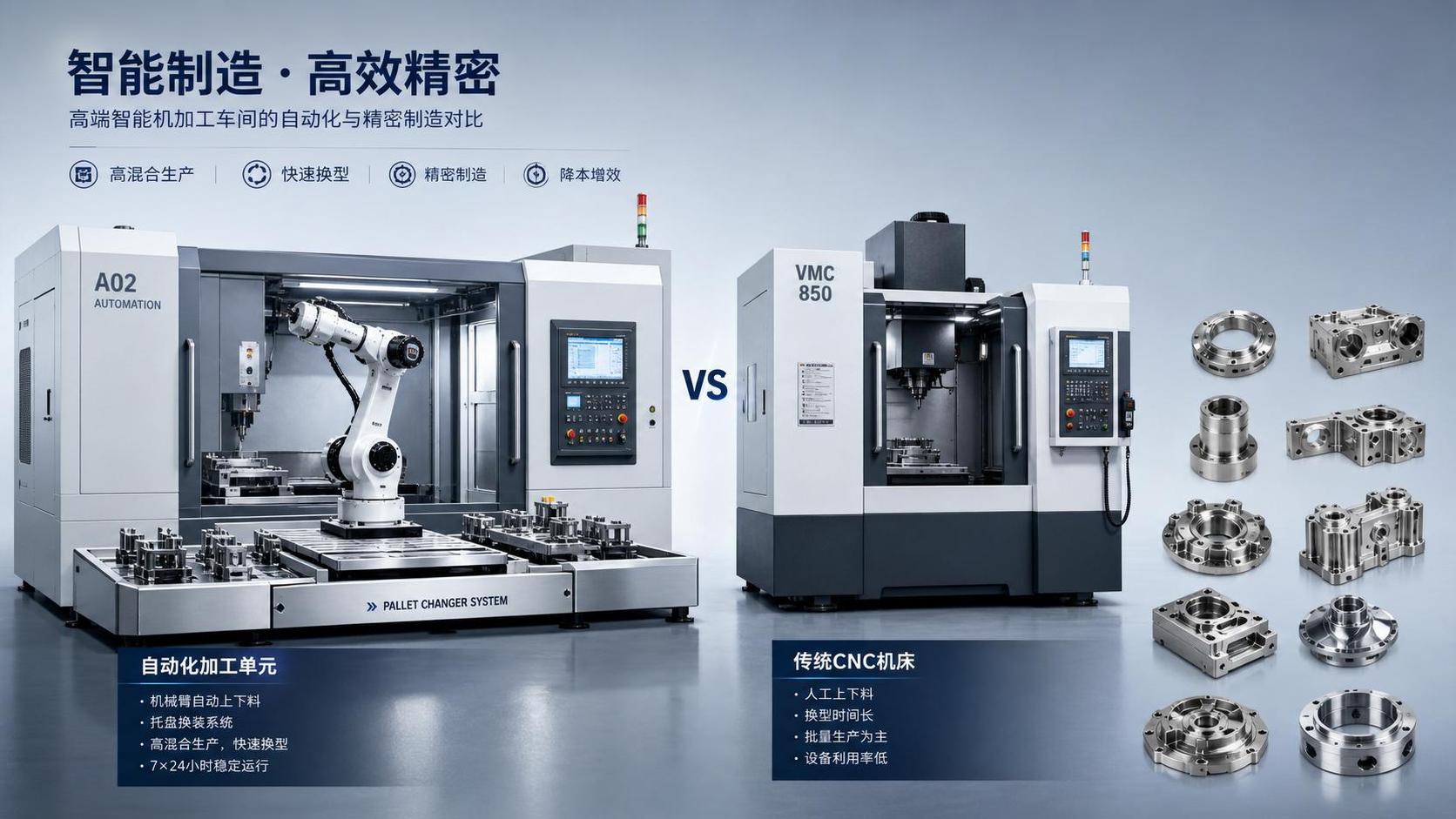
Choosing between automated CNC and conventional CNC has become a strategic question in high-mix production. When product variety rises, order sizes shrink, and delivery windows tighten, the machine choice influences not only throughput, but also staffing, scheduling, and margin stability.
This matters across modern manufacturing, from automotive components and aerospace parts to energy equipment and electronics housings. In these sectors, precision, repeatability, and changeover speed are now linked to broader goals such as digital integration, resilient supply chains, and scalable production planning.
Why the comparison matters now
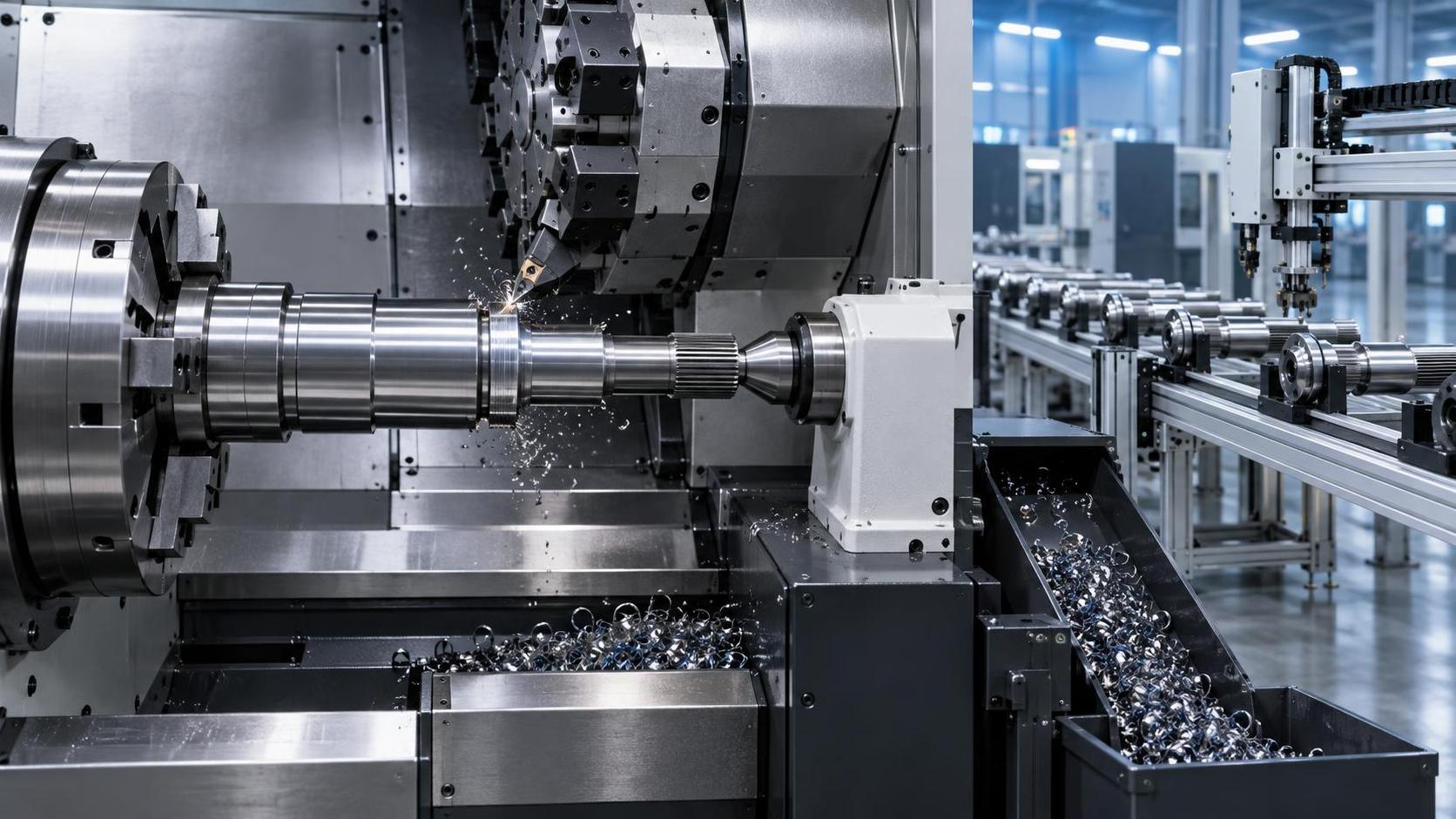
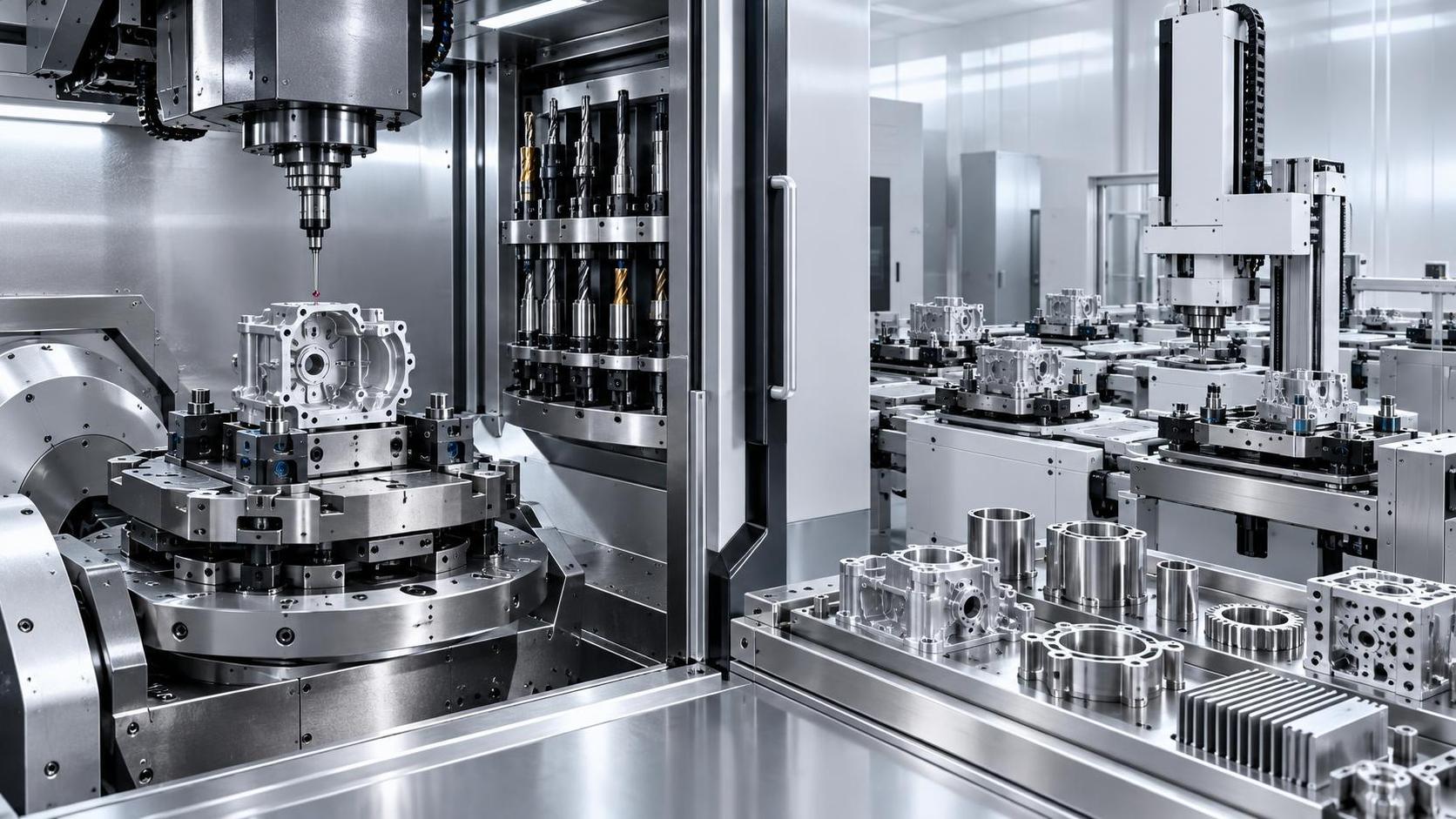
Global machine tool manufacturing is moving toward higher automation and smarter process control. CNC lathes, machining centers, multi-axis systems, robotics, and automated assembly platforms are no longer separate topics. They increasingly operate as connected production assets.
In that environment, conventional CNC still holds value. It remains practical for workshops handling frequent engineering changes, shorter runs, or parts that require close operator involvement. Yet automated CNC is gaining attention because labor constraints and consistency targets are becoming harder to ignore.
High-mix production sits exactly at this tension point. The challenge is not simply making parts faster. It is making different parts efficiently without losing quality, control, or responsiveness.
What separates automated CNC from conventional CNC
Conventional CNC usually depends on direct operator intervention for loading, unloading, setup adjustment, tool offset checks, and in-process decisions. The machine can still be highly precise, but its output depends more heavily on manual workflow discipline.
Automated CNC adds systems around the machine. These may include robotic loading, pallet changers, tool monitoring, automatic part handling, probing, fixture repeatability, and software that supports unattended or lightly attended production.
The real distinction is not whether one machine is advanced and the other is outdated. The difference is how much of the production cycle is stabilized through automation, data, and repeatable process logic.
A practical comparison
Where automated CNC creates business value
Automated CNC becomes especially attractive when repeatable complexity exists. This includes families of shaft parts, precision discs, structural components, and tight-tolerance features that appear across multiple customer programs.
In such cases, the gain is not only cycle time reduction. It can come from fewer loading errors, more predictable spindle utilization, better night-shift productivity, and stronger quality consistency between batches.
For organizations operating across sites or suppliers, automated CNC also supports process standardization. That becomes important when production is distributed among regions with strong machine tool ecosystems such as China, Germany, Japan, and South Korea.
Another benefit is data visibility. Automated cells often generate clearer information on uptime, alarms, changeover duration, and tool wear. Those signals make planning decisions less dependent on estimates.
Why conventional CNC still makes sense
Conventional CNC should not be dismissed in a market focused on automation. For highly variable jobs, unstable designs, frequent prototype work, or low annual volume, manual involvement can still be the more rational choice.
A conventional setup often adapts faster when part drawings change weekly, fixtures are not yet mature, or demand is too irregular to justify robotic handling. In these situations, simpler workflows may protect cash flow better than early automation.
There is also an organizational factor. Automated CNC works best when programming standards, tooling strategy, maintenance routines, and production discipline are already in place. Without that foundation, the technology can underperform.
How to evaluate high-mix production realistically
The phrase high-mix can hide very different operating conditions. One facility may run hundreds of SKUs with stable repeat orders. Another may process custom parts once and never see them again. The automation case changes accordingly.
Questions that clarify the decision
- How many part families share similar fixturing, tooling, or handling logic?
- How often do setups repeat within a month or quarter?
- How much machine time is lost to loading, waiting, and manual inspection steps?
- Can programs, offsets, and quality checks be standardized without excessive engineering effort?
- Is labor availability becoming a larger constraint than machine availability?
If repeatability is higher than it first appears, automated CNC may fit even in a high-mix environment. If every job behaves like a first article, conventional CNC often remains the safer path.
Key risks behind the investment decision
The most common mistake is evaluating automation only through advertised speed. High-mix production rarely fails because spindle cutting time is too slow. It usually suffers from unstable setups, fragmented workflows, tool inconsistency, and hidden downtime.
A second mistake is assuming automated CNC removes complexity. In reality, it shifts complexity into planning, fixture design, software integration, and preventive maintenance. That shift can be positive, but it must be managed.
A third risk is automating the wrong bottleneck. If programming delays or inspection queues dominate lead time, robotic loading alone will not solve the larger problem.
A balanced decision framework
A practical path forward
The best choice is often not a full replacement of one model with the other. Many successful operations combine conventional CNC for new, unstable, or highly customized work, while automated CNC handles recurring part families and predictable secondary demand.
That blended approach aligns with the direction of smart manufacturing. Flexible lines, digital monitoring, precision tooling, and automated handling can be introduced step by step rather than through a single large transformation.
Before making a capital decision, map actual setup frequency, repeat order behavior, scrap causes, labor exposure, and unattended runtime potential. A clear comparison at that level usually reveals whether automated CNC is a growth platform or an unnecessary burden.
When the goal is long-term competitiveness in high-mix production, the smarter move is not chasing maximum automation. It is building the right level of automated CNC around stable processes, then keeping conventional CNC where flexibility still creates more value.
Recommended for You
 How to Specify a CNC Lathe for High-Volume Automotive Shaft ProductionCNC Machining Technology Center
 How Automated Precision Machining Maintains Tolerance in High-Mix ProductionCNC Machining Technology Center
 How to Evaluate a Machine Tool Factory Before Sourcing CNC EquipmentGlobal Machine Tool Trade Research Center
 CNC Programming Explained: From CAD Models to Reliable Shop-Floor ToolpathsCNC Machining Technology Center
 How Multi-Axis Machining Produces Complex Components With Fewer SetupsCNC Machining Technology Center
 Which Metals Are Hardest to Machine With Standard Tools?CNC Machining Technology Center



Aris Katos
Future of Carbide Coatings
15+ years in precision manufacturing systems. Specialized in high-speed milling and aerospace grade alloy processing.
▶
How Smart Manufacturing Technology Improves OEE Across Industry 4.0 Production LinesMachine Tool Industry Editorial Team▶
How to Evaluate an Automation Line for Electronics Production Before InvestmentMachine Tool Industry Editorial Team▶
How to Evaluate an Automated Production Line for Output, Flexibility, and ROIMachine Tool Industry Editorial Team▶
How Smart Manufacturing Improves Traceability and Quality Control in Aerospace?Machine Tool Industry Editorial Team▶
Lean Production Process Implementation: Key Steps to Reduce Waste and Improve FlowMachine Tool Industry Editorial Team
Mastering 5-Axis Workholding Strategies
Join our technical panel on Nov 15th to learn about reducing vibrations in thin-wall components.

Providing you with integrated sanding solutions
Before-sales and after-sales services
Comprehensive technical support