• Global CNC market projected to reach $128B by 2028 • New EU trade regulations for precision tooling components • Aerospace deman
NYSE: CNC +1.2%LME: STEEL -0.4%

Automated Production Line Quotation Explained: What Affects Price, Lead Time, and Scope
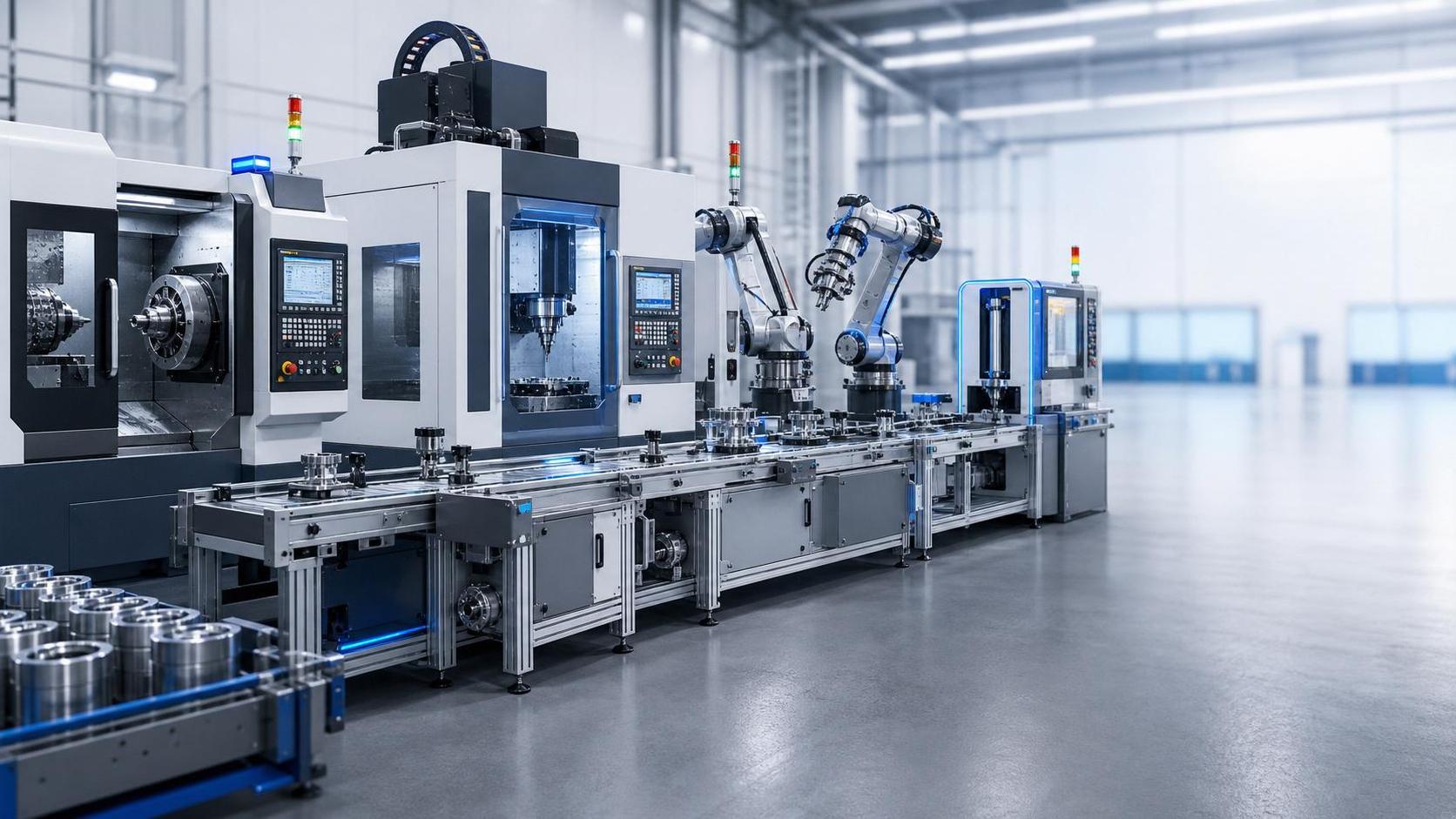
Automated Production Line Quotation Explained: What Affects Price, Lead Time, and Scope
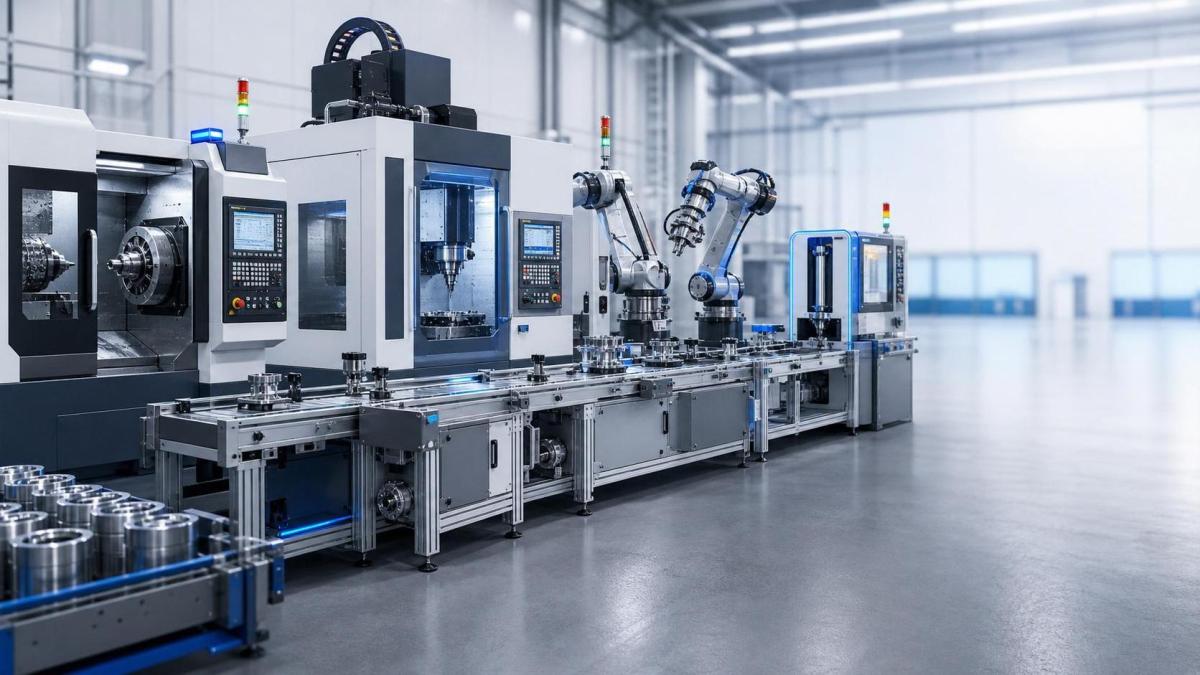
An Automated Production Line quotation is not just a selling price. It is a condensed view of process design, equipment selection, automation depth, delivery planning, and service scope.
That is why two suppliers can quote the same project with very different numbers. In many cases, they are not pricing the same scope at all.
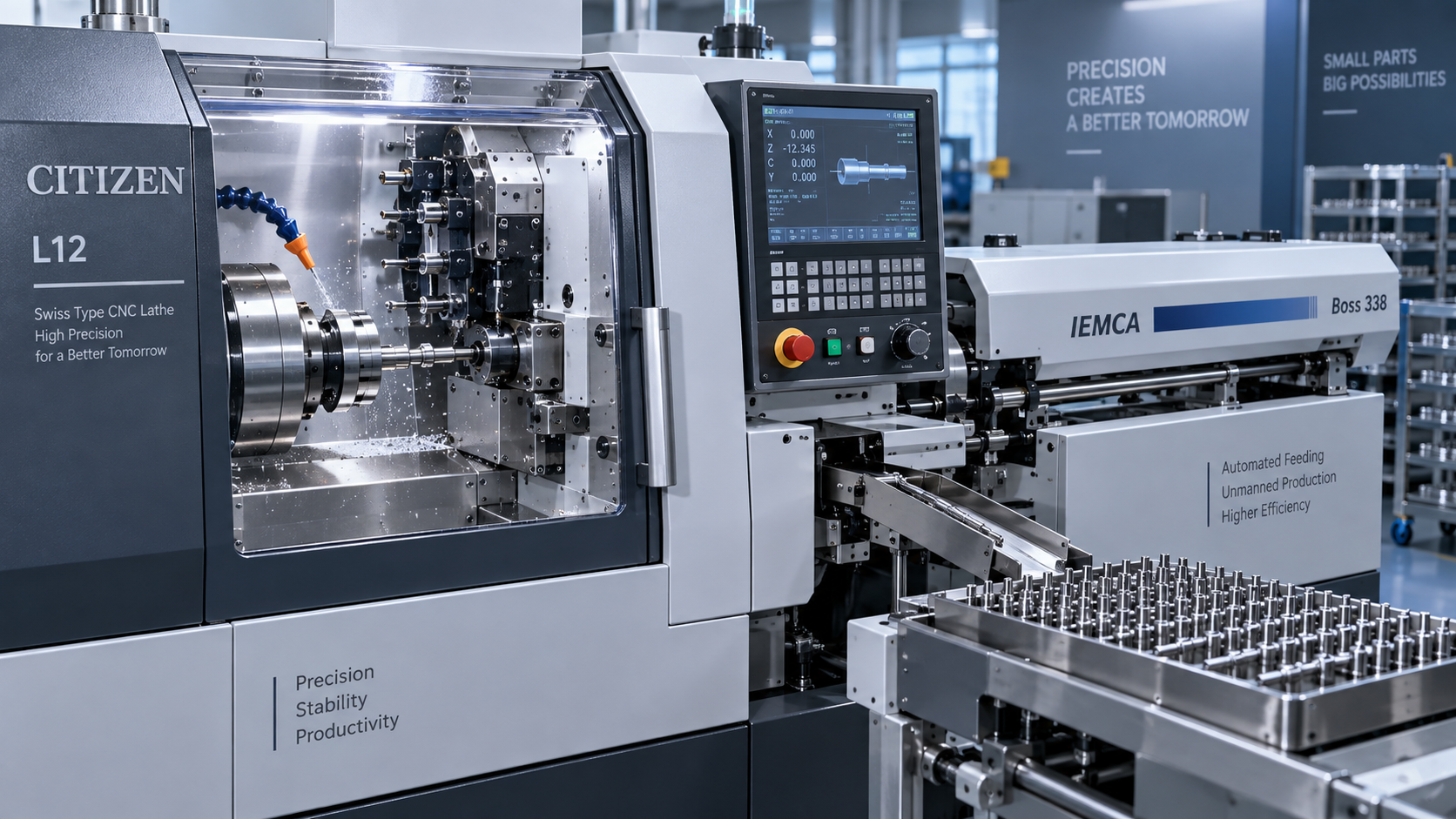
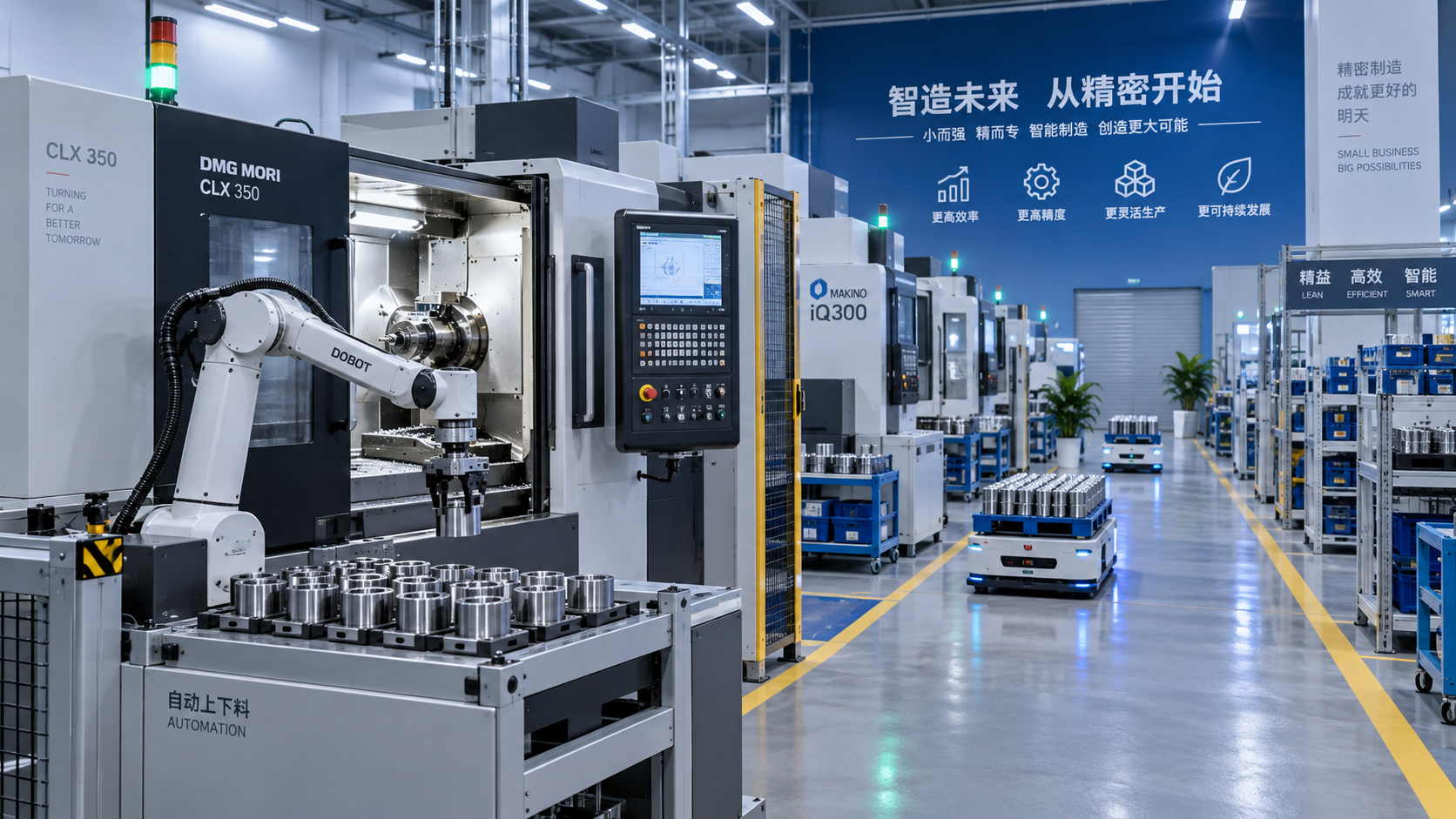
In the CNC machine tool industry, this matters even more. A line may include CNC lathes, machining centers, transfer systems, fixtures, robots, inspection units, software, and operator safety systems.
Each item changes cost, lead time, and project risk. If the quotation is unclear, budget control becomes difficult and supplier comparison becomes misleading.
A strong Automated Production Line quotation should help decision-making early. It should show what is included, what is excluded, and what assumptions drive the final number.
Why the Same Project Gets Different Quotes
At first glance, suppliers may appear to quote the same line. In practice, their engineering logic can be very different.
One supplier may design for current output only. Another may reserve space, controls, and interfaces for future expansion. The second quote often looks higher, but it may reduce later modification costs.
Some Automated Production Line quotation packages include turnkey integration. Others cover machines only, leaving installation, commissioning, and programming outside the base price.
This also explains why line builders with strong CNC integration capabilities often quote differently from standard equipment vendors. They are pricing process responsibility, not only hardware.
The most common quotation differences
- Process cycle time assumptions
- Machine brand and control system level
- Robot quantity and payload specification
- Fixture complexity and changeover method
- Inspection, traceability, and MES connectivity
- Installation, training, and after-sales coverage
What Drives Automated Production Line Quotation Cost
Price starts with the process. Part geometry, tolerance, material, takt time, and quality targets decide the technical route before equipment is chosen.
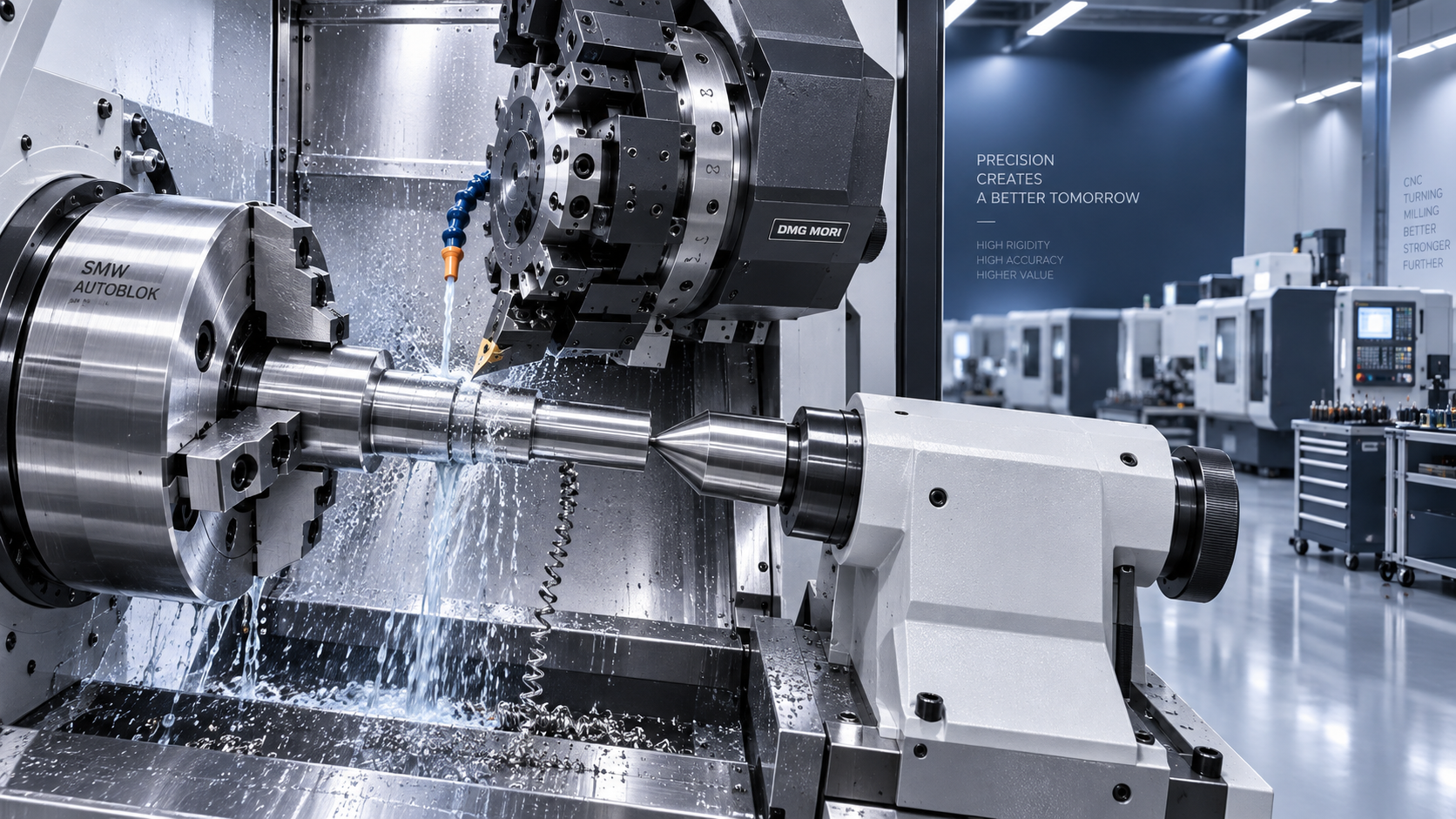
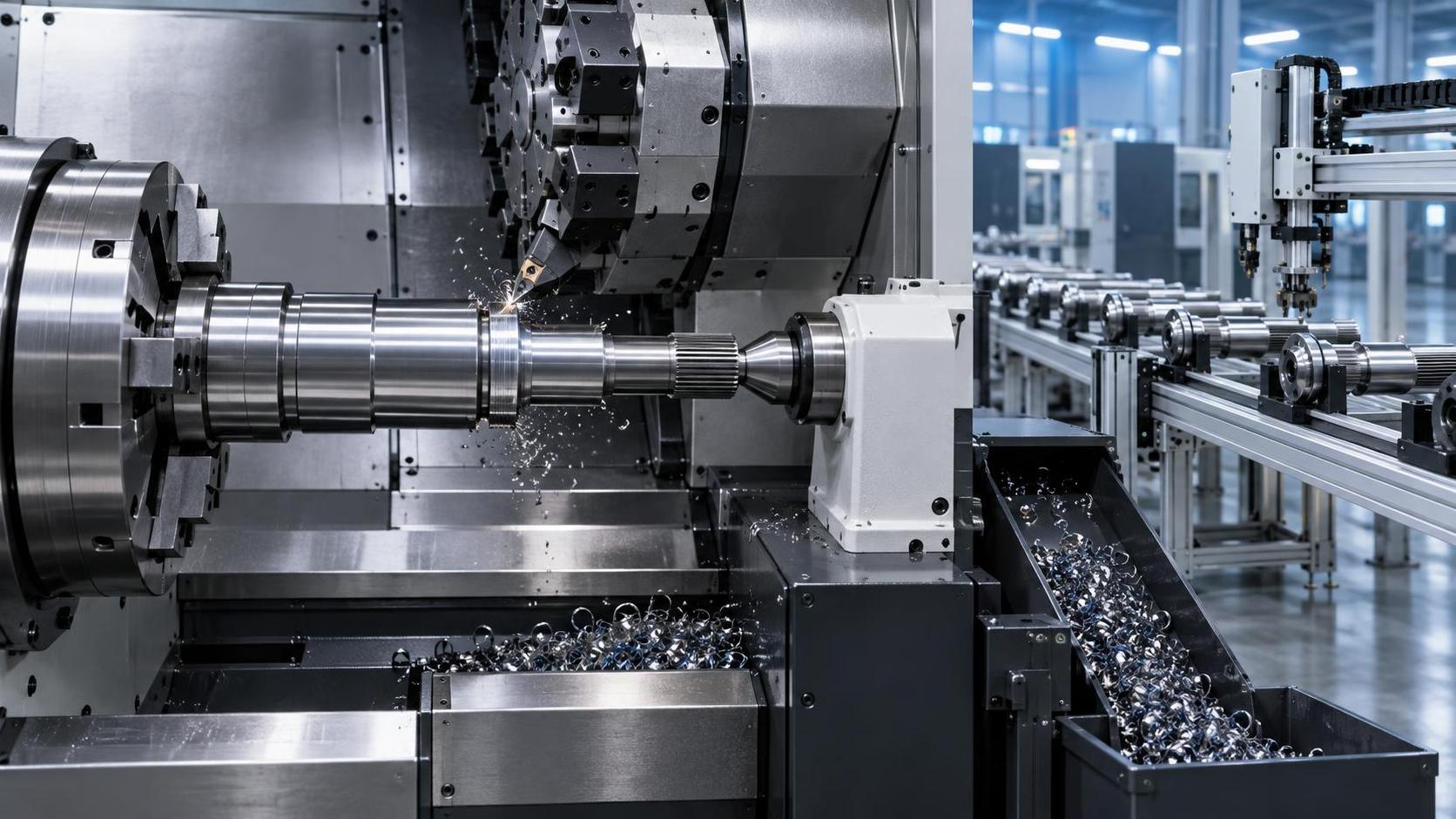
For example, a line for automotive shaft components may need synchronized CNC turning, automatic loading, online gauging, and chip handling. A simpler manual-assisted cell would cost much less.
From recent market changes, a clearer signal is rising demand for flexibility. Buyers increasingly ask for mixed-model production, quick changeover, and digital monitoring. That pushes the Automated Production Line quotation upward.
Key cost factors inside the quotation
- Machine tool configuration. Multi-axis CNC machines, high-rigidity spindles, and premium control systems raise capital cost.
- Automation level. Robots, gantry loaders, conveyors, AGVs, and pallet systems increase system complexity and integration work.
- Tooling and fixtures. Precision fixtures, quick-change systems, and special cutting tools often represent a large hidden cost.
- Inspection systems. Vision inspection, probing, laser measurement, and SPC data capture can significantly change the quote.
- Software and connectivity. PLC logic, HMI development, production tracking, and ERP or MES interface work add engineering hours.
- Compliance requirements. CE, local electrical standards, guarding, safety validation, and documentation all affect pricing.
In actual sourcing, low price often means fewer interfaces, less redundancy, or fewer acceptance guarantees. That does not always make it a bad option, but it must be visible.
What Changes Lead Time in an Automated Production Line Quotation
Lead time is often treated as a simple number. In reality, it is the result of design maturity, supply chain stability, and project coordination.
A standard machine with simple loading may ship quickly. A custom line with several CNC stations, robotic transfer, and inspection loops needs longer engineering and debugging time.
This also means a shorter lead time is not always safer. If a supplier cuts design review or FAT preparation, the risk may shift to on-site commissioning.
Main lead time drivers
- Availability of CNC machine platforms and robots
- Custom fixture and tooling design cycle
- Electrical cabinet build and software development
- Factory acceptance testing requirements
- Overseas shipping, installation, and site readiness
The best Automated Production Line quotation usually breaks lead time into milestones. That includes design freeze, component procurement, assembly, FAT, shipment, SAT, and final acceptance.
Without those milestones, promised delivery can look attractive but remain difficult to verify during execution.
How Scope Shapes Real Project Value
Scope is where many quotation misunderstandings begin. A lower price may simply exclude important work packages.
For an automated line, scope should go beyond machines and robots. It should define responsibilities across process design, layout, utilities, safety, software, trial production, and training.
In the machine tool sector, scope gaps often appear around fixtures, cutting parameters, spare parts, remote support, and production ramp-up targets.
Items that should be clarified early
A complete Automated Production Line quotation creates better budget visibility. More importantly, it lowers the chance of expensive change orders after contract signing.
How to Compare Suppliers More Accurately
The easiest mistake is comparing totals only. A better method is to compare quotations line by line against the same technical and commercial checklist.
This is especially useful when sourcing across China, Germany, Japan, South Korea, or mixed global supply chains. Suppliers may follow different quotation habits even with similar technical ability.
A practical comparison checklist
- Check whether the Automated Production Line quotation is based on the same annual volume and takt time.
- Confirm included machine brands, robot models, controls, and key purchased components.
- Review layout boundaries, utility assumptions, and floor loading conditions.
- Verify FAT, SAT, and final output acceptance definitions.
- Separate one-time project cost from recurring tooling or consumable cost.
- Ask what is excluded, not only what is included.
A detailed comparison often changes the ranking. The lowest initial number may not be the lowest total acquisition cost over the first two years.
Risk Signals Hidden Inside the Quote
Some risks can be spotted before technical evaluation goes too deep. The quotation itself usually gives early warning signs.
If the Automated Production Line quotation is vague on cycle time, staffing, scrap rate, or uptime targets, later disputes become more likely.
Another warning sign is a very short lead time without a clear manufacturing and testing plan. That may indicate optimistic scheduling rather than actual capacity.
More obvious signals include limited spare parts support, weak local service, and undefined software ownership for future modifications.
Questions worth asking before negotiation
- What assumptions could change the price later?
- Which components have the longest procurement risk?
- What performance is guaranteed at FAT and SAT?
- Which engineering changes are included before design freeze?
- What local support is available after startup?
A Smarter Way to Use the Quotation
A good Automated Production Line quotation is not the end of supplier screening. It is the starting point for a cleaner purchasing strategy.
Use it to identify cost structure, validate delivery logic, and test whether the supplier truly understands the production goal.
In the CNC and precision manufacturing world, small quotation details often decide large project outcomes. A missing fixture package, weak software scope, or unclear acceptance clause can create major delays later.
The most effective approach is simple. Standardize your RFQ inputs, request structured scope breakdowns, and compare every Automated Production Line quotation against measurable business targets.
When the quote is transparent, negotiation becomes easier, supplier evaluation becomes fairer, and project execution becomes far more predictable.
Recommended for You
 Machine Tool Standards by Country: What Importers Must Verify Before PurchaseManufacturing Policy Research Center
 CNC Lathe Quick Installation Guide: Alignment Checks Before First Production RunCNC Machining Technology Center
 How to Select a CNC Lathe for Small Parts Without Sacrificing Accuracy or Cycle TimeCNC Machining Technology Center
 How to Select a Slant Bed Lathe for High-Precision Shaft and Chuck WorkCNC Machining Technology Center
 Smart Manufacturing for Small Businesses: Where Automation Delivers the Fastest ROIMachine Tool Industry Editorial Team
 How to Specify a CNC Lathe for High-Volume Automotive Shaft ProductionCNC Machining Technology Center

Aris Katos
Future of Carbide Coatings
15+ years in precision manufacturing systems. Specialized in high-speed milling and aerospace grade alloy processing.
▶
Smart Manufacturing for Small Businesses: Where Automation Delivers the Fastest ROIMachine Tool Industry Editorial Team▶
How Smart Manufacturing Technology Improves OEE Across Industry 4.0 Production LinesMachine Tool Industry Editorial Team▶
How to Evaluate an Automation Line for Electronics Production Before InvestmentMachine Tool Industry Editorial Team▶
How to Evaluate an Automated Production Line for Output, Flexibility, and ROIMachine Tool Industry Editorial Team▶
How Smart Manufacturing Improves Traceability and Quality Control in Aerospace?Machine Tool Industry Editorial Team
Mastering 5-Axis Workholding Strategies
Join our technical panel on Nov 15th to learn about reducing vibrations in thin-wall components.

Providing you with integrated sanding solutions
Before-sales and after-sales services
Comprehensive technical support