• Global CNC market projected to reach $128B by 2028 • New EU trade regulations for precision tooling components • Aerospace deman
NYSE: CNC +1.2%LME: STEEL -0.4%

How to Choose Industrial Robotics for CNC Machine Tending and Material Handling
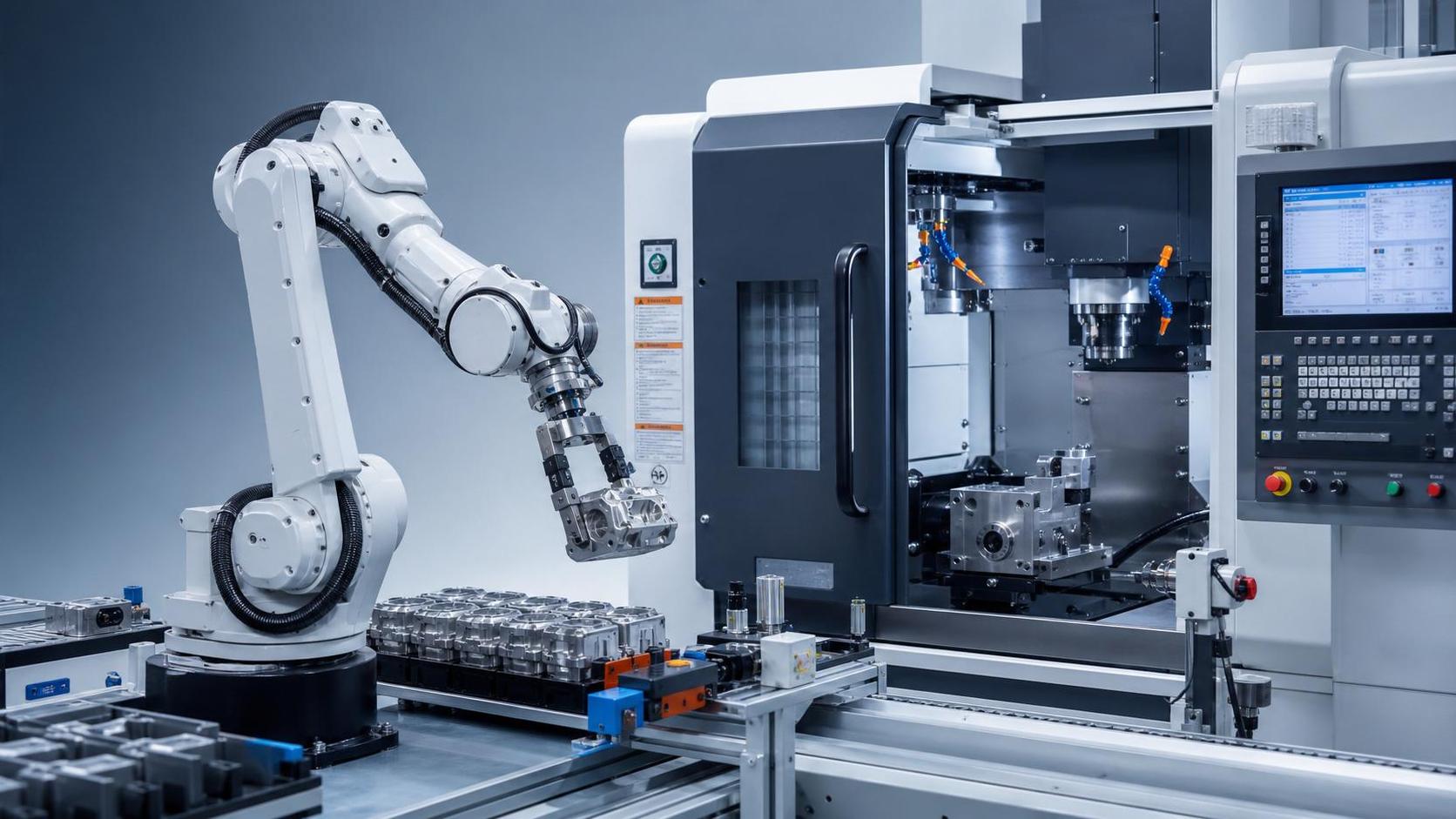
How to Choose Industrial Robotics for CNC Machine Tending and Material Handling
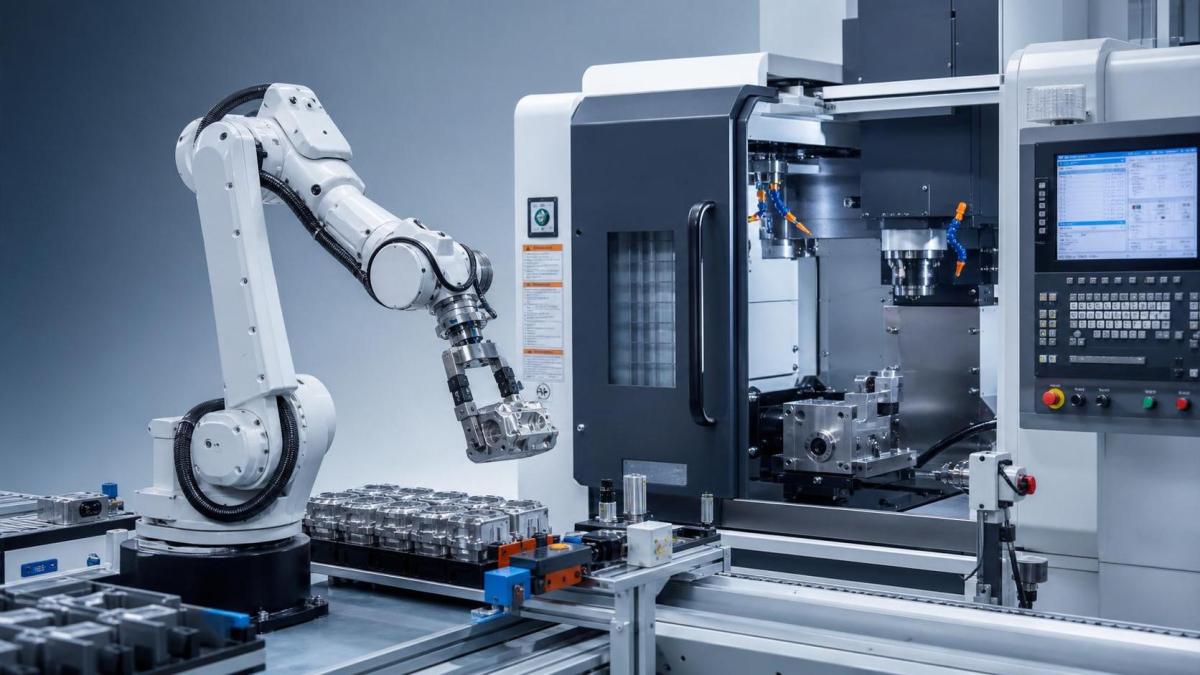
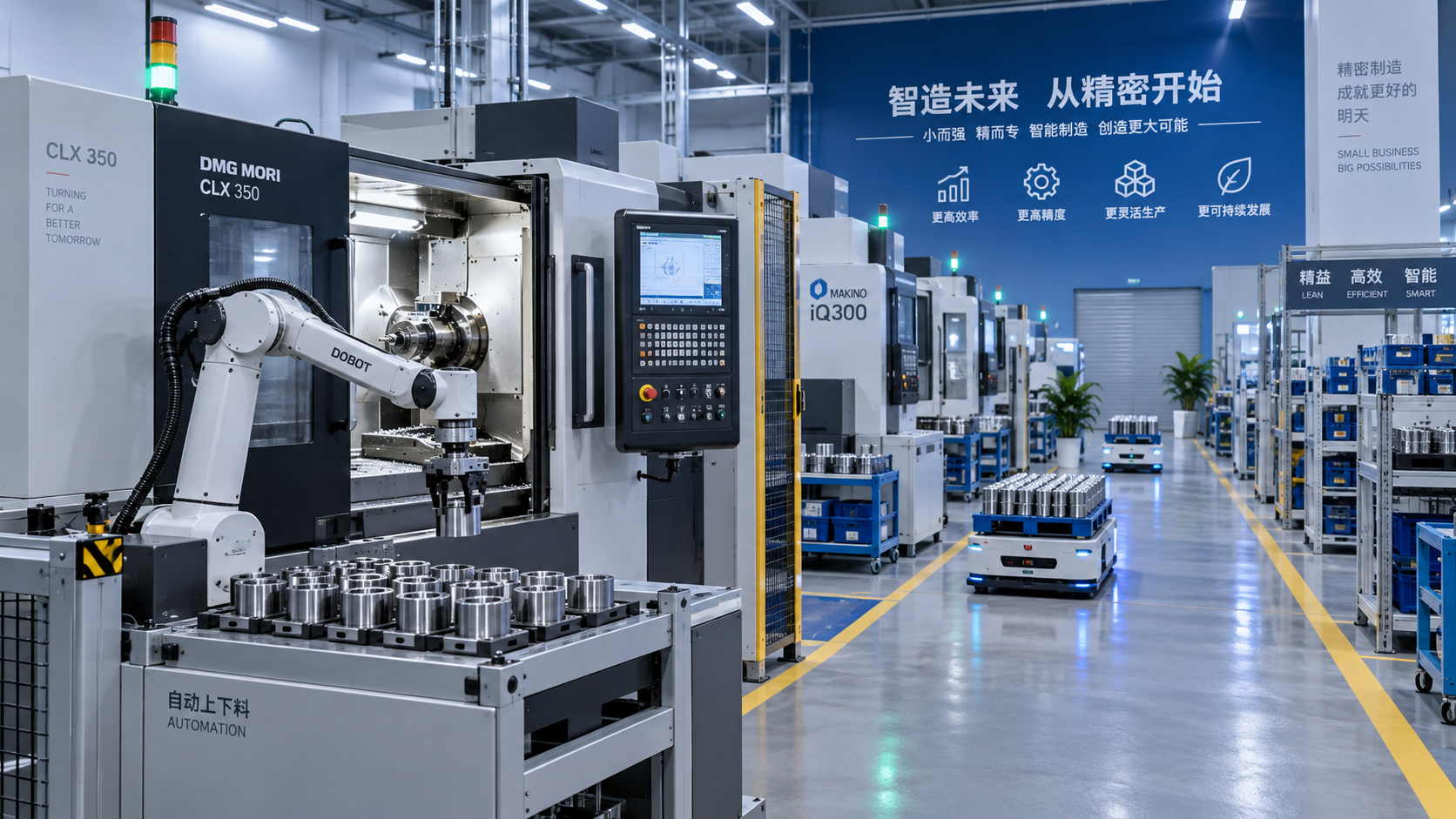
Choosing Industrial Robotics for CNC machine tending is not only about replacing manual loading. It shapes uptime, part consistency, labor efficiency, and how easily production can scale later.
In precision manufacturing, the right robot must fit real machining conditions. That includes spindle cycle time, part geometry, fixture layout, coolant exposure, and shift-level output targets.
This matters even more as machine tool builders and component suppliers push toward smarter, more connected production. Industrial Robotics now supports not just handling, but also traceability and flexible scheduling.
A solid selection process starts with workflow mapping. Then it moves into payload, reach, cycle time, integration, safety, and long-term operating cost.
Start with the CNC Process, Not the Robot Catalog
Many automation projects struggle because the robot is chosen first. In practice, CNC machine tending works best when the process defines the robot, not the other way around.
Begin by documenting each movement in the cell. Include raw part presentation, chuck opening, finished part removal, blow-off, gauging, and pallet or conveyor transfer.
This also reveals hidden constraints. Door opening speed, gripper clearance, machine access angle, and chip buildup often affect Industrial Robotics performance more than rated robot speed.
If one robot will serve multiple CNC machines, map the exact service sequence. A small delay between stations can reduce the expected gains from automation.
Key process questions to answer first
- What is the actual part weight, including oil or coolant residue?
- How many seconds are available between machine operations?
- Does the robot handle one part type or frequent changeovers?
- Is orientation critical for loading into fixtures or chucks?
- Will the cell need in-process inspection or part marking later?
Match Payload and Reach to Real Production Conditions
Payload and reach are basic filters, but they should not be treated as simple catalog numbers. Industrial Robotics needs reserve capacity for grippers, sensors, and future part changes.
A robot rated for the current workpiece may still be undersized. Add the gripper body, fingers, air lines, tool changers, and any double-pick handling requirement.
Reach should cover the full task envelope without forcing awkward joint positions. Difficult wrist angles can slow motion, increase wear, and reduce repeatability inside tight CNC spaces.
For multi-machine layouts, check both horizontal reach and vertical approach. A robot may physically reach a station, yet still lack clean access for reliable loading.
A practical sizing rule
Leave a payload margin beyond current need. That margin protects flexibility when heavier parts, stronger grippers, or extra tooling become necessary later.
Focus on Cycle Time, Throughput, and Cell Balance
Fast robot motion alone does not guarantee higher output. The real goal is balanced cell performance, where the CNC machine and Industrial Robotics system support each other without idle gaps.
Look at full cycle time, not brochure speed. Include pick time, door signal response, clamp confirmation, safe exit, and part transfer to downstream handling.
In many cells, the bottleneck is not the robot arm. It is often fixture release, vision confirmation, buffer design, or inconsistent raw part presentation.
This is why simulation and line balancing matter. They help test whether one robot can reliably serve one machine, two machines, or an entire compact production cell.
What to measure during evaluation
- Average machine idle time per cycle
- Robot load and unload duration
- Part queue stability at shift peaks
- Recovery time after stoppages or alarms
- Output impact during product changeover
Check Integration with CNC Controls and Factory Systems
Integration quality often decides whether Industrial Robotics delivers smooth production or daily troubleshooting. A robot must communicate cleanly with CNC controls, sensors, safety devices, and material flow equipment.
At minimum, confirm signal exchange for machine ready, door status, chuck open, cycle complete, fault reset, and emergency stop coordination.
More advanced projects may need MES connectivity, production tracking, barcode reading, or inspection feedback. That is increasingly common in digital manufacturing environments.
It also helps to evaluate programming complexity. Some Industrial Robotics platforms simplify setup with guided interfaces, while others require deeper specialist support.
Integration checklist
Do Not Overlook Safety, Environment, and Reliability
CNC tending environments can be harsh. Coolant mist, sharp chips, vibration, and tight cell layouts all affect how Industrial Robotics performs over time.
Check enclosure rating, cable routing, and protection against contamination. The gripper also needs to resist slipping when parts are oily or still warm from machining.
Safety should be reviewed as part of the process design, not added later. Risk assessment should cover guarding, interlocks, safe access, and restart logic after operator entry.
Collaborative robots may work in some loading tasks, but they are not automatically the best choice. Higher payloads and faster cycles often still favor traditional industrial robots.
Common reliability risks
- Insufficient gripper force on wet surfaces
- Chip interference in nests or locating points
- Unstable raw part feeding to the pickup zone
- Poor cable protection near moving machine doors
- Complex recovery steps after part misloads
Evaluate Flexibility, Maintenance, and Total Cost
The best Industrial Robotics choice is rarely the lowest purchase price. It is the system that supports stable output today and adapts to tomorrow’s product mix.
Flexibility matters when production includes small batches, family parts, or future machine additions. Quick gripper swaps, recipe management, and modular feeders can protect long-term value.
Maintenance should also be part of selection. Ask about spare parts availability, preventive service intervals, remote diagnostics, and local engineering response time.
A useful cost review includes integration, tooling, guarding, downtime risk, training, and expected changeover effort. Those factors often matter more than the robot arm price alone.
Questions that improve selection quality
- Can the robot support future part sizes without major redesign?
- How quickly can operators recover from a typical fault?
- Which components are most likely to create unplanned downtime?
- How much training is needed for daily operation and changeover?
- What is the realistic payback under actual utilization rates?
A Practical Selection Path for Industrial Robotics
A practical selection path keeps the process grounded. Start with current part flow, then shortlist Industrial Robotics options that meet payload, reach, and cycle demands with realistic safety margins.
Next, validate integration with the CNC platform and surrounding automation. After that, compare reliability, service support, and expansion potential across suppliers.
From recent market changes, the stronger signal is clear. Manufacturers want Industrial Robotics that can serve precision machining today while fitting broader smart factory plans tomorrow.
That also means selection should be evidence-based. Use real part data, sample cycle studies, layout reviews, and risk checks before making the final decision.
When Industrial Robotics is matched to machining reality, the result is better machine utilization, steadier quality, and a production system ready for future automation upgrades.
The most effective next step is simple: build a selection matrix from your actual CNC workflow, then compare robot options against measurable production targets, not general specifications.
Recommended for You
 CNC Lathe Quick Installation Guide: Alignment Checks Before First Production RunCNC Machining Technology Center
 How to Select a CNC Lathe for Small Parts Without Sacrificing Accuracy or Cycle TimeCNC Machining Technology Center
 How to Select a Slant Bed Lathe for High-Precision Shaft and Chuck WorkCNC Machining Technology Center
 Smart Manufacturing for Small Businesses: Where Automation Delivers the Fastest ROIMachine Tool Industry Editorial Team
 How to Specify a CNC Lathe for High-Volume Automotive Shaft ProductionCNC Machining Technology Center
 How Automated Precision Machining Maintains Tolerance in High-Mix ProductionCNC Machining Technology Center

Aris Katos
Future of Carbide Coatings
15+ years in precision manufacturing systems. Specialized in high-speed milling and aerospace grade alloy processing.
▶
Smart Manufacturing for Small Businesses: Where Automation Delivers the Fastest ROIMachine Tool Industry Editorial Team▶
How Smart Manufacturing Technology Improves OEE Across Industry 4.0 Production LinesMachine Tool Industry Editorial Team▶
How to Evaluate an Automation Line for Electronics Production Before InvestmentMachine Tool Industry Editorial Team▶
How to Evaluate an Automated Production Line for Output, Flexibility, and ROIMachine Tool Industry Editorial Team▶
How Smart Manufacturing Improves Traceability and Quality Control in Aerospace?Machine Tool Industry Editorial Team
Mastering 5-Axis Workholding Strategies
Join our technical panel on Nov 15th to learn about reducing vibrations in thin-wall components.

Providing you with integrated sanding solutions
Before-sales and after-sales services
Comprehensive technical support