• Global CNC market projected to reach $128B by 2028 • New EU trade regulations for precision tooling components • Aerospace deman
NYSE: CNC +1.2%LME: STEEL -0.4%

Germany Requires EPDs for CNC Lines from July 1

Germany’s new disclosure requirement for machinery sold in its market took effect on July 1, 2026, bringing an immediate compliance change for automation equipment suppliers, including CNC integrated production lines. Under the new rule, certified Environmental Product Declarations (EPDs) must accompany covered systems and address carbon emissions across manufacturing, transport, and use. For equipment vendors, procurement teams, certification-related service providers, and supply chain partners, this matters because the rule links environmental disclosure directly to market access in public procurement and major automotive and electronics OEM supply chains.
What the new German rule now requires
The German Federal Ministry for Economic Affairs formally implemented the Regulation on Environmental Performance Disclosure for Mechanical Products on July 1, 2026. According to the information provided, all automated production systems sold in Germany, including CNC integrated lines, must from that date provide a certified EPD. The disclosure must cover carbon emissions from manufacturing, transportation, and the use phase. Equipment that does not meet this requirement will be barred from German government procurement and from mainstream automotive and electronics OEM supply chains.
Where the commercial impact is likely to appear first
Market-entry pressure on equipment sellers
Manufacturers and exporters of automated production systems are the first group likely to feel the effect because the rule attaches EPD disclosure to the ability to sell into Germany. The practical impact is likely to show up in quotation packages, technical documentation, compliance reviews, and customer prequalification. What deserves closer attention is whether sales teams and compliance teams are prepared to treat certified EPDs as part of the core market-entry file rather than as optional sustainability material.
Procurement and bid evaluation will likely tighten
Buyers in government-linked purchasing and in automotive and electronics OEM supply chains are also likely to be directly affected, because the rule creates a clearer screening point for supplier selection. From an industry perspective, this means procurement, tender review, and supplier onboarding may increasingly depend on whether a compliant EPD is available for the relevant system. Companies involved in bidding and vendor approval should therefore pay attention to how EPD-related requirements are reflected in tender documents, supplier checklists, and technical-commercial submissions.
Certification and document support become more operational
Certification-related firms, testing support providers, and document preparation teams may see a more operational role in machinery transactions, because the requirement is for a certified EPD rather than a general environmental statement. Analysis shows that documentation quality, consistency across technical files, and timing of certification work may become more important in delivery planning. For supply chain service providers and project coordinators, the affected workflow is not only compliance review but also how documentation readiness aligns with shipment, installation, and acceptance milestones.
What companies should watch in current transactions
Treat the EPD as a transaction document, not only a sustainability file
Analysis shows that companies selling covered systems into Germany should review whether the certified EPD is already integrated into bid packages, sales contracts, and technical submissions. Where documents are prepared late in the sales cycle, the risk is less about abstract policy exposure and more about immediate disruption to customer approval or procurement eligibility.
Check how carbon coverage is described across the file set
The information provided states that the EPD must cover manufacturing, transport, and use-phase carbon emissions. Companies should therefore pay attention to whether their technical and compliance materials consistently reflect those stages. This is especially relevant where multiple teams handle product specifications, logistics information, and customer-facing compliance declarations.
Watch for changes in tenders and supplier qualification language
Because non-compliant equipment is excluded from German public procurement and mainstream automotive and electronics OEM supply chains, companies should closely monitor how purchasers phrase eligibility conditions in upcoming tenders, supplier portals, and qualification requests. The input does not provide detailed enforcement language, so it should not be assumed that all buyers will apply the requirement in exactly the same way from the outset; the key point is to watch for evolving execution language.
Build extra time into delivery and approval planning
Observably, the requirement may affect delivery schedules where certification, document review, or customer acceptance depends on the EPD being available and accepted before commercial milestones move forward. The supplied information does not define procedural timelines, so the prudent reading is that companies should pay attention to possible lead-time effects in procurement planning, export scheduling, and project handover documentation.
How this should be read at this stage
From an industry perspective, this is more than a general policy signal because the rule is described as already in force from July 1, 2026 and tied to concrete commercial consequences. At the same time, it is more appropriate to understand this as both a landed compliance change and an execution signal that still requires observation. Analysis shows that the headline issue is no longer whether carbon disclosure matters in principle, but how certification scope, buyer acceptance, and procurement wording will be applied in actual transactions involving automated production systems and CNC integrated lines.
The current takeaway for the machinery supply chain
The most grounded conclusion is that Germany’s new requirement raises environmental disclosure from a peripheral consideration to a functional access condition for covered automation equipment in specific purchasing channels. For affected companies, the immediate significance lies in documentation readiness, certification coordination, and procurement alignment rather than in broad market speculation. It is more appropriate to understand this development as an implemented rule with immediate transaction relevance, while the finer points of execution and market response still need continued attention.
Basis of this article and points still requiring verification
This article is based on the user-provided news title, event date, and event summary. For developments of this type, source categories commonly relevant include official government announcements, regulatory releases, trade or customs authority information, industry association notices, standards-related documents, certification materials, and reporting by authoritative media. A specific official source link was not provided in the input, so it still needs to be verified on an ongoing basis. What also requires continued observation includes any further policy detail, certification interpretation, procurement document updates, market feedback, and how companies implement the requirement in practice.
Recommended for You
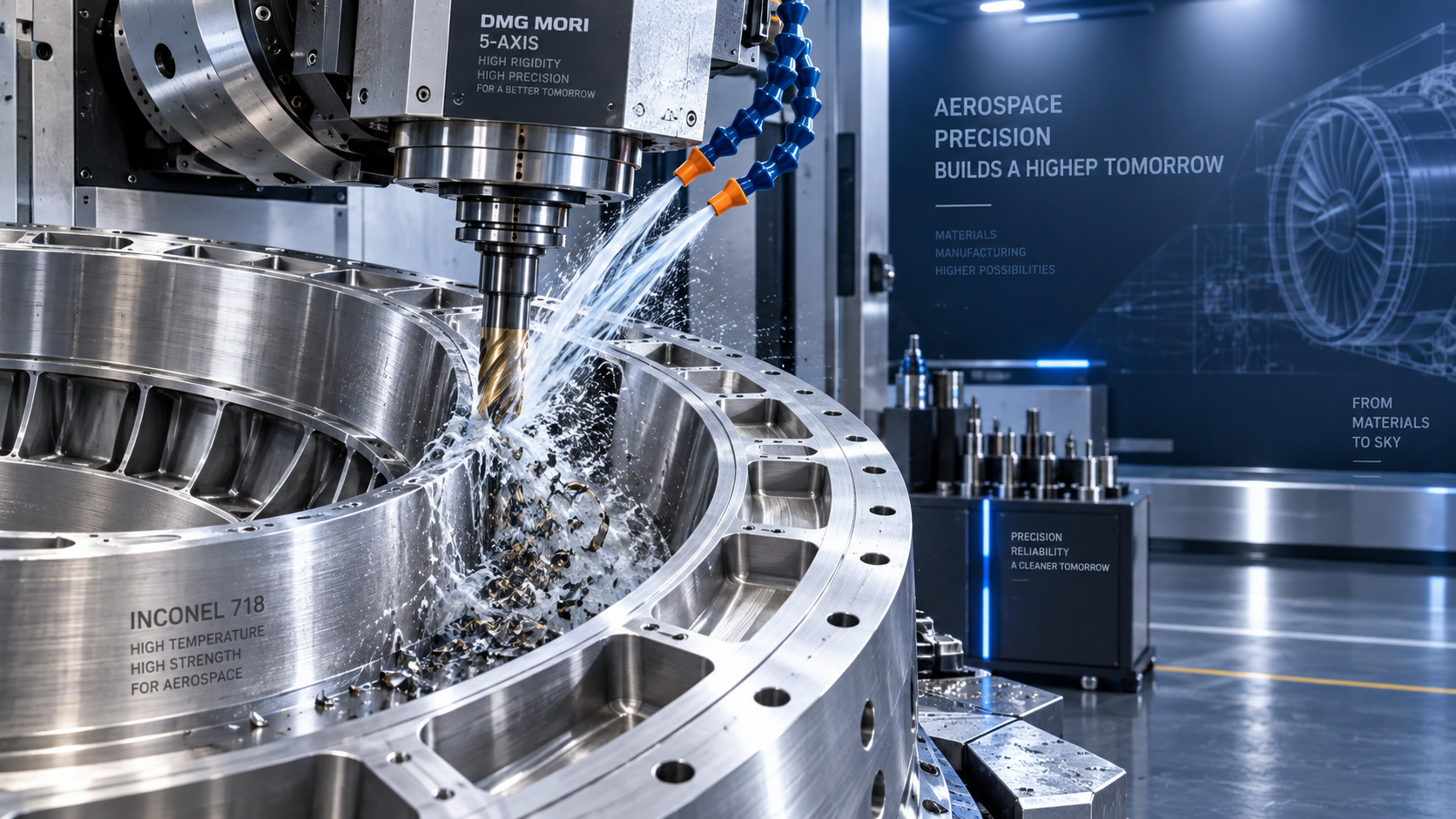
 Can CNC Machining Inconel Control Tool Wear in High-Temperature Aerospace Parts?CNC Machining Technology Center
 Machine Tool Market Outlook: Demand Drivers, Capacity Shifts, and Investment RisksManufacturing Market Research Center
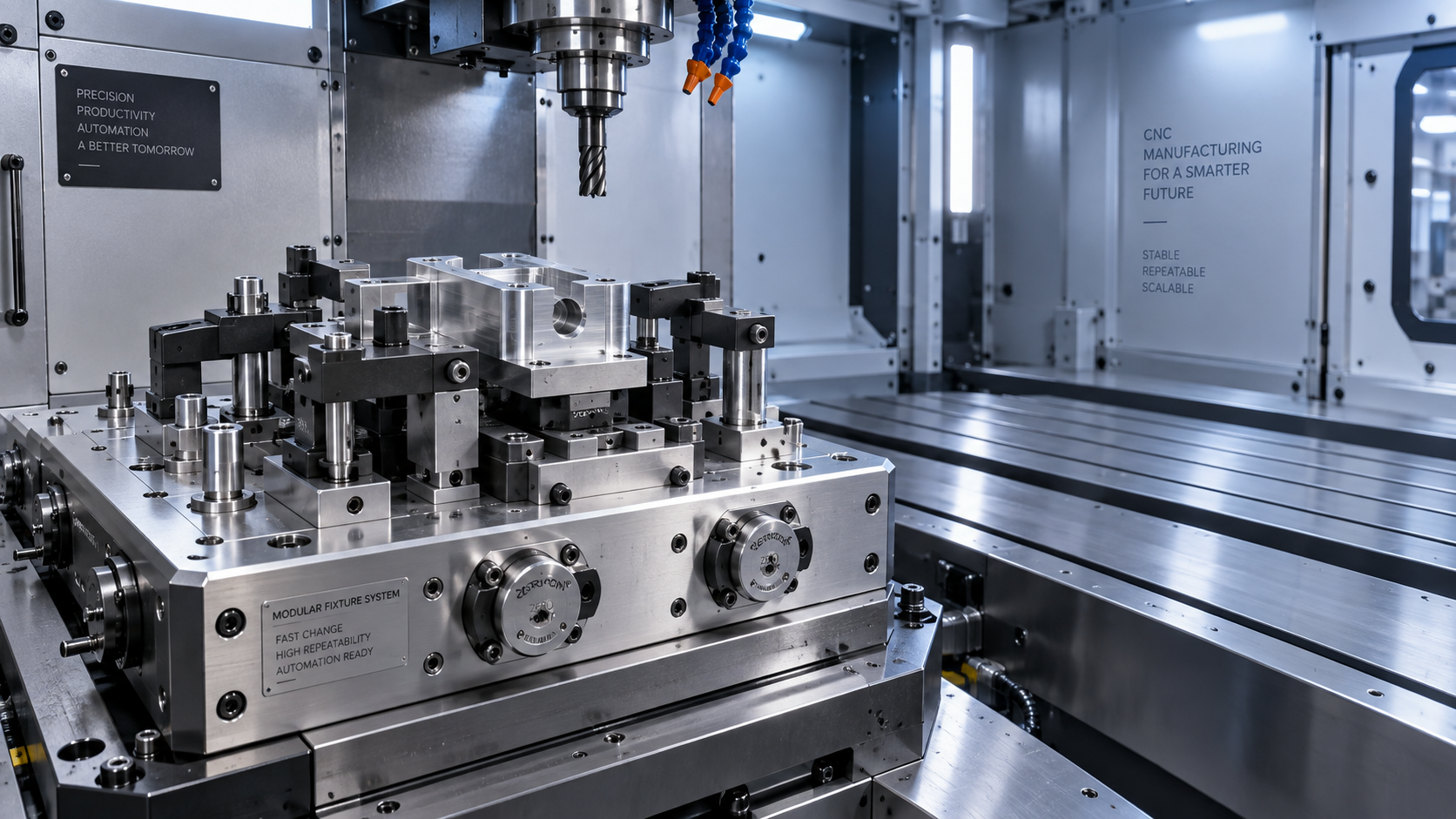
 Zero-Point Clamping or Modular Fixtures? Choosing a Faster CNC Changeover SystemCNC Machining Technology Center
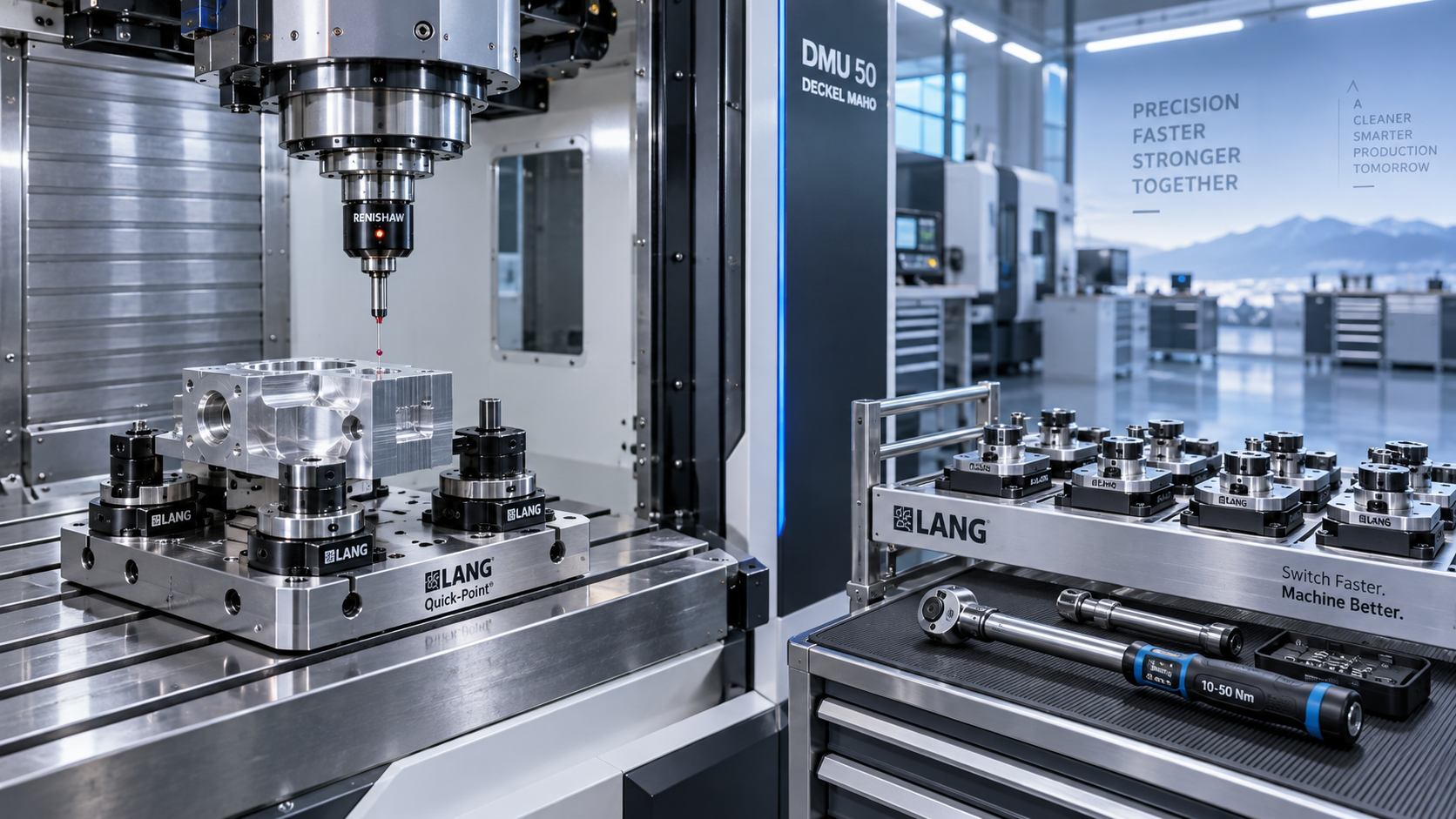
 How to Cut CNC Fixture Changeover Time Without Sacrificing Part AccuracyCNC Machining Technology Center
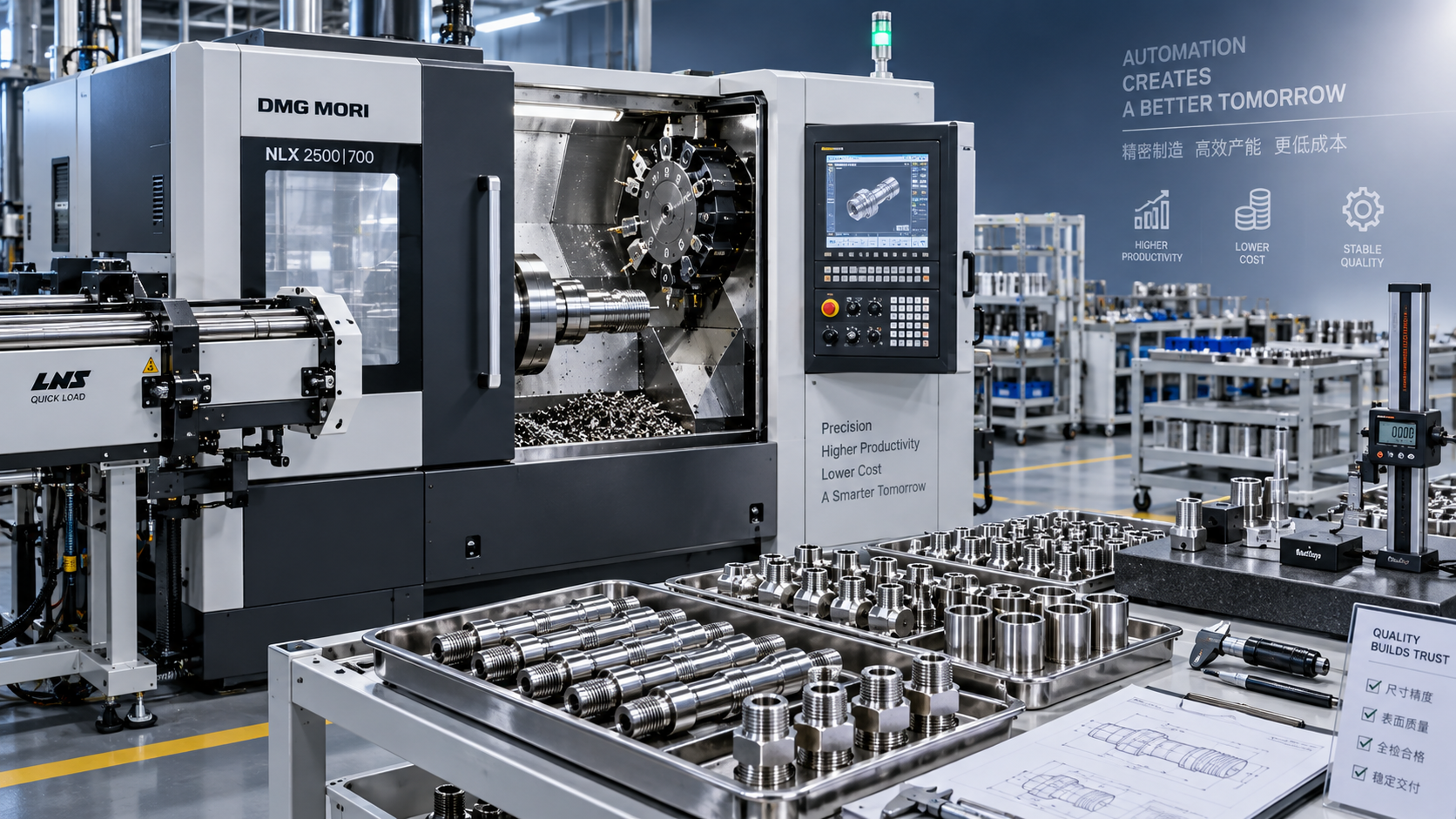
 When Does CNC Turning Pay Off? A Break-Even Guide by Annual Part VolumeMachine Tool Industry Editorial Team
 Machine Tool Standards by Country: What Importers Must Verify Before PurchaseManufacturing Policy Research Center


Aris Katos
Future of Carbide Coatings
15+ years in precision manufacturing systems. Specialized in high-speed milling and aerospace grade alloy processing.
▶
Smart Manufacturing for Small Businesses: Where Automation Delivers the Fastest ROIMachine Tool Industry Editorial Team▶
How Smart Manufacturing Technology Improves OEE Across Industry 4.0 Production LinesMachine Tool Industry Editorial Team▶
How to Evaluate an Automation Line for Electronics Production Before InvestmentMachine Tool Industry Editorial Team▶
How to Evaluate an Automated Production Line for Output, Flexibility, and ROIMachine Tool Industry Editorial Team▶
How Smart Manufacturing Improves Traceability and Quality Control in Aerospace?Machine Tool Industry Editorial Team
Mastering 5-Axis Workholding Strategies
Join our technical panel on Nov 15th to learn about reducing vibrations in thin-wall components.

Providing you with integrated sanding solutions
Before-sales and after-sales services
Comprehensive technical support