• Global CNC market projected to reach $128B by 2028 • New EU trade regulations for precision tooling components • Aerospace deman
NYSE: CNC +1.2%LME: STEEL -0.4%

How CNC Industrial Systems Help Reduce Setup Time in Automated Production Lines
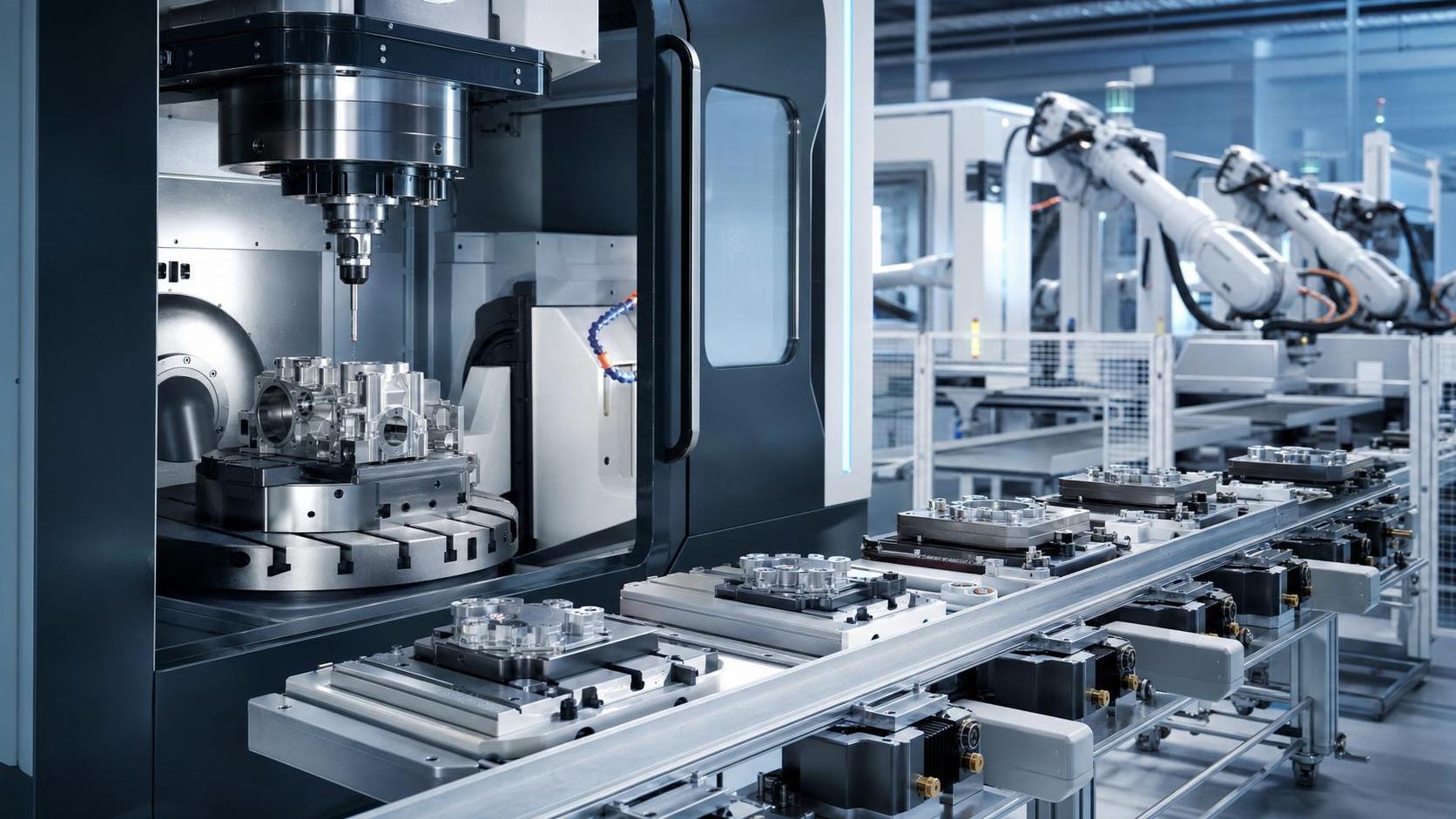
How CNC Industrial Systems Reduce Setup Time in Automated Production Lines
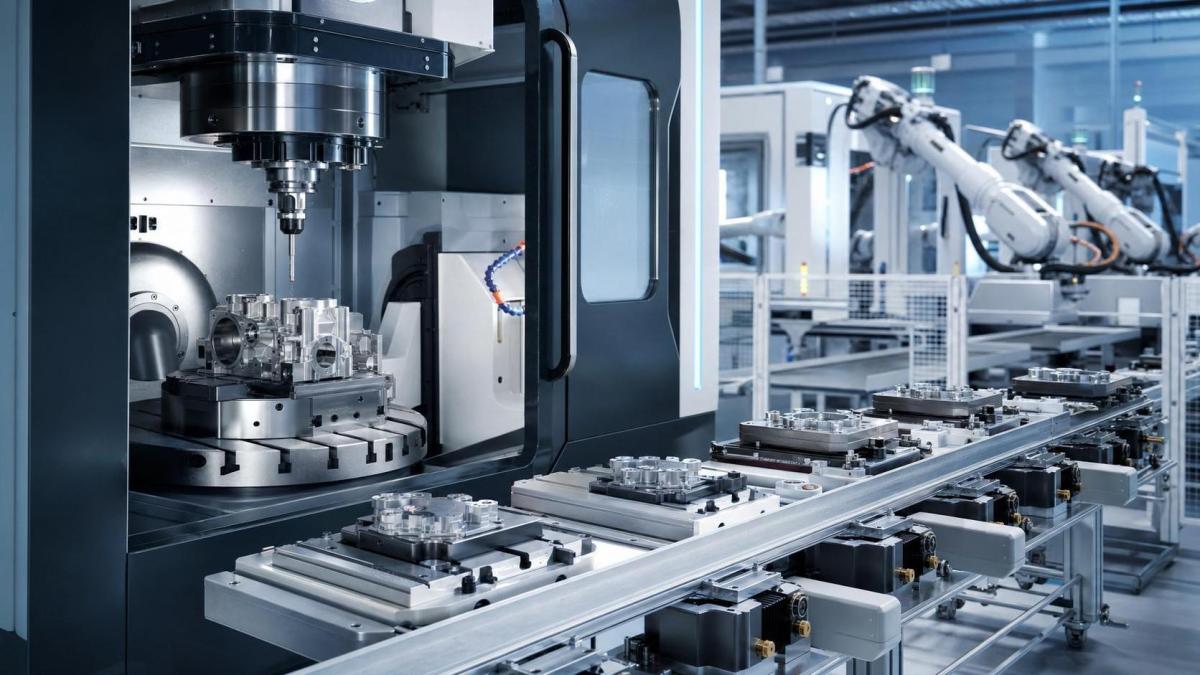
In automated production lines, setup time often decides whether output targets are realistic or constantly under pressure.
That is why CNC industrial systems matter far beyond machining accuracy alone.
They help shorten changeovers, stabilize process parameters, and reduce the manual adjustments that slow production.
For factories handling mixed batches, complex parts, or frequent product updates, this can create immediate operational value.
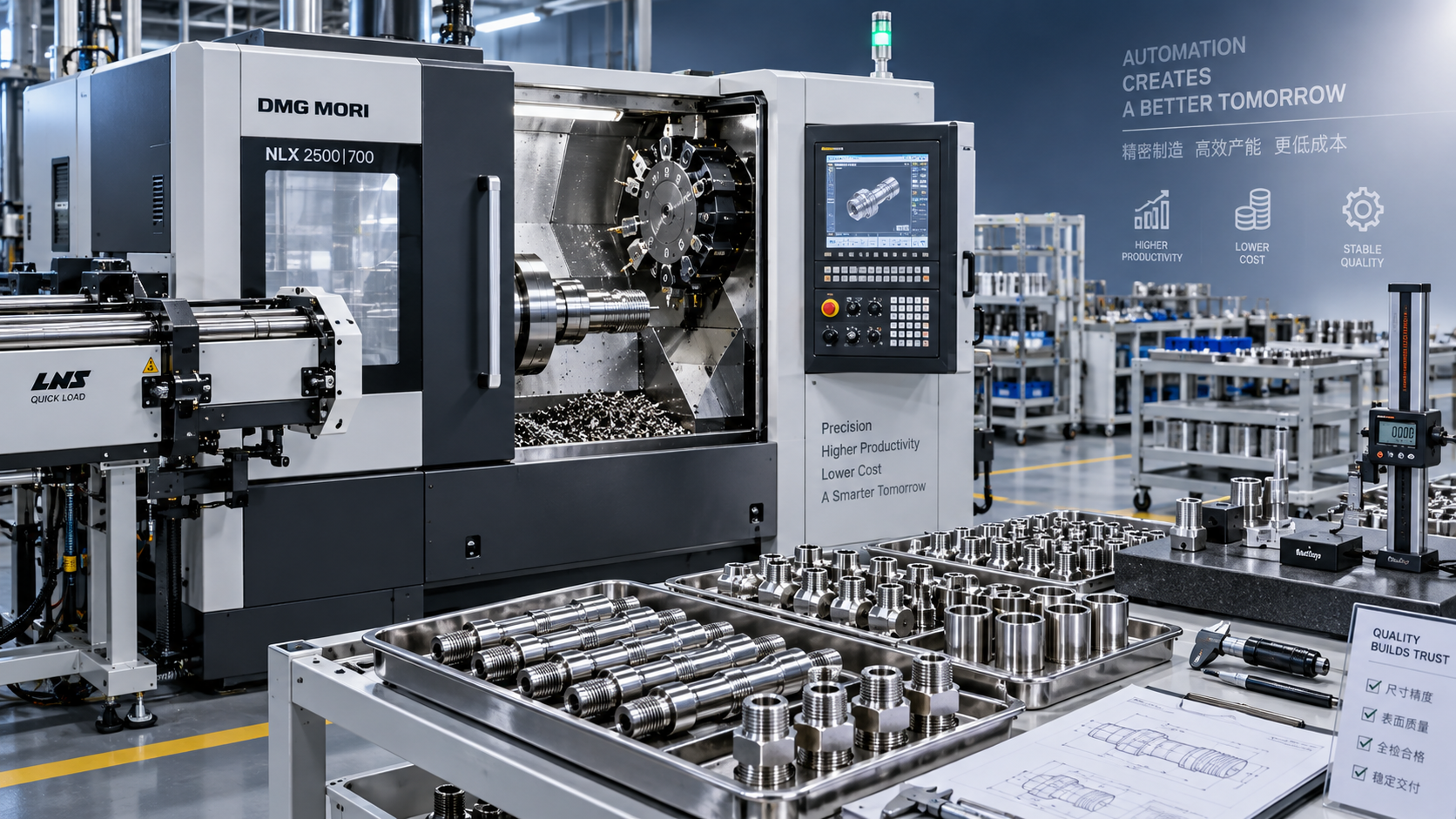
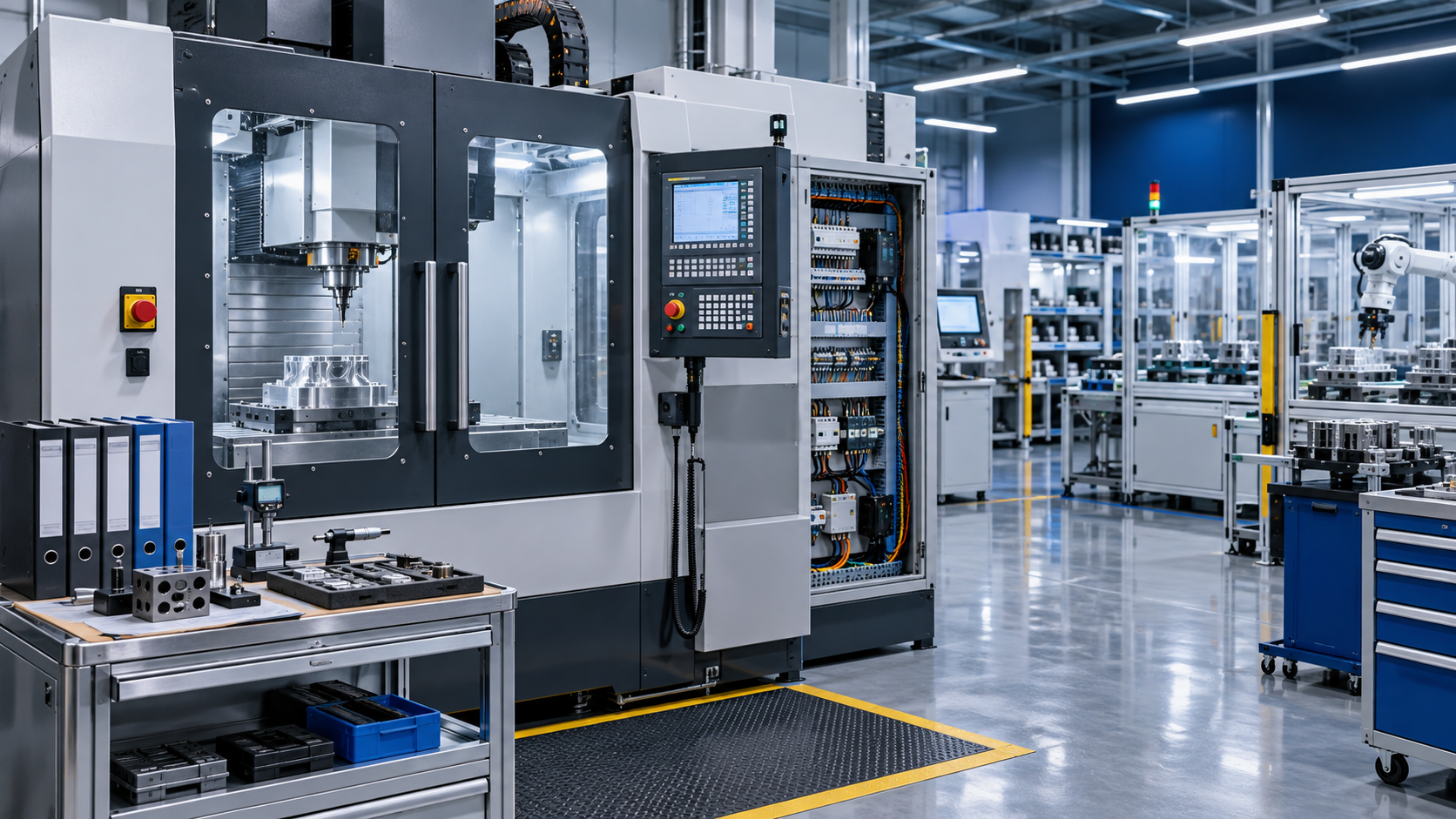
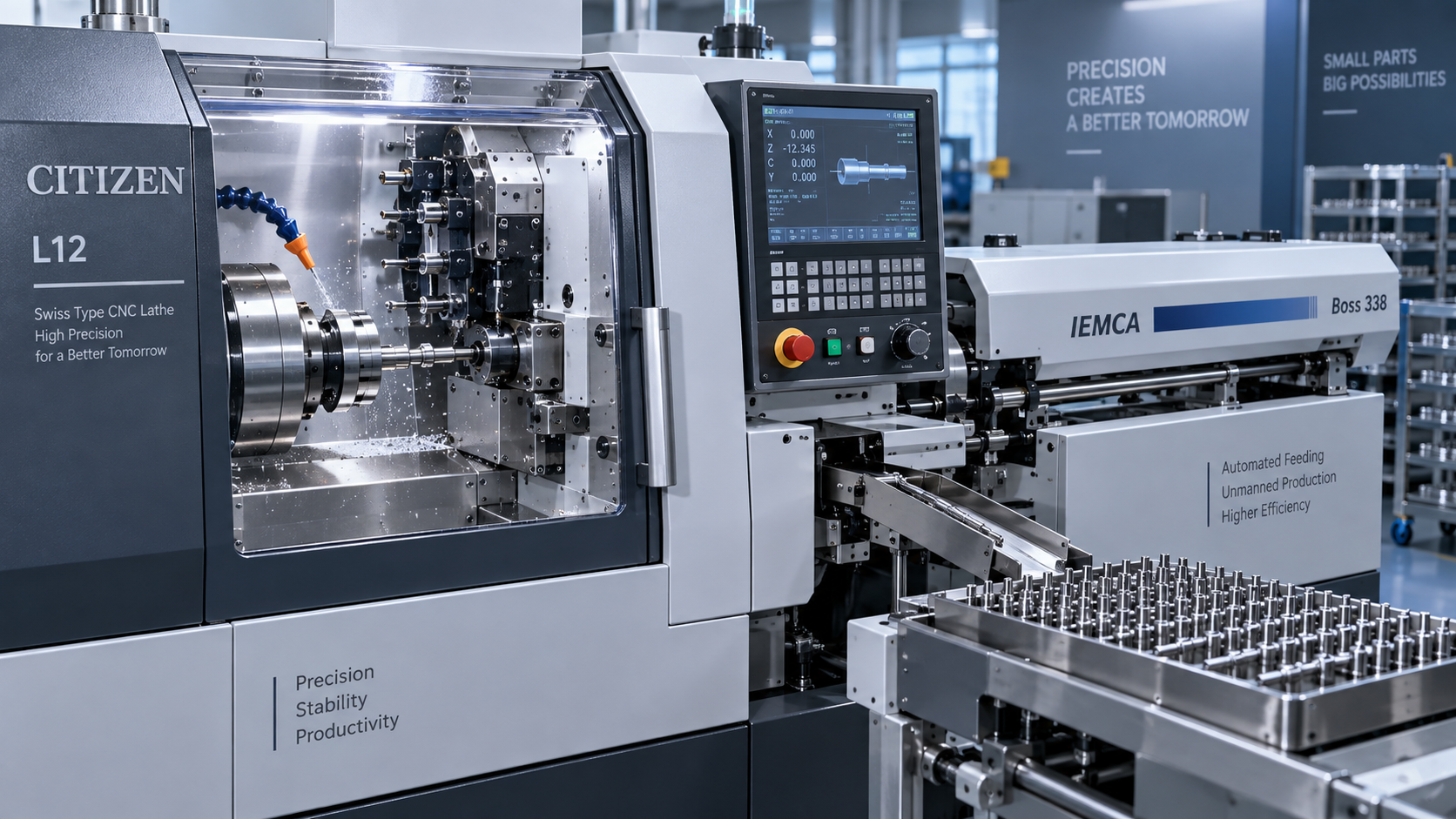
A modern CNC industrial approach combines machine tools, software, tooling, fixtures, data exchange, and automation logic into one controllable workflow.
When these elements work together, setup stops being a recurring bottleneck and becomes a managed engineering process.
Why Setup Time Becomes a Hidden Cost Driver
Many production delays do not begin with machining speed.
They begin during program loading, fixture replacement, tool offset checks, first-piece inspection, and line synchronization.
In traditional environments, each changeover depends heavily on operator experience.
That creates variation between shifts, machines, and plants.
A CNC industrial system reduces this variation by standardizing repeatable tasks.
It also supports faster recovery when schedules change or urgent orders interrupt the plan.
This matters even more in automotive, aerospace, electronics, and energy equipment production.
Those sectors need precision, traceability, and quick line response at the same time.
Core Ways CNC Industrial Systems Cut Changeover Time
The biggest gains usually come from a few practical improvements rather than one dramatic upgrade.
1. Standardized program management
A connected CNC industrial system stores verified machining programs in a central library.
Operators no longer waste time searching for the latest version or correcting outdated parameters.
Version control also lowers the risk of scrap during restarts.
2. Quick-change tooling and fixtures
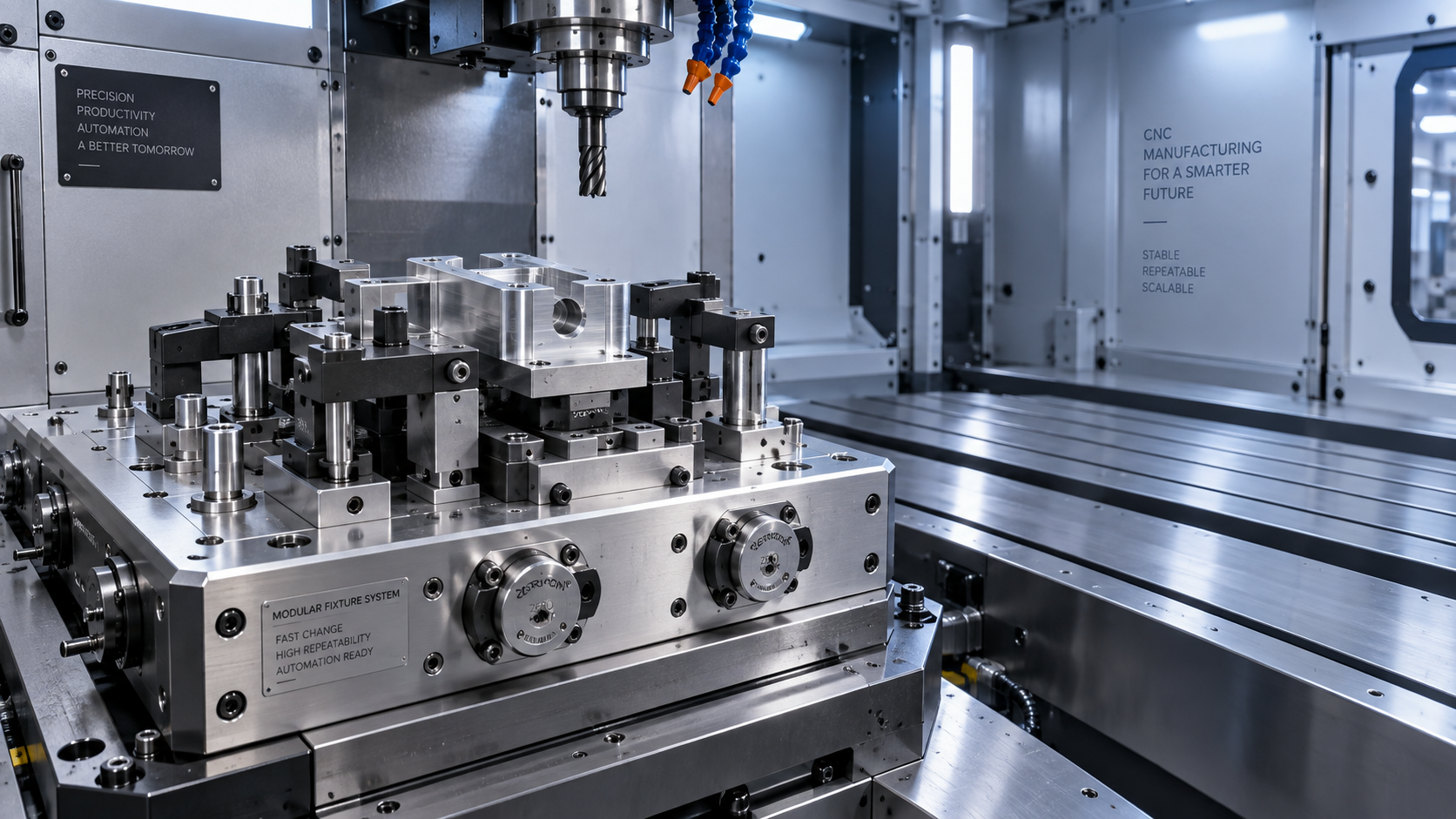
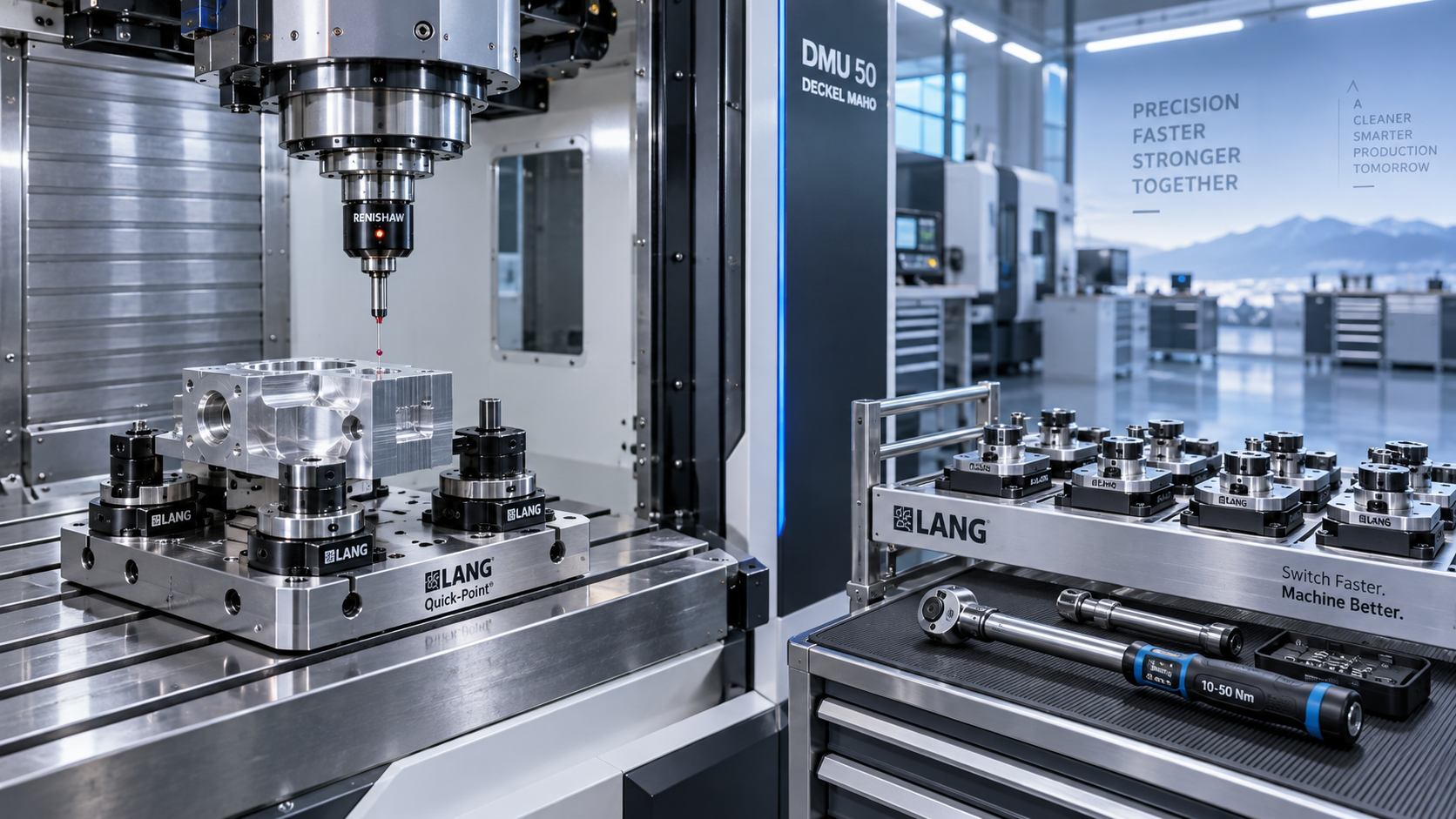
Preset tooling, modular clamping, and zero-point systems sharply reduce manual alignment work.
In real production, this often saves more time than increasing spindle speed.
A well-designed CNC industrial layout treats fixtures as part of the productivity plan, not as simple accessories.
3. Automatic tool measurement and compensation
Integrated probing systems shorten setup by measuring tool length, wear, and work offsets automatically.
This reduces trial cuts and repeated checks.
For high-mix production, that consistency is a major advantage.
4. Offline simulation and digital verification
Simulation software allows teams to check collisions, tool paths, and cycle logic before the machine stops.
That means less idle time during new part introduction.
In a mature CNC industrial workflow, virtual preparation becomes standard practice.
5. Integrated line communication
Setup losses often spread across robots, conveyors, inspection units, and upstream material handling.
A CNC industrial platform with connected signals helps synchronize these assets faster.
That prevents one machine from being ready while the rest of the line waits.
Practical Application Scenarios Across Manufacturing
Different sectors use CNC industrial systems in different ways, but the setup challenge is surprisingly similar.
- Automotive plants use CNC industrial cells to switch between component families with tighter takt control.
- Aerospace suppliers rely on digital verification to reduce setup risk for expensive, low-volume parts.
- Electronics and precision hardware producers use modular tooling to handle frequent model changes.
- Energy equipment manufacturers benefit from stable setup routines for large, high-value components.
From recent industry shifts, the clearer signal is flexibility.
Manufacturers no longer optimize only for long runs.
They also need rapid response for engineering changes, shorter product cycles, and regionalized supply strategies.
That is exactly where CNC industrial systems show strategic value.
What to Evaluate Before Investing
Not every upgrade reduces setup time in the same way.
The most effective CNC industrial investment usually starts with process mapping.
Look at where time is actually lost between the last good part and the next stable run.
A focused review should cover the following points.
- Program readiness and revision control across all machines.
- Fixture repeatability and the time required for positioning.
- Tool presetting, tool life monitoring, and offset update speed.
- Data exchange between CNC industrial equipment and line automation devices.
- First-piece approval time and in-process quality feedback loops.
- Operator training depth for changeover routines and abnormal recovery.
This also means some expensive equipment may have limited impact if workflow discipline is weak.
Good results usually come from matching CNC industrial technology with realistic operating standards.
Common Risks That Slow Implementation
Even strong technical solutions can underperform during rollout.
The issue is often not machine capability but deployment discipline.
- Disconnected software leaves CNC industrial assets running with inconsistent data.
- Poor fixture standardization forces repeated manual correction.
- Weak maintenance planning causes tool setters, probes, or automation units to fail during changeovers.
- Training gaps make teams bypass standard setup procedures when schedules tighten.
In practice, the best safeguard is to define measurable setup milestones before deployment.
For example, track fixture exchange time, first-piece approval time, restart stability, and changeover labor hours.
Those numbers make CNC industrial improvement visible and easier to defend internally.
A Step-by-Step Approach That Works
A practical rollout does not need to start with a full factory transformation.
A phased CNC industrial plan is often faster and less risky.
- Select one line or part family with frequent setup events.
- Measure the full changeover timeline, not just machine idle minutes.
- Apply CNC industrial upgrades with the highest repeatable effect first.
- Standardize digital programs, tooling kits, and fixture instructions.
- Train operators and technicians using real setup scenarios.
- Expand only after verified improvements hold across shifts.
This kind of disciplined scaling fits today’s smart manufacturing direction.
It also aligns with how global CNC industrial suppliers are supporting flexible production strategies.
Final Takeaway
Reducing setup time is no longer a narrow shop-floor issue.
It affects throughput, delivery reliability, labor use, and the ability to respond to market change.
CNC industrial systems help by turning setup into a more standardized, data-driven, and scalable process.
The strongest results usually come from combining machine capability with fixture strategy, digital control, and disciplined execution.
If setup delays are limiting line performance, start by mapping one changeover in detail and identifying where a CNC industrial upgrade can remove friction first.
That simple step often opens the clearest path to faster, smarter, and more resilient automated production.
Recommended for You
 Zero-Point Clamping or Modular Fixtures? Choosing a Faster CNC Changeover SystemCNC Machining Technology Center
 How to Cut CNC Fixture Changeover Time Without Sacrificing Part AccuracyCNC Machining Technology Center
 When Does CNC Turning Pay Off? A Break-Even Guide by Annual Part VolumeMachine Tool Industry Editorial Team
 Machine Tool Standards by Country: What Importers Must Verify Before PurchaseManufacturing Policy Research Center
 CNC Lathe Quick Installation Guide: Alignment Checks Before First Production RunCNC Machining Technology Center
 How to Select a CNC Lathe for Small Parts Without Sacrificing Accuracy or Cycle TimeCNC Machining Technology Center

Aris Katos
Future of Carbide Coatings
15+ years in precision manufacturing systems. Specialized in high-speed milling and aerospace grade alloy processing.
▶
Smart Manufacturing for Small Businesses: Where Automation Delivers the Fastest ROIMachine Tool Industry Editorial Team▶
How Smart Manufacturing Technology Improves OEE Across Industry 4.0 Production LinesMachine Tool Industry Editorial Team▶
How to Evaluate an Automation Line for Electronics Production Before InvestmentMachine Tool Industry Editorial Team▶
How to Evaluate an Automated Production Line for Output, Flexibility, and ROIMachine Tool Industry Editorial Team▶
How Smart Manufacturing Improves Traceability and Quality Control in Aerospace?Machine Tool Industry Editorial Team
Mastering 5-Axis Workholding Strategies
Join our technical panel on Nov 15th to learn about reducing vibrations in thin-wall components.

Providing you with integrated sanding solutions
Before-sales and after-sales services
Comprehensive technical support