• Global CNC market projected to reach $128B by 2028 • New EU trade regulations for precision tooling components • Aerospace deman
NYSE: CNC +1.2%LME: STEEL -0.4%

Industrial Lathe Buying Guide: Key Specifications, Capacity, and Use Cases
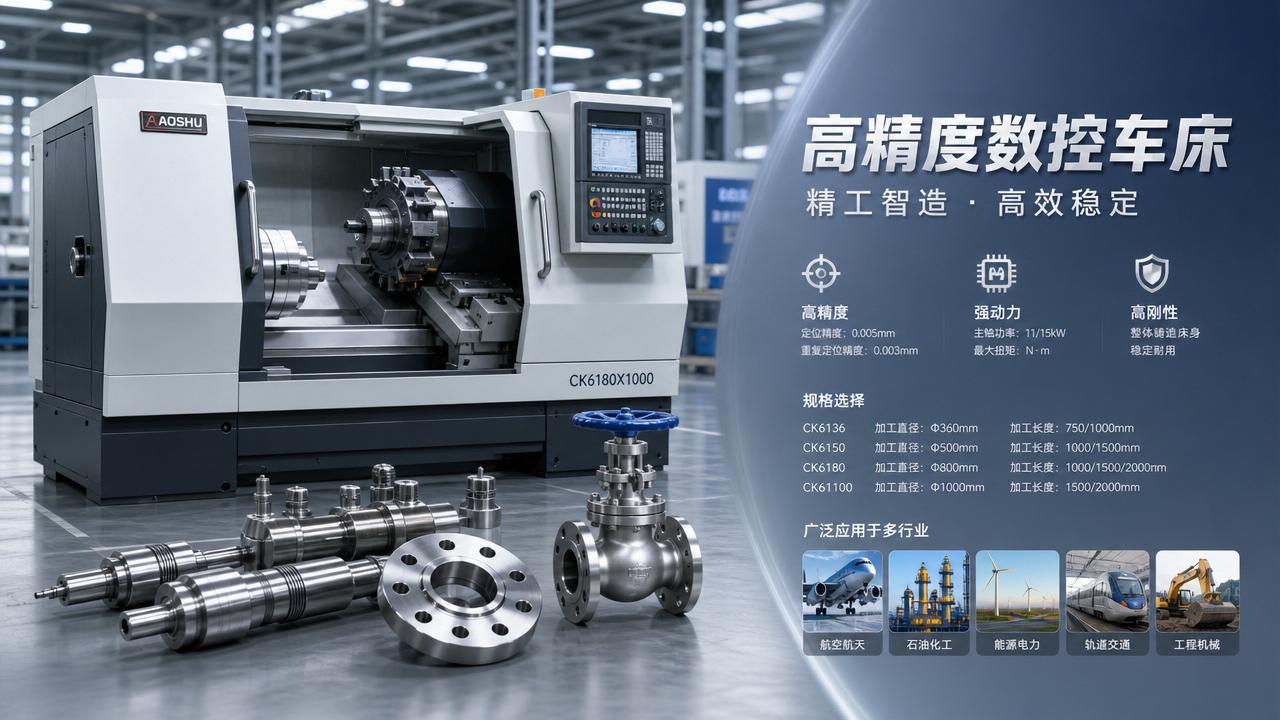
Why does choosing the right industrial lathe matter so much?
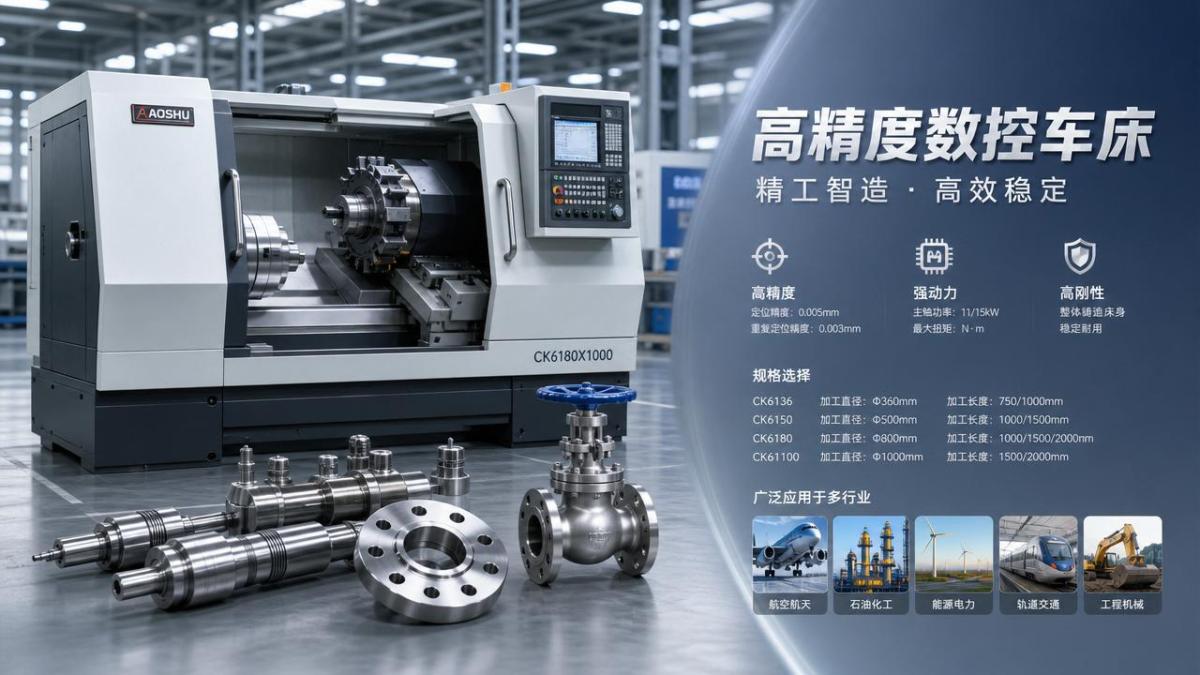
An industrial lathe is not just another machine on a capital list.
It directly shapes part accuracy, throughput, scrap rates, and maintenance pressure across a production line.
That is why industrial lathe selection usually affects cost far beyond the machine price.
In precision manufacturing, even a small mismatch in spindle power or bed length can reduce efficiency for years.
The wider CNC machine tool industry is also changing fast.
Automotive, aerospace, energy equipment, and electronics production now expect tighter tolerances and more automated workflows.
As factories move toward digital integration, the industrial lathe is increasingly evaluated as part of a connected system.
So the real question is not only, “Which lathe fits the drawing?”
A better question is, “Which industrial lathe supports current production and still makes sense when volumes, materials, or automation levels change?”
What exactly should be checked first in an industrial lathe specification sheet?
Many buyers start with price or brand reputation.
In practice, the safer starting point is machining fit.
A specification sheet should answer whether the industrial lathe can handle the largest, heaviest, and most demanding parts in normal production.
The core items usually include swing over bed, maximum turning diameter, center distance, spindle bore, spindle speed range, and motor power.
Those numbers sound basic, but they define the machine’s real envelope.
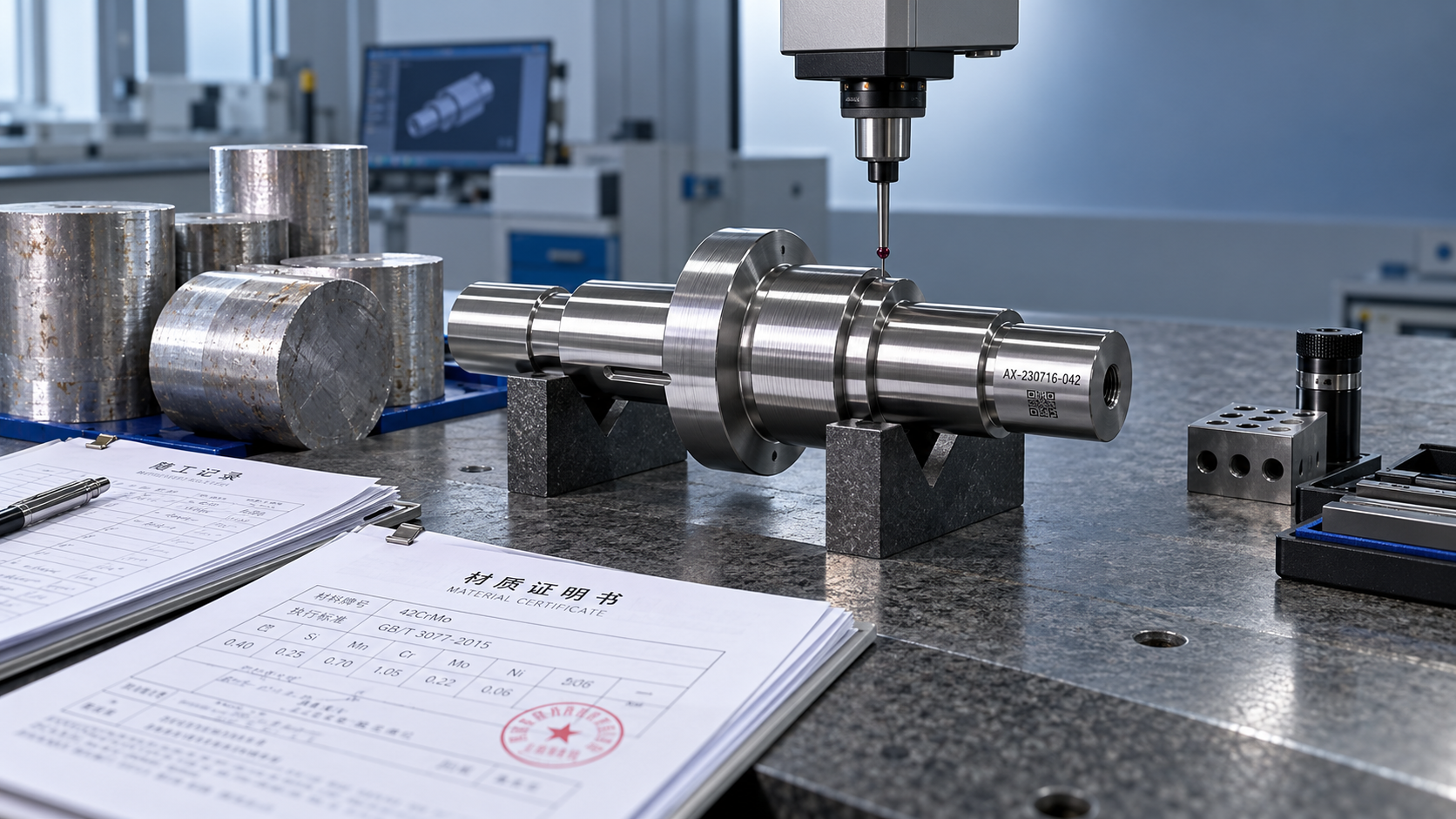
For shaft work, center distance matters more than many expect.
For bar-fed jobs, spindle bore may become the deciding limit.
For heavy cuts in alloy steel, spindle torque at lower speeds can be more useful than a high top rpm.
Rigidity also deserves close attention.
Machine weight, bed construction, guideway design, and turret stability often determine whether the industrial lathe performs well under load.
The following table helps translate common specification terms into practical buying questions.
A good industrial lathe specification should reduce uncertainty, not create it.
If key values are unclear, that is already useful buying information.
How do capacity limits connect with actual part types and production volume?
This is where many comparisons become more realistic.
An industrial lathe may look capable on paper, yet still be poorly matched to the work mix.
For example, long shafts, valve components, precision discs, hydraulic parts, and threaded connectors all create different demands.
Long and slender parts often need stable tailstock support, vibration control, and rigid guideways.
Short but heavy parts may require more chucking stability and stronger torque.
High-volume small parts may benefit more from bar feeding and shorter tool change cycles than from oversized machine capacity.
In actual applications, it helps to group workpieces before comparing machines.
- Low-mix, high-volume parts usually reward automation and repeatability.
- High-mix, low-volume jobs often need setup flexibility and easier programming.
- Tight-tolerance components need thermal stability and consistent accuracy over long shifts.
- Difficult materials need suitable spindle power, tooling compatibility, and coolant strategy.
This matters across the broader manufacturing landscape.
Aerospace suppliers may prioritize accuracy and traceability.
Energy equipment producers may focus on heavier sections and durable cutting performance.
Electronics or precision parts operations may care more about speed, repeatability, and compact workflow integration.
The best industrial lathe is rarely the largest one.
It is the one that matches part family, shift pattern, and production rhythm with the least compromise.
When is a basic industrial lathe enough, and when is a CNC or multi-axis setup the smarter choice?
This question usually comes up when balancing budget against future flexibility.
A conventional industrial lathe can still make sense for repair work, simple turning, low-volume operations, or training environments.
It may also work well when part geometry is straightforward and operator skill is already strong.
However, once repeatability, throughput, and traceable precision become priorities, CNC capability usually changes the equation.
A CNC industrial lathe supports stable cycle control, easier recipe storage, and better consistency between shifts.
If the work includes contouring, multiple diameters, threading, grooving, or frequent changeovers, automation brings clear advantages.
A multi-axis setup becomes more valuable when one machine can replace several operations.
That can reduce handling time, fixture changes, and alignment risk.
More advanced equipment also fits the wider shift toward smart manufacturing.
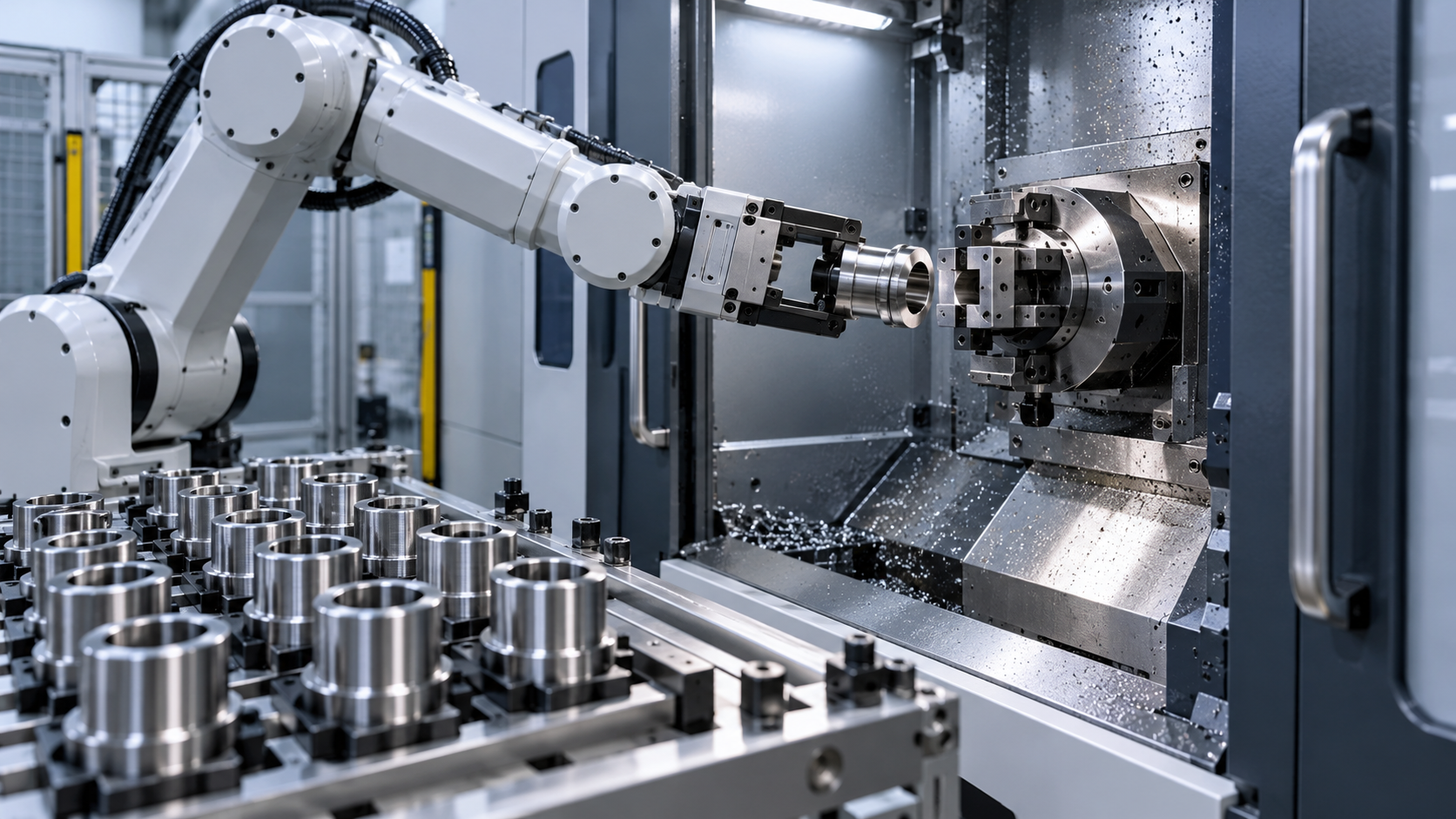
Machine monitoring, automated loading, and digital production tracking are easier to implement when the industrial lathe supports those interfaces from the start.
Still, extra capability should be justified.
If programming complexity rises while actual part demand stays simple, the return may take longer than expected.
Which buying mistakes create the most trouble after installation?
The most expensive mistakes are usually hidden in assumptions.
One common issue is buying an industrial lathe for today’s largest part only.
That often leads to oversized machines for regular jobs, with slower setups and higher energy use.
Another problem is focusing on cutting capacity while ignoring support systems.
Tooling availability, coolant filtration, chip management, and local service response can affect uptime more than brochure highlights.
Accuracy claims also need context.
It is worth checking whether tolerance performance is documented under realistic operating conditions and not only under ideal tests.
Another overlooked risk is integration.
An industrial lathe may fit the floor space, yet still fail to fit the workflow.
Loading direction, material flow, robot access, power supply, and operator movement all matter.
The more connected the production environment becomes, the more important those practical details are.
- Do not compare machines without matching the same part family.
- Do not assume quoted cycle time includes real setup conditions.
- Do not skip checking training, spare parts, and software support.
- Do not ignore whether the industrial lathe can scale with automation plans.
A careful pre-purchase review usually prevents far more cost than it adds.
How should cost, lead time, and long-term value be compared?
The purchase price is only one layer of the decision.
A lower-cost industrial lathe can become expensive if it causes more rework, slower output, or weak service coverage.
A more expensive machine may be justified when it reduces setups, supports unattended shifts, or keeps tolerance more consistently.
Lead time also deserves a closer look.
Machine delivery, installation, commissioning, training, and first-part approval should be treated as one timeline.
Global sourcing can widen options, especially from strong machine tool regions such as China, Germany, Japan, and South Korea.
But wider sourcing also means checking technical standards, documentation quality, response time, and parts logistics.
A simple scorecard often makes comparison easier.
That approach keeps the industrial lathe decision tied to measurable business value, not just quotation differences.
What is the most practical next step before making a final decision?
The most practical next step is to turn broad interest into a part-based checklist.
List the main workpiece sizes, materials, tolerance ranges, annual volumes, and expected shift pattern.
Then compare each industrial lathe option against those facts, not against generic sales claims.
It also helps to request sample process plans or trial-cut evidence for similar components.
That reveals whether the machine can deliver stable results in conditions close to real production.
If automation or smart factory integration is part of the roadmap, confirm those interfaces now rather than later.
A well-chosen industrial lathe should support accuracy, efficient output, and manageable operating cost at the same time.
The strongest decisions usually come from matching machine specifications with part reality, workflow fit, and long-term production plans.
Before moving forward, narrow the shortlist, compare support capability, and verify the few parameters that will actually limit production.
That is usually where a confident industrial lathe decision begins.
Recommended for You
![]() Zhongshan Xiaolan Machinery Exhibition Opens With Global Product DebutsMachine Tool Industry Editorial Team
Zhongshan Xiaolan Machinery Exhibition Opens With Global Product DebutsMachine Tool Industry Editorial Team Automated Production Machining: Which Parts and Batch Sizes Are a Good Fit?Machine Tool Industry Editorial Team
![]() FANUC Links FIELD System Data with Copilot to Advance Shop-Floor Data UseCNC Machining Technology Center
FANUC Links FIELD System Data with Copilot to Advance Shop-Floor Data UseCNC Machining Technology Center Smart Manufacturing for Aerospace: Building Traceability Across CNC OperationsCNC Machining Technology Center
![]() Mitsubishi Electric Announces Physical AI System Linking Humanoid Robots and CNC MachinesMachine Tool Industry Editorial Team
Mitsubishi Electric Announces Physical AI System Linking Humanoid Robots and CNC MachinesMachine Tool Industry Editorial Team Precision Machining for Defense: Supplier Quality and Traceability ChecksManufacturing Market Research Center


Aris Katos
Future of Carbide Coatings
15+ years in precision manufacturing systems. Specialized in high-speed milling and aerospace grade alloy processing.
▶
How to Select an Industrial Lathe for High-Volume Shaft ProductionMachine Tool Industry Editorial Team▶
When Does CNC Turning Pay Off? A Break-Even Guide by Annual Part VolumeMachine Tool Industry Editorial Team▶
How to Compare CNC Metal Lathe Brands ObjectivelyMachine Tool Industry Editorial Team▶
CNC Lathe Quick Installation Guide: How to Avoid Alignment and Wiring MistakesMachine Tool Industry Editorial Team▶
CNC Lathe Quick Installation Guide: Common Setup Mistakes and How to Avoid ThemMachine Tool Industry Editorial Team
▶
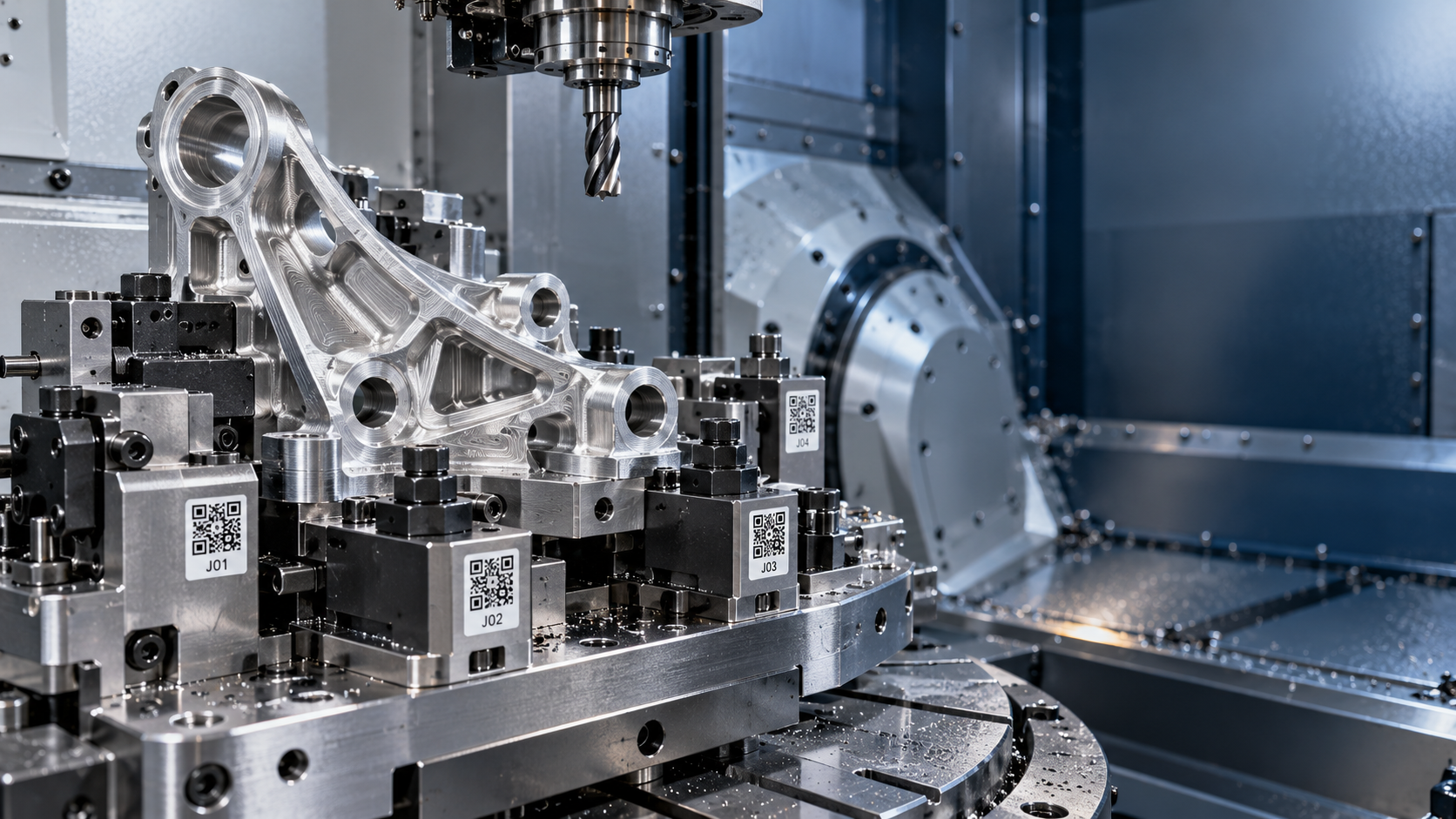
Mastering 5-Axis Workholding Strategies
Join our technical panel on Nov 15th to learn about reducing vibrations in thin-wall components.

Providing you with integrated sanding solutions
Before-sales and after-sales services
Comprehensive technical support