• Global CNC market projected to reach $128B by 2028 • New EU trade regulations for precision tooling components • Aerospace deman
NYSE: CNC +1.2%LME: STEEL -0.4%

Slant Bed Lathe vs Flat Bed Lathe: Which Design Is Better for Precision Turning?
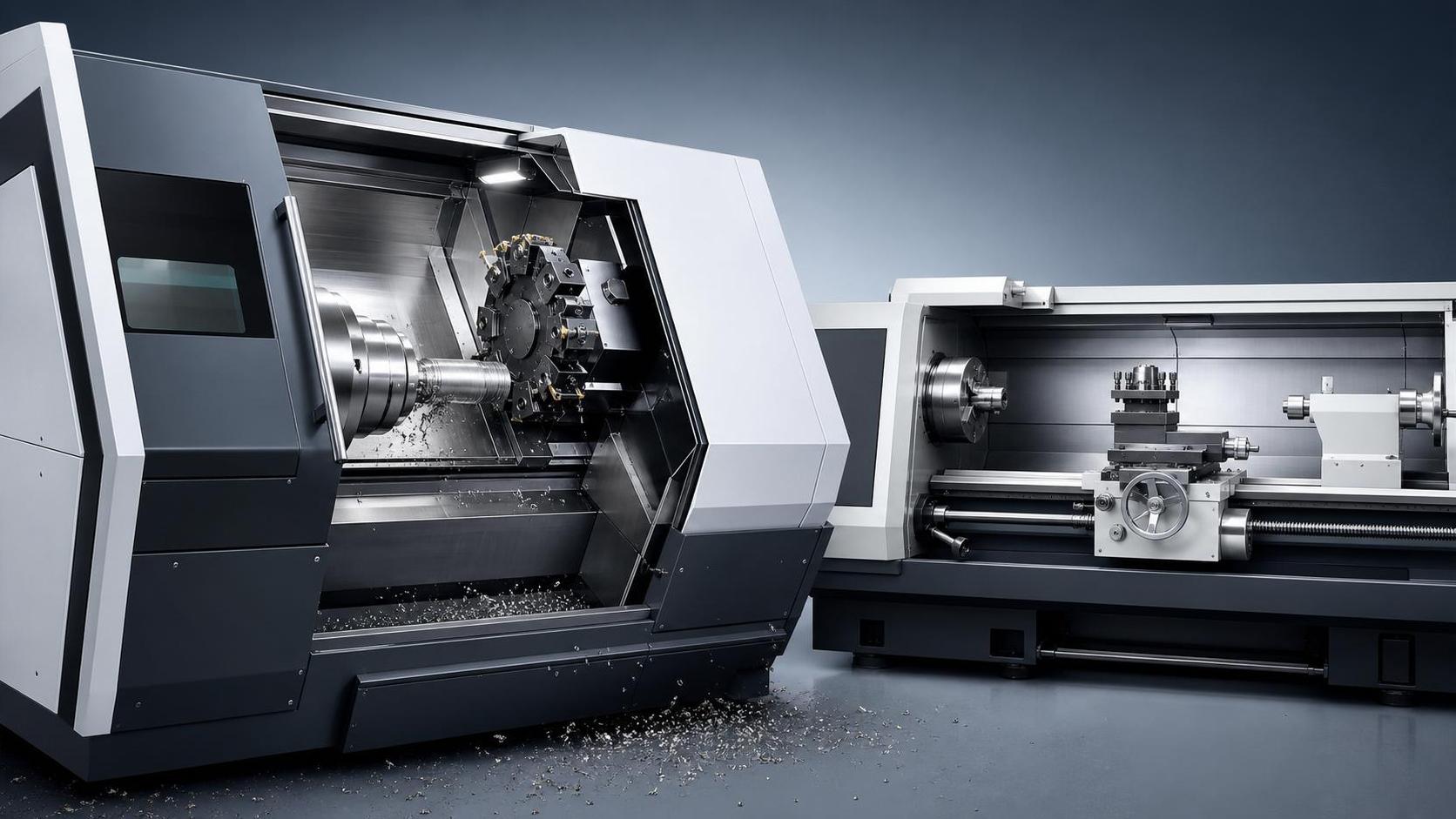
Slant Bed Lathe vs Flat Bed Lathe: Which Design Matters More for Precision Turning?
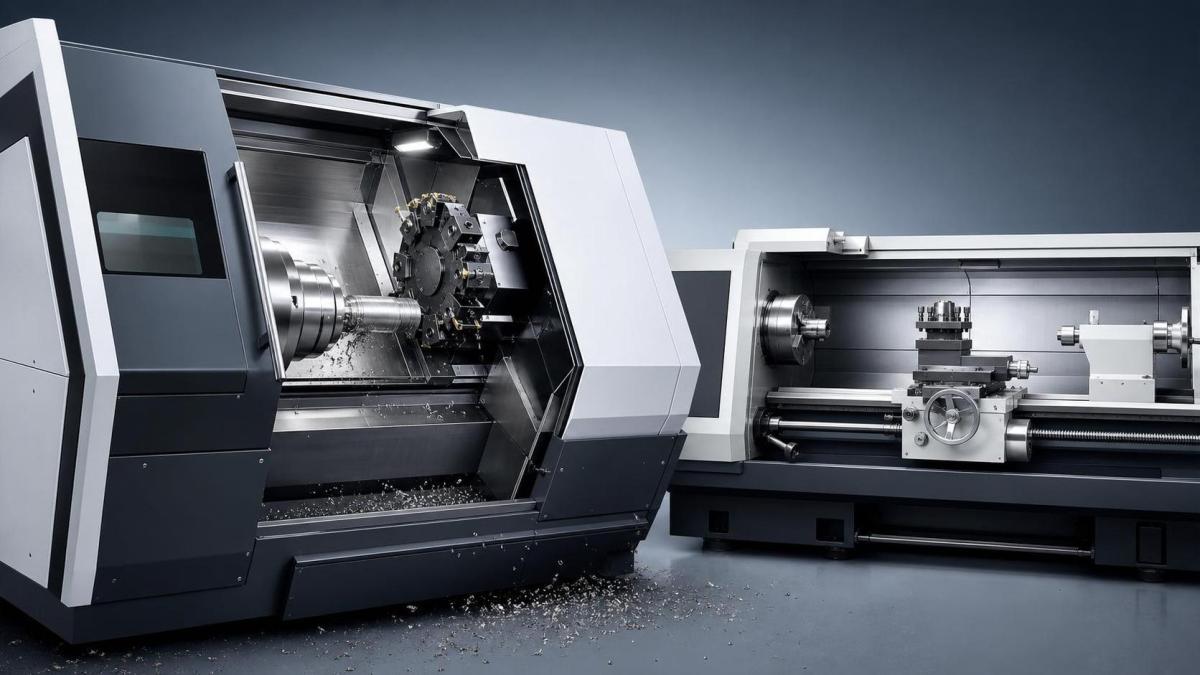
When comparing a slant bed lathe with a flat bed lathe, structure is only the starting point.
The real decision comes down to precision stability, chip control, rigidity, and output over time.
That is especially true in automotive, aerospace, energy equipment, and electronics production.
A slant bed lathe is often positioned as the modern answer for higher efficiency and automation.
A flat bed lathe, however, still holds value in certain workshops and part categories.
In practical sourcing work, the better design depends on part mix, tolerance targets, floor setup, and lifecycle cost.
This guide breaks down where each machine performs well, where risks appear, and how to choose with confidence.
What Is the Difference Between a Slant Bed Lathe and a Flat Bed Lathe?
The core difference is the angle of the machine bed.
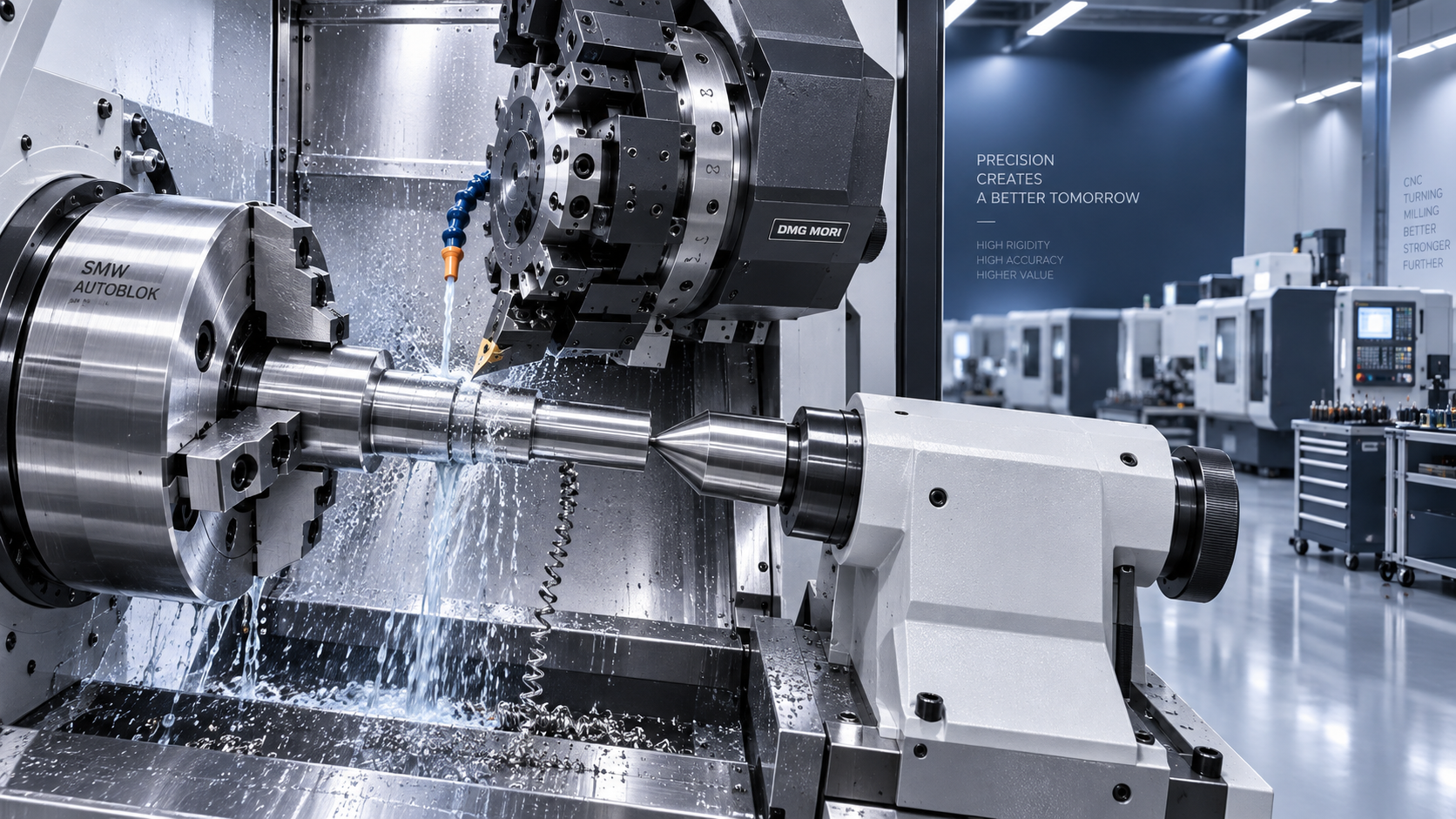
A slant bed lathe places the bed at an incline, usually around 30 to 45 degrees.
A flat bed lathe uses a horizontal bed layout with a more traditional machine profile.
That sounds simple, but it changes how chips fall, how cutting forces travel, and how the operator accesses the work area.
A slant bed lathe usually supports enclosed guarding, turret integration, and automated loading more naturally.
A flat bed lathe often feels more open, easier to inspect manually, and simpler for basic turning tasks.
From a buying perspective, the design difference affects more than looks.
It influences accuracy retention, maintenance frequency, and whether the machine fits future automation plans.
How a Slant Bed Lathe Improves Precision Turning
Precision turning is not only about spindle specs or guideway quality.
Machine geometry plays a direct role in repeatability.
A slant bed lathe usually offers better force distribution during cutting.
Because of the angled structure, cutting loads transfer more efficiently into the machine base.
This helps reduce vibration, especially during harder materials or heavier roughing passes.
Less vibration often means better surface finish and tighter dimensional consistency.
Another advantage is chip evacuation.
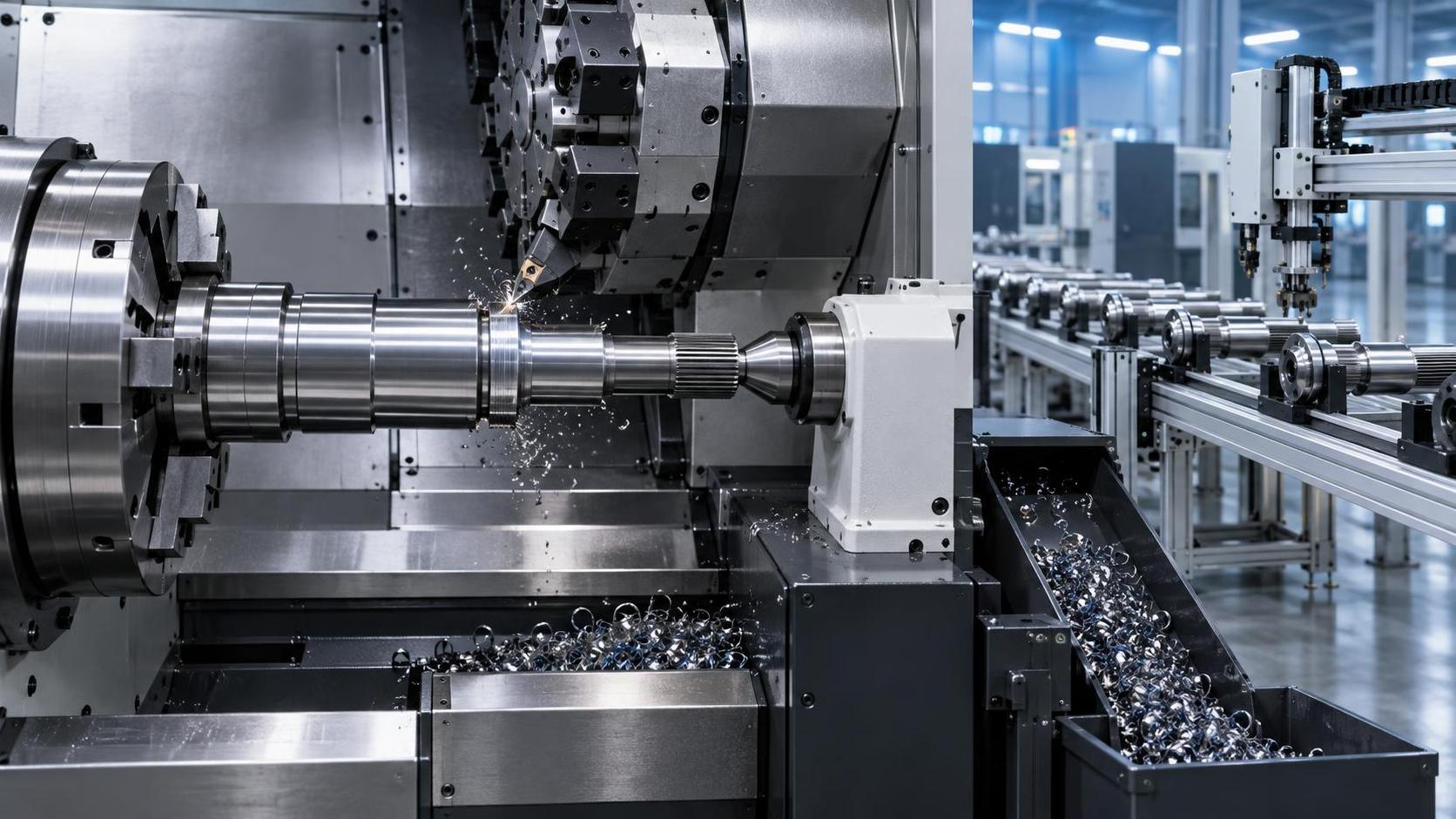
On a slant bed lathe, chips fall away from the cutting zone more easily.
That reduces chip re-cutting, tool wear spikes, and heat buildup around the part.
In high-volume production, those details matter a lot.
They support stable tolerances over long shifts, not just during trial runs.
This is one reason a slant bed lathe is common in precision shaft parts, hydraulic components, and complex turned pieces.
Key precision benefits of a slant bed lathe
- Better chip flow for cleaner cutting conditions.
- Higher rigidity under demanding cutting loads.
- More stable turret layout for repeatable tool positioning.
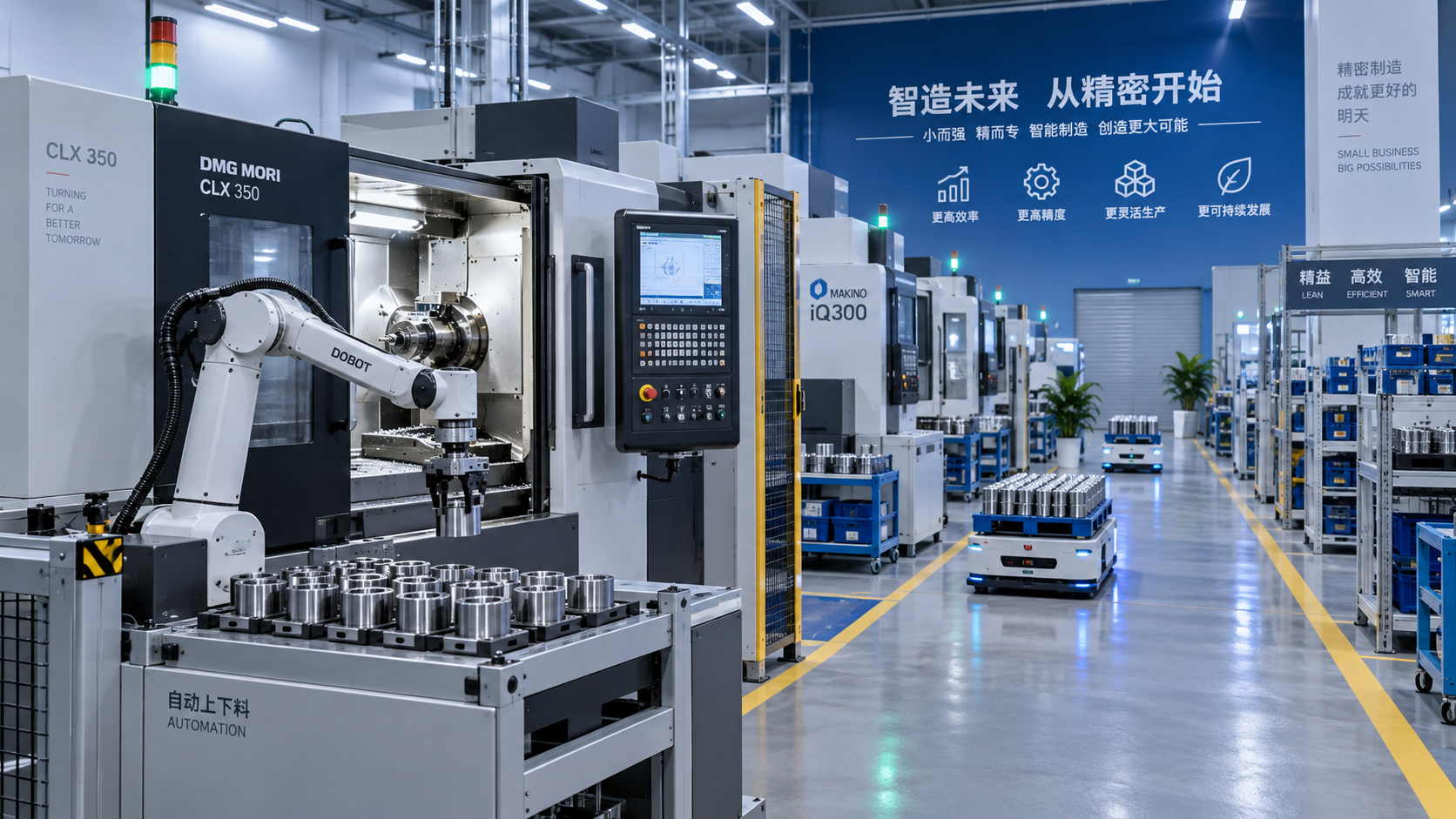
- Easier integration with bar feeders, robots, and automation cells.
- Improved long-run consistency in unattended or lights-out production.
Where a Flat Bed Lathe Still Makes Sense
A flat bed lathe is not automatically outdated.
In some applications, it remains a practical and cost-conscious choice.
For simpler parts, lower production volumes, or repair-oriented work, a flat bed lathe can perform well.
It may also suit workshops that handle varied one-off jobs with frequent setup changes.
The open structure can make manual loading and visual inspection easier.
Initial purchase cost is often lower as well.
That can be attractive when budget pressure is high and precision demands are moderate.
Still, trade-offs should be clear.
A flat bed lathe may require more operator attention for chip management.
Under continuous production, chips can accumulate in the working area and affect finish quality.
That does not make the machine bad.
It simply means the flat bed lathe is better aligned with specific operating models.
Slant Bed Lathe vs Flat Bed Lathe: Side-by-Side Buying Factors
When a decision must be made, it helps to compare the machine designs against real production criteria.
For precision turning in a modern CNC environment, the slant bed lathe often leads on total performance.
For flexible, lower-volume tasks, the flat bed lathe can still be a reasonable fit.
Cost, Maintenance, and Production Risk
Purchase price is important, but it should never be the only decision point.
A lower-cost machine can become expensive if output drops or scrap rates rise.
This is where a slant bed lathe often justifies its premium.
Better chip management can reduce unscheduled stops.
Higher rigidity can protect tool life and support consistent tolerances.
More automation readiness can lower labor dependence over time.
A flat bed lathe may look more economical at the start.
But if the machine runs demanding parts every day, hidden costs can build quickly.
Examples include extra cleaning time, more manual intervention, and less stable cycle performance.
In actual sourcing reviews, it helps to compare total cost of ownership over three to five years.
Questions worth asking suppliers
- How does the machine hold tolerance after long production runs?
- What is the real chip evacuation performance on tough materials?
- What automation options are already proven on this model?
- How often do key maintenance items need service?
- What local support and spare parts response can be guaranteed?
Which Lathe Design Is Better for Your Application?
The answer depends on what the machine must deliver every day.
Choose a slant bed lathe if the goal is precision turning with stable output, cleaner automation flow, and stronger long-term efficiency.
It is usually the better fit for medium to high-volume production and tighter tolerance demands.
Choose a flat bed lathe if the work is simpler, more varied, or less dependent on continuous unattended operation.
It can still serve well in maintenance shops, job shops, and budget-sensitive operations.
From a market perspective, a clearer signal is emerging.
As manufacturing moves toward smarter automation and tighter quality control, the slant bed lathe is becoming the preferred platform.
That does not mean every flat bed lathe should be replaced.
It means the decision should be tied to process needs, not habit or initial price alone.
A smart evaluation starts with actual part drawings, target tolerances, cycle expectations, and expansion plans.
If those factors point to higher precision and scalable production, a slant bed lathe is usually the stronger investment.
Recommended for You
 CNC Lathe Quick Installation Guide: Alignment Checks Before First Production RunCNC Machining Technology Center
 How to Select a CNC Lathe for Small Parts Without Sacrificing Accuracy or Cycle TimeCNC Machining Technology Center
 How to Select a Slant Bed Lathe for High-Precision Shaft and Chuck WorkCNC Machining Technology Center
 Smart Manufacturing for Small Businesses: Where Automation Delivers the Fastest ROIMachine Tool Industry Editorial Team
 How to Specify a CNC Lathe for High-Volume Automotive Shaft ProductionCNC Machining Technology Center
 How Automated Precision Machining Maintains Tolerance in High-Mix ProductionCNC Machining Technology Center

Aris Katos
Future of Carbide Coatings
15+ years in precision manufacturing systems. Specialized in high-speed milling and aerospace grade alloy processing.
▶
How to Compare CNC Metal Lathe Brands ObjectivelyMachine Tool Industry Editorial Team▶
CNC Lathe Quick Installation Guide: How to Avoid Alignment and Wiring MistakesMachine Tool Industry Editorial Team▶
CNC Lathe Quick Installation Guide: Common Setup Mistakes and How to Avoid ThemMachine Tool Industry Editorial Team▶
CNC Lathe Lead Times Reach 22 WeeksMachine Tool Industry Editorial Team▶
Shenzhen Customs Tests Blockchain Tracking for CNC Lathe ExportsMachine Tool Industry Editorial Team
Mastering 5-Axis Workholding Strategies
Join our technical panel on Nov 15th to learn about reducing vibrations in thin-wall components.

Providing you with integrated sanding solutions
Before-sales and after-sales services
Comprehensive technical support