• Global CNC market projected to reach $128B by 2028 • New EU trade regulations for precision tooling components • Aerospace deman
NYSE: CNC +1.2%LME: STEEL -0.4%

Heavy Duty Machine Tool Buying Guide: Load Capacity, Rigidity, and ROI Factors

Why does a heavy duty machine tool decision carry so much risk?
A heavy duty machine tool is rarely a routine purchase. It affects throughput, part quality, uptime, and future process flexibility for years.
That pressure is even higher in CNC manufacturing, where tolerance demands keep tightening across automotive, aerospace, energy, and electronics production.
In practical terms, the wrong machine may still cut metal, yet fail where it matters most: stable accuracy under real load.
This is why buyers usually focus on three connected questions. Can the machine carry the work safely, stay rigid during cutting, and return value fast enough?
A modern heavy duty machine tool must also fit broader factory trends. Automation interfaces, data visibility, and maintenance planning now influence buying decisions almost as much as spindle power.
More commonly, the best choice is not the biggest machine. It is the one that matches workpiece mix, process stability, floor constraints, and long-term operating cost.
What really counts as “heavy duty” in machine tool selection?
Many listings use the term loosely. A true heavy duty machine tool is designed for sustained high-load machining, not occasional oversized jobs.
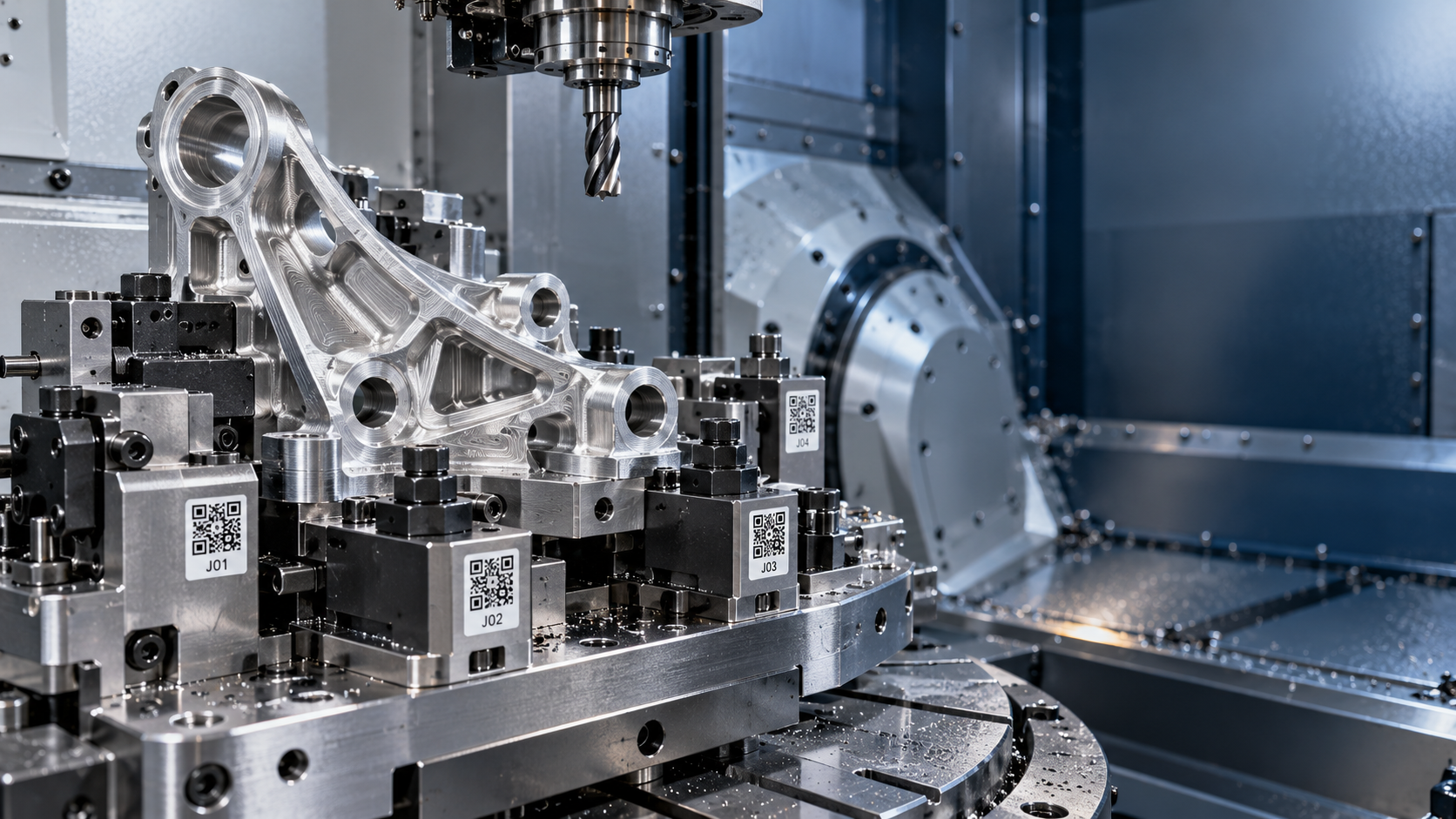
The first clue is structural mass and geometry. Bed design, column layout, guideway type, and casting quality determine whether the machine stays stable under force.
The second clue is load behavior. Static table load matters, but dynamic cutting load matters more when large parts shift force across axes.
The third clue is duty cycle. Heavy roughing for shafts, turbine parts, molds, or large structural components requires heat control and repeatable stiffness over long shifts.
In global CNC markets, this distinction matters because suppliers from China, Germany, Japan, and South Korea often optimize machines differently.
Some focus on maximum metal removal. Others prioritize accuracy retention, automation integration, or energy efficiency. A heavy duty machine tool should be judged in that full context.
A quick way to filter exaggerated claims
Before comparing prices, check whether the machine specification explains these points clearly or avoids them.
- Maximum table or chuck load under continuous use
- Guideway and spindle support design
- Declared cutting torque at usable speed ranges
- Thermal compensation or temperature control features
- Real application references for similar materials and part sizes
How should load capacity be evaluated beyond the catalog number?
This is where many buying mistakes begin. Catalog load capacity shows a limit, but not always a comfortable operating zone.
A heavy duty machine tool may list a high table load, yet performance can drop when weight is off-center or when tall fixtures raise the center of gravity.
It helps to evaluate the entire stack: workpiece weight, fixture mass, pallet weight, cutting force, and acceleration during axis movement.
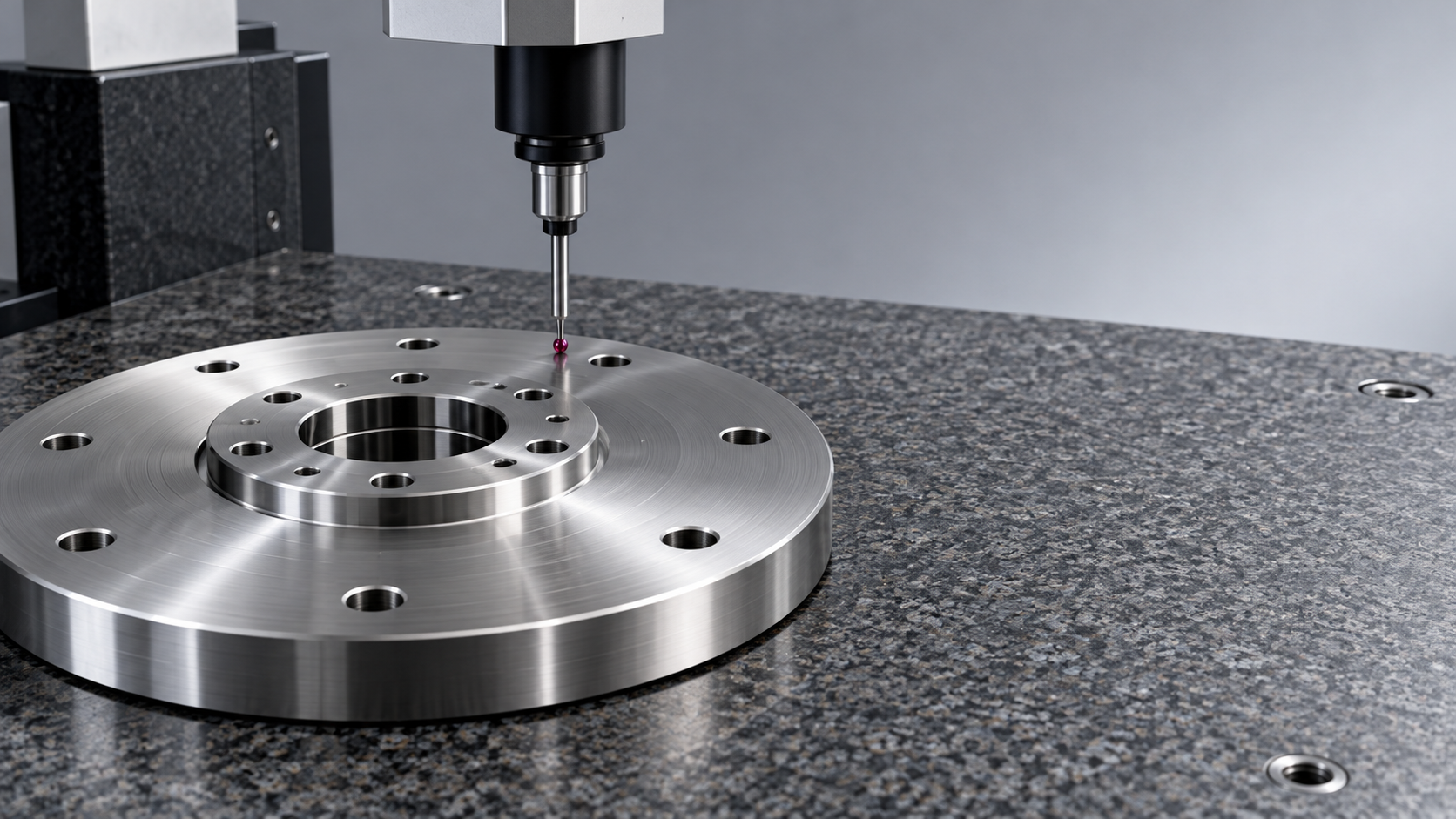
For large discs, housings, or welded structures, the shape of the load is often more important than gross weight alone.
A practical review table can make this easier during supplier comparison.
If possible, ask suppliers to simulate or demonstrate a comparable part. That usually reveals more than a generic heavy duty machine tool brochure.
Why is rigidity often the real difference between two similar machines?
Two machines can look close on paper and still behave very differently in production. Rigidity is usually the reason.
Rigidity controls deflection, chatter, tool life, and surface finish. It also affects whether a heavy duty machine tool can hold tolerance after hours of aggressive cutting.
This becomes critical for hard alloys, interrupted cuts, deep boring, and heavy stock removal on large forgings or castings.
A rigid structure is not just about heavier castings. Spindle taper, ram design, cross-section support, linear versus box ways, and damping all contribute.
Needless to say, rigidity should be linked with the intended process. A machine optimized for speed may not be ideal for demanding roughing cycles.
A useful question is simple: what happens to accuracy during the hardest cut, not during an empty positioning test?
Warning signs that rigidity may be insufficient
- Strong focus on rapid traverse, with little cutting data
- No clear explanation of bed, column, or guideway design
- Tolerance claims based only on light finishing tests
- Limited information about vibration control or thermal stability
- Reference parts unlike your actual materials or dimensions
Where does ROI really come from when buying a heavy duty machine tool?
Purchase price matters, but it is only one line in the decision. ROI usually comes from a mix of cycle time, uptime, scrap reduction, and process consolidation.
For example, a more rigid heavy duty machine tool may allow fewer passes, longer tool life, and less rework on large structural parts.
That gain can outweigh a lower initial quote from a machine that struggles under load or needs frequent adjustment.
Digital integration is also part of ROI now. Condition monitoring, remote diagnostics, and production data can shorten troubleshooting and improve maintenance planning.
In smart factory environments, compatibility with automation systems, robots, pallets, and MES connections may increase the machine’s long-term value significantly.
A clear ROI review should include both direct and hidden cost factors.
- Installation, foundation, power, and coolant infrastructure
- Tooling, fixturing, and part changeover complexity
- Expected spindle utilization and downtime risk
- Service response time and spare parts availability
- Accuracy retention over three to five years
- Potential to combine operations in one setup
When these items are quantified, the heavy duty machine tool with the lowest total cost is often not the cheapest machine at order stage.
What are the most common buying mistakes before order placement?
One common mistake is selecting by maximum specification alone. Higher numbers do not guarantee better process fit.
Another is underestimating the effect of fixtures, workholding, and part geometry on usable capacity and rigidity.
Lead time is another hidden issue. A heavy duty machine tool may look available, while key options, control systems, or automation interfaces extend delivery significantly.
It is also risky to ignore local support. Large machine downtime is expensive, especially when service engineers or critical parts are not nearby.
Some buyers compare machines without standardizing the test part, material, tooling, and cutting conditions. That makes quotations difficult to judge fairly.
A better pre-order checklist
- Define the heaviest part family, not only the largest part
- Confirm actual cutting force and balance conditions
- Review accuracy targets after roughing and finishing
- Compare service networks across supply regions
- Check automation and software compatibility early
- Model total cost over expected annual machine hours
So how should the final decision be made?
The strongest buying decision usually comes from matching three layers: part demand, machine behavior, and financial return.
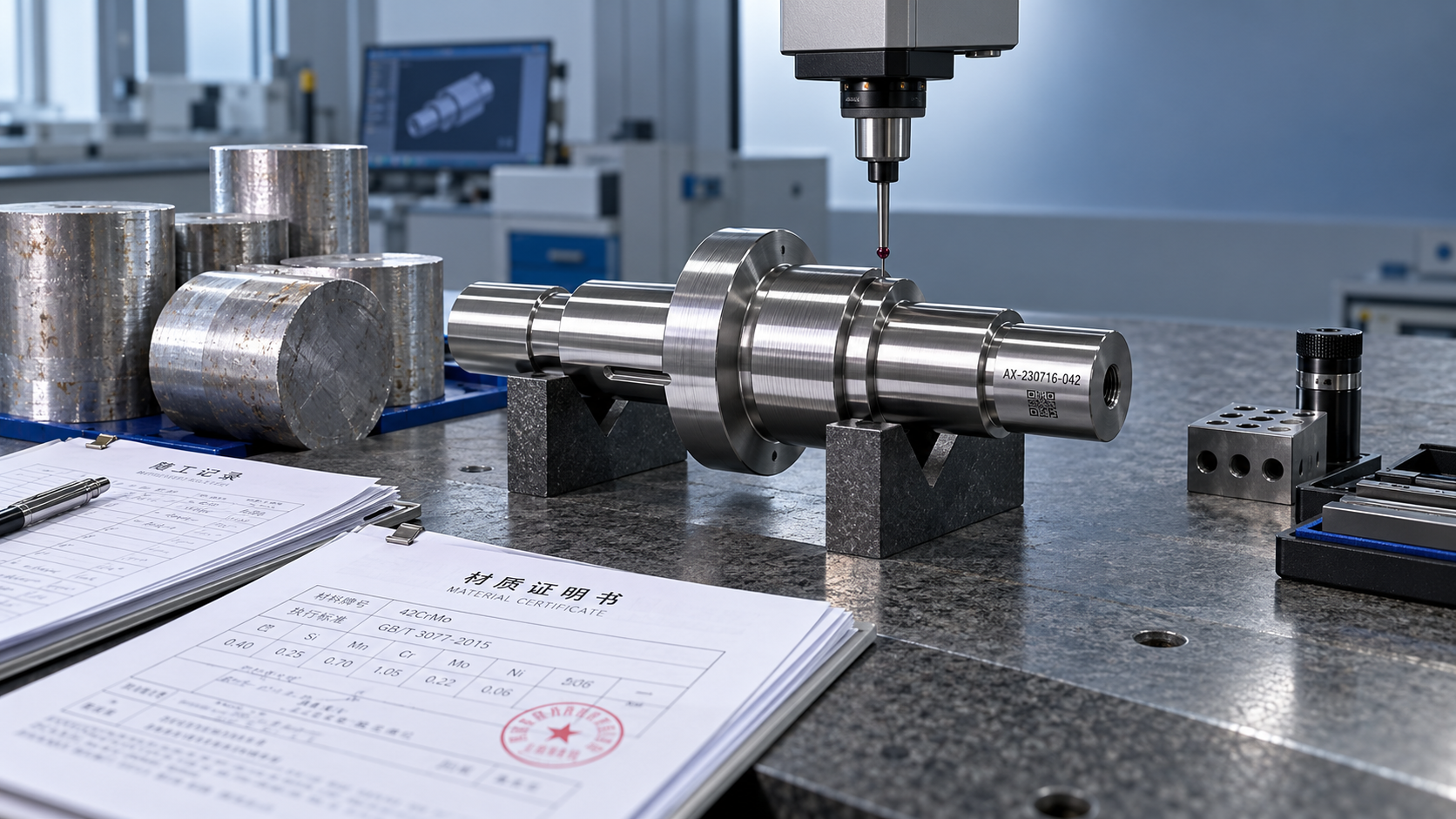
Start with the actual application mix. Large shafts, precision discs, heavy housings, and structural components stress machines in different ways.
Then review how each heavy duty machine tool handles payload, rigidity, thermal control, automation readiness, and service support.
Finally, test ROI using realistic assumptions, not ideal output figures. Include downtime exposure, tooling effects, floor preparation, and expected accuracy stability.
In a market shaped by precision manufacturing, digital integration, and global supply competition, careful comparison creates a real advantage.
The next practical step is to build a shortlist around real part data, request comparable cutting proof, and score each option against load capacity, rigidity, support, and lifetime cost.
PREVIOUS ARTICLE
Recommended for You
![]() FANUC Links FIELD System Data with Copilot to Advance Shop-Floor Data UseCNC Machining Technology Center
FANUC Links FIELD System Data with Copilot to Advance Shop-Floor Data UseCNC Machining Technology Center Smart Manufacturing for Aerospace: Building Traceability Across CNC OperationsCNC Machining Technology Center
![]() Mitsubishi Electric Announces Physical AI System Linking Humanoid Robots and CNC MachinesMachine Tool Industry Editorial Team
Mitsubishi Electric Announces Physical AI System Linking Humanoid Robots and CNC MachinesMachine Tool Industry Editorial Team Precision Machining for Defense: Supplier Quality and Traceability ChecksManufacturing Market Research Center
![]() Nidec Machine Tool Launches MVR-5X Five-Axis Gantry MachineMachine Tool Industry Editorial Team
Nidec Machine Tool Launches MVR-5X Five-Axis Gantry MachineMachine Tool Industry Editorial Team Choosing a Precision Disc Parts Manufacturer in China: Tolerances and Quality ChecksManufacturing Market Research Center

Aris Katos
Future of Carbide Coatings
15+ years in precision manufacturing systems. Specialized in high-speed milling and aerospace grade alloy processing.
▶
Nidec Machine Tool Launches MVR-5X Five-Axis Gantry MachineMachine Tool Industry Editorial Team▶
How to Select a Machine Tool for Aerospace Parts with Tight Tolerances?Machine Tool Industry Editorial Team▶
How to Compare Machine Tools for Small-Batch vs Mass Production JobsMachine Tool Industry Editorial Team▶
Multi-Axis Machine Tool Selection Guide: Travel, Spindle, Accuracy, and Control SystemMachine Tool Industry Editorial Team▶
How to Evaluate Precision Equipment for Tight-Tolerance Parts and Stable OutputMachine Tool Industry Editorial Team
▶
Mastering 5-Axis Workholding Strategies
Join our technical panel on Nov 15th to learn about reducing vibrations in thin-wall components.

Providing you with integrated sanding solutions
Before-sales and after-sales services
Comprehensive technical support