• Global CNC market projected to reach $128B by 2028 • New EU trade regulations for precision tooling components • Aerospace deman
NYSE: CNC +1.2%LME: STEEL -0.4%

What Aerospace Shops Need in a Machine Tool
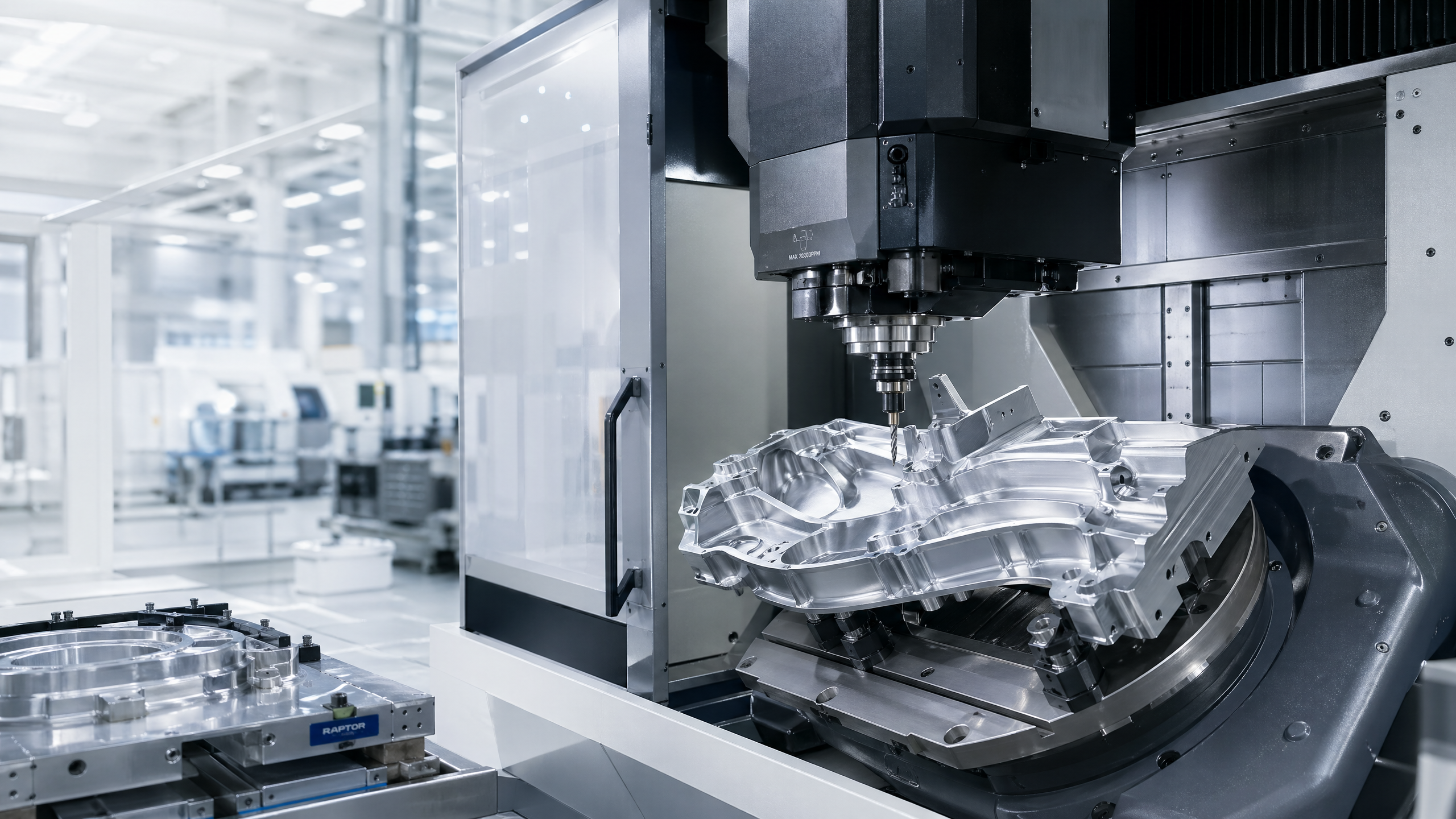
Aerospace machining shops do not choose a machine tool the same way a general job shop does. In aerospace, the wrong platform can create scrap, delay certifications, increase setup time, and make it difficult to hold tight tolerances on complex parts. The right machine tool must combine precision, rigidity, process stability, multi-axis capability, automation readiness, and traceable performance over long production cycles. For buyers, operators, and technical evaluators, the real question is not simply “How fast is the machine?” but “Can it produce aerospace parts consistently, efficiently, and with less risk?”
That is the standard aerospace shops should use when evaluating any CNC machine tool for structural parts, engine-related components, aluminum alloy workpieces, titanium machining, and other high-value applications.
What matters most in an aerospace machine tool?
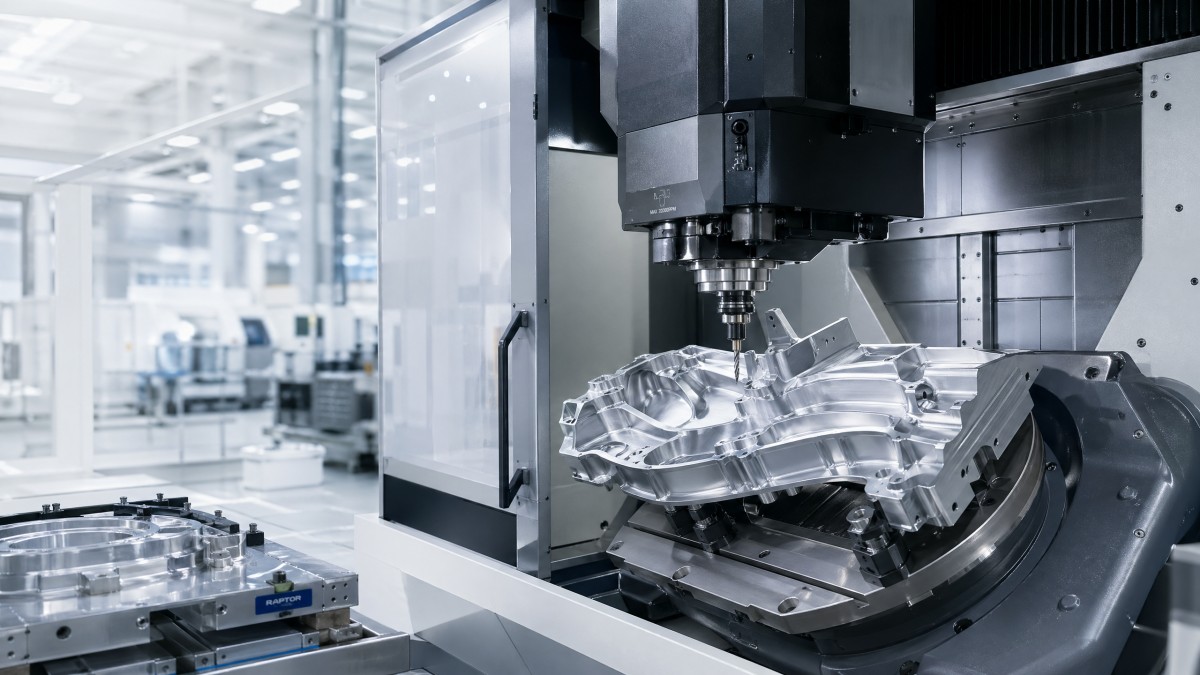
Aerospace manufacturers typically care about five priorities above everything else:
- Accuracy and repeatability for tight-tolerance parts
- Capability for complex geometries through multi-axis machining
- Stable machining performance across long cycles and hard-to-machine materials
- Reduced setup time to improve throughput and flexibility
- Reliable quality output supported by automation, process control, and machine consistency
These priorities reflect actual shop-floor needs. Aerospace parts are often expensive, difficult to rework, and subject to demanding inspection requirements. A machine tool that looks competitive on paper but lacks thermal stability, spindle reliability, or effective chip control may quickly become a bottleneck.
Why precision and machine stability come before raw cutting speed
In many industries, speed is a major selling point. In aerospace, speed only matters when it supports repeatable precision. Shops frequently machine large aluminum structural parts, thin-wall components, high-value forgings, and complex 3D surfaces. These applications are highly sensitive to vibration, deflection, thermal drift, and tool-path inconsistency.
A high precision machine tool for aerospace work should be evaluated on:
- Positioning accuracy and repeatability under real production conditions
- Thermal compensation capability during long machining cycles
- Structural rigidity of the bed, column, and spindle system
- Dynamic stability at different feed rates and tool lengths
- Surface finish consistency on critical features
For aerospace shops, stable output often creates more value than maximum spindle speed. A machine that consistently holds tolerance with minimal adjustment can reduce scrap, simplify inspection, and improve delivery performance.
Why multi-axis capability is often essential, not optional
Many aerospace components involve contours, pockets, deep cavities, angled faces, and compound surfaces that are inefficient or impractical to machine with simpler platforms. That is why multi-axis machine tool capability is a major requirement for modern CNC manufacturing for aerospace applications.
A 5-axis or advanced multi-axis machine can help aerospace shops:
- Machine complex parts in fewer setups
- Improve access to difficult surfaces
- Reduce cumulative positioning error
- Shorten total cycle time
- Improve part quality by maintaining better tool orientation
For procurement teams, this means the value of multi-axis capability should not be measured only by machine price. It should be measured by the reduction in fixtures, setup changes, manual intervention, and quality risk. In aerospace environments, fewer setups often mean better geometric control and higher process reliability.
How aerospace shops should judge machining performance for aluminum alloys and other aerospace materials
Aluminum alloys remain widely used in aerospace because they offer strength-to-weight advantages and are common in structural applications. But efficient machining process control for aluminum alloys still requires the right machine characteristics. At high removal rates, aerospace shops need strong chip evacuation, spindle responsiveness, thermal stability, and vibration control—especially on thin-wall parts where deformation is a concern.
When evaluating a machine tool for aluminum aerospace work, shops should look for:
- High-speed, stable spindle performance without sacrificing accuracy
- Effective chip management to prevent recutting and surface damage
- Fast axis acceleration and smooth interpolation for complex profiles
- Reliable coolant delivery matched to part geometry and cutting conditions
- Software and control features that help optimize tool paths and reduce non-cut time
If the shop also machines titanium, nickel-based alloys, or mixed-material aerospace components, the machine must balance speed with torque, rigidity, and spindle durability. A machine optimized only for light, fast cutting may struggle in more demanding aerospace workloads.
How to reduce setup time without increasing production risk
Setup time has a major impact on aerospace profitability, especially in high-mix, low-to-medium volume environments. Many aerospace shops are not only producing repeat parts; they are also dealing with engineering changes, qualification demands, and short production runs.
A machine tool that reduces setup time can improve both flexibility and cost control. Useful features include:
- Fast and repeatable workholding integration
- Probing systems for in-process alignment and measurement
- Large and well-managed tool capacity
- User-friendly CNC control for easier program adjustments
- Fixture compatibility for multiple part families
For operators, easier setup reduces the chance of manual error. For managers, it increases spindle uptime. For purchasing teams, it improves the long-term business case because machine utilization often matters more than advertised machine speed.
What automation readiness means in aerospace machining
Automated CNC manufacturing is becoming more important in aerospace, but automation does not simply mean adding a robot. A machine tool must be designed to support stable, predictable, and traceable production if automation is going to work well.
Automation-ready machine tools often provide:
- Consistent cycle behavior and repeatable part loading conditions
- Interface compatibility with pallet systems, robots, or flexible manufacturing cells
- Tool life monitoring and process alarms
- Integrated measurement and compensation functions
- Digital connectivity for production tracking and maintenance planning
For aerospace shops, automation can help increase machine utilization, reduce labor pressure, and improve consistency in unattended or lightly attended shifts. However, automation only delivers value when the base machine is stable enough to run predictably over time.
What buyers should ask a CNC machine tool manufacturer before making a decision
Choosing a CNC machine tool manufacturer is not only about machine specifications. Aerospace shops should assess whether the supplier can support qualification, process optimization, service response, and long-term reliability.
Good evaluation questions include:
- What aerospace part types has this machine already produced successfully?
- What tolerance and surface finish results can be demonstrated on similar applications?
- How does the machine perform in long-cycle machining with thermal variation?
- What options are available for probing, automation, and process monitoring?
- How quickly can service, spare parts, and technical support be delivered?
- Can the manufacturer help with application engineering and process validation?
This is especially important for procurement and business evaluation teams. The lowest purchase price may not represent the lowest total cost. Downtime, scrap, retraining, poor integration, and weak support can make a cheaper machine far more expensive over its service life.
Signs a machine tool is a good fit for aerospace work
A machine tool is usually a strong fit for aerospace if it can do most of the following well:
- Hold tight tolerances consistently across long production runs
- Support multi-axis machining for complex part geometries
- Deliver stable cutting performance on aluminum and tougher aerospace materials
- Reduce setup changes and improve first-part success rates
- Integrate with probing, automation, and digital process control
- Maintain reliability with strong service and application support
If one of these areas is weak, the shop should investigate further. In aerospace manufacturing, a machine tool must perform as a process platform, not just as a cutting device.
Conclusion
What aerospace shops need in a machine tool is clear: precision, stability, multi-axis flexibility, efficient setup, automation readiness, and dependable long-term support. A high precision machine tool that can consistently machine complex aerospace parts with less variation and less manual intervention will create real value for operators, engineers, buyers, and managers alike.
When evaluating CNC manufacturing for aerospace applications, the best decision is rarely based on speed alone. It is based on whether the machine can protect quality, improve process control, and support profitable, repeatable production in one of the most demanding manufacturing environments in the world.
PREVIOUS ARTICLE
Recommended for You
![]() FANUC Links FIELD System Data with Copilot to Advance Shop-Floor Data UseCNC Machining Technology Center
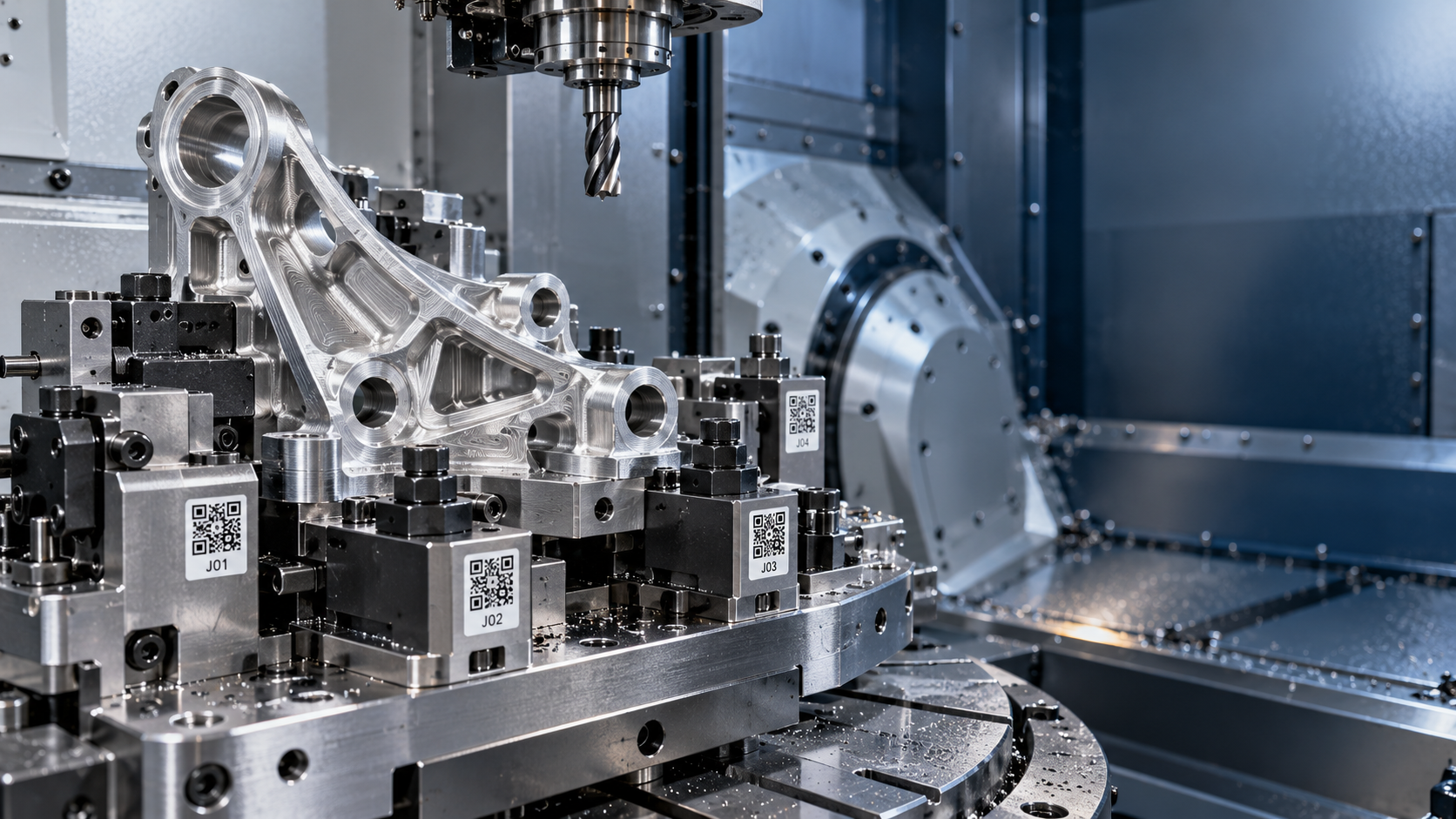
 Smart Manufacturing for Aerospace: Building Traceability Across CNC OperationsCNC Machining Technology Center
![]() Mitsubishi Electric Announces Physical AI System Linking Humanoid Robots and CNC MachinesMachine Tool Industry Editorial Team
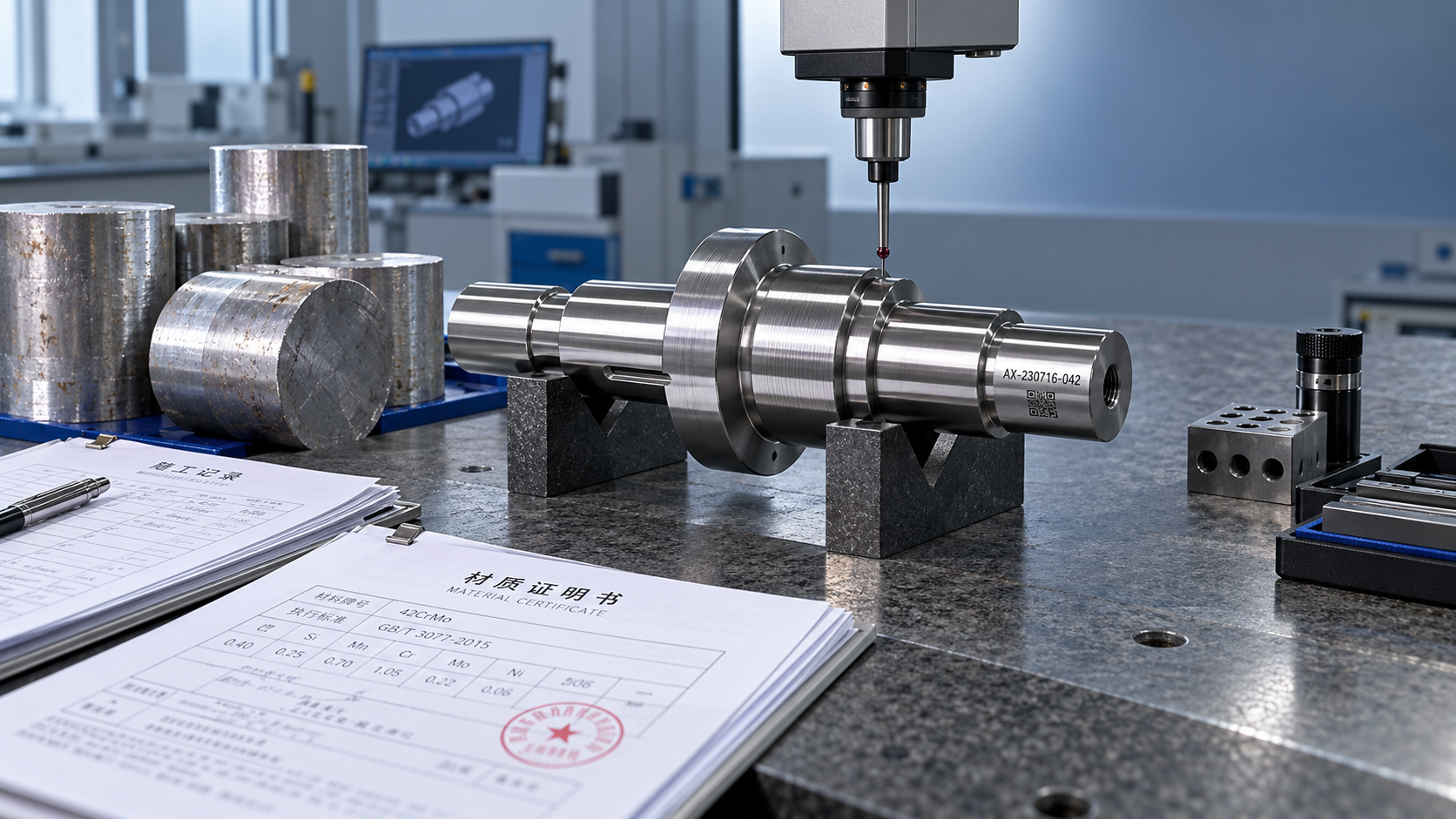
 Precision Machining for Defense: Supplier Quality and Traceability ChecksManufacturing Market Research Center
![]() Nidec Machine Tool Launches MVR-5X Five-Axis Gantry MachineMachine Tool Industry Editorial Team
 Choosing a Precision Disc Parts Manufacturer in China: Tolerances and Quality ChecksManufacturing Market Research Center


Aris Katos
Future of Carbide Coatings
15+ years in precision manufacturing systems. Specialized in high-speed milling and aerospace grade alloy processing.
▶
Nidec Machine Tool Launches MVR-5X Five-Axis Gantry MachineMachine Tool Industry Editorial Team▶
How to Select a Machine Tool for Aerospace Parts with Tight Tolerances?Machine Tool Industry Editorial Team▶
How to Compare Machine Tools for Small-Batch vs Mass Production JobsMachine Tool Industry Editorial Team▶
Multi-Axis Machine Tool Selection Guide: Travel, Spindle, Accuracy, and Control SystemMachine Tool Industry Editorial Team▶
How to Evaluate Precision Equipment for Tight-Tolerance Parts and Stable OutputMachine Tool Industry Editorial Team
▶
Mastering 5-Axis Workholding Strategies
Join our technical panel on Nov 15th to learn about reducing vibrations in thin-wall components.

Providing you with integrated sanding solutions
Before-sales and after-sales services
Comprehensive technical support