• Global CNC market projected to reach $128B by 2028 • New EU trade regulations for precision tooling components • Aerospace deman
NYSE: CNC +1.2%LME: STEEL -0.4%

How Lean Production Process Cuts Waste in Machining
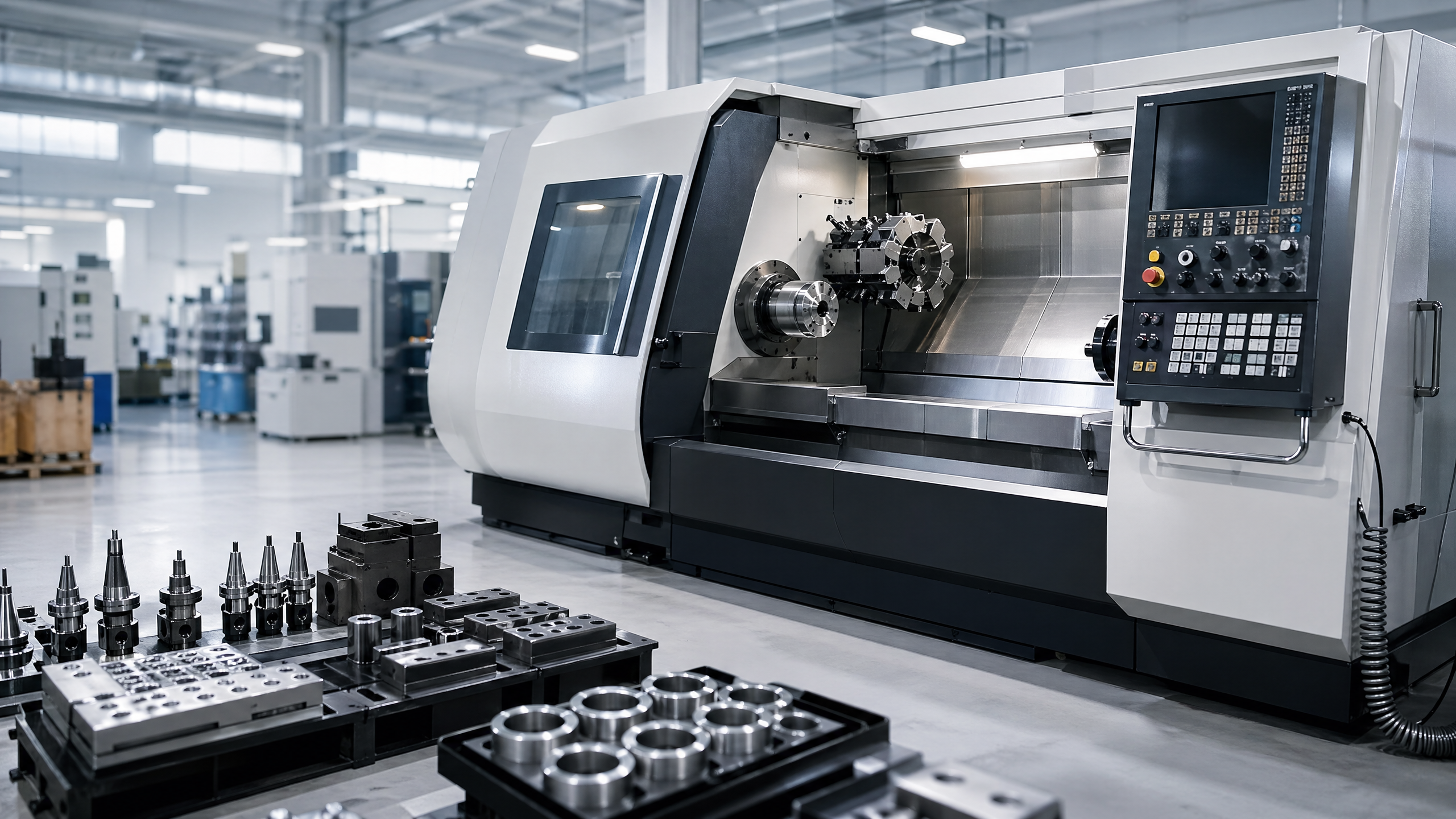
In modern manufacturing, lean production is not just a management concept—it is a practical way for machining companies to reduce scrap, cut waiting time, improve machine utilization, and deliver more consistent quality. In CNC environments, where setup time, tool wear, material waste, and unplanned downtime directly affect profit, a well-implemented lean production process can create measurable gains without always requiring major capital investment. For operators, buyers, and business evaluators, the key question is simple: where does waste happen in machining, and how can lean methods remove it without hurting precision or output? The short answer is that lean works best when it targets the full machining workflow, from programming and setup to cutting, inspection, material flow, and maintenance.
Why lean production matters so much in machining operations
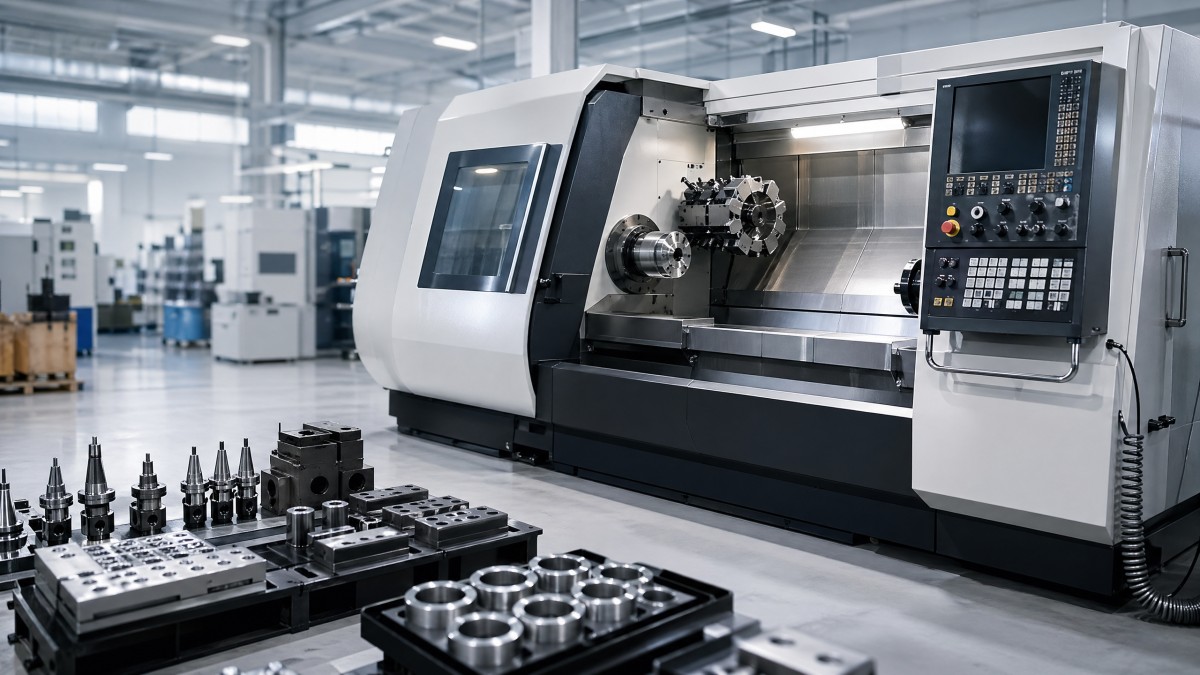
Machining is a high-value process, but it is also full of hidden waste. A CNC machine may be extremely accurate, yet the overall production process can still be inefficient if parts wait too long between operations, tools are changed too often, programs are not standardized, or operators spend excessive time on setup and inspection. Lean production process methods help manufacturers identify these losses and improve flow.
In a machining factory, waste usually appears in several forms:
- Overproduction: making more parts than needed or making them too early
- Waiting: idle machines, delayed material delivery, or operators waiting for fixtures, tools, or approvals
- Transportation: unnecessary movement of raw materials, WIP, or finished parts
- Overprocessing: extra machining steps, repeated inspection, or unnecessary finishing
- Inventory: excessive raw stock, tools, or work-in-progress tying up cash and floor space
- Motion: poor workstation layout causing wasted operator movement
- Defects: scrap, rework, dimensional variation, or surface quality issues
- Unused talent: not using operator knowledge to improve process stability
For CNC manufacturing, these wastes are expensive because machine time, tooling, materials, energy, and skilled labor all carry high cost. Lean production helps companies move from isolated machine efficiency to total process efficiency.
Where waste usually happens in a CNC machining process
Many companies assume waste happens only when scrap is produced, but in precision CNC manufacturing, waste often starts much earlier. A part can be “good” and still be too costly to produce because the process around it is inefficient.
The most common problem areas include:
- Long setup times: especially in high-mix, low-volume production
- Program inconsistency: different operators using different machining logic for similar parts
- Poor fixture planning: causing repeated alignment, unstable clamping, or longer cycle time
- Unbalanced production flow: fast machining cells feeding slow inspection or secondary operations
- Tool management issues: unexpected wear, wrong tool selection, and poor tool life tracking
- Quality feedback delays: defects discovered too late, after multiple parts have already been processed
- Maintenance gaps: spindle, coolant, or lubrication problems creating unplanned downtime
In multi-axis CNC manufacturing, these waste points can become even more costly because machine hourly rates are higher, programming is more complex, and any process variation can lead to expensive part rejection. That is why lean should be applied not only on the shop floor, but also in process planning, tooling strategy, and digital workflow management.
How lean production process cuts waste in machining step by step
The most effective lean approach in machining is not a single project. It is a structured method of improving flow, standardization, and problem solving across the entire operation.
1. Value stream mapping
This helps teams see the full production path, from incoming material to finished shipment. It reveals non-value-added steps such as waiting, repeated transport, duplicated inspection, and bottlenecks between machining and downstream processes.
2. Standardized work
When operators, programmers, and setup teams follow standardized procedures, variation drops. Standard tool lists, setup sheets, offsets, probing methods, and inspection steps improve repeatability and reduce trial-and-error time.
3. SMED for setup reduction
Single-Minute Exchange of Die principles are highly useful in CNC operations. By separating internal and external setup tasks, pre-staging tools and fixtures, and simplifying clamping methods, companies can significantly reduce changeover time.
4. 5S and visual management
Organized workstations reduce motion waste and help operators find tools, gauges, inserts, and documents quickly. Visual controls also make abnormalities easier to identify before they become larger quality or downtime problems.
5. Preventive and autonomous maintenance
Routine machine checks, lubrication control, coolant management, and spindle condition monitoring reduce surprise failures. Lean machining depends on machine reliability, not just machine capability.
6. In-process quality control
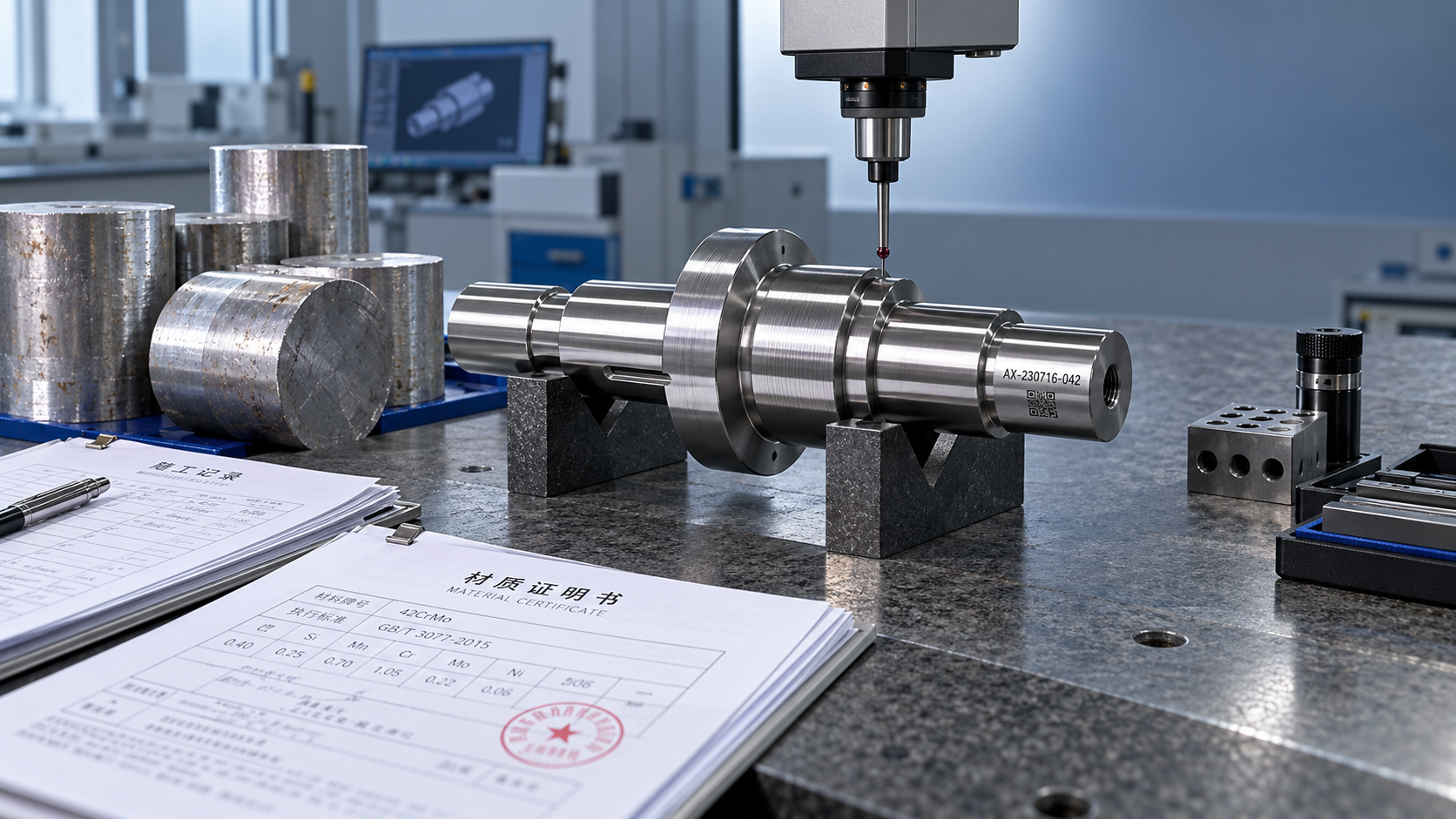
Using probing systems, first-piece verification, SPC, and real-time measurement can detect variation early. This reduces batch-level scrap and rework, which is especially important in aerospace, electronics, and energy equipment applications.
7. Cellular or flow-oriented layout
When possible, arranging machines, inspection, and support resources around product families can shorten transport distance and improve throughput. This is useful for recurring part groups in automotive and industrial production.
8. Continuous improvement culture
Lean is strongest when operator feedback is built into daily management. The people closest to the machine often see waste first, whether it is unnecessary tool changes, poor fixture access, or repeated program edits.
What benefits different readers should expect from lean machining
Different stakeholders evaluate lean production in different ways, but all of them are looking for practical gains.
For operators and production users, lean means clearer setup instructions, less searching for tools, fewer repeated adjustments, and more stable machining results. It reduces frustration and helps maintain quality under production pressure.
For procurement teams, lean production is a sign that a machining supplier is more likely to deliver on time, control quality consistently, and use materials and tooling efficiently. A lean supplier is often better prepared for volume changes and urgent orders.
For business evaluators and managers, the main value is measurable performance improvement. Lean can support:
- Lower scrap and rework cost
- Higher machine utilization
- Shorter lead times
- Reduced work-in-progress inventory
- Better on-time delivery
- Improved labor productivity
- Stronger process consistency for high-precision parts
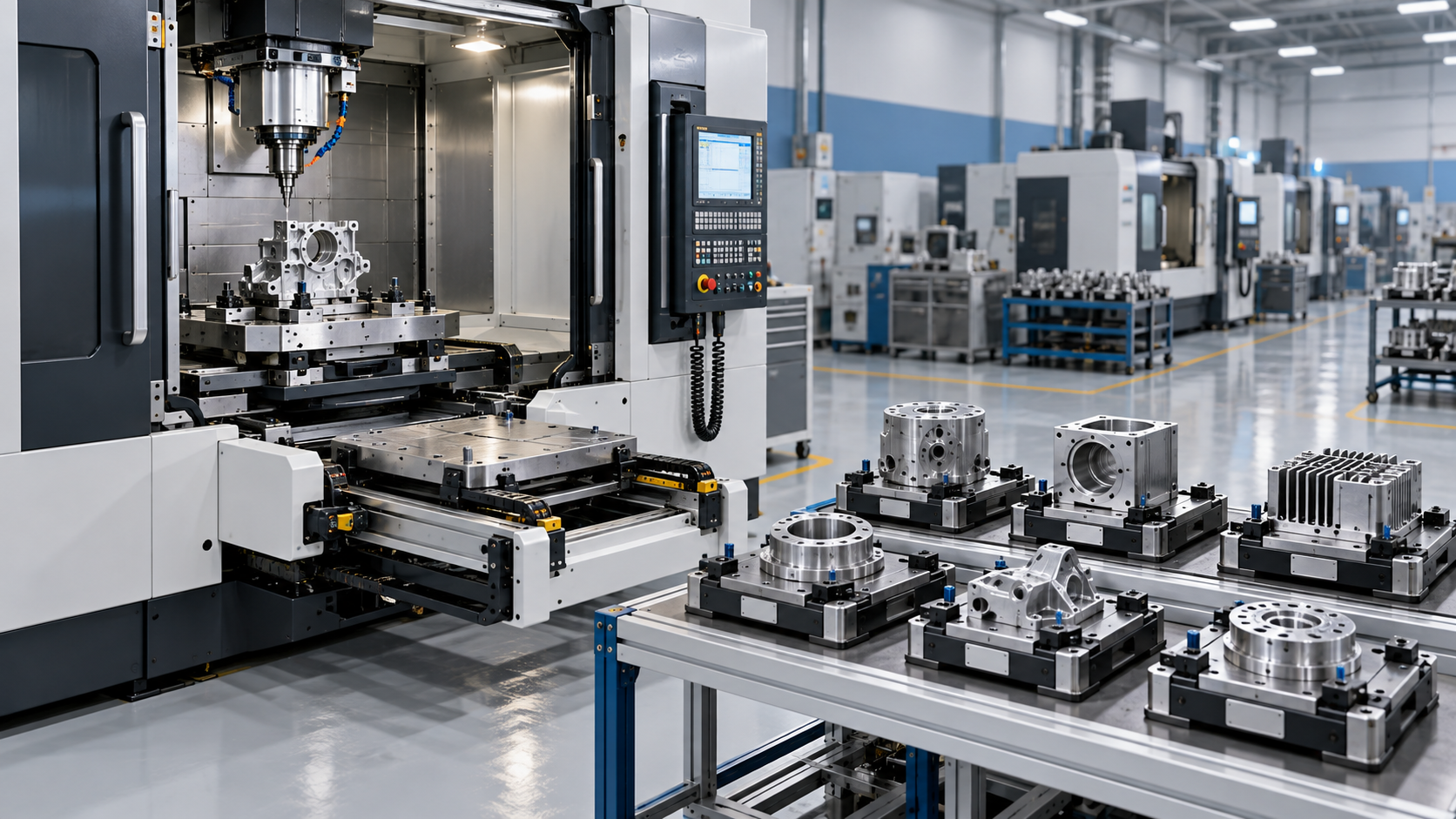
In many cases, the first gains come not from buying new equipment, but from making existing CNC machines and automated machine tool systems work with less interruption and less process variation.
How to judge whether a machining factory is truly lean
Not every factory that uses the word “lean” is applying it effectively. For customers, partners, and internal decision-makers, it is important to look beyond presentation language and assess real operating discipline.
Useful evaluation questions include:
- Are setup procedures documented and repeatable?
- Is there visible control of tooling, fixtures, and work instructions?
- How does the factory track scrap, rework, and downtime?
- Are quality issues identified during machining or only at final inspection?
- Does the plant use preventive maintenance routines?
- Can production flow be adjusted quickly for part changes or urgent demand?
- Is data used to improve cycle time, tool life, and machine utilization?
A truly lean CNC manufacturing factory usually shows discipline in small details. Workstations are organized, process instructions are clear, material flow is logical, and operators understand why each standard exists. These signs often indicate better long-term reliability than a factory focused only on machine count or advertised capacity.
Common mistakes when applying lean in precision machining
Lean production can fail when companies apply it too superficially. One common mistake is focusing only on housekeeping while ignoring process engineering issues such as cycle imbalance, unstable tooling, or poor CAM standardization. Another is pushing operators for speed without solving root causes of delay.
Other frequent problems include:
- Using generic lean templates without adapting them to machining realities
- Reducing inventory too aggressively before process stability is achieved
- Ignoring inspection flow and metrology capacity
- Failing to involve programmers, setup technicians, and maintenance staff
- Measuring activity instead of measurable production outcomes
Precision manufacturing requires balance. Lean should reduce waste, but it must also protect dimensional accuracy, surface finish, traceability, and equipment health. The best lean systems in machining improve both efficiency and process control.
Where lean production creates the most value in the future of smart manufacturing
As digital integration grows across the machine tool industry, lean production becomes even more powerful. CNC machines, MES platforms, tool monitoring systems, automated loading units, and real-time production dashboards provide the data needed to identify waste faster and respond more accurately.
In smart factories, lean no longer depends only on manual observation. Manufacturers can use data to track spindle uptime, setup duration, alarm frequency, tool consumption, dimensional trends, and order flow. This allows continuous improvement to become more precise and more scalable across production lines.
For companies in automotive manufacturing, aerospace, electronics production, and energy equipment, the combination of lean methods and digital manufacturing can create a strong competitive advantage. It supports lower cost, shorter delivery, and more reliable quality in a market that demands both flexibility and precision.
Lean production process improvement in machining is ultimately about removing what does not create value while protecting what does: precision, reliability, and delivery performance. In CNC and precision manufacturing, waste is not limited to scrap material—it includes idle time, unstable setups, excess movement, poor planning, and delayed quality feedback. Companies that apply lean well can often improve output and consistency without relying only on new machines. For operators, buyers, and business evaluators alike, the real value of lean is clear: a machining process that is faster, cleaner, more predictable, and more competitive.
Recommended for You
![]() Mitsubishi Electric Announces Physical AI System Linking Humanoid Robots and CNC MachinesMachine Tool Industry Editorial Team
 Precision Machining for Defense: Supplier Quality and Traceability ChecksManufacturing Market Research Center
![]() Nidec Machine Tool Launches MVR-5X Five-Axis Gantry MachineMachine Tool Industry Editorial Team
 Choosing a Precision Disc Parts Manufacturer in China: Tolerances and Quality ChecksManufacturing Market Research Center
![]() Siemens Executive Says AI Could Raise Factory Automation to 80%Manufacturing Market Research Center
 Choosing Automated Machine Tools for High-Mix, Low-Volume ProductionMachine Tool Industry Editorial Team


Aris Katos
Future of Carbide Coatings
15+ years in precision manufacturing systems. Specialized in high-speed milling and aerospace grade alloy processing.
▶
Siemens Executive Says AI Could Raise Factory Automation to 80%Manufacturing Market Research Center▶
Manufacturing Technology Trends That Improve Throughput and Quality ControlManufacturing Market Research Center▶
Global Manufacturing Trends: How Supply Chains and Regional Shifts Affect SourcingManufacturing Market Research Center▶
Small-Batch Production and Smart Manufacturing for Small Businesses: Where to Start FirstManufacturing Market Research Center▶
What Smart Manufacturing Technology for Industry 4.0 Means for Mid-Sized FactoriesManufacturing Market Research Center
▶
Mastering 5-Axis Workholding Strategies
Join our technical panel on Nov 15th to learn about reducing vibrations in thin-wall components.

Providing you with integrated sanding solutions
Before-sales and after-sales services
Comprehensive technical support