• Global CNC market projected to reach $128B by 2028 • New EU trade regulations for precision tooling components • Aerospace deman
NYSE: CNC +1.2%LME: STEEL -0.4%

Precision Turning vs Milling: Which Process Fits Tight-Tolerance Cylindrical Parts?

Precision Turning vs Milling: Which Process Fits Tight-Tolerance Cylindrical Parts?
When tight-tolerance cylindrical parts are at stake, process choice shapes more than geometry.
It affects scrap risk, lead time, inspection load, and supplier flexibility.
That is why the debate around precision turning versus milling matters early, not after quoting.
For shafts, pins, bushings, sleeves, and stepped round parts, the answer is often clear.
Still, some parts sit in the gray zone.
They may need off-center features, flats, slots, or cross holes alongside strict concentricity.
In those cases, understanding the strengths of precision turning becomes critical.
This guide compares both processes from a decision-making angle.
The focus stays on tight-tolerance cylindrical parts, where form and stability matter most.
What Precision Turning Does Best
Precision turning removes material while the workpiece rotates around its centerline.
That simple motion makes it naturally suited to round parts.
Outer diameters, inner diameters, shoulders, tapers, grooves, and threads can be controlled efficiently.
More importantly, precision turning keeps critical features aligned to one spindle axis.
That supports excellent concentricity and repeatable roundness.
In real production, this usually means fewer setups and lower accumulated error.
- Best fit for shafts, rollers, pins, valve parts, bushings, and bearing seats.
- Strong at holding diameter, cylindricity, runout, and coaxial relationships.
- Efficient for medium to high volumes, especially from bar stock.
- Well matched to automated loading and stable cycle times.
Recent changes in manufacturing make this even more relevant.
Many suppliers now use CNC lathes with live tooling and sub-spindles.
That expands precision turning beyond basic round profiles.
A turned part can now include milled flats, drilled holes, and secondary features in one machine.
Where Milling Has the Advantage
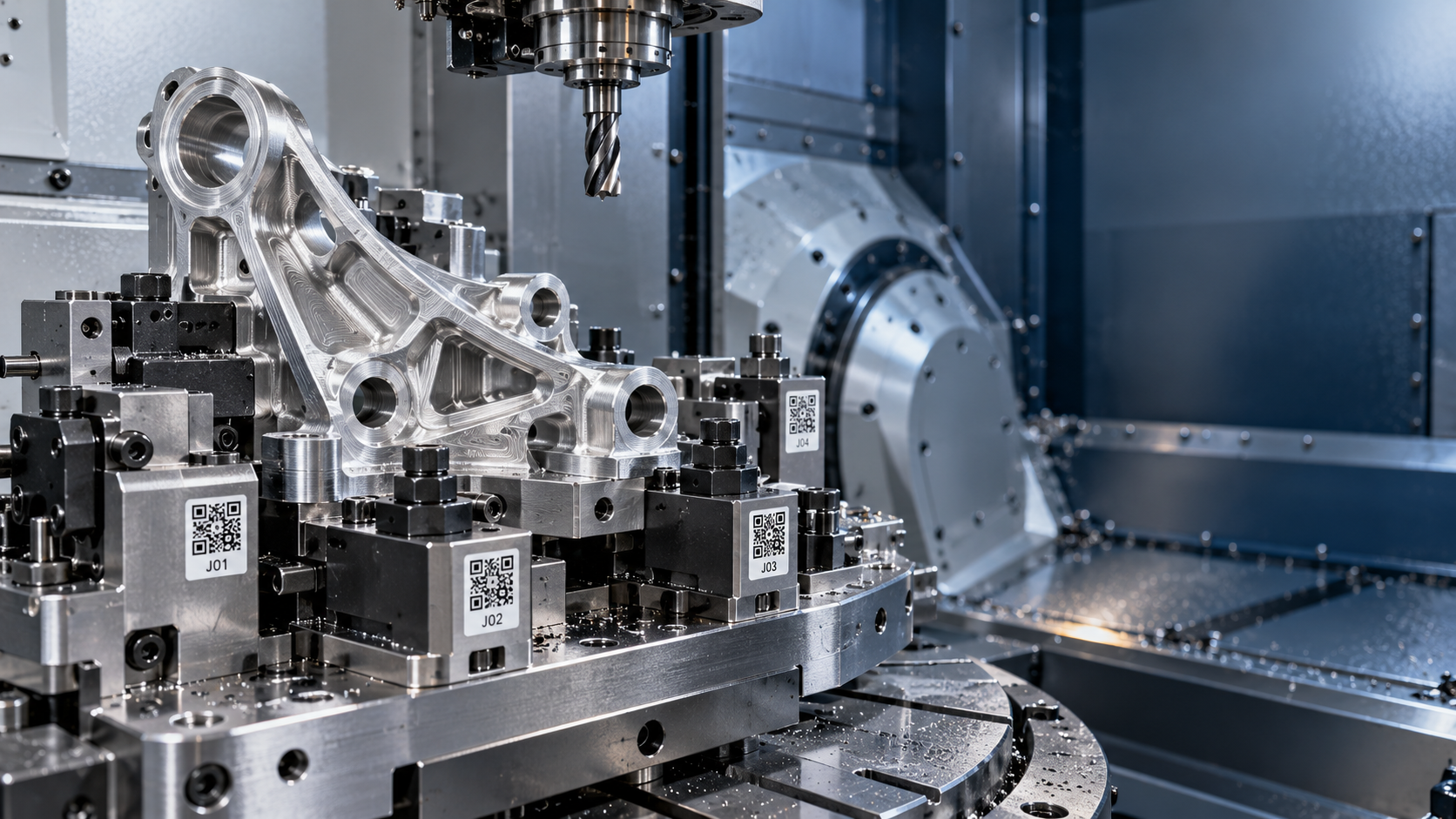
Milling uses rotating tools to cut a stationary or indexed part.
It shines when geometry is not truly axisymmetric.
If a cylindrical part includes keyways, pockets, irregular contours, or bolt patterns, milling becomes more attractive.
The same applies when multiple faces need accurate positional relationships.
This is especially true for low-volume prototypes or design iterations.
Milling often provides broader geometric freedom with less custom fixturing at the start.
- Better for non-round external forms and interrupted cuts.
- Useful when cylindrical shape is secondary, not dominant.
- Stronger choice for parts needing many indexed features.
- Flexible for engineering changes during early product stages.
That said, milling a round part from solid stock can be slower and more wasteful.
It may also struggle to match the natural efficiency of precision turning on diameter-driven work.
So the question is not which process is better overall.
It is which process better matches the dominant tolerances and the part’s true design intent.
Tolerance Performance: Turning vs Milling
For tight-tolerance cylindrical parts, tolerance type matters as much as tolerance value.
A part may hold plus or minus size, yet fail on runout or surface finish.
This is where precision turning usually creates a stronger process window.
If your key CTQs are diameter, circularity, and coaxiality, precision turning usually leads.
If your key CTQs are feature location across several planes, milling may deserve priority.
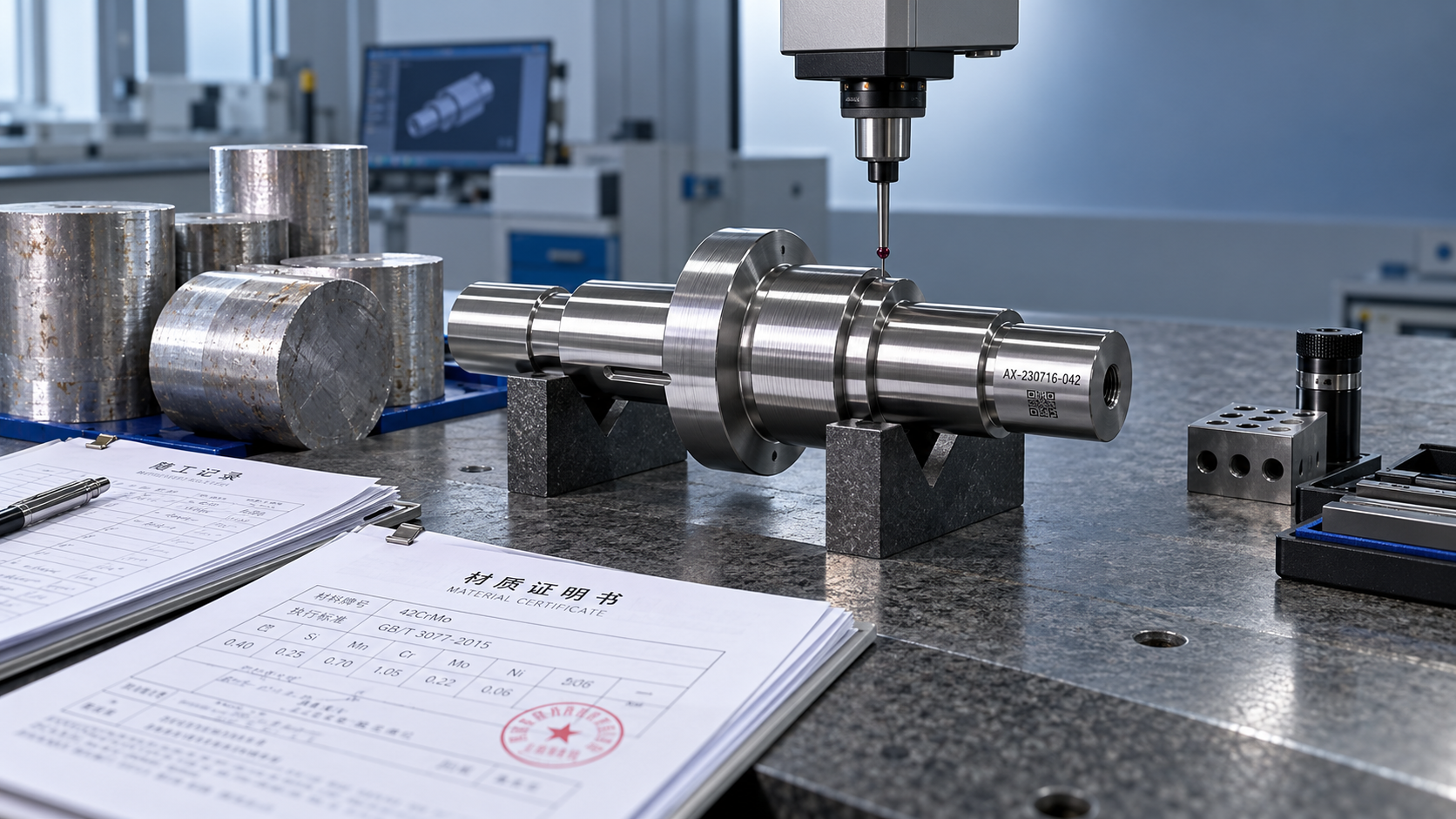
The strongest signal often comes from inspection strategy.
Ask what the part will be measured against in production and assembly.
Cost, Lead Time, and Production Risk
Selection decisions rarely stop at tolerance capability.
They also involve throughput, machine availability, and risk at scale.
For many cylindrical parts, precision turning offers a lower cost path once volume rises.
Cycle times are often shorter because the material removal path is more direct.
Tool wear can also be more predictable on stable round work.
That improves scheduling confidence and quote accuracy.
Milling may still win if it avoids multiple secondary operations.
A single machining center can sometimes replace turning, transfer, and finishing steps.
This matters when supplier capacity is tight or routing complexity is already high.
- Choose precision turning when round features drive function and volume supports process optimization.
- Choose milling when feature variety outweighs pure cylindrical efficiency.
- Compare total routing cost, not only machine hourly rate.
- Include inspection time, fixturing effort, and setup repeatability.
In actual projects, late changes create the biggest cost surprises.
A design that looks simple in CAD may become unstable on the shop floor.
That is why manufacturability review should happen before supplier nomination.
When a Hybrid Strategy Makes More Sense
The decision is not always turning or milling alone.
Modern CNC platforms increasingly blend both capabilities.
Turn-mill centers are especially valuable for demanding cylindrical parts with added complexity.
They allow precision turning for critical diameters, then milling for secondary features without re-clamping.
That can reduce stack-up error and improve delivery reliability.
This approach works well for hydraulic spools, medical shafts, aerospace fittings, and precision connectors.
It also aligns with the broader industry move toward higher automation and digital process integration.
More suppliers now favor fewer handoffs, more in-process measurement, and smarter routing choices.
- Use precision turning first for the datum-driving round features.
- Add milling only where geometry truly requires it.
- Keep the setup count as low as possible.
- Review whether one platform can complete the part in one cycle.
That sequence often gives the best balance of quality, speed, and supply-chain resilience.
A Practical Selection Framework
If the part is mainly cylindrical, start by assuming precision turning.
Then test that assumption against feature complexity and supply constraints.
A simple review framework helps avoid subjective decisions.
- What feature defines part function: round geometry or indexed geometry?
- Which tolerance is hardest to hold in volume production?
- How many setups are needed to finish the part?
- Will the chosen route support future volume increases?
- Does the supplier have proven capability in precision turning for similar parts?
- Can inspection be aligned with the same production datums?
These questions usually expose the right answer quickly.
They also support cleaner communication with sourcing, quality, and production teams.
For most tight-tolerance cylindrical parts, precision turning remains the first-choice process.
Milling becomes the better fit when non-round complexity starts driving the design.
And when both matter, a turn-mill strategy often delivers the smartest compromise.
The most reliable next step is simple: review the part around functional tolerances first, then map the process around them.
Recommended for You
![]() FANUC Links FIELD System Data with Copilot to Advance Shop-Floor Data UseCNC Machining Technology Center
FANUC Links FIELD System Data with Copilot to Advance Shop-Floor Data UseCNC Machining Technology Center Smart Manufacturing for Aerospace: Building Traceability Across CNC OperationsCNC Machining Technology Center
![]() Mitsubishi Electric Announces Physical AI System Linking Humanoid Robots and CNC MachinesMachine Tool Industry Editorial Team
Mitsubishi Electric Announces Physical AI System Linking Humanoid Robots and CNC MachinesMachine Tool Industry Editorial Team Precision Machining for Defense: Supplier Quality and Traceability ChecksManufacturing Market Research Center
![]() Nidec Machine Tool Launches MVR-5X Five-Axis Gantry MachineMachine Tool Industry Editorial Team
Nidec Machine Tool Launches MVR-5X Five-Axis Gantry MachineMachine Tool Industry Editorial Team Choosing a Precision Disc Parts Manufacturer in China: Tolerances and Quality ChecksManufacturing Market Research Center

Aris Katos
Future of Carbide Coatings
15+ years in precision manufacturing systems. Specialized in high-speed milling and aerospace grade alloy processing.
▶
Manual vs. CNC Lathe for Simple Parts: How Batch Size Affects the ChoiceCNC Machining Technology Center▶
How to Select a CNC Metal Lathe for Tight-Tolerance Shaft and Sleeve PartsCNC Machining Technology Center▶
CNC Lathe Quick Installation Guide: Alignment Checks Before First Production RunCNC Machining Technology Center▶
How to Select a CNC Lathe for Small Parts Without Sacrificing Accuracy or Cycle TimeCNC Machining Technology Center▶
How to Select a Slant Bed Lathe for High-Precision Shaft and Chuck WorkCNC Machining Technology Center
▶
Mastering 5-Axis Workholding Strategies
Join our technical panel on Nov 15th to learn about reducing vibrations in thin-wall components.

Providing you with integrated sanding solutions
Before-sales and after-sales services
Comprehensive technical support