• Global CNC market projected to reach $128B by 2028 • New EU trade regulations for precision tooling components • Aerospace deman
NYSE: CNC +1.2%LME: STEEL -0.4%

Huazhong CNC Unveils AI Control System at Qingdao Show

On June 25, at the opening of the 29th Qingdao International Machine Tool Exhibition, Huazhong CNC introduced its Huazhong 10 intelligent CNC system, combining AI computing capability and a large model with multilingual interfaces and cloud-based predictive maintenance. For machine tool makers, channel partners, service providers, and overseas market teams, the release is worth watching because it links product capability, compliance, remote service, and international channel expansion within a single control-system announcement.
What Was Announced at the Qingdao Exhibition
According to the provided event information, Huazhong CNC formally released the Huazhong 10 intelligent CNC system on June 25 at the 29th Qingdao International Machine Tool Exhibition.
The system integrates AI computing capability and a large model. It supports interfaces in English, Spanish, and Arabic, and includes cloud-based predictive maintenance functions.
The product has obtained CE certification. Huazhong CNC is also opening OEM cooperation and localized technical service authorization to global channel partners.
Where the Industry Impact May Appear First
Machine tool manufacturers evaluating control-system options
From an industry perspective, machine tool manufacturers may be among the first affected because the announcement combines a new CNC platform with OEM cooperation. The immediate point of attention is not only system functionality, but also whether multilingual operation, predictive maintenance, and certification can support export-oriented product planning, after-sales design, and partner selection.
Channel partners and regional distributors assessing overseas deployment
For channel and distribution businesses, the release matters because it explicitly mentions global OEM cooperation and localized technical service authorization. Analysis shows that the practical impact may fall on market entry arrangements, regional service capability, customer communication, and the ability to support installations in different language environments.
Service teams focused on remote maintenance workflows
Service providers and technical support teams may need to pay closer attention to how cloud-based predictive maintenance changes service delivery expectations. Observably, the issue is not only whether remote support is possible, but how service response, fault prediction, and local execution could be organized around a system designed for multilingual use.
End users and procurement teams reviewing compliance and support readiness
For buyers and end users, the combination of CE certification and remote maintenance capability may influence evaluation criteria in procurement and project discussions. What deserves closer attention is whether compliance documentation, language support, and service authorization arrangements align with actual installation, training, and lifecycle support requirements.
What Companies Should Watch Next
Watch for clearer official wording on cooperation boundaries
Companies considering cooperation should focus on how OEM cooperation and localized technical service authorization are formally described in subsequent official communications. The key practical issue is the boundary between product supply, technical support, and local service responsibilities.
Check how multilingual support maps to target markets
Businesses with export or regional expansion plans should review how English, Spanish, and Arabic interface support matches their actual customer mix. In practice, this affects pre-sales communication, operator training, documentation preparation, and after-sales response planning.
Prepare for documentation and qualification review
Because CE certification is specifically mentioned, procurement teams, distributors, and integrators should pay attention to documentation consistency and qualification materials in real transactions. The difference between a headline feature and a deployable commercial offering often appears in document readiness, technical confirmation, and delivery-stage verification.
Assess whether remote maintenance changes service commitments
Enterprises involved in installation and support should examine whether predictive maintenance and cloud-based service functions require adjustments in service processes, response commitments, or customer communication. This is especially relevant where local teams are expected to provide authorized support.
How This News Is Best Interpreted Now
Analysis shows that this announcement is better understood as an industry signal rather than a confirmed market outcome. The confirmed facts are the product launch, the multilingual and predictive-maintenance features, the CE certification, and the opening of OEM and localized service cooperation.
What remains to be observed is how widely these elements are adopted in actual channel relationships, export projects, and service networks. From an industry perspective, the significance lies in the direction indicated by the release: CNC system competition is being framed not only around machine control performance, but also around language accessibility, remote service capability, and partner enablement.
Why the Market Will Keep Following This
At this stage, the announcement points to a clearer linkage between intelligent CNC development and international deployment requirements. It is more appropriate to understand this as a meaningful directional update for the machine tool and industrial automation chain, rather than as proof of immediate market transformation.
For manufacturers, channels, service organizations, and buyers, the practical value of this news lies in what it highlights: product intelligence, multilingual usability, compliance status, and service localization are increasingly being presented together. Whether that translates into wider adoption still requires continued observation.
Basis of This Article
This article is based on the user-provided news title, event date, and event summary. The analysis above distinguishes confirmed facts from industry observation and does not add unverified data, company details, market figures, or external conclusions.
For this type of industry update, commonly relevant source categories may include official corporate announcements, exhibition releases, industry association updates, authoritative media reports, and standards-related documents. A specific official source link was not provided in the input, so further verification is still needed. Follow-up attention should focus on later official wording regarding OEM cooperation, localized technical service authorization, and any additional implementation details released after the exhibition.
Recommended for You
 Zero-Point Clamping or Modular Fixtures? Choosing a Faster CNC Changeover SystemCNC Machining Technology Center
 How to Cut CNC Fixture Changeover Time Without Sacrificing Part AccuracyCNC Machining Technology Center
 When Does CNC Turning Pay Off? A Break-Even Guide by Annual Part VolumeMachine Tool Industry Editorial Team
 Machine Tool Standards by Country: What Importers Must Verify Before PurchaseManufacturing Policy Research Center
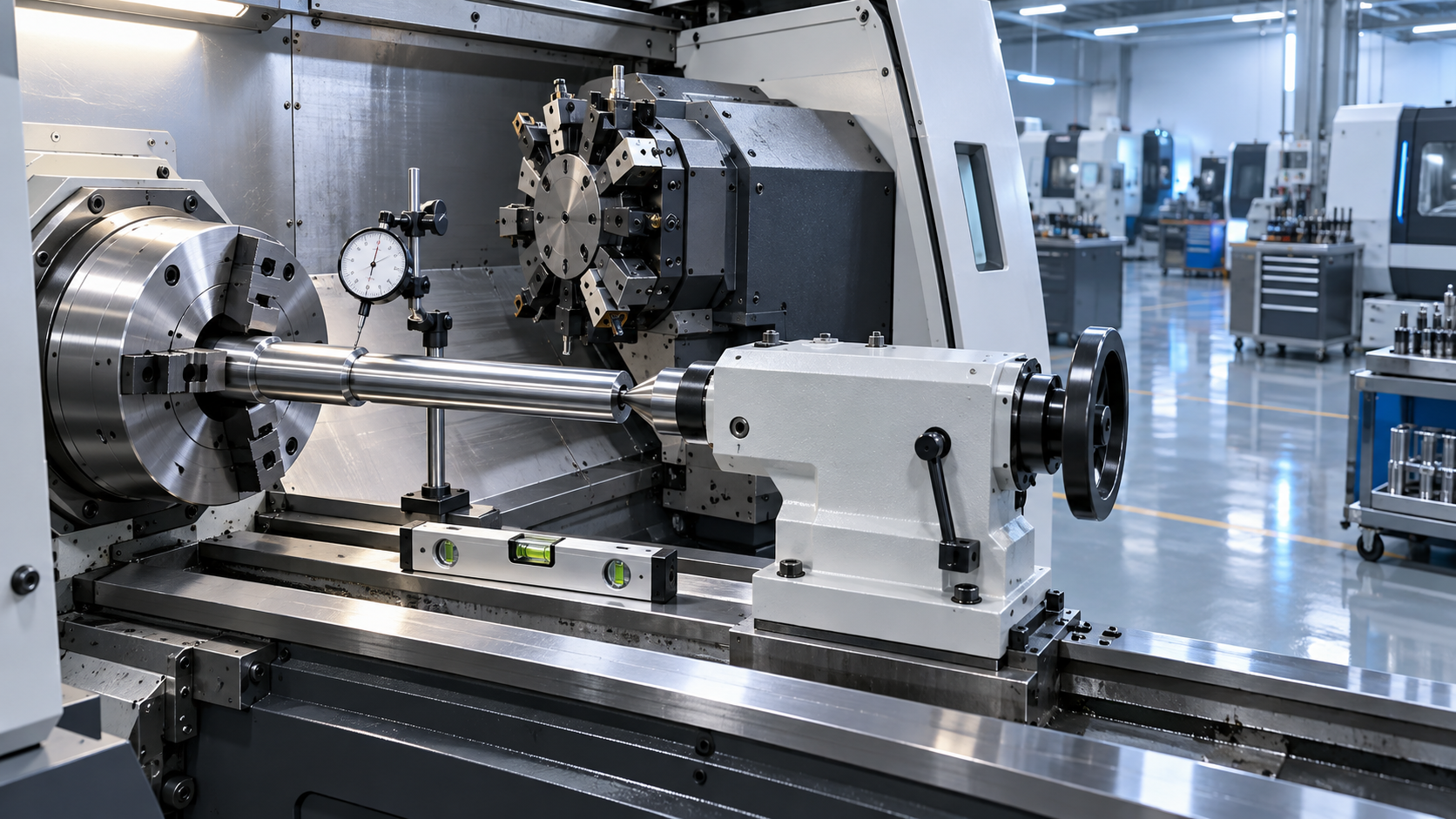
 CNC Lathe Quick Installation Guide: Alignment Checks Before First Production RunCNC Machining Technology Center
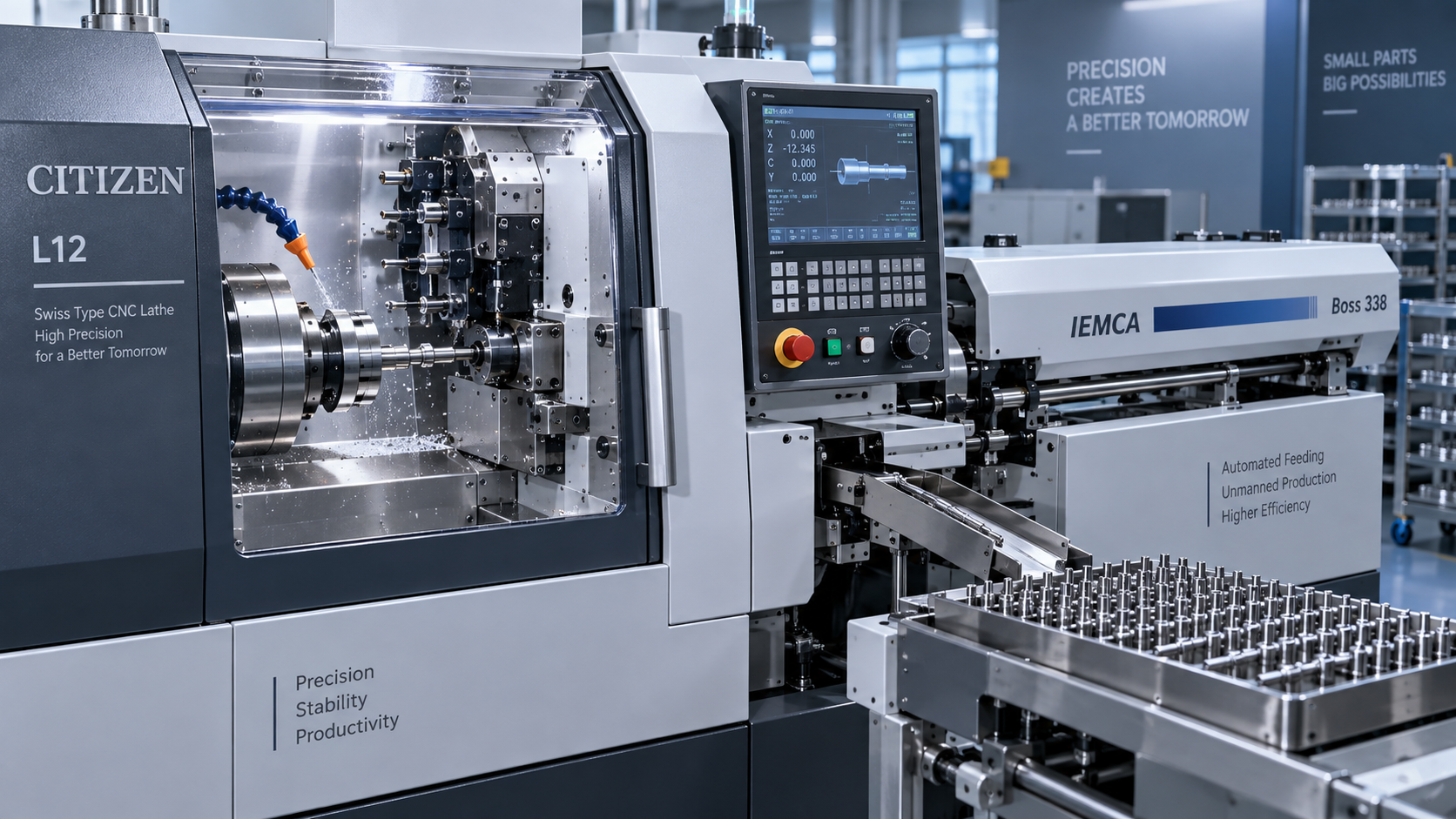
 How to Select a CNC Lathe for Small Parts Without Sacrificing Accuracy or Cycle TimeCNC Machining Technology Center

Aris Katos
Future of Carbide Coatings
15+ years in precision manufacturing systems. Specialized in high-speed milling and aerospace grade alloy processing.
▶
How Automated Precision Machining Maintains Tolerance in High-Mix ProductionCNC Machining Technology Center▶
CNC Programming Explained: From CAD Models to Reliable Shop-Floor ToolpathsCNC Machining Technology Center▶
How Multi-Axis Machining Produces Complex Components With Fewer SetupsCNC Machining Technology Center▶
How Much Does CNC Programming Software Cost in 2026?CNC Machining Technology Center▶
CNC Machining Explained: Processes, Tolerances, and Parts It Can ProduceCNC Machining Technology Center
Mastering 5-Axis Workholding Strategies
Join our technical panel on Nov 15th to learn about reducing vibrations in thin-wall components.

Providing you with integrated sanding solutions
Before-sales and after-sales services
Comprehensive technical support