• Global CNC market projected to reach $128B by 2028 • New EU trade regulations for precision tooling components • Aerospace deman
NYSE: CNC +1.2%LME: STEEL -0.4%

How to Choose a CNC Machine for Metalworking: Key Specs, Materials, and Output Needs
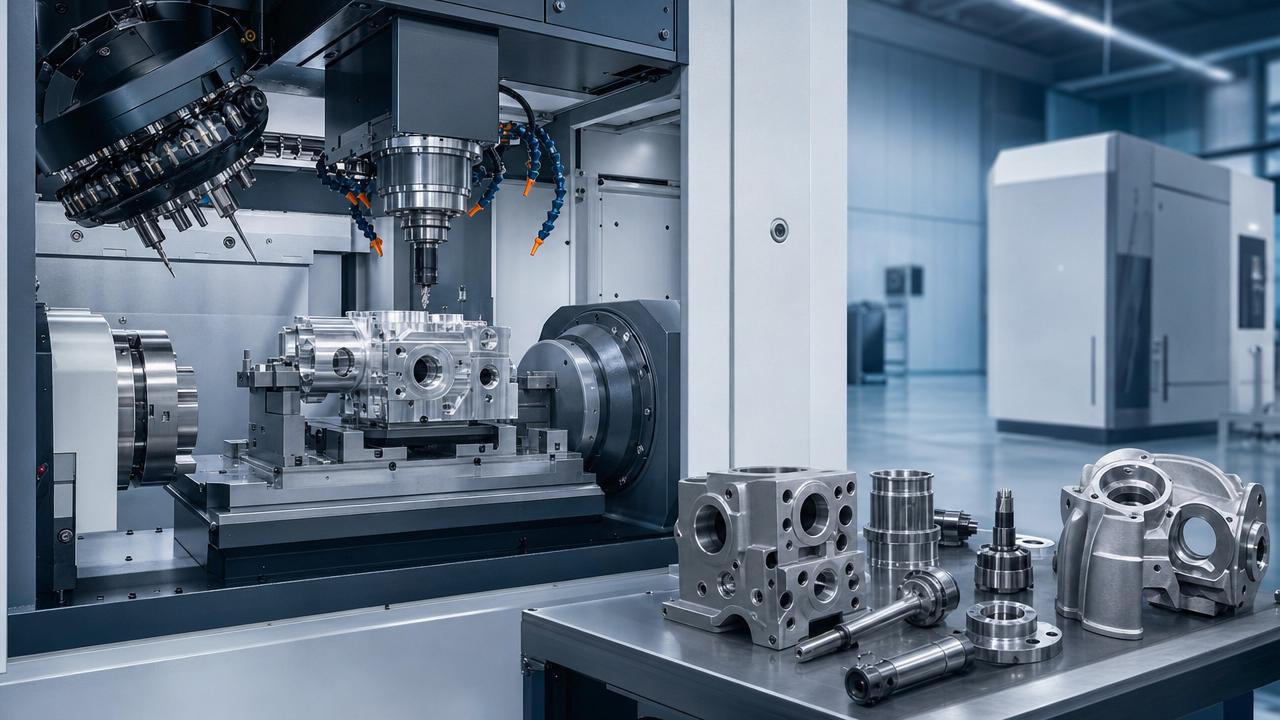
How to Choose a CNC Machine for Metalworking: Key Specs, Materials, and Output Needs
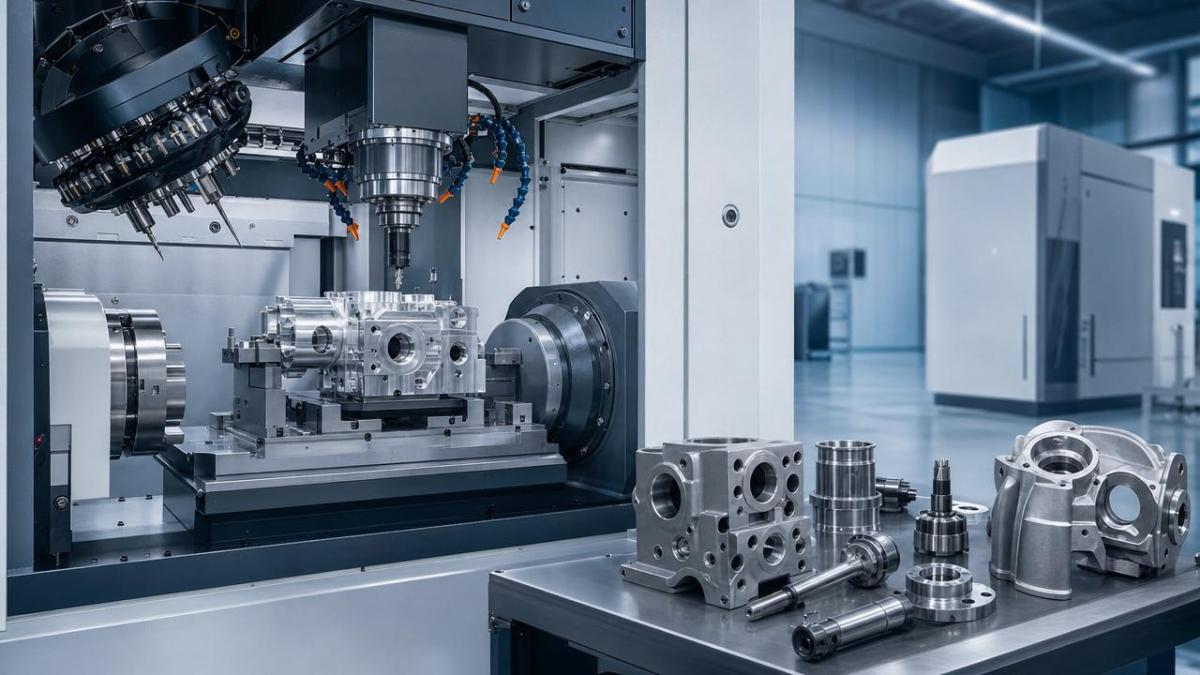
Choosing a CNC Machine for Metalworking starts with the job, not the brochure. A strong machine on paper can still be the wrong fit on the shop floor.
The best decision usually comes from matching material behavior, part geometry, tolerance targets, and output plans with machine capability.
That sounds simple, but real evaluations are rarely that clean. One project may need tight bores, another may need fast roughing, and both may share the same budget.
This is why CNC Machine for Metalworking selection should focus on production reality. Machine size alone does not define long-term value.
A good evaluation looks at spindle power, torque curve, axis travel, rigidity, control system, tooling options, and future automation readiness.
It also checks practical issues. Setup time, maintenance access, operator learning curve, and local service support often shape total performance more than headline specs.
In today’s manufacturing environment, this also means thinking beyond one order. Flexible output, stable quality, and digital integration now matter much more than before.
Start with Material Type and Machining Behavior
Material is usually the first filter when choosing a CNC Machine for Metalworking. Different metals place very different demands on the machine structure and cutting system.
Aluminum often needs high spindle speed, fast acceleration, and good chip evacuation. Stainless steel needs stronger rigidity, better torque, and thermal stability during longer cuts.
Titanium and heat-resistant alloys raise the bar even further. They generate heat quickly, stress tooling heavily, and punish weak machine frames.
Cast iron creates another kind of challenge. It is stable to cut, but the abrasive dust affects guideways, sealing, and long-term maintenance plans.
A useful evaluation question is not just, “What metal do we cut?” It is, “What share of production comes from each metal, and how often does that mix change?”
That difference matters. A CNC Machine for Metalworking used for mixed batches needs broader capability than a machine dedicated to one stable material family.
- Aluminum: prioritize speed, chip flow, and acceleration.
- Steel and stainless: prioritize rigidity, torque, and cooling.
- Titanium alloys: prioritize structure, thermal control, and tool life.
- Cast iron: prioritize protection, wear resistance, and serviceability.
From recent market shifts, mixed-material demand is becoming more common. That makes balanced machine capability more valuable than a narrow high-speed setup.
Match the CNC Machine for Metalworking to Part Geometry
Part shape determines machine architecture. A shaft, valve body, housing, bracket, or turbine component does not belong on the same platform by default.
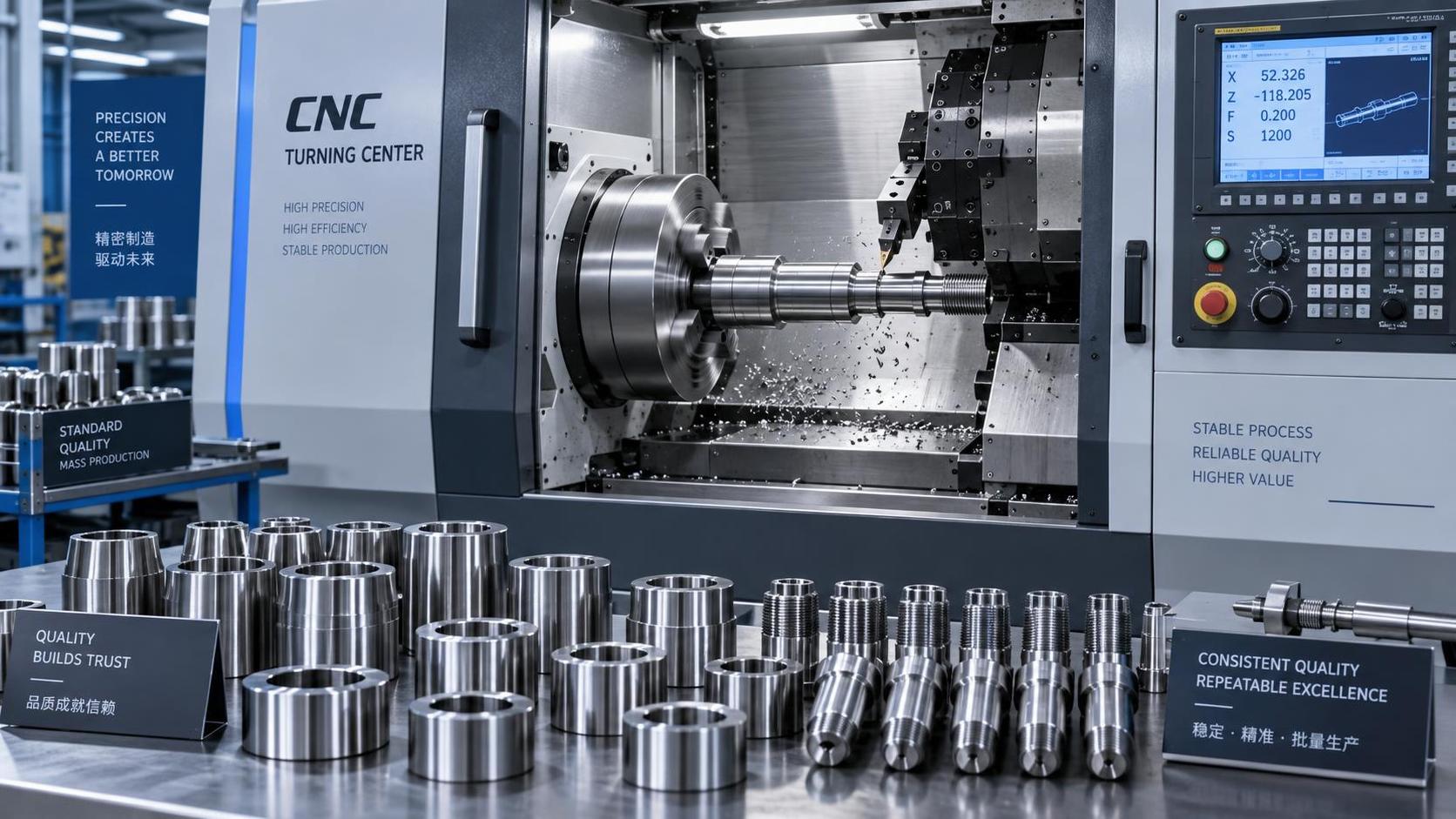
If the work is mainly rotational, a CNC lathe or turn-mill center may be the best route. If parts are prismatic, a vertical or horizontal machining center often makes more sense.
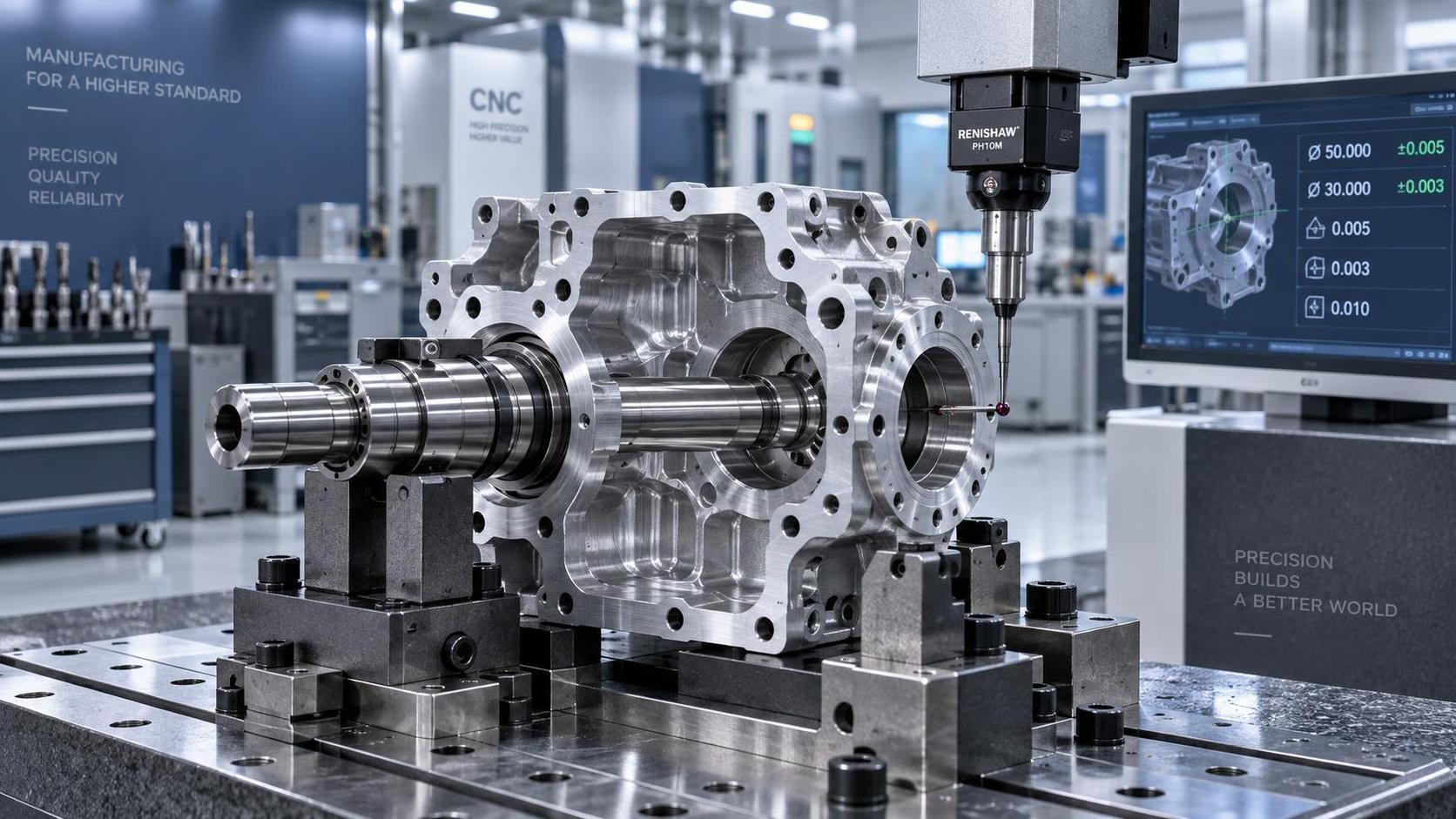
Complex multi-face parts can quickly justify 4-axis or 5-axis capability. Fewer setups often improve accuracy, shorten cycle time, and reduce handling risk.
Still, more axes are not always better. Extra complexity raises programming demands, tooling costs, and maintenance expectations.
A practical rule is to check how many setups are needed today, then estimate what each setup adds in time, tolerance drift, and scrap exposure.
When setup reduction creates clear savings, a more advanced CNC Machine for Metalworking usually becomes easier to justify.
- List part families by shape and size.
- Record current setup count for each family.
- Identify features needing angular access or compound motion.
- Compare cycle gains against higher machine complexity.
In real operations, part mix usually changes faster than expected. A little geometry flexibility often protects the investment better than chasing a perfect single-part match.
Focus on Tolerance, Surface Finish, and Stability
Not every CNC Machine for Metalworking is built for the same accuracy level. The key is repeatable accuracy under actual production conditions, not only factory test results.
Tolerance requirements should be separated into critical features and general features. This helps avoid buying ultra-precision where standard stability would be enough.
Machine rigidity, thermal deformation control, ballscrew quality, guideway design, spindle runout, and feedback systems all influence final performance.
Surface finish matters too. Fine finish often depends on vibration control, servo tuning, spindle condition, and the machine’s ability to hold a steady cut.
This is especially important for sealing surfaces, bearing seats, mold cavities, and precision mating components.
When evaluating suppliers, ask for process capability data on similar parts. A capable CNC Machine for Metalworking should show consistency across shifts, not just one strong sample.
Check Spindle Power, Torque, and Axis Configuration Carefully
Spindle power is one of the most watched specs, but raw horsepower can be misleading. Torque at working speed often tells the more useful story.
For heavy steel cutting, strong low-end torque can matter more than very high top speed. For aluminum, the opposite may be true.
Axis travel should also be reviewed against real fixtures, tool length, and part loading space. A machine that barely fits the part often creates operating headaches.
Pay attention to rapid traverse, acceleration, and tool change time as well. These details strongly affect throughput in medium and high-volume production.
For a CNC Machine for Metalworking, the right axis configuration depends on whether the goal is flexibility, deep-feature access, or simple high-speed repetition.
More clearly than before, production teams now compare full machining systems instead of isolated machine ratings. That broader view usually leads to better decisions.
- Review spindle power together with torque curves.
- Confirm travel clearance for fixtures and probes.
- Check feed rates against actual cycle targets.
- Compare axis count with programming resources.
Evaluate Output Needs, Automation, and Workflow Fit
A CNC Machine for Metalworking may be technically capable and still fail the business case if output requirements are misunderstood.
Low-volume, high-mix production often values quick changeover, accessible programming, and fixture flexibility. High-volume production usually values automation and stable takt time.
This is where pallet changers, bar feeders, robotic loading, tool monitoring, and in-process probing become more than optional extras.
They directly affect labor efficiency, machine utilization, and overnight production potential.
Workflow fit also includes software. Control compatibility with CAM systems, factory data collection, and maintenance diagnostics is now a meaningful selection factor.
In many modern plants, the more valuable CNC Machine for Metalworking is the one that connects smoothly to the wider production system.
That also means thinking ahead. If automation is not needed today, interface readiness may still matter for next year’s expansion.
Compare Total Cost, Service Support, and Expansion Risk
Purchase price is only the visible layer. A better CNC Machine for Metalworking decision includes tooling cost, maintenance intervals, uptime risk, and spare parts access.
Training requirements also matter. A very advanced machine can underperform if programming, setup, or maintenance capability is not ready internally.
Service response time should be checked carefully, especially for operations with tight delivery commitments. Delayed support can erase the value of impressive specifications.
Ask suppliers about local parts inventory, remote diagnostics, preventive service plans, and upgrade paths for control, probing, or automation modules.
This is also where expansion risk appears. A machine that cannot scale with larger batch sizes, tougher materials, or added automation may become expensive very quickly.
A balanced evaluation often includes these checkpoints:
- Expected cost per part after tooling and labor.
- Downtime exposure and support coverage.
- Operator and programmer readiness.
- Future compatibility with automation upgrades.
- Availability of proven references in similar applications.
A Practical Selection Path
The strongest CNC Machine for Metalworking choice usually comes from a structured shortlist, not from a single feature comparison.
Start by grouping parts by material, geometry, tolerance, and annual volume. Then rank the production constraints that hurt quality or output today.
Next, compare machine candidates against those constraints, using real sample parts or realistic cycle simulations whenever possible.
The best result is rarely the most expensive machine or the cheapest one. It is the machine that stays accurate, productive, and adaptable under your actual workload.
As manufacturing moves toward smarter, more connected production, CNC Machine for Metalworking decisions are becoming more strategic than ever.
If the evaluation stays grounded in parts, process, and output needs, the final choice is much more likely to deliver stable performance and long-term value.
Use that framework to narrow options, question assumptions, and choose a CNC Machine for Metalworking that fits both current demand and the next stage of growth.
Recommended for You
 How Automated Precision Machining Maintains Tolerance in High-Mix ProductionCNC Machining Technology Center
 How to Evaluate a Machine Tool Factory Before Sourcing CNC EquipmentGlobal Machine Tool Trade Research Center
 CNC Programming Explained: From CAD Models to Reliable Shop-Floor ToolpathsCNC Machining Technology Center
 How Multi-Axis Machining Produces Complex Components With Fewer SetupsCNC Machining Technology Center
 How Does Precision Machining Differ From Standard Machining?CNC Machining Technology Center
 What Production Volume Justifies a CNC Turning Investment?Manufacturing Market Research Center



Aris Katos
Future of Carbide Coatings
15+ years in precision manufacturing systems. Specialized in high-speed milling and aerospace grade alloy processing.
▶
How Automated Precision Machining Maintains Tolerance in High-Mix ProductionCNC Machining Technology Center▶
CNC Programming Explained: From CAD Models to Reliable Shop-Floor ToolpathsCNC Machining Technology Center▶
How Multi-Axis Machining Produces Complex Components With Fewer SetupsCNC Machining Technology Center▶
How Much Does CNC Programming Software Cost in 2026?CNC Machining Technology Center▶
CNC Machining Explained: Processes, Tolerances, and Parts It Can ProduceCNC Machining Technology Center
Mastering 5-Axis Workholding Strategies
Join our technical panel on Nov 15th to learn about reducing vibrations in thin-wall components.

Providing you with integrated sanding solutions
Before-sales and after-sales services
Comprehensive technical support