• Global CNC market projected to reach $128B by 2028 • New EU trade regulations for precision tooling components • Aerospace deman
NYSE: CNC +1.2%LME: STEEL -0.4%

CNC Technology Explained: Key Processes, Accuracy Limits, and Material Fit
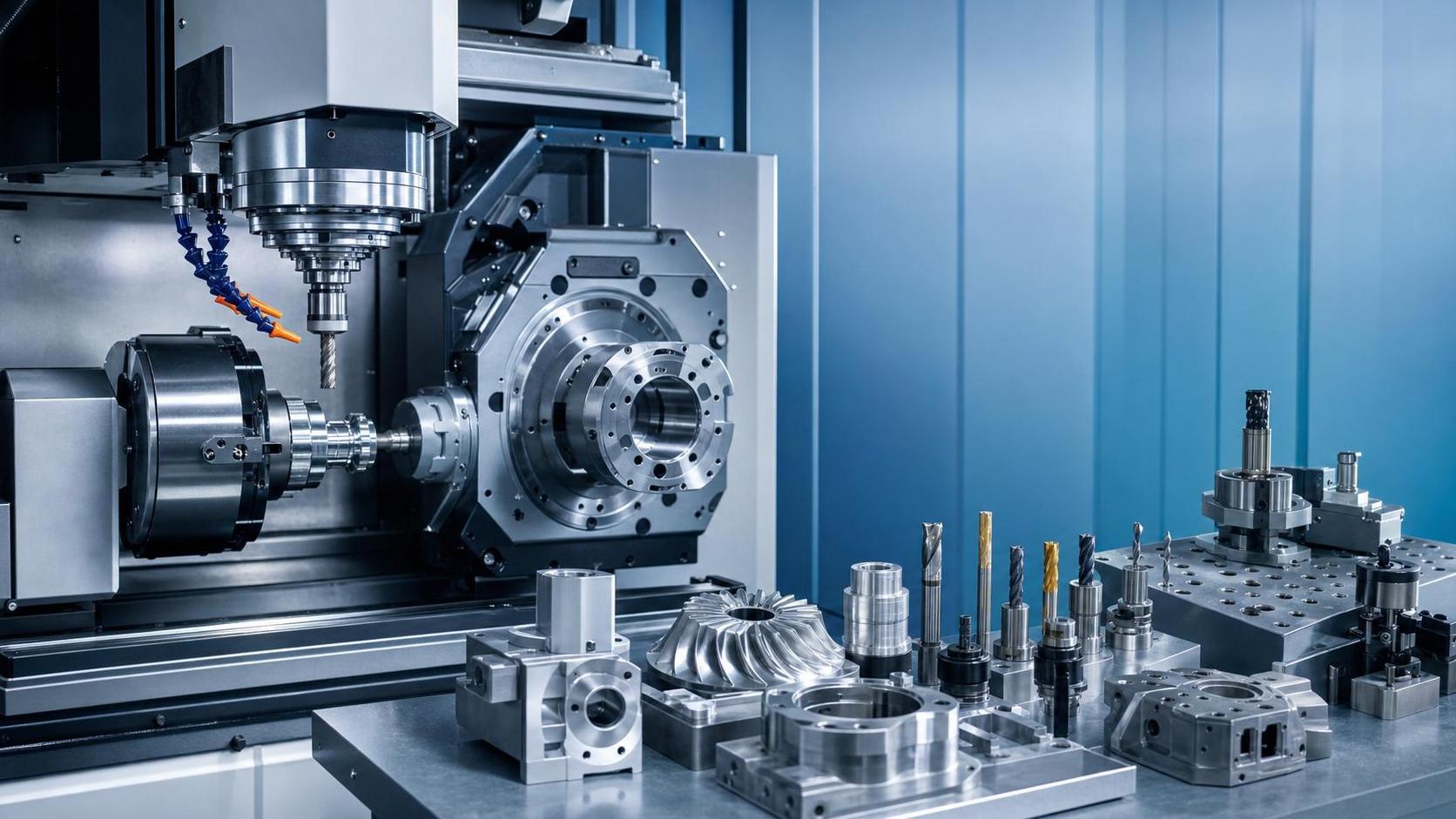
CNC technology sits at the center of modern manufacturing because it converts digital designs into repeatable physical parts with a level of control that manual machining cannot match. From automotive components to aerospace brackets and electronics housings, it supports production environments where accuracy, consistency, and throughput all matter at the same time.
What makes the topic especially relevant now is the broader shift toward automation, digital integration, and flexible production. As machine tools, industrial robots, fixtures, and software become more connected, CNC technology is no longer just a machining method. It is part of a wider manufacturing system that influences cost, lead time, quality stability, and global competitiveness.
What CNC technology really covers
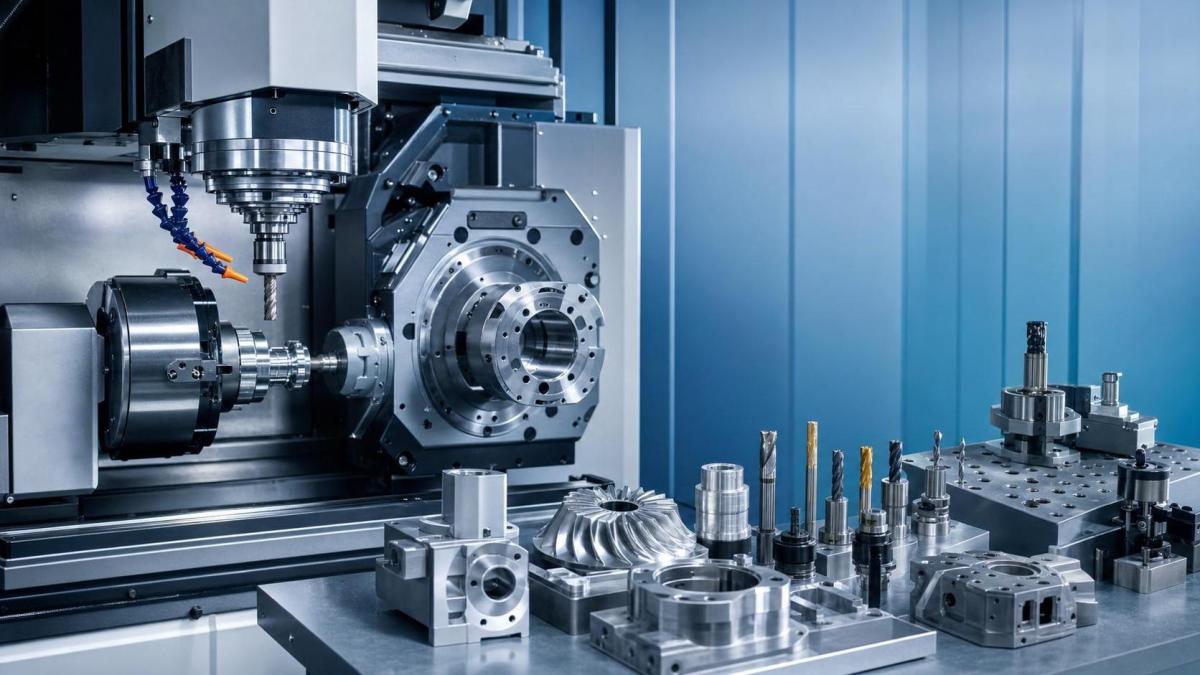
At its core, CNC technology refers to computer numerical control applied to machine tools. Software instructions guide cutting paths, spindle speeds, feed rates, and tool changes so that raw material is shaped into a finished component.
The term often includes more than the machine itself. In practical production, CNC technology also involves CAD and CAM workflows, tool selection, workholding, metrology, programming strategy, and process planning.
This broader view matters because part quality is rarely determined by one machine alone. A highly capable machining center can still deliver poor results if toolpaths, fixturing, coolant control, or inspection methods are weak.
That is why global machine tool clusters in China, Germany, Japan, and South Korea remain influential. Their strength comes from complete ecosystems that combine equipment, controls, tooling, components, and application knowledge.
The main machining processes behind CNC production
Different processes solve different geometry and production problems. Understanding that difference helps explain where CNC technology fits best and where process trade-offs begin.
Turning
CNC turning rotates the workpiece while the cutting tool removes material. It is commonly used for shafts, bushings, threaded parts, sealing faces, and precision cylindrical features.
It is usually efficient for rotational components and can achieve strong dimensional consistency in medium and high volumes. Live tooling and sub-spindles expand the range of parts that can be completed in one setup.
Milling
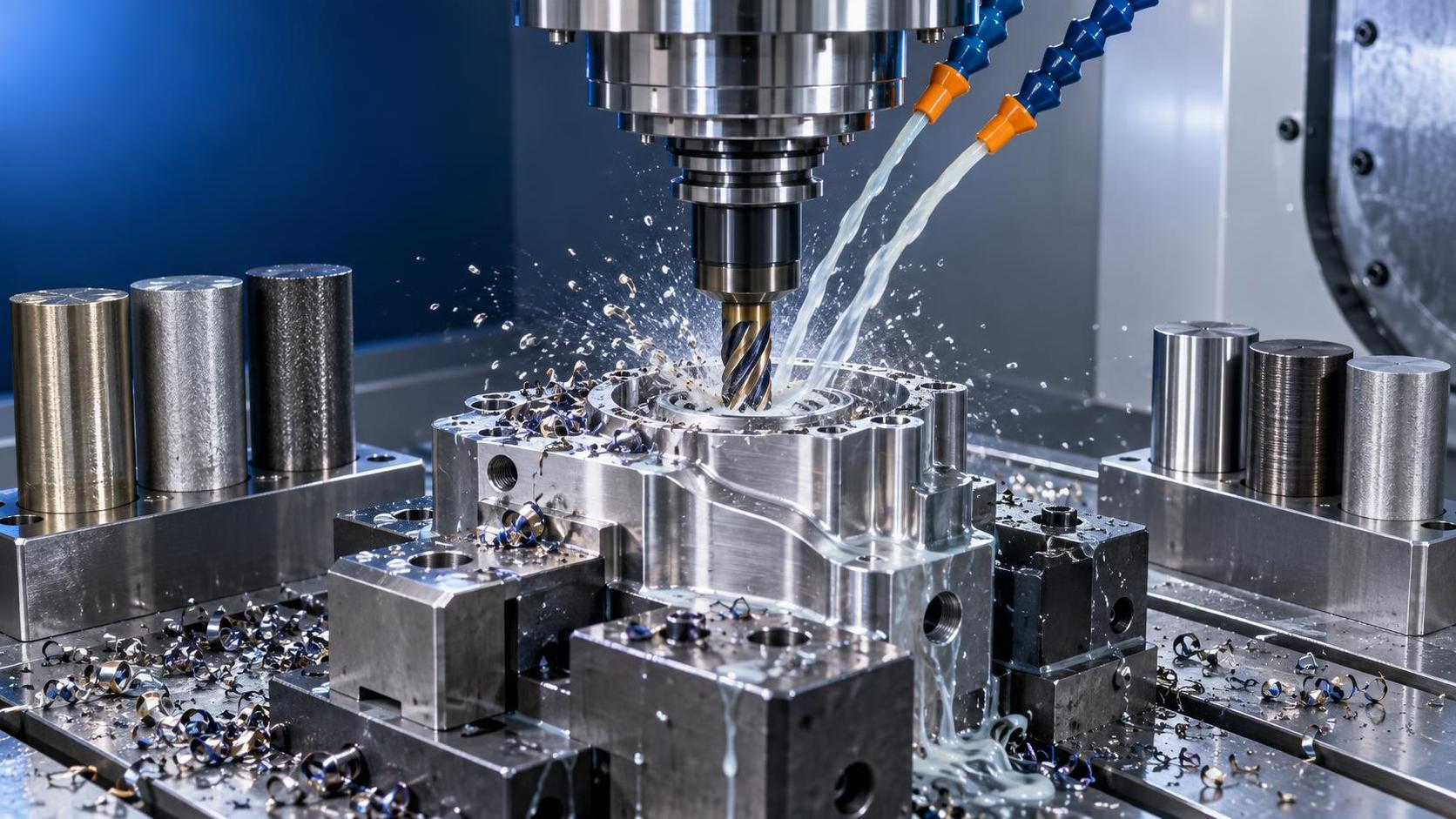
CNC milling uses rotating tools to cut stationary or indexed workpieces. It is widely used for pockets, slots, contours, mounting faces, and structural parts with non-rotational geometry.
Three-axis milling handles many standard parts. Four-axis and five-axis systems support more complex forms, fewer setups, and better access to deep or angled features.
Drilling, tapping, and boring
Holemaking often decides assembly performance. Drilling creates the initial hole, tapping adds threads, and boring improves size accuracy and roundness when tighter fits are required.
In many applications, hole quality matters more than external shape because alignment, fastening strength, and sealing surfaces depend on it.
Multi-axis machining
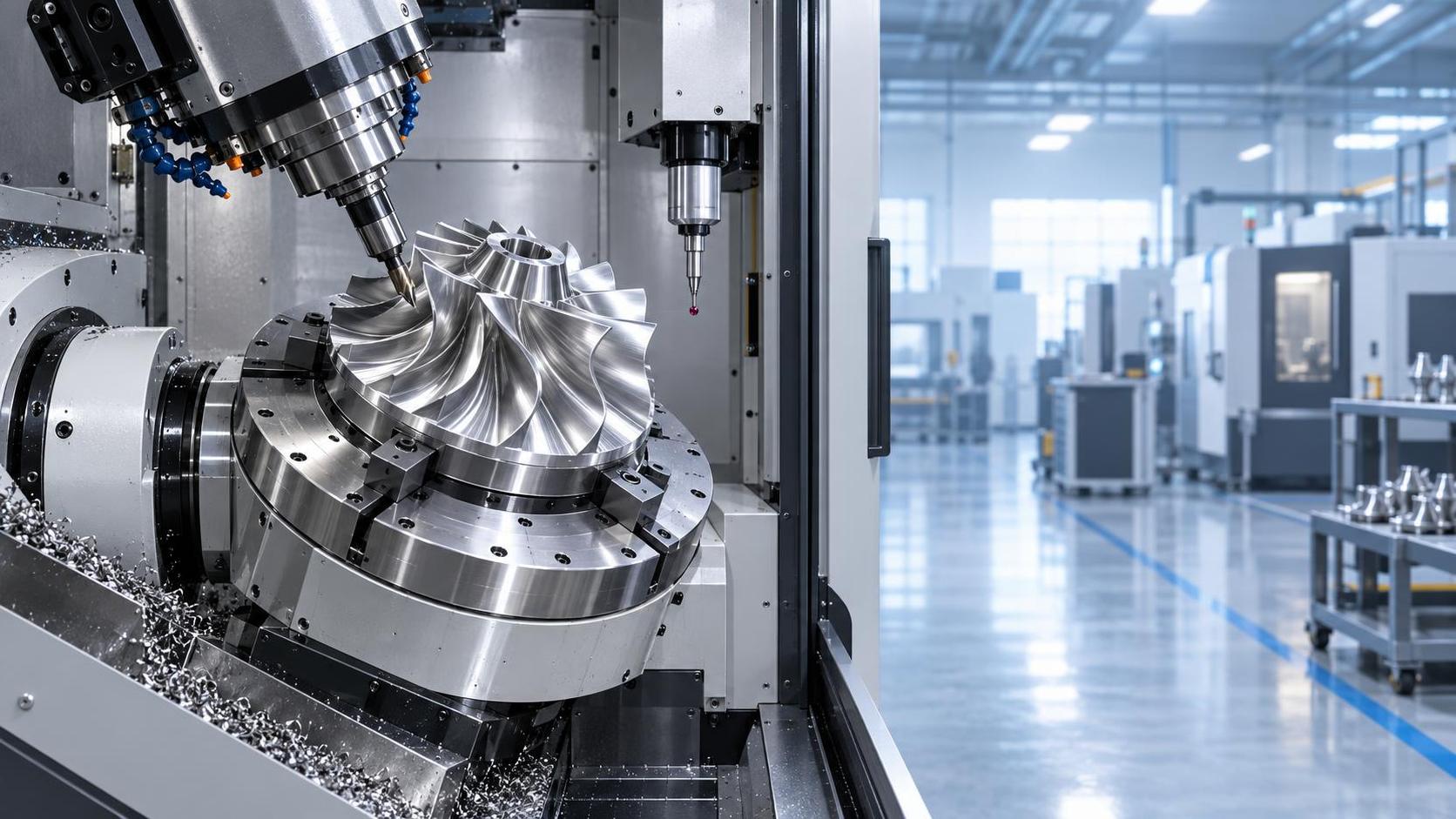
Multi-axis CNC technology is important for aerospace, energy equipment, molds, and complex medical or electronics parts. It reduces repositioning, improves surface continuity, and can shorten total production time.
Still, it does not automatically guarantee better outcomes. Programming complexity, collision risk, machine calibration, and operator capability become much more critical.
Accuracy limits are real, and they are process-dependent
One common misunderstanding is that CNC technology always delivers extreme precision. In reality, achievable accuracy depends on machine condition, material behavior, tool wear, geometry, setup rigidity, and inspection method.
Machine catalog values and actual shop-floor results are not the same thing. Positioning accuracy in an ideal test environment may differ from tolerance capability during long production runs.
Usually, tighter tolerances increase cycle time, scrap risk, and inspection effort. That means the best result is not the smallest number on paper. It is the tolerance level that matches function, cost, and production scale.
A practical reading of CNC technology starts with that limit awareness. High precision is possible, but only when the whole process chain supports it.
Why material fit changes everything
Material choice is often discussed as a design issue, but it is equally a machining issue. In CNC technology, the same geometry can behave very differently in aluminum, stainless steel, titanium, engineering plastics, or hardened alloys.
Aluminum is generally easier to machine and supports faster cutting speeds. It is common in automotive, electronics, and lightweight structural applications where throughput matters.
Stainless steel offers corrosion resistance and strength, but it can generate more heat and tool wear. Titanium adds value in aerospace and high-performance sectors, though it requires careful thermal control and conservative machining parameters.
Plastics may seem simple, yet they present their own issues. Some deform under clamping pressure, absorb moisture, or leave burrs that change fit and appearance.
Material fit is not only about machinability
- Mechanical performance must match the end-use load, temperature, and environment.
- Surface finish expectations may require different tools or secondary operations.
- Part geometry can amplify stress, chatter, or distortion in difficult materials.
- Availability and price volatility can affect long-term production decisions.
This is where CNC technology connects directly to business judgment. A material that looks ideal in design software may create hidden cost in tooling, cycle time, scrap, and inspection.
Where CNC technology creates the most value
The value of CNC technology becomes clearer when viewed by production context rather than by machine category alone. It supports both high-mix precision work and scaled manufacturing, but the reasons differ.
In automotive production, repeatability and takt time are key. In aerospace, traceability, complex geometry, and hard materials are often the main concern. In electronics, miniature features and cosmetic consistency may dominate decision-making.
Energy equipment adds another dimension because large parts, safety-critical surfaces, and long service life raise the standard for machining stability. Across all of these sectors, CNC technology supports a common goal: predictable manufacturing at industrial scale.
More recently, its value also comes from digital integration. Connected machine tools, production monitoring, and automated handling help reduce downtime and improve planning accuracy across flexible production lines.
What to evaluate before drawing conclusions
When comparing CNC options or reviewing a machining strategy, a few questions matter more than broad claims about speed or precision.
- Is the target tolerance tied to function, or is it tighter than necessary?
- Does the material support the required finish, strength, and machining efficiency?
- Can the part be completed in fewer setups to reduce variation?
- Are tooling life, fixture rigidity, and thermal effects being measured realistically?
- Does the process scale from prototype to volume without major redesign?
These checks help separate marketing language from usable process understanding. They also make it easier to compare machine capability, application fit, and total production cost on the same basis.
A practical way to read the market
The global CNC machine tool sector is moving toward higher automation, better control systems, and deeper software integration. That trend matters because production decisions increasingly depend on data flow as much as spindle power.
For anyone tracking CNC technology, the useful next step is to connect three layers: process capability, material behavior, and production economics. Looking at only one layer often leads to misleading conclusions.
A stronger evaluation starts by mapping part requirements, then checking realistic tolerance windows, machine configuration, and material response under actual cutting conditions. From there, it becomes easier to compare suppliers, technologies, and automation paths with more confidence.
That approach turns CNC technology from a broad industry term into a clearer decision framework for future research, sourcing reviews, and production planning.
Recommended for You
 How to Specify a CNC Lathe for High-Volume Automotive Shaft ProductionCNC Machining Technology Center
 How Automated Precision Machining Maintains Tolerance in High-Mix ProductionCNC Machining Technology Center
 How to Evaluate a Machine Tool Factory Before Sourcing CNC EquipmentGlobal Machine Tool Trade Research Center
 CNC Programming Explained: From CAD Models to Reliable Shop-Floor ToolpathsCNC Machining Technology Center
 How Multi-Axis Machining Produces Complex Components With Fewer SetupsCNC Machining Technology Center
 Which Metals Are Hardest to Machine With Standard Tools?CNC Machining Technology Center



Aris Katos
Future of Carbide Coatings
15+ years in precision manufacturing systems. Specialized in high-speed milling and aerospace grade alloy processing.
▶
How Automated Precision Machining Maintains Tolerance in High-Mix ProductionCNC Machining Technology Center▶
CNC Programming Explained: From CAD Models to Reliable Shop-Floor ToolpathsCNC Machining Technology Center▶
How Multi-Axis Machining Produces Complex Components With Fewer SetupsCNC Machining Technology Center▶
How Much Does CNC Programming Software Cost in 2026?CNC Machining Technology Center▶
CNC Machining Explained: Processes, Tolerances, and Parts It Can ProduceCNC Machining Technology Center
Mastering 5-Axis Workholding Strategies
Join our technical panel on Nov 15th to learn about reducing vibrations in thin-wall components.

Providing you with integrated sanding solutions
Before-sales and after-sales services
Comprehensive technical support