• Global CNC market projected to reach $128B by 2028 • New EU trade regulations for precision tooling components • Aerospace deman
NYSE: CNC +1.2%LME: STEEL -0.4%

Metal Processing Methods Explained: Cutting, Forming, Casting, and When to Use Each
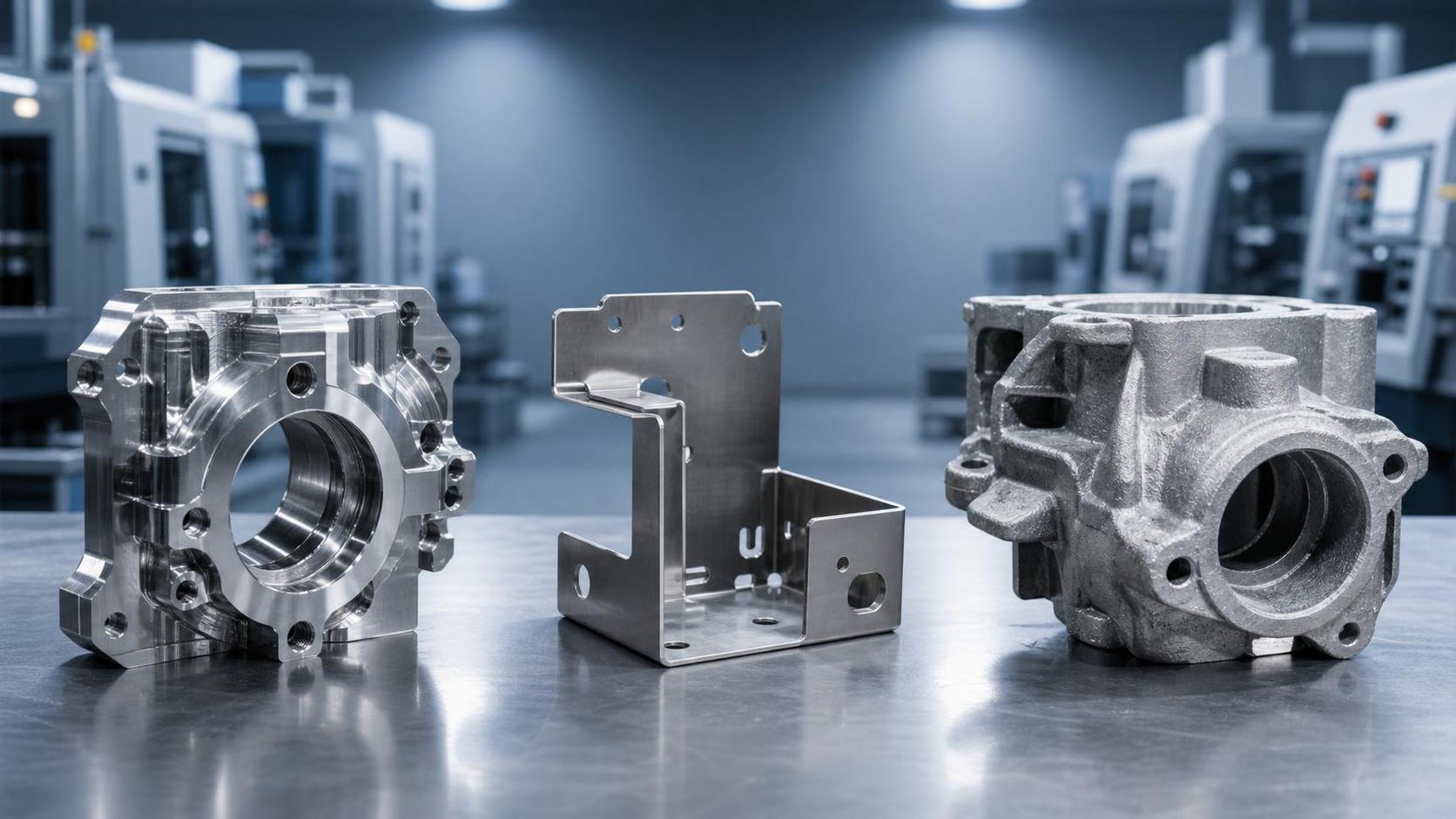
Why does Metal Processing selection matter so much in modern manufacturing?
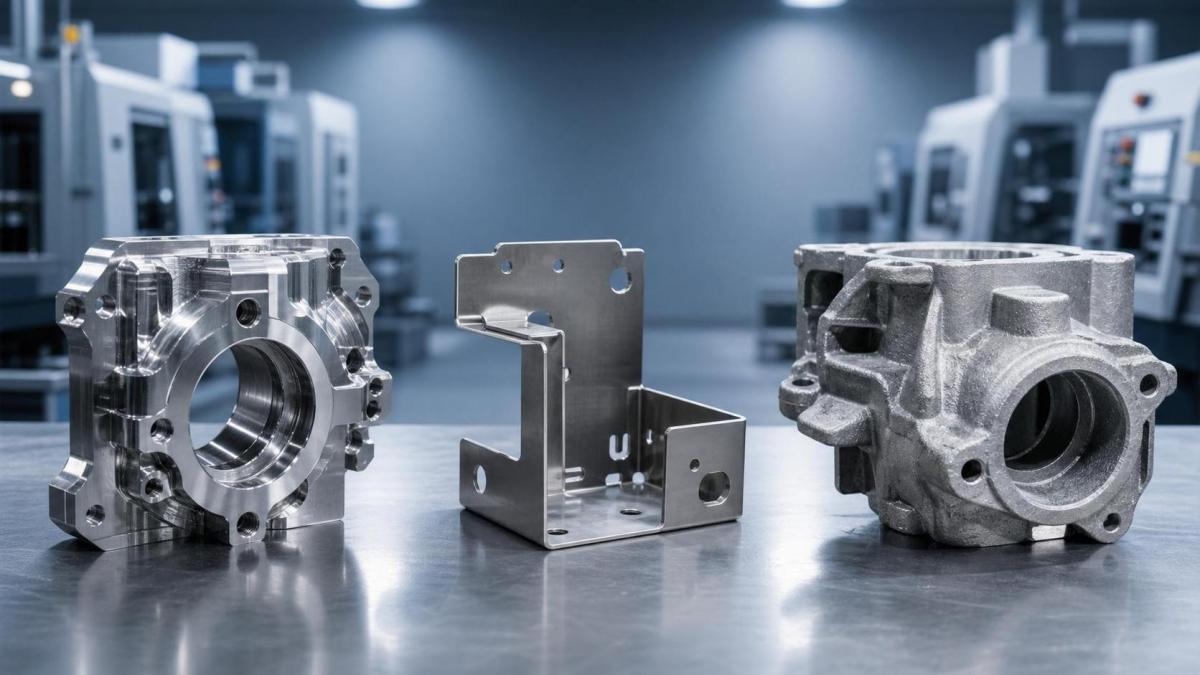
Metal Processing sits behind almost every industrial product, from motor housings to turbine parts and precision shafts.
The choice is rarely about one “best” process. It is about fit.
Part geometry, alloy behavior, surface finish, tolerance targets, and batch size all change that decision.
In practical terms, a simple bracket may favor forming, while a multi-axis structural component may require extensive cutting.
That is why Metal Processing is closely tied to the CNC machine tool sector.
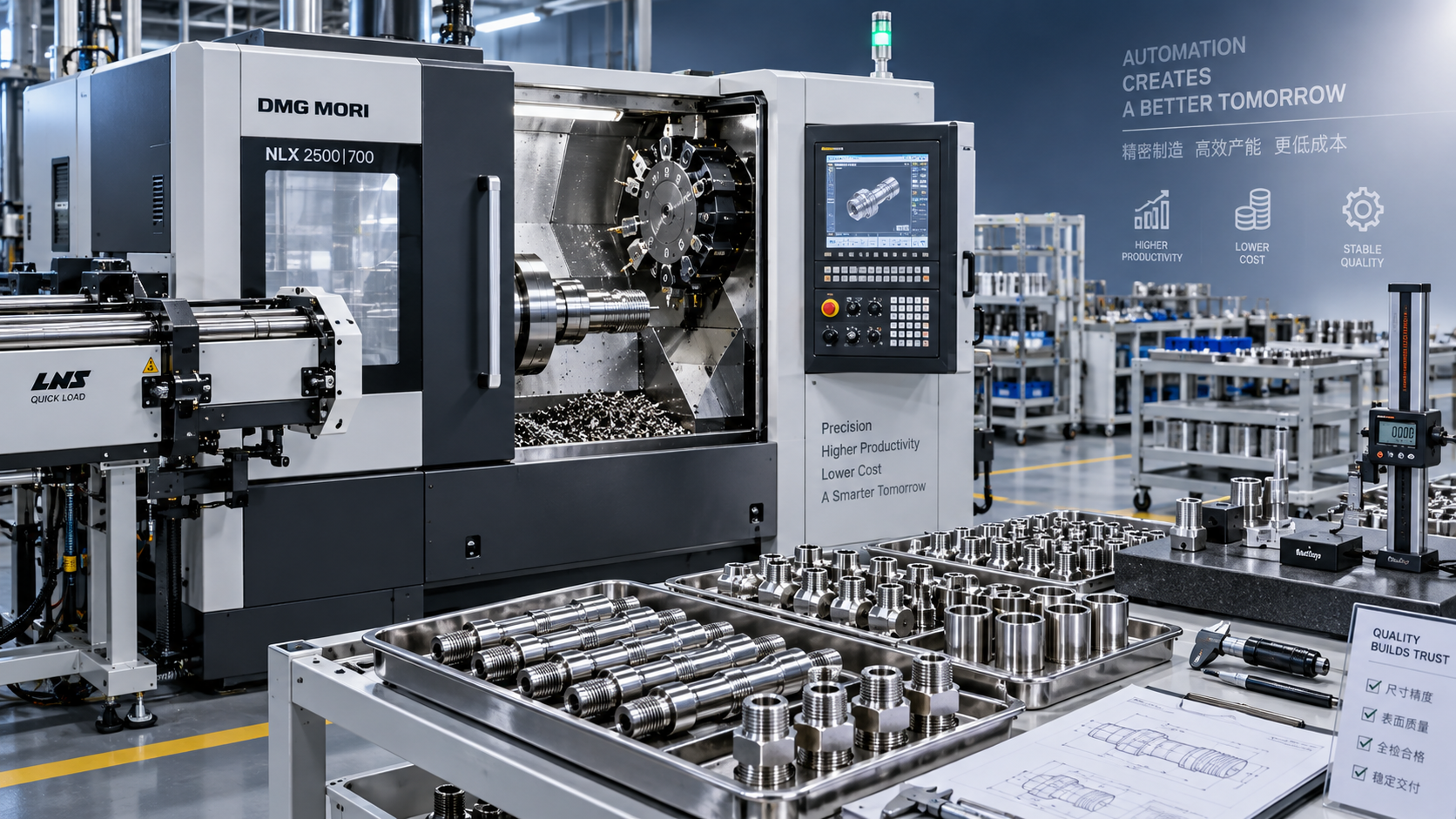
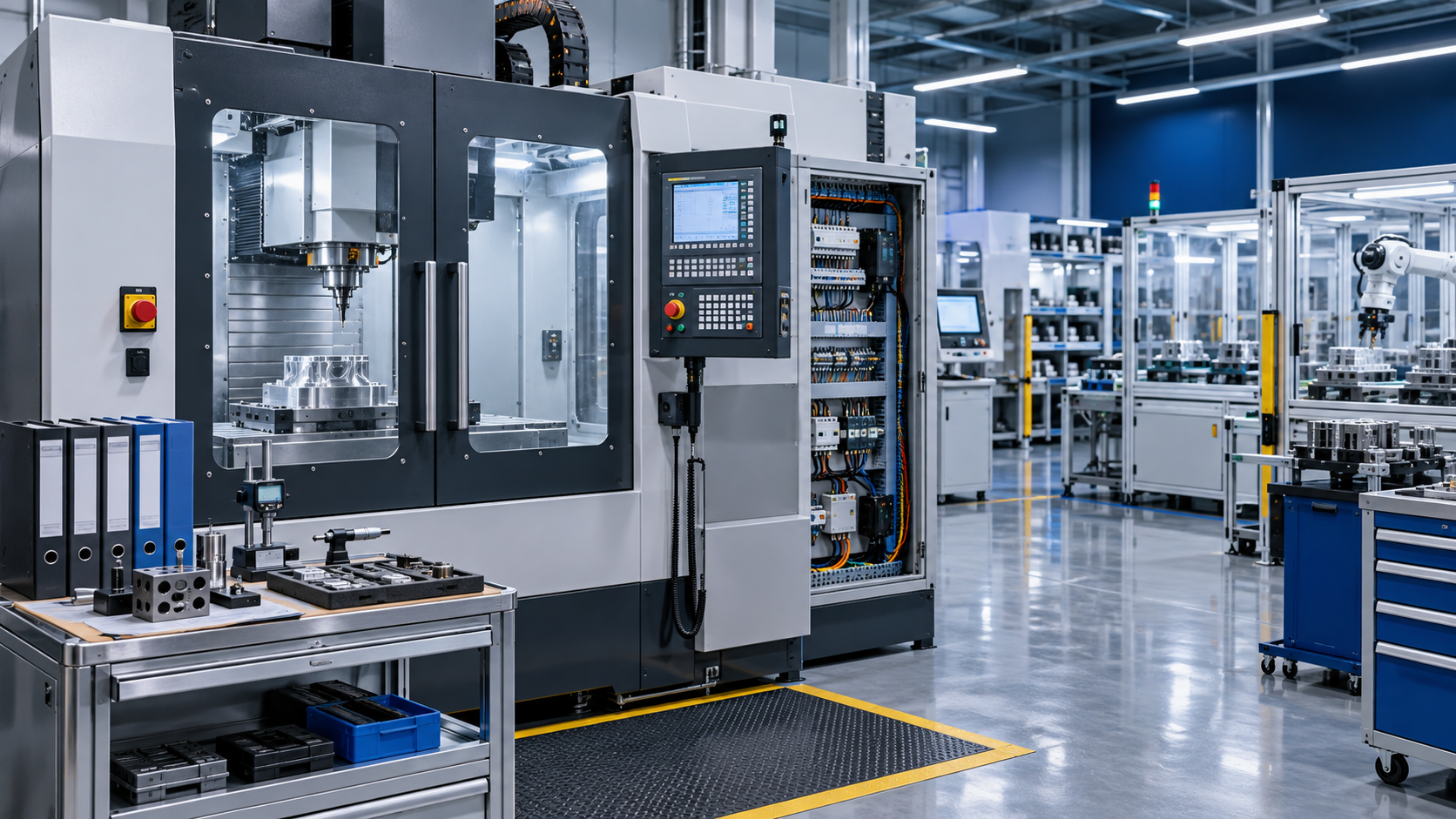
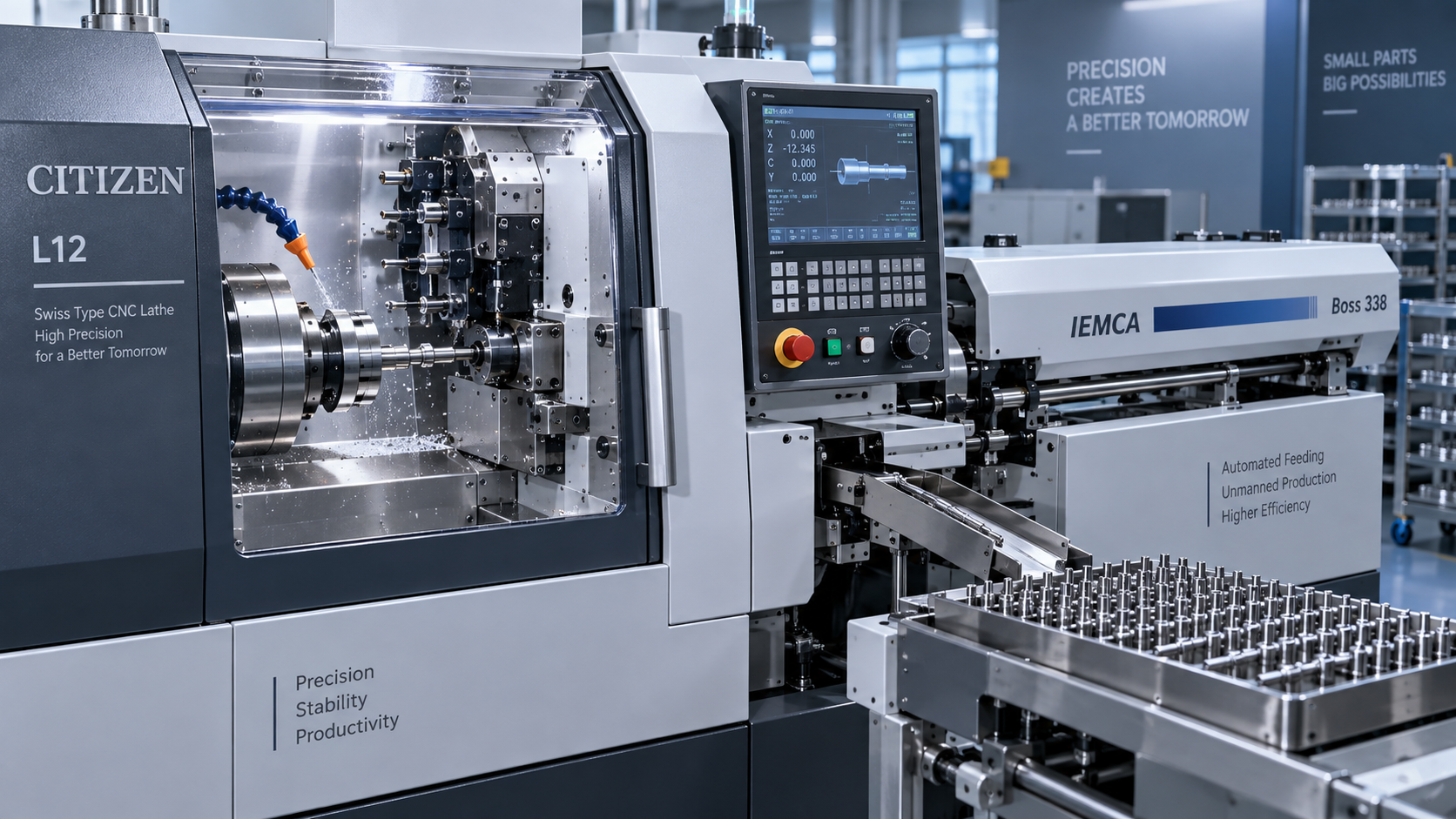
CNC lathes, machining centers, and automated production lines have made high-precision, repeatable manufacturing far more achievable across industries.
Automotive, aerospace, electronics, and energy equipment all depend on process choices that balance accuracy, cost, and throughput.
A useful starting point is simple: cutting removes material, forming reshapes material, and casting solidifies molten metal in a mold.
Each route solves a different manufacturing problem, and each introduces its own risks.
What exactly separates cutting, forming, and casting?
The difference starts with how the final shape is created.
Cutting removes unwanted material using tools, abrasives, or thermal energy.
Typical examples include turning, milling, drilling, grinding, laser cutting, and wire EDM.
This branch of Metal Processing is often chosen when dimensions are tight and geometry is complex.
Forming changes shape without intentionally removing much material.
Rolling, stamping, bending, forging, and extrusion all belong here.
Forming is often efficient for repeatable shapes, especially when material utilization matters.
Casting starts with molten metal, which is poured or injected into a cavity and allowed to solidify.
Sand casting, investment casting, and die casting serve different levels of precision, finish, and production volume.
A common misunderstanding is to treat these methods as competitors in every case.
More often, they work together.
A cast or forged blank may still need CNC cutting to achieve final dimensions and functional surfaces.
A quick comparison helps narrow the choice
This comparison is not a final answer, but it usually reveals the right direction early.
When is cutting the better Metal Processing method?
Cutting becomes the preferred route when the part must be exact.
That includes bearing seats, sealing surfaces, threaded features, precision bores, and complex multi-face components.
In CNC-driven environments, cutting is especially valuable because digital control supports repeatability and process traceability.
It also handles design changes better than hard tooling processes.
If a drawing changes, a program update is often easier than replacing dies or molds.
This matters in prototyping, low-to-medium volumes, and technical validation work.
Still, cutting is not automatically the most economical choice.
If too much stock must be removed, machining time rises, tool wear increases, and scrap grows.
A better strategy is often to start from a casting, forging, or extruded profile, then machine only critical surfaces.
That hybrid approach is now common in smart factories and flexible production lines.
Questions worth asking before defaulting to machining
- Are the tight tolerances functional, or just inherited from an old drawing?
- Can a near-net blank reduce cycle time?
- Will surface integrity matter more than nominal size alone?
- Is the production volume stable enough to justify dedicated tooling instead?
Where do forming and casting make more sense?
Forming and casting are often better choices when volume, shape efficiency, or material flow dominate the decision.
Forming works well for sheet metal brackets, frames, covers, and structural profiles.
Forging, in particular, improves grain flow and can deliver stronger parts for shafts, gears, and load-bearing components.
Casting becomes attractive when the geometry includes internal passages, thick-to-thin transitions, or shapes difficult to machine economically from solid stock.
Pump bodies, valve housings, machine bases, and many aluminum enclosures follow this logic.
In actual Metal Processing decisions, the tipping point is often production volume.
A stamped part may have high initial die cost, but unit cost drops sharply once volumes rise.
A die-cast part may also reduce secondary operations if the mold supports near-net detail.
The trade-off is that design flexibility becomes lower after tooling is released.
That is why stable products favor forming or casting more than frequently revised ones.
A practical rule of thumb
If strength from grain flow matters, look harder at forging or rolling.
If internal complexity matters, investigate casting first.
If final accuracy matters most, keep CNC cutting in the plan, even if only as a finishing step.
How should you compare cost, lead time, and risk before choosing?
This is where Metal Processing decisions become more technical and less intuitive.
A low unit price does not always mean a lower total cost.
Tooling investment, inspection effort, process capability, scrap exposure, and schedule risk all need attention.
For example, casting may lower raw material waste, but defects such as porosity or shrinkage can create downstream problems.
Forming may be extremely fast, yet die tuning and springback control can delay launch.
Cutting may have longer machine time, but validation is often more predictable.
A useful evaluation table helps keep those factors visible.
In global supply chains, lead time also depends on tooling capacity, machine availability, and regional expertise.
Strong industrial clusters in China, Germany, Japan, and South Korea often influence which Metal Processing route is most practical.
What mistakes cause poor Metal Processing decisions?
One common mistake is selecting a process from the drawing alone.
The real requirement may be functional alignment, fatigue strength, leak resistance, or cosmetic consistency.
Another mistake is ignoring the blank strategy.
A poorly chosen starting shape can make machining expensive or make forming unstable.
There is also a tendency to underestimate secondary operations.
Deburring, heat treatment, stress relief, straightening, surface coating, and final inspection may change the economics completely.
For precision manufacturing, digital integration matters too.
If a process is difficult to monitor, automate, or trace, quality risk can rise even when the part looks cheaper on paper.
- Do not compare methods without defining critical features first.
- Do not judge cost without scrap, tooling, and finishing data.
- Do not assume near-net shape means near-final quality.
- Do not overlook inspection capability for hidden defects or tight geometry.
So how do you decide what to use next?
A solid Metal Processing decision usually comes from narrowing the requirement in stages.
Start with the function of the part, not the preferred process.
Then confirm the material, expected volume, geometric complexity, and the surfaces that truly need precision.
After that, compare at least two realistic routes, including any hybrid option.
In many cases, the strongest answer is not cutting versus forming versus casting.
It is a controlled combination of them, supported by CNC finishing and automated quality control.
That approach reflects where the manufacturing sector is heading: higher precision, better automation, and tighter digital feedback.
For the next evaluation, build a short checklist around four points: required tolerances, annual volume, blank type, and risk of design change.
That simple discipline will make Metal Processing choices more consistent, more explainable, and easier to validate before production commitment.
Recommended for You
 Zero-Point Clamping or Modular Fixtures? Choosing a Faster CNC Changeover SystemCNC Machining Technology Center
 How to Cut CNC Fixture Changeover Time Without Sacrificing Part AccuracyCNC Machining Technology Center
 When Does CNC Turning Pay Off? A Break-Even Guide by Annual Part VolumeMachine Tool Industry Editorial Team
 Machine Tool Standards by Country: What Importers Must Verify Before PurchaseManufacturing Policy Research Center
 CNC Lathe Quick Installation Guide: Alignment Checks Before First Production RunCNC Machining Technology Center
 How to Select a CNC Lathe for Small Parts Without Sacrificing Accuracy or Cycle TimeCNC Machining Technology Center

Aris Katos
Future of Carbide Coatings
15+ years in precision manufacturing systems. Specialized in high-speed milling and aerospace grade alloy processing.
▶
How Automated Precision Machining Maintains Tolerance in High-Mix ProductionCNC Machining Technology Center▶
CNC Programming Explained: From CAD Models to Reliable Shop-Floor ToolpathsCNC Machining Technology Center▶
How Multi-Axis Machining Produces Complex Components With Fewer SetupsCNC Machining Technology Center▶
How Much Does CNC Programming Software Cost in 2026?CNC Machining Technology Center▶
CNC Machining Explained: Processes, Tolerances, and Parts It Can ProduceCNC Machining Technology Center
Mastering 5-Axis Workholding Strategies
Join our technical panel on Nov 15th to learn about reducing vibrations in thin-wall components.

Providing you with integrated sanding solutions
Before-sales and after-sales services
Comprehensive technical support