• Global CNC market projected to reach $128B by 2028 • New EU trade regulations for precision tooling components • Aerospace deman
NYSE: CNC +1.2%LME: STEEL -0.4%

What Is CNC Metalwork? Processes, Materials, and Parts It Is Best For
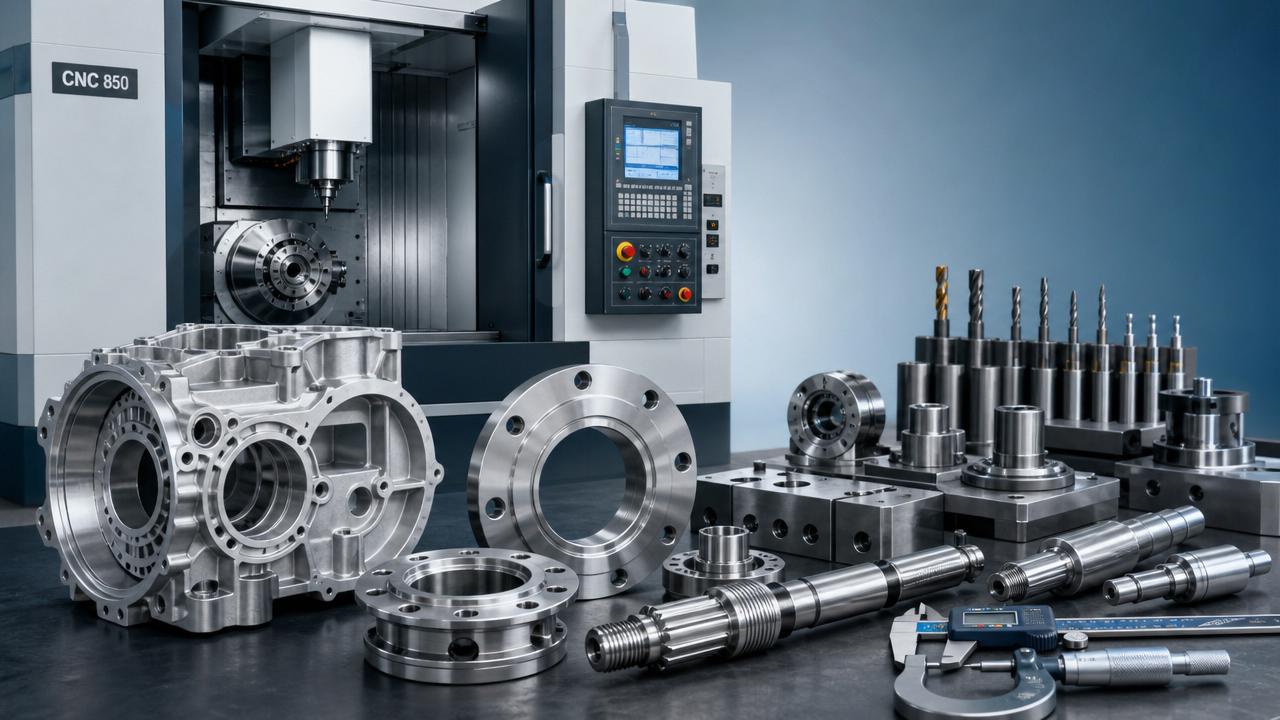
CNC metalwork sits near the center of modern manufacturing because it turns digital designs into precise metal components with repeatable results. It matters not only for speed and tolerance control, but also for how today’s factories balance automation, complexity, and global supply demands across automotive, aerospace, electronics, and energy equipment.
When people ask what CNC metalwork is, they are usually asking more than a definition. They want to know which processes are involved, which metals perform best, and which part geometries justify CNC machining instead of casting, stamping, or manual fabrication.
Why CNC metalwork draws so much attention
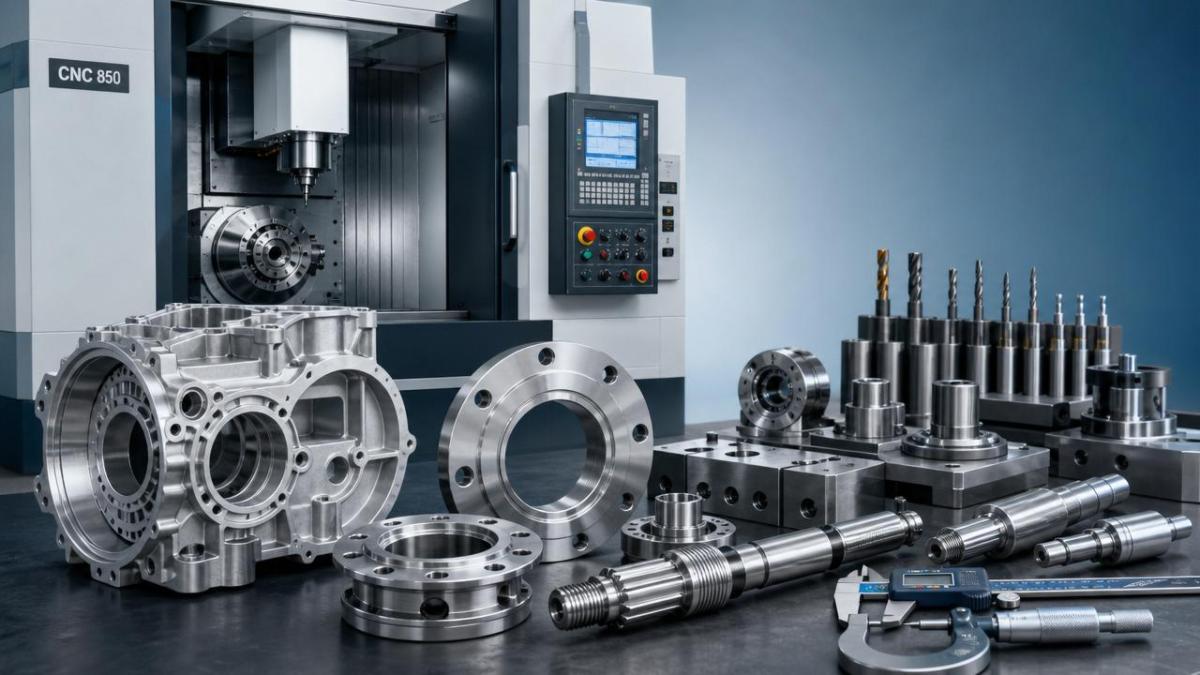
The broader machine tool industry is moving toward tighter precision, higher automation, and stronger digital integration. CNC metalwork fits this shift well because it connects CAD data, programmable machine motion, tooling strategy, and inspection into one controlled workflow.
That is especially relevant in sectors where dimensional accuracy affects fit, safety, or downstream assembly. A small tolerance error in a shaft, housing, flange, or structural bracket can create vibration, leakage, premature wear, or assembly delays.
Another reason for interest is flexibility. A CNC lathe, machining center, or multi-axis system can support prototypes, pilot runs, and stable production without changing the basic manufacturing logic. This makes CNC metalwork useful in both custom and scaled environments.
What CNC metalwork really includes
In simple terms, CNC metalwork refers to metal fabrication and machining operations controlled by computer numerical instructions. The machine follows programmed toolpaths to remove material, shape surfaces, drill features, and hold tolerances that would be difficult to maintain manually.
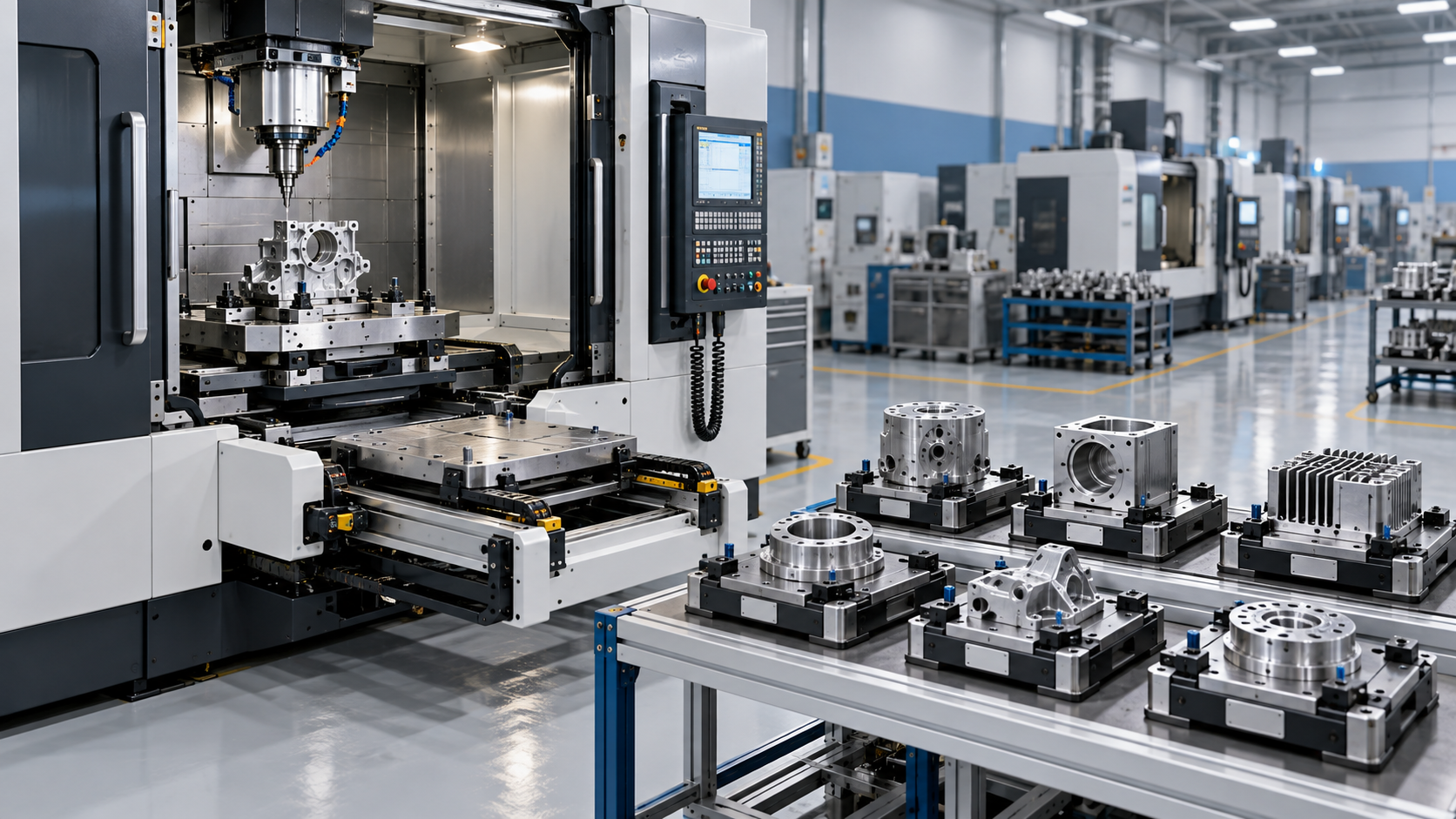
It often includes subtractive processes such as turning, milling, drilling, boring, tapping, and grinding. In practical production, CNC metalwork also depends on fixtures, cutting tools, toolholders, coolant strategy, and measurement systems.
So the value is not only the machine itself. It comes from the full process chain, from part programming and setup to inspection and repeatability across batches.
The main process families
Different CNC metalwork methods suit different shapes and performance targets.
- Turning works best for cylindrical parts such as shafts, pins, bushings, threads, and precision discs.
- Milling handles flat surfaces, pockets, slots, contours, and complex 3D forms on blocks or irregular parts.
- Drilling and tapping create holes, threads, and mounting features needed for assembly.
- Boring improves hole diameter accuracy and surface quality after drilling.
- Grinding is often used when very fine finishes or close dimensional control are required.
Multi-axis machining expands what CNC metalwork can do in one setup. It reduces re-clamping, improves positional consistency, and helps produce intricate components with angled surfaces or compound geometries.
Common metals and how they affect results
Material choice changes everything in CNC metalwork, from spindle load and tool wear to chip control and final surface condition. The best material is not always the strongest one. It has to match function, budget, and manufacturability.
Aluminum is often chosen when weight matters and cycle times need to stay efficient. Stainless steel is common when corrosion resistance is central. Titanium offers performance benefits, but CNC metalwork costs usually rise because machining is slower and tooling demands are higher.
Material choice is also a process decision
A design may look simple on paper, yet become difficult if the selected metal work-hardens, distorts under heat, or creates long chips. That is why experienced CNC metalwork planning considers geometry and material together, not as separate decisions.
Which parts are best suited for CNC metalwork
CNC metalwork is especially strong when a part needs precision, repeatability, and stable geometry. It is not always the cheapest choice for every component, but it is often the best choice for parts where dimensional reliability matters.
Typical examples include shafts, bearing seats, valve bodies, pump components, manifolds, mounting brackets, enclosures, tooling plates, heat-dissipation parts, and structural pieces with critical hole locations.
It also works well for parts that combine several features in one body. A machined housing may need threaded holes, sealing faces, alignment features, and tight pocket depths. CNC metalwork handles this better than processes that depend on secondary operations.
Where CNC metalwork may be less ideal
Very high-volume parts with simple geometry may be cheaper through stamping, die casting, or forging once tooling cost is justified. Large welded fabrications may also rely on CNC metalwork only for finishing-critical surfaces rather than full material removal.
This is why part quantity, tolerance level, and feature complexity should be reviewed together before choosing the process route.
How industry trends are changing CNC metalwork
CNC metalwork is no longer just about machine capability. Digital integration now shapes quoting, programming, scheduling, tool monitoring, and quality control. In many plants, machining data is linked with automated handling, robotic loading, and flexible production lines.
This matters because global manufacturing is asking for shorter lead times and more variation at the same time. Smart factories respond by reducing manual handoffs and improving visibility across the production chain.
Industrial clusters in China, Germany, Japan, and South Korea have reinforced this momentum. Their machine tool ecosystems support faster innovation in spindles, controls, fixtures, tooling, and metrology, all of which raise the practical ceiling of CNC metalwork.
What to evaluate before using CNC metalwork
A useful evaluation starts with the part, not the machine. The key question is whether the geometry, tolerance, finish, and material justify CNC metalwork compared with alternative methods.
- Check critical tolerances and decide which surfaces truly need precision.
- Review feature accessibility for tools, especially deep pockets and narrow cavities.
- Match material properties with machining difficulty and expected tool life.
- Estimate batch size, because setup cost matters more on low volumes.
- Consider whether one setup or multi-axis machining can reduce variation.
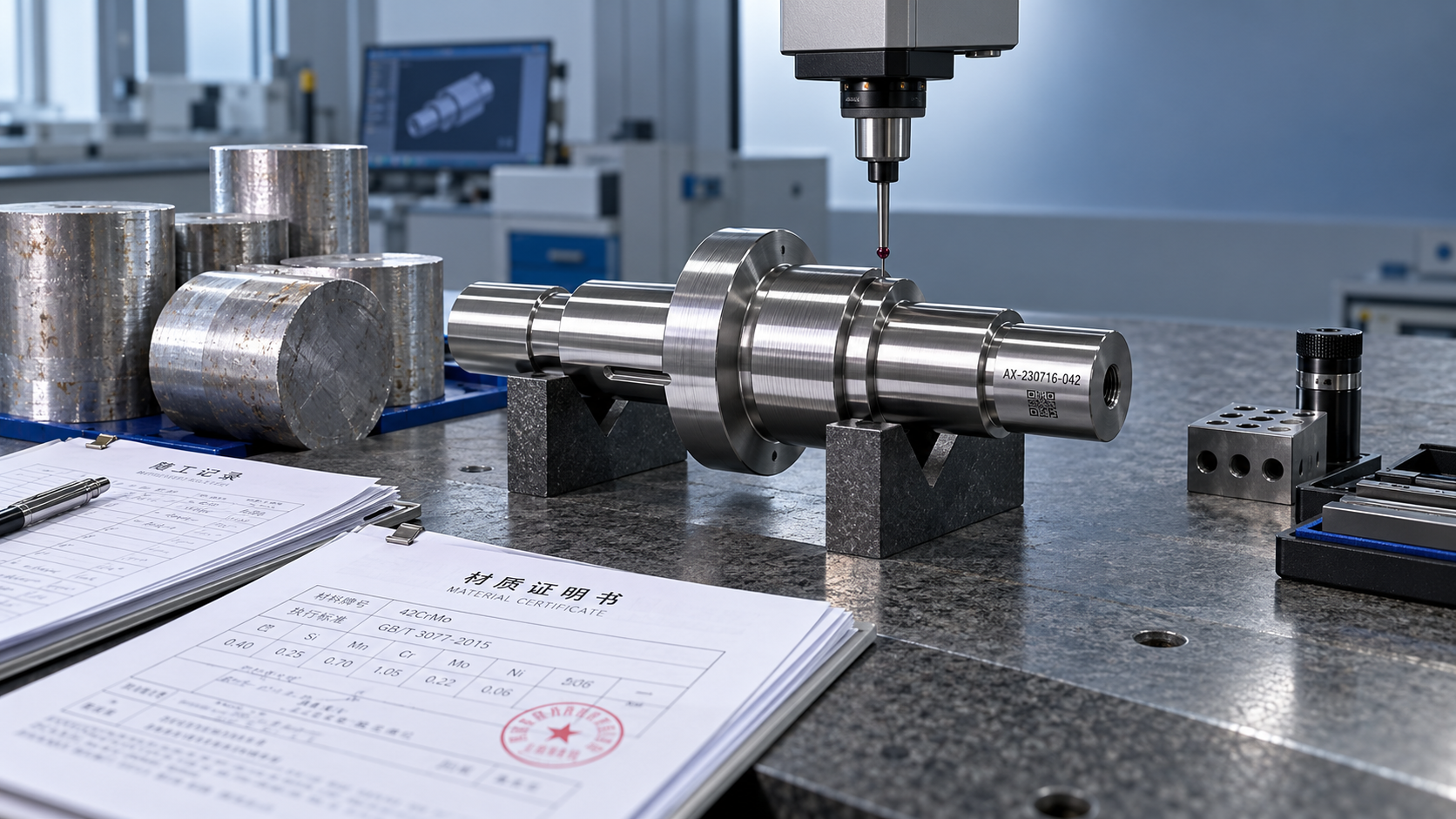
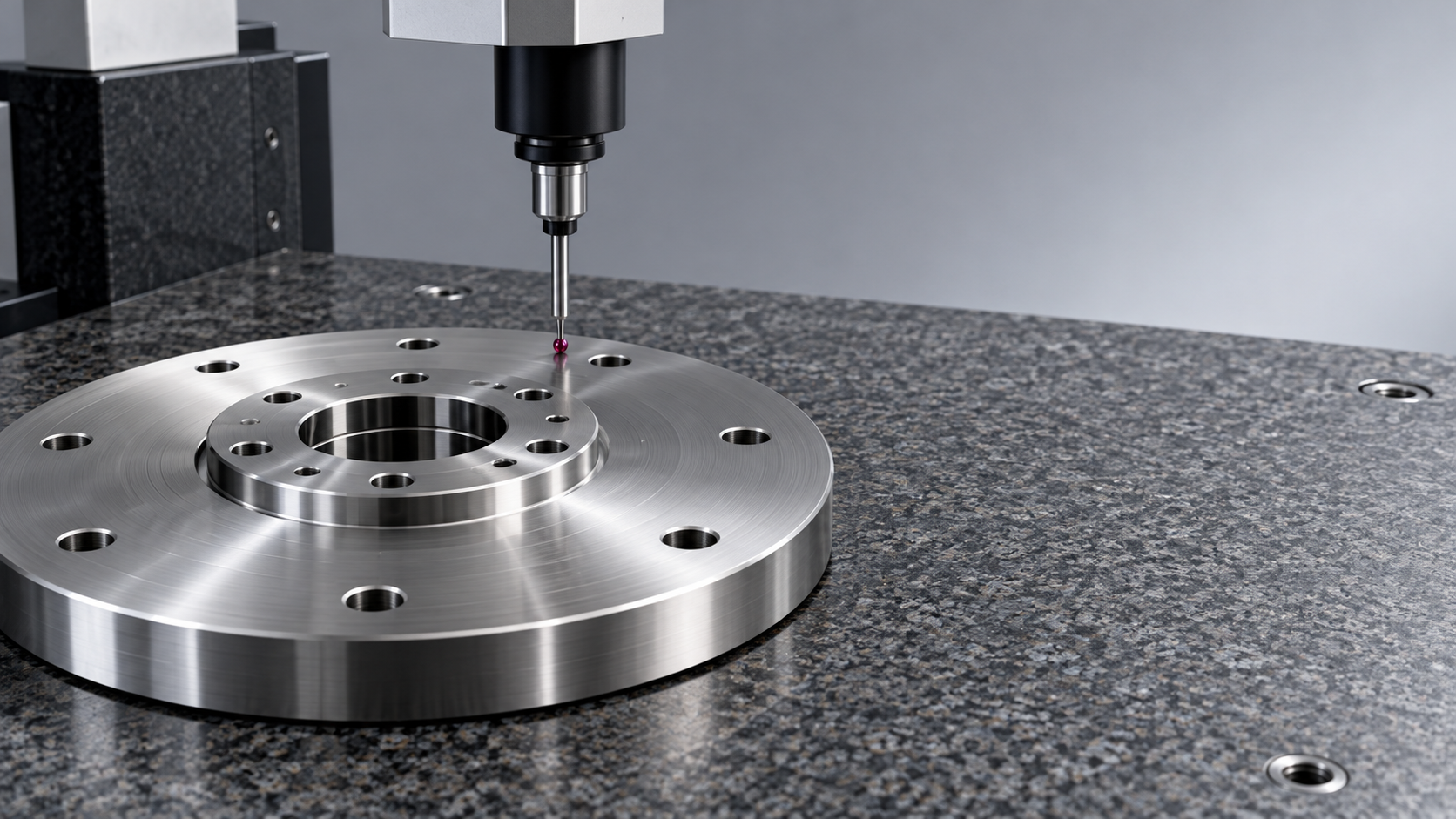
- Plan inspection early for sealing faces, threads, bores, and mating features.
It also helps to separate must-have specifications from preferred ones. Over-tight tolerances and cosmetic requirements can push CNC metalwork cost up without improving part function.
A practical way to move forward
The most effective next step is to compare part requirements against process capability in a structured way. Start with geometry, material, tolerance, finish, and expected volume. Then review whether CNC metalwork is needed for the entire part or only for critical features.
For ongoing research, it is also worth following changes in machine tools, cutting systems, automation, and international supply trends. CNC metalwork continues to evolve with smarter controls, better tooling, and more connected production environments, so the best decision is usually the one grounded in both part-level details and broader manufacturing context.
When those factors are clear, CNC metalwork becomes easier to assess not as a generic process, but as a precise fit for specific parts, performance targets, and production strategies.
Recommended for You
![]() Mitsubishi Electric Announces Physical AI System Linking Humanoid Robots and CNC MachinesMachine Tool Industry Editorial Team
Mitsubishi Electric Announces Physical AI System Linking Humanoid Robots and CNC MachinesMachine Tool Industry Editorial Team Precision Machining for Defense: Supplier Quality and Traceability ChecksManufacturing Market Research Center
![]() Nidec Machine Tool Launches MVR-5X Five-Axis Gantry MachineMachine Tool Industry Editorial Team
Nidec Machine Tool Launches MVR-5X Five-Axis Gantry MachineMachine Tool Industry Editorial Team Choosing a Precision Disc Parts Manufacturer in China: Tolerances and Quality ChecksManufacturing Market Research Center
![]() Siemens Executive Says AI Could Raise Factory Automation to 80%Manufacturing Market Research Center
Siemens Executive Says AI Could Raise Factory Automation to 80%Manufacturing Market Research Center Choosing Automated Machine Tools for High-Mix, Low-Volume ProductionMachine Tool Industry Editorial Team


Aris Katos
Future of Carbide Coatings
15+ years in precision manufacturing systems. Specialized in high-speed milling and aerospace grade alloy processing.
▶
How thermal drift affects accuracy in high-precision manufacturingCNC Machining Technology Center▶
Industrial Machining: Selecting Processes for Tight-Tolerance Metal PartsCNC Machining Technology Center▶
How Does Precision Machining Differ From Standard Machining?CNC Machining Technology Center▶
CNC Precision: Which Tolerances, Materials, and Processes Fit Your Part?CNC Machining Technology Center▶
How to Choose Metal Machining Processes for Tight Tolerances and Production VolumeCNC Machining Technology Center
▶
Mastering 5-Axis Workholding Strategies
Join our technical panel on Nov 15th to learn about reducing vibrations in thin-wall components.

Providing you with integrated sanding solutions
Before-sales and after-sales services
Comprehensive technical support