• Global CNC market projected to reach $128B by 2028 • New EU trade regulations for precision tooling components • Aerospace deman
NYSE: CNC +1.2%LME: STEEL -0.4%

What Matters Most in CNC Manufacturing for Medical Devices
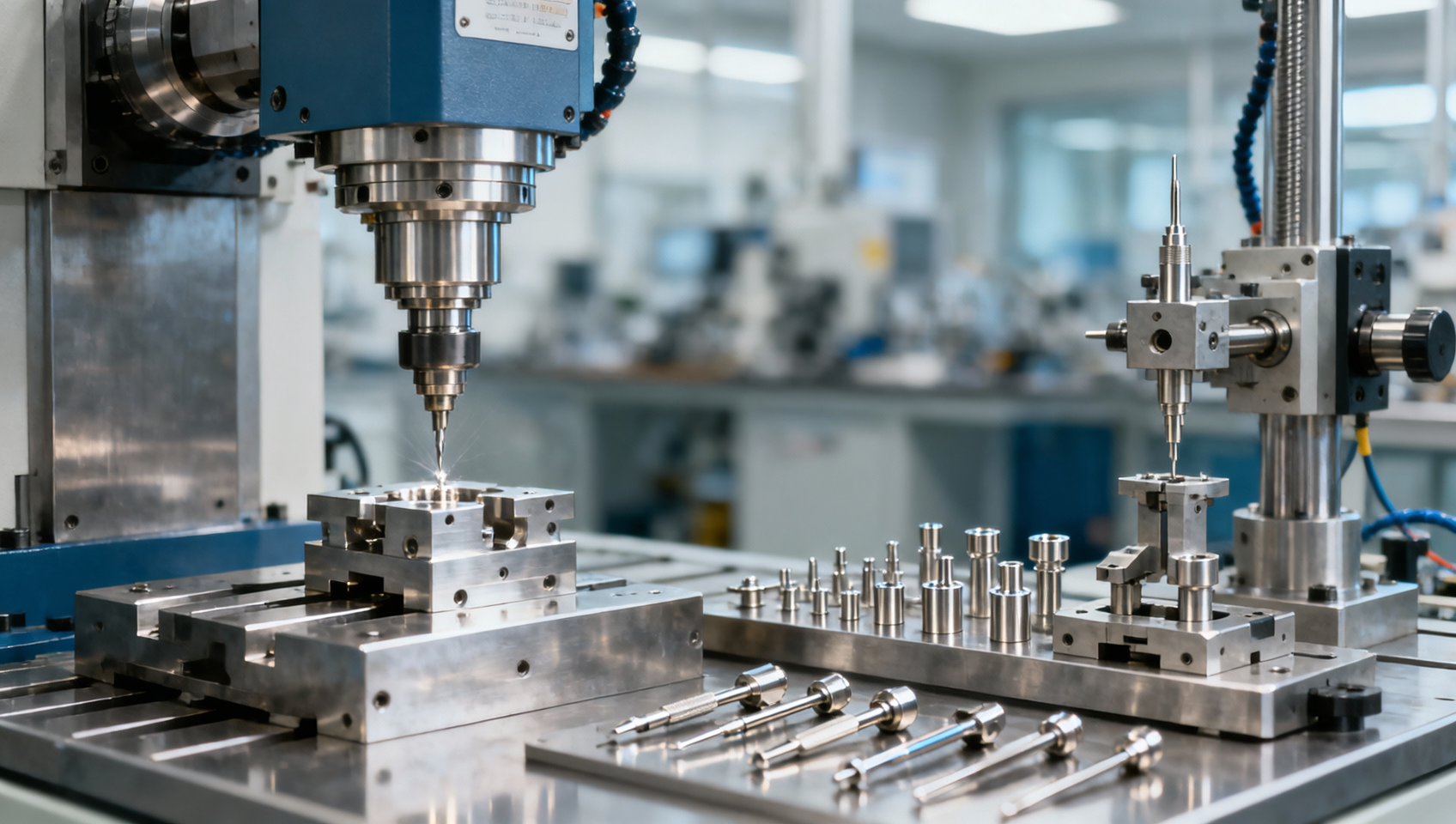
In CNC manufacturing for medical devices, what matters most is the balance between high precision CNC manufacturing, multi-axis CNC manufacturing, and reliable automated CNC manufacturing. From compact machine tool solutions to machine tool for medical device manufacturing, buyers and engineers need cost-effective CNC manufacturing that ensures repeatability, compliance, and fast delivery. This article explores the key factors shaping precision, efficiency, and supplier selection in today’s medical machining market.
Why precision and process stability matter first in medical device CNC manufacturing
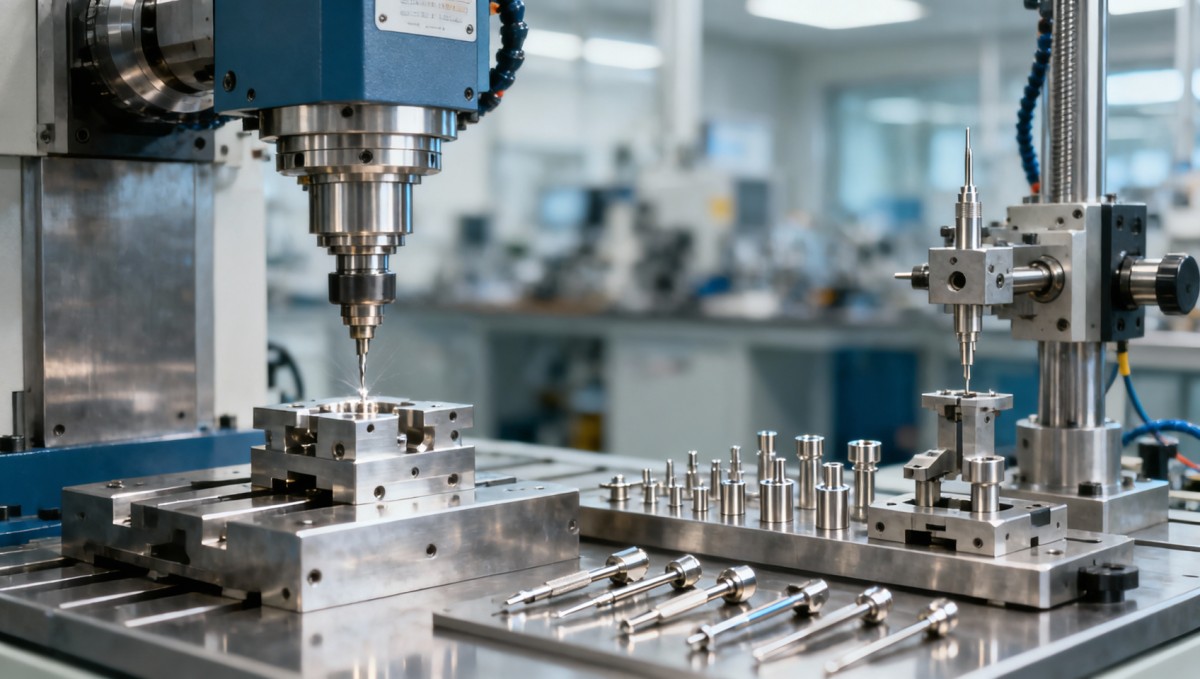
Medical device CNC manufacturing is different from general industrial machining because dimensional variation, surface condition, and documentation often matter as much as throughput. A part can look correct and still fail a clinical, assembly, or sterilization requirement if burrs, tool marks, or edge conditions are not controlled. For procurement teams and decision-makers, this means supplier evaluation should start with process stability, not only unit price.
In practical terms, high precision CNC manufacturing for medical parts usually involves tight tolerance management, repeatable fixturing, and verified inspection routines. Typical critical dimensions may need control within micron-level ranges depending on the component type, while non-critical features may allow wider windows. The key is not promising unrealistic numbers, but matching machine capability, tooling, and inspection methods to the actual function of the device.
For operators, process stability often depends on 3 linked variables: machine rigidity, tool life control, and thermal management over continuous runs. A machine that performs well for 20 parts but drifts after 200 parts creates hidden scrap risk. In medical production, that risk expands into traceability problems, delayed validation, and extra quality review cycles that can add 2–4 weeks to a project timeline.
For information researchers comparing suppliers, the first question should be simple: can the supplier hold repeatability across prototypes, pilot batches, and scheduled production lots? In many cases, repeatability across 3 stages matters more than extreme peak accuracy on a single sample. That is where automated CNC manufacturing, in-process checks, and disciplined work instructions become commercially important.
What buyers should verify before discussing price
- Whether the supplier can explain the relationship between material choice, tolerance stack-up, and machining sequence for stainless steel, titanium, aluminum, or engineering plastics.
- Whether inspection planning includes first article verification, in-process checks, and final dimensional confirmation for critical features.
- Whether the CNC machine tool setup is suited to low-volume, high-mix medical production or only optimized for general batch machining.
- Whether change control, revision tracking, and production records can support regulated supply chains without slowing delivery.
These checks help narrow down suppliers that understand machine tool for medical device manufacturing as a controlled process rather than a simple metal-cutting job. In a market moving toward higher automation and digital integration, stable process capability is often the real differentiator.
Which technical capabilities have the biggest impact on part quality and delivery
The most important technical decision is selecting the right machining approach for the geometry, material, and batch size. Not every part needs 5-axis machining, but many medical components benefit from multi-axis CNC manufacturing because it reduces secondary setups, improves feature alignment, and lowers cumulative positioning error. For complex housings, implant tools, and minimally invasive instrument parts, fewer re-clamp steps often mean lower risk.
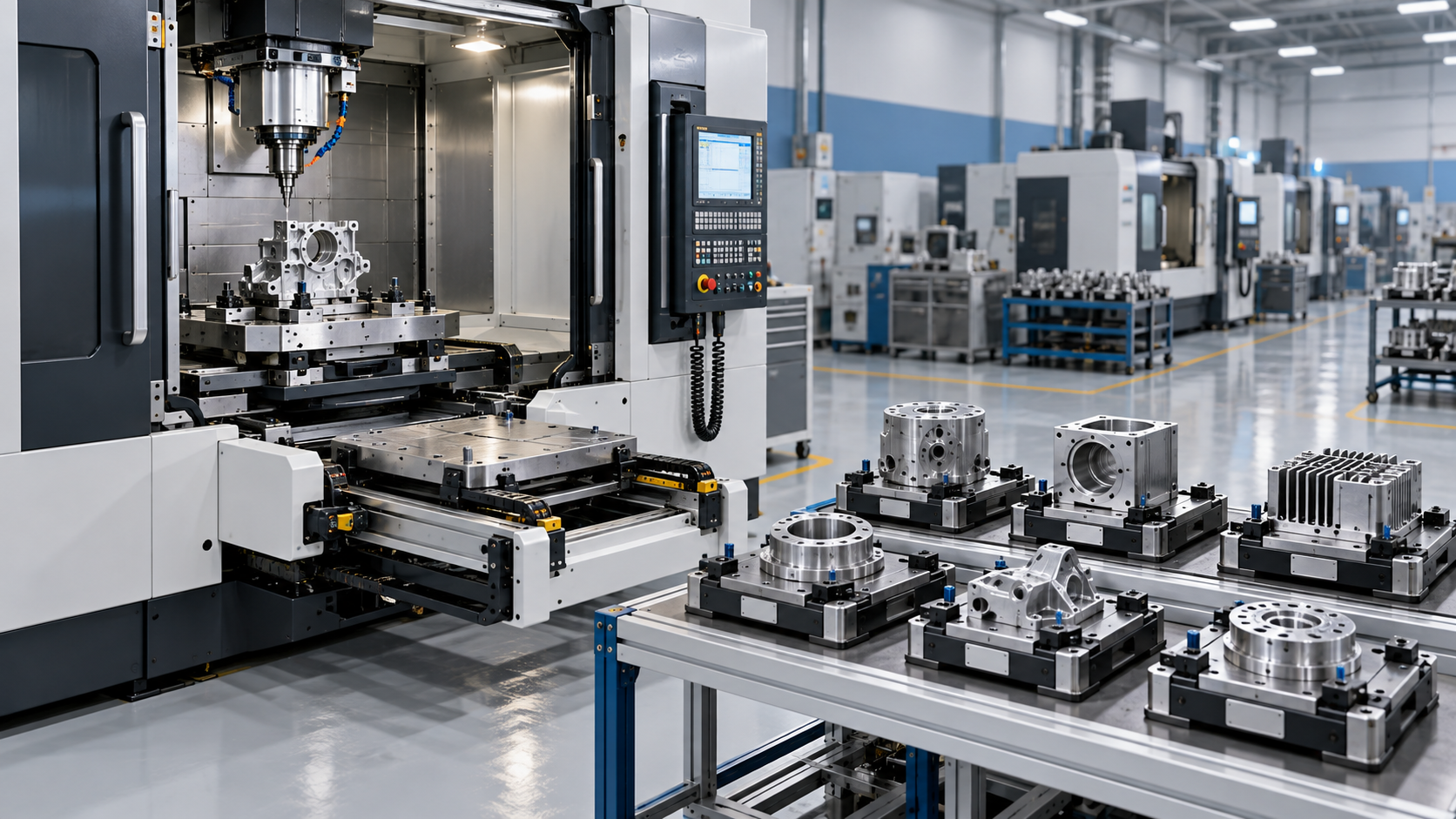
Machine selection should also reflect the part family. CNC lathes are effective for shafts, cannulas, and rotational components. Machining centers are better for prismatic parts, slots, pockets, and fixture-related features. Hybrid workflows may combine turning, milling, deburring, and inspection in 4–6 controlled steps. That workflow design can influence both lead time and quality more than spindle speed alone.
For operations teams, tool management is a hidden driver of consistency. A process using automatic tool life compensation, preset offsets, and controlled replacement intervals can keep dimensions stable through medium-volume runs. Without that discipline, edge wear may gradually affect hole size, thread accuracy, or surface finish, especially in titanium or hard stainless grades used in medical applications.
The table below summarizes how common CNC manufacturing capabilities affect medical part outcomes. It can help purchasers compare suppliers beyond broad marketing claims and focus on decision points that actually influence yield, documentation workload, and total production reliability.
The best solution is rarely the most complex one. A cost-effective CNC manufacturing strategy for medical devices matches machine capability to feature complexity and quality documentation needs. Buyers should ask whether advanced multi-axis equipment is solving a real process problem or only increasing hourly cost without measurable value.
How to evaluate technical readiness in 4 checkpoints
- Review part geometry and identify features that need single-setup machining, such as angled ports, intersecting holes, or tight positional relationships.
- Confirm material behavior, especially for titanium, medical stainless steel, or polymer grades that can deform, work harden, or respond differently to heat.
- Ask for the planned inspection method for 5 critical dimensions, not just a generic quality statement.
- Check whether the supplier’s automated CNC manufacturing process is proven for similar batch sizes, such as prototype lots, 100–500 piece pilot runs, or scheduled monthly releases.
These checkpoints keep the conversation focused on measurable capability. They also help reduce the gap between engineering expectations and procurement outcomes, especially when several suppliers appear similar on paper.
How to compare suppliers for compliance, traceability, and procurement risk
For medical device buyers, supplier comparison should not stop at machine inventory. The real issue is whether the supplier can support controlled manufacturing with repeatable records, revision discipline, and communication speed. In regulated or semi-regulated supply chains, a delayed response to a drawing revision or material substitution can trigger rework, validation review, or shipment holds.
Common industry expectations may include material traceability, inspection records, process documentation, and clear handling of nonconformance. Depending on the product category, buyers may also ask about clean handling practices, packaging controls, and whether post-machining steps such as deburring, passivation, or surface treatment are managed through approved routines. This is where supplier maturity matters more than raw capacity.
Procurement teams often need a quick framework to score suppliers across technical, quality, and business dimensions. The table below provides a practical comparison structure for machine tool for medical device manufacturing projects. It is especially useful when balancing quote speed, compliance needs, and launch timing within a 2–8 week sourcing window.
This comparison method is practical because it helps cross-functional teams speak the same language. Engineers focus on fit and function, operators focus on manufacturability, procurement focuses on risk and lead time, and executives focus on continuity. A strong CNC supplier should be able to answer all four perspectives without confusion.
Standards and compliance questions worth asking
Not every project requires the same compliance depth, but medical device components often require disciplined quality systems and clear documentation. Buyers can ask whether the supplier works with common industry expectations such as documented inspection, process routing, calibration control, and material traceability. If specific standards apply, those should be confirmed early rather than after quotation approval.
A practical 5-point compliance checklist
- Can the supplier link each batch to material records and production documentation?
- Are inspection tools calibrated on a scheduled basis, such as monthly or quarterly depending on usage level?
- Is there a defined method for handling deviations, rework, and customer approval before shipment?
- Are outsourced finishing or treatment steps controlled through documented suppliers and records?
- Can the supplier provide sample reports during quotation review, not only after production begins?
These questions help reduce procurement surprises. They also reveal whether a supplier truly understands cost-effective CNC manufacturing in a medical context, where stable documentation can be as valuable as machining speed.
What drives cost, lead time, and the best sourcing decision
Cost in medical device CNC manufacturing is shaped by geometry complexity, tolerance concentration, material machinability, batch size, and post-processing requirements. A part with only a few tight dimensions may be economical, while a part requiring multiple setups, edge refinement, special packaging, and full inspection can cost significantly more even if it is physically small. That is why quote comparison should always include process assumptions.
Lead time also varies by project stage. Prototype work may move in 7–15 days when drawings are clear and material is available. Pilot or validated lots often take 2–4 weeks because process confirmation, inspection planning, and documentation review add steps. Production orders may become faster after setup stabilization, but only if forecast visibility and revision control are good.
Decision-makers should also compare direct and indirect costs. A cheaper quote may carry hidden expenses through longer engineering clarification, unstable yield, or inconsistent documentation. In contrast, a supplier with strong automated CNC manufacturing and clear communication may reduce total project cost by preventing delays, reducing operator intervention, and improving first-pass acceptance rates across recurring orders.
The sourcing choice is usually strongest when 3 goals are aligned: acceptable piece price, predictable lead time, and manageable compliance effort. If one of these is missing, the apparent savings may disappear during qualification or launch.
Common cost drivers in CNC manufacturing for medical devices
- Tight tolerance concentration on multiple related features, especially when true position or concentricity must be maintained across several operations.
- Hard-to-machine materials that increase tool wear and require slower cutting conditions or more frequent offset management.
- Additional steps such as deburring under magnification, passivation, marking, cleaning, or specialized packaging.
- Low-volume orders with frequent revisions, where setup engineering and documentation time represent a larger share of total cost.
How to improve value without lowering quality
Procurement and engineering teams can often reduce cost by simplifying non-functional features, consolidating tolerances to critical areas, and confirming finish expectations early. Another useful step is grouping parts into families so suppliers can plan fixture strategy and machine loading more efficiently. For recurring demand, a stable release plan over 3–6 months may support better scheduling and lower setup waste.
This is where a global CNC machining and precision manufacturing platform adds value. Access to industry news, technology insights, and supplier-side process understanding helps buyers compare not just prices, but manufacturing logic. In a market shaped by smart manufacturing, robotics, and flexible production lines, better information often leads to better sourcing outcomes.
FAQ: what buyers, engineers, and operators ask most often
The questions below reflect common search intent around high precision CNC manufacturing, machine tool for medical device manufacturing, and cost-effective CNC manufacturing. They are useful for teams evaluating new suppliers, planning product transfer, or scaling from prototype to scheduled production.
How do I know if multi-axis CNC manufacturing is necessary for my medical part?
Use feature relationships as the first test. If the part has angled surfaces, intersecting holes, deep cavities, or features that must stay aligned across several faces, multi-axis CNC manufacturing may reduce setup count and improve positional consistency. If the geometry is simple and accessible from standard directions, a 3-axis or turning-based process may be more cost-effective.
What lead time is typical for medical device CNC parts?
Typical lead time depends on material availability, complexity, and documentation depth. Prototype orders may move in about 7–15 days, while pilot or controlled production lots often require 2–4 weeks. If finishing, validation support, or extensive inspection reporting is required, planning should include extra review time rather than assuming a standard commercial machining schedule.
What should procurement prioritize when quotes look similar?
Prioritize process clarity. Ask each supplier for its machining sequence, inspection plan, material control method, and expected response time for engineering questions. A quote that clearly identifies 4–6 production steps and control points is usually more reliable than one that offers a low price without explaining how the part will be made and verified.
Can automated CNC manufacturing help small and medium batches?
Yes, especially when demand is recurring and the part family is stable. Automated CNC manufacturing can reduce setup variation, support unattended cycles, and improve repeatability across monthly or quarterly releases. It is most valuable when combined with standardized tooling, fixture consistency, and a documented inspection routine.
Why choose us when evaluating CNC manufacturing for medical devices
We focus on the global CNC machining and precision manufacturing industry, with close attention to machine tools, multi-axis systems, automation trends, and supplier-side production realities. That perspective helps information researchers, operators, buyers, and executives evaluate medical device CNC manufacturing with practical criteria instead of generic claims. The result is better alignment between technical requirements and sourcing decisions.
If you are comparing suppliers or planning a new project, we can support the evaluation process around parameters, manufacturability, supplier selection logic, and market direction. We can also help structure discussions around tolerance focus, batch strategy, process capability, and the trade-off between high precision CNC manufacturing and cost-effective CNC manufacturing for your specific application.
You can contact us to discuss 6 practical topics: drawing and parameter confirmation, suitable machine tool selection, expected lead time, custom process options, compliance-related documentation needs, and sample or quotation communication. If your team is balancing precision, automation, and delivery pressure, a structured review at the start can prevent expensive sourcing mistakes later.
For businesses working across automotive, aerospace, energy equipment, electronics, and medical supply chains, the direction is clear: precision, automation, and digital integration are converging. Choosing the right medical CNC manufacturing partner is no longer only about capacity. It is about repeatability, traceability, communication, and the ability to scale with confidence.
PREVIOUS ARTICLE
Recommended for You
![]() Mitsubishi Electric Announces Physical AI System Linking Humanoid Robots and CNC MachinesMachine Tool Industry Editorial Team
 Precision Machining for Defense: Supplier Quality and Traceability ChecksManufacturing Market Research Center
![]() Nidec Machine Tool Launches MVR-5X Five-Axis Gantry MachineMachine Tool Industry Editorial Team
 Choosing a Precision Disc Parts Manufacturer in China: Tolerances and Quality ChecksManufacturing Market Research Center
![]() Siemens Executive Says AI Could Raise Factory Automation to 80%Manufacturing Market Research Center
 Choosing Automated Machine Tools for High-Mix, Low-Volume ProductionMachine Tool Industry Editorial Team


Aris Katos
Future of Carbide Coatings
15+ years in precision manufacturing systems. Specialized in high-speed milling and aerospace grade alloy processing.
▶
How thermal drift affects accuracy in high-precision manufacturingCNC Machining Technology Center▶
Industrial Machining: Selecting Processes for Tight-Tolerance Metal PartsCNC Machining Technology Center▶
How Does Precision Machining Differ From Standard Machining?CNC Machining Technology Center▶
CNC Precision: Which Tolerances, Materials, and Processes Fit Your Part?CNC Machining Technology Center▶
How to Choose Metal Machining Processes for Tight Tolerances and Production VolumeCNC Machining Technology Center
▶
Mastering 5-Axis Workholding Strategies
Join our technical panel on Nov 15th to learn about reducing vibrations in thin-wall components.

Providing you with integrated sanding solutions
Before-sales and after-sales services
Comprehensive technical support