• Global CNC market projected to reach $128B by 2028 • New EU trade regulations for precision tooling components • Aerospace deman
NYSE: CNC +1.2%LME: STEEL -0.4%

5 Axis Machining Services in USA for Low-Volume Complex Parts
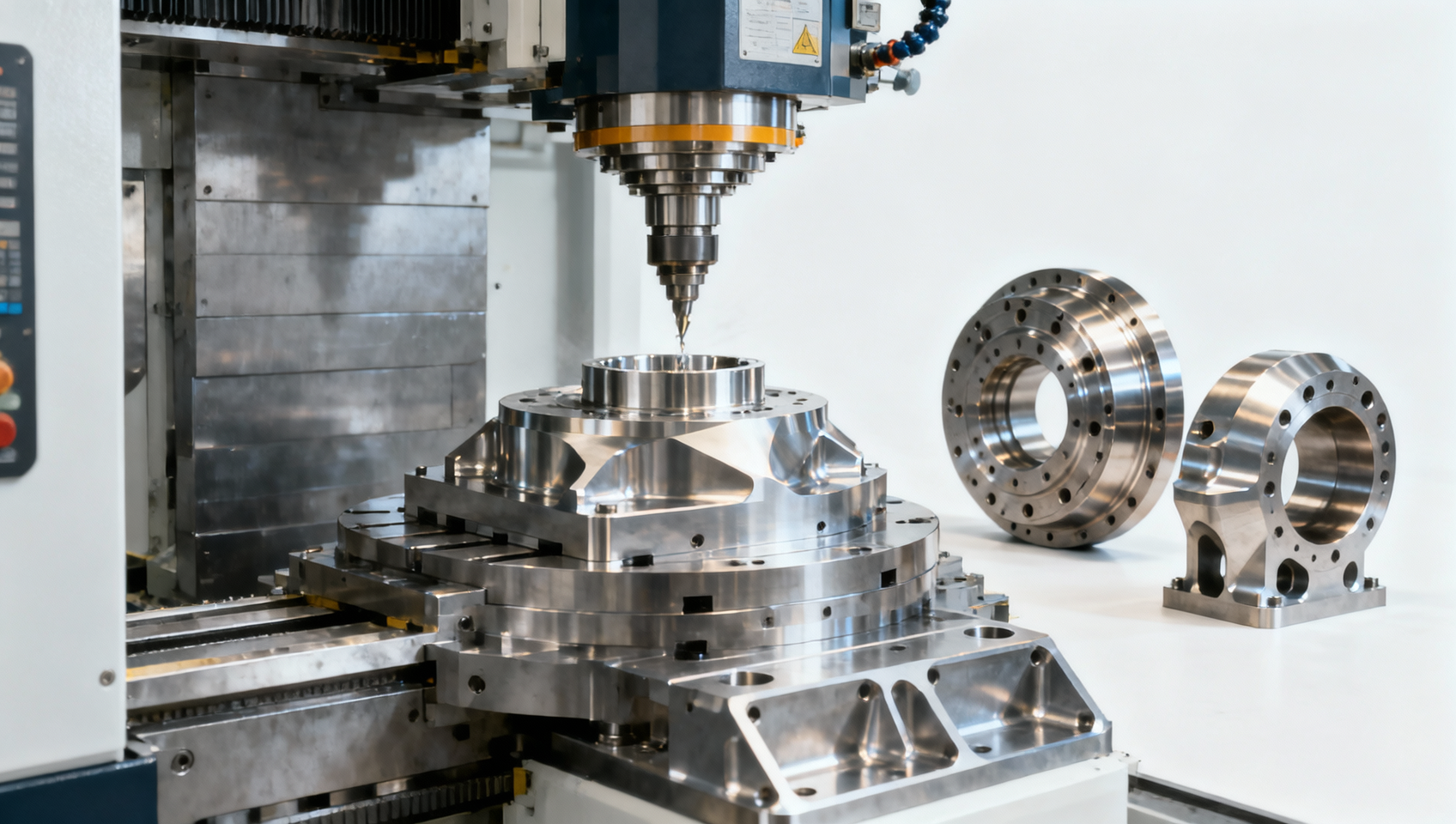
For manufacturers seeking 5 Axis Machining services in USA, low-volume complex parts demand more than speed—they require precision, flexibility, and an optimized machining process for stainless steel, titanium, and aluminum. From aerospace structures to precision disc parts for hydraulic systems, the right multi-axis machining process, CNC tooling system, and custom fixture design can reduce lead times, control costs, and improve part quality across advanced manufacturing applications.
In the U.S. market, low-volume production is often tied to prototyping, bridge manufacturing, aftermarket replacement parts, and specialized industrial programs where quantities may range from 5 to 500 pieces. In these scenarios, buyers are not only comparing machine capacity, but also evaluating engineering support, fixture strategy, inspection capability, and delivery stability.
For operators and technical teams, 5-axis machining offers fewer setups, better access to complex geometries, and tighter positional control. For procurement and business leaders, it can shorten launch cycles by 20%–40% compared with fragmented 3-axis workflows, especially when part geometry includes deep cavities, compound angles, thin walls, or multi-face tolerance requirements.
This article explains how to evaluate 5 Axis Machining services in USA for low-volume complex parts, what process variables affect quality and cost, and which service criteria matter most across aerospace, energy equipment, medical components, electronics enclosures, and precision industrial assemblies.
Why 5-axis machining matters for low-volume complex parts
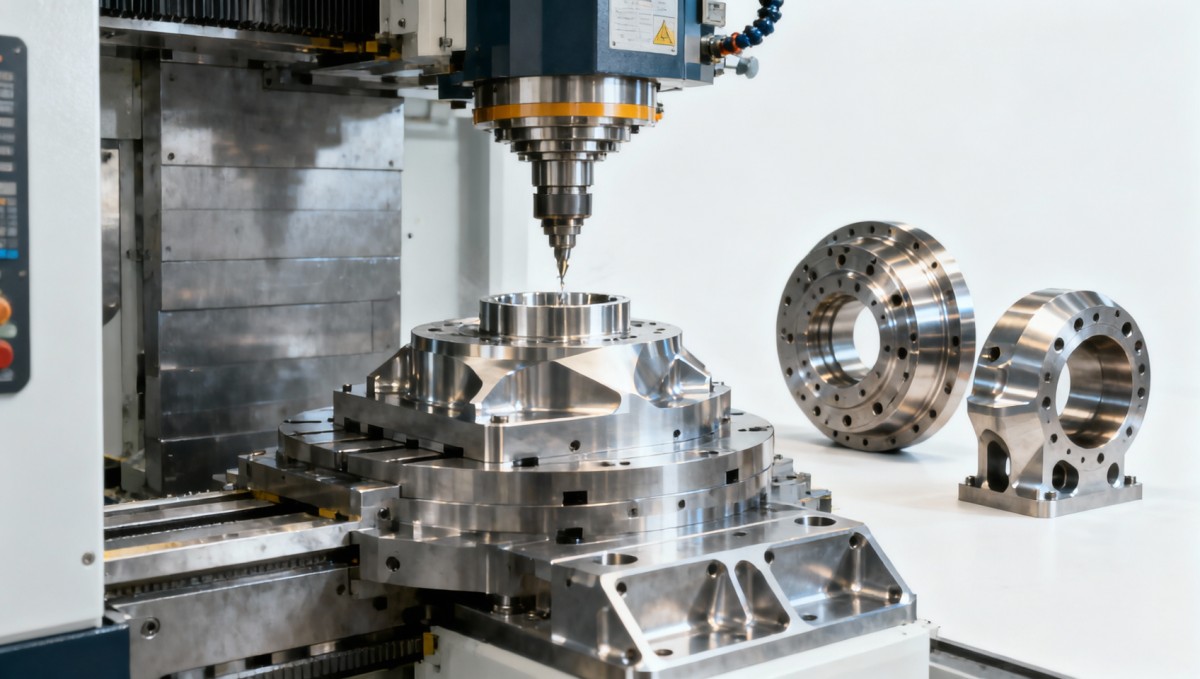
Low-volume manufacturing usually carries a different risk profile than mass production. There is less room to absorb scrap, fewer opportunities to optimize over thousands of cycles, and higher pressure to get the first article right. A single rejected titanium component in a batch of 12 can significantly affect both cost and delivery.
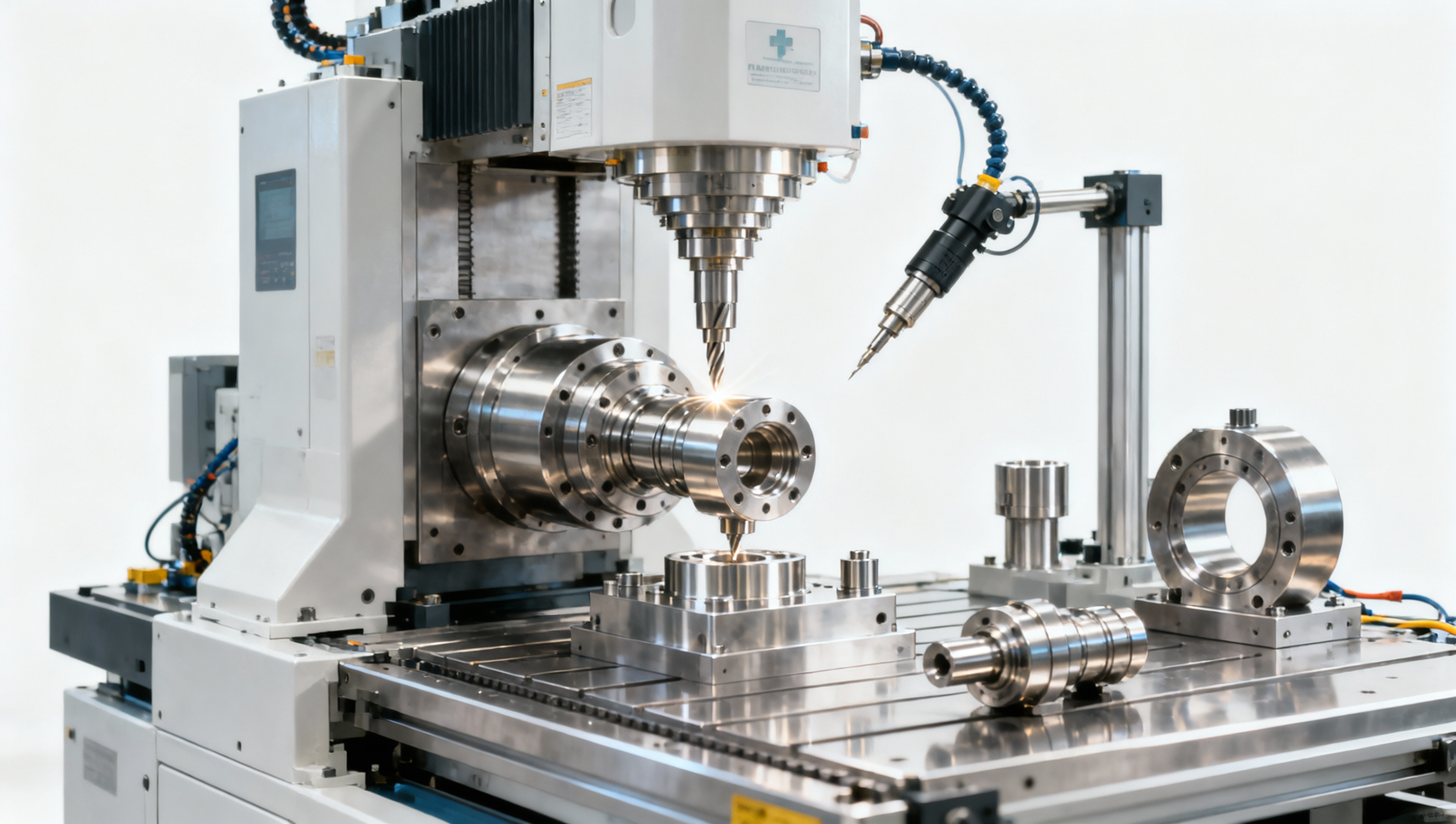
This is where 5-axis machining becomes valuable. By allowing simultaneous or indexed movement across five axes, the machine can reach complex surfaces in one or two setups instead of three to six. That setup reduction directly improves repeatability, reduces cumulative error, and lowers handling damage for thin-wall and high-precision parts.
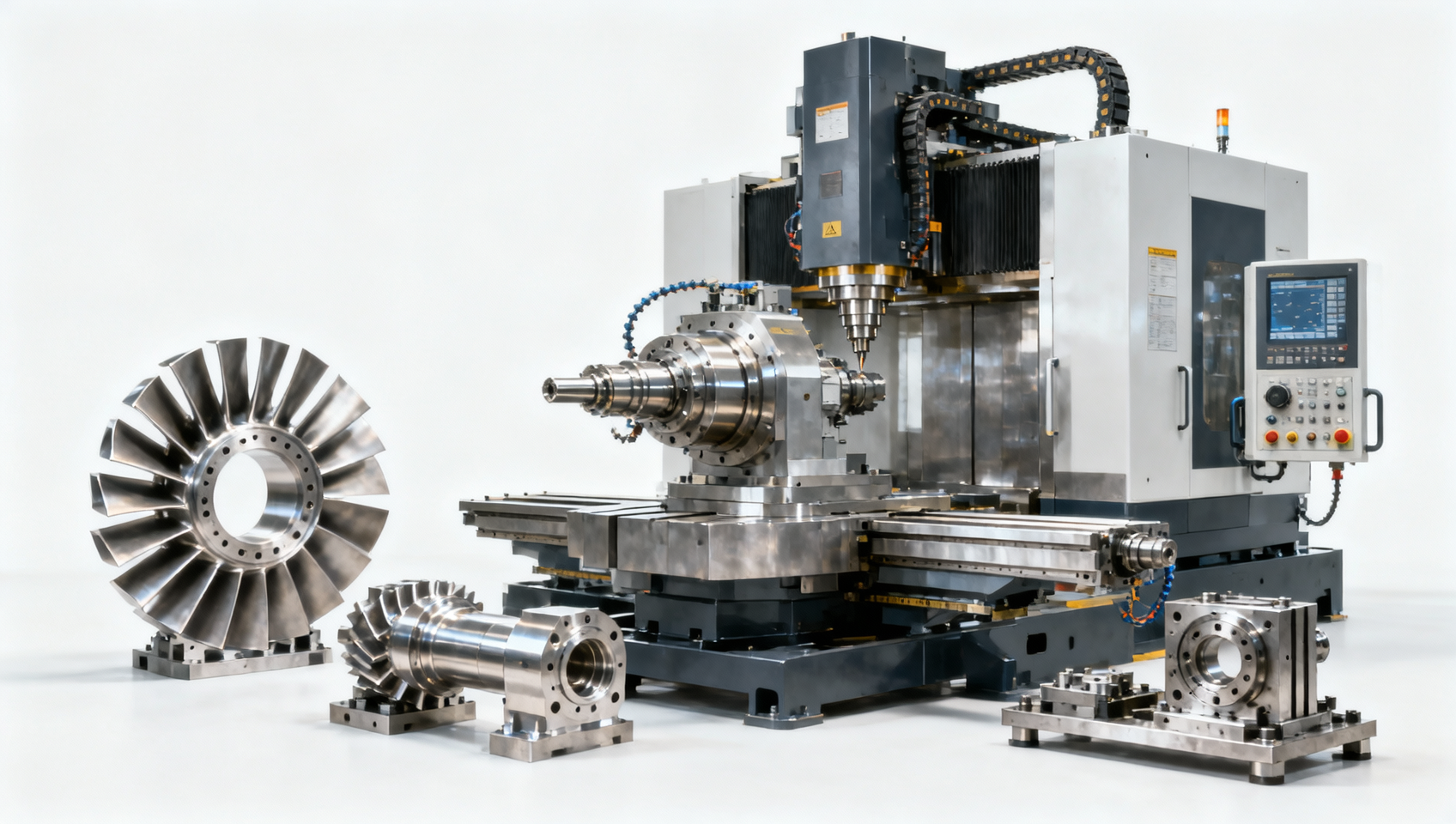
In practical terms, U.S. manufacturers often use 5-axis CNC machining for parts with tolerance bands around ±0.005 mm to ±0.05 mm, depending on geometry, material, and inspection method. Features such as angled ports, contoured housings, impellers, precision disc parts, and structural brackets benefit most when surface continuity and feature-to-feature alignment are critical.
Another key advantage is process flexibility. Low-volume jobs often change midstream due to design revisions, assembly fit feedback, or functional testing. A capable 5-axis machining supplier can adjust toolpaths, fixture positions, and in-process inspection plans within 24–72 hours, which is especially useful for product development teams and aftermarket support programs.
Typical parts that benefit from 5-axis processing
- Aerospace brackets and structural components with multi-face datum requirements
- Hydraulic manifolds and precision disc parts with intersecting channels and sealing surfaces
- Medical or laboratory housings requiring smooth contours and burr control
- Energy equipment components in stainless steel or Inconel-class materials
- Electronics and automation parts with tight flatness, pocket depth, and connector alignment requirements
The biggest misconception is that 5-axis always means higher total cost. Machine hourly rates may be higher, but total manufacturing cost can decrease when setups drop from 4 to 1, fixture complexity is reduced, and inspection rework is minimized. For low-volume work, overall efficiency often matters more than spindle rate alone.
Material, geometry, and tolerance factors that shape the machining strategy
Not every low-volume part needs the same machining approach. The correct strategy depends on three variables: material behavior, geometric complexity, and tolerance distribution. Stainless steel, titanium, and aluminum can all be machined on 5-axis platforms, but each requires different tooling, speeds, coolant management, and clamping methods.
Aluminum is typically preferred for rapid development because it allows higher cutting speeds and shorter cycle times. Titanium, by contrast, needs lower feed optimization, stronger tool engagement control, and careful heat management. Stainless steel falls between the two, often requiring stable workholding and tool wear monitoring to avoid surface hardening during long passes.
Geometry also affects process planning. Parts with deep cavities, undercuts, compound radii, and thin walls usually need longer tools, collision simulation, and staged roughing plus finishing operations. If wall thickness drops below 1.5–2.0 mm in aluminum or below 2.0–3.0 mm in titanium, fixture support and cutting sequence become even more important to control distortion.
Tolerance should be reviewed by feature, not as a blanket requirement. Many drawings over-apply tight tolerances to non-critical areas, which increases machining and inspection cost. A practical engineering review can often separate critical fits, sealing faces, and bearing bores from general profile surfaces, reducing unnecessary time without compromising function.
Material-related machining considerations
The table below outlines common process differences for three frequently used materials in low-volume 5-axis jobs.
PREVIOUS ARTICLE
NEXT ARTICLE
Recommended for You
 What Slows Down an Automation Line in Textile Production?Machine Tool Industry Editorial Team
 High Temperature Alloy Cutting Tools Wear Out for Hidden ReasonsCNC Machining Technology Center
 Automated Production Lines in Auto Manufacturing: Key BottlenecksMachine Tool Industry Editorial Team
 What Makes a 5 Axis Machining Center Fit Aerospace Parts?Machine Tool Industry Editorial Team
 Medical Equipment Machining Centers Need Accuracy Beyond SpecsMachine Tool Industry Editorial Team
 How to Compare CNC Tooling System Suppliers in GermanyGlobal Machine Tool Trade Research Center

Aris Katos
Future of Carbide Coatings
15+ years in precision manufacturing systems. Specialized in high-speed milling and aerospace grade alloy processing.
▶
5 Axis Machining Services in USA for Low-Volume Complex PartsGlobal Machine Tool Trade Research Center▶
Industrial CNC Import Trends Are Changing in Southeast AsiaGlobal Machine Tool Trade Research Center▶
Manufacturing Industry Orders Are Recovering UnevenlyGlobal Machine Tool Trade Research Center▶
What is changing first in Global Manufacturing this year?Global Machine Tool Trade Research Center▶
Industrial CNC demand in Southeast Asia is not moving evenlyGlobal Machine Tool Trade Research Center
Mastering 5-Axis Workholding Strategies
Join our technical panel on Nov 15th to learn about reducing vibrations in thin-wall components.

Providing you with integrated sanding solutions
Before-sales and after-sales services
Comprehensive technical support