• Global CNC market projected to reach $128B by 2028 • New EU trade regulations for precision tooling components • Aerospace deman
NYSE: CNC +1.2%LME: STEEL -0.4%

Automated production works best after these bottlenecks are fixed
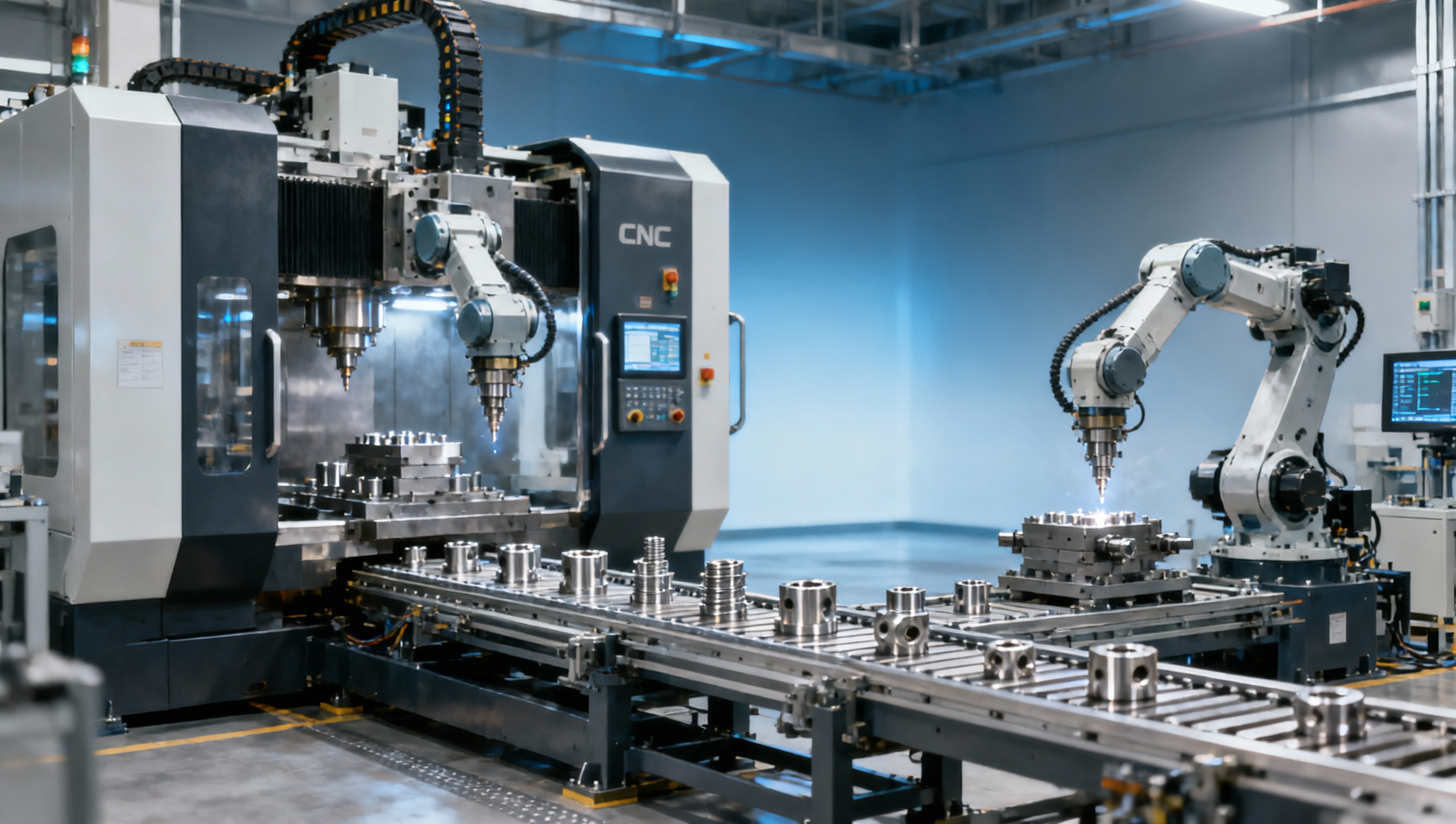
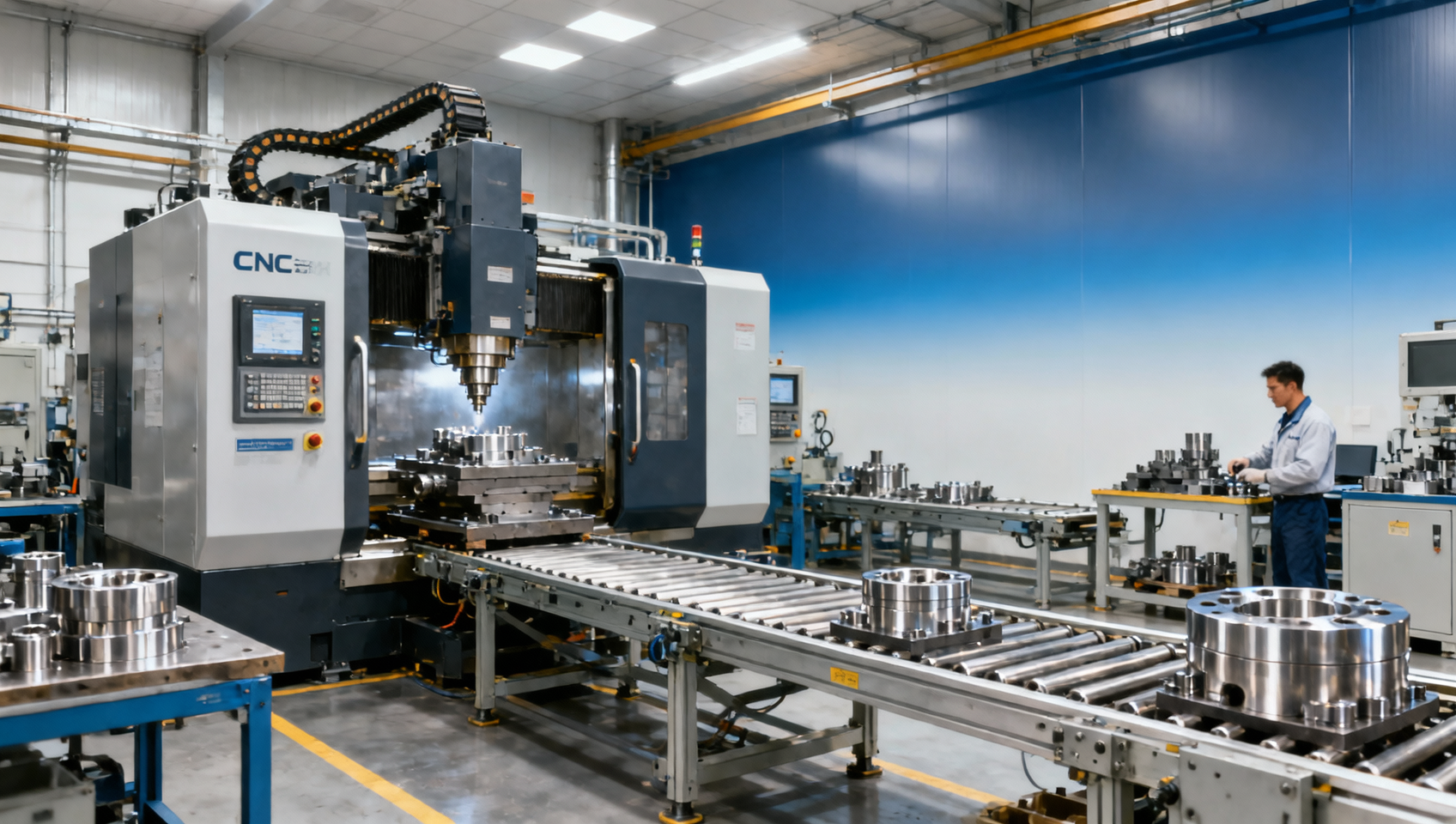
Automated production delivers its real value only after key bottlenecks in the production process are removed. From metal machining and CNC milling to industrial CNC systems and automated production lines, manufacturers across the Global Manufacturing landscape must solve issues in accuracy, programming, tooling, and workflow integration before CNC production can reach higher efficiency, stability, and scale.
For researchers, operators, procurement teams, and business decision-makers, the challenge is rarely the machine alone. In most CNC production environments, the real constraints sit between planning and execution: unstable part quality, poor cycle-time control, offline programming delays, tooling mismatch, and disconnected data between machines, robots, and inspection stations.
When these bottlenecks remain unresolved, even advanced machining centers, CNC lathes, and automated production lines can underperform. Capacity expansion becomes expensive, scrap rates rise, and delivery risk increases. Fixing the right bottlenecks first is what turns automation from capital expenditure into measurable production performance.
Where automated production usually gets stuck
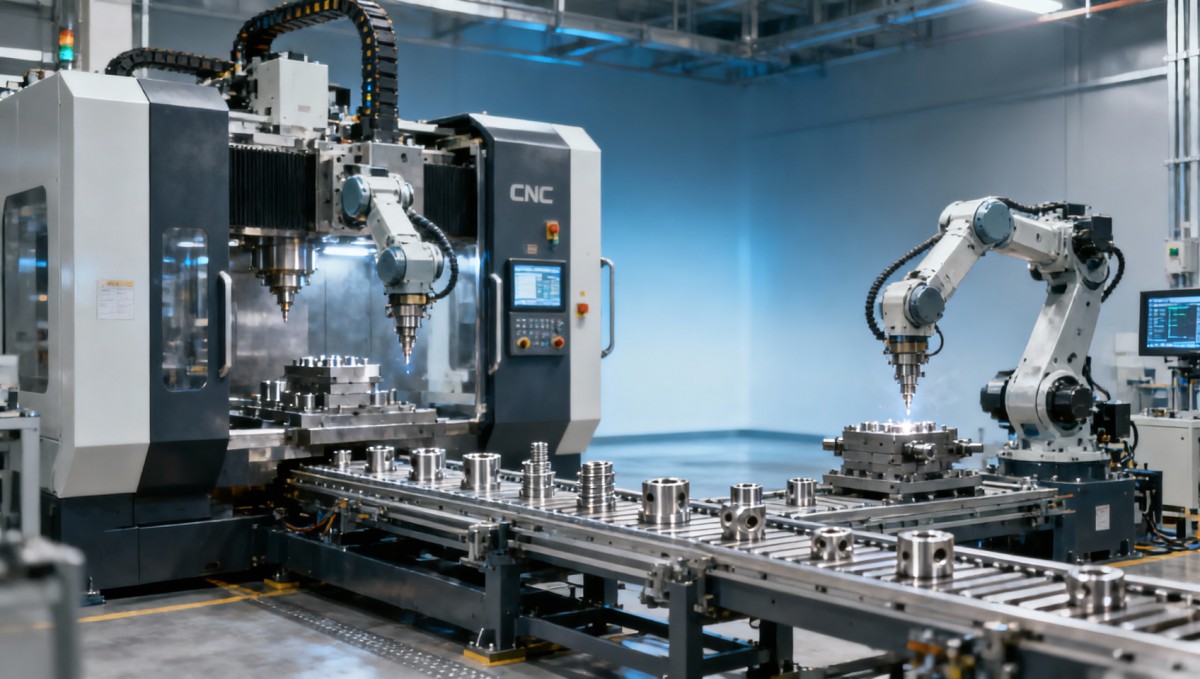
In precision manufacturing, bottlenecks often appear before companies notice them on financial reports. A line may run at only 65% to 80% of planned utilization while managers still believe the issue is machine capacity. In reality, the line may be losing time through repeated setup changes, unstable fixtures, manual offset corrections, and inconsistent tool life.
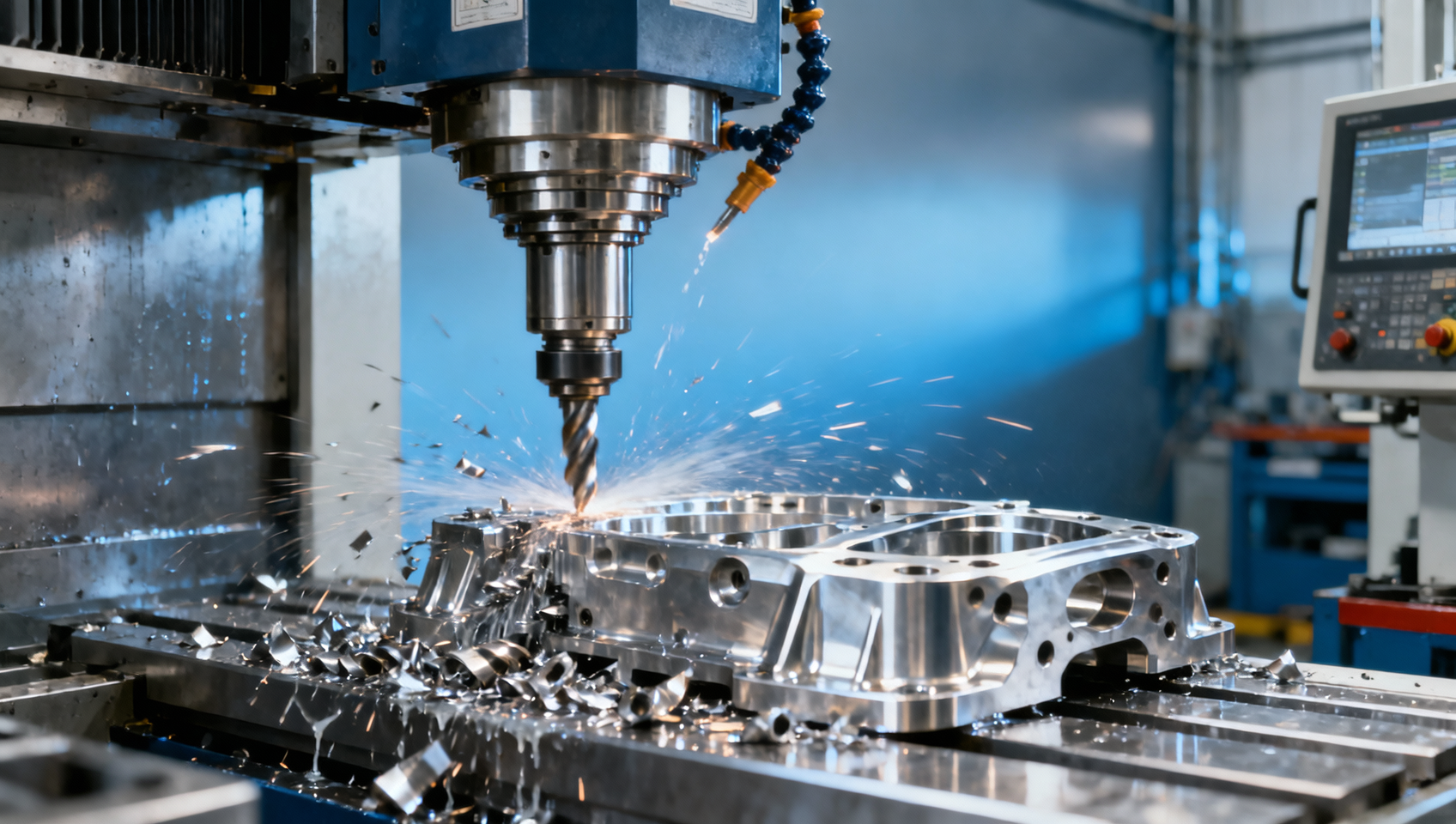
For CNC milling, turning, and multi-axis machining, accuracy drift is a common first barrier. A tolerance window of ±0.01 mm may look manageable on a drawing, but thermal growth, spindle wear, coolant fluctuation, and poor clamping can quickly turn a stable process into a source of rework. Automated production depends on repeatability, not just peak machine precision.
Programming is another hidden bottleneck. If CAM programming takes 6 to 12 hours for a new family of parts, while verification and first-article adjustment add another 1 to 2 shifts, the machine stands idle or runs lower-value jobs. In mixed-batch manufacturing, this delay can block the entire automated production schedule.
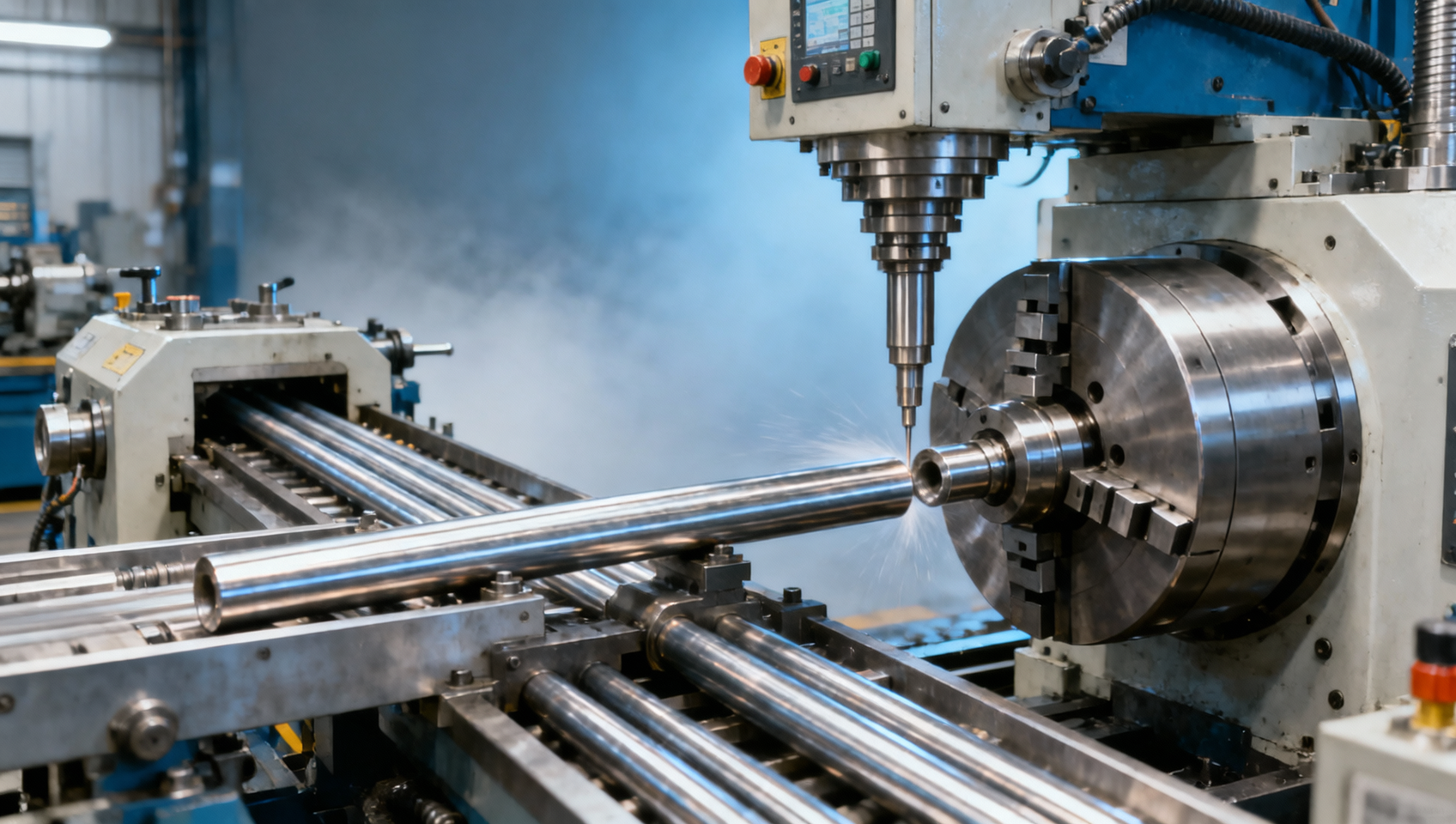
Tooling and material flow also create major constraints. A production line designed for 24-hour operation can still fail to meet output targets if inserts are changed too frequently, chips are not evacuated efficiently, or pallet movement between stations is not synchronized. In many factories, only 3 to 5 minutes of disruption per cycle compound into significant weekly output loss.
The table below outlines several high-frequency bottlenecks in CNC automated production and the operational impact each one creates.
The key conclusion is practical: automated production failures usually come from process weakness, not from the concept of automation itself. Before investing in additional machine tools or robots, manufacturers should quantify where cycle time, accuracy, and workflow losses are occurring. This baseline often reveals that 20% to 30% of lost productivity can be recovered without major line expansion.
Three signals that a bottleneck is already limiting scale
- Setup time takes more than 15% of total available machine hours across a weekly plan.
- First-pass yield stays below 95% on repeat orders with stable material and drawings.
- Operators intervene more than 2 to 3 times per shift on lines intended for semi-automatic or lights-out production.
Accuracy, programming, and tooling: the first bottlenecks to fix
Among all constraints in CNC automated production, the first three priorities are usually dimensional stability, programming efficiency, and tooling control. These areas influence almost every measurable indicator: scrap, throughput, unattended running time, and delivery reliability. If they are weak, other investments such as robots, pallet systems, or flexible cells cannot deliver full value.
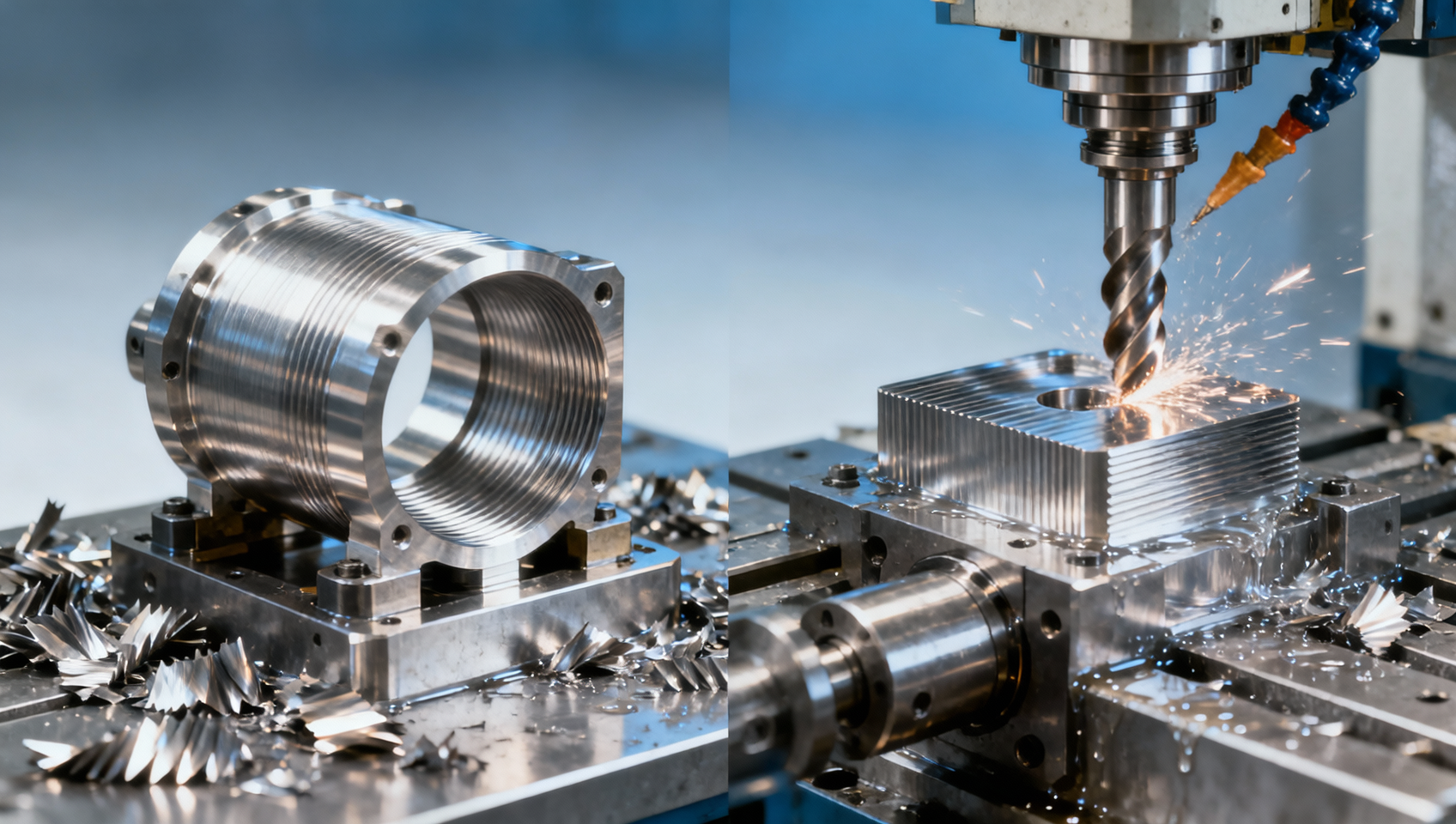
Dimensional stability starts with process capability rather than a brochure-level machine accuracy claim. A machining center may offer high positioning precision, but if fixtures do not repeat within the required range, if cutting parameters are too aggressive, or if thermal management is ignored, the process may still fail under production conditions. For many precision parts, controlling variation within ±0.005 mm to ±0.02 mm requires a system-level approach.
Programming efficiency matters most in high-mix, low-to-medium volume work. If operators spend too much time editing code on the machine, or if offline verification is incomplete, cycle optimization becomes inconsistent. Standardized post-processors, simulation routines, and tool libraries can often reduce programming preparation time by 20% to 40% while lowering collision risk.
Tooling performance should be treated as a control variable, not a consumable afterthought. A small mismatch in insert grade, tool holder rigidity, or runout can reduce tool life by 15% to 30%. In automated production, that leads directly to more stoppages and less predictable cycle time. This is especially important in aerospace alloys, hardened steels, and continuous automotive production.
What procurement and engineering teams should verify
Before approving new CNC systems or upgrading an automated line, teams should align technical and commercial criteria. A lower machine purchase price can be offset by longer setup time, poor software compatibility, or high tooling consumption over 12 to 24 months.
Core checks before scaling automation
- Confirm process capability on representative parts, not only trial samples.
- Check programming workflow from CAD/CAM to machine verification and revision control.
- Validate tool life consistency over at least 3 production batches or repeated shifts.
- Review fixture repeatability, changeover method, and operator intervention frequency.
- Compare actual cycle time versus quoted cycle time under stable production conditions.
These checks are especially relevant for buyers comparing CNC lathes, machining centers, and flexible manufacturing cells across suppliers in China, Germany, Japan, South Korea, and other industrial regions. The best option is usually the one with the most stable total process, not simply the most advanced standalone machine specification.
Workflow integration determines whether automation can run reliably
Once accuracy and cutting performance are under control, workflow integration becomes the next critical layer. In many factories, the machine tools are capable, but production still slows because loading, gauging, washing, marking, and data reporting are disconnected. The result is a line that appears automated but still depends heavily on manual coordination.
A reliable automated production line needs synchronized communication between CNC machines, robots, pallet changers, inspection stations, and the production management system. If one node fails to report status in real time, the entire line can develop waiting time. Even a 30- to 60-second pause between stations may reduce effective hourly output by 8% to 12% over a shift.
Integration also affects traceability. For sectors such as automotive, aerospace, energy equipment, and electronics, traceability is increasingly tied to quality assurance and customer approval. Manufacturers need to know which machine, which tool life state, which operator action, and which inspection result correspond to each batch or serial number.
The comparison below shows how disconnected and integrated workflows differ in day-to-day production performance.
The operational takeaway is straightforward: workflow integration should be designed as part of the production system, not added later as an IT task. Companies planning flexible manufacturing cells or smart factory upgrades should define at least 4 integration layers early: machine control, material handling, inspection feedback, and production data visibility.
A practical integration sequence
- Start with machine alarm mapping and standard operating states.
- Add robot or pallet logic with clear stop, hold, and recovery conditions.
- Connect in-process measurement or post-process gauging to correction rules.
- Feed cycle, downtime, and tool-life data into a shared dashboard or MES layer.
This staged method reduces implementation risk and helps teams stabilize one layer before expanding to the next. It is often more effective than trying to digitalize every process at once within a 4- to 6-week launch window.
How to prioritize improvement projects before buying more equipment
One of the most costly mistakes in manufacturing is buying additional CNC machines or automation modules before the current process has been diagnosed properly. If the real bottleneck is setup loss, unstable tool life, or poor part routing, more equipment can increase complexity without improving output. Capital spending should follow process evidence.
A good prioritization model uses four lenses: output impact, quality risk, implementation effort, and payback speed. For example, reducing average setup time from 90 minutes to 50 minutes on a high-changeover line may create more usable machine hours than adding a new machining center. Likewise, stabilizing tool replacement intervals may improve unattended running more than installing another robot.
Decision-makers should also separate short-cycle fixes from structural upgrades. Some issues can be improved in 2 to 6 weeks through better fixture design, cutting parameter optimization, and revised tool management. Others, such as line integration or pallet system redesign, may require a phased plan across 3 to 6 months.
The table below helps procurement and factory leadership rank improvement targets before approving new automation investment.
The main insight is that improvement priorities should be ranked by production leverage. A project that improves OEE by 8% on a critical line may be more valuable than a larger purchase with uncertain adoption. For buyers and executives, this approach supports better ROI discussions with suppliers, integrators, and internal engineering teams.
Common mistakes during expansion planning
Avoid these four assumptions
- Assuming higher spindle speed automatically improves output without reviewing tool path and material response.
- Assuming a robot cell solves labor issues if upstream programming and downstream gauging remain manual.
- Assuming one successful sample run proves a process is stable across 2 or 3 production shifts.
- Assuming lower purchase cost means lower total manufacturing cost over the equipment life cycle.
FAQ: practical questions before moving to higher-level CNC automation
How do you know whether a process is ready for unattended or low-intervention production?
A process is usually ready when three conditions are stable at the same time: repeatable part quality, predictable tool life, and controlled material flow. In practical terms, many factories look for first-pass yield above 97%, tool-life deviation within a manageable range across at least 2 to 3 batches, and fewer than 1 or 2 manual interventions per shift on target machines.
What should buyers compare when selecting CNC equipment for automated production lines?
Buyers should compare more than travel, spindle speed, and price. Key factors include control compatibility, fixture strategy, automation interface readiness, maintenance accessibility, tool magazine capacity, and after-sales response time. For many B2B manufacturers, a machine that integrates smoothly with robots, probing, and production software creates better long-term value than a machine with only strong standalone specs.
How long does it usually take to improve bottlenecks before scaling automation?
Simple bottlenecks such as setup reduction or tool parameter optimization may show results in 1 to 4 weeks. Programming standardization often takes 3 to 6 weeks. Broader workflow integration across CNC machines, robots, inspection stations, and reporting systems may require 6 to 16 weeks depending on line complexity, shift pattern, and validation requirements.
Which industries benefit most from fixing these bottlenecks first?
The strongest impact is usually seen in automotive manufacturing, aerospace parts, energy equipment, electronics components, and precision subcontract machining. These sectors depend on high repeatability, short delivery windows, and traceable quality. In such environments, even a small reduction in scrap, downtime, or setup time can improve both competitiveness and customer confidence.
Automated production works best when manufacturers remove the constraints that quietly weaken output: unstable accuracy, slow programming, poor tooling control, and fragmented workflows. In CNC machining and precision manufacturing, solving these issues early improves cycle reliability, supports traceable quality, and creates a more realistic path toward flexible production and smart factory growth.
For information researchers, machine users, procurement teams, and business leaders, the most effective next step is to review current production losses before expanding equipment investment. If you are evaluating CNC machines, automated production lines, or integration upgrades, now is the right time to compare process needs, technical options, and implementation priorities.
To explore tailored solutions for CNC automation, production line optimization, or international sourcing decisions, contact us now, request a customized plan, or learn more about practical solutions for precision manufacturing.
PREVIOUS ARTICLE
NEXT ARTICLE
Recommended for You
 What causes chatter in metal machining and how to stop itCNC Machining Technology Center
 Industrial CNC lead times are shifting in 2026Manufacturing Market Research Center
 When CNC industrial upgrades cut output instead of raising itMachine Tool Industry Editorial Team
 Automated lathe errors that often start with bar feedingMachine Tool Industry Editorial Team
 Why CNC metalworking scrap rates rise on thin wall partsCNC Machining Technology Center
 CNC cutting speed or finish quality: where losses beginCNC Machining Technology Center

Aris Katos
Future of Carbide Coatings
15+ years in precision manufacturing systems. Specialized in high-speed milling and aerospace grade alloy processing.
▶
Automated production works best after these bottlenecks are fixedMachine Tool Industry Editorial Team▶
Why an Automated Production Line still stalls after commissioningMachine Tool Industry Editorial Team▶
Industrial Automation projects fail when manual steps stay hiddenMachine Tool Industry Editorial Team▶
When does automated production line ROI break even — and what delays it most?Machine Tool Industry Editorial Team▶
Why some CNC production lines stall at 73% OEE despite full automationMachine Tool Industry Editorial Team
Mastering 5-Axis Workholding Strategies
Join our technical panel on Nov 15th to learn about reducing vibrations in thin-wall components.

Providing you with integrated sanding solutions
Before-sales and after-sales services
Comprehensive technical support