• Global CNC market projected to reach $128B by 2028 • New EU trade regulations for precision tooling components • Aerospace deman
NYSE: CNC +1.2%LME: STEEL -0.4%

Industrial Automation projects fail when manual steps stay hidden
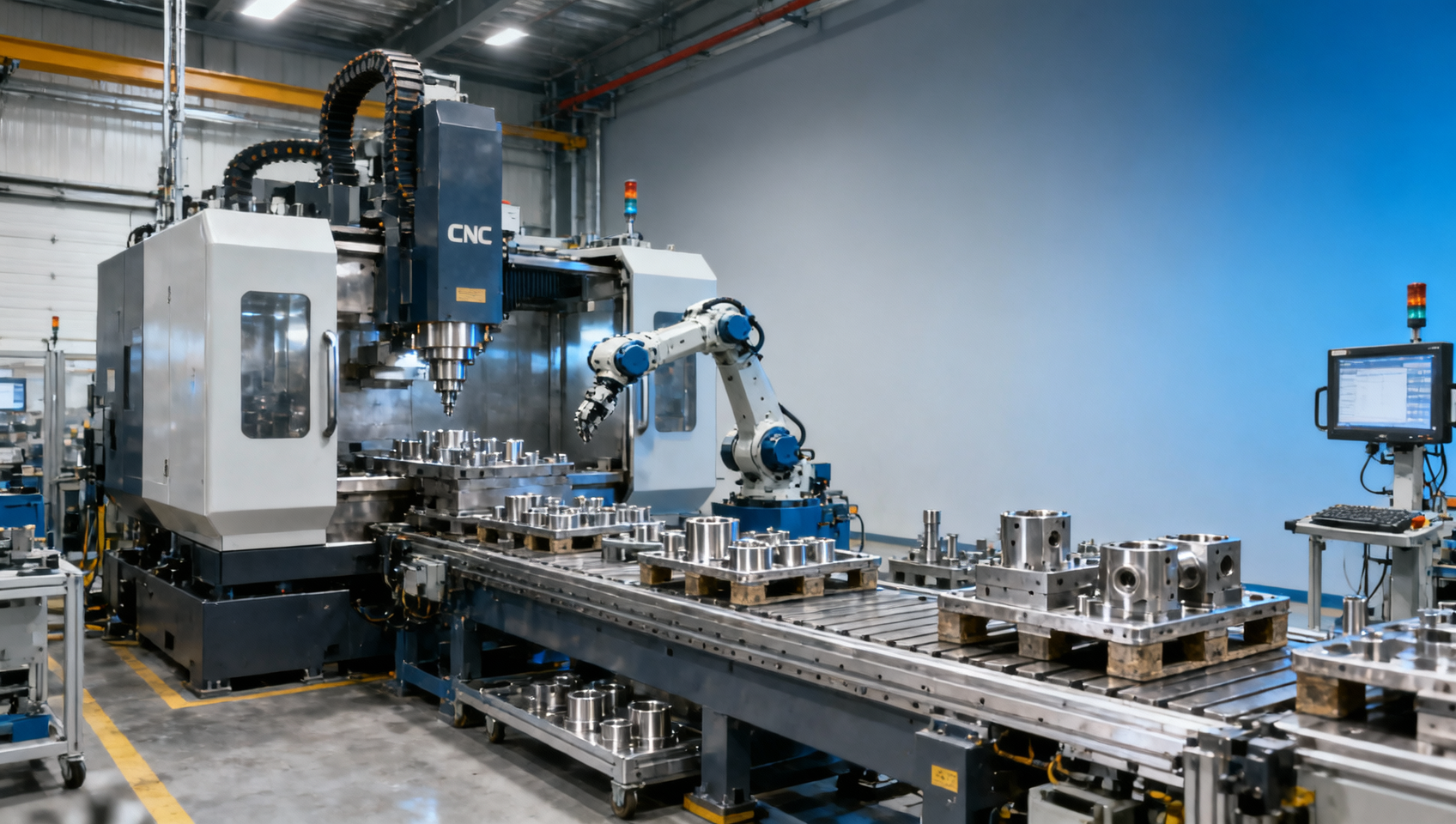
Industrial automation projects often fail not because of weak technology, but because hidden manual steps disrupt the production process. In today’s Global Manufacturing environment, companies relying on industrial CNC, automated production lines, and industrial robotics must identify every gap between CNC programming, CNC metalworking, and actual shop-floor execution. This article explores how manual intervention affects efficiency, quality, and scalability in the Manufacturing Industry.
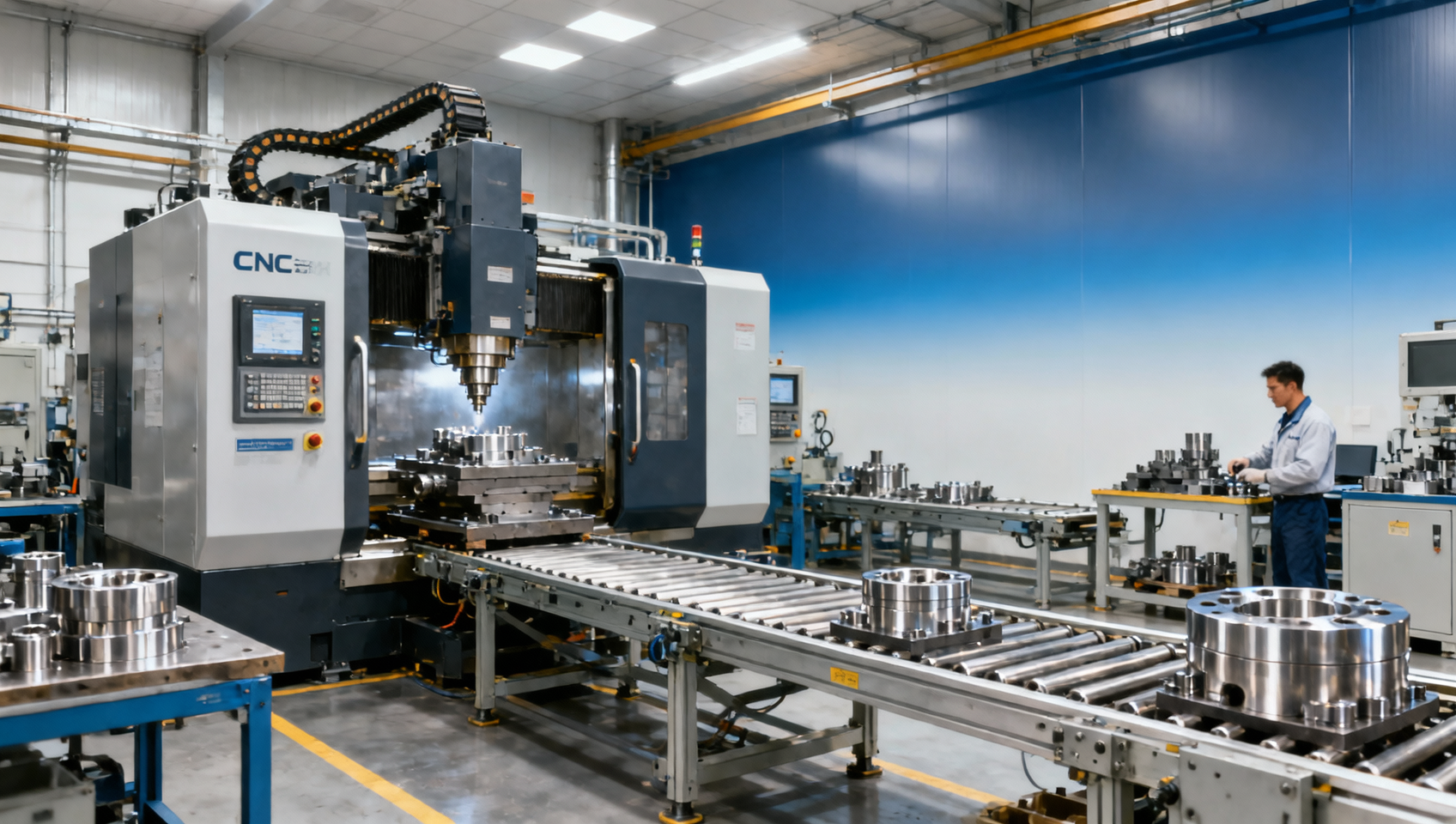
For researchers, operators, buyers, and business leaders, the issue is rarely a lack of hardware. A factory may own advanced CNC lathes, 5-axis machining centers, robot loading cells, and MES software, yet still lose output because setup sheets are adjusted by hand, offsets are typed twice, inspection data is recorded on paper, or work orders depend on verbal communication. These invisible actions create delays that are hard to measure until scrap rises, throughput falls, or expansion plans stall.
In CNC machining and precision manufacturing, even 1 hidden manual handoff can affect cycle time, part traceability, and machine utilization across an entire line. The cost becomes larger in automotive, aerospace, electronics, and energy equipment production, where tolerances, lot tracking, and delivery schedules leave little room for undocumented intervention. Understanding where manual work remains hidden is the first step toward making automation projects perform as expected.
Where Hidden Manual Steps Usually Appear in CNC Automation
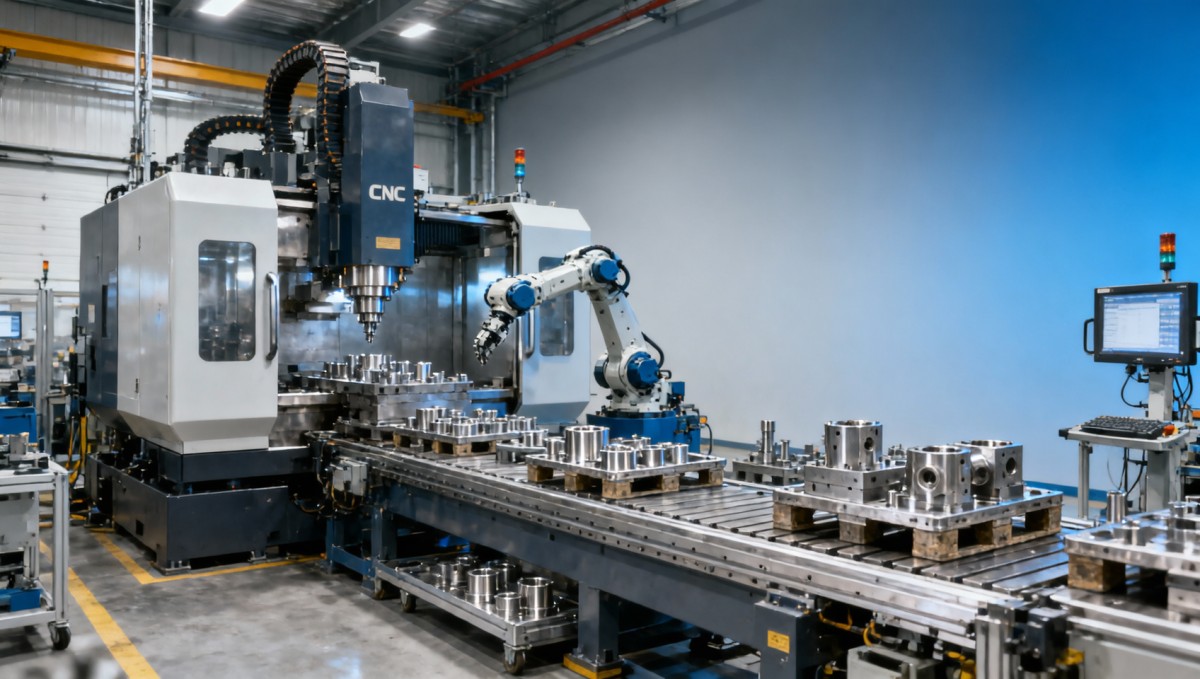
Hidden manual steps are not always obvious because they often sit between systems rather than inside them. A CNC machine may run automatically once the cycle starts, but the process before and after machining can still depend on human intervention. In many shops, the weak points appear in programming transfer, tooling confirmation, first-piece approval, fixture changeover, material labeling, and quality reporting.
A typical production chain has at least 6 handoff points: order release, program preparation, machine setup, in-process inspection, part movement, and final data recording. If even 2 of these steps are undocumented or performed differently across shifts, the line may show unstable output. That is why two identical CNC cells can deliver very different OEE results over a 30-day period.
For operators, hidden work often appears as “small corrections” that seem practical in the moment. Examples include manually changing spindle offsets, re-entering tool wear values, bypassing barcode scans when a reader fails, or adjusting feed rates without updating the approved process plan. These actions may save 3 to 5 minutes per job, but across 40 jobs per week they create a large disconnect between the digital plan and the real process.
For procurement and management teams, the problem is more strategic. When manual interventions are invisible, it becomes difficult to compare vendors, justify automation ROI, or scale a pilot cell into a multi-line smart factory. Equipment may be purchased based on spindle speed, axis count, or robot payload, while the actual bottleneck sits in data flow, setup discipline, and process standardization.
Common shop-floor blind spots
- Program versions stored in multiple folders, USB drives, or local machine memory without revision control.
- Tool presetting values written on paper and then entered again at the control panel.
- Inspection results captured offline and uploaded 4 to 24 hours later.
- Material routing that depends on forklift availability instead of system-based scheduling.
- Robot cells paused because fixtures, grippers, or part orientation checks still require manual judgment.
Why these gaps stay hidden
They stay hidden because most dashboards measure machine runtime, not exception handling. A CNC machine may report 85% runtime, but that number does not show 12 minutes lost before each batch because an operator searches for the latest drawing or waits for manual sign-off. In high-mix production, those small delays can remove 1 to 2 production hours from each shift.
The table below highlights where hidden manual steps typically sit and how they affect manufacturing performance.
The key lesson is that automation failure often begins outside the machine envelope. The spindle, servo system, and robot arm may be fully capable, but hidden manual dependencies reduce stability, repeatability, and decision-making accuracy.
How Manual Intervention Damages Efficiency, Quality, and Scalability
When hidden manual steps remain in an industrial automation project, the first visible problem is usually efficiency loss. In a CNC production line, a manual confirmation step that adds only 4 minutes to each batch can consume 160 minutes across 40 batches. That is more than 2.5 hours of lost productive time, not counting waiting, rework, or machine starvation.
The second problem is quality drift. Precision manufacturing depends on repeatability. If operators use personal methods to compensate for tool wear, fixture variation, or dimensional changes, the process becomes dependent on individual skill instead of controlled parameters. In industries targeting tolerances such as ±0.01 mm to ±0.05 mm, undocumented changes can quickly push output outside customer limits.
The third problem is scalability. A pilot automation cell may work well when one senior technician supervises every shift. But when the company expands from 1 line to 4 lines or from 2 shifts to 3 shifts, hidden manual know-how does not scale. New operators cannot replicate undocumented decisions reliably, and management cannot forecast output with confidence.
This is especially critical in global manufacturing networks. A process that depends on local operator habits in one plant cannot be transferred easily to another site in China, Germany, Japan, or South Korea. Standardization becomes difficult, and supplier coordination becomes slower when setup logic, inspection criteria, or exception handling are not embedded in the workflow.
Three measurable effects on plant performance
- Lower utilization: Machines may appear available, yet true productive cutting time falls below planned levels because setup and verification remain semi-manual.
- Higher quality cost: Scrap, rework, and sorting increase when process changes are not captured in real time.
- Slower expansion: New cells, new products, or new factories require longer ramp-up periods, often 2 to 6 weeks more than expected.
What buyers and decision-makers should watch
When evaluating automation solutions, many teams focus on machine specs alone: spindle power, axis travel, robot payload, or cycle time per part. Those metrics matter, but they are incomplete. A more realistic evaluation should ask how many manual entries remain, how many systems require duplicate data input, and how exception events are logged. A line with 15% slower nominal speed but better workflow integration may outperform a faster line over a full quarter.
The table below compares visible machine performance with hidden workflow risks that often determine actual project results.
This comparison shows why automation should be assessed as a production system, not just a machine purchase. Efficient machining, stable quality, and scalable growth require digital continuity from planning to execution.
How to Audit an Automation Line Before Problems Multiply
A practical audit does not need to start with expensive software. It begins with mapping every step from order release to shipment and asking one simple question: where does a person add, correct, move, approve, or re-enter information? In many factories, this exercise reveals 8 to 20 manual touchpoints that were never included in the original automation scope.
For CNC workshops, the most useful method is to observe one complete production cycle for a representative part family. Track setup time, tool loading, first article approval, machine idle time, inspection loops, and handoffs to packaging or the next process. Measure not only cycle time, but also waiting time, re-entry time, and exception response time. Even a 3-day audit can identify the highest-value corrections.
Operators should be involved early because they often know where manual work hides. A programmer may assume a process is digital, while the operator knows that every second shift still prints setup notes because the screen layout is unclear. These details matter. A hidden workaround repeated 5 times per shift can have more impact than a major machine specification upgrade.
For procurement teams, the audit also improves supplier selection. Instead of asking only whether a vendor supports robot integration or data collection, ask whether the solution removes duplicate input, standardizes tool data, supports revision control, and captures alarm or intervention history. These are stronger indicators of long-term automation performance.
A 5-step audit framework
- Map the real process, including pre-machining and post-machining steps, not only spindle runtime.
- Count every manual input, approval, movement, and decision that affects the part flow.
- Measure delay by frequency: per cycle, per batch, per shift, and per week.
- Classify each manual step as necessary, temporary, avoidable, or high-risk.
- Prioritize removal based on scrap impact, downtime, lead time, and scalability value.
Useful thresholds during assessment
As a practical guide, any step that occurs more than 10 times per shift, adds more than 2 minutes per batch, or can change process quality without digital recording should be reviewed first. If a line depends on one senior person for more than 20% of exception handling, the system is not yet robust enough for scale.
The goal of the audit is not to remove all human involvement. Human expertise remains essential in process optimization, engineering judgment, maintenance, and continuous improvement. The real goal is to eliminate undocumented, repeated, and non-value-added manual steps that make automation fragile.
Selection and Implementation Strategies That Reduce Hidden Manual Work
A successful industrial automation project is designed around process integration, not equipment isolation. When selecting CNC machines, robotic loading systems, tool management, metrology interfaces, and software platforms, companies should define one connected workflow. This means the same production logic should control program release, setup validation, part identification, quality feedback, and production reporting.
Implementation should be phased. In most manufacturing environments, a 3-stage rollout works better than a full replacement. Stage 1 covers process mapping and baseline measurement over 2 to 4 weeks. Stage 2 introduces digital control of the highest-risk touchpoints such as program revision, tool data, and inspection feedback. Stage 3 expands integration to scheduling, traceability, and multi-line coordination.
For buyers, the right vendor discussion should include interfaces, operator usability, training needs, and support response. A technically advanced machine becomes a weak investment if setup remains confusing or if recovery from alarms requires vendor intervention every time. Shorter learning curves, clearer work instructions, and better exception management often generate faster ROI than headline performance figures.
For operators and supervisors, standard work matters as much as automation hardware. If one setup process takes 18 minutes on day shift and 32 minutes on night shift, the problem may not be machine capacity. It may be missing presets, unclear fixture confirmation, or inconsistent work instructions. Automation becomes reliable only when standards are explicit and repeatable across teams.
Key selection criteria for CNC and automated production lines
- Program and revision control that prevents operators from running outdated machining files.
- Tool data management that reduces manual offset entry and supports preset verification.
- Inspection feedback loops that can return dimensional data to the process within the same shift, ideally within minutes rather than hours.
- Clear HMI workflows for alarms, changeovers, and operator confirmations.
- Expandable architecture that can move from 1 cell to 3 or more lines without rebuilding the logic from the start.
Implementation mistakes to avoid
One common mistake is automating movement while ignoring information flow. A robot can load parts 24 hours a day, but if work order data, fixture status, or quality decisions remain manual, the line still stops. Another mistake is skipping operator training. Even strong systems need structured onboarding, usually 1 to 3 days for basic use and several weeks for full shift-level stability.
The most effective projects use measurable acceptance targets. Examples include setup time reduction of 15% to 30%, removal of duplicate data entry in 3 major workflow steps, first-piece approval time under 20 minutes, or digital traceability coverage above 90% for critical batches. These targets help both buyers and suppliers focus on operational outcomes instead of abstract promises.
FAQ for Manufacturers, Buyers, and Operators
The questions below reflect common concerns in the CNC machine tool and industrial automation sector. They are useful for companies planning new investments, upgrading existing production lines, or diagnosing inconsistent performance in smart manufacturing projects.
How can a factory tell whether manual steps are hurting automation performance?
Look for repeated delays that are not visible in machine logs: extra setup time, handwritten notes, verbal approvals, offline inspection records, or frequent operator overrides. If actual output is 10% to 20% below the planned capacity despite acceptable machine health, hidden manual work is a likely cause. A one-week observation across 2 or 3 shifts usually reveals the main problem areas.
Which companies are most affected by hidden manual intervention?
High-mix, medium-volume manufacturers are especially exposed because they change parts, tools, fixtures, and programs frequently. However, large-volume plants are also vulnerable when one undocumented step is repeated hundreds of times per week. Industries such as automotive components, aerospace machining, electronics housings, and energy equipment machining often feel the impact quickly because they rely on repeatability and traceability.
What should procurement teams ask automation suppliers?
Ask at least 4 practical questions: how program revisions are controlled, how tool and offset data are transferred, how inspection results connect to process decisions, and how alarm or exception history is recorded. Also ask about training duration, spare parts lead times, and the vendor’s support workflow during the first 30 to 90 days after installation.
Is it realistic to remove every manual step?
No, and that should not be the target. The aim is to remove low-value, undocumented, and failure-prone manual work. Skilled human input is still needed for programming strategy, process engineering, fixture planning, preventive maintenance, and continuous improvement. The right balance is a controlled process where manual actions are visible, standardized, and traceable.
Industrial automation succeeds when digital planning matches real production behavior. In CNC machining, precision manufacturing, and automated production lines, hidden manual steps are often the true reason projects underperform. By auditing handoffs, measuring repeated interventions, and selecting solutions that connect data, tooling, quality, and execution, manufacturers can improve efficiency, reduce variation, and scale more confidently across product lines and plant locations.
If your team is evaluating CNC automation, upgrading a precision manufacturing line, or trying to uncover workflow losses inside an existing smart factory project, now is the right time to review the process behind the machine. Contact us to discuss your application, request a tailored solution, or learn more about practical strategies for reducing hidden manual work in industrial automation.
Recommended for You
 What causes chatter in metal machining and how to stop itCNC Machining Technology Center
 Industrial CNC lead times are shifting in 2026Manufacturing Market Research Center
 When CNC industrial upgrades cut output instead of raising itMachine Tool Industry Editorial Team
 Automated lathe errors that often start with bar feedingMachine Tool Industry Editorial Team
 Why CNC metalworking scrap rates rise on thin wall partsCNC Machining Technology Center
 CNC cutting speed or finish quality: where losses beginCNC Machining Technology Center

Aris Katos
Future of Carbide Coatings
15+ years in precision manufacturing systems. Specialized in high-speed milling and aerospace grade alloy processing.
▶
Automated production works best after these bottlenecks are fixedMachine Tool Industry Editorial Team▶
Why an Automated Production Line still stalls after commissioningMachine Tool Industry Editorial Team▶
Industrial Automation projects fail when manual steps stay hiddenMachine Tool Industry Editorial Team▶
When does automated production line ROI break even — and what delays it most?Machine Tool Industry Editorial Team▶
Why some CNC production lines stall at 73% OEE despite full automationMachine Tool Industry Editorial Team
Mastering 5-Axis Workholding Strategies
Join our technical panel on Nov 15th to learn about reducing vibrations in thin-wall components.

Providing you with integrated sanding solutions
Before-sales and after-sales services
Comprehensive technical support