• Global CNC market projected to reach $128B by 2028 • New EU trade regulations for precision tooling components • Aerospace deman
NYSE: CNC +1.2%LME: STEEL -0.4%

Space-Saving CNC Manufacturing Without Sacrificing Workflow
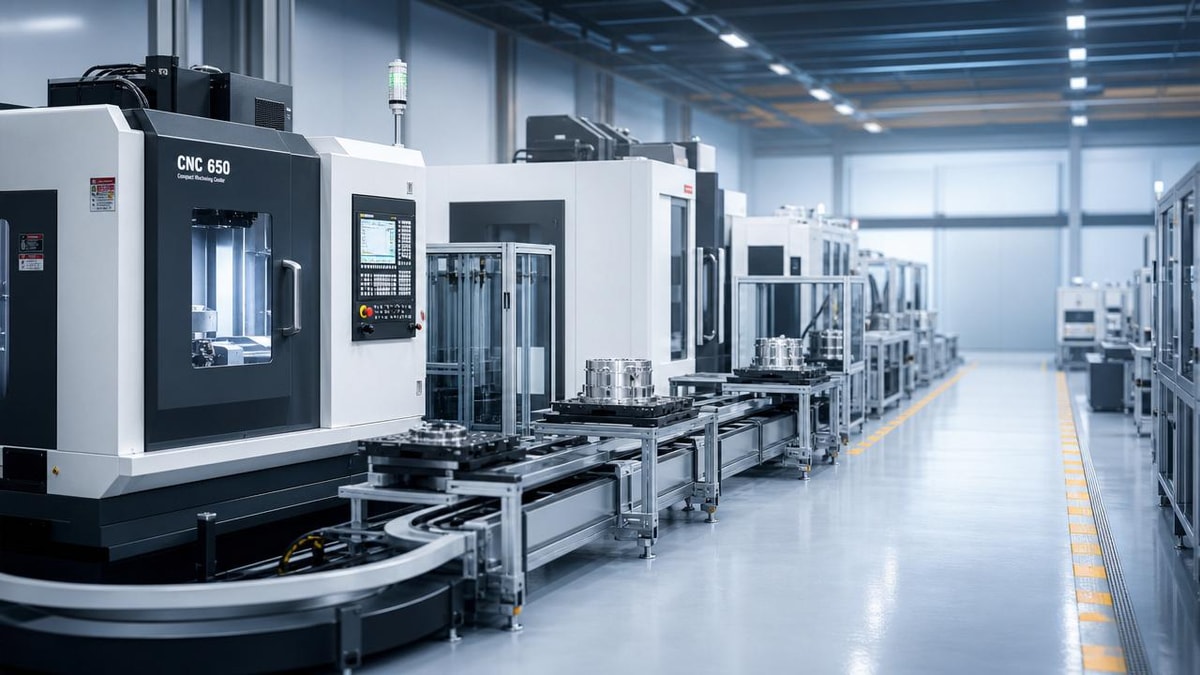
In modern manufacturing, floor space is no longer just a facility concern—it directly affects efficiency, scalability, and project delivery. Space-saving CNC manufacturing is helping engineering leaders optimize layouts, maintain smooth production flow, and support high-precision output without costly expansion. For project managers balancing capacity, automation, and workflow continuity, smarter use of limited shop space has become a practical competitive advantage.
For most project managers and engineering leads, the real question is not whether to save space, but how to do it without creating bottlenecks, safety issues, or hidden production costs. The short answer is that space-saving CNC manufacturing works best when layout decisions are tied directly to workflow, machine utilization, material movement, and future automation plans.
In other words, reducing footprint should never mean squeezing equipment wherever it fits. The most successful facilities treat space as a production asset. They evaluate spindle time, setup time, operator travel, tool access, part flow, and maintenance clearance before making any footprint reduction plan.
This matters across the broader CNC and precision manufacturing industry, where demand for higher output, tighter tolerances, and faster delivery continues to rise. Whether a plant serves automotive, aerospace, electronics, or energy equipment, efficient use of space can improve throughput and support expansion without the delay and capital expense of relocating or building out.
What project managers are really looking for in space-saving CNC manufacturing
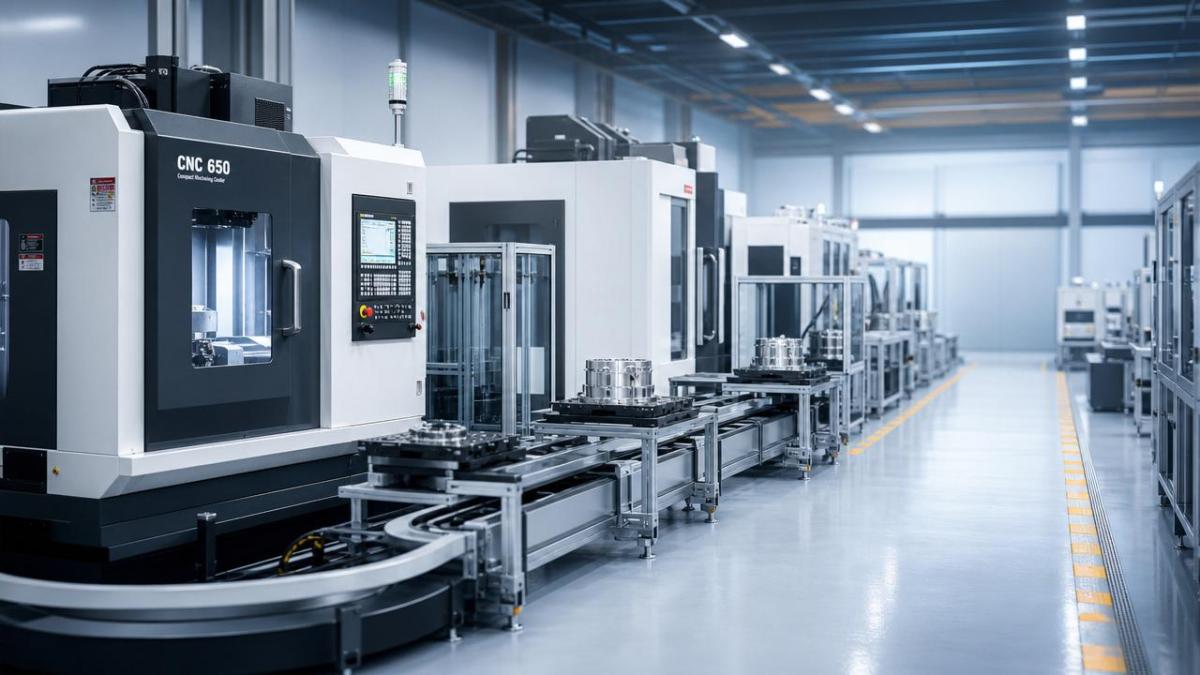
When professionals search for space-saving CNC manufacturing, they are usually not looking for abstract design ideas. They want practical ways to fit more capability into the same footprint while protecting workflow continuity. Their concern is operational, not decorative.
For project managers, the highest-priority questions are straightforward. Can we add capacity without expanding the building? Can we integrate automation in a limited area? Will compact machine layouts reduce work-in-process movement or make it worse? How will this affect scheduling, maintenance, safety, and future flexibility?
These concerns are valid because a smaller footprint can either improve performance or quietly damage it. A dense CNC cell with poor access may increase downtime, complicate fixture changes, and slow troubleshooting. A well-planned compact cell, by contrast, can shorten material travel, simplify supervision, and raise output per square meter.
That is why decision-makers should judge compact manufacturing solutions by workflow outcome rather than machine size alone. The best space-saving strategies improve the relationship between people, machines, tools, parts, and automation.
Why floor space has become a strategic production variable
In many facilities, production planning still treats floor space as a background constraint. In reality, it has become a front-line business issue. Rent, utility infrastructure, labor movement, inventory storage, and automation access are all tied to the way space is used.
For companies facing rising production complexity, every additional machine or process step competes for limited room. This is especially true in high-mix, medium-volume operations, where multiple part families, frequent changeovers, and support equipment can quickly overwhelm available space.
Space pressure also increases when manufacturers bring more value in-house. A company that once outsourced turning, milling, inspection, or secondary processes may now want to internalize them for lead-time control. Without careful planning, the result is a crowded shop with fragmented workflow.
From a project delivery perspective, poor space utilization can extend lead times indirectly. Parts wait longer between operations, operators spend more time walking, forklifts cross too many active zones, and machine access becomes inconsistent. None of these issues appears on a machine specification sheet, yet all of them affect output.
For this reason, space-saving CNC manufacturing should be viewed as an operational strategy linked to capacity planning, lean production, and digital transformation. It is not simply a facilities decision.
Where compact CNC layouts create the most value
Not every production environment benefits equally from aggressive footprint reduction. The strongest returns usually appear in facilities where machine density, product complexity, and scheduling pressure are already high.
One common case is the shop that must add equipment but cannot expand the building in the near term. A more compact CNC configuration may allow the business to introduce another machining center, turning cell, or automated loading system while keeping current operations active.
Another strong use case is mixed-process production. If turning, milling, probing, and light assembly are spread too far apart, a compact cell can reduce handling and waiting. Combining operations through multi-tasking equipment or better adjacency planning often improves both floor efficiency and process stability.
Compact layouts also support labor efficiency. In many modern plants, skilled operators and technicians are more difficult to scale than machine assets. A tighter but well-designed cell can allow one person to oversee multiple machines more effectively, especially when supported by standardized setups and digital monitoring.
Finally, facilities preparing for smart manufacturing often discover that space efficiency is necessary for automation adoption. Robots, pallet systems, tool storage, and in-process inspection all require planning room. Saving space at the machine level can make these future upgrades possible.
How to reduce footprint without damaging workflow
The biggest mistake in space reduction projects is optimizing for static layout instead of dynamic movement. A machine may fit on paper, yet fail in actual production because raw material, finished parts, operators, and service personnel cannot move efficiently around it.
Project managers should begin with flow mapping, not equipment placement. Track how material enters, how parts move between processes, where setups occur, where tools are staged, and how maintenance teams access critical components. This gives a real picture of what space is doing today.
Next, separate essential footprint from operational footprint. A machine’s catalog dimensions do not include safe access, chip removal, coolant handling, fixture loading, robot motion envelope, or crane clearance. Decisions based only on base dimensions often produce avoidable layout problems.
Another priority is process consolidation. In many cases, the best way to save floor space is not to place machines closer together, but to reduce the number of handoffs. Multi-axis machining centers, mill-turn systems, and integrated measurement functions can remove intermediate transport and lower work-in-process accumulation.
Standardization also plays a major role. Shared tooling systems, common fixture interfaces, organized tool carts, and digital setup instructions reduce the support space required around each machine. This allows a compact layout to remain manageable over time.
Finally, preserve flexibility. A layout that saves space today but prevents future machine replacement, automation retrofits, or product mix changes may create a larger cost later. Good compact design leaves room for production evolution.
Machine and system choices that support space-saving CNC manufacturing
Not all CNC investments contribute equally to a smaller, more productive footprint. For engineering leaders, the goal should be to compare total process capacity per square meter rather than evaluating machine price or footprint in isolation.
Vertical machining centers with integrated tool capacity can be effective where floor depth is limited and part access is straightforward. Horizontal systems may offer stronger advantages for palletized throughput and automation, especially when one machine can run multiple part types with minimal manual intervention.
Multi-tasking machines deserve close attention in space-constrained environments. A single platform that combines turning, milling, drilling, and probing may reduce queue time and floor usage significantly. The tradeoff is often higher upfront cost and more demanding programming, but the overall project value can be strong if part families fit the process model.
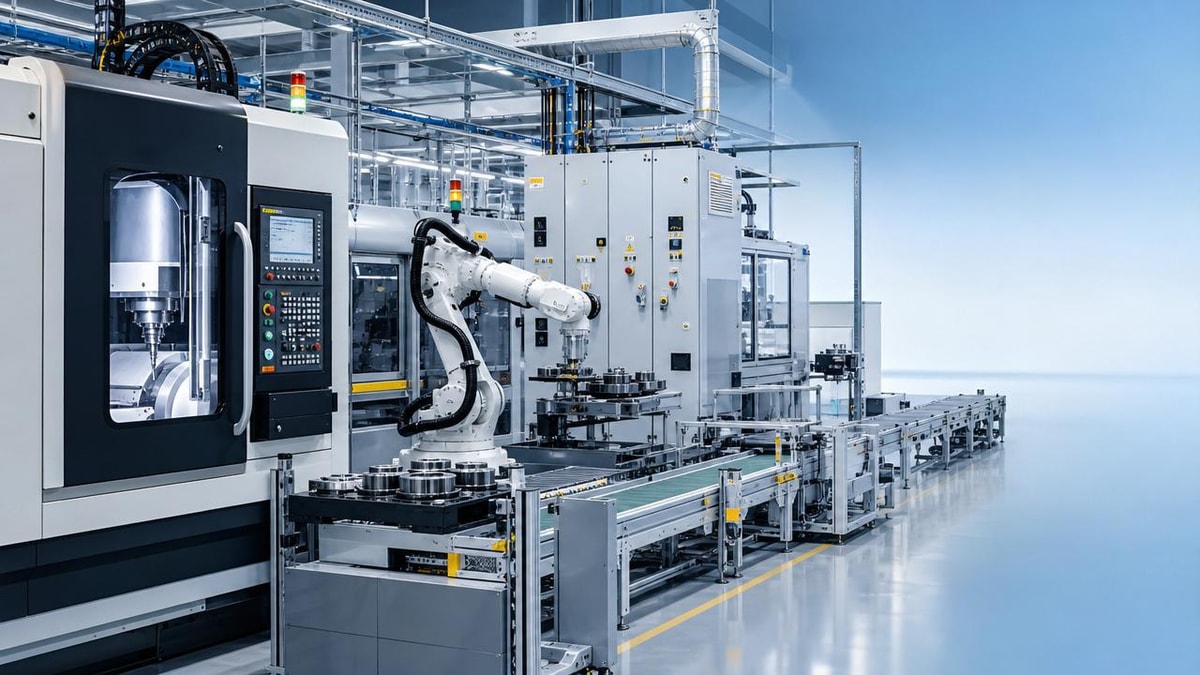
Automation-ready compact cells are another important option. Smaller robotic tending systems, integrated bar feeders, compact pallet pools, and modular storage solutions allow shops to increase machine utilization without building large stand-alone automation islands.
Support equipment matters as much as the primary machine. Coolant systems, chip conveyors, mist collectors, presetters, workholding storage, and inspection stations should be chosen with the same space discipline. Many footprint reduction projects fail because peripheral equipment expands faster than the machine area shrinks.
Key risks project managers should evaluate before approving a compact layout
Space efficiency can create measurable gains, but it can also hide risks that surface only after commissioning. Project managers should assess these risks early to avoid expensive rearrangement later.
The first risk is maintenance inaccessibility. If technicians cannot reach electrical cabinets, lubrication points, spindles, or chip systems safely and quickly, downtime will rise. A machine that is efficient during normal production may become inefficient during every service event.
The second risk is operator congestion. Compact does not mean crowded. If one operator must navigate narrow access paths, share staging areas, or wait for lifting equipment, cycle efficiency may decline even when machines are physically closer together.
Third is material handling conflict. Forklifts, carts, pallets, and incoming stock need clear routes. If a tighter layout increases crossing traffic between machines and logistics zones, safety and lead time can both suffer. This is especially important in facilities handling large workpieces or mixed-volume orders.
A fourth risk involves expansion lock-in. Some compact layouts use every available meter but leave no practical way to add inspection, automation, or supplementary processes later. Space-saving CNC manufacturing should support growth, not trap the facility in a rigid configuration.
There is also a digital risk. If layout planning ignores connectivity needs such as machine monitoring, data collection, network drops, and control cabinet access, the site may struggle to implement smart factory functions later. Physical density should not limit digital integration.
How to measure whether a space-saving CNC strategy is actually working
Many organizations judge success too narrowly by asking whether more machines fit into the same building. A better measurement framework links space efficiency to operational performance.
Start with output per square meter. This is one of the clearest indicators of whether a compact layout is creating real value. However, it should be tracked together with on-time delivery, overall equipment effectiveness, and average setup duration.
Labor movement is another useful metric. If operator walking distance, support response time, or material transfer time decreases, the layout is likely supporting smoother flow. If these values rise, the space plan may be visually compact but operationally inefficient.
Monitor work-in-process inventory between CNC stages as well. Effective compact manufacturing usually lowers queue accumulation because operations are better connected. Rising in-process stock often signals that machines are close physically but disconnected functionally.
Downtime analysis can provide further insight. Compare the frequency and duration of maintenance delays, chip removal interruptions, setup holds, and material handling stoppages before and after the layout change. These are often the first signs of hidden friction in dense production cells.
Finally, evaluate adaptability. A strong layout should handle part variation, engineering changes, and demand fluctuations without major rearrangement. For project managers, this may be the most important long-term indicator of success.
A practical decision framework for engineering and operations leaders
When deciding whether to pursue space-saving CNC manufacturing, project managers should avoid all-or-nothing thinking. The right question is not whether compact is good, but where compact creates net operational benefit.
A practical evaluation framework can begin with five checkpoints. First, identify the true constraint: floor area, labor, machine utilization, process fragmentation, or material flow. Second, define the target outcome, such as more capacity, shorter lead time, or automation readiness.
Third, compare alternatives at the cell level rather than the machine level. For example, one larger multi-function machine may outperform two smaller isolated machines in both footprint and lead time. Fourth, test support requirements, including maintenance access, inspection space, and logistics routes.
Fifth, model the next stage of growth. If demand rises by 20 percent or a new product family is added, can the layout adapt? This future-state thinking helps leaders avoid short-term space savings that undermine future competitiveness.
Cross-functional planning is essential throughout this process. Layout decisions should involve manufacturing engineering, operations, maintenance, quality, safety, and automation stakeholders. The most expensive errors in compact manufacturing usually happen when one department optimizes locally without seeing the whole workflow.
Conclusion: saving space only matters if it improves production flow
Space-saving CNC manufacturing is most valuable when it increases capacity, supports automation, and protects workflow quality at the same time. For project managers and engineering leaders, the goal is not simply to fit more equipment into less room. The goal is to create a production environment where machines, people, materials, and data move with less friction.
That is why the best compact manufacturing strategies focus on flow first, footprint second. When layout planning aligns with process consolidation, operator access, maintenance needs, and future scalability, limited floor space can become a competitive advantage instead of a constraint.
In today’s CNC and precision manufacturing landscape, where delivery pressure and investment discipline are both high, smarter use of space can unlock meaningful gains without the cost of major expansion. The key is to treat space as part of production strategy, not just facility geometry.
PREVIOUS ARTICLE
Recommended for You
 CNC Milling Capacity Gaps Can Hurt Small Batch ProfitabilityManufacturing Market Research Center
 Industrial Robotics Payback Is Changing in Mid-Size PlantsManufacturing Market Research Center
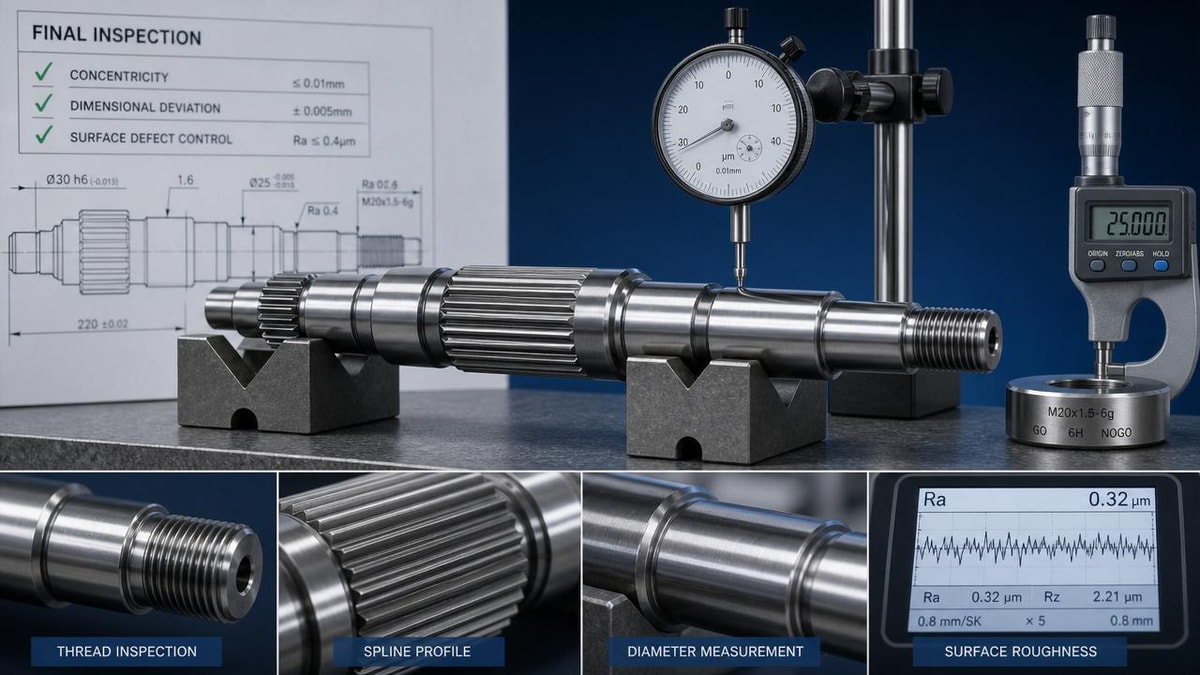
 Shaft Parts Machining Problems That Show Up at Final InspectionCNC Machining Technology Center
 Production Process Delays Usually Start Before Machining BeginsCNC Machining Technology Center
 Industrial Automation Projects Often Miss This Integration StepCNC Machining Technology Center
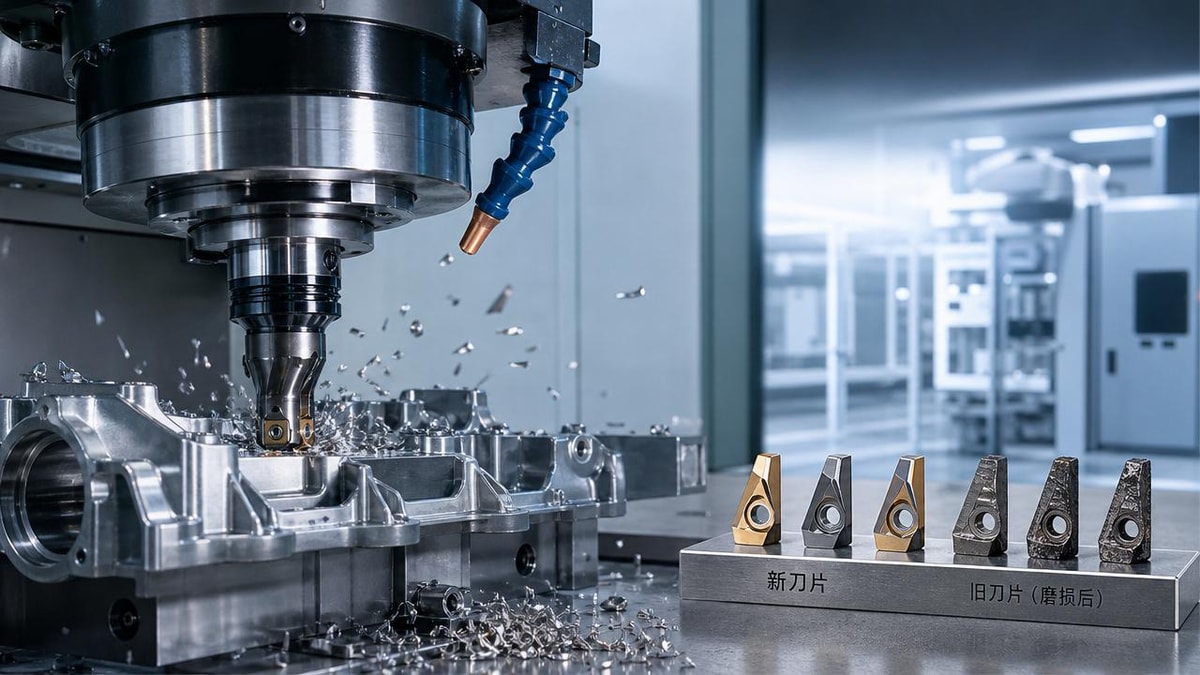
 CNC Metal Cutting Tool Wear Is Costing More Than You ThinkCNC Machining Technology Center

Aris Katos
Future of Carbide Coatings
15+ years in precision manufacturing systems. Specialized in high-speed milling and aerospace grade alloy processing.
▶
Why Some Automated Production Lines Stall After InstallationMachine Tool Industry Editorial Team▶
Space-Saving CNC Manufacturing Without Sacrificing WorkflowMachine Tool Industry Editorial Team▶
What Slows Automated Production More Than Machine SpeedMachine Tool Industry Editorial Team▶
2026 Roller Conveyor Trends: Flexibility & Digital Twin Drive Overseas ProcurementMachine Tool Industry Editorial Team▶
Automated Production Line faults that disrupt output for hoursMachine Tool Industry Editorial Team
Mastering 5-Axis Workholding Strategies
Join our technical panel on Nov 15th to learn about reducing vibrations in thin-wall components.

Providing you with integrated sanding solutions
Before-sales and after-sales services
Comprehensive technical support