• Global CNC market projected to reach $128B by 2028 • New EU trade regulations for precision tooling components • Aerospace deman
NYSE: CNC +1.2%LME: STEEL -0.4%

What Slows Automated Production More Than Machine Speed
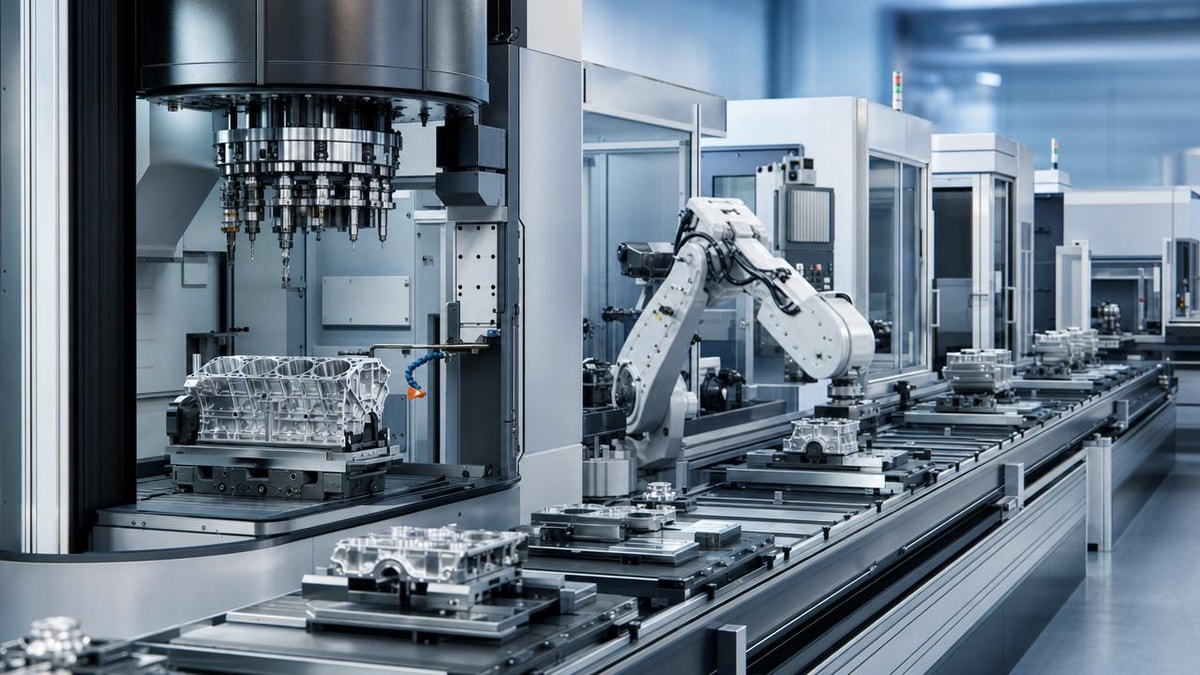
In automated production, machine speed is only one part of the equation. For business decision-makers, the real causes of delay often come from tooling changes, setup time, material flow, maintenance gaps, and disconnected digital systems. Understanding what truly slows output is essential for improving efficiency, reducing hidden costs, and building a more competitive manufacturing operation.
Why fast machines still fail to deliver fast automated production
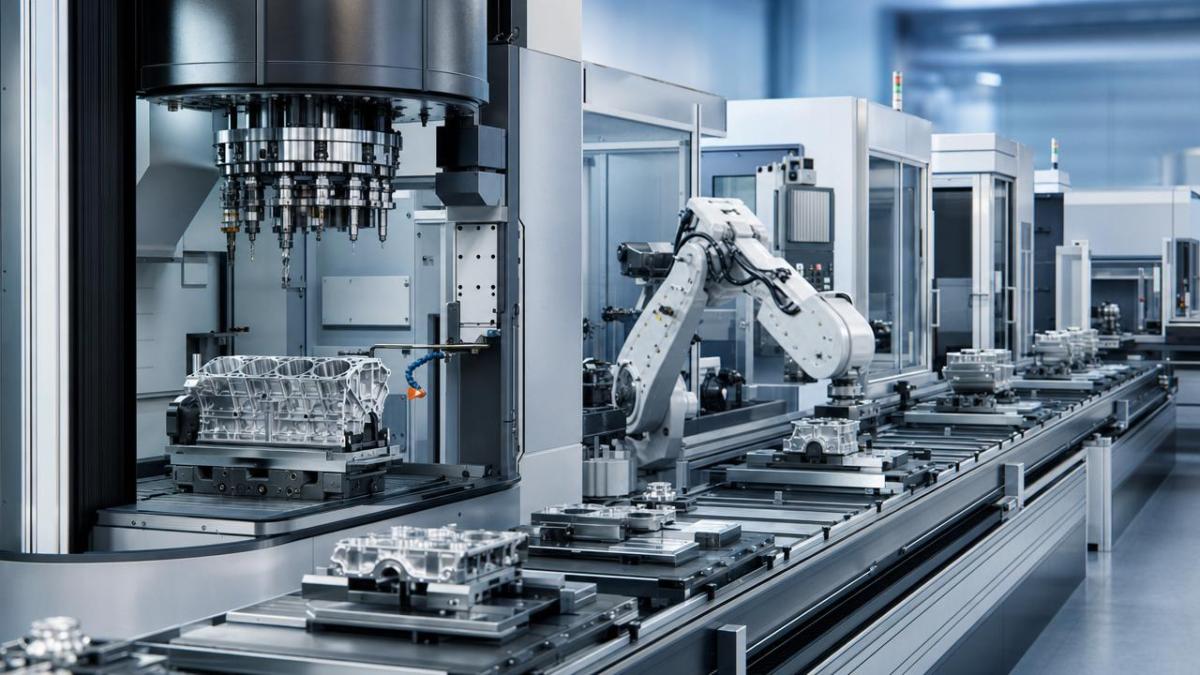
In the CNC machine tool industry, buyers often compare spindle speed, rapid traverse, axis acceleration, and cycle time. These metrics matter, but they do not explain why many factories with advanced equipment still miss output targets. In real automated production, throughput is determined by the weakest link in the full manufacturing chain, not by the headline speed of one machine.
For decision-makers in automotive, aerospace, energy equipment, and electronics production, the practical issue is not whether a machine can cut faster in isolation. The issue is whether the complete line can run with stable part quality, predictable flow, short changeovers, and minimal interruption. A machine may complete one operation in seconds, while upstream material delays or downstream inspection bottlenecks add hours.
This is especially true in facilities using CNC lathes, machining centers, multi-axis systems, robots, tool magazines, pallet changers, and automated transfer systems. The higher the automation level, the more damaging small coordination failures become. A missed tool offset, unstable fixture repeatability, or poor scheduling logic can slow automated production more than any spindle limit.
- Machine speed affects cutting time, but non-cutting time often consumes a larger share of the shift.
- Automation raises capacity only when setup, tooling, material supply, and data flow are synchronized.
- For executives, the key KPI is delivered good parts per hour, not theoretical cycle speed.
The difference between machine performance and system performance
Machine performance describes what a single asset can do under controlled conditions. System performance measures what the plant actually produces under real demand, real changeovers, and real maintenance constraints. When evaluating automated production investments, system performance is the more reliable basis for capital planning, supplier selection, and return-on-investment calculations.
What slows automated production more than machine speed?
The most common causes of lost output are not dramatic breakdowns. They are recurring, manageable sources of friction that accumulate over every shift. The table below shows where automated production typically loses time in CNC and precision manufacturing environments.
For most manufacturers, these losses are cumulative. No single issue looks catastrophic, yet together they can reduce the value of a major capital investment. This is why automated production planning should focus on bottleneck removal, not only on faster equipment specifications.
The hidden cost of non-cutting time
Executives often review machine utilization, but a more useful measure is the ratio of value-added cutting time to total occupied machine time. When fixtures are being adjusted, tools are being searched, or operators are waiting for instructions, the machine may appear busy without creating output. In high-mix environments, this hidden loss can be more significant than pure machining speed.
Where decision-makers should look first in CNC automated production
Before approving another machine upgrade, management should identify whether the real issue is capacity, stability, or flow. In the global CNC machining and precision manufacturing industry, strong suppliers increasingly help customers evaluate the production system as a whole, including tooling, fixtures, software integration, inspection logic, and spare parts support.
A practical diagnostic sequence
- Map total lead time from raw material release to finished part dispatch, not only machining time.
- Separate planned stops from unplanned stops, then identify whether the line loses more time in setup, waiting, maintenance, or quality checks.
- Review part families with the highest schedule disruption, because product complexity often exposes weak fixture and tooling strategy.
- Check whether robot loading, pallet management, and machine scheduling use real-time data or manual intervention.
- Compare the designed takt time with the actual release rate of good parts, including rework and inspection delay.
This sequence helps leaders avoid a common mistake: buying speed to solve a coordination problem. In many cases, improving fixture repeatability, standardizing tool assemblies, or linking production software can raise automated production performance faster than adding another machine.
Comparison: when to invest in faster machines and when to fix the process
Capital investment decisions should be based on the true source of delay. The table below helps compare two common paths in automated production improvement: increasing machine capability or correcting system inefficiency.
This comparison is valuable during budgeting. It reduces the risk of overinvesting in equipment while underinvesting in production engineering, integration, and workforce readiness. In automated production, the best financial result often comes from balanced spending across machines, tooling, software, and process control.
How tooling, fixtures, and setup discipline influence throughput
CNC machine tools can only perform as well as the manufacturing system around them. Tooling and fixturing are especially important because they directly affect accuracy, changeover time, repeatability, and unattended running. For enterprises scaling automated production, weak setup discipline can erase the value of advanced machine tool capabilities.
Key improvement points
- Use standardized tool assemblies to reduce preset time and avoid manual correction on the machine.
- Design fixtures for repeatable clamping and rapid part exchange, especially in multi-variant production.
- Apply tool life management rules that match actual material, chip load, and surface finish requirements.
- Confirm setup sheets, offsets, and process documents are version-controlled and available at the point of use.
In precision manufacturing, good setup engineering supports unattended shifts, lower scrap rates, and smoother transition between part batches. This matters even more in sectors with strict tolerances and traceability needs, such as aerospace components, energy parts, and electronic housings.
Digital integration problems that quietly slow automated production
Many factories now own advanced CNC machines, robots, and automated lines, yet still manage production with spreadsheets, paper travelers, or disconnected software. The result is slow response to change, poor traceability, and unnecessary waiting. In modern automated production, digital continuity is no longer optional.
Typical digital bottlenecks
- CAM programs are revised, but the newest version is not synchronized to every machine control.
- ERP demand changes are not reflected in real-time machine scheduling or pallet priority.
- Inspection data remains isolated, so process drift is discovered too late.
- Maintenance records are stored separately from machine alarm history, delaying root-cause analysis.
For business leaders, this creates two risks. First, production decisions are made on incomplete information. Second, quality and delivery problems become harder to explain to customers. Better digital integration between ERP, MES, machine monitoring, tooling data, and quality systems improves visibility and supports more reliable automated production planning.
Procurement guide: what to evaluate before expanding automated production
When selecting CNC machines, flexible cells, or line automation, procurement teams should evaluate the complete operating environment. The next table summarizes practical decision criteria that affect automated production performance beyond machine speed alone.
This approach is especially useful for multinational sourcing, where machine performance, documentation quality, after-sales response, and integration readiness vary by region and supplier maturity. Good procurement decisions create resilience, not just capacity.
Common misconceptions in automated production planning
“If we buy a faster machine, output will automatically rise”
This is only true when cutting time is the verified bottleneck. If material waiting, setup, or quality release dominates the schedule, the faster machine may simply spend more time idle.
“Automation reduces the need for process discipline”
In reality, automation increases the need for standardization. Robots and flexible lines depend on consistent fixtures, stable part orientation, reliable programs, and accurate data exchange.
“Downtime only matters when a machine completely stops”
Repeated short stops often cause more damage than one major event because they disrupt operator attention, scheduling confidence, and quality consistency across the shift.
FAQ about improving automated production in CNC manufacturing
How can we tell whether machine speed is really the bottleneck?
Start by comparing actual good-part output with the theoretical output based on cycle time. Then measure setup duration, waiting time, tool intervention, quality hold time, and unplanned stops. If the machine is not cutting consistently through the shift, machine speed is probably not the first issue to solve.
What matters more in high-mix automated production: speed or flexibility?
In high-mix environments, flexibility usually creates more business value. Quick change fixtures, modular tooling, stable programming standards, and responsive scheduling often produce a better return than maximum spindle performance alone.
Which industries feel these delays most strongly?
Automotive, aerospace, energy equipment, and electronics are all sensitive, but for different reasons. Automotive focuses on takt and repeatability. Aerospace prioritizes traceability and complex machining stability. Energy equipment values heavy-duty reliability. Electronics often depends on precision, rapid changeover, and consistent handling of small parts.
What standards or compliance topics should buyers review?
Buyers should review applicable machine safety documentation, operating manuals, traceability requirements, electrical conformity expectations, and internal quality procedures. The exact requirements depend on market, application, and customer sector, but documentation completeness should be evaluated early in the sourcing process.
Why informed partners matter in automated production decisions
The CNC machine tool market is becoming more integrated, more digital, and more global. As manufacturers expand across regions and applications, they need more than equipment lists. They need a source of industry insight that connects machine tools, precision manufacturing, automation trends, supplier capability, and international trade developments.
A platform focused on global CNC machining and precision manufacturing can help decision-makers compare technologies, understand process implications, follow market shifts, and identify practical solutions for automated production challenges. That support becomes especially useful when evaluating complex lines, multi-axis machining systems, robot integration, or cross-border sourcing options.
Why choose us for your next automated production evaluation
If your team is assessing how to improve automated production, we can support you with focused, decision-oriented information across CNC machining, precision machine tools, tooling systems, flexible automation, and global supply trends. Our coverage is built for professionals who need practical insight before making capital, sourcing, or process optimization decisions.
- Discuss parameter confirmation for CNC lathes, machining centers, multi-axis systems, or line automation options.
- Compare product selection paths based on part type, batch size, tolerance demands, and planned automation level.
- Review expected delivery timelines, integration considerations, and supply chain risk factors for international sourcing.
- Explore customized solution directions for tooling strategy, fixture planning, digital connection, and production line coordination.
- Clarify documentation, compliance expectations, sample support, and quotation communication before formal procurement.
When automated production slows, the right response is rarely just “buy a faster machine.” The better response is to identify the real bottleneck, compare solution paths, and make a decision based on throughput, quality, flexibility, and total operating impact. Contact us to discuss your application, selection criteria, delivery priorities, or sourcing questions in the CNC and precision manufacturing sector.
Recommended for You
 CNC Milling Capacity Gaps Can Hurt Small Batch ProfitabilityManufacturing Market Research Center
 Industrial Robotics Payback Is Changing in Mid-Size PlantsManufacturing Market Research Center
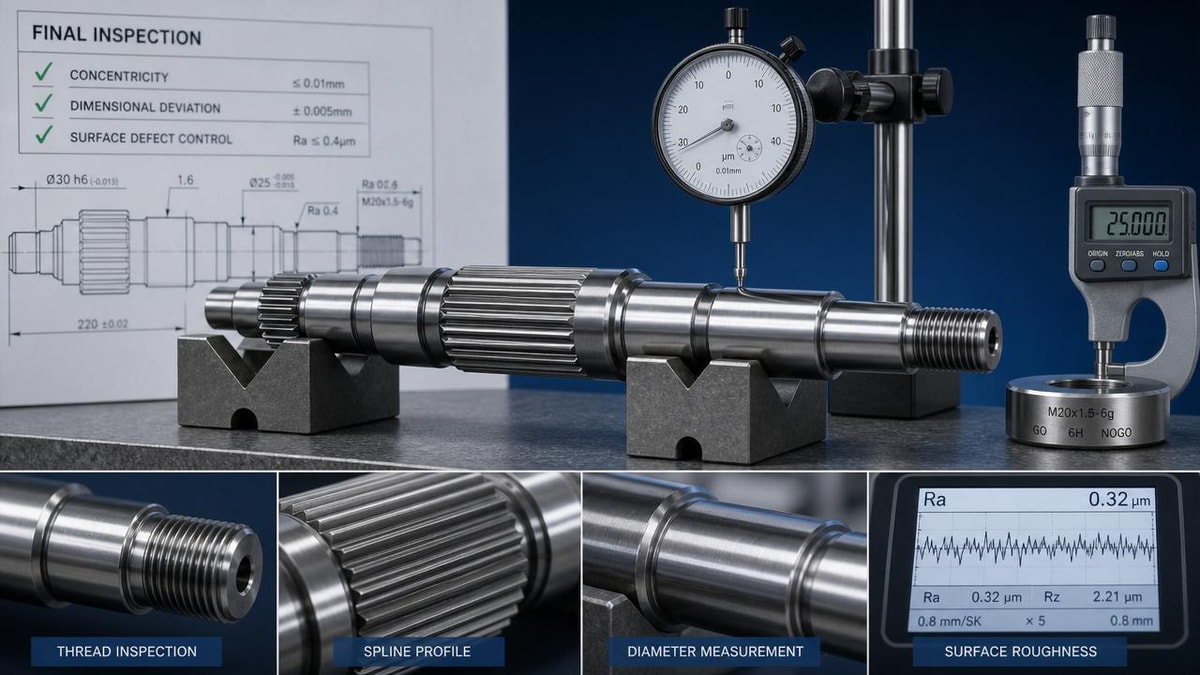
 Shaft Parts Machining Problems That Show Up at Final InspectionCNC Machining Technology Center
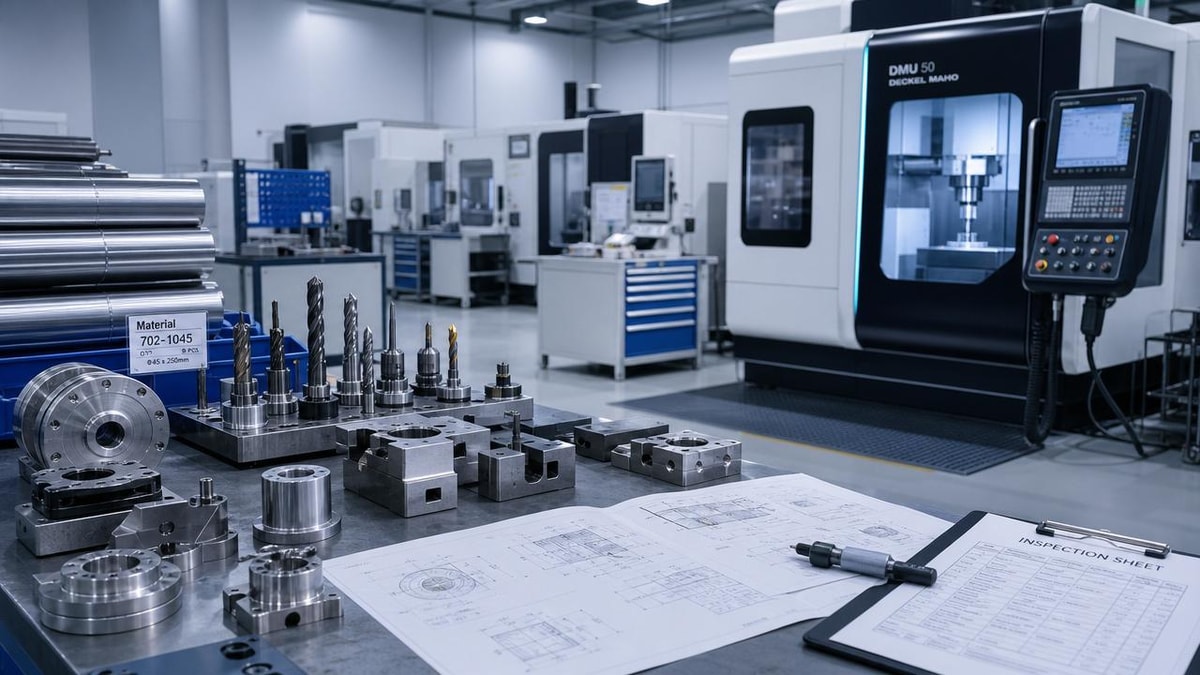
 Production Process Delays Usually Start Before Machining BeginsCNC Machining Technology Center
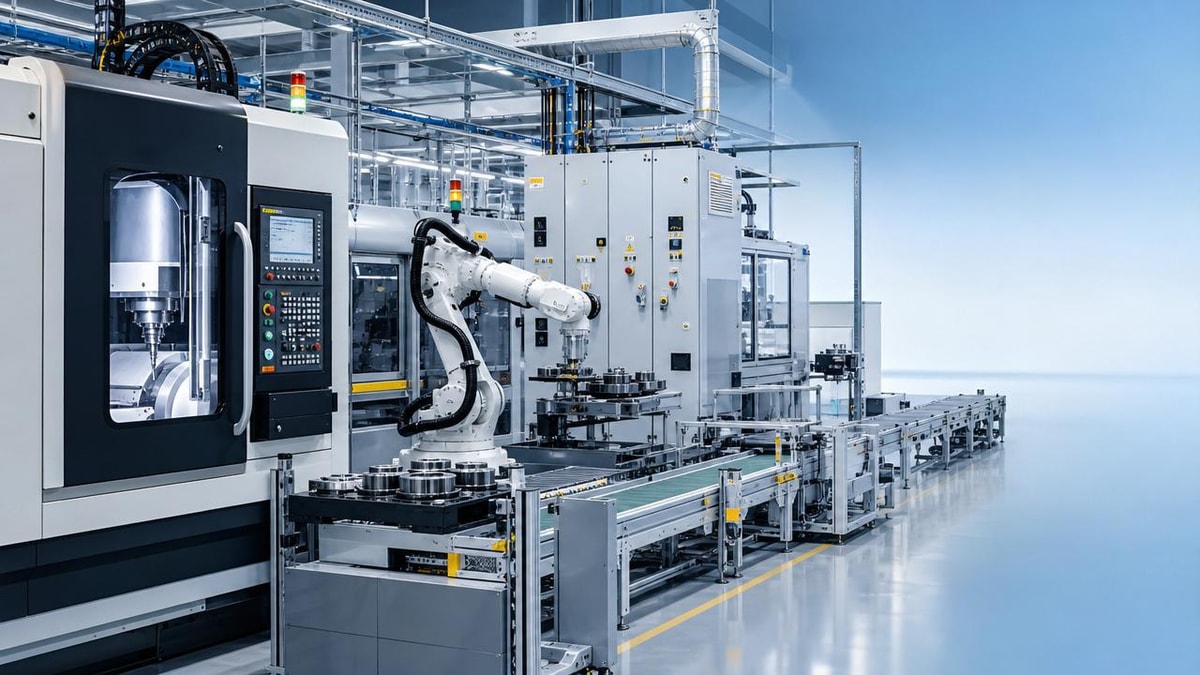
 Industrial Automation Projects Often Miss This Integration StepCNC Machining Technology Center
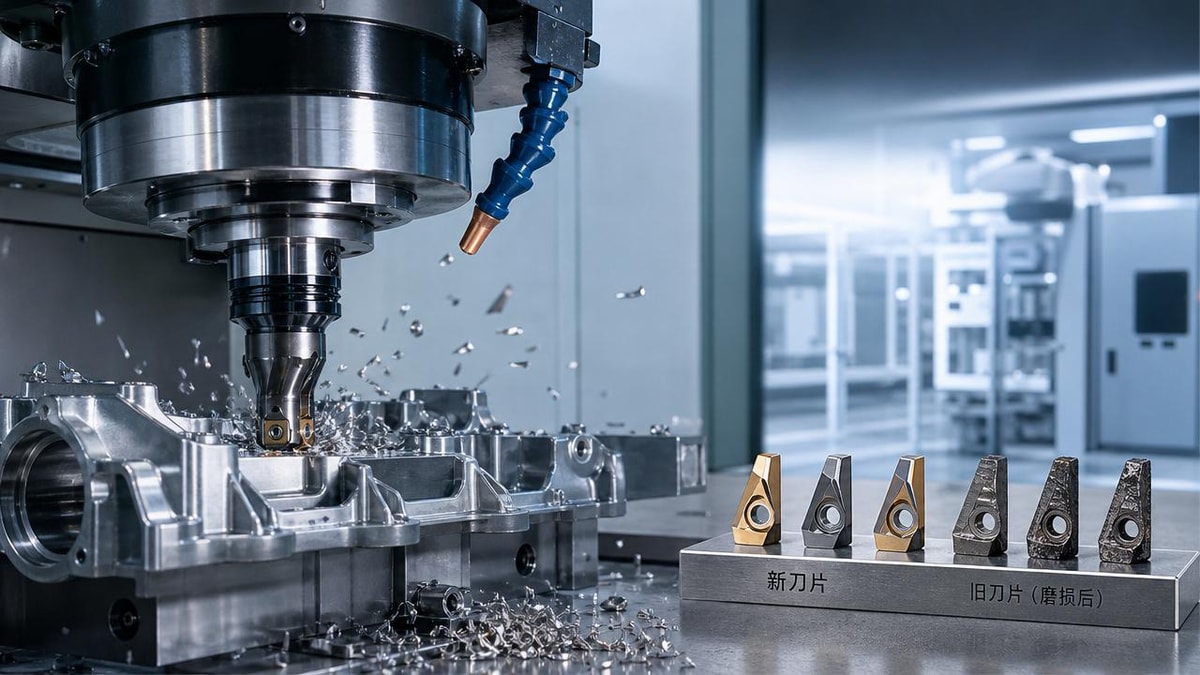
 CNC Metal Cutting Tool Wear Is Costing More Than You ThinkCNC Machining Technology Center

Aris Katos
Future of Carbide Coatings
15+ years in precision manufacturing systems. Specialized in high-speed milling and aerospace grade alloy processing.
▶
Why Some Automated Production Lines Stall After InstallationMachine Tool Industry Editorial Team▶
Space-Saving CNC Manufacturing Without Sacrificing WorkflowMachine Tool Industry Editorial Team▶
What Slows Automated Production More Than Machine SpeedMachine Tool Industry Editorial Team▶
2026 Roller Conveyor Trends: Flexibility & Digital Twin Drive Overseas ProcurementMachine Tool Industry Editorial Team▶
Automated Production Line faults that disrupt output for hoursMachine Tool Industry Editorial Team
Mastering 5-Axis Workholding Strategies
Join our technical panel on Nov 15th to learn about reducing vibrations in thin-wall components.

Providing you with integrated sanding solutions
Before-sales and after-sales services
Comprehensive technical support