• Global CNC market projected to reach $128B by 2028 • New EU trade regulations for precision tooling components • Aerospace deman
NYSE: CNC +1.2%LME: STEEL -0.4%

When an Automated Production Line needs a redesign
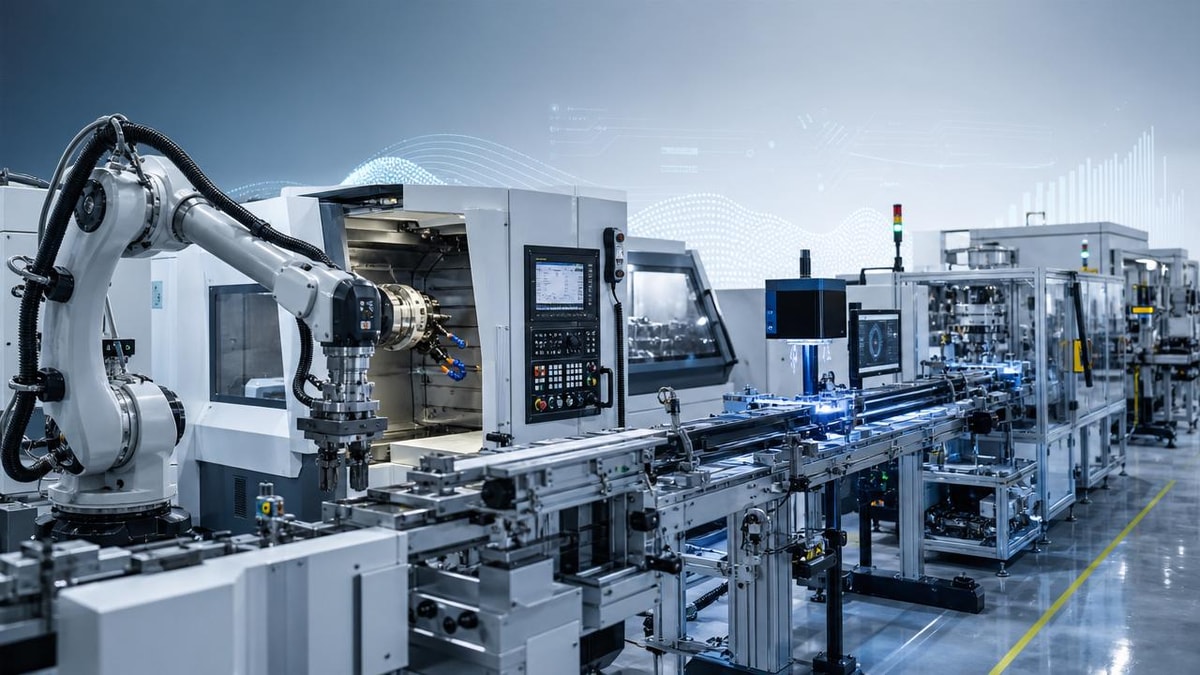
An Automated Production Line redesign is rarely a cosmetic upgrade. In most factories, it becomes necessary when the existing line can no longer support product changes, throughput targets, quality requirements, or control system reliability at an acceptable cost. For project managers and engineering leaders, the key question is not simply whether improvement is needed, but whether incremental fixes are still enough or whether a structured redesign will deliver better long-term results.
In CNC machining, precision manufacturing, and automated assembly environments, this decision has direct consequences for delivery performance, labor efficiency, maintenance cost, and future scalability. A poorly timed redesign can disrupt production and consume capital without solving root problems. A well-timed redesign, however, can remove recurring bottlenecks, stabilize quality, improve equipment utilization, and create a platform for digital manufacturing growth.
This article looks at the practical signals that indicate an Automated Production Line may need redesign, the business and engineering factors decision-makers should evaluate, and the steps that help turn a redesign project into measurable operational value.
How do you know when an Automated Production Line needs a redesign?
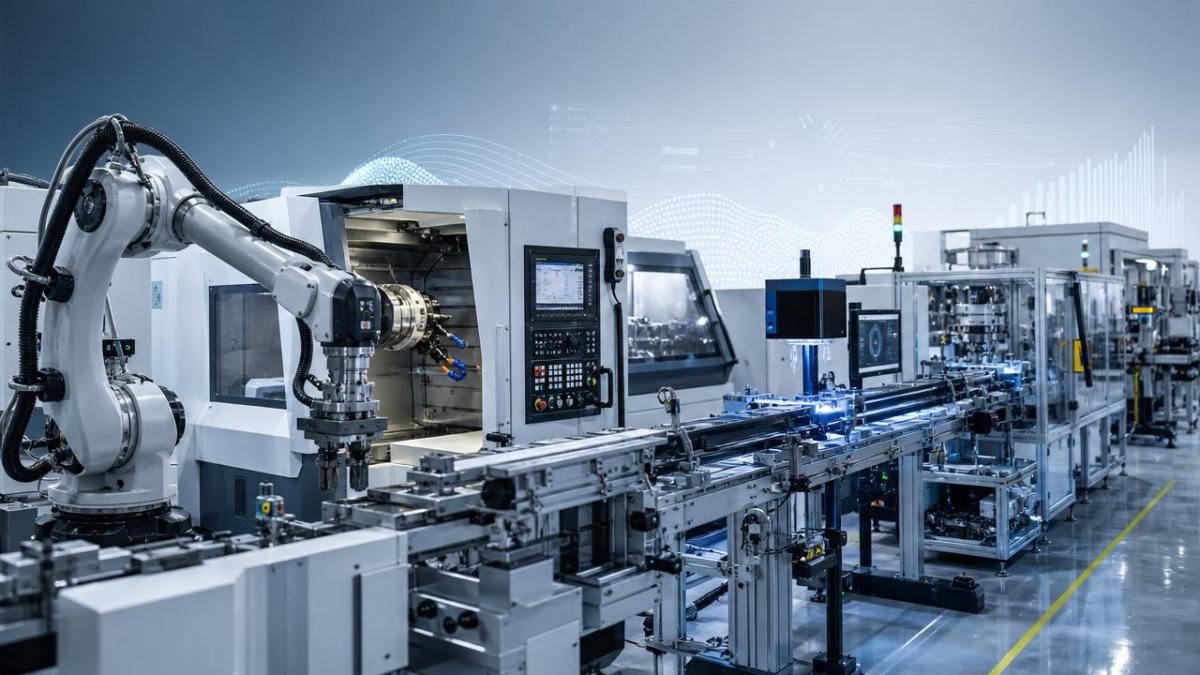
For most project leaders, the strongest signal is persistent performance loss that cannot be resolved through routine maintenance, programming updates, or local process optimization. If the line misses output targets month after month despite repeated intervention, the issue is often systemic rather than incidental.
Another clear sign is a mismatch between the line’s original design assumptions and current production reality. Many automated lines were built for a narrower product mix, longer batch runs, or less demanding tolerance standards. When the market shifts toward more variants, faster changeovers, tighter inspection criteria, or higher traceability requirements, the line may no longer fit the business it is supposed to support.
Frequent downtime is also a major warning signal. This includes not only mechanical failures, but also control instability, sensor misreads, robot synchronization errors, fixture wear, and communication faults between stations. When downtime becomes a recurring pattern across multiple stations, patchwork repairs may only delay a larger redesign decision.
Quality drift is equally important. If scrap, rework, or final inspection failures continue rising, especially after tooling, staffing, and parameter adjustments have already been tried, the line layout or process sequence may be contributing to the problem. In high-precision manufacturing, even small timing, positioning, or handling inconsistencies can create significant cumulative quality risk.
Project managers should also watch for hidden capacity bottlenecks. A line may appear functional overall, yet one machine, transfer module, or inspection station can constrain total output. If work-in-progress accumulates repeatedly in the same area, operators must manually intervene to keep flow moving, or overtime becomes standard just to meet schedule, the line likely needs structural change rather than daily firefighting.
What usually triggers a redesign decision in modern manufacturing?
The most common trigger is a product change. In automotive, aerospace, electronics, and industrial equipment manufacturing, new product generations often introduce different materials, more complex geometries, stricter tolerances, or additional process steps. A production line designed around older parts may struggle to support these changes without sacrificing speed or quality.
Capacity expansion is another major driver. As demand grows, management may initially try to increase output by extending shifts, adding operators, or speeding cycle times. These actions can help in the short term, but they often expose weaknesses in machine balance, part transfer logic, tool life management, and station coordination. At that point, redesign becomes a strategic response to sustained growth rather than a reactive fix.
Obsolete automation architecture is also a frequent issue. Many lines still depend on aging PLC platforms, unsupported HMIs, legacy fieldbus networks, or custom software that only a few people in the organization understand. This creates maintenance risk, cybersecurity concerns, spare parts challenges, and limited integration with MES, SCADA, or factory analytics systems. Redesign offers a chance to modernize controls while preserving valuable process knowledge.
Labor and safety pressures can trigger redesign as well. If a line still relies on manual loading, frequent ergonomic intervention, or unsafe troubleshooting practices, rising labor costs and compliance expectations may make the current configuration unsustainable. Automation redesign can improve not only output, but also safety consistency and staffing flexibility.
In some cases, the trigger is not internal at all. A new customer requirement, export certification standard, traceability expectation, or supplier quality agreement may force the plant to upgrade inspection, data collection, or process control. This is especially relevant in sectors where digital records and process validation are becoming part of market access.
Which problems matter most to project managers and engineering leaders?
Target readers in this space usually care less about abstract automation trends and more about decision risk. Their concern is whether a redesign will solve the right problem, justify capital spending, and avoid creating new disruption. They must balance operational urgency with budget discipline and execution reality.
One of their biggest questions is whether the issue can be solved with partial upgrades instead of full redesign. Replacing a fixture, adding a robot, updating PLC code, or introducing inline gauging may address isolated constraints. But if the problems involve line balance, material flow logic, station interaction, and maintainability across the system, local fixes can end up increasing complexity without restoring performance.
Another major concern is downtime during implementation. Even when the redesign case is strong, production leaders worry about the transition period. If installation and commissioning are poorly planned, a line upgrade can create missed deliveries, overtime cost, and customer dissatisfaction. This is why redesign planning must include temporary production strategies, installation windows, and startup risk controls.
Return on investment is naturally central. Decision-makers need to know where value will come from. In many successful projects, the gains are not limited to cycle time. They often include lower scrap, reduced unplanned maintenance, fewer manual interventions, faster changeovers, better OEE visibility, and improved ability to launch future products without major line disruption.
Engineering leaders also care about technical ownership after project handover. A redesigned Automated Production Line should be easier to maintain, easier to troubleshoot, and easier to expand. If a new solution introduces black-box software, proprietary integration complexity, or excessive dependency on a single vendor, the plant may inherit a new set of long-term risks.
What should be evaluated before approving a redesign project?
A strong redesign decision begins with data, not assumptions. Project teams should review actual performance history across throughput, downtime, scrap, rework, maintenance events, tool change frequency, changeover duration, and labor intervention. Trends over time often reveal whether the line is suffering from isolated technical issues or from a deeper mismatch between design and production needs.
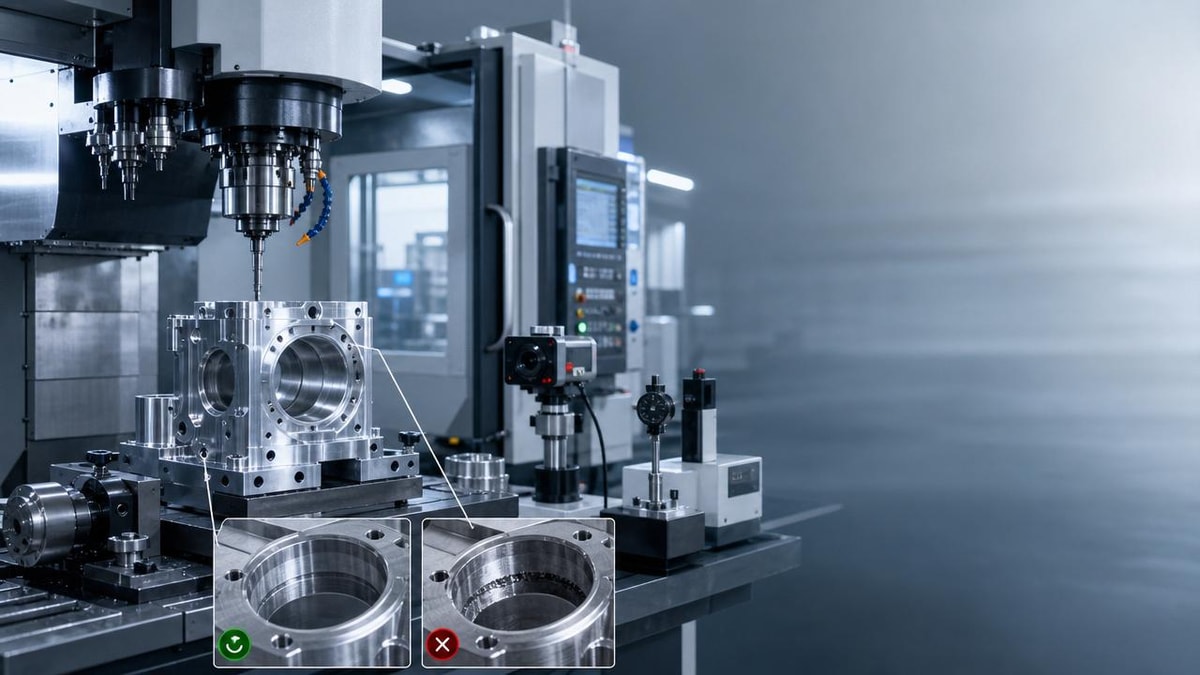
It is also important to map the current process in detail. This includes machine cycle times, transfer times, queue accumulation, buffer logic, quality checkpoints, operator touchpoints, and control system interactions. In CNC and precision manufacturing environments, a bottleneck may come from machining itself, but it may also come from clamping repeatability, part orientation, chip handling, washing, gauging, or downstream palletizing.
Future-state requirements must be defined clearly before any redesign concept is selected. These requirements should cover expected volume, product mix, takt time, tolerance capability, traceability needs, automation level, staffing assumptions, and digital integration goals. A line should not be redesigned only for today’s problems if the business already knows that tomorrow’s product strategy will be different.
Space and utility constraints are another practical factor. Many redesign concepts look good in simulation but fail under actual plant conditions involving floor load, access clearance, power distribution, air supply, coolant systems, chip evacuation, and maintenance reach. The best redesign solutions are manufacturable not only on paper, but inside the physical reality of the facility.
Finally, leaders should evaluate internal capability. Does the plant have enough engineering support for specification, FAT participation, commissioning, training, and post-launch optimization? A redesign project can underperform even with good equipment if ownership, change management, and cross-functional alignment are weak.
What are the strategic benefits of redesigning instead of continuing with temporary fixes?
The first major benefit is stability. Temporary fixes often keep a line running, but they usually do not eliminate the underlying causes of interruption, quality fluctuation, or process imbalance. A redesign creates an opportunity to simplify the process architecture and remove recurring failure points.
The second benefit is scalability. An Automated Production Line that has been redesigned around modular stations, flexible tooling, modern controls, and better data flow can adapt more easily to product changes and volume shifts. This is particularly valuable in industries where customer programs evolve quickly and product life cycles are shortening.
Quality improvement is another strong advantage. Redesign allows teams to rethink where and how quality is built into the process. Better fixture repeatability, improved in-process inspection, more stable part handling, and clearer feedback loops between machining and measurement can significantly reduce variation. In precision manufacturing, these gains often produce larger financial impact than a small increase in pure speed.
Redesign can also strengthen digital manufacturing readiness. Modern lines are expected to deliver more operational data, support remote diagnostics, integrate with production management systems, and enable predictive maintenance strategies. If the existing line cannot support these functions reliably, redesign becomes a step toward smarter factory operations rather than just equipment replacement.
There is also a workforce benefit. Simplified interfaces, better fault diagnostics, safer access, and reduced manual intervention make the line easier for operators and technicians to support. In a labor market where experienced maintenance and automation personnel are difficult to replace, usability is a strategic performance factor.
How can a redesign project be executed with lower risk?
The most effective projects start with a defined business case and a measurable problem statement. Instead of saying the line is old or inefficient, teams should specify what must improve: output per shift, scrap rate, changeover time, uptime, labor content, or launch capability for new products. Clear targets help prevent scope drift and vendor mismatch.
Cross-functional involvement is essential from the beginning. Production, maintenance, quality, manufacturing engineering, controls engineering, supply chain, and finance should all contribute. Each function sees different risks. Maintenance may identify access or spare parts issues that design engineers overlook, while quality teams may highlight traceability or process validation needs that materially affect the concept.
Simulation and digital validation can reduce redesign risk, especially for complex automated lines. Line balancing studies, robot reach checks, cycle time modeling, and virtual commissioning help identify issues before equipment is built or installed. These tools do not replace factory trials, but they improve decision quality and reduce late-stage surprises.
Phased implementation is often preferable to a single shutdown event. If the production schedule allows it, upgrading one cell, one station group, or one control layer at a time can preserve output continuity and create learning opportunities. However, this only works if interfaces are carefully planned. Partial upgrades without proper system architecture can create more integration difficulty later.
Commissioning strategy deserves special attention. Successful leaders prepare for ramp-up, not just installation. That means defining spare parts, training plans, troubleshooting roles, parameter validation procedures, and acceptance criteria before startup begins. Many redesigns fail to realize their expected value because the handover process is under-managed after the equipment is technically complete.
Should you redesign the full line or modernize selected sections?
This is one of the most important judgment calls in any automation investment. A full redesign may be appropriate when the line suffers from multiple interconnected problems, the controls platform is obsolete, future product requirements are significantly different, or maintenance burden has become structurally high. In these cases, partial upgrades may only extend the life of a weak architecture.
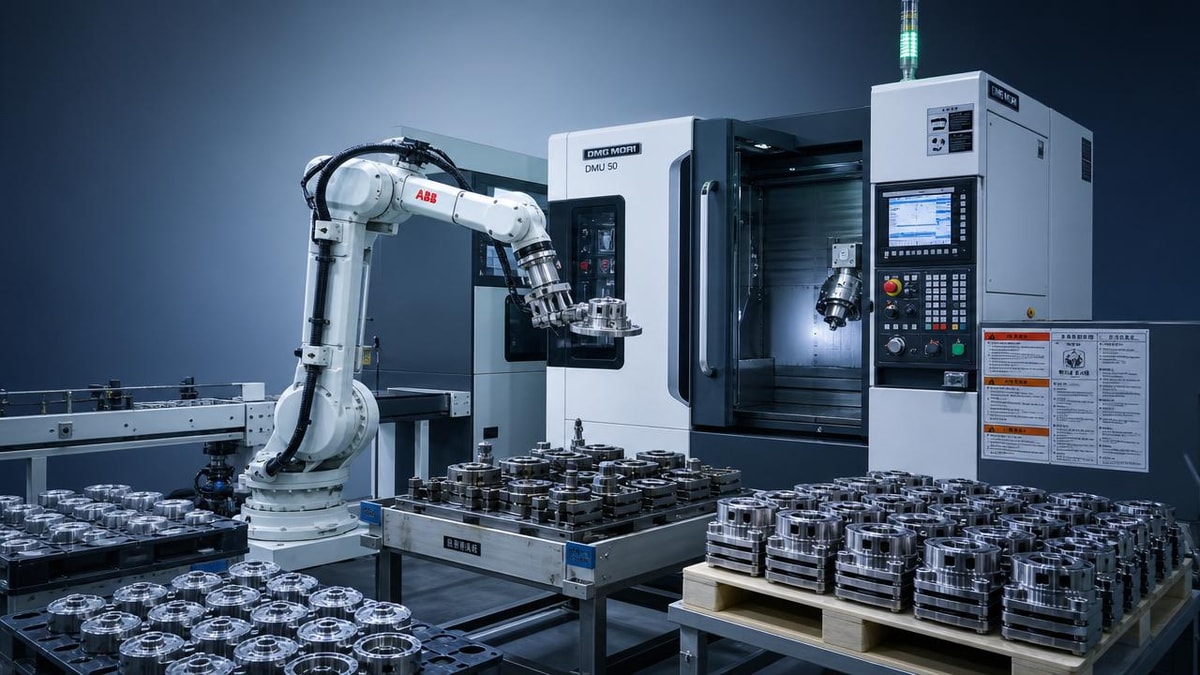
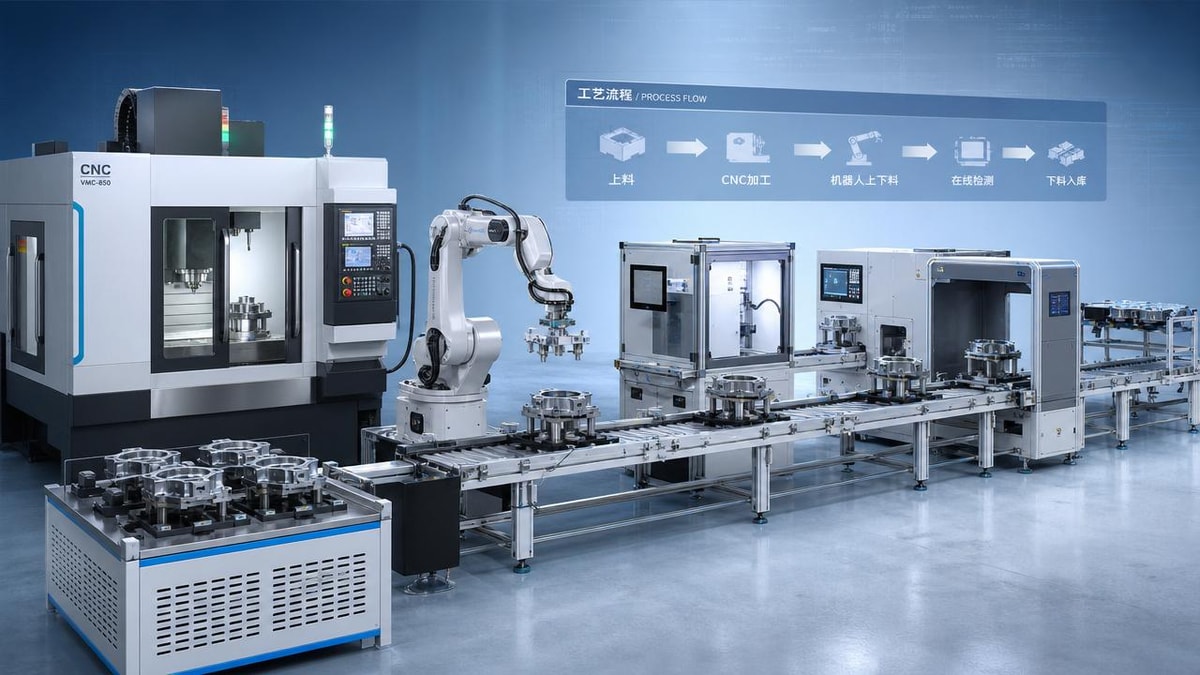
Selective modernization can be the better choice when the core process remains sound and only certain stations limit performance. For example, a CNC-centered line may benefit greatly from upgrading part loading, in-line gauging, pallet transfer, or tool monitoring while keeping the main machining assets in service. This approach can lower capital cost and reduce implementation disruption.
The right answer depends on root cause concentration. If 70 percent of the losses come from 20 percent of the line, targeted intervention may produce a faster payback. But if losses are distributed across machine interface logic, process sequencing, layout, and maintainability, redesigning only one section may not unlock enough system-level improvement.
Project managers should therefore compare scenarios side by side: patching, partial modernization, and full redesign. Each scenario should be evaluated against cost, downtime, technical risk, expected life extension, digital compatibility, and support for future product strategy. This structured comparison helps turn a difficult capital discussion into a rational business decision.
Conclusion: redesign is a timing decision as much as a technical one
An Automated Production Line should be redesigned when it no longer aligns with current or future manufacturing requirements and when repeated local fixes are no longer delivering stable results. The strongest indicators include chronic bottlenecks, rising downtime, quality instability, outdated controls, poor flexibility, and inability to support new business demands.
For project managers and engineering leaders, the goal is not to redesign for the sake of modernization. The goal is to identify when redesign creates better operational, financial, and strategic value than continued short-term correction. That requires clear data, realistic future-state planning, careful risk control, and a strong link between engineering choices and business outcomes.
When done well, a redesign does more than restore output. It improves resilience, strengthens quality, supports digital integration, and prepares the factory for the next phase of growth. In today’s competitive manufacturing environment, that makes redesign not just an engineering project, but a core production strategy decision.
PREVIOUS ARTICLE
NEXT ARTICLE
Recommended for You
 Industrial Robotics payback depends on one hidden variableManufacturing Market Research Center
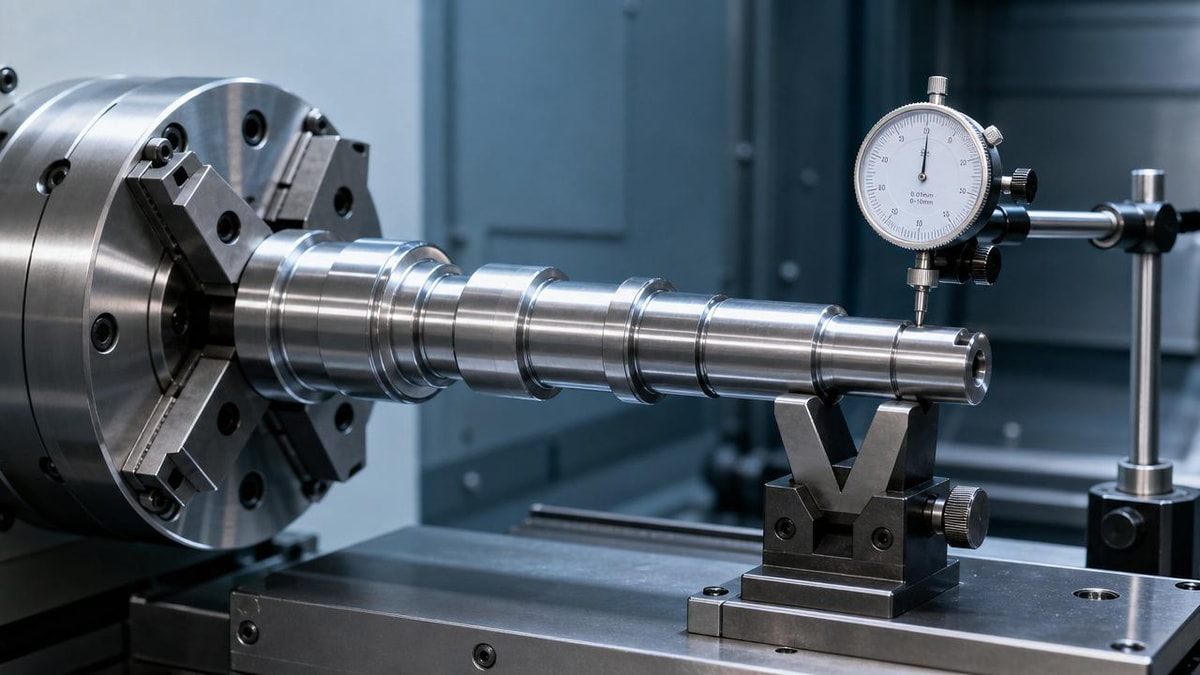
 Shaft Parts machining problems linked to concentricity lossCNC Machining Technology Center
 Production Process changes that quietly raise defect ratesCNC Machining Technology Center
 Industrial Automation projects stall without process mappingCNC Machining Technology Center
 CNC metal cutting heat issues behind poor surface finishCNC Machining Technology Center
 High precision lathe claims that deserve a closer lookMachine Tool Industry Editorial Team

Aris Katos
Future of Carbide Coatings
15+ years in precision manufacturing systems. Specialized in high-speed milling and aerospace grade alloy processing.
▶
When an Automated Production Line needs a redesignMachine Tool Industry Editorial Team▶
Space-saving CNC manufacturing without losing throughputMachine Tool Industry Editorial Team▶
Automated production lines fail when data flow is ignoredMachine Tool Industry Editorial Team▶
When an Automated Production Line Becomes Hard to ScaleMachine Tool Industry Editorial Team▶
Automated Production Mistakes That Raise Unit Cost Over TimeMachine Tool Industry Editorial Team
Mastering 5-Axis Workholding Strategies
Join our technical panel on Nov 15th to learn about reducing vibrations in thin-wall components.

Providing you with integrated sanding solutions
Before-sales and after-sales services
Comprehensive technical support